
Reviewed · SHINJUKU FOOD & BAR TOURS
Tokyo Ikebana Wellness Art Experience near Shinjuku
Flowers, silence, and a surprising lesson. This beginner-friendly Ikebana class in central Tokyo turns a craft you’ve probably seen in photos into something you can actually do, with small-group attention and fresh stems in your hands.
I especially love the step-by-step guidance that doesn’t assume you’ve ever held scissors before, plus the chance to take your take-home arrangement with you and enjoy it during the rest of your trip.
One thing to consider: it’s only about 1.5 hours, so you’ll learn the basics and create one arrangement—not master multiple styles in depth.
In This Review
- Key Things to Know Before You Go
- Ikebana in Tokyo: a calming craft near Shinjuku
- The 90-minute flow: history, tools, then your own arrangement
- Meet at M SQUARE in Nakano: how to show up ready
- What you learn in Ikebana that actually changes your results
- Small group, real attention: why up to 5 people matters
- Your take-home arrangement: how to use it during your trip
- Price and value: is $52.71 worth 90 minutes?
- Who this Ikebana workshop suits best
- Should you book this Ikebana workshop?
- FAQ
- What time does the Ikebana workshop start, and how long is it?
- Do I need prior experience in Ikebana?
- How many people are in the group?
- Will I take my arrangement home?
- Where is the meeting point?
- If I’m already in Japan, do I need to enter passport or flight information?
- Can I get a refund if I cancel?
Key Things to Know Before You Go
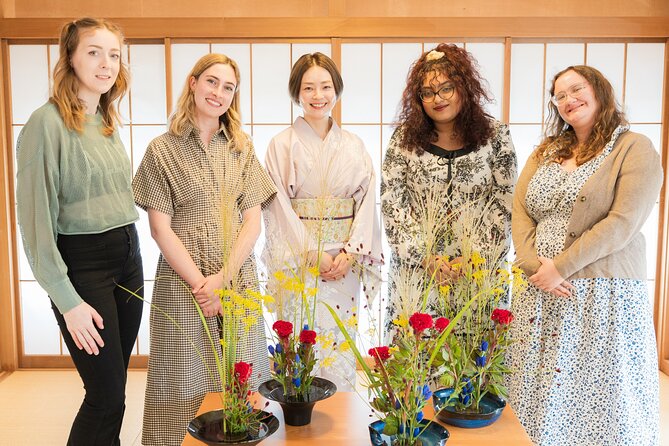
- Small group of up to 5 keeps the class personal and lets you get corrections as you work
- Instructor Ai-sensei guides in English, with clear explanations and examples from her work
- 600-year-old roots first: you’ll get the background (not just flowers on a table)
- Details matter in Ikebana: branch direction, leaf placement, and even changing height can shift the whole look
- You can take your arrangement home so the experience keeps paying off after class
Ikebana in Tokyo: a calming craft near Shinjuku
Ikebana is often described as delicate, “classy,” even intimidating. In this workshop, it feels the opposite of that: practical, patient, and totally doable. You’re learning Japanese flower arrangement as a real art with real rules, but the lesson is built for newcomers.
The setting helps. Participants talk about a clean facility and a Japanese-style room that feels bright and comfortable—exactly what you want when you’re trying something brand new. This matters because you’re not rushed. You can take your time adjusting a stem until it feels right.
And since the group is capped at 5 people, you’re not stuck watching from the back of the room. You’ll get direct attention as you build your arrangement, which is where most beginner classes either succeed… or fall apart.
If you’re the type of traveler who likes culture you can touch—hands-on, not just photo stops—this is a strong pick.
More Shinjuku plates and pours our readers rated
- Tokyo: Shinjuku Food Tour (13 Dishes at 4 Local Eateries)
★ 5.0 · 6,603 reviews - Tokyo Bar Hopping Tour in Shinjuku (All-You-Can-Drink + Dinner)
★ 5.0 · 3,587 reviews - Tokyo: Shinjuku Food Tour (15 Dishes and 4 Eateries)
★ 4.9 · 2,033 reviews - Best of Shinjuku: Izakaya Food Tour (4 Stops, 14+ Tastings)
★ 5.0 · 1,863 reviews
The 90-minute flow: history, tools, then your own arrangement
The class runs about 1 hour 30 minutes, starting at 1:00 pm and ending back at the meeting point. In that short window, you go from context to creation.
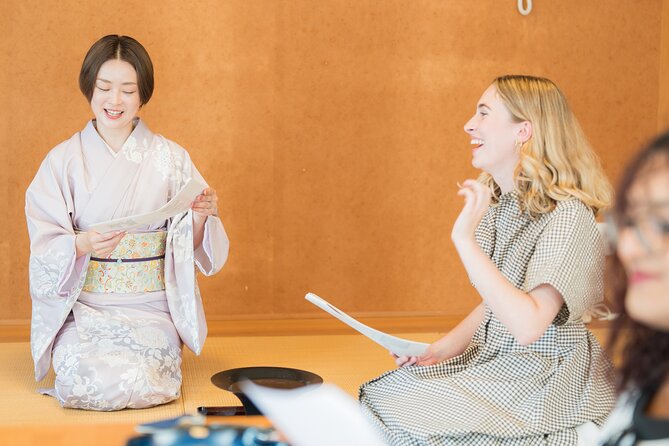
First comes the story: you’ll learn about Ikebana’s history and cultural background, including the idea that the practice goes back hundreds of years (the workshop frames it as a 600-year-old tradition). You’ll also see photos of the instructor’s work, so you can connect what you’re learning to what finished Ikebana looks like.
Then you get the real “how-to” pieces: tools, vase-related basics, and the main ways Ikebana is typically styled. One useful detail from the class experience is that you’re shown how to handle flower materials correctly—what matters for keeping stems positioned and how to avoid forcing things that don’t want to cooperate.
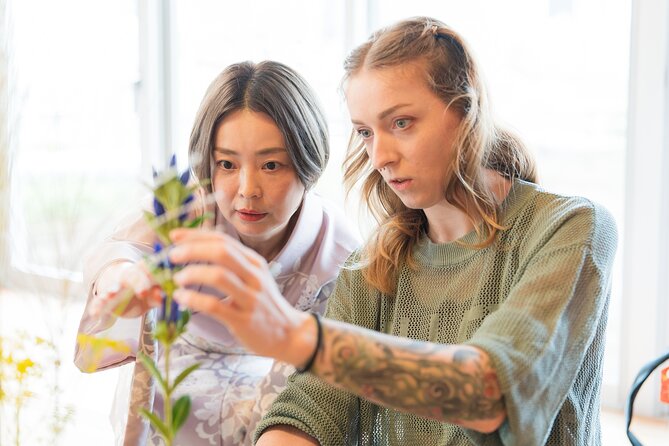
After the groundwork, you make your own arrangement. You’ll follow step-by-step guidance and create something you can carry home. You’re not just assembling flowers like a bouquet—you’re shaping line, balance, and space.
And yes, it can be surprisingly fast once you understand the key moves. People often leave impressed at how a small change—like branch direction or adjusting height—creates a totally different mood.
Meet at M SQUARE in Nakano: how to show up ready
The meeting point is in Nakano City, at:
M SQUARE, 3-chōme 8, Nakano, Nakano City, Tokyo 164-0001, Japan
Start time: 1:00 pm
It ends back at the meeting point.
This area is still very convenient for a Shinjuku-based itinerary. The workshop also notes it’s near public transportation, so you’re not hunting through remote streets or complicated transfers.
Practical tip: plan to arrive a few minutes early. In a short class, “catching up” time disappears fast, and you’ll want a calm start so you can focus on learning scissors work and stem handling.
You’ll receive confirmation at booking and you use a mobile ticket. That’s simple for day-of logistics: no long paperwork, no complicated check-in script.
What you learn in Ikebana that actually changes your results
The biggest misconception about Ikebana is that it’s hard because it’s “fancy.” The truth is more helpful: it’s hard only if nobody teaches the core rules clearly.
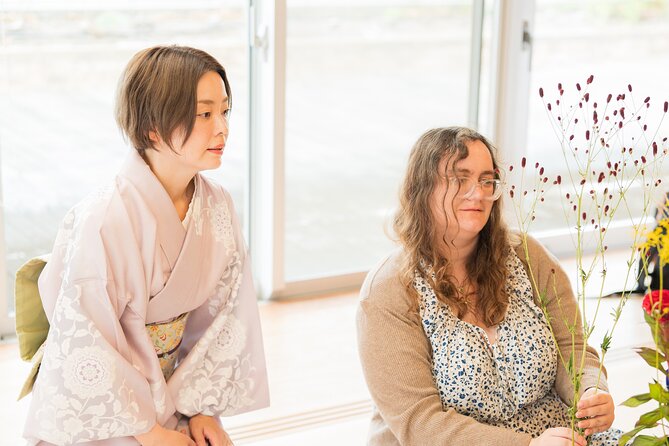
In this workshop, the teaching approach is built around beginners. You’ll be shown the basics of flower arranging and how to think about the structure: which stems become the main lines, how to balance the materials, and why the arrangement has the feeling it does.
A few design ideas you’ll likely feel while you work:
- Direction of branches changes the visual story. Rotate one stem and the entire composition shifts.
- Leaf placement isn’t decoration—it’s part of the rhythm and proportion.
- Height matters. People noticed that adjusting the height of a flower (like chrysanthemums in examples) can make the arrangement look completely different.
- Using the same materials differently leads to very different results. Even with similar flowers, each person’s arrangement ends up reflecting their choices.
There’s also a mindfulness angle. Many participants describe the process as relaxing—like the space in between stems becomes part of the lesson. That may sound poetic, but it’s practical: if you slow down and treat each cut and adjustment as intentional, you avoid the “messy scramble” that happens when beginners rush.
And since the instructor speaks in English, you’re not stuck translating in your head while trying to get a stem into place.
Small group, real attention: why up to 5 people matters
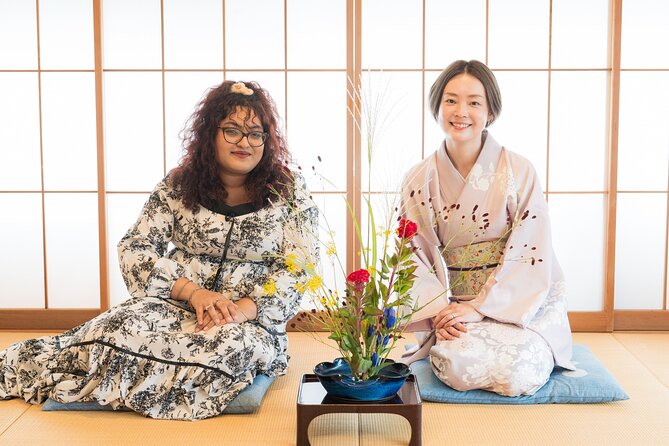
A group size of 5 or fewer might not sound like a big deal, but in a hands-on art class it changes everything.
With fewer people:
- you can ask questions without waiting
- corrections happen before you lock in the wrong structure
- your instructor can check your balance and positioning as you go
This is exactly what many people highlight: the guidance feels gentle and careful, with the teacher adjusting at your pace. That’s also why beginners tend to feel more confident. Instead of feeling judged, you feel guided.
You’ll also get an “aha” moment from seeing how other people’s arrangements turn out. One of the best parts of a small group is realizing that Ikebana isn’t one correct answer—it’s a set of design principles you apply your own way. When you see someone else create a different look using the same flower types, it clicks fast.
That’s not just fun. It’s useful. It helps you stop worrying about doing it perfectly and start paying attention to line, balance, and space.
More hands-on studios our readers booked
- Tokyo Shinjuku Chopsticks Making Class★ 5.0 · 1,763 reviews
- Chopstick Making Workshop in Ginza★ 4.8 · 1,366 reviews
- Kintsugi Experience: Art of Golden Joinery in Tokyo★ 5.0 · 467 reviews
- Tokyo Chopstick Making Workshop with Artisan★ 5.0 · 466 reviews
- Tokyo: Shinjuku Chopstick Making Class★ 4.9 · 440 reviews
Your take-home arrangement: how to use it during your trip
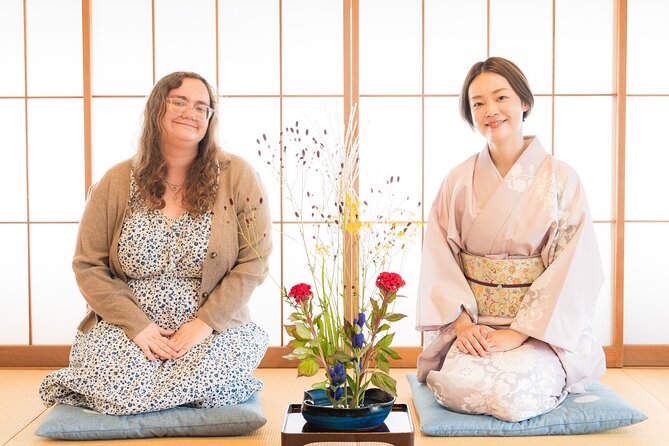
The workshop includes a take-home artwork. That’s a huge value add, because you’re not just buying a memory—you’re creating something you can live with.
Think about where you’ll place it:
- on a desk or bedside table
- near a window where you can see the height and lines
- somewhere you’ll pass by daily (so it feels like part of your trip, not a package you forgot)
Since the class uses fresh materials, your arrangement will evolve as flowers change over time. That can be part of the appeal—Ikebana often celebrates that living quality. Just don’t expect it to look exactly the same a week later like a museum piece.
If you want your arrangement to last as long as possible, be gentle with it. The workshop experience emphasizes correct handling during class—so the main lesson is the same afterward: treat stems carefully, keep the arrangement stable, and avoid aggressive moving.
Even if you only get a few days of enjoyment, taking it home is still worth it. It turns the workshop into something you can feel daily rather than a one-off activity.
Price and value: is $52.71 worth 90 minutes?
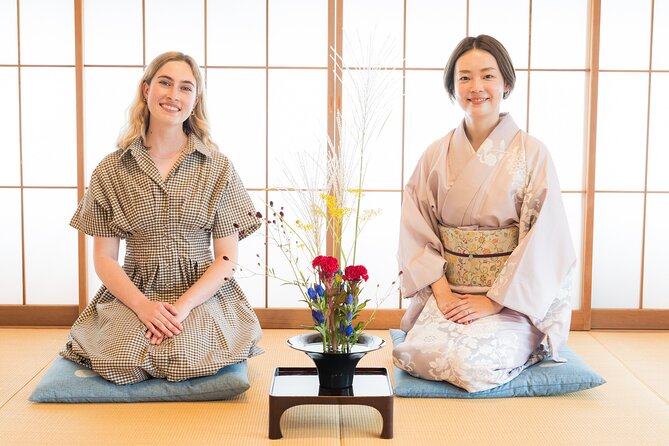
At $52.71 per person, this class sits in the “reasonable for a small-group activity with materials” category. You’re paying for more than the instructor’s time. You’re getting:
- instruction starting from basics
- explanations of history and design structure
- hands-on guidance during the build
- and a finished arrangement you take home
In practice, this is one of those experiences where cost becomes less about “hours” and more about the outcome. Many visitors want a cultural activity that isn’t just a ticket and a photo. This one gives you a real craft product, created with your own hands.
It also helps that the workshop is in central Tokyo and near transit. Less time traveling to reach the class means more time using your Tokyo day.
One caution on value: it’s non-refundable. So only book if you’re fairly confident you’ll be in the area on that day and time.
Who this Ikebana workshop suits best
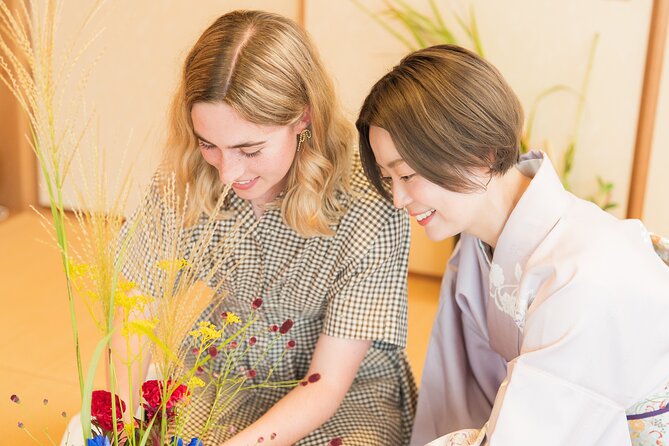
This is a great fit if you:
- want something cultural but not stressful
- like hands-on learning with step-by-step support
- enjoy calm, quiet activities during busy travel days
- want an experience you can share with friends or family
- care about bringing home a physical souvenir that isn’t mass-produced
It’s also a good choice for people who think they’re “not creative.” Ikebana is creative, yes, but it’s creative with structure. Once you understand the basics, you’re building something coherent fast.
If you already have advanced flower arranging skills, you might find the class focuses on fundamentals rather than advanced techniques. Still, the small group and English instruction could make it fun as a cultural refresher—just don’t expect a deep, multi-style master class in 90 minutes.
Should you book this Ikebana workshop?
If you want a beginner-friendly cultural activity that’s genuinely hands-on, I’d book it. The combination of small-group attention, English guidance from Ai-sensei, and the chance to create a take-home arrangement makes this a strong value for Tokyo.
The only reason not to book is if you’re looking for a long, technical course or if your schedule is too uncertain. Otherwise, this is exactly the kind of experience that gives you something you can’t get from walking around: a quiet, beautiful skill that you’ll remember every time you see fresh flowers afterward.
FAQ
What time does the Ikebana workshop start, and how long is it?
The workshop starts at 1:00 pm and runs about 1 hour 30 minutes. It ends back at the meeting point.
Do I need prior experience in Ikebana?
No. The experience is designed for beginners and participants of all ages.
How many people are in the group?
The class has a maximum of 5 travelers, which helps you get personal attention.
Will I take my arrangement home?
Yes. You’ll create an Ikebana arrangement during the workshop, and you can bring your finished artwork with you.
Where is the meeting point?
You meet at M SQUARE, 3-chōme 8, Nakano, Nakano City, Tokyo 164-0001, Japan. It’s also noted as near public transportation.
If I’m already in Japan, do I need to enter passport or flight information?
No. If a booking form asks for those details and you are already in Japan, you should enter N/A.
Can I get a refund if I cancel?
No. This experience is non-refundable and cannot be changed for any reason.
More Tour Reviews in Tokyo
- Mt Fuji and Hakone 1-Day Bus Tour Return by Bullet Train
★ 5.0 · 26,383 reviews - 1-Day Tokyo Bus Tour
★ 5.0 · 14,250 reviews - Tokyo: teamLab Planets TOKYO Digital Art Museum Entry Ticket
★ 4.6 · 9,779 reviews - Mt Fuji & Hakone Cruise, Drum Show Bullet Train 1 Day from Tokyo
★ 4.0 · 7,413 reviews - Tokyo: Shinjuku Food Tour (13 Dishes at 4 Local Eateries)
★ 5.0 · 6,603 reviews
More Artisan Workshops in Tokyo
- Tokyo Shinjuku Chopsticks Making Class
★ 5.0 · 1,763 reviews - Chopstick Making Workshop in Ginza
★ 4.8 · 1,366 reviews - Kintsugi Experience: Art of Golden Joinery in Tokyo
★ 5.0 · 467 reviews - Tokyo Chopstick Making Workshop with Artisan
★ 5.0 · 466 reviews - Tokyo: Shinjuku Chopstick Making Class
★ 4.9 · 440 reviews
More Shinjuku Food and Drink
- Tokyo: Shinjuku Food Tour (13 Dishes at 4 Local Eateries)
★ 5.0 · 6,603 reviews - Tokyo Bar Hopping Tour in Shinjuku (All-You-Can-Drink + Dinner)
★ 5.0 · 3,587 reviews - Tokyo: Shinjuku Food Tour (15 Dishes and 4 Eateries)
★ 4.9 · 2,033 reviews - Best of Shinjuku: Izakaya Food Tour (4 Stops, 14+ Tastings)
★ 5.0 · 1,863 reviews - Tokyo: Shinjuku Local Bar and Izakaya Guided Walking Tour
★ 4.9 · 1,794 reviews
Latest Tokyo reviews off our desk






Shinjuku Food & Bar Tours, compared.
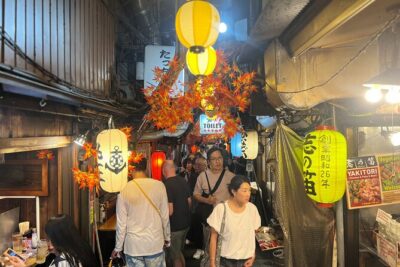 ★ 5.0Shinjuku Food Tour (13 Dishes at 4 Local Eateries)From $866,603 reviews
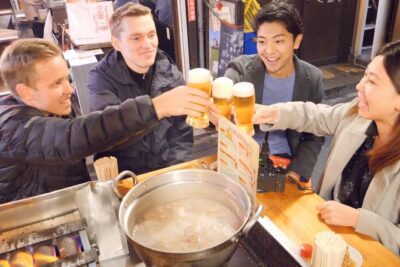 ★ 5.0Tokyo Bar Hopping Tour in Shinjuku (All-You-Can-Drink + Dinner)From $1063,587 reviews
 ★ 4.9Shinjuku Food Tour (15 Dishes and 4 Eateries)From $852,033 reviews
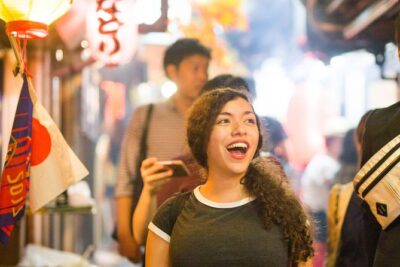 ★ 5.0Best of Shinjuku: Izakaya Food Tour (4 Stops, 14+ Tastings)From $921,863 reviews
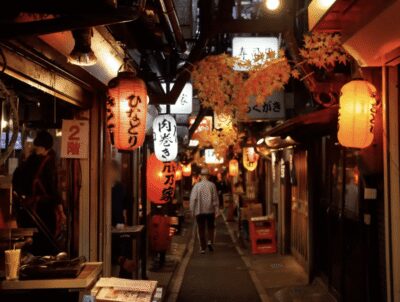 ★ 4.9Shinjuku Local Bar and Izakaya Guided Walking TourFrom $341,794 reviews
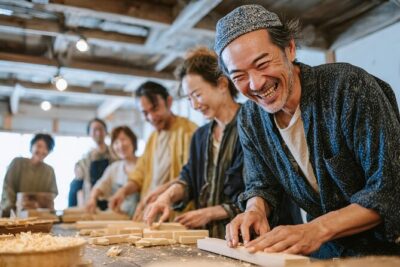 ★ 5.0Tokyo Shinjuku Chopsticks Making ClassFrom $201,763 reviews
 ★ 5.0Tokyo Shinjuku Sumo Show & Experience with PhotoFrom $791,750 reviews
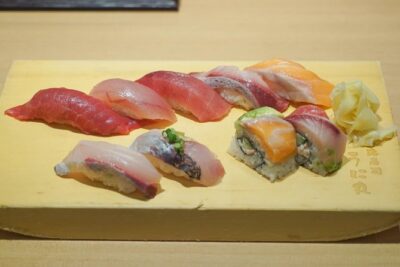 ★ 5.0Tokyo Night Foodie Tour in Shinjuku – Seasonal Sushi, Wagyu BeefFrom $1111,161 reviews
Browse the lists this tour appears in