
Reviewed · IMPERIAL PALACE TOURS
Tokyo Imperial Palace and Heritage of Edo Castle Private Tour
Tokyo’s past is within a short walk. This private tour strings together three big ideas of Tokyo in one smooth arc: imperial heritage, the former footprint of Edo Castle, and a look at the 400-year-old Nihonbashi district. You skip the crush of big groups, move at your pace, and can pepper your guide with questions as you go.
The two things I’d personally plan around are the guide-led explanations and the way the route hits both grand landmarks and quieter places. One guide you might meet, Sakamoto, is singled out for being patient with questions (even from a granddaughter) and for clearly connecting Edo Castle history to what you can actually see today. I also like the balance of stops: you get the big-name photo moment at Tokyo Station, then you slow down in the East Gardens where the pace finally makes sense.
One consideration: this is not a door-to-door tour. You meet near Tokyo Station and end in the Imperial Palace East National Gardens area, so you’ll want a plan for getting to and from those points.
In This Review
- Key highlights worth clocking
- Why this Imperial Palace private tour works in about 3 hours
- Getting oriented at Tokyo Station’s red-brick landmark (built in 1914)
- Imperial Palace grounds: seeing Edo Castle’s footprint in today’s city
- East Gardens and Edo Castle ruins: where the quiet does the teaching
- Nihonbashi’s 400-year thread: commerce-era Tokyo in one guided pass
- The guide experience: why Sakamoto-style patience changes everything
- Price, logistics, and how to slot it into your Tokyo day
- Should you book the Tokyo Imperial Palace and Edo Castle Private Tour?
- FAQ
- How long is the Tokyo Imperial Palace and Heritage of Edo Castle private tour?
- What does the tour cost?
- Where do I meet and where do I end the tour?
- Is this a private tour?
- What language options are available for the guide?
- Are any tickets or admissions included?
- Is hotel pick-up or transportation included?
- What if the weather is bad?
- What is the cancellation window?
Key highlights worth clocking
- Private group pace with Q&A built in, so you’re not stuck listening for 90 minutes straight
- Tokyo Station’s red-brick landmark look, including the significance of its 1914 construction
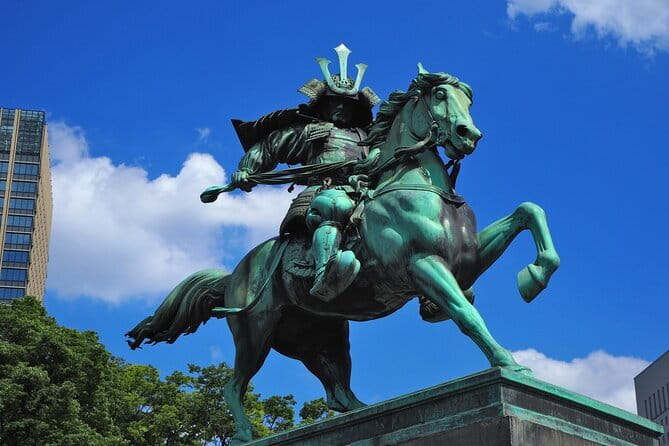
- Imperial Palace context, explained as the former site of Edo Castle and home of the Tokugawa shoguns
- East Gardens + Edo Castle ruins, a calmer counterpoint to the palace centerpiece
- Nihonbashi added, with guide-led insight into its long role in Edo-period city life
- Mobile ticket and a straightforward route centered on public transit
Why this Imperial Palace private tour works in about 3 hours
A 3-hour walking tour in Tokyo can either feel rushed or perfectly timed. This one is designed for the second option. You’re not trying to do everything; you’re trying to understand what you’re looking at. That’s the real value here: your guide connects places that look unrelated on a map but are linked in Tokyo’s story.
The pacing also matters. Private tours are often marketed as VIP, but here the advantage is practical. You can stop for a better photo angle, ask why something is there, or simply slow down when the scenery (or crowd levels) tell you to. In a place like Tokyo, that flexibility is worth more than it sounds on paper.
Finally, the structure keeps your morning (or afternoon) efficient. You start at a major transit landmark, move into imperial territory, then finish in the gardens zone. That means you can plug the tour into a wider Tokyo plan without burning half your day on transfers.
More walks around the Imperial grounds
- Tokyo: Imperial Palace and Shogun Historical Walking Tour
★ 5.0 · 2,251 reviews - Tokyo: Imperial Palace Japanese History Walking Tour
★ 4.9 · 987 reviews - Tokyo: Imperial Palace and Shogun Walking Tour
★ 4.9 · 935 reviews - Imperial Palace East Garden and Edo Castle Walking Tour in Tokyo
★ 5.0 · 510 reviews
Getting oriented at Tokyo Station’s red-brick landmark (built in 1914)
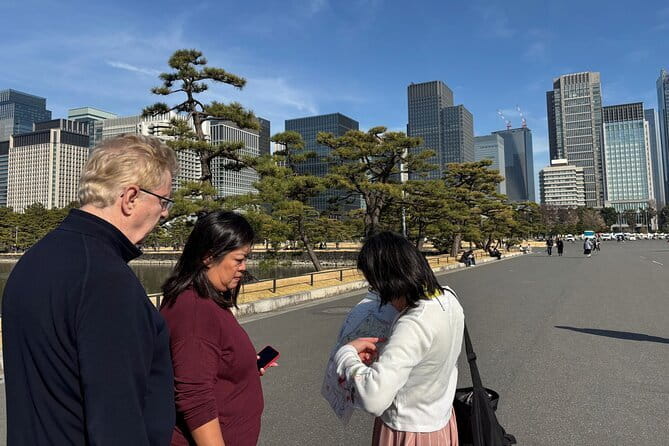
You begin at Marunouchi Police Department, Tokyo Station Police Box, right in the Tokyo Station area. That’s a smart choice because Tokyo Station is both a visual landmark and a navigation hub. It’s a fast way to get your bearings without spending your first hour figuring out which train platform goes where.
The guide-led stop here focuses on Tokyo Station’s exterior and why it matters. The red brick design and the fact that it was built in 1914 give you a handle on Tokyo’s modern identity and its ability to reuse older forms. You’re not just taking a quick selfie; you’re learning how the city’s infrastructure became part of its identity.
Why this works for most visitors: Tokyo Station can be overwhelming if you’re rushing through it. Starting with a short, guided orientation helps your brain store the place. Later, when you return to Tokyo Station (or pass by it on your way out), you’ll recognize it faster, and you’ll feel less like you’re walking in circles.
A small downside to keep in mind: the Tokyo Station area can be busy, so if you’re hoping for a perfectly quiet photo, you’ll likely need to be flexible about when you pause for pictures.
Imperial Palace grounds: seeing Edo Castle’s footprint in today’s city
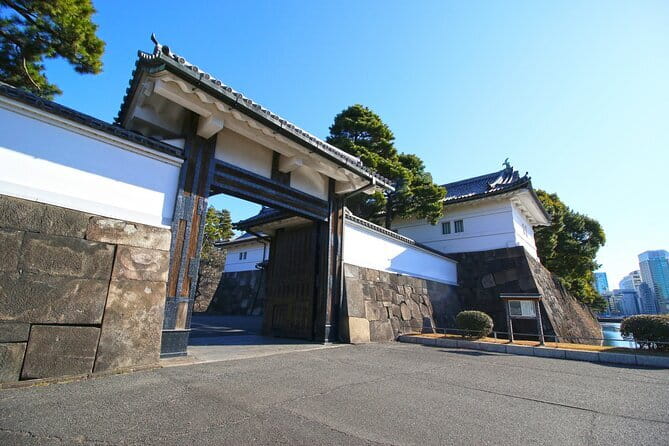
The next stop is the Imperial Palace area, where you’ll spend about an hour. This is the heart of the story. Long ago, this site was Edo Castle, and it served as the residence of the Tokugawa shoguns. Today, the grounds are associated with the Japanese Emperor, and the palace remains one of Tokyo’s most symbolic spaces.
What makes this stop valuable on a private tour is the translation of history into what you can observe. You’re not just hearing names and dates. You’re getting the “why this matters” version: how a political center shaped how the city was laid out, and why the area’s status still influences Tokyo’s pace and planning.
You also get a practical benefit: this kind of explanation changes how you read the scenery. Walls, gates, garden edges, and open spaces suddenly make sense as components of a system rather than random scenery blocks. That’s the difference between wandering and understanding.
One more thing: palace visits in Tokyo can feel abstract if you’re only thinking about modern Japan. The guide’s Edo Castle connection is what anchors it. You’ll walk away with a clearer picture of how the imperial center grew out of the shogunate era, not as a disconnected “then vs. now,” but as a continuity of place and power.
East Gardens and Edo Castle ruins: where the quiet does the teaching
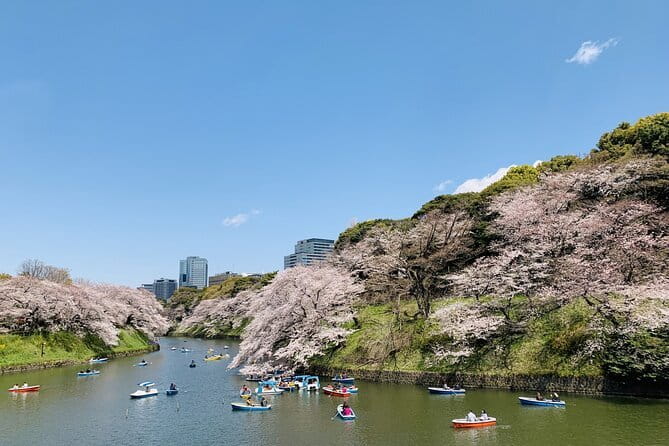
After the palace centerpiece, the tour moves into the East Gardens of the Imperial Palace, including the Edo Castle ruin areas. Plan on about 1 hour 30 minutes here. This is where the tour’s tone shifts from “landmark viewing” to “slow walking.”
The gardens are described as a serene break from the city, with historic ruins and seasonal flowers. That matters because gardens are where you can actually absorb explanations at a human speed. In a dense city like Tokyo, it’s easy for history to become noise. In the East Gardens, the environment gives your mind somewhere to land.
This stop also helps you “see” Edo Castle in a different way. Instead of imagining it as something gone and unreachable, the ruins and garden layout make it feel closer to the ground truth. You’re watching how remnants coexist with later uses of the space. It’s a useful lesson in how Tokyo’s layers overlap.
What I’d consider as your personal strategy: if you’re the type who likes taking your time with photos, this is your best window to slow down. The time here is generous enough that you can stop, look, and ask follow-up questions without forcing the tour to feel like a checklist.
If weather is poor, note that the experience requires good weather. Since gardens and walking are central here, you’ll be glad the tour is designed around outdoor comfort.
Nihonbashi’s 400-year thread: commerce-era Tokyo in one guided pass
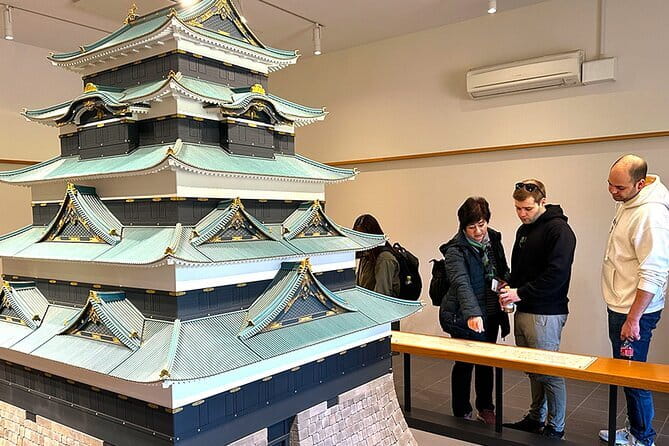
The tour also includes the Nihonbashi district, known for its long connection to Edo-period life. The highlight here is the idea of continuity: Nihonbashi is described as 400-year-old, and the guide uses that framing to help you understand why this area mattered.
Even if you only get a guided pass through the district, you’ll come away with a better sense of what you’re looking at. Nihonbashi isn’t just a place to walk past on the way to somewhere else. It’s a reminder that Tokyo’s history wasn’t only political. It was also economic and logistical—where goods moved and where the city’s everyday rhythms took shape.
Here’s why I think this stop is a smart add-on on a private format: it prevents the tour from becoming a one-note story about power. Imperial Palace and Edo Castle history are huge, but cities are also built on trade, movement, and daily work. Nihonbashi is the counterweight.
You’ll want to keep an eye on timing here. The core of the tour is the Imperial area, and this district is woven in as part of the overall arc. If you’re the type who enjoys extra wandering on your own, save some energy after the tour for a short follow-up walk so you can keep what you learned from turning into “I saw it, but it didn’t stick.”
Readers also shortlisted these Tokyo bookings:
- Private Tour to Mt. Fuji and Hakone (Fully Licenced Operator)★ 5.0 · 1,910 reviews
- Tokyo Customized Private Tour (Must See Places in 1 Day)★ 5.0 · 1,499 reviews
- Mount Fuji Full-Day Private Tour from Tokyo (Customizable)★ 4.9 · 1,470 reviews
- Private Custom Tour: Tokyo in a Day★ 5.0 · 1,432 reviews
- Tokyo 4hr Private Tour with Government-Licensed Guide★ 5.0 · 1,394 reviews
The guide experience: why Sakamoto-style patience changes everything
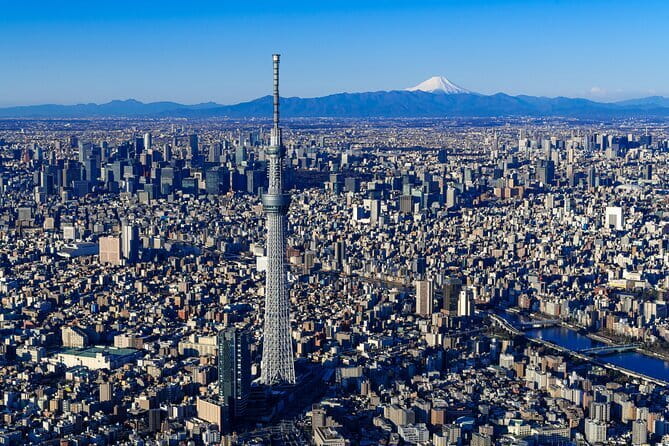
One of the strongest themes in the feedback is guide quality. This isn’t just about delivering facts. It’s about managing the flow of questions, making history make sense, and staying patient when your group has multiple directions of curiosity.
A guide named Sakamoto comes up for being both pleasant and very patient—especially with questions from a child. That kind of patience is more than nice manners. It helps you learn. When your guide can handle follow-ups, you’ll ask better questions, and the answers will connect better to what you’re seeing right then.
Also, the way the tour combines different stop types demands someone who can shift gears quickly. Tokyo Station is modern and practical. The Imperial Palace is ceremonial and symbolic. The East Gardens require a slower pace and a different kind of attention. A strong guide can move between those modes without losing the thread.
If you want the tour to feel worth it, show up ready to ask something specific. For example: why did Edo Castle’s layout influence the modern city? or how should you interpret the idea of imperial residence in terms of earlier shogunate rule? You’ll get more out of the tour when you steer it a little.
Price, logistics, and how to slot it into your Tokyo day
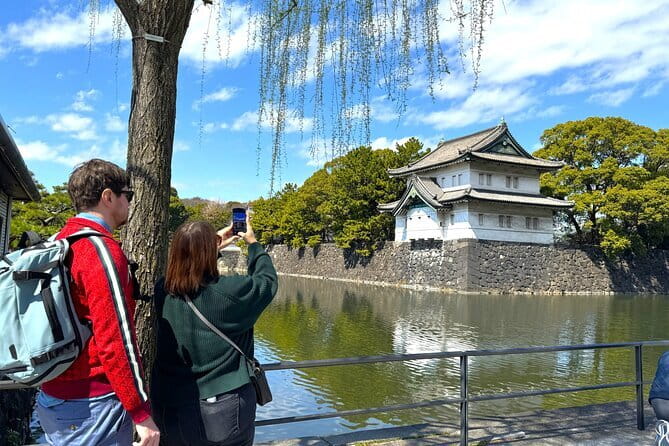
At $83.24 per person for about 3 hours, this tour sits in the “worth it if it’s the right day” category. It’s not the cheapest way to see landmarks, but the value comes from private guidance and time efficiency.
Here’s what you’re paying for, in practical terms:
- A private format (your group only), which means more flexible pacing
- A multilingual guide (English/Chinese/Korean/Japanese-speaking options are listed)
- Free admission is included for the stops mentioned in the flow, including Tokyo Station area time and the palace/gardens context
- Mobile ticketing, which reduces friction once you’re there
The logistics are also pretty manageable, with one catch. You don’t get hotel pick-up or drop-off, and transport is not included. That means you’ll want to arrive at the start point near Tokyo Station with a plan and leave the end point—Imperial Palace East National Gardens—with a clear next step.
On the brighter side, there’s a helpful flexibility note: depending on timing and where you’re headed next, the guide may escort you back toward Tokyo Station. If you’re planning to continue your day around Marunouchi or hop on a train afterward, that could save you some stress.
Who this tour fits best:
- First-timers who want a guided framework for imperial/Edo-era Tokyo
- Travelers who dislike large group pacing
- People who like asking questions and getting direct answers in plain language
- Families who want a guide who can handle ongoing curiosity without rushing
Should you book the Tokyo Imperial Palace and Edo Castle Private Tour?
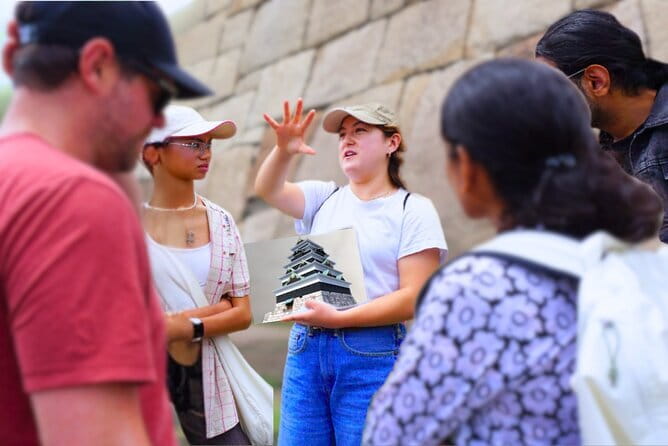
Book it if you want context more than checkboxes. The combination of Tokyo Station orientation, Imperial Palace explanation tied to Edo Castle, and the calm East Gardens makes this feel like a guided story rather than a long walk past big walls.
I’d also book it if you’re trying to learn something specific and you don’t want to fight the crowd. Private format means you can adjust your pace, stop when you need to, and ask follow-ups without feeling like you’re holding up a bus-sized group.
Skip—or at least reconsider—if you strongly prefer self-guided wandering with zero structure. This tour is built around a guide-led flow. If you want total freedom to roam for hours without stopping, you may prefer browsing on your own. Also, because it depends on good weather, you might want a backup plan on a rainy or cold day.
If you want a Tokyo day that feels coherent—like you’re actually reading the city instead of just viewing it—this is one of the better choices at its price point.
FAQ
How long is the Tokyo Imperial Palace and Heritage of Edo Castle private tour?
It runs for about 3 hours.
What does the tour cost?
The price is $83.24 per person.
Where do I meet and where do I end the tour?
You start at the Marunouchi Police Department Tokyo Station Police Box (1-chōme-9-1 Marunouchi) and end at the Imperial Palace East National Gardens (1-1 Chiyoda).
Is this a private tour?
Yes. It’s a private tour/activity, so only your group participates.
What language options are available for the guide?
The tour offers English/Chinese/Korean/Japanese-speaking guides.
Are any tickets or admissions included?
Admission tickets are listed as free for the stops mentioned in the tour flow.
Is hotel pick-up or transportation included?
No. Hotel pick-up and drop-off are not included, and transport is not included.
What if the weather is bad?
The experience requires good weather. If it’s canceled due to poor weather, you’ll be offered a different date or a full refund.
What is the cancellation window?
You can cancel for a full refund up to 24 hours in advance of the experience start time. If you cancel less than 24 hours before, the amount paid won’t be refunded.
More Tours in Tokyo
- Mt Fuji and Hakone 1-Day Bus Tour Return by Bullet Train
★ 5.0 · 26,383 reviews - 1-Day Tokyo Bus Tour
★ 5.0 · 14,250 reviews - Tokyo: Shinjuku Food Tour (13 Dishes at 4 Local Eateries)
★ 5.0 · 6,603 reviews - Tokyo Mt Fuji 5th St & Hakone Cruise Bus Tour w/Bullet Train
★ 4.4 · 5,024 reviews - Flagship 2-Hours Official Street Go-Kart Tour – Tokyo Bay Shop
★ 5.0 · 4,974 reviews
More Tour Reviews in Tokyo
- Mt Fuji and Hakone 1-Day Bus Tour Return by Bullet Train
★ 5.0 · 26,383 reviews - 1-Day Tokyo Bus Tour
★ 5.0 · 14,250 reviews - Tokyo: teamLab Planets TOKYO Digital Art Museum Entry Ticket
★ 4.6 · 9,779 reviews - Mt Fuji & Hakone Cruise, Drum Show Bullet Train 1 Day from Tokyo
★ 4.0 · 7,413 reviews - Tokyo: Shinjuku Food Tour (13 Dishes at 4 Local Eateries)
★ 5.0 · 6,603 reviews
More Imperial Palace Walks
- Tokyo: Imperial Palace and Shogun Historical Walking Tour
★ 5.0 · 2,251 reviews - Tokyo: Imperial Palace Japanese History Walking Tour
★ 4.9 · 987 reviews - Tokyo: Imperial Palace and Shogun Walking Tour
★ 4.9 · 935 reviews - Imperial Palace East Garden and Edo Castle Walking Tour in Tokyo
★ 5.0 · 510 reviews - Tokyo: Imperial Palace East Gardens Walking Tour
★ 4.8 · 353 reviews
Latest Tokyo reviews off our desk






Imperial Palace Tours, compared.
 ★ 5.0Imperial Palace and Shogun Historical Walking TourFrom $222,251 reviews
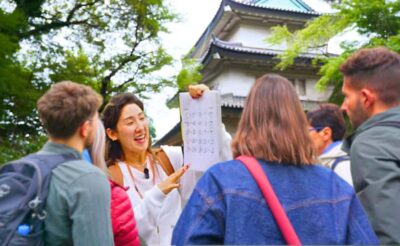 ★ 4.9Imperial Palace Japanese History Walking TourFrom $32987 reviews
 ★ 4.9Imperial Palace and Shogun Walking TourFrom $16935 reviews
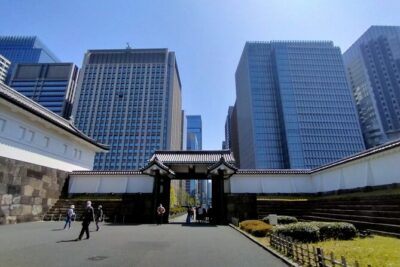 ★ 5.0Imperial Palace East Garden and Edo Castle Walking Tour in TokyoFrom $25510 reviews
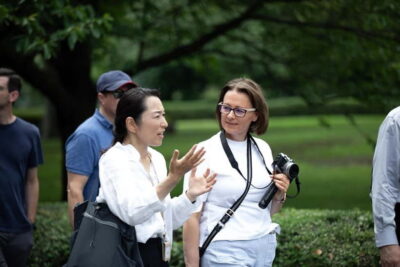 ★ 4.8Imperial Palace East Gardens Walking TourFrom $19353 reviews
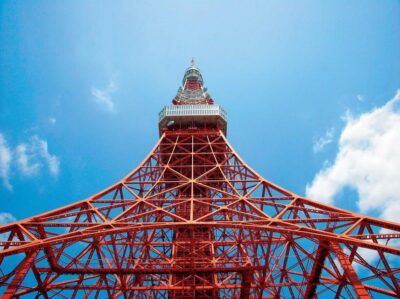 ★ 4.5Imperial Palace, Sensō-ji Temple, & Tokyo Tower TourFrom $40339 reviews
 ★ 5.0Tokyo Castle, Imperial Palace, Shogun & Garden Walking TourFrom $31211 reviews
 ★ 4.7Edo Castle & East Garden of the Imperial Palace TourFrom $42112 reviews
Browse the lists this tour appears in