
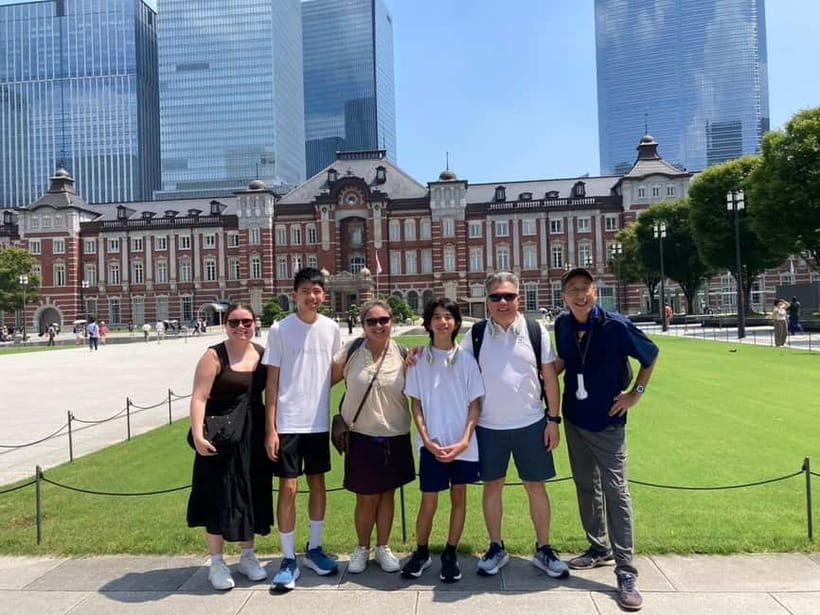
Reviewed · IMPERIAL PALACE TOURS
Tokyo: Imperial Palace East Gardens and Tokyo Station Tour
History walks here, from palace to station. I love Imperial Palace East Gardens for its calm moats and garden design, and I especially like how guide Yuki brings the Edo Castle story to life with clear, funny storytelling. One thing to consider: this is a moderate walking tour, so comfy shoes and weather planning matter.
You’ll start at スターバックス コーヒー 皇居外苑 和田倉噴水公園店 and finish at 東京駅, which makes the whole outing feel efficient instead of tangled in transfers. The guide is live and English-capable (with other languages available too), and the route is wheelchair accessible, so you can focus on seeing rather than figuring everything out.
In This Review
- Key things I’d circle before you go
- From East Gardens’ moats to a guided Edo Castle storyline
- Starting at スターバックス コーヒー 皇居外苑 和田倉噴水公園店: a smart launch point
- Ninomaru Garden: where the palace grounds start to feel layered
- Imperial Palace East Gardens: a guided look at gates, guards, and ceremonial space
- Marunouchi on foot: matching modern architecture to Edo-era meaning
- Tokyo Station’s restored exterior: a satisfying, easy ending
- Price and pace: is $38 worth 150 minutes?
- Who this tour suits best (and who might not love it)
- Quick tips so your day runs smoothly
- Should you book this Imperial Palace East Gardens to Tokyo Station tour?
- FAQ
- Where does the tour start?
- How long is the tour?
- Is there an admission fee for the Imperial Palace East Gardens?
- What languages are available for the live guide?
- Is the tour wheelchair accessible?
- What should I bring, and what is not allowed?
- Is free cancellation available?
Key things I’d circle before you go
- East Gardens + moats + garden layout: you’ll understand what you’re looking at, not just take photos
- Ninomaru Garden: a quiet stop that adds depth to the palace complex
- Edo Castle landmarks: Ote-mon Gate, Hyakunin Bansho Guardhouse, and Fujimi-yagura watchtower
- Nijubashi Bridge viewpoints: classic sightlines tied to the palace’s ceremonial role
- Marunouchi through two eras: modern architecture and art with shogunate-era context
- Tokyo Station finale: the red-brick exterior gives you a satisfying endpoint
From East Gardens’ moats to a guided Edo Castle storyline
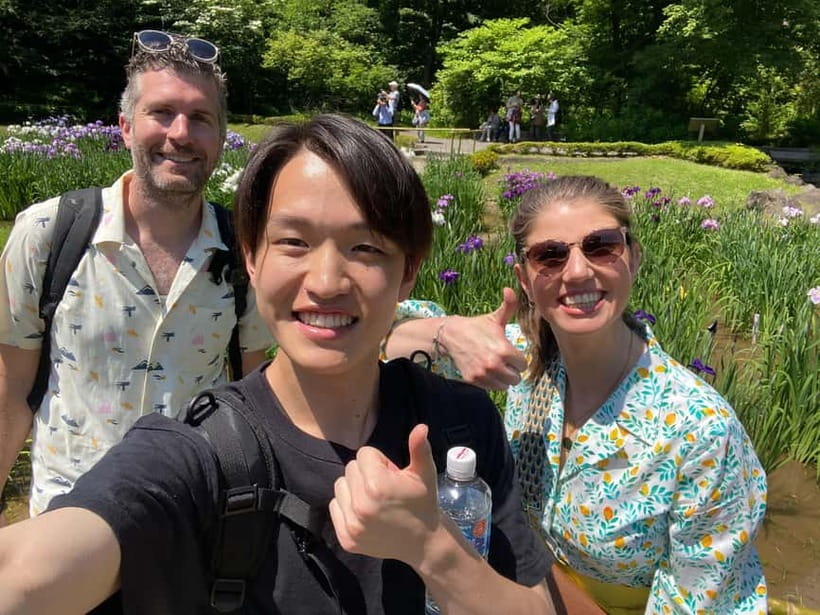
This tour works because it teaches you how to read the space. In Tokyo, you can stand somewhere famous and still feel like you’re missing the point. Here, you’re guided through the Imperial Palace East Gardens in a way that connects what you see (water, gates, garden structure) to what those features meant centuries ago.
I like the way the tour frames the area as a living history lesson. You’re not just hearing dates; you’re learning why specific parts of the castle and palace system existed. The result is a much stronger mental picture of old Tokyo—especially the Tokugawa-era world around Edo Castle.
The practical win is also real: it’s only about 150 minutes. That’s long enough to slow down and learn, but not so long you’re exhausted before you reach the grand finish at Tokyo Station.
More walks around the Imperial grounds
- Tokyo: Imperial Palace and Shogun Historical Walking Tour
★ 5.0 · 2,251 reviews - Tokyo: Imperial Palace Japanese History Walking Tour
★ 4.9 · 987 reviews - Tokyo: Imperial Palace and Shogun Walking Tour
★ 4.9 · 935 reviews - Imperial Palace East Garden and Edo Castle Walking Tour in Tokyo
★ 5.0 · 510 reviews
Starting at スターバックス コーヒー 皇居外苑 和田倉噴水公園店: a smart launch point
Your meeting point is at a Starbucks near the Imperial Palace area: スターバックス コーヒー 皇居外苑 和田倉噴水公園店. It’s a convenient landmark for getting your bearings fast. If you arrive a bit early, it’s a good place to grab a drink and settle your timing before the walking starts.
A small detail that makes a difference: the tour is designed for walking, and you’ll be spending meaningful time outdoors. Bring a hat, water, and sunscreen if the weather is bright. And since flash photography isn’t allowed, plan on using natural light and normal camera settings rather than trying to force shots.
Also note what you should avoid: backpacks aren’t allowed. So if you’re coming from other parts of Tokyo with luggage, consider traveling light or using storage before this tour. That one rule can be the difference between a smooth start and a last-minute stress moment.
Ninomaru Garden: where the palace grounds start to feel layered
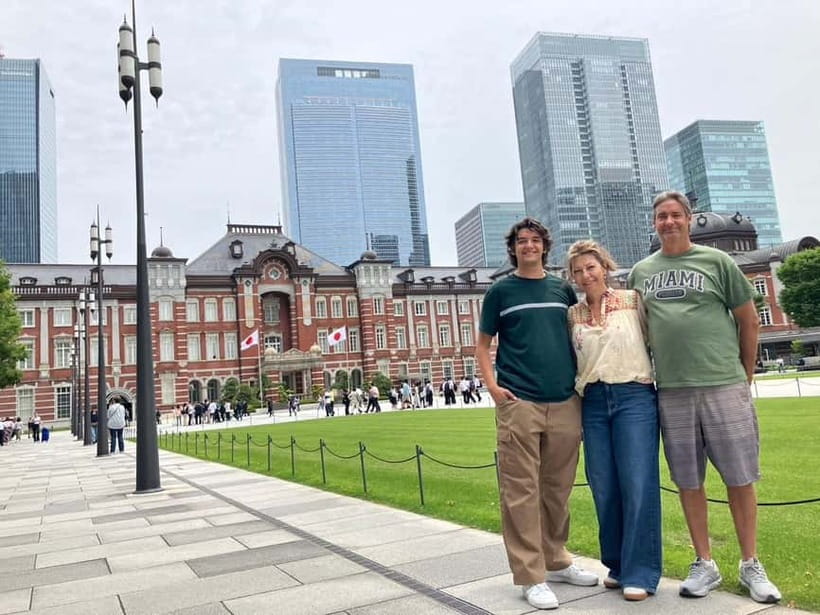
Early on, you’ll visit Ninomaru Garden. This is the kind of stop that helps you understand the palace complex as more than one big postcard view. Gardens here aren’t just decoration; they’re part of how space was planned for presence, movement, and ceremony.
What you’ll get from a guided visit is context: why the layout matters and what the garden setting was designed to communicate. Even if you’ve seen palace grounds in photos, the guide helps you connect the dots so you know what to look for—paths, sightlines, and how you’re positioned relative to other palace zones.
If you prefer a calmer pace, this part is a good breath of air. If you’re expecting dramatic, constant action, you might find the garden segments slower. But that’s also the point: this is where the story becomes tangible.
Imperial Palace East Gardens: a guided look at gates, guards, and ceremonial space
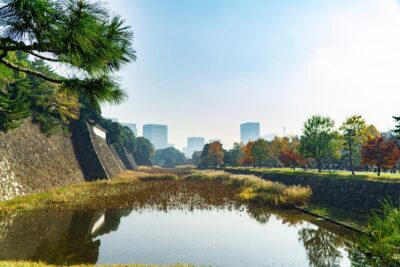
The heart of the outing is the Imperial Palace East Gardens, where you’ll get a guided tour for about 30 minutes. This is the moment when the tour shifts from walking through city scenery into understanding a space built for power, governance, and strict order.
You’ll see key areas and landmarks tied to the Edo Castle framework around the palace grounds, including:
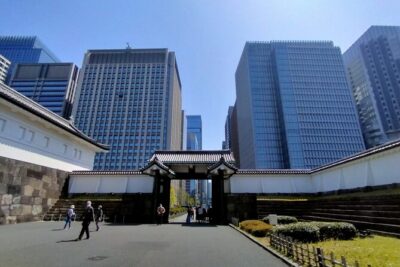
- Ote-mon Gate
- Hyakunin Bansho Guardhouse
- time in the Honmaru area and Kokyo Gaien National Garden
- explanation of Edo Castle ruins and the Fujimi-yagura watchtower
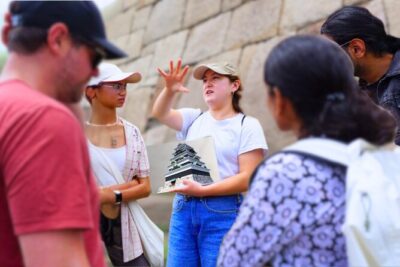
One of the best parts of this style of guiding is that it helps you visualize scale. The tour includes a look at the Edo Castle main keep scale model, which is exactly what you’d want if you’re thinking, Okay, where did everything go? That model gives your brain something to anchor to. Without it, the area can feel like a “pretty grounds” tour. With it, you start building a mental map.
You’ll also get scenic views connected to major palace sightlines, including a look at Nijubashi Bridge. Those views matter because they’re tied to the ceremonial geography of the palace. It’s not just a pretty bridge moment; it’s a way to understand how people would have approached key spaces.
Marunouchi on foot: matching modern architecture to Edo-era meaning
After you move out of the palace grounds, you’ll transition into Marunouchi, where modern Tokyo shows off its sleek side. This is the part of the tour that many people end up loving more than they expect—because you’re not just walking through a shopping and office district.
The guide keeps the comparison going. As you pass landmarks and viewpoints around Marunouchi, you’ll learn how the area’s current form connects back to the old layout and how the city reinvented itself. You’re seeing two time periods in the same walk, which makes the present feel less random.
There’s also an art and architecture element to this segment. The tour frames what you’re seeing so it doesn’t feel like you’re only collecting buildings. Instead, you’re practicing the habit of reading the city: what’s functional, what’s symbolic, and what’s built for how people move.
This section is also where you’ll want to pace yourself. Marunouchi can feel busy, and you’re still in walking mode. Keep sipping water, and don’t try to outrun the story. The value comes when you stop long enough to look at what the guide points out.
- Tokyo: Shinjuku Food Tour (13 Dishes at 4 Local Eateries)★ 5.0 · 6,603 reviews
- Tokyo Mt Fuji 5th St & Hakone Cruise Bus Tour w/Bullet Train★ 4.4 · 5,024 reviews
- Flagship 2-Hours Official Street Go-Kart Tour – Tokyo Bay Shop★ 5.0 · 4,974 reviews
- From Tokyo: Mount Fuji Full-Day Sightseeing Trip★ 4.5 · 4,970 reviews
- Tokyo: Hop-On Hop-Off Sightseeing Bus Ticket★ 3.9 · 4,207 reviews
Tokyo Station’s restored exterior: a satisfying, easy ending
You’ll finish at Tokyo Station (東京駅), with a guided focus on the exterior and what makes it special. Ending here is practical and smart. Tokyo Station is a hub—so once the tour ends, you’re already positioned to head to wherever you’re sleeping next, without scrambling for trains.
The red-brick look you associate with Tokyo Station is exactly the kind of scene that helps people wrap their heads around the day’s theme. You spent the morning learning about how power shaped a city’s layout. Now you’re closing at a landmark that reflects a different era of Tokyo’s identity—still tied to the idea of gateways and movement.
If you want a simple follow-up plan, stay near the station. You’ll have plenty of food options within walking range, and you can choose a quiet sit-down after your time on your feet.
Price and pace: is $38 worth 150 minutes?
At about $38 per person for roughly 150 minutes, this tour sits in the category of “good value if you care about context.” If your goal is only to take photos of famous places, you could do it on your own. But this is one of those areas where context matters a lot—because the differences between gates, garden zones, and Edo Castle remnants aren’t always obvious from the ground.
What you’re paying for is:
- an English-speaking guide (with multiple other languages available)
- guided access through the Imperial Palace East Gardens areas included in the route
- explanations of Edo Castle features like Fujimi-yagura watchtower and the main keep scale model
- a focused walk that links palace grounds to Marunouchi and then to Tokyo Station
Also, the Imperial Palace East Gardens entry is included in a way that doesn’t require you to pay a separate admission fee. That’s a quiet advantage for budgeting, especially in Tokyo where other attractions can add up fast.
The pace is best described as moderate walking. You’ll enjoy it most if you’re comfortable with a steady outdoors schedule and you pack what you need: comfortable shoes, water, and appropriate weather clothing.
Who this tour suits best (and who might not love it)
This tour is a strong match for:
- history-focused visitors who want Edo Castle explained in plain language
- people seeing Imperial Palace East Gardens for the first time and want a guided structure
- travelers who like the contrast of old Tokyo and new Tokyo in the same outing
- anyone who appreciates story-based guiding—especially if you respond well to humor and lively explanations
You might want to rethink it if:
- you dislike walking in busy city areas like Marunouchi
- you’re looking for a nonstop, high-energy sightseeing day
- you prefer to move at your own pace without a guided narrative
Quick tips so your day runs smoothly
- Wear comfortable shoes. This is a walking tour and the palace-area paths take time.
- Pack water, sunscreen, and a hat if the weather is sunny.
- Leave the flash photography behind. Plan for normal camera settings.
- Avoid bringing a backpack to the start area.
- If you’re a first-time Imperial Palace visitor, give the guide your attention. That’s when the landmarks start making sense.
Should you book this Imperial Palace East Gardens to Tokyo Station tour?
Yes, if you want a Tokyo day that feels like more than checking boxes. This works because it teaches you how the city’s power systems shaped space—then shows you what Tokyo became afterward, ending at Tokyo Station where the day’s story feels complete.
Book it especially if you value a guide-led explanation that makes Edo Castle details click. And if you’re flexible with walking and weather, you’ll come away with a clearer picture of Tokyo than you’d get from a solo stroll through famous spots.
FAQ
Where does the tour start?
The starting location is スターバックス コーヒー 皇居外苑 和田倉噴水公園店.
How long is the tour?
The duration is 150 minutes.
Is there an admission fee for the Imperial Palace East Gardens?
Entry to the Imperial Palace East Gardens is included, and there is no admission fee required.
What languages are available for the live guide?
The live tour guide is available in English, Japanese, Spanish, Chinese, and French.
Is the tour wheelchair accessible?
Yes, the tour is wheelchair accessible.
What should I bring, and what is not allowed?
Bring comfortable shoes, a hat, a camera, sunscreen, water, and weather-appropriate clothing. Smoking, flash photography, and backpacks are not allowed.
Is free cancellation available?
Yes. You can cancel up to 24 hours in advance for a full refund.
More Tours in Tokyo
- Mt Fuji and Hakone 1-Day Bus Tour Return by Bullet Train
★ 5.0 · 26,383 reviews - 1-Day Tokyo Bus Tour
★ 5.0 · 14,250 reviews - Tokyo: Shinjuku Food Tour (13 Dishes at 4 Local Eateries)
★ 5.0 · 6,603 reviews - Tokyo Mt Fuji 5th St & Hakone Cruise Bus Tour w/Bullet Train
★ 4.4 · 5,024 reviews - Flagship 2-Hours Official Street Go-Kart Tour – Tokyo Bay Shop
★ 5.0 · 4,974 reviews
More Tour Reviews in Tokyo
- Mt Fuji and Hakone 1-Day Bus Tour Return by Bullet Train
★ 5.0 · 26,383 reviews - 1-Day Tokyo Bus Tour
★ 5.0 · 14,250 reviews - Tokyo: teamLab Planets TOKYO Digital Art Museum Entry Ticket
★ 4.6 · 9,779 reviews - Mt Fuji & Hakone Cruise, Drum Show Bullet Train 1 Day from Tokyo
★ 4.0 · 7,413 reviews - Tokyo: Shinjuku Food Tour (13 Dishes at 4 Local Eateries)
★ 5.0 · 6,603 reviews
More Imperial Palace Walks
- Tokyo: Imperial Palace and Shogun Historical Walking Tour
★ 5.0 · 2,251 reviews - Tokyo: Imperial Palace Japanese History Walking Tour
★ 4.9 · 987 reviews - Tokyo: Imperial Palace and Shogun Walking Tour
★ 4.9 · 935 reviews - Imperial Palace East Garden and Edo Castle Walking Tour in Tokyo
★ 5.0 · 510 reviews - Tokyo: Imperial Palace East Gardens Walking Tour
★ 4.8 · 353 reviews
Latest Tokyo reviews off our desk






Imperial Palace Tours, compared.
 ★ 5.0Imperial Palace and Shogun Historical Walking TourFrom $222,251 reviews
 ★ 4.9Imperial Palace Japanese History Walking TourFrom $32987 reviews
 ★ 4.9Imperial Palace and Shogun Walking TourFrom $16935 reviews
 ★ 5.0Imperial Palace East Garden and Edo Castle Walking Tour in TokyoFrom $25510 reviews
 ★ 4.8Imperial Palace East Gardens Walking TourFrom $19353 reviews
 ★ 4.5Imperial Palace, Sensō-ji Temple, & Tokyo Tower TourFrom $40339 reviews
 ★ 5.0Tokyo Castle, Imperial Palace, Shogun & Garden Walking TourFrom $31211 reviews
 ★ 4.7Edo Castle & East Garden of the Imperial Palace TourFrom $42112 reviews
Browse the lists this tour appears in