
Tokyo hides samurai leftovers in plain sight. This Imperial Palace East Gardens walk lets you see the Edo Castle stone ruins and pause in the Ninomaru Garden without fighting crowds all day.
What I like most is how the guide turns the grounds into a story you can follow, from the Tokugawa shogunate to Japan’s shift into imperial rule. One thing to consider: the whole tour is only about 90 minutes, so it’s paced for seeing the key spots and snapping photos, not lingering for hours.
In This Review
- Key highlights you should not miss
- Imperial Palace East Gardens: Tokyo’s most interesting history detour
- Before you go: timing, walking style, and what you’ll actually see
- Meeting at Starbucks near Kokyo Gaien Wadakura Fountain Park
- Tokyo Imperial Palace: a quick photo stop with proper context
- Imperial Palace East Gardens: stepping onto the Edo Castle foundation
- Sakurada-mon Gate and the moats that made the city defensible
- The guide makes or breaks it: Tony, Jim, and Bell in the spotlight
- Price and value: what $22 gets you for 90 minutes
- Who should book this Imperial Palace East Gardens tour
- Should you book? My take on the call
- FAQ
- FAQ
- How long is the Tokyo Imperial Palace, Edo Castle and Historical Tour?
- Where do we meet for the tour?
- What language is the guided tour?
- What’s included in the price?
- Is the tour wheelchair accessible?
- Can I get a full refund if I cancel?
- Can I reserve now and pay later?
Key highlights you should not miss
- Edo Castle stone ruins you can actually walk through and picture as a fortress
- Ninomaru Garden for seasonal flowers, tranquil ponds, and a quieter feel
- Original gates and moats that connect the samurai era to what’s here now
- Castle keep foundations where you can stand and imagine life under shoguns and feudal lords
- Engaging English guides like Tony, Jim, and Bell, praised for clarity and group inclusion
Imperial Palace East Gardens: Tokyo’s most interesting history detour
The Imperial Palace East Gardens are one of those Tokyo places that can feel almost calm on purpose. You’re still in the center of a massive city, but once you’re inside the grounds, the focus shifts to stone, water, gates, and the slow rhythm of a walking tour.
What makes this experience work is that you’re not only looking at old things. You’re moving through them in a logical order that matches how the site evolved. The tour is built around what used to be Edo Castle, then what became Imperial Palace East Gardens. That change in power is the main theme, and it makes every stop feel more meaningful than just a pretty courtyard.
You’ll also get a very practical kind of history. Instead of dates floating in midair, the guide points you toward what each area was for—defense, control, movement through gates, and everyday life filtered through the rules of the era.
More walks around the Imperial grounds
- Tokyo: Imperial Palace and Shogun Historical Walking Tour
★ 5.0 · 2,251 reviews - Tokyo: Imperial Palace Japanese History Walking Tour
★ 4.9 · 987 reviews - Tokyo: Imperial Palace and Shogun Walking Tour
★ 4.9 · 935 reviews - Imperial Palace East Garden and Edo Castle Walking Tour in Tokyo
★ 5.0 · 510 reviews
Before you go: timing, walking style, and what you’ll actually see
This is a short guided walk, listed at about 90 minutes (roughly 1.5 to 2 hours). The format is a mix of short photo stops and guided segments, so you’ll cover more than you could on your own in the same time.
Here’s what that means for you:
- Expect outdoor walking on paths around the palace grounds.
- Plan to wear shoes you’re comfortable in. You’ll be moving between gates and garden areas.
- Bring a camera if you like structure and symmetry. The palace grounds give you a lot to frame.
The tour is in English and is wheelchair accessible, which matters because the route is designed for a guided pace rather than a slow wander.
Admission to the Imperial Palace East Garden is included, so you’re not juggling tickets while trying to figure out what you’re looking at.
Meeting at Starbucks near Kokyo Gaien Wadakura Fountain Park
You’ll meet in front of a Starbucks near the Imperial Palace East Garden area, specifically the one at Kokyo Gaien Wadakura Fountain Park. It’s a solid choice for a meeting point: easy to find, easy to orient yourself, and it keeps the start simple.
The instructions also note that full details are provided after booking and that the meeting point is very close to the Otemon Gate area. My advice: arrive a few minutes early, and give yourself time to match your tour group before you’re tempted to wander off for photos.
Once the group gathers, the guide launches right into context—so the first moment isn’t just waiting. It’s already part of the story.
Tokyo Imperial Palace: a quick photo stop with proper context
The tour begins with a 15-minute stop for a photo and guided tour at the Tokyo Imperial Palace area. This first section might look brief on paper, but it’s doing an important job: setting the scene.
You’ll get orientation on what you’re seeing—why the palace grounds are structured the way they are, and how Edo Castle’s stronghold character still influences what’s here now. Even if you’ve seen palace photos online, being guided through what to look for helps you notice details faster: where movement funnels, where views open, and why gates matter more than they might at first glance.
This part is ideal if you like history but also appreciate a clear map in your head. The tour doesn’t assume you already know the layout. It builds it for you as you walk.
Imperial Palace East Gardens: stepping onto the Edo Castle foundation
Next comes the heart of the tour: Imperial Palace East Gardens, with about 45 minutes of guided time plus photo stops.
This is where you’ll encounter the stone gates and remnants of castle walls—the physical clues that Edo Castle wasn’t just a political center. It was a fortress. The guide focuses on how defenses shaped movement, so when you look at a gate or wall line, you’re also learning what it was meant to control.
A standout moment is being brought to the foundation of the once-mighty castle keep. The guide helps you imagine what daily life and power looked like in the era of shoguns and feudal lords. You’re not just standing on a historical marker—you’re being asked to picture the scale and the purpose of the structure that once dominated the area.
Then there’s Ninomaru Garden within this stretch. It’s described as scenic and refined, with seasonal flowers and tranquil ponds. In practice, this part gives you a breather—your eyes shift from stone and strategy to softer shapes and water calmness. It’s the kind of garden that makes you slow your pace without feeling like you’ve escaped the tour. It still fits the larger theme: beauty and power moving together in the Edo period.
If you’re someone who likes small, specific details—how water sits, how paths guide you, how seasonal planting changes the mood—this is the segment you’ll remember.
Readers also shortlisted these Tokyo bookings:
- Tokyo: Imperial Palace and Shogun Historical Walking Tour★ 5.0 · 2,251 reviews
- Tokyo: Imperial Palace Japanese History Walking Tour★ 4.9 · 987 reviews
- Yanaka Walking Tour: Historic and Traditional District of Tokyo★ 5.0 · 530 reviews
- Tokyo: Shinjuku Historical Walking Tour & Secret Backstreets★ 5.0 · 530 reviews
- Mt. Fuji Heritage Tour: Traditional Villages, Lakes & Shrine★ 4.5 · 509 reviews
Sakurada-mon Gate and the moats that made the city defensible
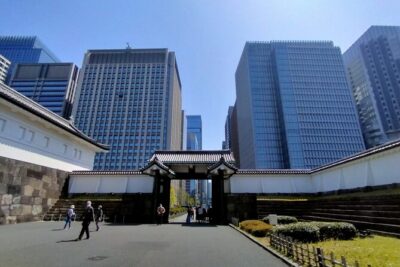
After the gardens, the tour moves to Sakurada-mon Gate, with about 20 minutes of photo time and guided sightseeing.
Gates are one of those things history tours can overhype. Here, the tour earns it by linking the gate to the bigger defense system—how moats and gate points shaped what could enter, what slowed down, and what controlled access. The tour specifically highlights original gates and moats from the samurai era, which helps you connect the stones to the function.
You’ll also be able to see the visual logic of a fortress city: gates aren’t random entrances; they’re decision points. That’s why this stop feels satisfying even if it’s shorter. You finish with a clear sense of how power was physically enforced.
The guide makes or breaks it: Tony, Jim, and Bell in the spotlight
A lot of tours tell stories. The difference here is clarity and group handling, which shows up in the feedback for guides including Tony, Jim, and Bell.
- Tony is praised for speaking clearly and loudly for deaf participants, while explaining the Edo Castle history as you walk through the ancient gates. That kind of attention to communication changes the whole experience. You don’t have to strain to catch what’s important.
- Jim gets compliments for explaining Japanese history in a way that connects to today, and for keeping the tone relaxed and fun, not stiff. His style is described as attentive and humor-friendly.
- Bell is noted for being considerate and making sure everyone feels included. If you’ve ever been on a tour where one or two people dominate the questions, you’ll appreciate a guide who balances the room.
From my perspective, this is one of the best reasons to pick a guided format here. The Imperial Palace East Gardens can be beautiful and still confusing if you’re flying solo. A strong guide helps you put the physical features in order, so you leave with a mental map instead of just photos.
Price and value: what $22 gets you for 90 minutes
At $22 per person, this tour is priced in a way that makes sense for what you receive: guided time, historical storytelling, and admission to the Imperial Palace East Garden.
Here’s how to judge value without overthinking it:
- If you want the grounds entry anyway, the included admission reduces friction.
- If you like history but also like structure, the guide time helps you see more than you would in the same amount of walking.
- The tour’s focus on Edo Castle remains, gates, moats, and Ninomaru Garden means you’re getting both the defensive fortress elements and the calmer garden side.
The main “cost” is time—90 minutes is not long. If your goal is to linger for hours, this won’t replace a slower self-paced visit. But if you want a guided orientation that turns the site into a story you can follow, the price feels reasonable.
Who should book this Imperial Palace East Gardens tour
This is a good fit if you:
- Like Japanese history and want it explained through what you can see on the ground
- Want an efficient introduction to the Edo Castle-to-Imperial transition theme
- Enjoy gardens but don’t want the day to become only landscaping
- Prefer a guided pace that helps you notice details quickly
It’s also a smart choice for first-time Tokyo visitors who want something different from shopping districts and transit hubs. The grounds give you an easy change of atmosphere without requiring a long train ride.
If you’re the type who needs an hour in every garden corner, or you’re hoping for a deeper museum-style experience, you might want to pair this with extra time on your own before or after the tour. This format is about seeing key parts with explanation, not spending the whole day on one spot.
Should you book? My take on the call
Yes, I think you should book this tour if you’re aiming to understand what you’re looking at. The best part is that it ties together stone ruins, gates and moats, and the calmer Ninomaru Garden into one coherent experience. In a city full of things to do, this is one of the more focused ways to connect Tokyo’s present with the power struggles of Japan’s past.
I’d skip it or adjust expectations if you’re traveling with very limited mobility outside of accessible routes, or if you want a slow, long sightseeing day. The tour is paced, short, and photo-friendly, so plan your expectations accordingly.
FAQ
FAQ
How long is the Tokyo Imperial Palace, Edo Castle and Historical Tour?
It runs for about 90 minutes, with an estimated range of roughly 1.5 to 2 hours.
Where do we meet for the tour?
You meet in front of Starbucks located very close to the Imperial Palace East Garden. The start point is Starbucks Coffee – Kokyo Gaien Wadakura Fountain Park.
What language is the guided tour?
The live tour guide speaks English.
What’s included in the price?
The tour includes a historical walking tour of the Imperial Palace East Garden, insights into the history of the Imperial Family, and admission to the Imperial Palace East Garden.
Is the tour wheelchair accessible?
Yes, it is listed as wheelchair accessible.
Can I get a full refund if I cancel?
You can cancel up to 24 hours in advance for a full refund.
Can I reserve now and pay later?
Yes. It offers reserve now & pay later, so you can book your spot and pay nothing today.
More Tours in Tokyo
- Mt Fuji and Hakone 1-Day Bus Tour Return by Bullet Train
★ 5.0 · 26,383 reviews - 1-Day Tokyo Bus Tour
★ 5.0 · 14,250 reviews - Tokyo: Shinjuku Food Tour (13 Dishes at 4 Local Eateries)
★ 5.0 · 6,603 reviews - Tokyo Mt Fuji 5th St & Hakone Cruise Bus Tour w/Bullet Train
★ 4.4 · 5,024 reviews - Flagship 2-Hours Official Street Go-Kart Tour – Tokyo Bay Shop
★ 5.0 · 4,974 reviews
More Tour Reviews in Tokyo
- Mt Fuji and Hakone 1-Day Bus Tour Return by Bullet Train
★ 5.0 · 26,383 reviews - 1-Day Tokyo Bus Tour
★ 5.0 · 14,250 reviews - Tokyo: teamLab Planets TOKYO Digital Art Museum Entry Ticket
★ 4.6 · 9,779 reviews - Mt Fuji & Hakone Cruise, Drum Show Bullet Train 1 Day from Tokyo
★ 4.0 · 7,413 reviews - Tokyo: Shinjuku Food Tour (13 Dishes at 4 Local Eateries)
★ 5.0 · 6,603 reviews
More Imperial Palace Walks
- Tokyo: Imperial Palace and Shogun Historical Walking Tour
★ 5.0 · 2,251 reviews - Tokyo: Imperial Palace Japanese History Walking Tour
★ 4.9 · 987 reviews - Tokyo: Imperial Palace and Shogun Walking Tour
★ 4.9 · 935 reviews - Imperial Palace East Garden and Edo Castle Walking Tour in Tokyo
★ 5.0 · 510 reviews - Tokyo: Imperial Palace East Gardens Walking Tour
★ 4.8 · 353 reviews
Latest Tokyo reviews off our desk




Imperial Palace Tours, compared.
 ★ 5.0Imperial Palace and Shogun Historical Walking TourFrom $222,251 reviews
 ★ 4.9Imperial Palace Japanese History Walking TourFrom $32987 reviews
 ★ 4.9Imperial Palace and Shogun Walking TourFrom $16935 reviews
 ★ 5.0Imperial Palace East Garden and Edo Castle Walking Tour in TokyoFrom $25510 reviews
 ★ 4.8Imperial Palace East Gardens Walking TourFrom $19353 reviews
 ★ 4.5Imperial Palace, Sensō-ji Temple, & Tokyo Tower TourFrom $40339 reviews
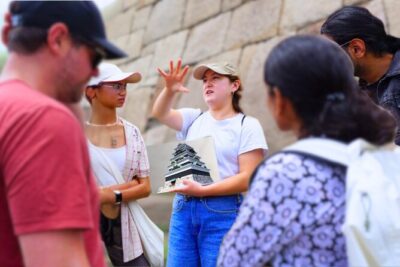 ★ 5.0Tokyo Castle, Imperial Palace, Shogun & Garden Walking TourFrom $31211 reviews
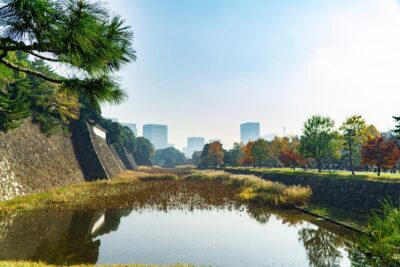 ★ 4.7Edo Castle & East Garden of the Imperial Palace TourFrom $42112 reviews
Browse the lists this tour appears in