
Reviewed · IMPERIAL PALACE TOURS
Tokyo: Imperial Palace with Nostalgic Alley Kagurazaka tour
Tokyo’s history is right on the street. This tour strings together Imperial Palace highlights and Kagurazaka alleys in a way that makes the Edo-to-modern story feel real, not textbook. I especially liked how the guide turns big sights like Ote-mon Gate and Edo Castle ruins into something you can understand on foot, and how you get time for short photo stops that actually add up. One consideration: you won’t enter the inner palace, and it’s a walking route through back streets, so you’ll want comfortable shoes.
The payoff is the mix of official Tokyo landmarks and the quieter streets around them. You start near Tokyo Station, get a guided walkthrough of the palace area, then shift into smaller lanes where everyday shops and local snacks do the talking.
Small group matters here. Limited to 8 participants, the guide can slow down for questions, including ones about the Shogun era and how the city got its shape.
In This Review
- Key things I’d plan for
- Walking from Tokyo Station to the Imperial Palace Grounds
- Imperial Palace Grounds with the Edo Castle Story (Plus a Big Constraint)
- Ote-mon Gate, Ninomaru Garden, and What to Notice Outside the Main Icons
- Edo Castle Ruins and Ushigome Gate Remains: Seeing Power Left Behind
- Nippon Budokan Photo Stop: Quick Tokyo, Then Back to Quiet Streets
- Aomi Coffee Kudanshita Break: Reset Without Losing the Route
- Tokyo Daijingū and the Love-Connection Shrine Stop
- Kagurazaka’s Geisha-Run Streets: Komichi, Hyogo Yokocho, and かくれんぼ横丁
- The Small-Group Guide Difference: Answers You Can Actually Use
- Pace, Comfort, and Practical Tips That Actually Help
- Value Check: Is $51 Worth It?
- Should You Book the Imperial Palace and Kagurazaka Tour?
- FAQ
- Does this tour include entry to the inner Imperial Palace?
- How long is the Tokyo Imperial Palace with Kagurazaka tour?
- Is the tour offered in English?
- What’s included in the price?
- How big is the group?
- Where do you meet, and where does it end?
- What should I wear or bring?
- Is this tour suitable for pregnant women?
Key things I’d plan for
- Two worlds in one loop: Imperial Palace grounds by way of Edo Castle remnants, then Kagurazaka’s local lanes
- Live English guidance: Guides like Hiro and Shuntaro are described as answering questions and adjusting to what you want
- Photo stops that aren’t random: You pause at Ote-mon Gate, Ninomaru Garden, Edo ruins, and more for quick, useful framing
- A snack moment, not just sightseeing: You’ll stop at a local shop and try a snack along the way
- Off-the-main-road atmosphere: Kagurazaka’s Geisha Komichi, Hyogo Yokocho, and かくれんぼ横丁 feel less tour-groupy
Walking from Tokyo Station to the Imperial Palace Grounds
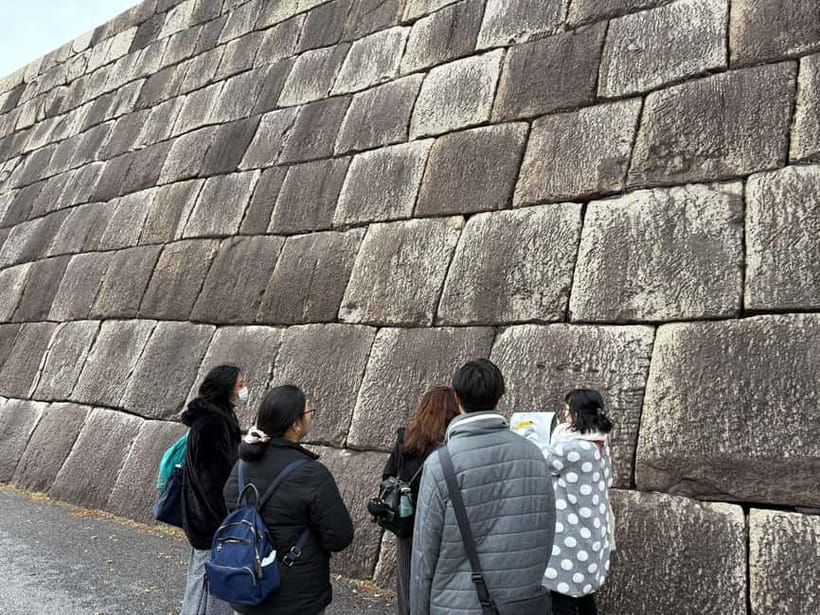
This tour starts with a simple goal: help you see the most important places around the Imperial Palace area without getting lost in the scale. You meet at Shin-Marunouchi Building outside STAND T (look for the BEAMS sign on the second floor). From Tokyo Station, the Marunouchi Central Exit is the closest, and it’s about a 2-minute walk to the meeting point.
Then you move to Tokyo Station for a quick orientation and photo stop (about 10 minutes). It’s not a “tour bus photo” moment. It’s a fast way to get your bearings, so when you head toward the palace grounds, it all feels connected rather than like separate stops.
If you like having the route explained in plain terms, this is a great start. The guide sets up the story: Edo Castle’s reach, the political center of the Tokugawa Shogunate, and how that power shaped the city layout you see today.
Practical note: you’ll be on your feet most of the time, including back streets later. Comfortable shoes are not optional—your feet will be the limiting factor, not your curiosity.
More walks around the Imperial grounds
- Tokyo: Imperial Palace and Shogun Historical Walking Tour
★ 5.0 · 2,251 reviews - Tokyo: Imperial Palace Japanese History Walking Tour
★ 4.9 · 987 reviews - Tokyo: Imperial Palace and Shogun Walking Tour
★ 4.9 · 935 reviews - Imperial Palace East Garden and Edo Castle Walking Tour in Tokyo
★ 5.0 · 510 reviews
Imperial Palace Grounds with the Edo Castle Story (Plus a Big Constraint)
You spend about 1 hour at the Tokyo Imperial Palace with a guided look. The big thing to know is what you are not doing: this tour does not include visiting the inner palace, because it’s not open to the public.
So what do you get? You focus on what you can actually walk and see: the gates, surrounding gardens, and the feeling of the grounds. Even without entering the inner area, the palace grounds work because the guide connects what you’re looking at to the Edo era. The route is designed so you understand scale, walls, and layout—how those defensive, formal spaces helped turn the shogunate’s power into something people could literally navigate.
I also like that this stop is not just “look at the scenery.” It’s history tied to the places themselves—how Edo Castle influenced where major routes and neighborhoods formed.
Drawback to plan for: gates and garden areas can have crowds depending on the day. The tour keeps the pace efficient, but if you hate crowds in general, go in expecting at least some bustle around the most famous sights.
Ote-mon Gate, Ninomaru Garden, and What to Notice Outside the Main Icons
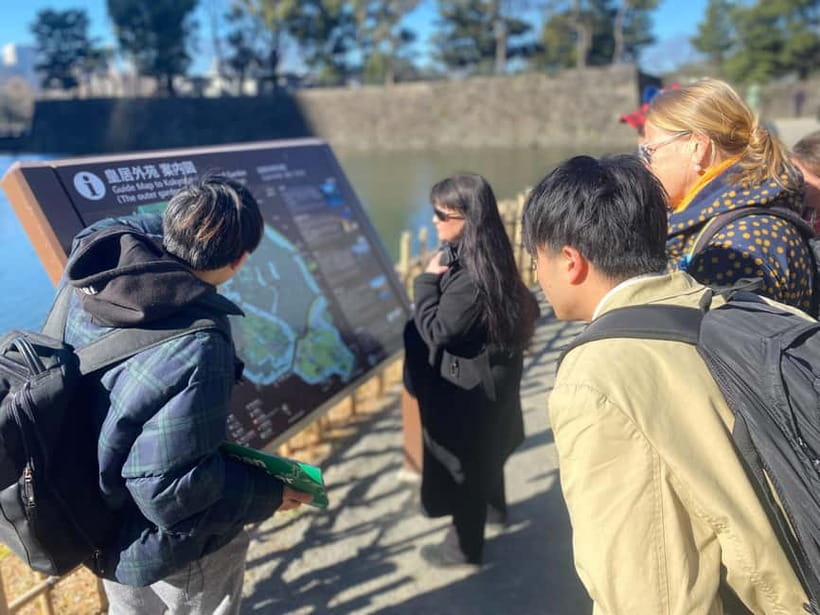
After the main palace area, you move to Ote-mon Gate for a photo stop and guided context. This is one of those stops where your brain starts to click. The guide doesn’t just point out the structure. You get the reason it matters, especially as part of the wider Edo Castle system.
Next is Ninomaru Garden—again with a photo stop and guidance. Gardens in Japan can be more than pretty views; they’re designed spaces with a purpose. Here, the value is how the guide frames it as part of the same estate logic. You’re not just collecting photos. You’re learning how the palace-world worked as a whole.
Here’s what I’d do to make these stops land: look for the transitions. Notice where the route changes from broad views to more contained space, and listen for how the guide ties that to the Edo layout. That’s where the tour becomes more than sightseeing.
Edo Castle Ruins and Ushigome Gate Remains: Seeing Power Left Behind
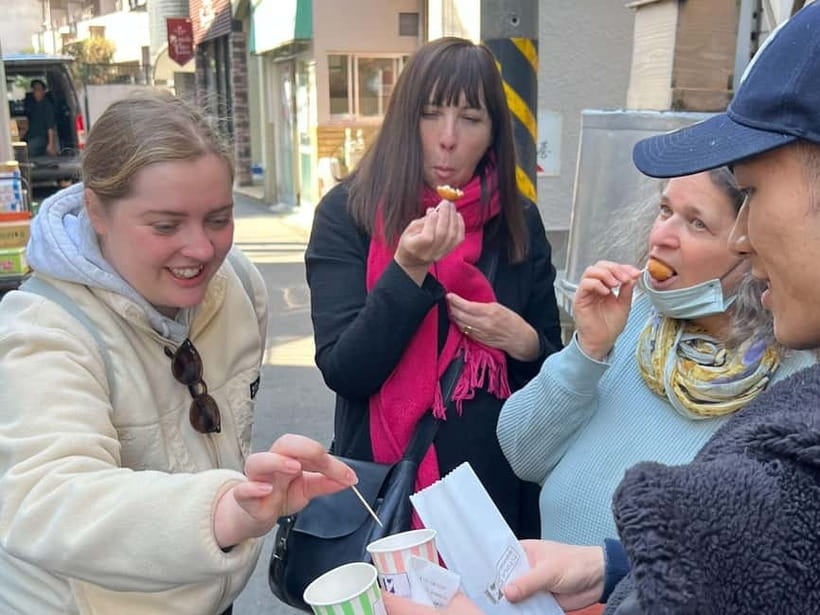
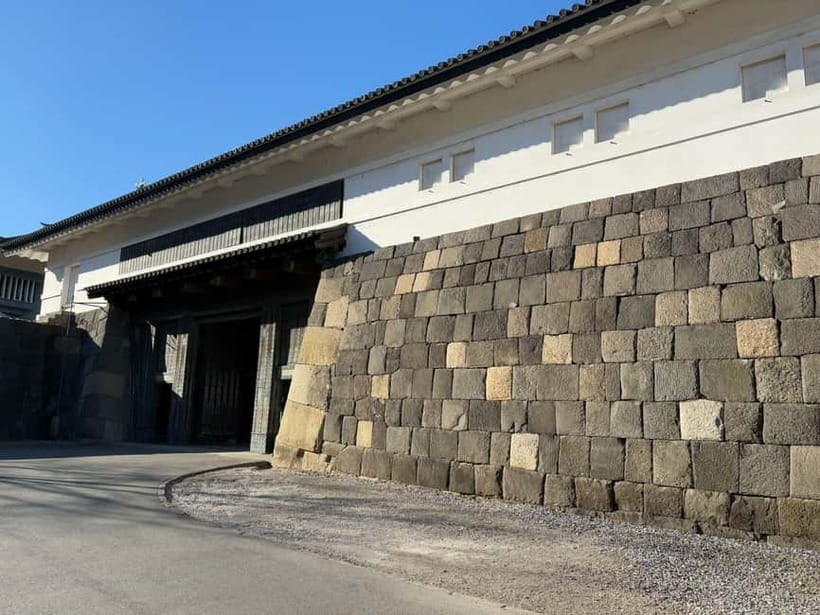
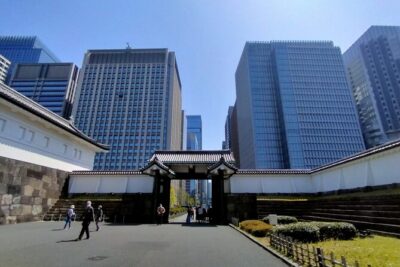
This is one of the main reasons the tour feels worth the money. You stop at Edo Castle Ruins and you also visit the Remains of Ushigome Gate. The guide’s focus is how everything you’re walking through used to be part of the vast Edo Castle grounds—political and cultural center during the Tokugawa Shogunate.
When you’re standing at ruins, the temptation is to treat it as a “not much to see” spot. But with the right framing, ruins do something powerful: they show you what mattered and what survived. The guide helps you sense the scale, not just the surviving stones.
You’ll get a guided explanation that helps connect the Imperial Palace area to the shogun world—basically, how Japan became the country it was during that period, and why the capital’s center was so tightly organized.
If you’re into architecture, city planning, or just understanding why Tokyo looks the way it does, you’ll probably enjoy this section the most. If you prefer ultra-iconic, inside-the-building attractions, you might find this portion feels more “walk-and-learn” than “wow-and-enter.”
Nippon Budokan Photo Stop: Quick Tokyo, Then Back to Quiet Streets
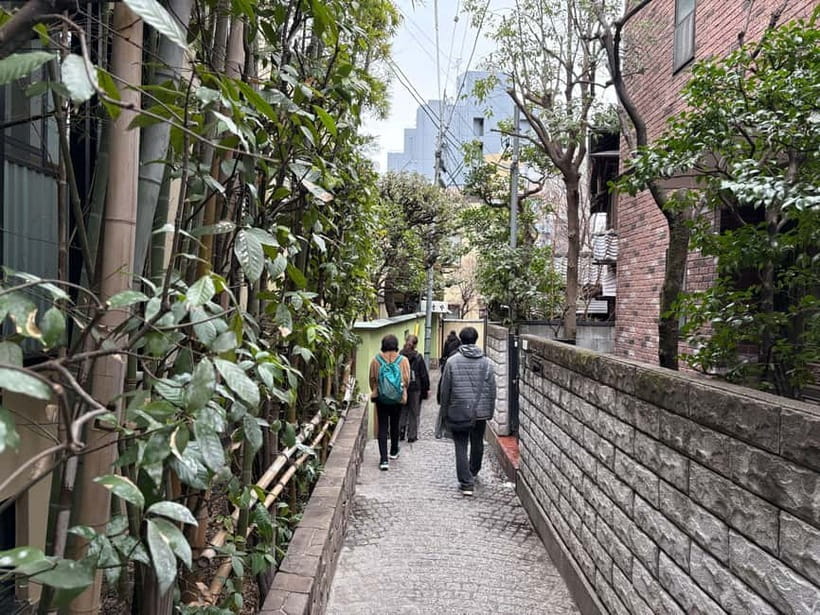
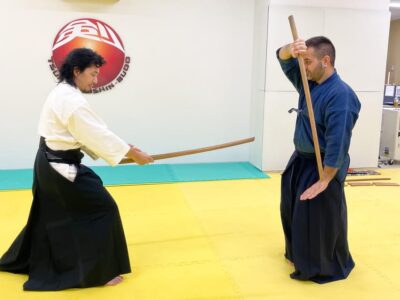
There’s a brief photo stop at Nippon Budokan (about 5 minutes). It’s short on purpose. This tour doesn’t try to turn into a major venue list.
Instead, it uses Budokan as a bridge moment—modern Tokyo recognition—before it shifts back into shrine and alley territory.
If you like variety, this works. If you don’t care about Budokan at all, keep moving. The time is brief enough that it won’t derail the rest of the day.
- Tokyo: Shinjuku Food Tour (13 Dishes at 4 Local Eateries)★ 5.0 · 6,603 reviews
- Tokyo Mt Fuji 5th St & Hakone Cruise Bus Tour w/Bullet Train★ 4.4 · 5,024 reviews
- Flagship 2-Hours Official Street Go-Kart Tour – Tokyo Bay Shop★ 5.0 · 4,974 reviews
- From Tokyo: Mount Fuji Full-Day Sightseeing Trip★ 4.5 · 4,970 reviews
- Tokyo: Hop-On Hop-Off Sightseeing Bus Ticket★ 3.9 · 4,207 reviews
Aomi Coffee Kudanshita Break: Reset Without Losing the Route

You get a break time stop at Aomi Coffee Kudanshita (about 25 minutes). This is a practical pause in the itinerary, not a random café detour.
What you’re doing during this break matters: you’re refueling before the route turns into more side streets and alley sections. The included coffee or tea helps here, and it’s part of how the tour stays smooth even with the walking.
If you’re picky about food timing, aim to use the full break. Later parts are set up around snack and alley wandering, not a long sit-down meal.
Tip: when you return to the group, re-check what you want to ask the guide. This is a good moment to bring up questions about the Shogun era, Edo Castle layout, or how Kagurazaka’s older reputation connects to what you see now.
Tokyo Daijingū and the Love-Connection Shrine Stop
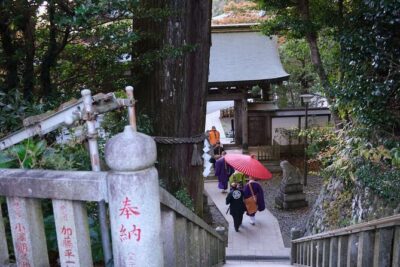
Next is Tokyo Daijingū with about 20 minutes of guided time. A shrine stop is a nice shift after palace-area structure. You get a different kind of Tokyo setting: a place where tradition is still part of everyday rhythms.
After that, you visit the Remains of Ushigome Gate (with guided context already mentioned above in the Edo Castle section). Then the tour moves into an area focused on relationships, with a stop at a unique shrine that worships the god of love.
This part is quietly fun. The history and symbolism give you something different from the stone-and-gate stops. It’s also a good “mental reset” before Kagurazaka’s alley hopping, because it grounds the day in lived tradition, not just historical timeline.
One consideration: if shrine etiquette isn’t your thing, you don’t need to turn it into a big spiritual moment. Just follow the group flow and watch what the guide does. You’ll get what you need.
Kagurazaka’s Geisha-Run Streets: Komichi, Hyogo Yokocho, and かくれんぼ横丁
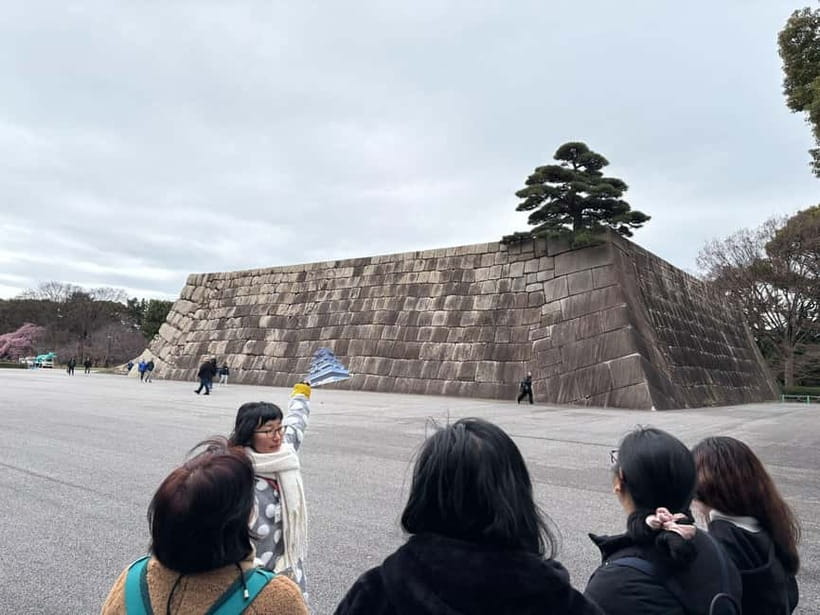
Then comes Kagurazaka, the heart of what makes this tour feel like more than an Imperial Palace visit.
Here’s the context you get on the walk: about 200 years ago, Kagurazaka was known as a red light district with tea houses where maiko and geisha performed. Today the neighborhood still carries a layered vibe, with local businesses, shops, and traditional-style restaurants. It’s not trying to be a theme park, and that’s exactly the point.
You’ll see several alley sections:
- Geisya Komichi Alley (photo stop with guided tour context)
- Hyogo Yokocho Alley (photo stop)
- かくれんぼ横丁 (photo stop and guided tour context)
What I like here is how the tour uses these lanes to show “city life” as history. It’s not only Edo Castle remnants anymore. You’re seeing how a place’s reputation evolves while the streets keep their character.
And yes, you also get a snack moment in the alley area. The tour is set up so you taste the neighborhood culture, not just look at it. Since the route includes a local snack stop, it’s a simple way to understand a place through what people actually buy and eat.
If you’re photographing, bring your patience. Alley lighting can be tricky, and it’s easy to miss shots if you rush ahead. The tour keeps your pacing steady, so you can get photos without cutting off the flow.
The Small-Group Guide Difference: Answers You Can Actually Use
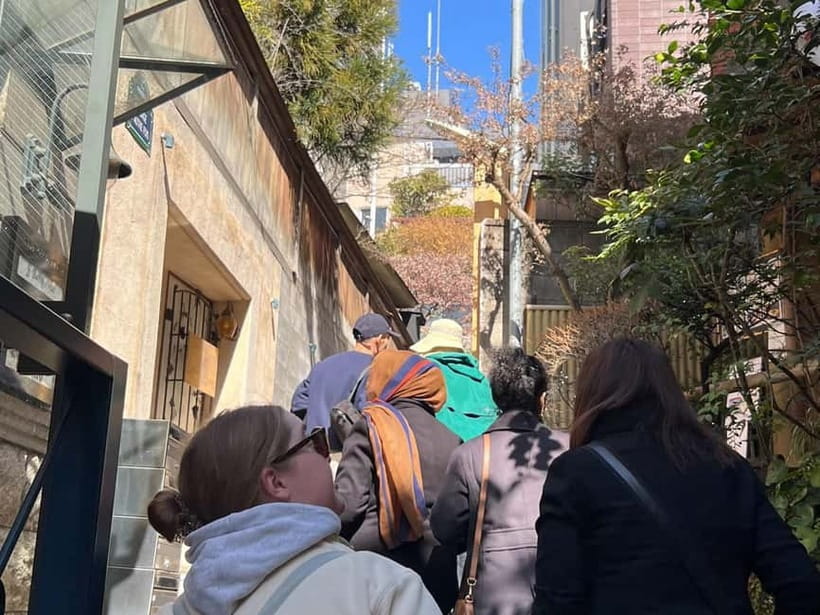
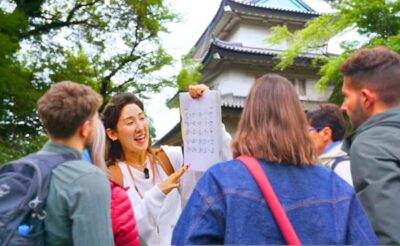
This is where the tour gets consistent praise. It’s a small group—limited to 8 participants—so the guide can engage with you, not just herd people past landmarks.
In particular, the experience is described as being led by guides like Hiro and Shuntaro, who are fun and strong at explanations. I also like that guides respond to your questions directly, even when you ask something specific about what you’re seeing.
That matters in Japan, where the visible cues can be subtle. A wall, a gate line, a neighborhood name—if you don’t get the story, it’s easy to treat them as scenery. With a good guide, those details become the whole point.
Pace, Comfort, and Practical Tips That Actually Help
This tour lasts about 210 minutes, and it’s structured as an efficient walk: major sights early, then shrines and alley wandering later. It’s not a sit-and-stare experience.
Here’s what I’d pack for comfort based on the tour requirements:
- Comfortable shoes (seriously)
- Comfortable clothes for walking
- Be ready for normal city weather changes
The tour has a few clear no-go rules: smoking isn’t allowed, drones aren’t allowed, and alcohol or drugs aren’t allowed. Also, no weapons or sharp objects.
There’s also a suitability note: it’s not suitable for pregnant women. That’s likely because of the walking and back-street parts—so if you’re in that category, skip this one and look for a more seated option.
Finally, there’s a timing note: the tour end time may be delayed about 15 minutes due to traffic conditions or other courses. I’d plan your next activity with a buffer.
Value Check: Is $51 Worth It?
At $51 per person for about 3.5 hours, the value hinges on what you want.
You’re getting:
- A live English guide for the full experience
- A small group size (max 8)
- A coffee or tea break (25 minutes) plus an included snack
- Photo stops at multiple landmarks and alley segments
That’s a lot of guided time for a single ticket, and the snack + coffee prevents the usual mid-tour scramble. Also, the tour focuses on efficiency: the route is designed to cover the Imperial Palace area’s key visuals and then shift into Kagurazaka’s quieter streets without you needing to plan connections.
The main trade-off is the inner palace. Since it’s not included, you’re paying for a guided exterior-and-neighborhood story, not a full inside-the-palace experience. If you want interior access, you’ll need a different option.
Should You Book the Imperial Palace and Kagurazaka Tour?
Book it if you want Tokyo in layers: palace grandeur paired with neighborhood alleys, explained by a real guide in English. I’d especially recommend it if you like history that you can walk through, plus a food-and-street-side look at Kagurazaka that doesn’t feel like a shopping mall.
Skip or reconsider if:
- You’re mainly looking for an inside-the-inner-palace experience (this tour doesn’t include it)
- You’re not into walking or back streets
- You’re sensitive to crowds near famous landmarks
- You’re pregnant (the tour states it isn’t suitable)
If you’re on a first or second Tokyo trip and you want a smart, efficient route that adds real context, this is the kind of tour that helps Tokyo stop being a list and start feeling like a place.
FAQ
Does this tour include entry to the inner Imperial Palace?
No. The inner palace is not included because it is not open to the public.
How long is the Tokyo Imperial Palace with Kagurazaka tour?
The duration is 210 minutes.
Is the tour offered in English?
Yes. The live tour guide speaks English.
What’s included in the price?
The tour includes a snack, coffee or tea for a short break, great photo spots, and a local tour guide.
How big is the group?
It’s a small group limited to 8 participants.
Where do you meet, and where does it end?
You meet outside Shin-Marunouchi Building in front of STAND T. The tour finishes at ファミリーマート 神楽坂三丁目店.
What should I wear or bring?
Wear comfortable shoes and comfortable clothes, since you’ll be walking.
Is this tour suitable for pregnant women?
No. It is not suitable for pregnant women.
More Tours in Tokyo
- Mt Fuji and Hakone 1-Day Bus Tour Return by Bullet Train
★ 5.0 · 26,383 reviews - 1-Day Tokyo Bus Tour
★ 5.0 · 14,250 reviews - Tokyo: Shinjuku Food Tour (13 Dishes at 4 Local Eateries)
★ 5.0 · 6,603 reviews - Tokyo Mt Fuji 5th St & Hakone Cruise Bus Tour w/Bullet Train
★ 4.4 · 5,024 reviews - Flagship 2-Hours Official Street Go-Kart Tour – Tokyo Bay Shop
★ 5.0 · 4,974 reviews
More Tour Reviews in Tokyo
- Mt Fuji and Hakone 1-Day Bus Tour Return by Bullet Train
★ 5.0 · 26,383 reviews - 1-Day Tokyo Bus Tour
★ 5.0 · 14,250 reviews - Tokyo: teamLab Planets TOKYO Digital Art Museum Entry Ticket
★ 4.6 · 9,779 reviews - Mt Fuji & Hakone Cruise, Drum Show Bullet Train 1 Day from Tokyo
★ 4.0 · 7,413 reviews - Tokyo: Shinjuku Food Tour (13 Dishes at 4 Local Eateries)
★ 5.0 · 6,603 reviews
More Imperial Palace Walks
- Tokyo: Imperial Palace and Shogun Historical Walking Tour
★ 5.0 · 2,251 reviews - Tokyo: Imperial Palace Japanese History Walking Tour
★ 4.9 · 987 reviews - Tokyo: Imperial Palace and Shogun Walking Tour
★ 4.9 · 935 reviews - Imperial Palace East Garden and Edo Castle Walking Tour in Tokyo
★ 5.0 · 510 reviews - Tokyo: Imperial Palace East Gardens Walking Tour
★ 4.8 · 353 reviews
Latest Tokyo reviews off our desk




Imperial Palace Tours, compared.
 ★ 5.0Imperial Palace and Shogun Historical Walking TourFrom $222,251 reviews
 ★ 4.9Imperial Palace Japanese History Walking TourFrom $32987 reviews
 ★ 4.9Imperial Palace and Shogun Walking TourFrom $16935 reviews
 ★ 5.0Imperial Palace East Garden and Edo Castle Walking Tour in TokyoFrom $25510 reviews
 ★ 4.8Imperial Palace East Gardens Walking TourFrom $19353 reviews
 ★ 4.5Imperial Palace, Sensō-ji Temple, & Tokyo Tower TourFrom $40339 reviews
 ★ 5.0Tokyo Castle, Imperial Palace, Shogun & Garden Walking TourFrom $31211 reviews
 ★ 4.7Edo Castle & East Garden of the Imperial Palace TourFrom $42112 reviews
Browse the lists this tour appears in