
Reviewed · FOOD
Tokyo: Local Foodie Adventure near Roppongi
A quiet corner of Tokyo, guided by food. I love Azabujuban for feeling like a neighborhood first, not a tourist set. I also like that the tour feeds you with five different Japanese treats (not just one “signature” bite), plus a drink. The one trade-off: the exact food lineup can shift based on what stores have that day, so keep a flexible mindset.
A big reason this works is the people part. With local shop staff and residents along the way, you get real context for what you’re eating and buying, not just history recited at you. And if you’re a Sailor Moon fan, you’ll also visit real-life spots tied to the manga’s creator, Naoko Takeuchi, which makes the walk feel extra personal.
In This Review
- Key Things That Make This Tour Worth Your Time
- Why Azabujuban Feels Different From Other Tokyo Food Stops
- Meeting at Azabujuban Station: Easy Start, Clear Plan
- Shrines and Temples for Good Luck: More Than Photo Ops
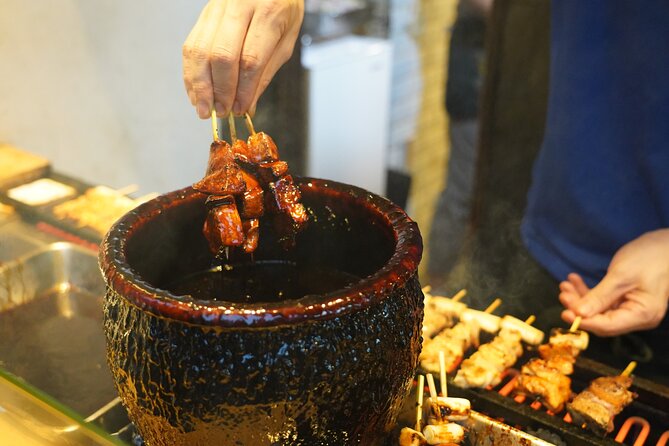
- The Five-Treat Food Walk: Yakitori, Taiyaki, Oden, and Sweet Comfort
- Why this order of eating works
- One consideration
- Yakitori and Oden Mean Local Life: Why the Restaurants Matter
- Shops and Gifts in Azabujuban: Souvenirs With a Local Accent
- Sailor Moon Fans: Real Azabujuban Places Linked to Naoko Takeuchi
- What the $71 Price Really Buys You
- Small Group Size: The Difference Between Watching and Participating
- Who This Tour Fits Best (And Who Should Skip It)
- Practical Tips to Get More From the Walk
- Should You Book the Tokyo Local Foodie Adventure Near Roppongi?
Key Things That Make This Tour Worth Your Time

- Azabujuban starts at the practical spot: meet at Azabujuban Station, Exit 4, outside Oslo Coffee with the Japan Hopping Tours logo.
- You’re eating five different treats, like yakitori, taiyaki, mame daifuku, and oden (selection depends on the day).
- Shrines and temples for good luck are part of the route, not an add-on.
- You’ll shop for gifts at unique local stores that stay close to this neighborhood’s identity.
- Small group scale (1–4 people) makes it easier to ask questions and get attention.
- Sailor Moon connections add a fun layer beyond food.
Why Azabujuban Feels Different From Other Tokyo Food Stops
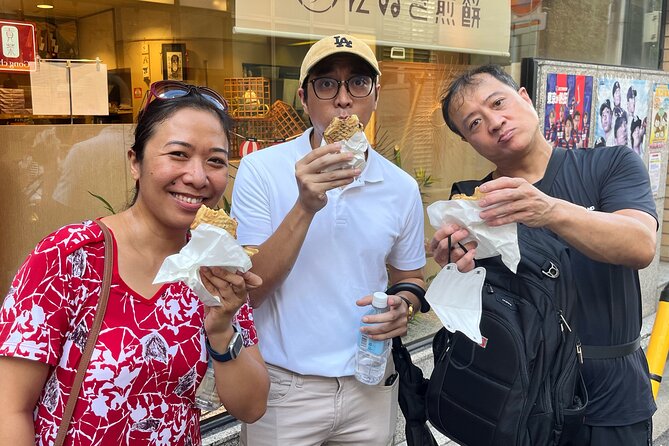
Azabujuban sits near Roppongi, but it doesn’t act like a loud entertainment district. The whole point is to steer you away from the usual “see it, snap it, move on” routine and into a smaller, slower pocket of Tokyo that still runs on neighborhood rhythms.
I like that the experience is built around food you can actually taste in sequence. You’re not just sampling random street items; you’re trying a mix of snacks that match the area’s vibe—sweet items like taiyaki, comforting savory choices like oden, and classic savory bites such as yakitori. That variety matters because it shows you how Japanese street and comfort food can feel different from place to place, even within the same city.
One more thing: the area’s longevity is part of the story. You’re told that Azabujuban has 300+ shops and that many have stayed open for almost a century. That turns the tour into something more grounded than trend-chasing.
Readers also shortlisted these Tokyo bookings:
- Tokyo: Shinjuku Food Tour (13 Dishes at 4 Local Eateries)
★ 5.0 · 6,603 reviews - Tokyo Tsukiji Fish Market Food and Culture Walking Tour
★ 5.0 · 3,184 reviews - Tokyo: Shinjuku Food Tour (15 Dishes and 4 Eateries)
★ 4.9 · 2,033 reviews - Best of Shinjuku: Izakaya Food Tour (4 Stops, 14+ Tastings)
★ 5.0 · 1,863 reviews
Meeting at Azabujuban Station: Easy Start, Clear Plan
This tour keeps logistics simple. You meet at Azabujuban Station, Exit 4, and the guides wait in front of Oslo Coffee with the Japan Hopping Tours logo.
The “back to the start” format is another plus. It means you don’t have to solve navigation mid-walk, and you can focus on what you’re there for: eating, walking, asking questions, and shopping without constantly re-planning.
What you should do before you go:
- Wear comfortable shoes. You’ll be walking around the neighborhood.
- Expect a moderate walking level. This is not a sit-down meal tour.
- Bring a little flexibility. The food selection can change day to day due to store availability.
Shrines and Temples for Good Luck: More Than Photo Ops
A big part of the route is visiting local shrines and temples. Even if you’re not trying to do a formal pilgrimage, these stops change how you experience the area. They slow you down, give you context, and connect the neighborhood’s daily life to older traditions.
This is also where the cultural storytelling becomes practical. When you’re told why people come to these sites and how local customs show up in everyday behavior, you start to understand what’s behind the food and shopping. It’s one thing to try a snack. It’s another to know what kind of neighborhood values sit around it.
If you care about atmosphere, these stops are where the tour feels most “Tokyo-real.” You’ll see a side of the city that isn’t designed for mass tourism.
The Five-Treat Food Walk: Yakitori, Taiyaki, Oden, and Sweet Comfort
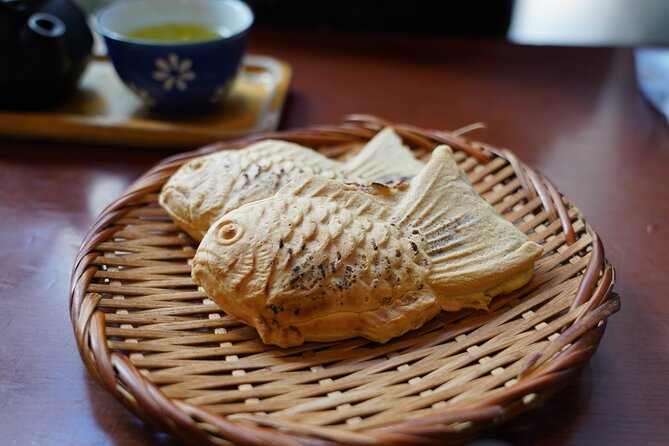
The heart of the tour is the five different Japanese treats. The selection depends on the day, but the examples given are exactly the kind of foods you want when you’re trying to understand a place, not just fill your stomach.
Here are some of the treats you should expect to see on different days:
- Yakitori: savory grilled chicken flavors that hit that sweet-umami balance Japanese casual food does well.
- Mame daifuku: a bean-based sweet that feels traditional and satisfying, not just a sugar hit.
- Taiyaki: a fish-shaped cake snack, often crisp outside and filled inside (commonly with sweet paste).
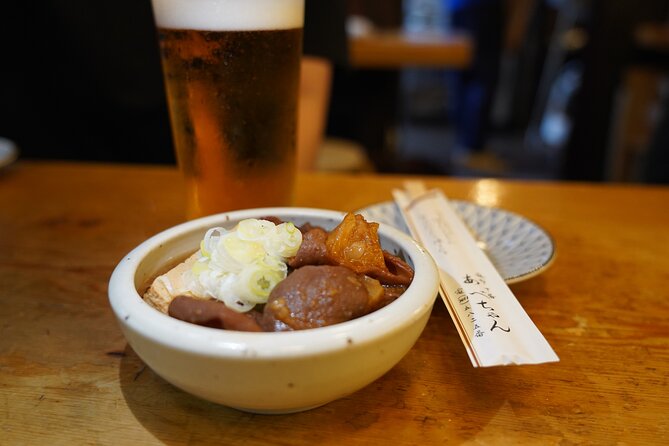
- Homemade oden: comforting savory items in a warm broth. If you’re in Japan during cooler or damp weather, this stop can feel like a reset button.
- Additional snacks and small bites that can include items like omelette-style food and sushi, depending on availability.
Why this order of eating works
You’re not stuck with only one style of food. You go from savory to sweet, from quick snack bites to comfort-food warmth, so you don’t get “tour-food fatigue.” And because the food is described as enough to fill you up, you won’t need to guess how many meals you’ll need to eat later.
- Tokyo: Shinjuku Food Tour (13 Dishes at 4 Local Eateries)★ 5.0 · 6,603 reviews
- Tokyo Mt Fuji 5th St & Hakone Cruise Bus Tour w/Bullet Train★ 4.4 · 5,024 reviews
- Flagship 2-Hours Official Street Go-Kart Tour – Tokyo Bay Shop★ 5.0 · 4,974 reviews
- From Tokyo: Mount Fuji Full-Day Sightseeing Trip★ 4.5 · 4,970 reviews
- Tokyo: Hop-On Hop-Off Sightseeing Bus Ticket★ 3.9 · 4,207 reviews
One consideration
Because the selection can change, don’t go in thinking you’ll absolutely get a specific item at a specific store. If you’re counting on mame daifuku or a particular savory choice, go with the mindset of tasting the neighborhood—then you’ll enjoy the surprise when the day’s lineup shifts.
Yakitori and Oden Mean Local Life: Why the Restaurants Matter
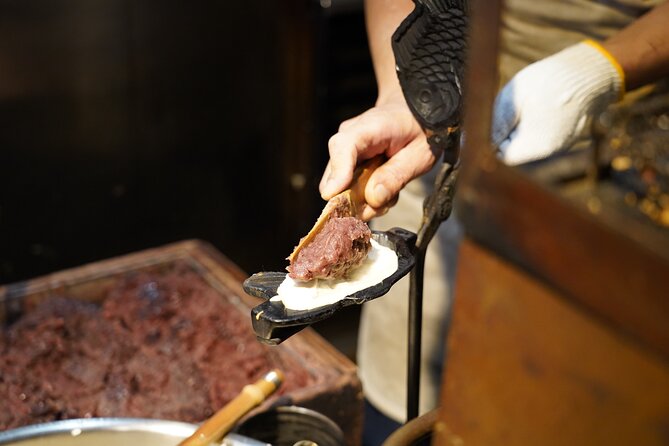
Food tours often stop at shops. This one keeps going into the human side of dining—places where you might chat with staff and even meet local residents as part of the experience.
That matters, because restaurant culture in Japan isn’t just about flavor. It’s about how people interact while serving, what they consider normal, and what gets ordered regularly. When you’re guided through that, you stop seeing the food as a “thing to consume” and start seeing it as part of daily routine.
If you like food tours that teach you how to read menus and understand Japanese eating habits, this is the right structure. You get help interpreting what you’re looking at, while still tasting everything.
Shops and Gifts in Azabujuban: Souvenirs With a Local Accent
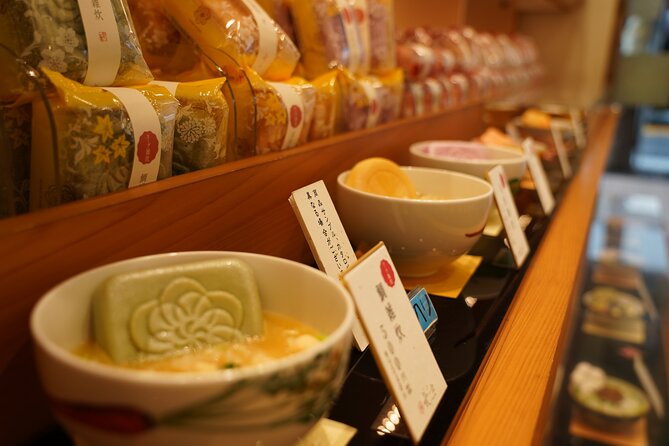
After the food stops, you get time to shop for gifts at stores you’d be less likely to find on your own. The tour is built around unique local shops in Azabujuban, which is exactly what you want if you’re tired of generic tourist souvenirs.
This part is valuable because you’re buying something that fits the neighborhood’s identity. You can use these shops as a “taste bookmark” of the places you walked through: snacks, small packaged sweets, and local items that feel tied to the area rather than shipped in from everywhere.
Practical tip: bring a little extra willingness to browse. The stores aren’t just there to sell to you fast; they’re part of the stroll.
Sailor Moon Fans: Real Azabujuban Places Linked to Naoko Takeuchi
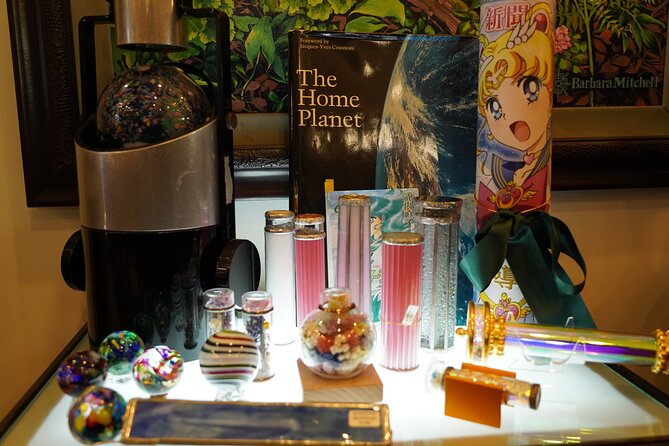
For Sailor Moon fans, this tour adds a fun extra layer. You’ll visit real-life places that inspired the setting tied to manga creator Naoko Takeuchi.
Even if you’re not the biggest anime fan, these kinds of literary and art connections can be a great way to break up the walk. They give you a reason to look twice at streets and corners, instead of letting your eyes glaze over from too much urban sameness.
It also helps the whole tour feel less like “just snacks,” and more like a neighborhood story you can follow while walking.
What the $71 Price Really Buys You
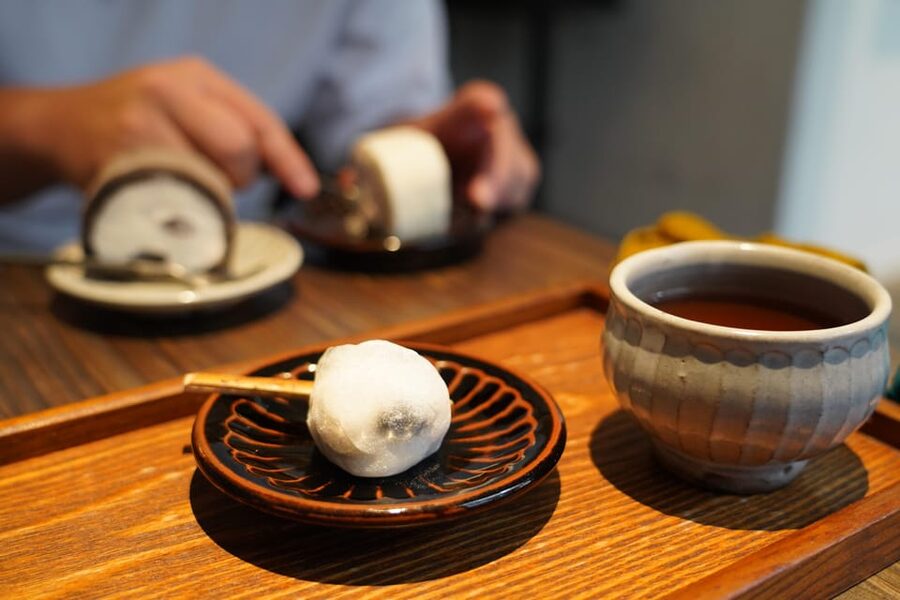
At $71 per person, you’re paying for a guided walk plus a planned amount of food. The included value is:
- Five different Japanese treats (varies by day)
- One alcoholic beverage
What this means in real travel terms: you’re not trying to assemble a food crawl yourself. You’re getting the sequencing, the translation help, and access to spots that fit the neighborhood. That’s why this can feel like good value even when other paid food tours charge a similar price but give you less variety or fewer stops.
A couple of cost realities:
- Transportation costs are not included, so you’ll need to get yourself to Azabujuban Station.
- Additional food and drinks are not included, but the food should be enough to fill you up.
If you want an easy “one afternoon plan” that covers both tasting and sightseeing, the price-to-workload ratio looks strong.
Small Group Size: The Difference Between Watching and Participating
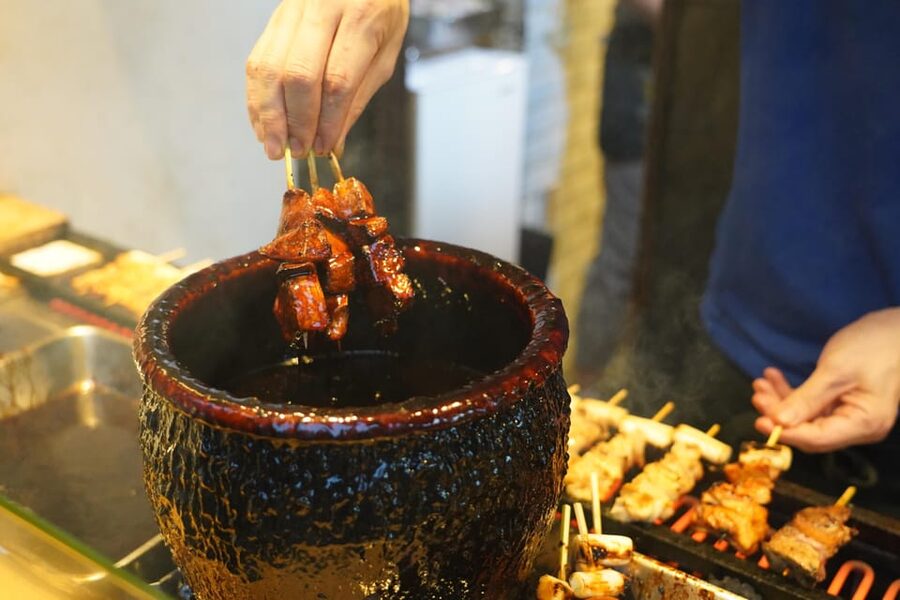
This is a small group tour/activity, typically 1 to 4 people. That size changes the whole experience. You can ask questions without feeling rushed, and your guide can adjust stops to what your group cares about.
It also makes the walking feel more like a guided neighborhood hangout than a conveyor belt. If you prefer tours where you can actually talk—about food, culture, or what you’re seeing—this format is ideal.
And since the tour language is English, you’re not stuck guessing what matters or what to order next.
Who This Tour Fits Best (And Who Should Skip It)
This is a great match if you:
- Want a Tokyo food tour that balances eating with neighborhood culture
- Like smaller groups and conversation with your guide
- Care about Japanese everyday life, not just major sights
- Are a Sailor Moon fan looking for real-world inspiration
It’s less suitable if you:
- Don’t want to walk around a neighborhood with moderate physical demands
- Need a fully seated experience
- Are over 95 years (not suitable)
Practical Tips to Get More From the Walk
Here’s how to make the day work for you:
- Wear shoes you can stand and walk in for a while. This isn’t a short stretch.
- Eat a light breakfast or plan an early start. The tour food is meant to fill you up.
- Keep an eye on pacing. You’ll be tasting multiple items, plus possibly a warm comfort-food stop.
- Bring a curious mindset. Part of the value is chatting with people and understanding what you’re seeing.
If the weather is hot and humid, plan to take it slower on the streets. Hydrate when you can between stops, and focus on enjoying each stop instead of trying to “speed-run” the route.
Should You Book the Tokyo Local Foodie Adventure Near Roppongi?
I’d book this if you want a Tokyo experience that mixes Azabujuban neighborhood life, shrines and temples, and five real tasting stops with enough variation to feel like you learned something, not just ate.
Skip it if you’re only interested in one specific food item and you’re worried the lineup might change. Also, if you strongly dislike walking, you may find the route too active for your style.
If your ideal day looks like a guided stroll where you eat, ask questions, shop for local gifts, and—bonus—connect it to Sailor Moon inspiration, this tour hits the sweet spot.
More Food in Tokyo
- Tokyo: Shinjuku Food Tour (13 Dishes at 4 Local Eateries)
★ 5.0 · 6,603 reviews - Tokyo Tsukiji Fish Market Food and Culture Walking Tour
★ 5.0 · 3,184 reviews - Tokyo: Shinjuku Food Tour (15 Dishes and 4 Eateries)
★ 4.9 · 2,033 reviews - Best of Shinjuku: Izakaya Food Tour (4 Stops, 14+ Tastings)
★ 5.0 · 1,863 reviews - Tokyo: Tsukiji Fish Market Food and Walking tour
★ 5.0 · 1,724 reviews
More Tour Reviews in Tokyo
- Mt Fuji and Hakone 1-Day Bus Tour Return by Bullet Train
★ 5.0 · 26,383 reviews - 1-Day Tokyo Bus Tour
★ 5.0 · 14,250 reviews - Tokyo: teamLab Planets TOKYO Digital Art Museum Entry Ticket
★ 4.6 · 9,779 reviews - Mt Fuji & Hakone Cruise, Drum Show Bullet Train 1 Day from Tokyo
★ 4.0 · 7,413 reviews - Tokyo: Shinjuku Food Tour (13 Dishes at 4 Local Eateries)
★ 5.0 · 6,603 reviews
Latest Tokyo reviews off our desk






Food, compared.
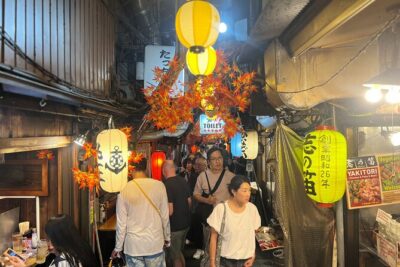 ★ 5.0Shinjuku Food Tour (13 Dishes at 4 Local Eateries)From $866,603 reviews
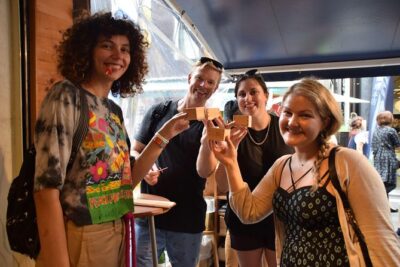 ★ 5.0Tokyo Tsukiji Fish Market Food and Culture Walking TourFrom $993,184 reviews
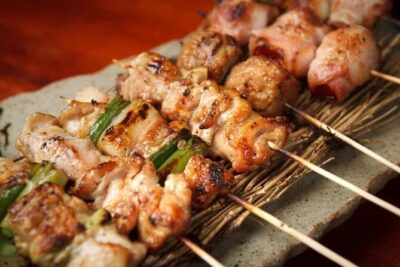 ★ 4.9Shinjuku Food Tour (15 Dishes and 4 Eateries)From $852,033 reviews
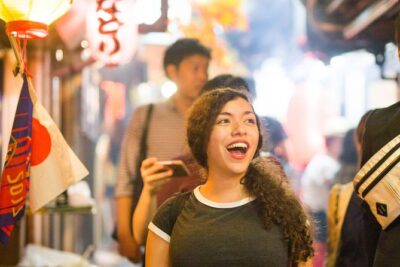 ★ 5.0Best of Shinjuku: Izakaya Food Tour (4 Stops, 14+ Tastings)From $921,863 reviews
 ★ 5.0Tsukiji Fish Market Food and Walking tourFrom $301,724 reviews
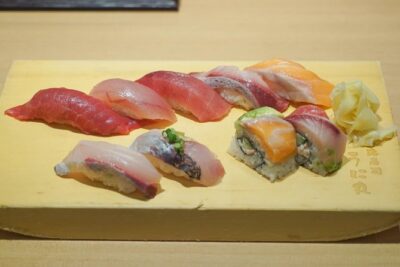 ★ 5.0Tokyo Night Foodie Tour in Shinjuku – Seasonal Sushi, Wagyu BeefFrom $1111,161 reviews
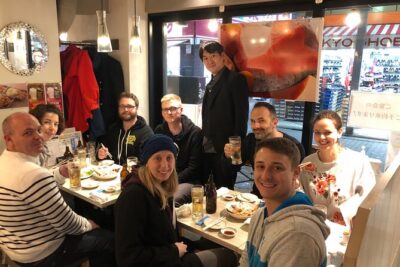 ★ 5.0Eat and Drink Like a Local: Tokyo Ueno Food Tour-Taverns&RamenFrom $95957 reviews
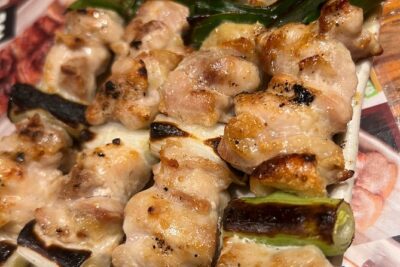 ★ 5.0Shibuya Food Tour (13 dishes and 4 Eateries)From $77770 reviews