
Reviewed · SHIBUYA EXPERIENCES
Tokyo: Meiji Jingu, Harajuku, Shibuya, and Shijuku Tour
Tokyo clicks in four hours. This private loop around Meiji Jingu and Shibuya Crossing shows you two very different faces of the city in a way that feels doable on day one. You get an English-speaking guide who helps you make sense of what you’re seeing, instead of just taking photos and hoping.
I especially like the calm reset at Meiji Shrine: the forest walk, the Shinto setting, and small rituals like writing wishes on ema and using the temizuya water pavilion. Another favorite is the way Harajuku and Cat Street balance loud style with more relaxed browsing, plus built-in stops like the Pokémon Center and time at Don Quijote for easy, low-stress shopping.
The main thing to consider is time. Four hours is not long, so the shopping + photo stops move at a brisk pace, and the optional animal or snake café adds extra time and fees you’ll need to plan for.
In This Review
- Key things you’ll notice on this tour
- How West Tokyo Fits Into One 4-Hour Private Ride
- Meiji Jingu: A Forest-Quiet Reset Before the Street Fashion
- Takeshita Street and Harajuku: Trend Shops, Street Snacks, and Easy Photo Stops
- Cat Street to Shibuya: A More Relaxed Shopping Flow
- Shibuya Crossing: The World’s Most Famous Light-Change Moment
- Optional Animal or Snake Café: Silly Fun With a Time and Fee Trade-Off
- Shinjuku After Dark: Omoide Yokocho, Golden Gai, and the Godzilla Head
- Price and Logistics: What $103 Buys You (and What It Doesn’t)
- The Kind of Guide You’ll Want on This Route
- Who This Tour Suits Best (and Who Might Prefer Something Else)
- Should You Book This West Tokyo Tour?
- FAQ
- How long is the Tokyo West Tour?
- What parts of Tokyo are included?
- Where can you get picked up?
- Is the animal or snake café included?
- What’s included in the price?
- Is food included?
Key things you’ll notice on this tour
- Meiji Jingu rituals explained so you know what you’re looking at, including ema and temizuya
- Harajuku street shopping that mixes photos and food with chances to pick up trend-style souvenirs
- Cat Street in-between vibe for browsing both high-end and vintage clothing without the Takeshita crush
- Shibuya Crossing with timing built in for the classic light-change crowd moment
- Pokémon Center stop is included for an easy win in Shibuya
- Shinjuku night areas and photo points including Omoide Yokocho, Golden Gai, and the Godzilla Head
How West Tokyo Fits Into One 4-Hour Private Ride
This tour is designed like a smart Tokyo sampler: you cover big neighborhoods without getting lost, and you do it with a private, English-speaking guide. Pickup is offered in four places—Minato City, Shibuya City, Taito City, and Shinjuku City—which helps if you’re staying anywhere in the center.
The pacing is very “Tokyo efficient.” You start with a guided stop at Meiji Jingu, then shift toward Harajuku on foot. After that, you use the metro to hop between areas and finish with Shinjuku, including sunset time and photo moments. That structure matters because Tokyo can be overwhelming when you’re doing it alone: the guide smooths out navigation, and you don’t waste time figuring out which direction leads to the one thing you actually came for.
One practical bonus: this is wheelchair accessible and you’re traveling in a private group, so it’s easier to adjust the route for comfort. Also, since it’s private, your guide can tailor the stops to your interests as you go.
More booked around Shibuya Crossing
- Official Street Go-Kart in Shibuya
★ 5.0 · 3,435 reviews - Tokyo: Street Kart Experience in Shibuya
★ 4.9 · 1,484 reviews - Shibuya Meltdown Nightlife Tour: All-You-Can-Drink Bar Hopping
★ 5.0 · 1,058 reviews - Shibuya Official Street Go-Kart in Shibuya Annex
★ 5.0 · 972 reviews
Meiji Jingu: A Forest-Quiet Reset Before the Street Fashion
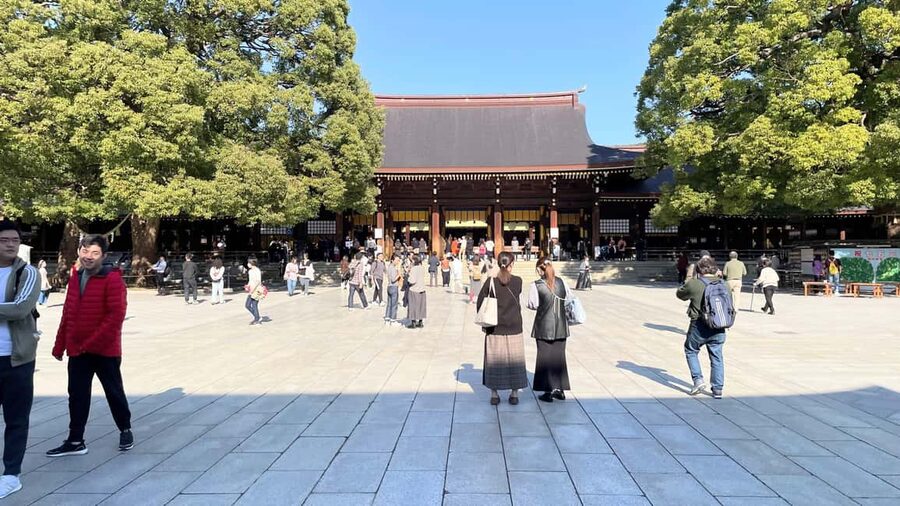
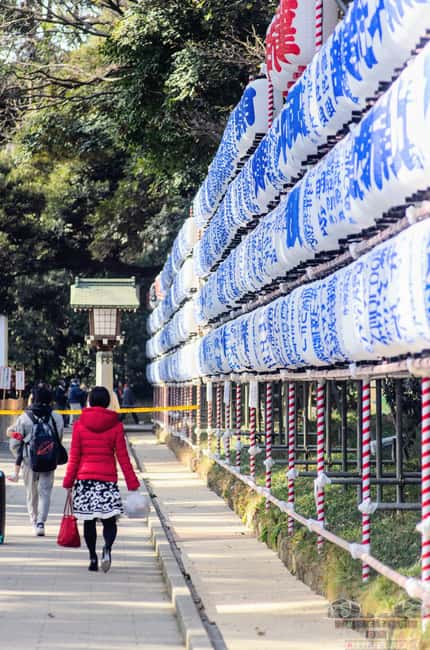
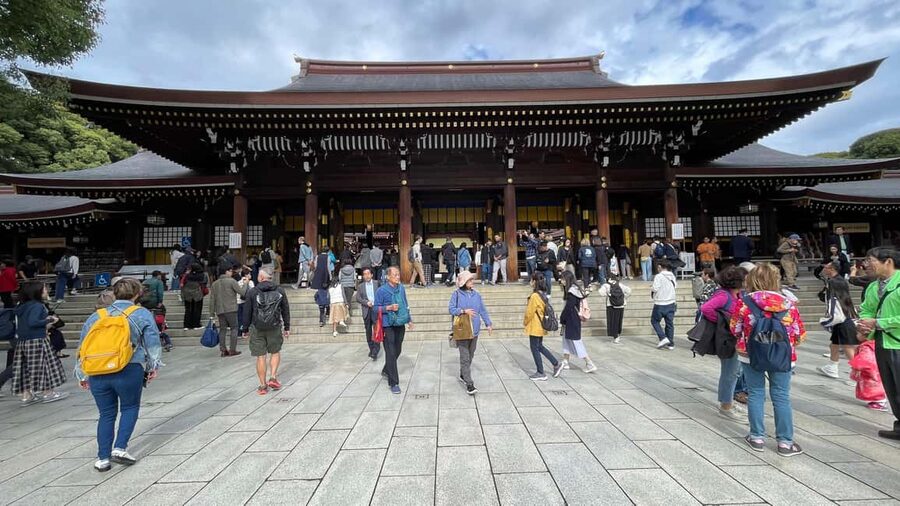
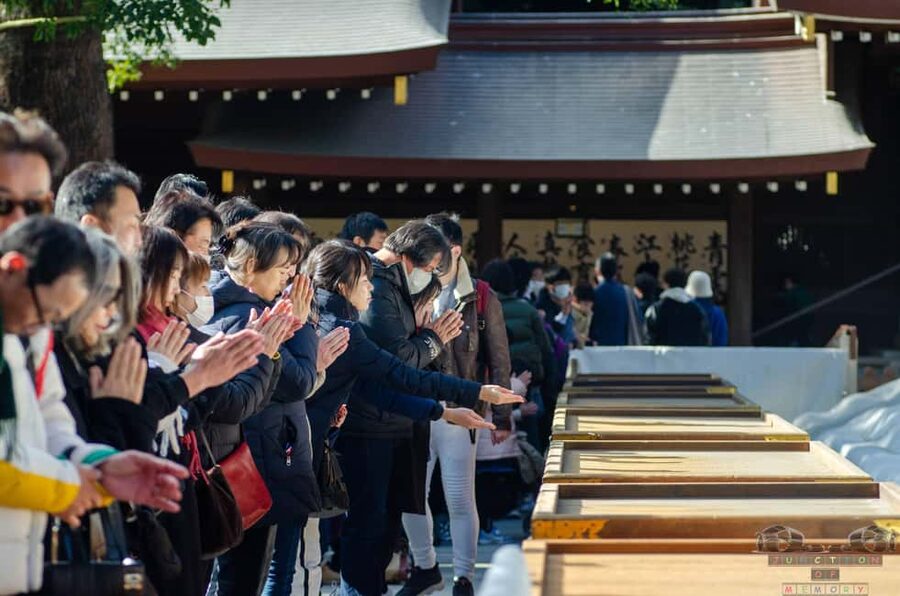
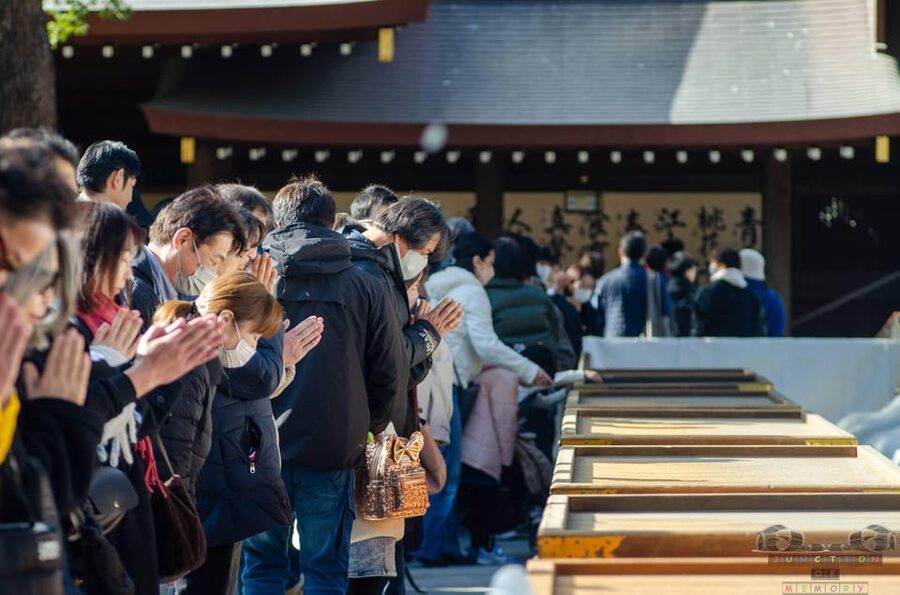
Meiji Jingu is the kind of place that changes your mood as soon as you walk in. One minute you’re in Tokyo’s noise; the next you’re in a shrine setting surrounded by a lush, tranquil forest. The guide takes you through what the shrine is dedicated to—Emperor Meiji and Empress Shoken—and that context helps the whole experience land.
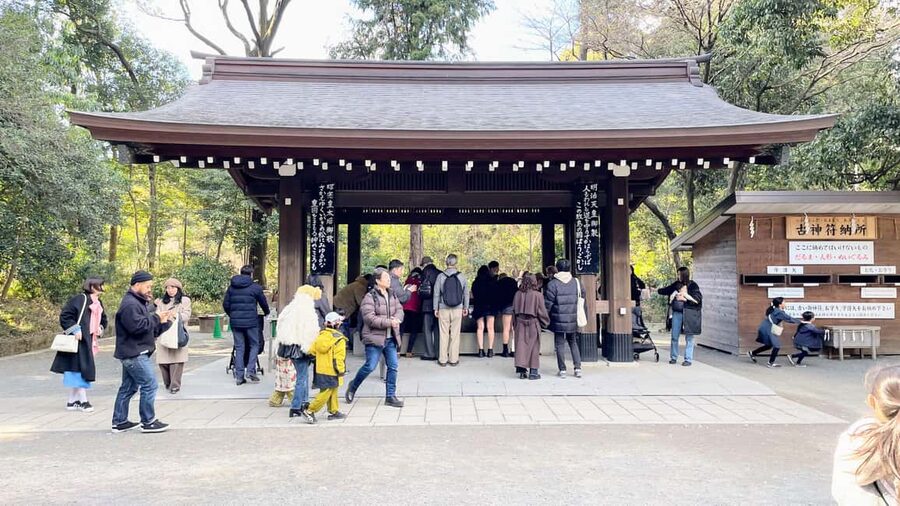
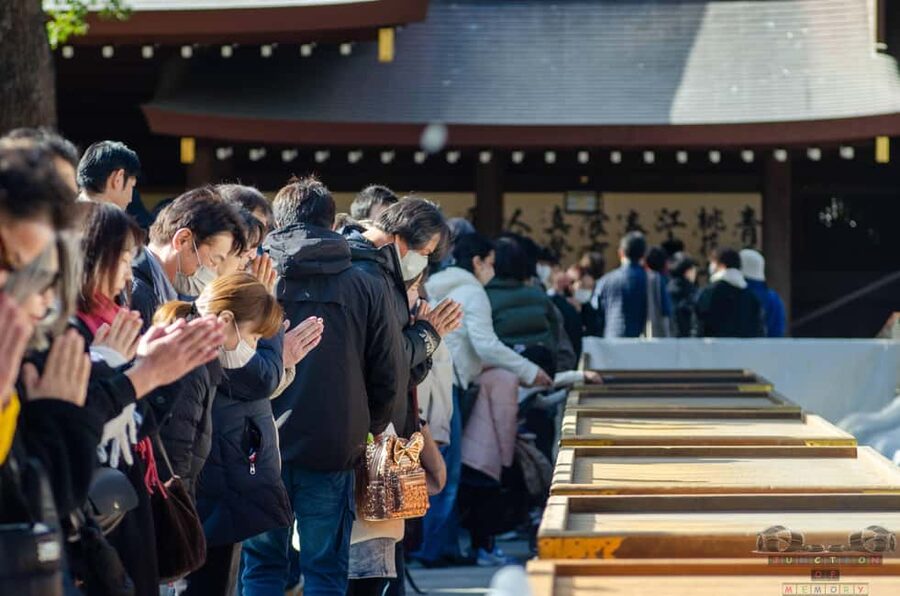
The best part is the hands-on feel of the small rituals. If you’re into traditional customs, you’ll get a chance to write your wish on ema (wooden plaques). You can also learn about the temizuya water pavilion, where purification happens before worship. These aren’t “just photo props.” They’re part of how people participate, and your guide’s explanation helps you do it respectfully instead of guessing.
What I like most here is that it sets up the rest of the day. After Meiji Jingu, Harajuku’s energy doesn’t feel random. It feels like Tokyo doing what Tokyo does: preserving tradition while building a fashion-forward identity in the same city.
Tip: dress comfortably. Even if the tour is only four hours, shrine areas can involve a bit of walking, and you’ll appreciate shoes that don’t punish you later.
Takeshita Street and Harajuku: Trend Shops, Street Snacks, and Easy Photo Stops
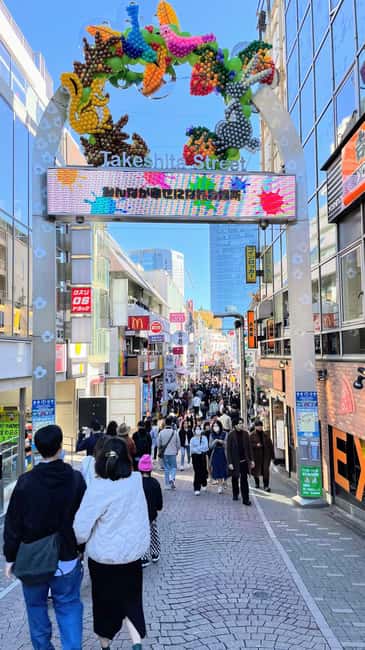
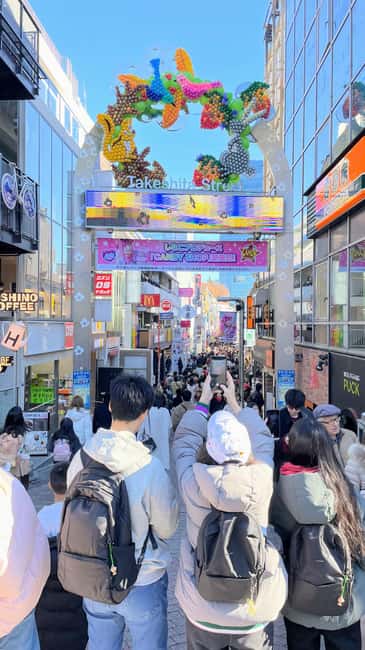
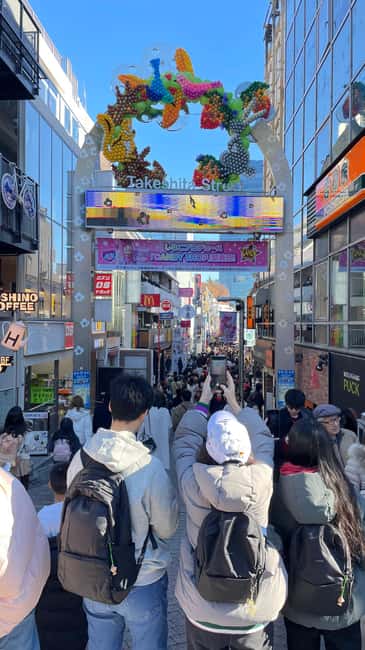
From Meiji Jingu you head toward Harajuku, with time for photo stops and guided walking through the neighborhood. Takeshita Street is the headline act here. It’s famous for eclectic fashion, quirky shops, and street-level food culture. The guide helps you turn that chaos into something you can enjoy, not just something you have to endure.
This is also where you’ll have an easy chance to try popular Harajuku snacks—things like crepes and rainbow-colored cotton candy. You don’t have to spend big, either. Think of it as sampling Tokyo’s playful side while you’re already in the right spot.
As you continue, the tour moves beyond Takeshita into the broader Harajuku area. You’ll get time for photo moments and guided sightseeing, with pointers toward iconic stores like Kiddy Land and street art you’ll likely miss if you’re wandering without a plan. Harajuku is also a great place to understand how youth fashion travels outward. A good guide ties the street style to the wider cultural story, so you’re not just buying random souvenirs with no meaning.
A small thing that matters: the guide’s job is to keep you moving while still allowing you to look. In my experience, that’s what makes the difference between a fun “walk and shop” hour and a tiring blur of crowds.
Cat Street to Shibuya: A More Relaxed Shopping Flow
After the Harajuku intensity, Cat Street gives you a change of pace. This is the connecting strip between Harajuku and Shibuya, and it’s known for a mix of high-end and vintage shops. The vibe is more laid-back than Takeshita Street, which is exactly what you want mid-day—time to browse without feeling rushed.
Cat Street is also a great place for people who like secondhand style, minimal “tourist trap” shopping, or just slow wandering. You’ll get time to walk through, pass by key spots, and enjoy the atmosphere with your guide explaining what makes the area’s style different.
Then you land in Shibuya, and the tour adds a practical anchor: the Pokémon Center is included. That matters because it’s a clear, easy stop that’s fun even if shopping is not your main goal. If you’re traveling with kids, it’s also a strong reset point in the day.
Shibuya Crossing: The World’s Most Famous Light-Change Moment
Shibuya Crossing is the iconic “Tokyo, right now” scene. The tour builds in time to experience it properly: you’ll be there for the traffic lights change and watch the crowd move as hundreds of pedestrians flow in multiple directions.
There’s a reason this moment is worth planning for. If you just stumble into Shibuya with no timing, you can miss the moment when the whole intersection fills in. With a guide and a set schedule, you’re more likely to hit the classic light-change rhythm—plus you’ll get photo guidance for where to stand and how to avoid getting swallowed by the crowd.
This is also where Shibuya feels like a real city, not a postcard. You’ll see the energy of everyday life: people on errands, students heading somewhere specific, tourists with cameras held at chest level, and everyone moving with purpose even when it looks chaotic.
If you want one photo that says Tokyo, this is it.
More quiet hours at Meiji Shrine
- Tokyo: Meiji Shrine Walking Tour — Shinto & Imperial System★ 4.9 · 266 reviews
- Tokyo: Meiji Jingu Shrine and Shinto Culture Walking Tour★ 5.0 · 245 reviews
- Tokyo: Meiji Shrine and Shinto Culture Walking Tour★ 5.0 · 225 reviews
- Tokyo: Meiji Shrine Walking Tour — Shintoism & Imperial System★ 5.0 · 209 reviews
- Tokyo Morning Tour: Asakusa, Meiji Shrine and Tsukiji Fish Market★ 5.0 · 128 reviews
Optional Animal or Snake Café: Silly Fun With a Time and Fee Trade-Off
In Shibuya, there’s an optional stop for an animal or snake café. This is not automatically included—you need to tell your guide at the beginning if you want it. The idea is simple: swap some sightseeing time for a cozy, hands-on interaction with animals in a café setting.
If you’re the kind of person who loves novelty, this can be a memorable detour. If you’re sensitive to animal handling or want a strictly outdoors day, skip it.
Two practical notes your guide will likely flag: additional fees may apply, and the café will affect the rest of your timing. In a four-hour tour, that trade-off matters. I’d treat this as a choose-your-own-adventure moment, not a guaranteed add-on.
Shinjuku After Dark: Omoide Yokocho, Golden Gai, and the Godzilla Head
The finish line is Shinjuku, the part of Tokyo most people associate with nightlife, entertainment, and late-day energy. Your guide brings you into the area with photo stops and guided time, plus a full stretch of free time so you can explore at your own speed.
A key inclusion here is time around Omoide Yokocho (Memory Lane) and Golden Gai. The tour doesn’t just name-drop; you get guided exploration, which helps you understand what you’re looking at and where it’s worth your attention. If you’re curious about Tokyo’s after-hours vibe, this is one of the more interesting places to see it without needing to research everything in advance.
You’ll also get a popular landmark moment at the Godzilla Head. It’s the kind of photo point that makes the evening feel very Tokyo, very quickly.
And yes, sunset time is part of the plan—so you get that nice shift from daylight to the city glow. That timing is useful because Tokyo can feel different at each hour, and Shinjuku’s energy tends to ramp up as the light changes.
One more smart inclusion: Don Quijote is built into the shopping time. It’s a great place to pick up practical stuff and playful souvenirs without treating shopping like a whole separate mission.
Price and Logistics: What $103 Buys You (and What It Doesn’t)
At about $103 per person for a private four-hour outing, the value is mostly in the “guide + access + structure” mix. You’re not just paying for someone to point at things. You’re paying for:
- a private English-speaking guide for the full time
- public transportation fees within Tokyo
- admission for Meiji Jingu
- the Pokémon Center stop in Shibuya
- shopping time at Don Quijote
- guided exploration in Shinjuku areas like Omoide Yokocho and Golden Gai
- built-in photo stops and short stretches of free time
What’s not included is meals and beverages unless your guide specifies otherwise during your time. So plan on grabbing something on your own. If you’re hungry, the tour is set up so you’ll have break time in Shibuya and Shinjuku, but you still need your own budget for food.
Also, personal shopping and souvenirs are on you—fair, but worth mentioning. And the optional café would come with extra fees, since it’s not part of the core included stops.
From a first-day-in-Tokyo perspective, I think this kind of price makes sense. You compress multiple neighborhoods into one smooth loop, and the guide’s explanations help you remember what you saw instead of just collecting images.
The Kind of Guide You’ll Want on This Route
Since this is a private tour, the guide really matters. Names that come up in guide feedback for this specific route include Joe, Ayoub, Maruf, Erica, Emir, and Amir. The common themes are:
- guides tailoring the route to what you care about
- clear explanations of culture and customs
- help with photos so you get your shots without awkward posing
- a friendly, flexible attitude when plans shift with weather or your family needs
If you’re traveling with kids, you’ll likely appreciate the guide’s energy and ability to adjust pacing. If you’re traveling solo or as a couple, you’ll likely appreciate the cultural context and the navigation help.
This is the sort of tour where a good guide turns a list of places into a story you can repeat later.
Who This Tour Suits Best (and Who Might Prefer Something Else)
This fits best if you want an efficient overview of West Tokyo with real guidance. It’s especially good for:
- first-time visitors who want Meiji Jingu and Shibuya without guessing logistics
- people who like street fashion areas but don’t want to spend the whole day figuring out where to shop
- families who want a mix of culture, crowds, photos, and an indoor fun stop like the Pokémon Center
- anyone who wants a private guide to help you choose where to spend your time in Harajuku and Shinjuku
If you want a slow, museum-heavy day, this might feel too “go-go.” And if you’re extremely picky about shopping time, you’ll want to tell your guide what matters most early so they can adjust how long you linger.
Should You Book This West Tokyo Tour?
I’d book it if you’re trying to make your first Tokyo days efficient and meaningful. The biggest strengths are the mix: Meiji Jingu rituals, Harajuku and Cat Street style walking, a timed Shibuya Crossing moment, and Shinjuku areas like Omoide Yokocho/Golden Gai plus photo landmarks. It’s also private, so you’re not trapped in a rigid group pace.
Skip it only if you already have a tight plan for every stop and you’re comfortable using public transit on your own without guidance. Otherwise, the structure is the whole point.
If you do book: message your guide about your priorities at the start. If you want the optional animal or snake café, say so immediately so they can plan around extra time and potential fees.
FAQ
How long is the Tokyo West Tour?
It lasts 4 hours.
What parts of Tokyo are included?
You’ll visit Meiji Jingu, Harajuku (including Takeshita Street and nearby areas), Cat Street, Shibuya (including Shibuya Crossing and a Pokémon Center stop), and Shinjuku (including Omoide Yokocho and Golden Gai exploration and the Godzilla Head area).
Where can you get picked up?
Pickup options are available in Minato City, Shibuya City, Taito City, and Shinjuku City.
Is the animal or snake café included?
It’s optional. If you want it, you need to inform your guide at the beginning, and additional fees may apply.
What’s included in the price?
You get a private English-speaking guide, Meiji Jingu admission, public transportation fees, and included stops such as the Pokémon Center in Shibuya and shopping time at Don Quijote, plus exploration time around Omoide Yokocho and Golden Gai.
Is food included?
Meals and beverages are not included unless specified in the itinerary. You’ll have breaks/free time, but you’ll need to budget for food separately.
More Tour Reviews in Tokyo
- Mt Fuji and Hakone 1-Day Bus Tour Return by Bullet Train
★ 5.0 · 26,383 reviews - 1-Day Tokyo Bus Tour
★ 5.0 · 14,250 reviews - Tokyo: teamLab Planets TOKYO Digital Art Museum Entry Ticket
★ 4.6 · 9,779 reviews - Mt Fuji & Hakone Cruise, Drum Show Bullet Train 1 Day from Tokyo
★ 4.0 · 7,413 reviews - Tokyo: Shinjuku Food Tour (13 Dishes at 4 Local Eateries)
★ 5.0 · 6,603 reviews
More Meiji Shrine Hours, Rated
- Tokyo: Meiji Shrine, Asakusa, Skytree Bus Tour and Cruise
★ 4.7 · 1,986 reviews - Tokyo Panoramic 1 Day: Meiji Shrine, Asakusa, Odaiba and SKYTREE®
★ 4.5 · 1,222 reviews - Tokyo: Meiji Shrine Walking Tour — Shinto & Imperial System
★ 4.9 · 266 reviews - Tokyo: Meiji Jingu Shrine and Shinto Culture Walking Tour
★ 5.0 · 245 reviews - Tokyo: Meiji Shrine and Shinto Culture Walking Tour
★ 5.0 · 225 reviews
More Around Shibuya Crossing
- Official Street Go-Kart in Shibuya
★ 5.0 · 3,435 reviews - Tokyo: Street Kart Experience in Shibuya
★ 4.9 · 1,484 reviews - Shibuya Meltdown Nightlife Tour: All-You-Can-Drink Bar Hopping
★ 5.0 · 1,058 reviews - Shibuya Official Street Go-Kart in Shibuya Annex
★ 5.0 · 972 reviews - Tokyo: Shibuya Food Tour (13 dishes and 4 Eateries)
★ 5.0 · 770 reviews
Latest Tokyo reviews off our desk






Shibuya Experiences, compared.
 ★ 5.0Official Street Go-Kart in ShibuyaFrom $763,435 reviews
 ★ 4.9Street Kart Experience in ShibuyaFrom $741,484 reviews
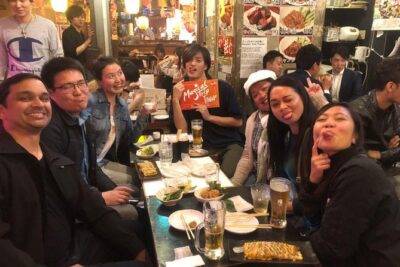 ★ 5.0Shibuya Meltdown Nightlife Tour: All-You-Can-Drink Bar HoppingFrom $1061,058 reviews
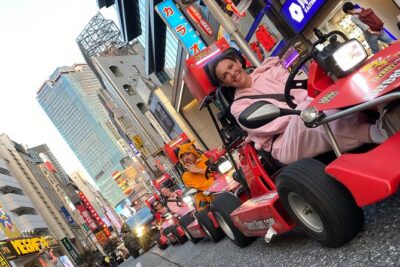 ★ 5.0Shibuya Official Street Go-Kart in Shibuya AnnexFrom $69972 reviews
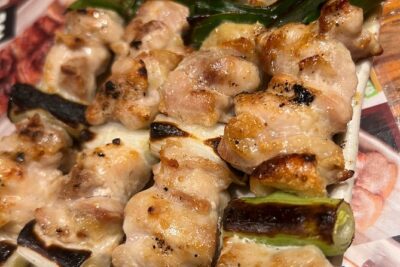 ★ 5.0Shibuya Food Tour (13 dishes and 4 Eateries)From $77770 reviews
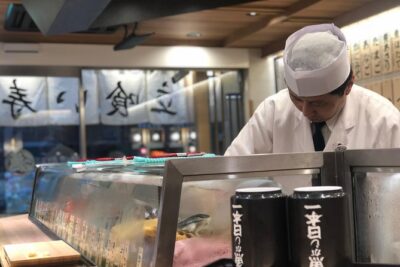 ★ 5.0Best of Shibuya Food TourFrom $217612 reviews
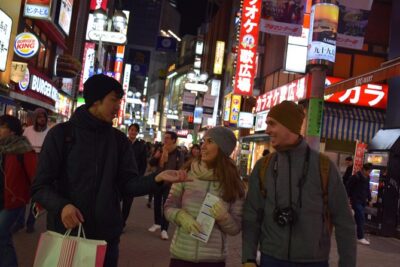 ★ 4.8Shibuya Highlights Walking TourFrom $19601 reviews
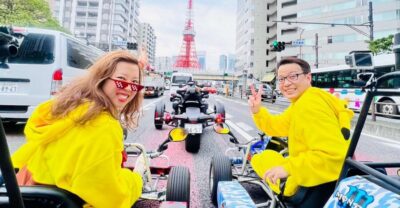 ★ 4.7Premium Go-Kart Tour with Tower & Shibuya CrossingFrom $116528 reviews
Browse the lists this tour appears in