
Reviewed · GO-KARTS
Tokyo Oldtown: Historic Landmarks Go Kart Tour (100 Minutes)
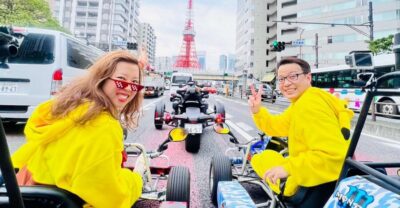
Tokyo by go-kart sounds chaotic, then it feels oddly perfect. This street-legal ride mixes iconic landmarks with real local neighborhoods, anchored in Asakusa, and run at a pace that’s fun instead of frantic. What I like most is the comfort-first kart design and the live guide storytelling that turns driving into a moving lesson.
One thing to consider: this is not a walk-on attraction. You need the right driving documents (often an International Driving Permit) and you’ll also want to travel light since backpacks aren’t allowed and there’s no locker space provided.
In This Review
- Key things I’d highlight before you book
- Getting to Kartzilla near Yotsugi Station (and what you must bring)
- The go-karts: made for comfort, stability, and real control
- Safety that feels structured: briefing, radios, and guided flow
- Tokyo Old Town from the Skytree area to Asakusa: what you’ll experience
- Tokyo Skytree area: warm-up views while you get oriented
- Japanese Sword Museum: guided learning time between drives
- Ryogoku Kokugikan: a landmark stop that keeps momentum
- Tokyo Station: big-city Tokyo, seen from the road
- Tokyo Imperial Palace: a calm, guided pause
- Akihabara: culture and electronics energy in a moving tour format
- Ueno: another classic Tokyo area, guided while you pass through
- Asakusa: the old-town heart with Senso-ji and traditional streets
- Capturing your drive with the optional Insta360 plus free photos
- What’s included in the price (and what you’ll likely pay extra)
- Guide-led storytelling in multiple languages (and a note on document help)
- Who this is perfect for (and who should skip it)
- Should you book the Tokyo Old Town go-kart tour?
- FAQ
- How long is the Tokyo Old Town go-kart tour?
- Where does the tour start?
- What’s included in the $90 price?
- What do I need to drive?
- Can I record my ride with an Insta360 camera?
- What languages are the tour guides?
- Is this suitable for children or people with mobility needs?
Key things I’d highlight before you book
- Comfort-built, city-ready go-karts with suspension, hydraulic brakes, and stable handling for first-timers
- Asakusa-centered old-town route featuring Senso-ji and traditional streets
- Live guide + 2-way radio safety so you always know what’s happening next
- Optional Insta360 on-board recording plus free photos from your experience
- Small group capped at 10 for clearer instructions and a calmer drive
- A landmark mix across Tokyo from Skytree-area sights to Akihabara and Ueno
Getting to Kartzilla near Yotsugi Station (and what you must bring)
Your start point is the Kartzilla Go Kart facility by Tokyo Skytree, and it’s easy to reach on transit. It’s about a 8–10 minute walk from Yotsugi Station, and it’s accessible via the Keisei Line.
Plan on showing up with your passport and the correct driver’s license paperwork. Your driving eligibility depends on where your license comes from, and the tour notes that overseas nationals not resident in Japan need a passport, a valid local license, and an International Driving Permit (IDP) issued by a signatory to the 1949 Geneva Convention.
Also, travel light. No backpacks are allowed, and the tour doesn’t list locker space for storage, so bring only what you can comfortably carry while meeting the other vehicle rules (like no food/drinks inside).
Readers also shortlisted these Tokyo bookings:
- Tokyo: Imperial Palace and Shogun Historical Walking Tour
★ 5.0 · 2,251 reviews - Tokyo: Imperial Palace Japanese History Walking Tour
★ 4.9 · 987 reviews - Yanaka Walking Tour: Historic and Traditional District of Tokyo
★ 5.0 · 530 reviews - Tokyo: Shinjuku Historical Walking Tour & Secret Backstreets
★ 5.0 · 530 reviews
The go-karts: made for comfort, stability, and real control
These aren’t the flimsy, spin-and-slip theme-park carts. Kartzilla’s karts are built for street-legal driving comfort, with the kind of stability that matters when you’re navigating normal Tokyo roads.
Expect reinforced frames and a setup aimed at accommodating big-and-tall riders. The tour also calls out advanced suspension for a smoother ride, plus hydraulic brakes for predictable stopping, which makes a huge difference if you’re nervous at the wheel.
You’ll get a clear road-safety briefing and simple driving instructions before you roll out. After that, you drive while your guide stays with you and manages the flow, so you’re not stuck guessing where to go or when to slow down.
Safety that feels structured: briefing, radios, and guided flow
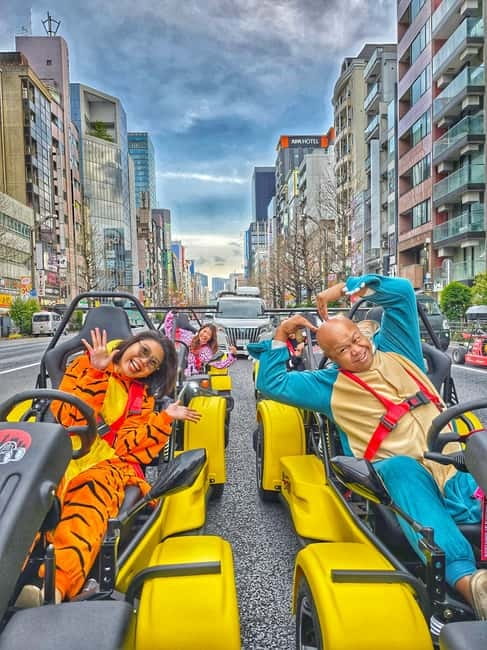
The biggest confidence boost here is the communication style. The tour uses a 2-way radio system, which means your guide can give real-time guidance and you can stay aligned with the group.
This is a beginner-friendly format. There’s no racing vibe mentioned, and the pace is described as relaxed, with the guide leading at all times so traffic and turns don’t turn into a stress test.
It also helps that there’s accident insurance included. Add the fact that the karts are described as safe, well maintained, and comfortable to drive, and you’re dealing with an operation designed around control rather than chaos.
Tokyo Old Town from the Skytree area to Asakusa: what you’ll experience
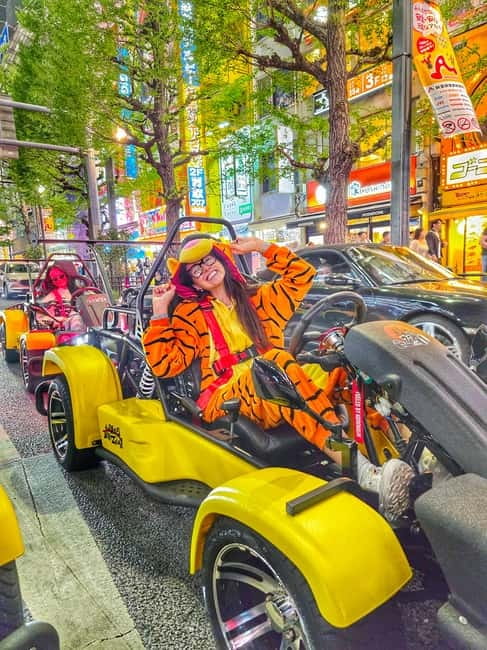
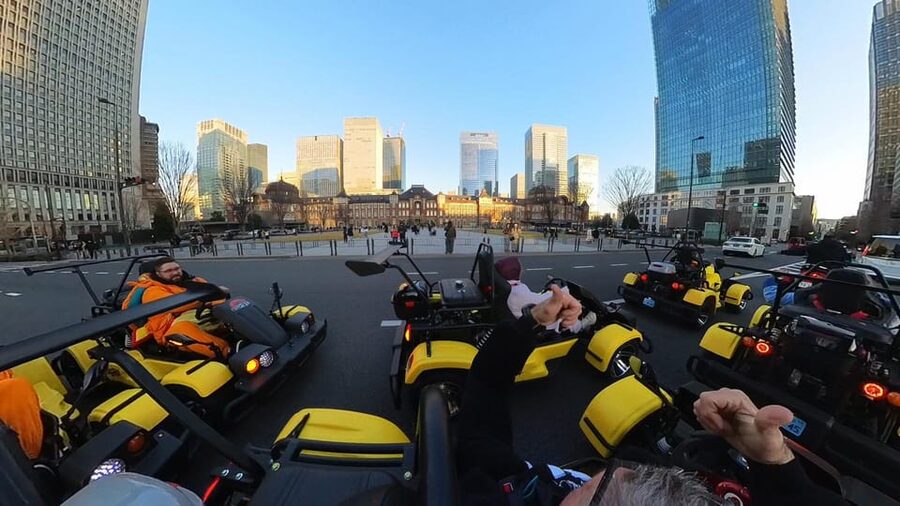
This route is built around Tokyo’s cultural foundation—street-level views of neighborhoods that existed long before the modern skyline. You’ll start near the Kartzilla facility and then work through a sequence of landmark stops, with a mix of guided segments and scenic driving.
Tokyo Skytree area: warm-up views while you get oriented
You begin around the Skytree zone, with scenic views on the way as part of the early ride. This is a smart setup because it gets you rolling while you’re still fresh from the safety briefing.
If you’re someone who needs a moment to get comfortable behind the wheel, this early scenic driving portion helps you settle before you hit the more focused landmark stops.
- Tokyo: Shinjuku Food Tour (13 Dishes at 4 Local Eateries)★ 5.0 · 6,603 reviews
- Tokyo Mt Fuji 5th St & Hakone Cruise Bus Tour w/Bullet Train★ 4.4 · 5,024 reviews
- Flagship 2-Hours Official Street Go-Kart Tour – Tokyo Bay Shop★ 5.0 · 4,974 reviews
- From Tokyo: Mount Fuji Full-Day Sightseeing Trip★ 4.5 · 4,970 reviews
- Tokyo: Hop-On Hop-Off Sightseeing Bus Ticket★ 3.9 · 4,207 reviews
Japanese Sword Museum: guided learning time between drives
Next you’ll have a guided stop at the Japanese Sword Museum. The tour format here is straightforward: you get the guided component, then you’re back in the kart for the next stretch.
This kind of break is valuable because it breaks up the driving time without turning the tour into a long museum slog. You keep moving, and the guide can connect what you’re seeing to the broader “old Tokyo” theme.
Ryogoku Kokugikan: a landmark stop that keeps momentum
Ryogoku Kokugikan is another guided segment on the route, again paired with scenic drive time. The practical takeaway is that you’re not just passing places—you’re getting enough guidance to understand why each stop matters.
Even if you’re not a hardcore architecture or sports-facility fan, this stop works as a change of pace while staying within the tour’s controlled rhythm.
Tokyo Station: big-city Tokyo, seen from the road
Tokyo Station appears as a guided stop, which likely means your guide will point out the important details you’d miss if you were just hopping off and snapping photos.
From a value standpoint, including a major hub like Tokyo Station helps you cover more ground than an Asakusa-only route. You’re getting contrast: old-town storytelling tied to modern Tokyo’s infrastructure.
Tokyo Imperial Palace: a calm, guided pause
You’ll also have a guided stop at Tokyo Imperial Palace, again with scenic drive time connecting it to the next areas. The route doesn’t describe this stop in detail, but the structure suggests a guided explanation plus time to experience the setting without rushing.
This is one of those moments that can make the whole tour feel more “Tokyo” and less “just driving.” You get variety in the subject matter while staying on the same controlled transportation format.
Akihabara: culture and electronics energy in a moving tour format
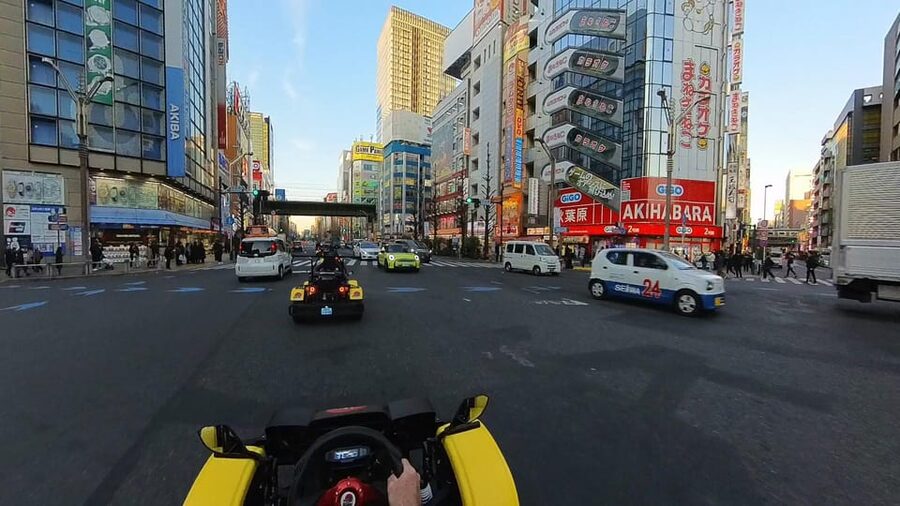
Akihabara is on the route with a guided component. For many people, Akihabara is a place you can easily wander for hours—this tour gives you a guided version of it while still keeping your hands on the wheel for the full street-level experience.
If you like neighborhoods that feel intensely local and a little quirky, this stop adds that pop of personality without you having to plan anything.
Ueno: another classic Tokyo area, guided while you pass through
Ueno shows up next, again with guided time and scenic driving. Ueno is a good fit for this kind of tour because it’s a “between worlds” location—easy to recognize, but also full of lived-in city texture.
In practice, the value is that you’re being guided through a recognizable part of Tokyo while still experiencing the physical act of moving through it.
Asakusa: the old-town heart with Senso-ji and traditional streets
Asakusa is the highlight in the way the tour is framed. This is the district associated with Senso-ji, described as Tokyo’s oldest Buddhist temple, and one of the city’s key cultural landmarks.
What I’d expect you to notice here is the texture. The tour emphasizes traditional streets, historic architecture, temples, and local shopping areas—exactly the kind of street-level “real Tokyo” feeling that’s hard to catch if you only target big-name viewpoints.
If you want your tour to feel like more than an amusement-style go-kart run, Asakusa is where it clicks. The guide’s stories are tied to the place, and the driving helps you feel like you’re moving through daily life, not just watching it.
Capturing your drive with the optional Insta360 plus free photos
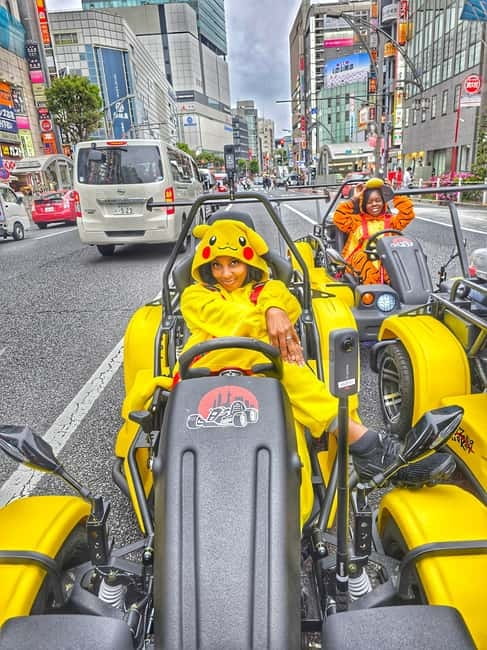
If you want hands-free recording, you can add an on-board Insta360 camera option on each kart. That means you capture the entire journey from the driver’s seat, which is great for reviewing your route later (or just reliving the moment).
The tour also mentions free photos of your experience. The trade-off is that you’ll need a Micro-SD card for the camera, since the equipment itself is provided but the storage is not included.
Practical tip: if you plan to record, buy the Micro-SD card before you show up. Waiting until the last minute can turn into a frustrating scavenger hunt, especially when you’d rather be focused on the safety briefing.
What’s included in the price (and what you’ll likely pay extra)
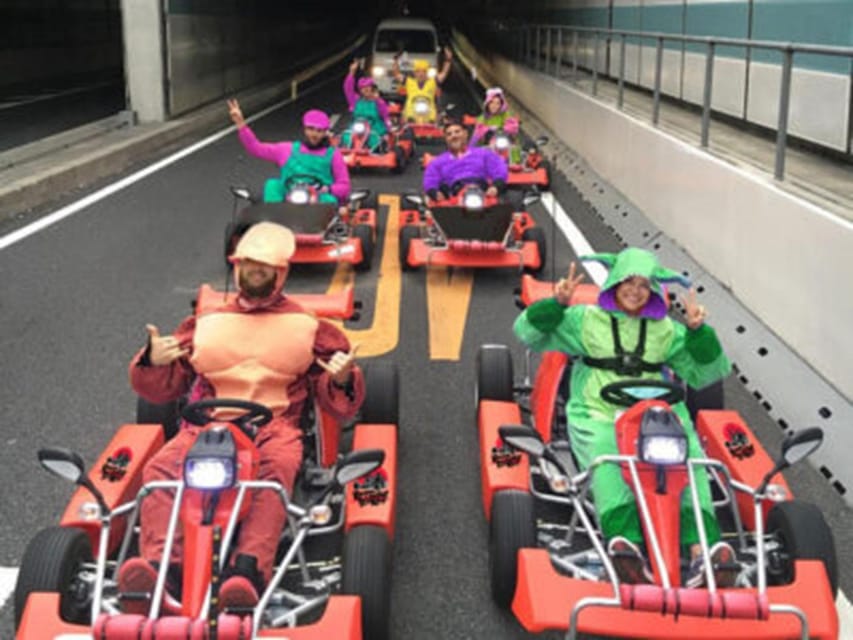
At $90 per person for a 100-minute experience, you’re paying for a packaged combo: a guided route, professional street-legal go-kart driving time, fuel, and an onboard storytelling experience.
Here’s what’s included:
- Go kart and fuel
- Tour guide
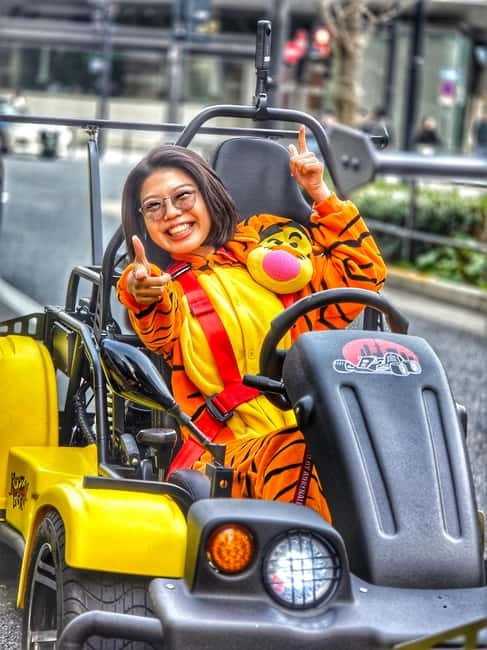
- Costume
- Accident insurance
- Drinks
- Videos and photos (equipment is free, but Micro-SD card is required)
What’s not included:
- Micro-SD card (needed if you use the Insta360 option)
- Meals
- Pick-up from your hotel
- Locker space for belongings
To me, the best value angle is that you’re not renting a kart for freedom driving. You’re buying structured guidance: live storytelling, route management, and safety communication, which lowers the stress factor and helps you actually see Tokyo, not just drive around.
If you’re counting costs, remember the Micro-SD card and the fact that hotel pick-up isn’t listed. If you’re staying far from the Kartzilla facility, add a bit of transit time and plan your route early.
Guide-led storytelling in multiple languages (and a note on document help)
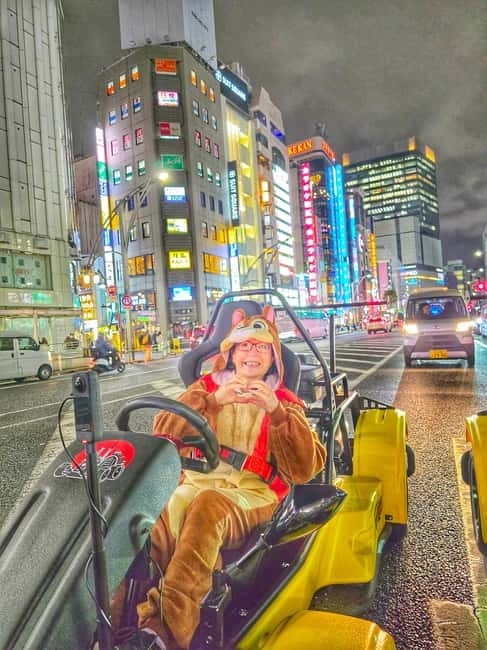
The tour runs with live guides in English, German, and Persian, and the group size is limited to 10 participants. That small cap matters because instructions are easier to follow, and everyone gets time to get comfortable without a crowd bottlenecking the start.
In the real world, the most common snag for this kind of driving activity is document compatibility. The tour explicitly lays out which licenses and IDPs are accepted, and having a guide who can help you interpret what you need is part of the experience’s smoothness.
Some guides named in past participants’ experiences include SATAR and TRAVIS, and there’s also mention of Hiro helping with driver’s license translation. If you’re unsure about your paperwork, it’s worth asking questions at the facility and bringing the exact documents listed.
Who this is perfect for (and who should skip it)
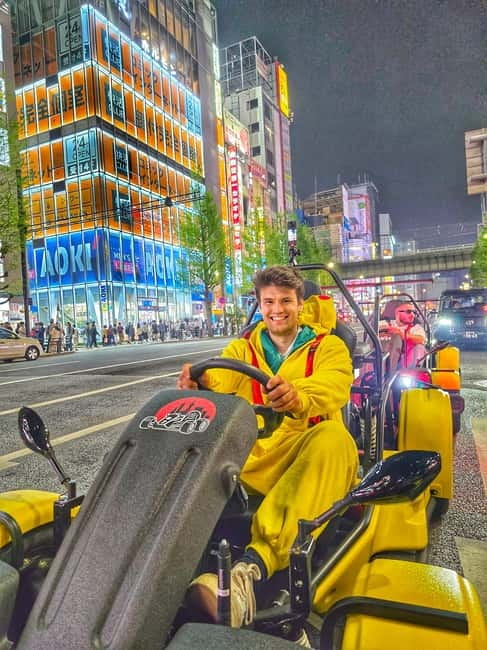
This tour is a strong match if you want:
- A hands-on way to see Tokyo beyond the biggest entertainment zones
- A guided old-town focus centered on Asakusa
- A beginner-friendly driving format with real-time guidance
- A comfortable kart experience that’s built for a wide range of body types
It can also be a great choice for people who love photography because you can capture the drive from the driver’s seat using the Insta360 option and also receive free photos.
Who should skip it based on the provided constraints:
- Children under 18
- People using wheelchairs
- Visually impaired people
- People over 95
- Drivers under 18
Also, if you rely on having a backpack or need on-site storage, plan accordingly. Backpacks aren’t allowed, and the tour doesn’t mention lockers.
Should you book the Tokyo Old Town go-kart tour?
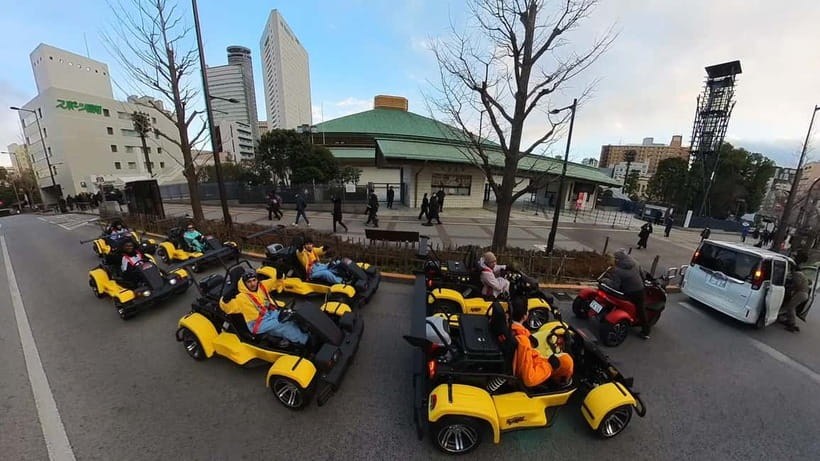
Book it if you want a “Tokyo in motion” experience that mixes safe driving with live cultural storytelling, especially if Asakusa and Senso-ji are on your list. The comfort-focused carts, small group size, and 2-way radio safety system make it feel more like a guided city activity than a random ride.
Skip it if you don’t have the right driving documents and IDP situation figured out ahead of time, or if you need baggage storage. The Micro-SD card requirement is also easy to overlook, so budget for it if you’re planning to record.
If you time it well—morning or evening depending on what you prefer—you’ll get a very different feeling from standard sightseeing. For many people, that change of perspective is the whole point: you’re not only seeing historic Tokyo, you’re driving through it.
FAQ
How long is the Tokyo Old Town go-kart tour?
It lasts 100 minutes.
Where does the tour start?
The meeting point is the Kartzilla Go Kart facility, which is about an 8–10 minute walk from Yotsugi Station (Keisei Line).
What’s included in the $90 price?
The price includes the go kart, fuel, tour guide, costume, accident insurance, drinks, and videos/photos. If you use the camera option, you will still need to buy a Micro-SD card.
What do I need to drive?
You must have a valid driver’s license and the correct identification documents. The tour states that for overseas nationals who are not resident in Japan, you need your passport, a valid local driver’s license, and an International Driving Permit (IDP) issued by a signatory to the 1949 Geneva Convention.
Can I record my ride with an Insta360 camera?
There is an optional on-board Insta360 camera. The equipment is free, but you must purchase a Micro-SD card.
What languages are the tour guides?
Live guides are available in English, German, and Persian.
Is this suitable for children or people with mobility needs?
No. The tour states it is not suitable for children under 18 and it lists no wheelchair access. It also lists other exclusions, including for visually impaired people and people over 95.
More Historical Tours in Tokyo
- Tokyo: Imperial Palace and Shogun Historical Walking Tour
★ 5.0 · 2,251 reviews - Tokyo: Imperial Palace Japanese History Walking Tour
★ 4.9 · 987 reviews - Yanaka Walking Tour: Historic and Traditional District of Tokyo
★ 5.0 · 530 reviews - Tokyo: Shinjuku Historical Walking Tour & Secret Backstreets
★ 5.0 · 530 reviews - Mt. Fuji Heritage Tour: Traditional Villages, Lakes & Shrine
★ 4.5 · 509 reviews
More Tours in Tokyo
- Mt Fuji and Hakone 1-Day Bus Tour Return by Bullet Train
★ 5.0 · 26,383 reviews - 1-Day Tokyo Bus Tour
★ 5.0 · 14,250 reviews - Tokyo: Shinjuku Food Tour (13 Dishes at 4 Local Eateries)
★ 5.0 · 6,603 reviews - Tokyo Mt Fuji 5th St & Hakone Cruise Bus Tour w/Bullet Train
★ 4.4 · 5,024 reviews - Flagship 2-Hours Official Street Go-Kart Tour – Tokyo Bay Shop
★ 5.0 · 4,974 reviews
More Tour Reviews in Tokyo
- Mt Fuji and Hakone 1-Day Bus Tour Return by Bullet Train
★ 5.0 · 26,383 reviews - 1-Day Tokyo Bus Tour
★ 5.0 · 14,250 reviews - Tokyo: teamLab Planets TOKYO Digital Art Museum Entry Ticket
★ 4.6 · 9,779 reviews - Mt Fuji & Hakone Cruise, Drum Show Bullet Train 1 Day from Tokyo
★ 4.0 · 7,413 reviews - Tokyo: Shinjuku Food Tour (13 Dishes at 4 Local Eateries)
★ 5.0 · 6,603 reviews
Latest Tokyo reviews off our desk


Go-Karts, compared.
 ★ 5.0Flagship 2-Hours Official Street Go-Kart Tour – Tokyo Bay ShopFrom $644,974 reviews
 ★ 5.0Official Street Go-Kart in ShibuyaFrom $763,435 reviews
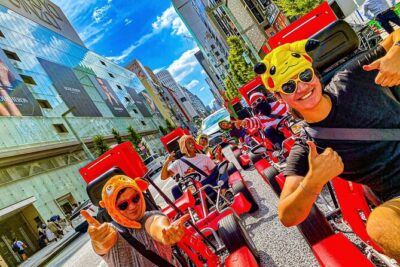 ★ 5.0Official Street Go-Kart Tour – AkihabaraFrom $611,578 reviews
 ★ 5.0Tokyo Go Kart: Asakusa, Skytree, and Akihabara **IDP MUST**From $99988 reviews
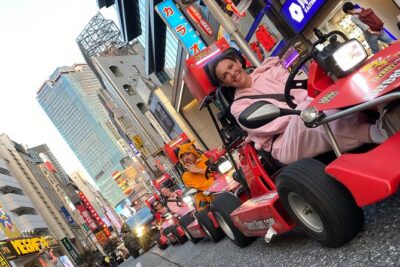 ★ 5.0Shibuya Official Street Go-Kart in Shibuya AnnexFrom $69972 reviews
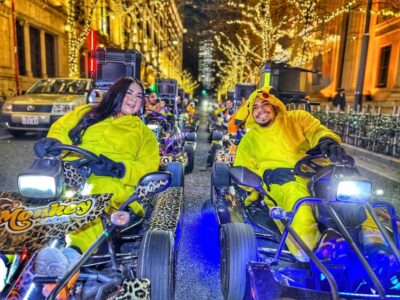 ★ 4.7Asakusa, Skytree & Akhihabara Go-Kart City ExperienceFrom $96761 reviews
 ★ 4.7Premium Go-Kart Tour with Tower & Shibuya CrossingFrom $116528 reviews
Browse the lists this tour appears in