
Reviewed · SUMO TOURNAMENTS & SHOWS
Tokyo: Sumo Keiko Training Tour with Audio Guide & Photo
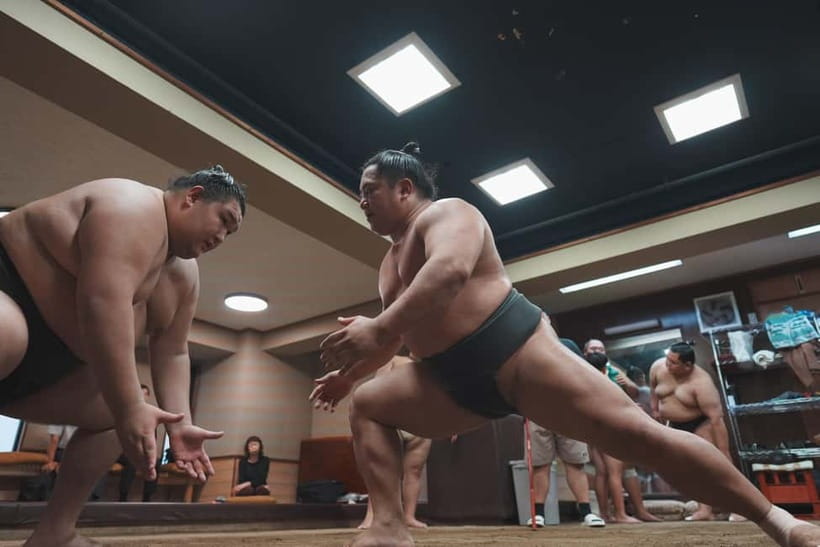
Sumo practice feels bigger from ringside. I really liked seeing live training at Nakamura-beya Stable, because you feel the pace, the power, and the discipline right there in the ring. I also loved having a 10-language audio guide that keeps you oriented while you watch, explaining ranks and techniques as the session unfolds.
Only heads-up: you’ll be seated for about 1.5 hours, usually on cushions, and bench chairs are limited. If your legs or hips don’t love long sitting, come prepared. A steady, respectful viewing rule set also keeps the focus on the wrestlers, not chatter.
For a little over an hour, this is one of those Tokyo experiences that turns sumo from TV footage into real sport you can read. Plus, the location is so convenient that you can roll straight into a walk by the Ryogoku Kokugikan area afterward.
In This Review
- Key things that make this Sumo Keiko tour worth it
- Where the experience starts: Nakamura-beya Stable by Ryogoku
- What you’ll actually see during sumo keiko (and what to watch for)
- Audio guide and training pamphlet: turning practice into understanding
- Comfort and rules: seating, photos, and phone earphones
- Seating: cushions are the default
- Quiet viewing helps
- Photos are allowed, but with limits
- What not to bring
- Late arrival affects viewing time
- Price and value: what $85 buys you in real terms
- Ryogoku after practice: Sumo Museum and the Tokyo waterfront on foot
- Who should book this sumo training tour?
- Age and style of traveler
- Should you book this Nakamura-beya Sumo Keiko tour?
- FAQ
- How long is the sumo keiko training tour?
- Where is the meeting point?
- What languages are covered?
- Do I need to bring earphones for the audio guide?
- Is there a photo included?
- Can I take photos during the session?
- Are there any restrictions on what I can wear or bring?
- Is it okay to arrive late?
- Is this suitable for children?
Key things that make this Sumo Keiko tour worth it
- Ringside access at Nakamura-beya Stable right by JR Ryogoku Station
- 10-language audio guide so you understand ranks and training while you watch
- Photo with sumo wrestlers (with no flash) to remember the moment
- Air-conditioned venue plus free Wi-Fi and charging, which matters in Tokyo’s heat
- Low-stress viewing rules: quiet watching keeps the session calm
- Walkable add-ons after the training like the Sumo Museum and the Tokyo waterfront
Where the experience starts: Nakamura-beya Stable by Ryogoku
This tour begins at Nakamura-beya Sumo Stable, a spot you can reach fast from central Tokyo. The big advantage is location: it’s about two minutes from JR Ryogoku Station, and it sits right by Ryogoku Kokugikan National Sumo Arena. That means you’re not spending your limited time fighting trains or guessing exits.
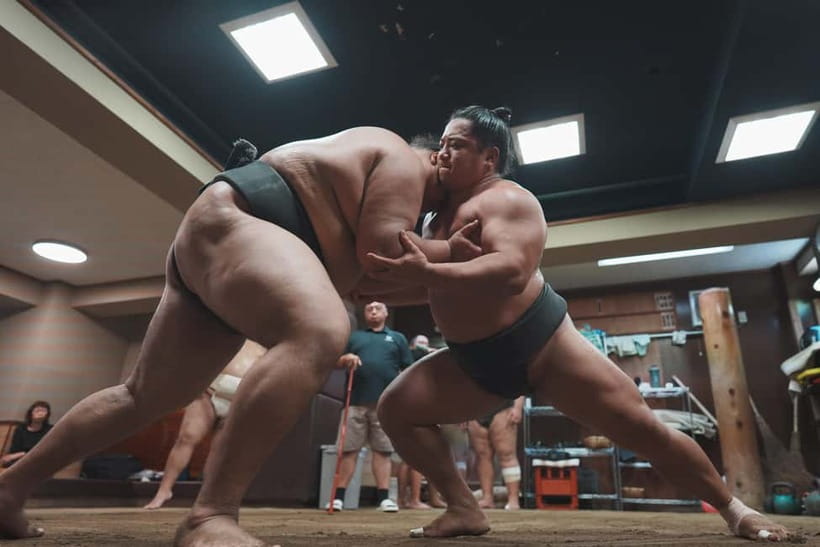
Once you arrive, the setting feels “local,” not staged for tourists. You’re close enough that you can see training details: how wrestlers move in and out, how they warm up, how they repeat drills with purpose. Even if you think you already know sumo, watching keiko (practice) is different from watching the big tournament stage—this is work, not spectacle.
The venue is also built for comfort. You’ll have air conditioning, along with free Wi-Fi and charging stations. On a long Tokyo day, that kind of practical comfort changes the whole vibe—you spend less energy on heat management and more energy paying attention.
Other ringside bookings readers scored
- Tokyo: Sumo Show and Dining Experience
★ 4.8 · 2,742 reviews - the SUMO show
★ 5.0 · 1,960 reviews - Tokyo Shinjuku Sumo Show & Experience with Photo
★ 5.0 · 1,750 reviews - Tokyo: Sumo Show and Experience in Shinjuku
★ 4.8 · 1,001 reviews
What you’ll actually see during sumo keiko (and what to watch for)
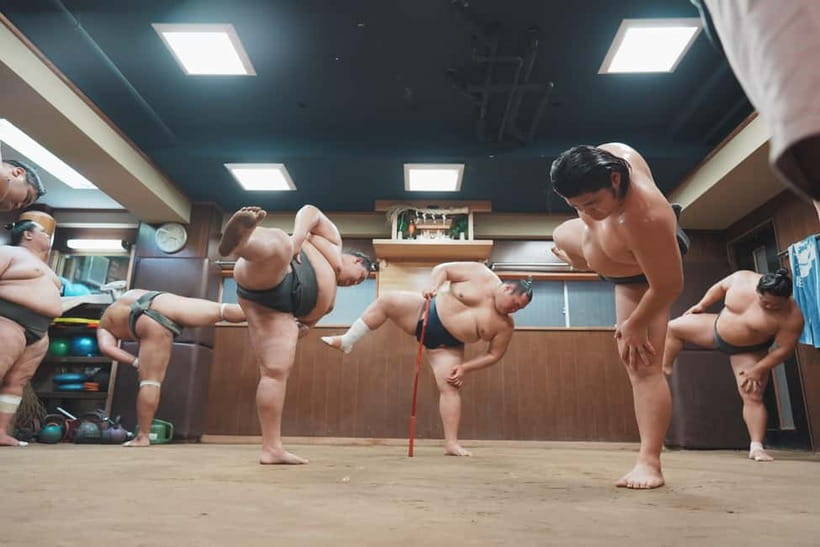
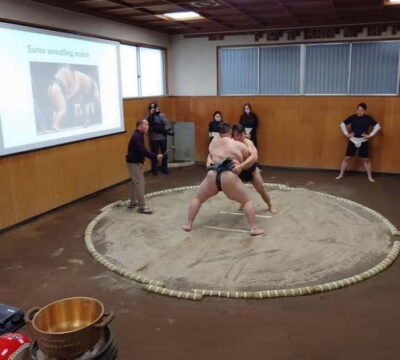
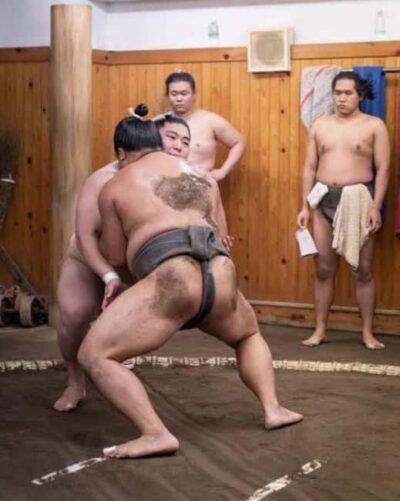
A live sumo keiko session is not random. It’s structured practice, and the value of being there is seeing how technique gets built through repetition. Over the visit period (about 1.5 hours), you’re watching professional wrestlers training close up. That closeness is what makes it hit: you see body mechanics, timing, and how tightly controlled the whole routine is.
Here are the moments I’d pay attention to:
- Warm-up flow: notice how they settle into rhythm. Practice isn’t just strength; it’s coordination.
- Stance and footwork: even small foot adjustments matter in sumo. From close range, you can spot that without needing slow motion.
- Grip and hand position: sumo looks simple from afar, but at stable level you see how deliberate it is.
- Repeat drills: keiko is about refining. Watch for patterns that get repeated with small variations.
The tone matters too. You’re expected to watch quietly and keep spoken commentary to a minimum. That rule isn’t there to spoil your fun; it’s what helps the session feel respectful and keeps everyone focused on what’s happening inside the ring.
And in terms of the overall emotional payoff, one theme stood out from people who’ve done this before: the experience can surprise you even if you already know the sport. Practice brings you closer to the wrestlers as athletes, not just performers.
Audio guide and training pamphlet: turning practice into understanding
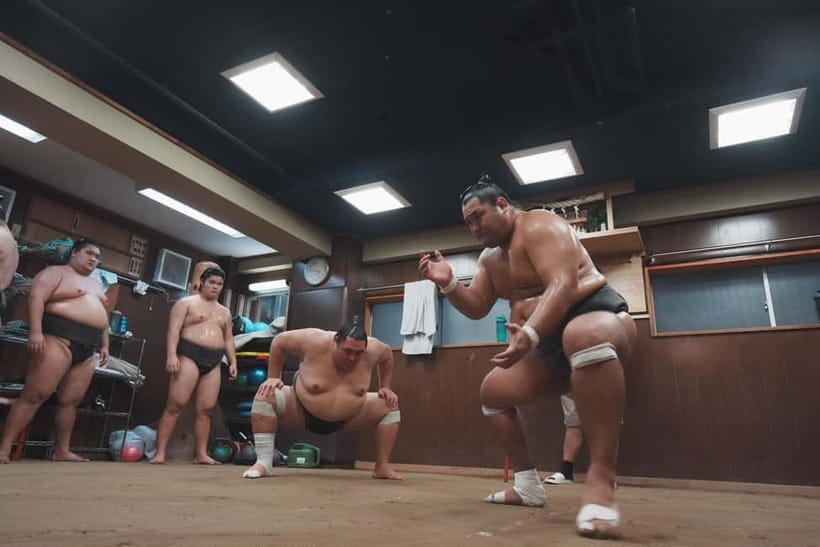
The tour’s real “make it click” tool is the audio guide, plus the sumo keiko explanation pamphlet. Without this, you can still enjoy the visuals—but you might miss what you’re seeing.
The audio guide is available in 10 languages, including English, French, German, Hindi, Italian, Japanese, Korean, Polish, Spanish, and Portuguese. In practice, that means you can set your phone once and keep it running while the session moves. You’ll hear explanations tied to what’s going on: history, ranks, and training techniques.
Here’s what I think you’ll benefit from most:
- Rank context: instead of just hearing terms, you’ll start recognizing what rank differences mean in training culture.
- Technique framing: you’ll get a clearer idea of why certain drills happen, not just what they look like.
- Better watching flow: rather than trying to mentally translate everything on the fly, the narration gives you a track to follow.
A small but important detail: the tour asks you to use your phone audio, so bring your own earphones if you can. If you forget, they can lend a pair. Either way, plan for it—having audio running is the easiest way to get your money’s worth from this format.
Comfort and rules: seating, photos, and phone earphones
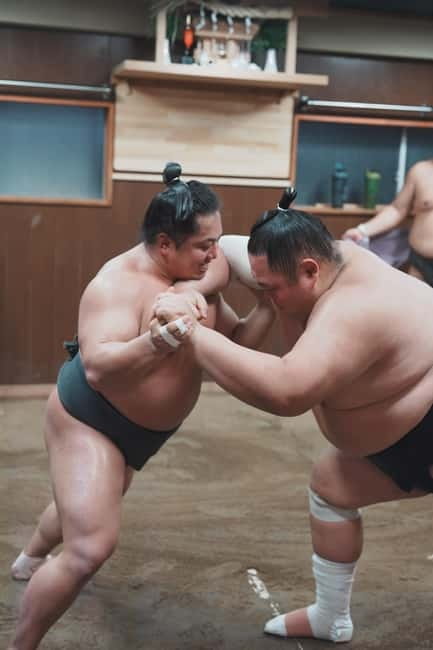
This is a “real stable” situation, so the rules are about keeping the session smooth and respectful. Read them before you go, because they affect your comfort.
Seating: cushions are the default
Bench chairs are limited, with priority for visitors with disabilities. If you don’t get a bench chair, you’ll likely sit on cushions for about 1.5 hours. That’s not a deal-breaker, but it is a factor if you’re sensitive to sitting on the floor for a while.
Readers also shortlisted these Tokyo bookings:
- Tokyo 6hr Private Tour with Government-Licensed Guide★ 5.0 · 3,902 reviews
- Tokyo: Shinjuku Local Bar and Izakaya Guided Walking Tour★ 4.9 · 1,794 reviews
- Tokyo: Private City Highlights Tour with Local Guide★ 4.8 · 1,433 reviews
- Tokyo: Tsukiji Fish Market Guided Walking Tour★ 4.9 · 1,397 reviews
- Tokyo 4hr Private Tour with Government-Licensed Guide★ 5.0 · 1,394 reviews
Quiet viewing helps
You’ll be asked to refrain from speaking and watch quietly during practice. If you treat it like a calm viewing session rather than a sightseeing chat, you’ll enjoy it more—and you’ll fit in with the atmosphere.
Photos are allowed, but with limits
You do get a photo with sumo wrestlers included, and general photography is allowed too. Just remember:
- No flash photography
That one rule keeps the stable’s training environment from getting disrupted.
What not to bring
Sunglasses aren’t allowed, and bare feet aren’t allowed. Plan your outfit accordingly. Also, the note about restrooms is practical: use the restroom before joining so you don’t disrupt the session.
Late arrival affects viewing time
If you arrive late, your viewing time can shorten with no extensions. This is worth respecting. Ryogoku is easy to navigate, but Tokyo station exits can still surprise you—give yourself a little buffer.
Price and value: what $85 buys you in real terms
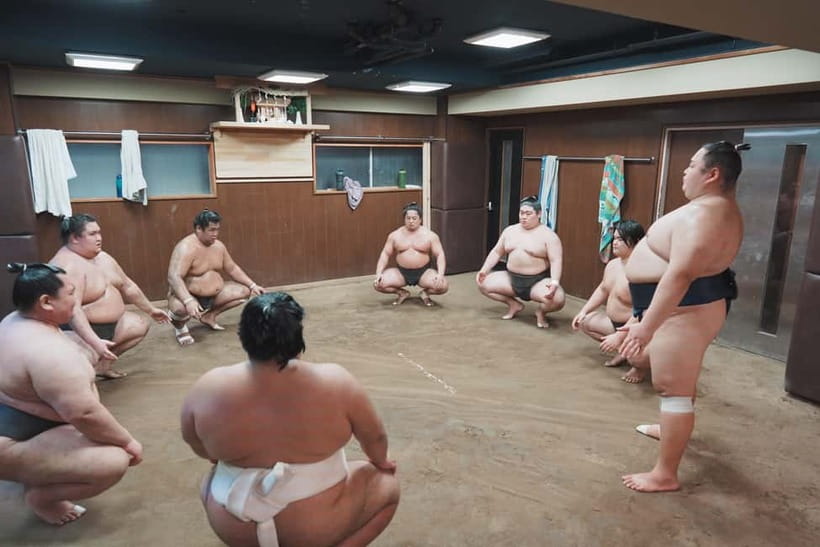
At $85 per person for a 40–90 minute experience window, the key question is value: what do you get that you can’t easily copy on your own?
Here’s where it adds up:
- You get access to a live keiko session at a specific stable—timed and structured—right in the Ryogoku sumo district.
- You get a guided context package: audio in 10 languages plus a pamphlet explaining what you’re seeing.
- You get a memory item: a photo with sumo wrestlers included.
- You get comfort extras that make the experience easier: air conditioning, free Wi-Fi, and charging stations.
If you try to DIY this, you might be able to find the area and maybe even the venue, but you won’t get the same layer of interpretation. Sumo is full of terms and traditions. The audio guide and training pamphlet are what turn the session from “I saw people training” into “I understand what I’m watching.”
And the people who come away happiest with this kind of tour tend to have the same realization: the up-close format changes how you appreciate the sport. Practice shows discipline—how wrestlers prepare their bodies, how techniques repeat, and how focus replaces casual crowd energy.
Ryogoku after practice: Sumo Museum and the Tokyo waterfront on foot
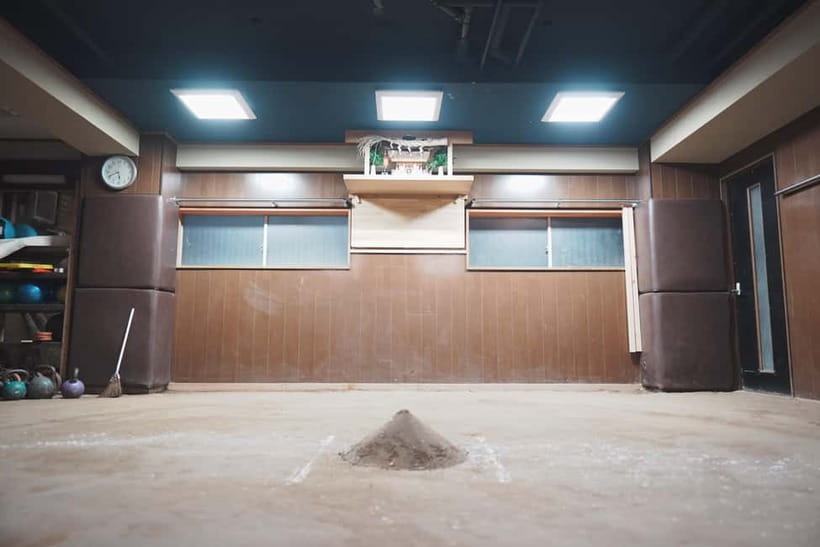
One reason this tour works well is what you can do next. After the session, you’re well-placed for walking. The area around Ryogoku Kokugikan is built for sumo fans and easy strolls.
Two standout nearby options:
- Ryogoku Kokugikan (Sumo Museum / arena area): good for extending your sumo knowledge after seeing keiko firsthand.
- Tokyo waterfront: you can keep moving afterward, using the location as a springboard for a different kind of Tokyo view.
I like this pairing because it prevents that post-tour feeling of standing around. You get a training session, you understand a bit more thanks to the audio, and then you can shift your pace for photos, walking, and casual exploring.
Who should book this sumo training tour?
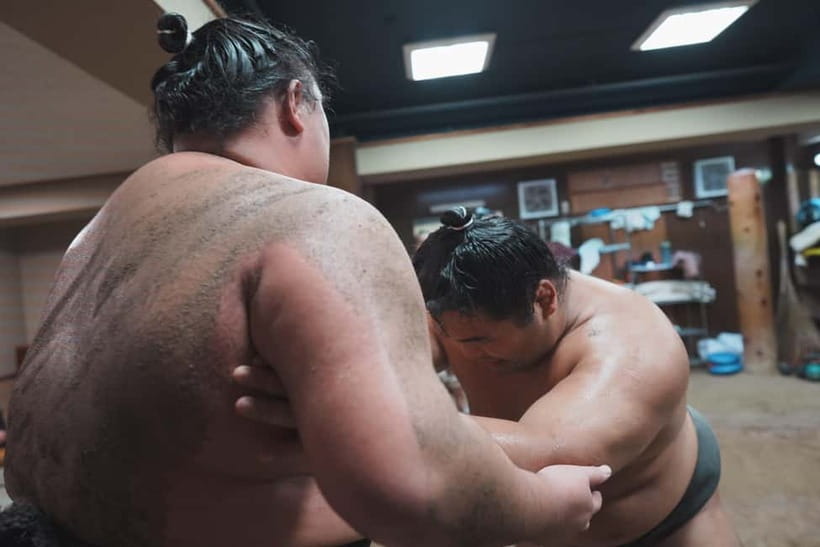
This tour fits best if you want:
- A close, respectful look at professional sumo practice, not just a quick photo stop
- An experience where the sport is explained—history, ranks, and techniques—not left for guesswork
- Comfort basics in place: air conditioning, Wi-Fi, and charging
It’s also a good match if you already think you know sumo. Practice sessions add a whole layer that tournament broadcasts don’t always capture: repetition, discipline, and the work that happens when there’s no crowd roar.
Age and style of traveler
- Minimum age is 6 years old, so it’s not really set up for younger kids.
- If you enjoy calm, quiet experiences where you focus on the activity instead of constant talking, you’ll probably love the vibe.
Should you book this Nakamura-beya Sumo Keiko tour?
If you’re spending time in Tokyo and you want sumo to feel real, I’d book it. The reasons are simple: you’re close enough to see technique, you get audio in 10 languages, and you leave with a photo plus a clearer understanding of what training actually means. The added comfort (air conditioning, Wi-Fi, charging) is a smart bonus.
I’d think twice only if you know you struggle with sitting for long stretches on cushions or you’re uncomfortable following quiet viewing rules. If that’s you, plan for seating (bench chairs are limited) and take the session seriously as a respectful viewing opportunity.
If you want a memorable sumo experience that doesn’t rely on guessing what you’re watching, this is a strong choice.
FAQ
How long is the sumo keiko training tour?
The experience duration is listed as 40 to 90 minutes, and the viewing session is described as about 1.5 hours.
Where is the meeting point?
You meet at Nakamura-beya Sumo Stable, located about two minutes from JR Ryogoku Station and next to Ryogoku Kokugikan National Sumo Arena.
What languages are covered?
There is a live guide who speaks English, Japanese, and Korean. The audio guide includes 10 languages: Chinese, English, French, German, Hindi, Italian, Japanese, Korean, Polish, Spanish, and Portuguese.
Do I need to bring earphones for the audio guide?
Yes—please bring your own earphones to use with the audio guide on your phone. If you don’t have earphones, they can lend a pair.
Is there a photo included?
Yes. You’ll get a photo with sumo wrestlers included.
Can I take photos during the session?
Photography is allowed, but flash photography is not.
Are there any restrictions on what I can wear or bring?
Sunglasses are not allowed, flash is not allowed, and bare feet are not allowed.
Is it okay to arrive late?
Late arrivals can shorten viewing time, and there are no extensions.
Is this suitable for children?
It’s for a minimum age of 6 years old, so children under 6 are not suitable.
More Tours in Tokyo
- Mt Fuji and Hakone 1-Day Bus Tour Return by Bullet Train
★ 5.0 · 26,383 reviews - 1-Day Tokyo Bus Tour
★ 5.0 · 14,250 reviews - Tokyo: Shinjuku Food Tour (13 Dishes at 4 Local Eateries)
★ 5.0 · 6,603 reviews - Tokyo Mt Fuji 5th St & Hakone Cruise Bus Tour w/Bullet Train
★ 4.4 · 5,024 reviews - Flagship 2-Hours Official Street Go-Kart Tour – Tokyo Bay Shop
★ 5.0 · 4,974 reviews
More Tour Reviews in Tokyo
- Mt Fuji and Hakone 1-Day Bus Tour Return by Bullet Train
★ 5.0 · 26,383 reviews - 1-Day Tokyo Bus Tour
★ 5.0 · 14,250 reviews - Tokyo: teamLab Planets TOKYO Digital Art Museum Entry Ticket
★ 4.6 · 9,779 reviews - Mt Fuji & Hakone Cruise, Drum Show Bullet Train 1 Day from Tokyo
★ 4.0 · 7,413 reviews - Tokyo: Shinjuku Food Tour (13 Dishes at 4 Local Eateries)
★ 5.0 · 6,603 reviews
More Sumo, Ringside and Rated
- Tokyo: Sumo Show and Dining Experience
★ 4.8 · 2,742 reviews - the SUMO show
★ 5.0 · 1,960 reviews - Tokyo Shinjuku Sumo Show & Experience with Photo
★ 5.0 · 1,750 reviews - Tokyo: Sumo Show and Experience in Shinjuku
★ 4.8 · 1,001 reviews - Tokyo Grand Sumo Tournament Viewing Tour with Tickets
★ 5.0 · 692 reviews
Latest Tokyo reviews off our desk






Sumo Tournaments & Shows, compared.
 ★ 4.8Sumo Show and Dining ExperienceFrom $792,742 reviews
 ★ 5.0the SUMO showFrom $891,960 reviews
 ★ 5.0Tokyo Shinjuku Sumo Show & Experience with PhotoFrom $791,750 reviews
 ★ 4.8Sumo Show and Experience in ShinjukuFrom $691,001 reviews
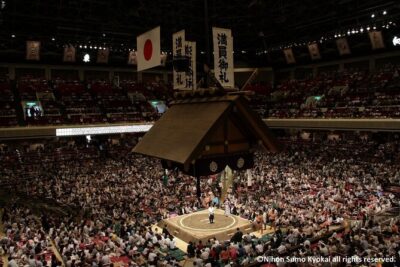 ★ 5.0Tokyo Grand Sumo Tournament Viewing Tour with TicketsFrom $124692 reviews
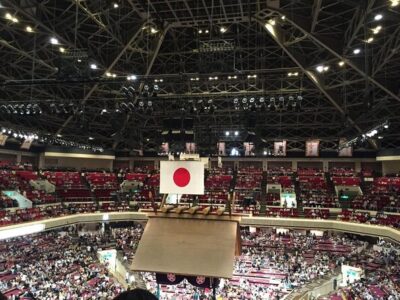 ★ 5.0Tokyo Sumo Wrestling Tournament ExperienceFrom $124660 reviews
 ★ 4.7Luxury Sumo Show Experience & Japanese cuisine & DrinkFrom $103577 reviews
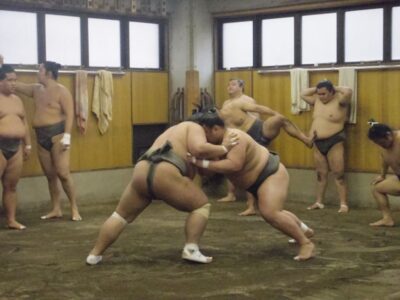 ★ 4.8Sumo Morning Practice Viewing TourFrom $81570 reviews
Browse the lists this tour appears in