
Reviewed · SUMO TOURNAMENTS & SHOWS
Tokyo: Sumo Morning Practice -Stable Visit Tour with a Guide
Morning sumo hits different when you are close.
This stable visit lets you see the details you miss at big arena events: faces, breathing, and the crunch of bodies colliding. I also love the after-practice time where you can take photos and ask a question, so the whole thing feels personal instead of just spectator mode. The tour is built around a real morning rhythm, not a scripted show.
The main thing to plan for is that rules inside the stable are strict. Flash and video are prohibited, snacks and food are not allowed, and you’ll be asked to keep private conversations to a minimum so the wrestlers can focus.
In This Review
- Key things to know before you go
- Why a Stable Morning Practice Feels More Real Than Arena Sumo
- Oshiage Meeting Point, 8:30 Start, and the Small Group Advantage
- The Main Event: Watching Training Inside the Stable for About One Hour
- Photo Time and Questions: How the Interaction Works After Practice
- The Coach’s Voice and the Discipline Behind the Harshness
- Stable Rules That Affect Your Experience (and How to Handle Them)
- The Guide and the Special Brochure: Making Sense of What You See
- Price and Value: Is $82 Worth It?
- Who This Tour Suits Best (and Who Might Find It Tough)
- Should You Book This Tokyo Sumo Morning Practice Tour?
- FAQ
- What time does the Sumo Morning Practice tour start?
- How long is the tour?
- Where is the meeting point?
- How large is the group?
- Is photography allowed inside the stable?
- Can I bring snacks or food?
- Can I bring drinks?
- Are passengers allowed to talk privately during the tour?
- What’s included in the price?
- What is the cancellation policy?
Key things to know before you go
- Small stable access: you watch training at a strong sumo stable closer than you’d get at the main arena
- No flash, no video: you can take photos without flash, but filming is not allowed
- Watch the real work: see breathing, facial expressions, and the sound of training from a distance
- Photo time and Q&A: after practice you can ask questions and meet the rikishi for photos
- Bring drinks with lids: snacks and food are off-limits during morning practice
- A guide and a special brochure: you get help making sense of what you’re seeing
Why a Stable Morning Practice Feels More Real Than Arena Sumo
Sumo in Tokyo is famous for one thing: it moves fast when you’re in the ring, and it looks even more powerful when you’re not stuck behind rows of seats. A morning stable practice gives you the sport’s backbone—the daily repetition that keeps techniques, discipline, and tradition alive.
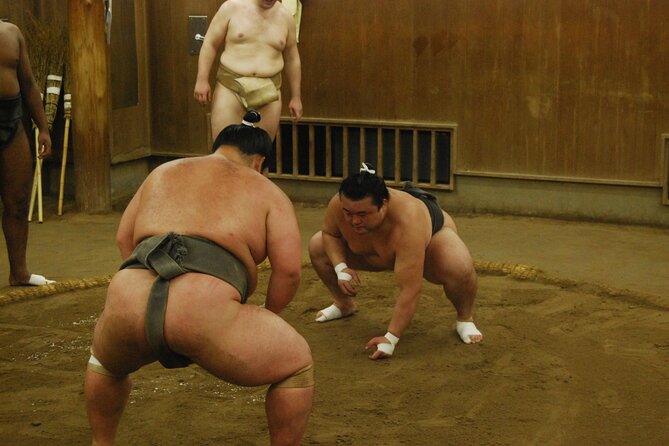
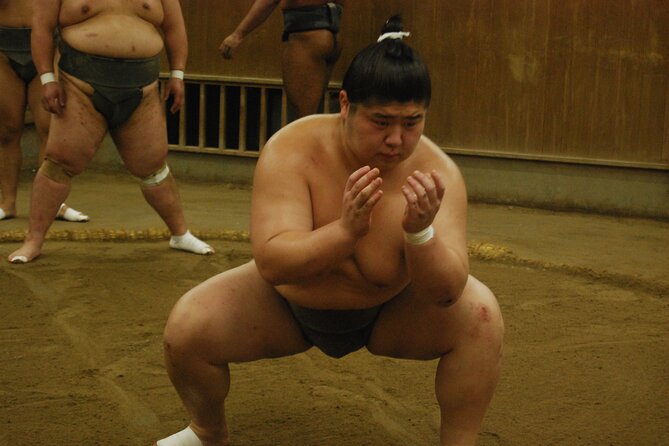
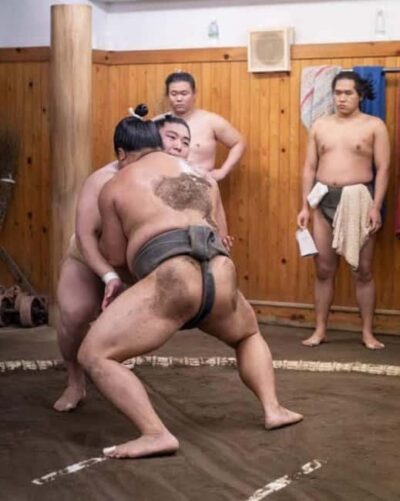
In this tour, you’re not just watching a match. You’re watching the process. Expect to notice things like how the wrestlers breathe as they reset, how their faces change during focused drills, and how loud the body-on-body contact is even from a distance. That sensory detail is what makes stable training so memorable: it’s raw, physical, and slightly intimidating in the best way.
You’ll also see how apprentices fit into the training culture. Even if you’re new to sumo, the stable setting helps you understand that this is not a sport that starts on match day. It starts early, every day, with training that’s meant to be passed down.
Other ringside bookings readers scored
- Tokyo: Sumo Show and Dining Experience
★ 4.8 · 2,742 reviews - the SUMO show
★ 5.0 · 1,960 reviews - Tokyo Shinjuku Sumo Show & Experience with Photo
★ 5.0 · 1,750 reviews - Tokyo: Sumo Show and Experience in Shinjuku
★ 4.8 · 1,001 reviews
Oshiage Meeting Point, 8:30 Start, and the Small Group Advantage
The tour starts at 8:30 am at the water section near 1-chōme-1-1 Oshiage, Sumida City, Tokyo 131-0045. The meet-up is near public transportation, which matters because you’re going to want to arrive calm, not rushed.
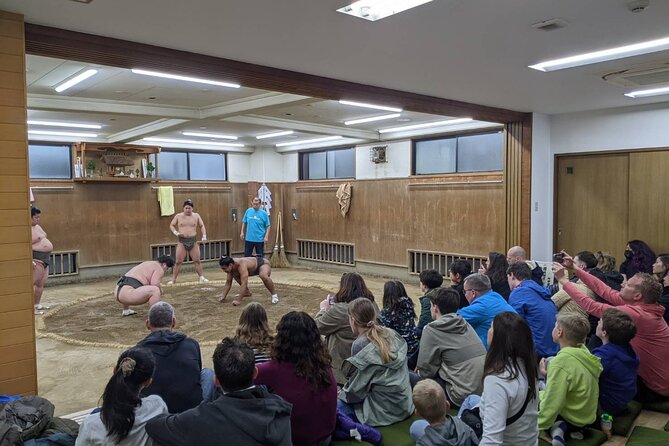
Group size is capped at a maximum of 10 travelers. That small size is part of the value. You get a clearer experience from the guide, and it’s easier for the stable to manage quiet behavior and movement. It also makes the after-practice interaction—photos and a question—feel more like a conversation moment than a crowd-control exercise.
Plan your morning like you would for any early, rules-heavy experience: give yourself buffer time, wear comfortable shoes, and be ready for a session that runs about 2 hours total.
The Main Event: Watching Training Inside the Stable for About One Hour
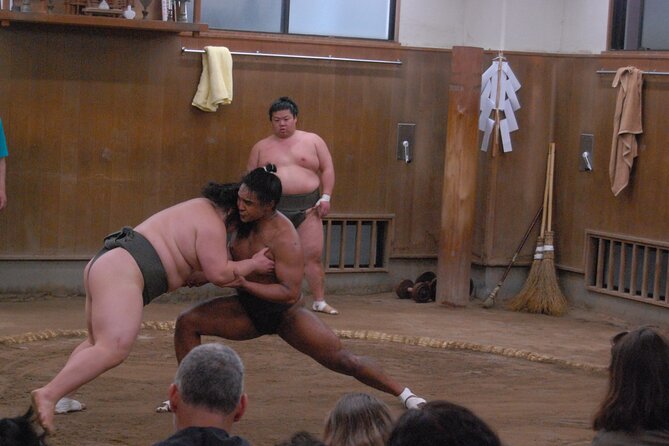
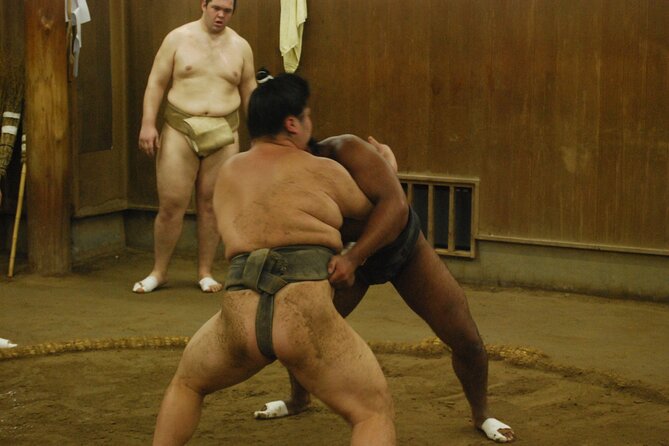
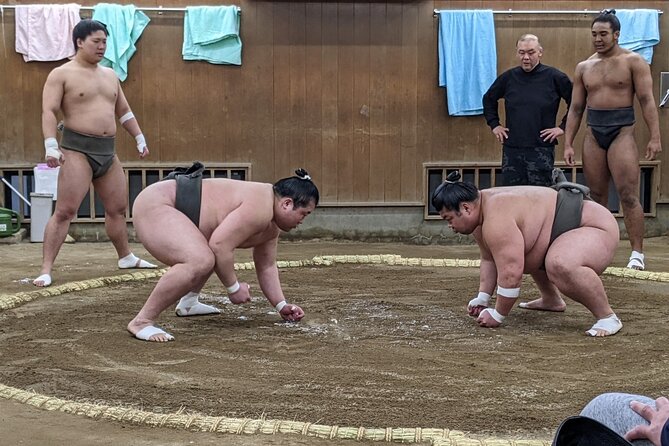
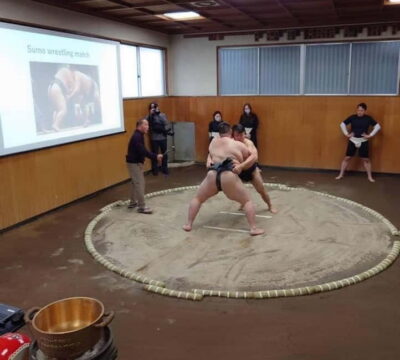
Your first stop is Sumida, where you’ll visit a strong sumo stable and watch their morning training for about an hour. This is the core of the tour. The guide helps you connect what you’re seeing to how sumo is practiced day to day.
You can expect close-enough views to notice:
- how the wrestlers and apprentices keep their focus
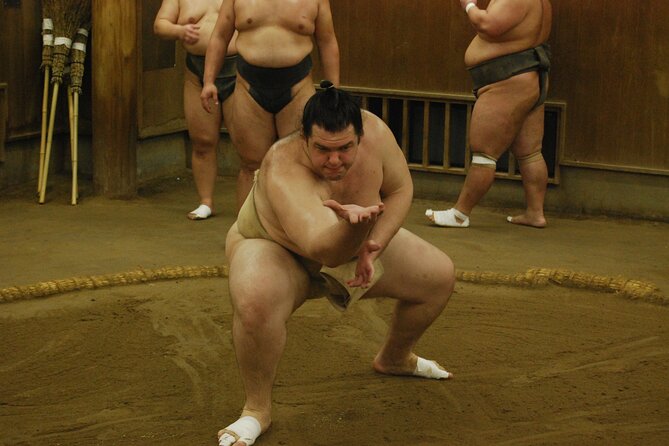
- how power looks in motion, not just in slow-motion match highlights
- the tense rhythm of practice as they reset and repeat
One detail I really like about stable training is that you don’t just see winners. You see work. Everyone is there because it’s their job and their training. That perspective can change how you watch later at the arena, because you understand what the body is practicing every morning.
There’s also a culture factor. The stable setting shows how much trust and routine matter. You’re witnessing a space that’s part training hall, part classroom, and part daily life.
Photo Time and Questions: How the Interaction Works After Practice
After the training segment, you get a chance to take photos with sumo wrestlers and ask questions. This is where the tour becomes more than a viewing appointment. If you’ve ever wondered what a ritual means, how practice is structured, or how apprentices learn discipline, this is the moment to use that curiosity.
A quick reality check: you won’t be there for long. Your best move is to think of your questions in advance. Keep them focused and short. The guide can help you understand what questions make the most sense in a stable environment.
Also, note the photography rules matter here. You can take photos without flash, but flash is not allowed inside the stable, and filming is prohibited. So get your camera ready for quick shots and avoid delays.
The Coach’s Voice and the Discipline Behind the Harshness
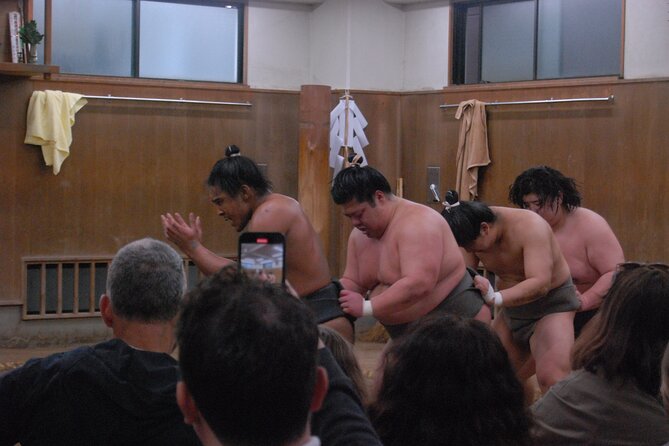
One of the most memorable aspects is the coach’s presence. The coach’s voice is described as strong and harsh, and it may surprise you the first time you hear it. But that tone isn’t random. It’s tied to the trust built between the coach, the rikishi, and the apprentices.
In plain terms: you’re seeing how training really runs. Discipline isn’t just a concept in sumo. It’s spoken, immediate, and meant to keep attention where it belongs. If you go in expecting a gentle school vibe, you’ll feel whiplash.
If you go in knowing this is part of the structure, you’ll likely come away with a better appreciation for what sumo culture values: focus, respect, and repetition.
Readers also shortlisted these Tokyo bookings:
- Tokyo 6hr Private Tour with Government-Licensed Guide★ 5.0 · 3,902 reviews
- Tokyo: Shinjuku Local Bar and Izakaya Guided Walking Tour★ 4.9 · 1,794 reviews
- Tokyo: Private City Highlights Tour with Local Guide★ 4.8 · 1,433 reviews
- Tokyo: Tsukiji Fish Market Guided Walking Tour★ 4.9 · 1,397 reviews
- Tokyo 4hr Private Tour with Government-Licensed Guide★ 5.0 · 1,394 reviews
Stable Rules That Affect Your Experience (and How to Handle Them)
This is the part you should read twice, because stable practice is strict by design. Here’s what you need to plan for:
- Flash photography is prohibited. Photos without flash are fine.
- Video and flash photography are prohibited inside the stable.
- Snacks and food are not allowed during morning practice.
- Bring your own drinks, but use containers with lids.
You’ll also be asked to refrain from private conversation during the tour so the rikishi and apprentices can concentrate. That rule isn’t there to be difficult. It protects the focus of the people training and helps keep the stable comfortable with visitors.
My advice: pack light. Don’t bring bread or rice balls thinking you’ll snack between drills. If you need something, plan it after the session. And set your expectations: you’re going to a training environment, not a casual sightseeing stop.
The Guide and the Special Brochure: Making Sense of What You See
You’re not walking into the stable alone. The tour includes a tour guide and a special brochure designed to help you understand sumo better.
This matters because sumo can look like controlled chaos if you only know the match format. A guide adds structure. You’ll be better at noticing what’s happening and why it matters, instead of just thinking, Wow, strong men are doing strong man things.
The brochure is also a useful souvenir because it helps you remember what you learned after the adrenaline of the morning fades.
Price and Value: Is $82 Worth It?
At $82, this tour isn’t the cheapest morning activity in Tokyo. So here’s the value logic I see:
You’re paying for:
- a guided stable visit (not a self-guided walk-by)
- a structured one-hour training viewing window
- limited group size (max 10)
- photo time and a Q&A after practice
- a special brochure
If you price the experience against the cost of standard attractions, the difference is that this is not a generic photo stop. It’s a rare access moment to training that happens early every day. Plus, you get more interaction than most sumo experiences.
Also, the admission ticket for the practice is noted as free within the tour context, so your money is mainly supporting the guide-led experience and stable time. For me, that makes the pricing feel more reasonable than a typical entry fee plus a short intro.
Who This Tour Suits Best (and Who Might Find It Tough)
This tour is a strong match if you want authenticity without complicated planning. It’s also ideal for families. One of the best signals is that it’s described as fun and interesting even for kids, with a real feeling to the experience and a good end-of-session question opportunity.
It may be less ideal if:
- you hate rules and prefer flexible, food-on-the-go sightseeing
- you’re uncomfortable with a harsh-sounding coach voice
- you expect lots of freedom to film or take flash photos
If you’re happy to respect the stable environment—quiet when needed, no flash, no snacks—you’ll probably love it.
Should You Book This Tokyo Sumo Morning Practice Tour?
Book it if you want a morning that feels like the work behind sumo, not just the spectacle. The combination of close viewing, photo time, and Q&A, plus a guide and brochure, makes this a high-value way to learn the sport from the inside.
Skip it only if you know you won’t handle strict rules well—no flash, no video, no food, and quiet behavior. This tour rewards people who show up ready to participate respectfully.
If that sounds like you, you’re in for a genuinely memorable Tokyo morning.
FAQ
What time does the Sumo Morning Practice tour start?
It starts at 8:30 am.
How long is the tour?
The duration is listed as about 2 hours.
Where is the meeting point?
The meeting point is at the water section, 1-chōme-1-1 Oshiage, Sumida City, Tokyo 131-0045.
How large is the group?
The tour has a maximum of 10 travelers.
Is photography allowed inside the stable?
Photos are allowed without flash. Video and flash photography are prohibited inside the stable.
Can I bring snacks or food?
No. Snacks, bread, rice balls, and other food are not allowed during morning practice.
Can I bring drinks?
Yes. You can bring your own drinks, but they should be in containers with lids.
Are passengers allowed to talk privately during the tour?
You should refrain from private conversation so the rikishi and apprentices can concentrate.
What’s included in the price?
The tour includes a tour guide and a special brochure. The mobile ticket is part of how you access the tour.
What is the cancellation policy?
You can cancel for a full refund if you cancel up to 24 hours in advance. If you cancel less than 24 hours before the start time, the amount paid is not refunded.
More Tours in Tokyo
- Mt Fuji and Hakone 1-Day Bus Tour Return by Bullet Train
★ 5.0 · 26,383 reviews - 1-Day Tokyo Bus Tour
★ 5.0 · 14,250 reviews - Tokyo: Shinjuku Food Tour (13 Dishes at 4 Local Eateries)
★ 5.0 · 6,603 reviews - Tokyo Mt Fuji 5th St & Hakone Cruise Bus Tour w/Bullet Train
★ 4.4 · 5,024 reviews - Flagship 2-Hours Official Street Go-Kart Tour – Tokyo Bay Shop
★ 5.0 · 4,974 reviews
More Tour Reviews in Tokyo
- Mt Fuji and Hakone 1-Day Bus Tour Return by Bullet Train
★ 5.0 · 26,383 reviews - 1-Day Tokyo Bus Tour
★ 5.0 · 14,250 reviews - Tokyo: teamLab Planets TOKYO Digital Art Museum Entry Ticket
★ 4.6 · 9,779 reviews - Mt Fuji & Hakone Cruise, Drum Show Bullet Train 1 Day from Tokyo
★ 4.0 · 7,413 reviews - Tokyo: Shinjuku Food Tour (13 Dishes at 4 Local Eateries)
★ 5.0 · 6,603 reviews
More Sumo, Ringside and Rated
- Tokyo: Sumo Show and Dining Experience
★ 4.8 · 2,742 reviews - the SUMO show
★ 5.0 · 1,960 reviews - Tokyo Shinjuku Sumo Show & Experience with Photo
★ 5.0 · 1,750 reviews - Tokyo: Sumo Show and Experience in Shinjuku
★ 4.8 · 1,001 reviews - Tokyo Grand Sumo Tournament Viewing Tour with Tickets
★ 5.0 · 692 reviews
Latest Tokyo reviews off our desk






Sumo Tournaments & Shows, compared.
 ★ 4.8Sumo Show and Dining ExperienceFrom $792,742 reviews
 ★ 5.0the SUMO showFrom $891,960 reviews
 ★ 5.0Tokyo Shinjuku Sumo Show & Experience with PhotoFrom $791,750 reviews
 ★ 4.8Sumo Show and Experience in ShinjukuFrom $691,001 reviews
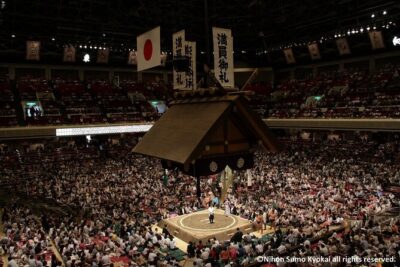 ★ 5.0Tokyo Grand Sumo Tournament Viewing Tour with TicketsFrom $124692 reviews
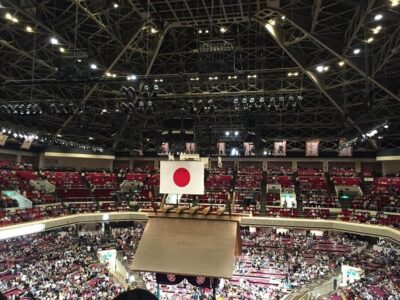 ★ 5.0Tokyo Sumo Wrestling Tournament ExperienceFrom $124660 reviews
 ★ 4.7Luxury Sumo Show Experience & Japanese cuisine & DrinkFrom $103577 reviews
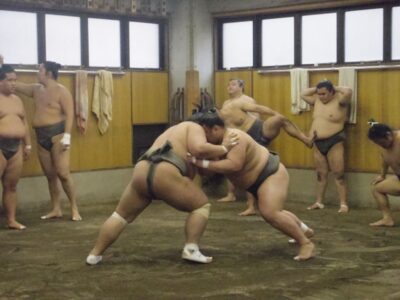 ★ 4.8Sumo Morning Practice Viewing TourFrom $81570 reviews
Browse the lists this tour appears in