
Reviewed · SUMO TOURNAMENTS & SHOWS
Tokyo: Sumo Morning Practice -Stable Visit Tour with a Guide
Sumo practice hits harder in person. Seeing Ikazuchi Sumo Stable in the morning feels raw and real, not staged, and you also get a clear primer on sumo rules and wrestler life from your English guide. I especially like the chance for a photo shoot with sumo wrestlers while the session is still fresh in your mind.
One heads-up: this is a quiet, respectful space with strict filming limits. Video recording is not allowed and you’ll want to keep your voice down, because the rikishi and apprentices need concentration.
In This Review
- Key Highlights You’ll Notice Right Away
- Morning Sumo at Ikazuchi Stable Near Tokyo Skytree
- Meeting Up: How the Tour Starts (and Why It Matters)
- Getting Oriented: The Sumo Rules Briefing Before You Watch
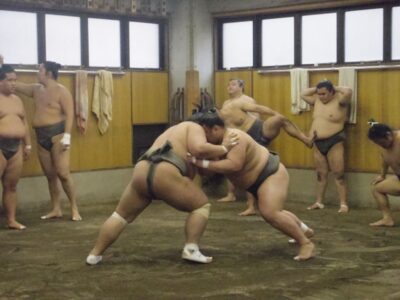
- Watching Real Morning Practice Up Close: Breath, Faces, and Body Collisions
- The Coach’s Voice, the Stable’s Rhythm, and the “Why” Behind It
- Photo Shoot Time: How to Get Great Shots Without Flash
- Price and Value: Is $90 for Two Hours Actually Worth It?
- Etiquette Rules You Should Follow So It Doesn’t Feel Awkward
- Who This Tour Suits Best (and Who Might Want Another Option)
- Quick Tips Before You Go
- Should You Book This Tokyo Sumo Morning Practice Tour?
- FAQ
- Where is the meeting point for the sumo stable tour?
- How long is the Tokyo Sumo Morning Practice stable visit tour?
- Is there an English-speaking guide?
- How close is the viewing compared with official sumo events?
- Are flash photos allowed?
- Can I record video during the tour?
- Are snacks or food allowed during morning practice?
- Is the tour suitable for children?
- Can I talk to others privately during the practice?
- Is tipping allowed after practice?
Key Highlights You’ll Notice Right Away
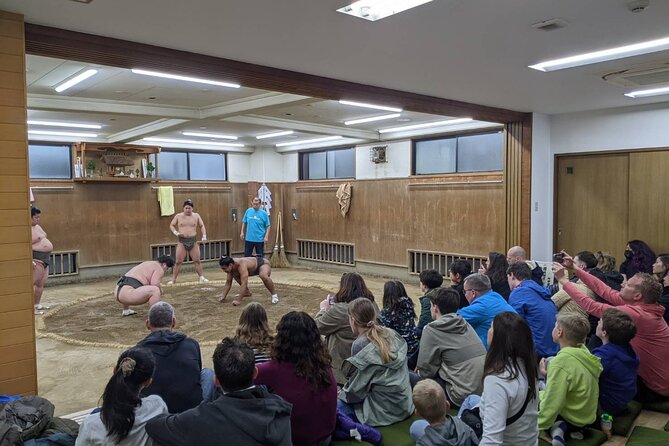
- Closest-style viewing at a real stable: much nearer than the big arena experience
- A strong, guided rules-and-life briefing: you’ll know what you’re watching
- Live practice details you can feel: breath, facial focus, and heavy collisions
- Photo time without flash: you’ll still get memorable shots
- Stable etiquette matters: no noise and no private side conversations
Morning Sumo at Ikazuchi Stable Near Tokyo Skytree
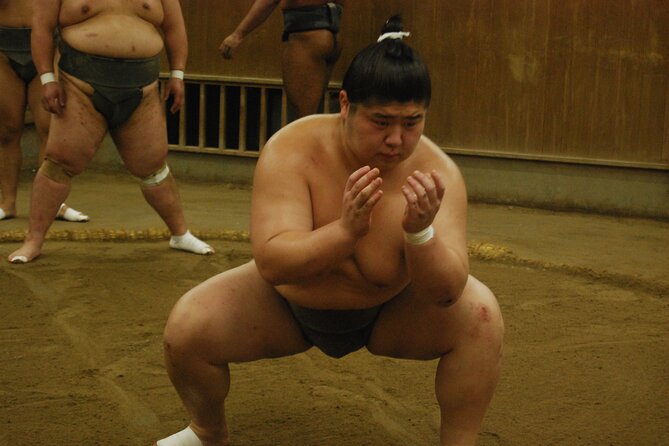
Tokyo sumo is usually about big, polished events. This is different. You’re heading to a stable where the sport is kept alive through daily practice, morning after morning. It’s not a performance for tourists. It’s training built around tradition, repetition, and discipline.
The location is handy too. You’re near Tokyo Skytree, and the meeting point is in front of the Memorial Statue of Soramachi Hiroba. That makes the whole thing feel less like an excursion into the unknown and more like a short, meaningful detour from a normal Tokyo day.
What makes the experience click is the closeness. You can see expressions and hear the physical rhythm of practice. It’s one thing to watch sumo on TV; it’s another to notice how controlled and intense every movement is when there’s no crowd noise and the wrestlers are locked in.
Other ringside bookings readers scored
- Tokyo: Sumo Show and Dining Experience
★ 4.8 · 2,742 reviews - the SUMO show
★ 5.0 · 1,960 reviews - Tokyo Shinjuku Sumo Show & Experience with Photo
★ 5.0 · 1,750 reviews - Tokyo: Sumo Show and Experience in Shinjuku
★ 4.8 · 1,001 reviews
Meeting Up: How the Tour Starts (and Why It Matters)
This tour runs for 2 hours, so you’ll want to treat it like a morning appointment, not a casual stroll. Show up at the designated spot—in front of the Memorial Statue of Soramachi Hiroba—and be ready for your guide to take over quickly.
Your guide is English-speaking, and the session moves fast because the stable’s training schedule is the priority. I like that the structure is simple: meet, orient, watch, and then photo time. For you, that means less confusion and more time focused on what you actually came for.
A small but important detail: you’ll be inside a working sumo environment. That means your behavior affects the atmosphere. The rules aren’t there to spoil fun—they protect the concentration of the wrestlers.
Getting Oriented: The Sumo Rules Briefing Before You Watch
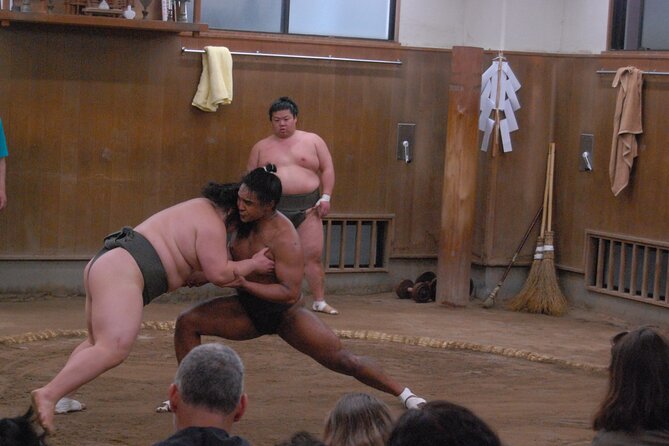
Before you see the main action, you’ll get a briefing on the basics of sumo—how the sport works and what you should look for. This matters a lot more than people expect. When you understand the basics, the practice stops being just “big guys pushing” and becomes a real study of technique, timing, and conditioning.
In my view, this is where good guides make the tour. One guide mentioned in the feedback is Ishida, who reviewed basic rules beforehand and explained the life of a wrestler living at the stable. That kind of context turns your questions into understanding.
You’ll also receive a special brochure for this tour. It’s designed to help you get to grips with sumo better, so you’re not just watching sounds and collisions—you’re tracking purpose. The brochure and the guide talk work like two layers of the same explanation.
Watching Real Morning Practice Up Close: Breath, Faces, and Body Collisions
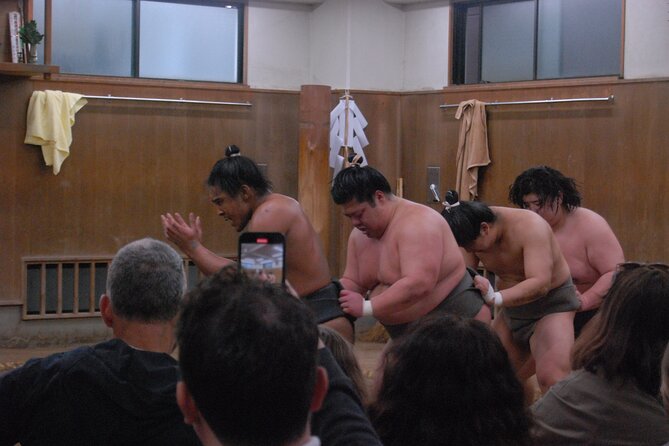
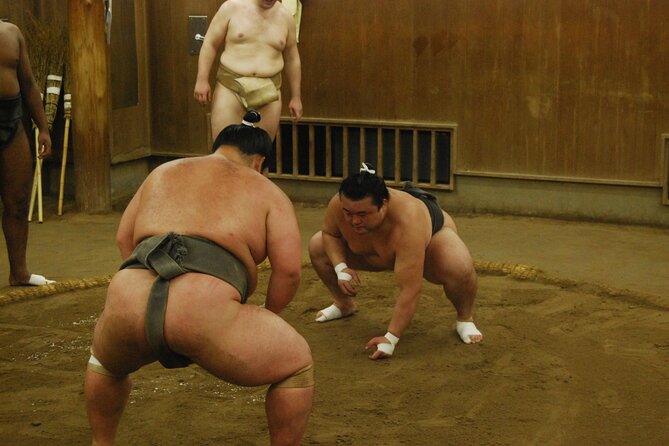
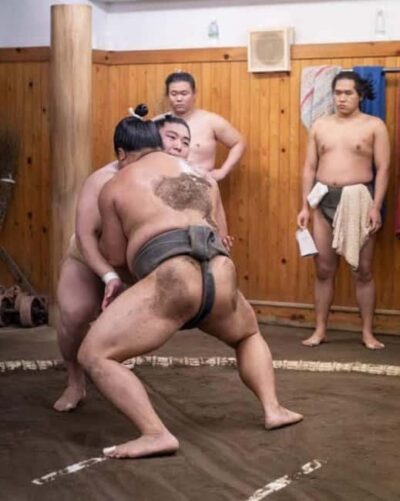
This is the core experience: a real stable practice session. It’s closer than the atmosphere of the official games at the Kokugikan, and that changes everything. From your seating area, you can observe details that are basically impossible at larger events: breathing patterns, facial expressions, and the tense feeling just before contact.
You’ll notice the physical sounds more than you expect. Sumo has weight and impact, and when it’s practiced for real, you hear it. You’ll also see the steadiness of training—repeat drills, controlled engagements, and the relentless focus that keeps the sport honest.
Even if you’re not a sumo superfan, you’ll probably get hooked on the discipline. Practice is about preserving the national sport and passing it to the next generation. You can feel that in the way apprentices move and respond under the coach’s direction.
And yes, it can be a little intimidating at first. The coach’s voice is described as strong and harsh, which may surprise you. But there’s a reason: the tone reflects the trust built between the coach and the wrestlers, and it’s part of how the stable stays serious. The goal isn’t drama. It’s performance built on responsibility.
The Coach’s Voice, the Stable’s Rhythm, and the “Why” Behind It
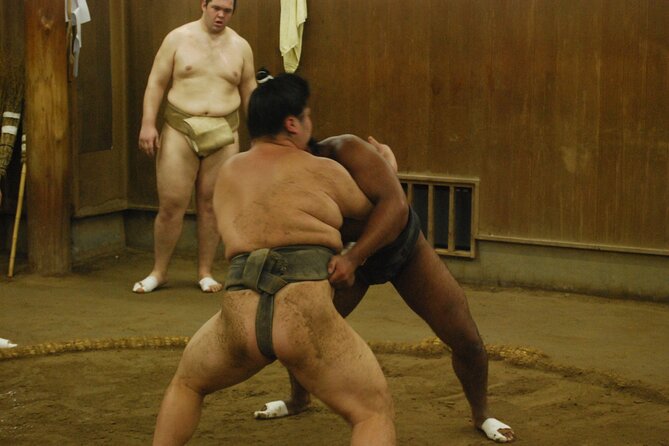
That harsh-sounding coaching tone can be the biggest culture shock on the tour. If you’re used to gentle encouragement, this will feel different—quick, direct, and intense.
Here’s what helps you interpret it: the stable isn’t trying to be tourist-friendly. It’s trying to keep a tradition running at full speed. When the guide explains the background, it becomes easier to understand that the coach’s strictness signals expectations, not anger for its own sake.
The training environment also shows you the structure of sumo life. It’s not only about the bouts you see later on. It’s the apprenticeship work—habits, respect, learning, and building body control day after day. That’s one reason the tour can feel valuable even to people who live in Japan; you just don’t watch this kind of morning training often.
Readers also shortlisted these Tokyo bookings:
- Tokyo 6hr Private Tour with Government-Licensed Guide★ 5.0 · 3,902 reviews
- Tokyo: Shinjuku Local Bar and Izakaya Guided Walking Tour★ 4.9 · 1,794 reviews
- Tokyo: Private City Highlights Tour with Local Guide★ 4.8 · 1,433 reviews
- Tokyo: Tsukiji Fish Market Guided Walking Tour★ 4.9 · 1,397 reviews
- Tokyo 4hr Private Tour with Government-Licensed Guide★ 5.0 · 1,394 reviews
Photo Shoot Time: How to Get Great Shots Without Flash
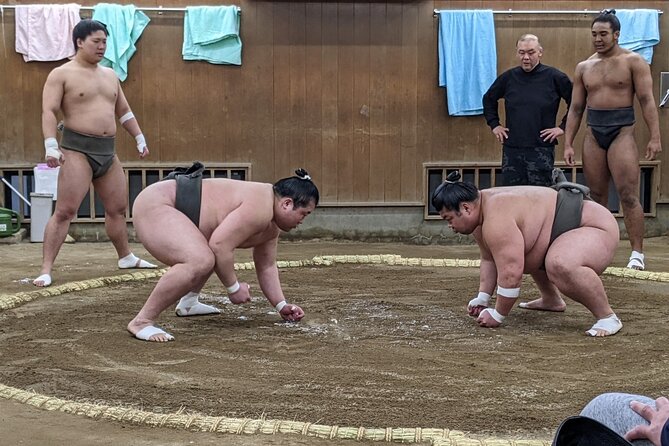
A big plus here is the photography opportunity. You’ll get a photo shoot with sumo wrestlers, and you can take photos while following the stable rules.
The key limitations:
- No flash photography
- No video recording
- No making noise
So how do you get good pictures in real conditions? Bring your camera settings in mind. Without flash, you’ll rely on ambient light and steadier framing. If you shoot on a phone, tap to focus and keep your hands stable. If you have the option, use a faster shutter mode or a higher ISO so you don’t end up with blurry results.
Also, plan your expectations. This isn’t a long, free-form photo session. It’s tied to the training flow and the stable’s etiquette. You’ll do best if you’re ready when your guide indicates photo time.
One more practical note: because flash and video are banned, you’ll want to treat this like a respectful portrait moment, not like an action-sports event you can film freely.
Price and Value: Is $90 for Two Hours Actually Worth It?
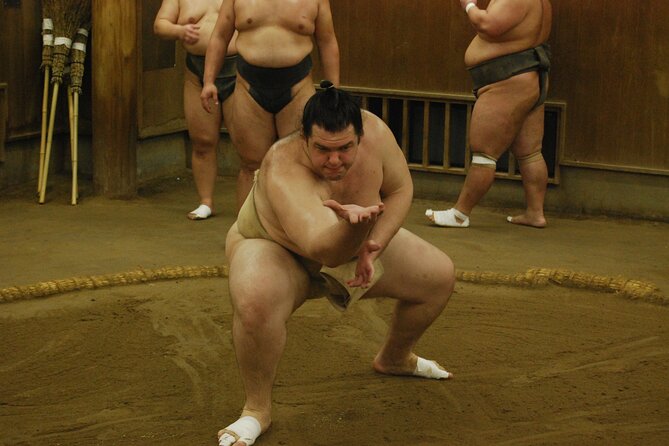
At $90 per person for 2 hours, this isn’t the cheapest Tokyo activity. But I think the value can make sense for three reasons.
First, you’re not paying for a generic cultural talk. You’re paying to watch real practice at a stable close to central Tokyo. That access is the product.
Second, you get an English guide plus a special brochure, and the guide actually helps you understand what you’re seeing. If you walked in without context, you might catch the drama of collisions but miss the meaning. With the briefing, the same session becomes education.
Third, the included photo time adds something memorable. Not every sumo experience gives you an opportunity to photograph the wrestlers under stable rules.
For best value, you’ll want to go with the right mindset: quiet respect, short attention bursts for instruction, and a willingness to observe carefully. If you’re expecting a party-like attraction, you may feel the price more than the experience. If you’re curious about tradition and technique, the cost starts to feel reasonable.
Etiquette Rules You Should Follow So It Doesn’t Feel Awkward
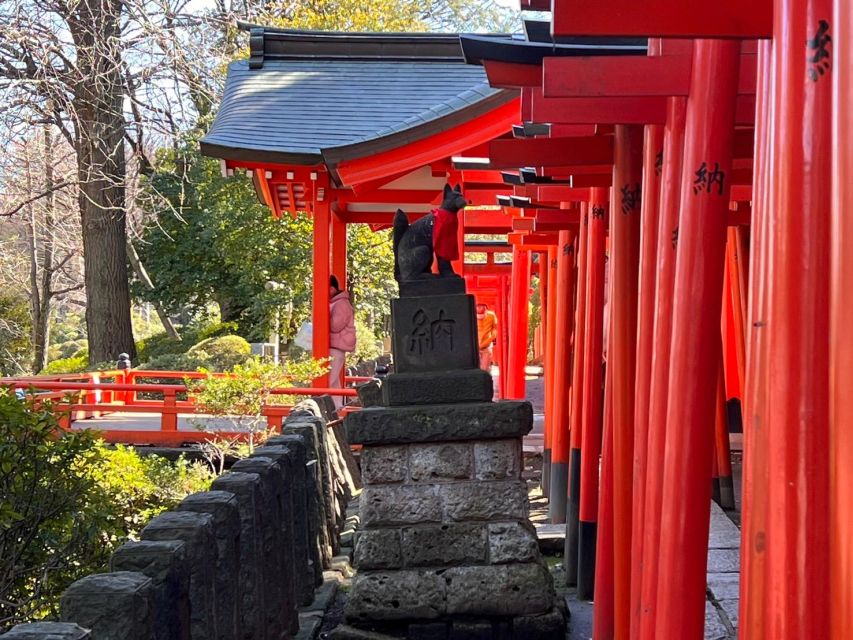
This tour comes with clear conduct guidelines, and they matter because you’re in the wrestlers’ workspace. The big ones:
- No private conversation during the tour so the rikishi and apprentices can concentrate
- No flash and no video recording inside the stable
- No snacks, bread, rice balls, or other food during morning practice
- Bring your own drinks with lids
If you want a small sign of appreciation after practice, there’s an option to support the wrestlers by leaving a tip. That’s a nice touch, and it fits the spirit of the stable: gratitude expressed directly, not loudly.
One more consideration: this tour is not suitable for children under 10. That’s probably because the rules require quiet focus. If you’re traveling with kids, you’ll be happier choosing an alternative activity where noise and pacing are more flexible.
Who This Tour Suits Best (and Who Might Want Another Option)
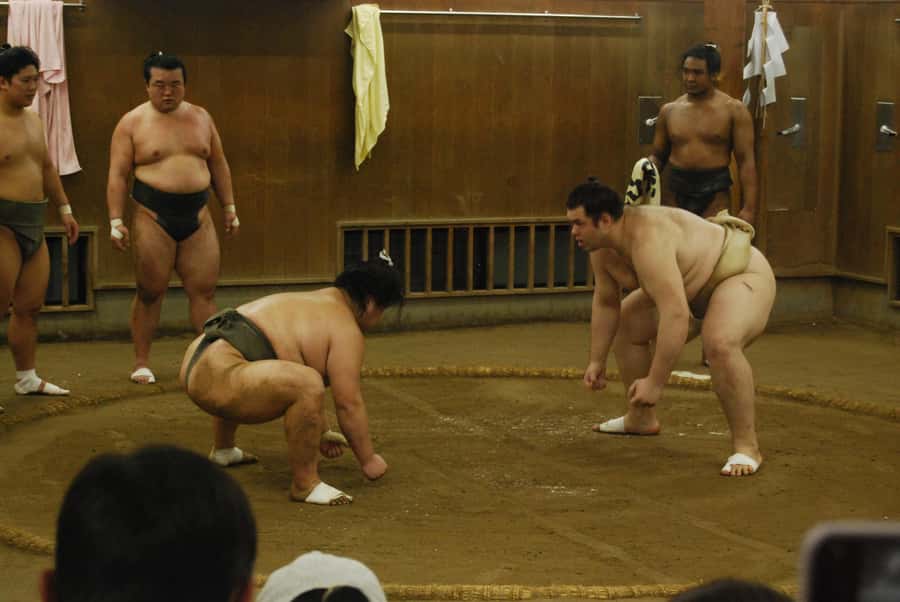
This experience is a good match if you:
- Want a real, local-style look at how sumo training happens before official events
- Enjoy sports when there’s context, not just action
- Appreciate rules and respect in cultural settings
- Care about photos, but can follow limits like no flash and no video
It’s less ideal if you:
- Need a very casual, chatty tour format
- Don’t handle restrictions well (quiet behavior and filming bans are real here)
- Are hoping for a kid-friendly, high-energy attraction
If you’re the kind of traveler who likes seeing how tradition works day to day, this will land. It’s the difference between visiting a museum and watching someone build the thing the museum represents.
Quick Tips Before You Go
You’ll get the brochure and the guide explanations, so don’t over-plan. Still, you’ll be glad you handled these basics:
- Bring a drink with a lid, since food isn’t allowed during morning practice
- Dress comfortably and expect to follow stable rules closely
- Keep your phone/camera ready, but don’t plan on video
- If you want to do the photo shoot well, practice simple framing at home so you’re not fumbling on-site
And if the coach’s voice feels intense at first, don’t read it as personal. It’s part of the culture of instruction in a stable environment.
Should You Book This Tokyo Sumo Morning Practice Tour?
If you want sumo in its true daily form, I’d book it. The strongest reasons are practical: close viewing, a guide who explains the basics so you actually understand what you’re seeing, and photo time without flash rules getting in the way of getting a great souvenir.
Choose this tour especially if you’re already spending time around Skytree and you’d like one activity that feels honest rather than performative. The only reason to skip is if you dislike quiet rules or you’re traveling with very young kids who can’t follow those expectations.
For the price, the access and guidance do the heavy lifting. Two hours goes by quickly when you’re watching real training and learning as you go.
FAQ
Where is the meeting point for the sumo stable tour?
You meet in front of the Memorial Statue of Soramachi Hiroba.
How long is the Tokyo Sumo Morning Practice stable visit tour?
The tour lasts 2 hours.
Is there an English-speaking guide?
Yes. The tour includes a live English-speaking guide.
How close is the viewing compared with official sumo events?
The viewing is closer than the official games at the Kokugikan, so you can observe details like facial expressions and the sounds and impact of training.
Are flash photos allowed?
No. Flash photography is not allowed inside the sumo stable.
Can I record video during the tour?
No. Video recording is prohibited inside the sumo stable.
Are snacks or food allowed during morning practice?
No. Snacks, bread, rice balls, and other food are not allowed during morning practice. You can bring drinks with lids.
Is the tour suitable for children?
It is not suitable for children under 10.
Can I talk to others privately during the practice?
You should refrain from private conversation during the tour so the rikishi and apprentices can concentrate.
Is tipping allowed after practice?
If you feel inclined to support the rikishi after practice, you can leave a tip.
More Tours in Tokyo
- Mt Fuji and Hakone 1-Day Bus Tour Return by Bullet Train
★ 5.0 · 26,383 reviews - 1-Day Tokyo Bus Tour
★ 5.0 · 14,250 reviews - Tokyo: Shinjuku Food Tour (13 Dishes at 4 Local Eateries)
★ 5.0 · 6,603 reviews - Tokyo Mt Fuji 5th St & Hakone Cruise Bus Tour w/Bullet Train
★ 4.4 · 5,024 reviews - Flagship 2-Hours Official Street Go-Kart Tour – Tokyo Bay Shop
★ 5.0 · 4,974 reviews
More Tour Reviews in Tokyo
- Mt Fuji and Hakone 1-Day Bus Tour Return by Bullet Train
★ 5.0 · 26,383 reviews - 1-Day Tokyo Bus Tour
★ 5.0 · 14,250 reviews - Tokyo: teamLab Planets TOKYO Digital Art Museum Entry Ticket
★ 4.6 · 9,779 reviews - Mt Fuji & Hakone Cruise, Drum Show Bullet Train 1 Day from Tokyo
★ 4.0 · 7,413 reviews - Tokyo: Shinjuku Food Tour (13 Dishes at 4 Local Eateries)
★ 5.0 · 6,603 reviews
More Sumo, Ringside and Rated
- Tokyo: Sumo Show and Dining Experience
★ 4.8 · 2,742 reviews - the SUMO show
★ 5.0 · 1,960 reviews - Tokyo Shinjuku Sumo Show & Experience with Photo
★ 5.0 · 1,750 reviews - Tokyo: Sumo Show and Experience in Shinjuku
★ 4.8 · 1,001 reviews - Tokyo Grand Sumo Tournament Viewing Tour with Tickets
★ 5.0 · 692 reviews
Latest Tokyo reviews off our desk






Sumo Tournaments & Shows, compared.
 ★ 4.8Sumo Show and Dining ExperienceFrom $792,742 reviews
 ★ 5.0the SUMO showFrom $891,960 reviews
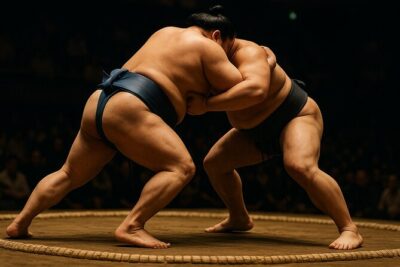 ★ 5.0Tokyo Shinjuku Sumo Show & Experience with PhotoFrom $791,750 reviews
 ★ 4.8Sumo Show and Experience in ShinjukuFrom $691,001 reviews
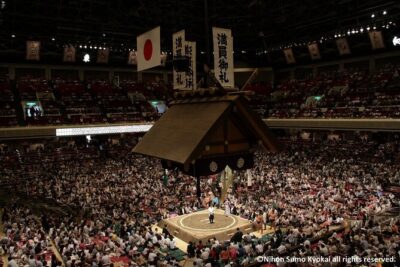 ★ 5.0Tokyo Grand Sumo Tournament Viewing Tour with TicketsFrom $124692 reviews
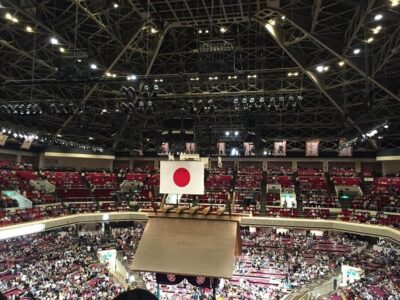 ★ 5.0Tokyo Sumo Wrestling Tournament ExperienceFrom $124660 reviews
 ★ 4.7Luxury Sumo Show Experience & Japanese cuisine & DrinkFrom $103577 reviews
 ★ 4.8Sumo Morning Practice Viewing TourFrom $81570 reviews
Browse the lists this tour appears in