
Reviewed · SUMO TOURNAMENTS & SHOWS
Tokyo: Sumo Morning Practice with Photo Banzuke and Guide
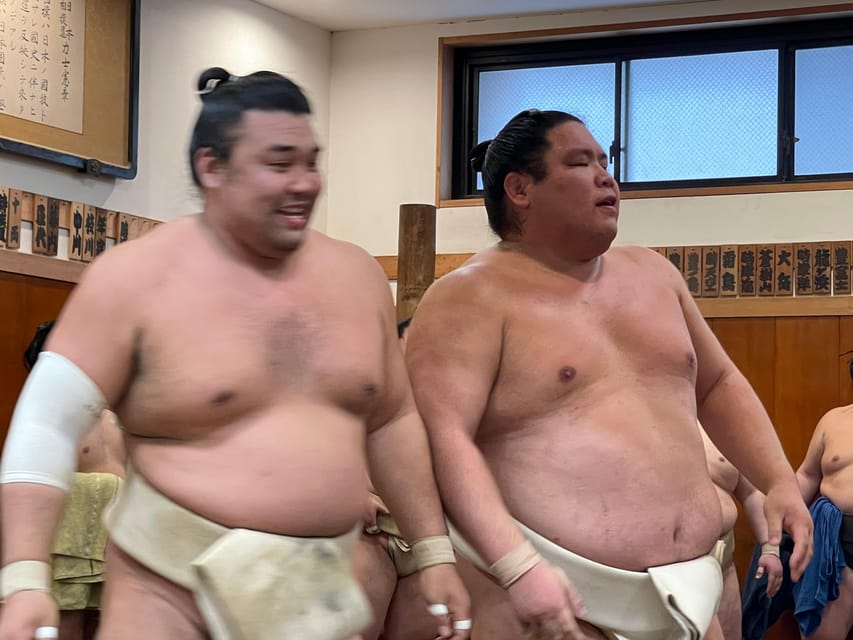
Morning sumo hits different in Tokyo. This tour gives you a close-up seat to see wrestlers practicing their craft in a real stable, then you get an English explanation of the sport’s rules, roles, and rituals. I like the hands-on access (you sit in chairs and watch the action), and I also like that the guide builds context so it’s not just a photo stop. You’re spending the morning learning how sumo works, not only admiring it.
The only real catch is timing: if you’re late, the tour has to prioritize the group schedule. A previous group noted the start can feel slow when people keep arriving after the agreed meeting time, so show up early and you’ll keep the whole day flowing.
In This Review
- Key things to know before you go
- Why a Tokyo Sumo Morning Practice Is Worth Getting Up For
- Finding the Meeting Point (And Avoiding the One-Day Trip Stress Spiral)
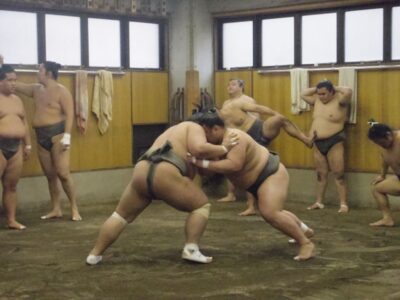
- The Stable Experience: What You’ll See During Practice
- The Guided Talk That Turns Photos Into Understanding
- Photo Banzuke Moment: Capturing One Part of the Day
- Walking Between Stops: Easy Foot Time, But Don’t Ignore Shoes
- Price and Value: What $115 Buys You (And Why It’s Not Just a Tour)
- Who This Tour Suits Best (And Who Might Want to Skip)
- The Biggest Practical Risk: Latecomers and Time Pressure
- Should You Book This Sumo Morning Practice Tour?
- FAQ
- Where does the tour meet?
- How long is the tour?
- Is the tour in English?
- Is it a small group?
- What should I bring?
- Is the tour wheelchair accessible?
- What ages is it suitable for?
- What is included in the experience?
Key things to know before you go
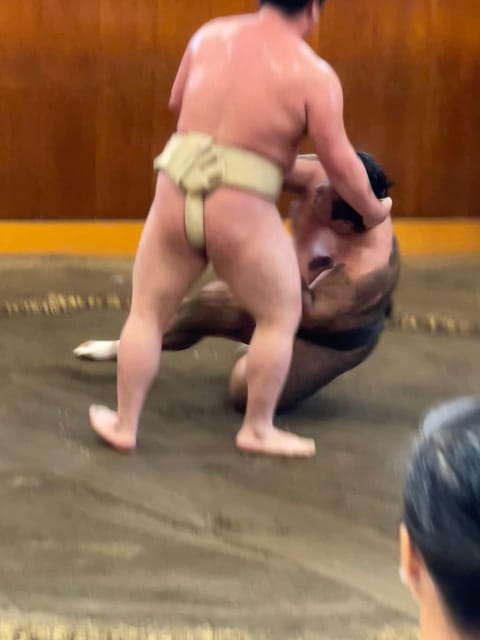
- Chair viewing inside the stable: You watch practice closely while you’re seated, which makes the action easier to follow.
- English guide + basics talk: After training, you’ll get a practical intro to how sumo works and what you’re seeing.
- Rare morning access: Guest-observation openings are limited, because only select stables allow visitors during practice.
- A no-weight-class sport: You’ll learn how sumo is organized around rank and tradition rather than weight categories.
- Small group size (max 9): Fewer people means more manageable logistics and better guide attention.
Why a Tokyo Sumo Morning Practice Is Worth Getting Up For
If you care about sport as a culture, not just a scoreboard, a morning sumo practice is one of the best ways to experience Japan’s national sport in its real setting. Sumo isn’t always on display. Tournaments run only a small portion of the year, so what you see in training day life is the routine behind the big events.
What makes this tour especially appealing is that it isn’t presented as vague sightseeing. You’re watching wrestlers train their moves and routines in a stable setting, and you’re doing it from a position that lets you actually track what’s happening. The chairs matter. In sumo, the details are fast: footwork, stance, grip, and the way wrestlers reset. Being seated helps you keep your eyes where they should be.
And yes, the “no weight class” angle is a big part of the story. You’ll get a clearer sense of what that means in real practice—rank, discipline, and technique are doing the heavy lifting, not weight categories the way you might expect from other sports.
Other ringside bookings readers scored
- Tokyo: Sumo Show and Dining Experience
★ 4.8 · 2,742 reviews - the SUMO show
★ 5.0 · 1,960 reviews - Tokyo Shinjuku Sumo Show & Experience with Photo
★ 5.0 · 1,750 reviews - Tokyo: Sumo Show and Experience in Shinjuku
★ 4.8 · 1,001 reviews
Finding the Meeting Point (And Avoiding the One-Day Trip Stress Spiral)
This starts at Kiyosumi-shirakawa Station, Exit B1, near a FamilyMart convenience store. That’s specific, and it matters, because this is a scheduled group activity with a short window to get organized and move together.
One practical point I’d take seriously: the meeting is arranged so taxi users can’t accidentally miss the group. That hints at how tight the early part of the day can feel. If you arrive early, you’ll be calmer. If you arrive late, you can end up stressing everyone else—and the tour has to keep moving.
How to make this easy:
- Plan to be at the meeting point before your start time.
- If you’re delayed, contact the tour as soon as you know.
- Keep your phone charged and your directions simple. The safest plan is to go directly to the station exit and look for the FamilyMart landmark.
The Stable Experience: What You’ll See During Practice
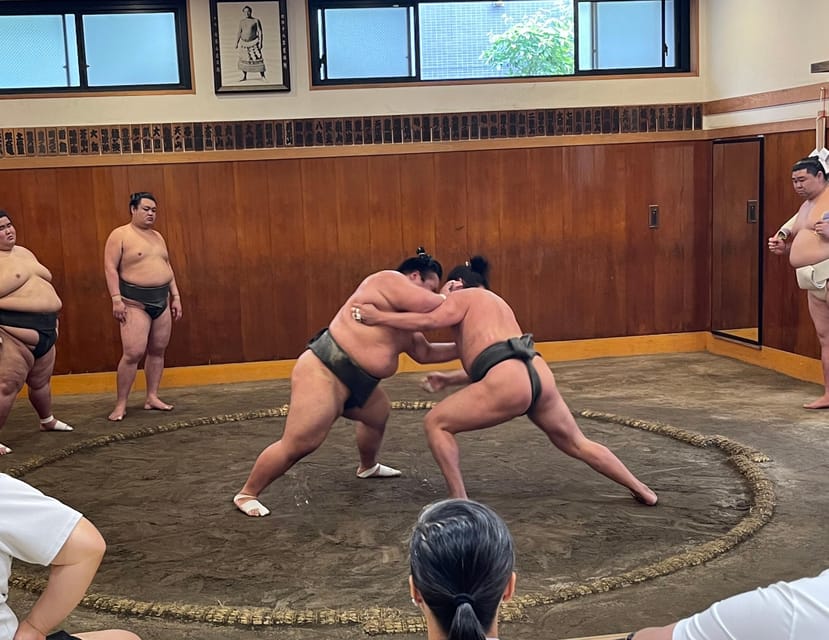
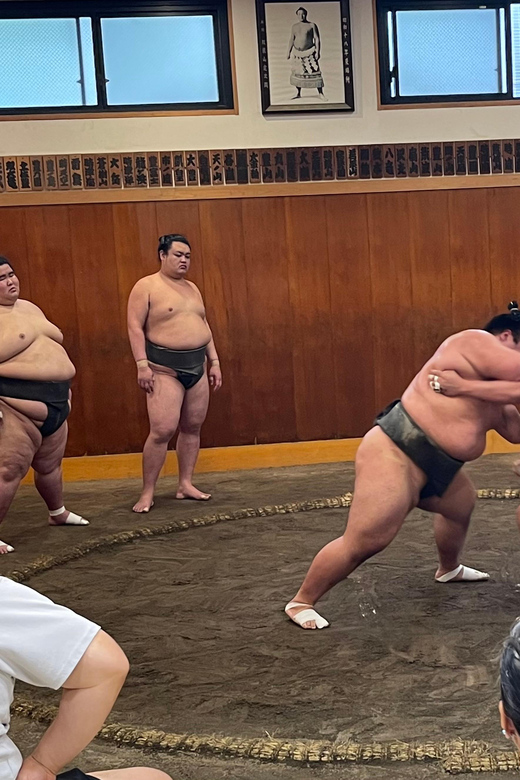
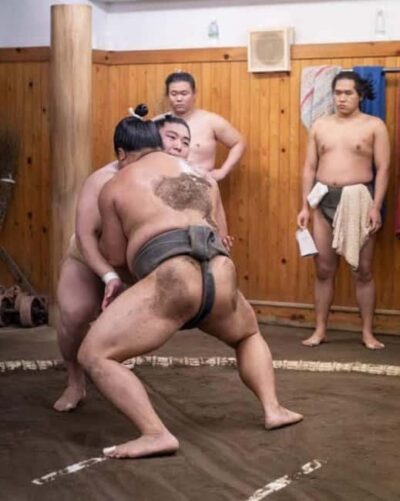
Your centerpiece moment is watching practice inside a traditional sumo stable. This is where the tour delivers real value: it’s not just a walkway photo op. You observe the practice session with the focus on what the wrestlers are doing as they prepare for competition.
You’ll feel the power even from a seated viewing area. Sumo looks deliberate, but practice is also about repetition and control: a wrestler sets the rhythm, pushes the other person’s balance, and then resets to run it again with sharper timing. Watching that flow helps you understand why sumo is so physical even when it looks structured.
Here’s what I think you’ll appreciate most when you’re watching:
- The way they move as a unit: Not just individual grapples, but the whole pattern of warm-up and training.
- The pace of a practice session: It’s faster and more focused than most casual watchers expect.
- The cultural setting: The stable context makes it feel like routine, not performance.
Also, this is not something every stable offers. Access for visitors is limited. The tour emphasizes that only a select number of the stables in Japan allow guest observation of morning practice. That scarcity is why this can feel special and why it avoids the vibe of a mass-market gimmick.
The Guided Talk That Turns Photos Into Understanding
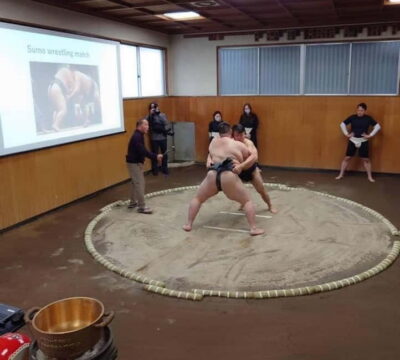
Watching training is the star, but the tour adds something that many “see sumo” experiences skip: an English presentation that covers the basics so you’re not leaving with only images.
This is the part that helps you connect what you’re seeing to how sumo works. You’ll learn about:
- the sport’s history and traditions (from your local guide)
- the fundamentals of sumo rules and roles
- what rank and structure mean in practice and competition
The value here is simple: you’ll look at the same movement and notice different things after the explanation. Instead of just thinking, That’s strong, you’ll start noticing why grips matter, why positioning matters, and what to watch for when wrestlers engage.
And because the guide is right there, you can usually get your questions answered in the moment. That is one of the reasons small group tours are worth it: your attention stays on the learning, not on squeezing past strangers for a better view.
Photo Banzuke Moment: Capturing One Part of the Day
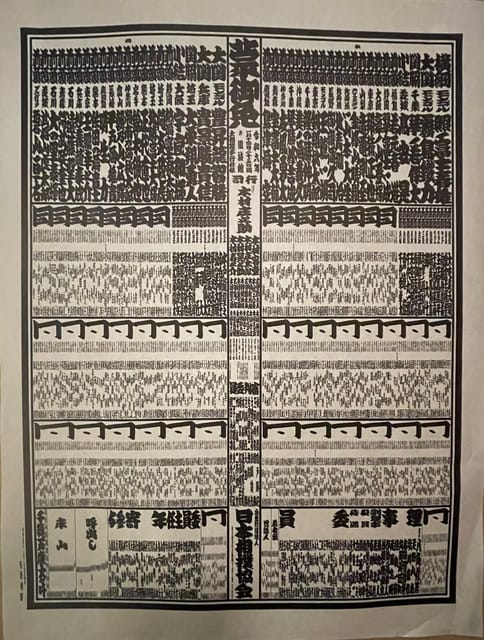
Part of the day includes a short photo stop, including a banzuke-related moment. In sumo culture, the banzuke is tied to rankings and the tournament system, so having a moment to photograph that gives you a concrete visual anchor.
Even if you only take a few photos, this kind of checkpoint helps you remember the experience as something more than a moving spectacle. You get a reference point you can look at later when you’re explaining sumo to friends or trying to follow rankings when you watch a bout.
Practical tip: if you’re using a phone camera, clean your lens quickly before you start shooting during practice. The stable environment can have lighting that makes smudges show up more than you’d expect.
Readers also shortlisted these Tokyo bookings:
- Tokyo 6hr Private Tour with Government-Licensed Guide★ 5.0 · 3,902 reviews
- Tokyo: Shinjuku Local Bar and Izakaya Guided Walking Tour★ 4.9 · 1,794 reviews
- Tokyo: Private City Highlights Tour with Local Guide★ 4.8 · 1,433 reviews
- Tokyo: Tsukiji Fish Market Guided Walking Tour★ 4.9 · 1,397 reviews
- Tokyo 4hr Private Tour with Government-Licensed Guide★ 5.0 · 1,394 reviews
Walking Between Stops: Easy Foot Time, But Don’t Ignore Shoes
The day includes some walking segments on foot between parts of the program. It’s not described as a long hike, but you are outdoors in Tokyo for short stretches, and you also need to be ready to stand and move with a small group.
Bring comfortable shoes. This is especially important because you’ll likely want to stay alert and ready for timing changes. The day works best when you treat it like an early-morning appointment: walk at the pace of the group, keep your camera accessible, and don’t plan on running back for anything you forgot.
If you’re the type who likes to leave extra time for photo angles, do it after you’ve checked in and met the group pace. The tour keeps a schedule, and early practice windows are the reason.
Price and Value: What $115 Buys You (And Why It’s Not Just a Tour)
At $115 per person for about 7 hours, you’re paying for access and interpretation. Sumo practice observation is not common, and guest openings depend on the stable. That limits the supply, and it’s part of the pricing logic.
You’re also not just buying a seat. You’re buying:
- observation of the practice session in a stable setting
- an English guide and a basics presentation
- chair viewing designed for watchability
- a small group size (up to 9), which usually improves the experience compared with larger crowds
Is it expensive compared to generic sightseeing? Yes. But it’s also not generic. This is a structured look into a tradition that is hard to replicate on your own without knowing the right people and timing.
So if you’re a traveler who likes to get close to real routines—markets, workshops, crafts—you’ll likely see the value. If you only want casual, low-effort photos, you may feel it takes more time than you want for the day.
Who This Tour Suits Best (And Who Might Want to Skip)
This experience is set up as a small-group activity. It’s best for:
- adults and older teens who like Japanese culture beyond temples and streets
- people who enjoy sports but want the cultural context, not just the match highlight
- anyone who wants a rare morning glimpse at sumo practice from a stable
It’s not suitable for children under 9. That’s likely due to the length of time and the nature of the observation setting.
If you’re traveling with mobility needs, it is listed as wheelchair accessible. Just keep in mind that even with accessibility accommodations, you’ll still be moving through a scheduled experience, so plan for early arrival and follow the guide’s pace.
The Biggest Practical Risk: Latecomers and Time Pressure
This tour is at risk of feeling long if the group schedule gets stretched. One caution from prior experience is that when people show up late, the tour takes longer to get going, and the overall pace can feel stretched for everyone.
I’d rather give you a clear rule than a vague warning:
- Be early.
- If you might not make it, treat contacting the guide as part of the plan, not an afterthought.
- If you have another obligation later in the day, tell the guide in advance so you don’t disrupt the group flow.
The good news is that this kind of tour usually improves dramatically when everyone arrives on time. Then you get a smooth morning: station check-in, guided segments, a real practice view, then the basics talk.
Should You Book This Sumo Morning Practice Tour?
Book it if you want close access to a tradition that’s hard to see in everyday life, and if you like your sightseeing with context. The chair viewing and the guide’s explanation make this feel like an actual introduction to sumo, not a photo-and-vanish moment.
Skip it if you hate early starts, dislike group schedules, or you only want photos with minimal instruction. The day works best when you’re present and on time, because the whole experience is built around the morning practice window.
If you’re thinking about it, here’s my simple recommendation: this is one of those Tokyo experiences where the effort pays off because the viewing is real, the stable access is limited, and the guide helps you understand what you’re watching.
FAQ
Where does the tour meet?
It meets at Exit B1 of Kiyosumi-shirakawa Station, near a FamilyMart convenience store.
How long is the tour?
The duration is 7 hours.
Is the tour in English?
Yes. The live tour guide speaks English.
Is it a small group?
Yes. The group is limited to 9 participants.
What should I bring?
Bring comfortable shoes and a camera.
Is the tour wheelchair accessible?
Yes, it’s listed as wheelchair accessible.
What ages is it suitable for?
It is not suitable for children under 9 years.
What is included in the experience?
You’ll have observation of a sumo practice session, a short presentation on the basics of sumo, and a local guide.
More Guided in Tokyo
- Tokyo 6hr Private Tour with Government-Licensed Guide
★ 5.0 · 3,902 reviews - Tokyo: Shinjuku Local Bar and Izakaya Guided Walking Tour
★ 4.9 · 1,794 reviews - Tokyo: Private City Highlights Tour with Local Guide
★ 4.8 · 1,433 reviews - Tokyo: Tsukiji Fish Market Guided Walking Tour
★ 4.9 · 1,397 reviews - Tokyo 4hr Private Tour with Government-Licensed Guide
★ 5.0 · 1,394 reviews
More Tour Reviews in Tokyo
- Mt Fuji and Hakone 1-Day Bus Tour Return by Bullet Train
★ 5.0 · 26,383 reviews - 1-Day Tokyo Bus Tour
★ 5.0 · 14,250 reviews - Tokyo: teamLab Planets TOKYO Digital Art Museum Entry Ticket
★ 4.6 · 9,779 reviews - Mt Fuji & Hakone Cruise, Drum Show Bullet Train 1 Day from Tokyo
★ 4.0 · 7,413 reviews - Tokyo: Shinjuku Food Tour (13 Dishes at 4 Local Eateries)
★ 5.0 · 6,603 reviews
More Sumo, Ringside and Rated
- Tokyo: Sumo Show and Dining Experience
★ 4.8 · 2,742 reviews - the SUMO show
★ 5.0 · 1,960 reviews - Tokyo Shinjuku Sumo Show & Experience with Photo
★ 5.0 · 1,750 reviews - Tokyo: Sumo Show and Experience in Shinjuku
★ 4.8 · 1,001 reviews - Tokyo Grand Sumo Tournament Viewing Tour with Tickets
★ 5.0 · 692 reviews
Latest Tokyo reviews off our desk






Sumo Tournaments & Shows, compared.
 ★ 4.8Sumo Show and Dining ExperienceFrom $792,742 reviews
 ★ 5.0the SUMO showFrom $891,960 reviews
 ★ 5.0Tokyo Shinjuku Sumo Show & Experience with PhotoFrom $791,750 reviews
 ★ 4.8Sumo Show and Experience in ShinjukuFrom $691,001 reviews
 ★ 5.0Tokyo Grand Sumo Tournament Viewing Tour with TicketsFrom $124692 reviews
 ★ 5.0Tokyo Sumo Wrestling Tournament ExperienceFrom $124660 reviews
 ★ 4.7Luxury Sumo Show Experience & Japanese cuisine & DrinkFrom $103577 reviews
 ★ 4.8Sumo Morning Practice Viewing TourFrom $81570 reviews
Browse the lists this tour appears in