
Reviewed · SUMO TOURNAMENTS & SHOWS
Tokyo: Sumo Tournament with Guide & Assigned Reserved Seat
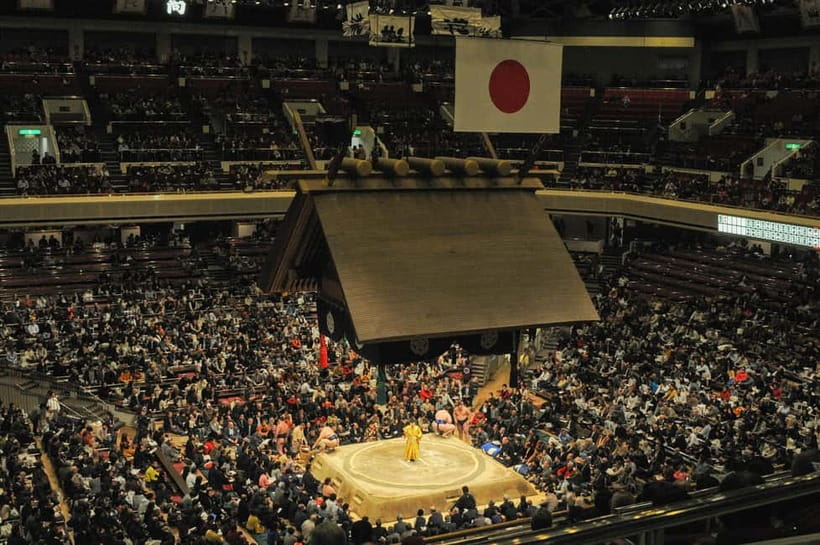
Sumo feels like theater and math. This tour gets you into Ryogoku Kokugikan for an official tournament with a reserved seat in B or C class on the second floor, so you spend less time guessing and more time watching. With an English-speaking sumo guide, you also get the why behind the choreography and not just the fight clips.
I love how the guide turns the whole event into something you can follow in real time. When guides like Jorge, Mili, and George explain the rules, ranking system, and match rituals, the sport goes from random chaos to clear structure fast. You also get built-in chances for classic photo moments in the area around the stadium, which makes the experience feel like more than just sitting in rows.
The main drawback is the price. At $209 per person with an assigned seat (not a seat map choice), it can feel like a steep markup unless you really value guaranteed admission plus a live guide.
In This Review
- Key things you’ll notice on this sumo experience
- Ryogoku Kokugikan: the arena with built-in drama
- Your seat on the second floor (B or C): view tips that actually help
- The 30-minute guided orientation: how rules and rituals make the fights make sense
- Four hours at the tournament: what to watch once you know the basics
- Where the photo moments fit: storybook edges around Ryogoku
- Price and value: what you’re really paying for
- Who should book this sumo tour, and who should skip it
- Quick FAQ before you commit
- FAQ
- How long is the sumo tournament experience?
- Where does the tour take place?
- What seats are included?
- Is the guide available in English?
- Are food and drinks included or allowed?
- Can you cancel for a refund?
- Should you book this guided sumo tournament with reserved seats?
Key things you’ll notice on this sumo experience
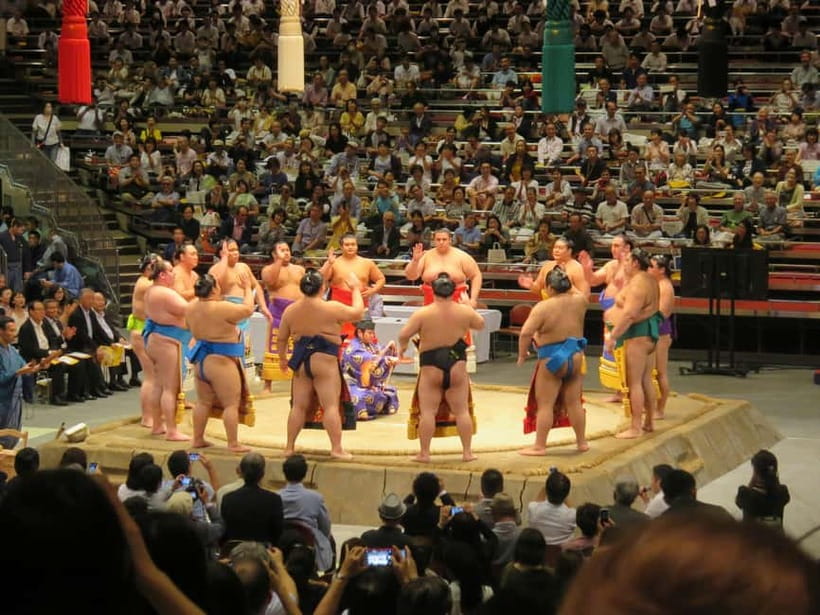
- Reserved B or C class seats on the second floor at the official Ryogoku Kokugikan tournament
- English live guide who explains rules, rituals, ranking, and what to look for during bouts
- A short guided orientation (about 30 minutes) before the tournament time really starts
- About 4 hours inside the venue, giving you time to catch multiple bouts
- Photo-friendly stops nearby, including possible temple/garden/cemetery-style moments in the area
- Assigned seating means you get what you get, and the guide works to include everyone even if groups are split
Ryogoku Kokugikan: the arena with built-in drama
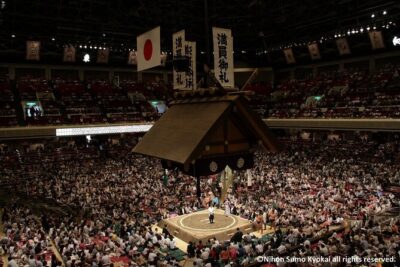
If you’ve only seen sumo on TV, Ryogoku Kokugikan hits different. The ring feels close even from the second floor, and the atmosphere builds like it knows you’re watching. Sumo is formal, but it’s also fast and physical, so the venue helps you catch both sides.
You’re attending an official tournament, not a staged performance. That matters because the pacing, the official flow, and the crowd rhythm all feel authentic. It also means the guide can explain things in context rather than doing a generic history lecture.
One practical note: you’re there for a live event that’s tightly scheduled. That’s why the guide’s upfront explanation is so useful. It helps you understand what you’re looking at before the day becomes a blur of ring introductions and referee decisions.
Other ringside bookings readers scored
- Tokyo: Sumo Show and Dining Experience
★ 4.8 · 2,742 reviews - the SUMO show
★ 5.0 · 1,960 reviews - Tokyo Shinjuku Sumo Show & Experience with Photo
★ 5.0 · 1,750 reviews - Tokyo: Sumo Show and Experience in Shinjuku
★ 4.8 · 1,001 reviews
Your seat on the second floor (B or C): view tips that actually help
This is an “assigned reserved seat” situation. You won’t pick exact seats on a map, but you will have a reserved spot in B or C class, second floor. Some people are happy with that trade, others wish they could select. Either way, the key is knowing what second-floor seating usually means for comfort and visibility.
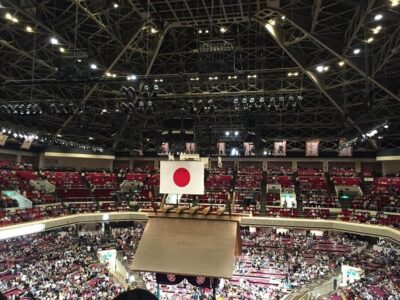
Second-floor seating is often a good balance. You typically get a wide view of the ring and the judge area rather than only a narrow slice of the action. When the guide is talking, you can also keep your attention on the crowd and the ring without constantly craning.
A couple of tips so you get the most from your section:
- Arrive with time to settle before the guided portion starts, so you’re not rushing to find your row.
- Listen for the guide cues about what to watch during entrances and in-bout behavior. That’s where the second-floor view helps most.
If your group ends up split, don’t panic. The guide’s job is to explain in a way that still lands for everyone during the show. Still, in larger groups, it can get noisy enough that you’ll want to position yourself to hear.
The 30-minute guided orientation: how rules and rituals make the fights make sense
The tour includes a guided segment before the tournament visit, around 30 minutes. This is the “fast lesson” that turns sumo from spectacle into story.
Here’s what a good guide focuses on:
- The rules of the match and what counts as a win (you start seeing the finish lines clearly).
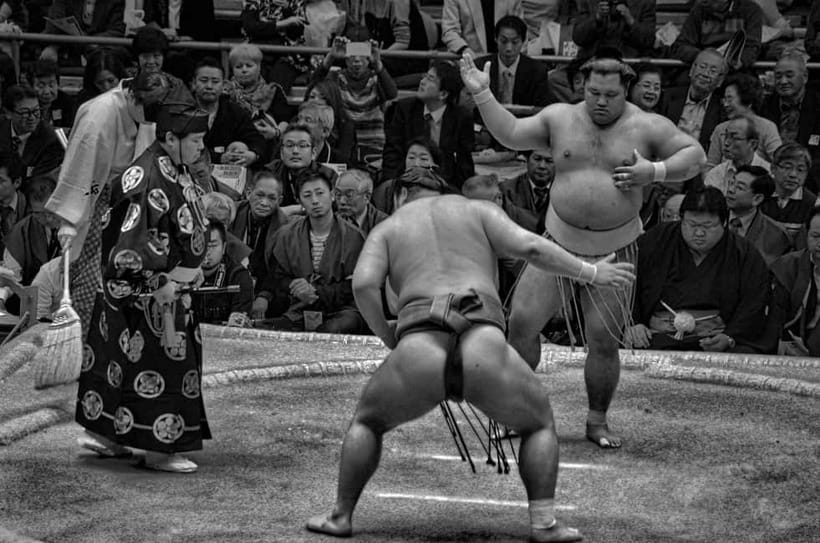
- The rituals that happen before the bout (so they stop looking like random superstition).
- The ranking system, which helps you understand why certain wrestlers matter more in that particular tournament moment.
- The cultural significance behind formal behavior, timing, and attention to procedure.
Guides on this program include names like Jorge and George, plus others such as Mili, Cesar, and Lily. The common thread in their approach is that they don’t just list facts. They explain what you’ll notice next, then you watch it happen. That’s why the guide can make a big difference for first-timers.
If you care about technique—how wrestlers set their feet, where they aim, and how grip and timing change the outcome—having a translator who can point out what’s happening helps you spot it instead of just reacting to the impact.
Four hours at the tournament: what to watch once you know the basics
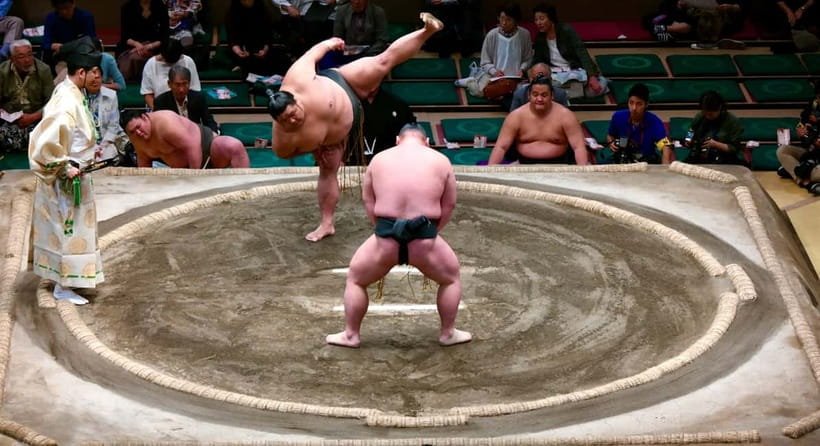
After the orientation, you’re in the venue for about four hours. This is the part that becomes addictive once you understand the structure.
During that time, you’ll get multiple bouts, and the best way to enjoy it is to watch sumo like a layered performance:
- Watch the pre-bout rhythm (when the energy shifts from ritual to contest).
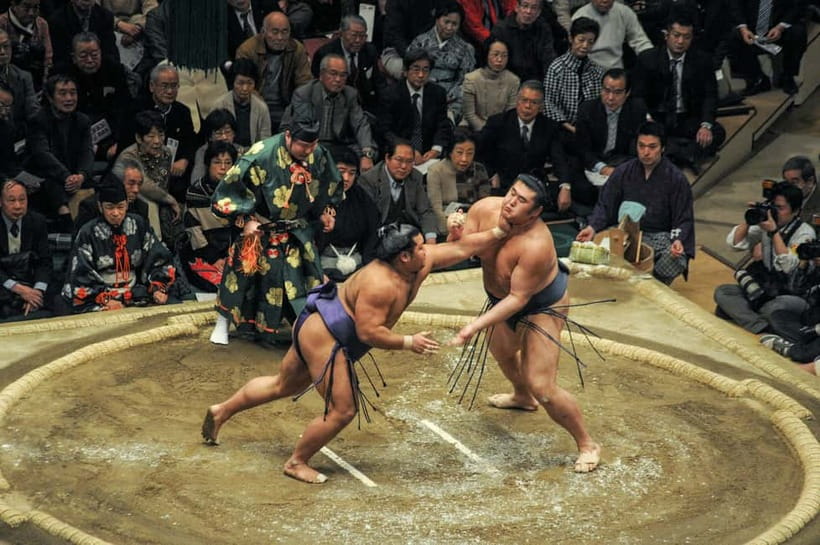
- Watch the first contact (many matches are decided by early positioning, even if the final movement looks like a sudden blast).
- Watch footwork and boundary awareness (sumo is about control of space as much as force).
The guide won’t just talk the whole time. The program is designed to help you follow what’s happening so you can spend your mental bandwidth on the action. If you know what the referee is about to do or what a certain gesture means, you’ll feel less lost and more in the moment.
Also, this is one of those experiences where it’s worth staying attentive even when you think you already understand. Sumo has enough repetition to feel predictable, but the details in each bout keep it changing.
Where the photo moments fit: storybook edges around Ryogoku
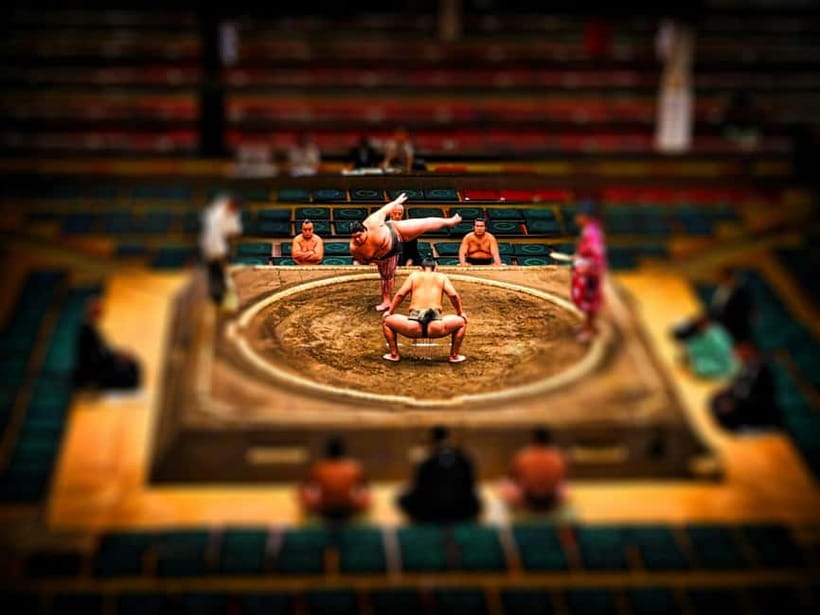
This tour isn’t only the stadium. You also get some time connected to the surrounding area, including a meeting point that may be the Matsuura-Bungo Mansion Site.
That matters because it turns the day into a proper Tokyo cultural outing instead of a straight ticket drop-off. One reason people remember the experience is that the photo opportunities don’t feel like a forced “tour photo moment.” They’re tied to the character of the area.
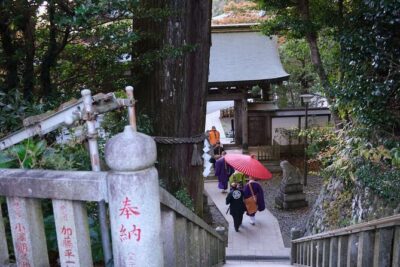
Some versions of the day may also include quiet stops near local sites such as Ekoin temple, plus garden/cemetery-style areas close to the venue. Even if those stops are brief, they add contrast: you go from calm and traditional atmosphere to the thunder of match day.
I like having that contrast. It makes the stadium moment feel bigger because you’re not stepping straight from the street into a roar.
Readers also shortlisted these Tokyo bookings:
- Tokyo 6hr Private Tour with Government-Licensed Guide★ 5.0 · 3,902 reviews
- Tokyo: Shinjuku Local Bar and Izakaya Guided Walking Tour★ 4.9 · 1,794 reviews
- Tokyo: Private City Highlights Tour with Local Guide★ 4.8 · 1,433 reviews
- Tokyo: Tsukiji Fish Market Guided Walking Tour★ 4.9 · 1,397 reviews
- Tokyo 4hr Private Tour with Government-Licensed Guide★ 5.0 · 1,394 reviews
Price and value: what you’re really paying for
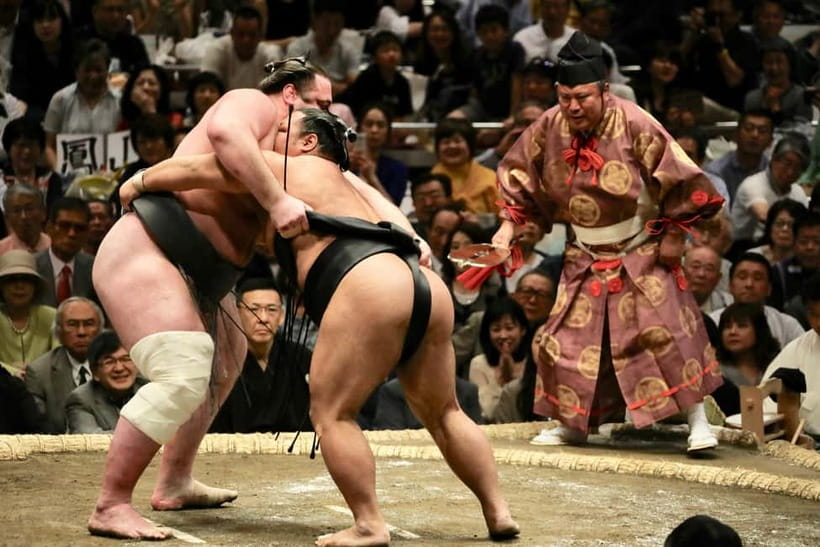
At $209 per person, the price is the first thing you’ll feel. You’re paying for a few things at once:
- A reserved seat at the official tournament venue
- A live sumo expert guide in English
- Time and structure, so you show up prepared and don’t waste energy decoding the event
Tickets alone can be inexpensive depending on category, but getting them is the hard part. The main value here is that you’re not gambling on access. You’re also buying the guide, and the guide is what helps you connect the dots: rules, rankings, rituals, and what to watch.
That’s the trade-off. If your goal is only to watch wrestling, you might decide a cheaper seat is enough. But if you want the full cultural meaning and you’d rather understand what’s happening than just react to it, the guide can turn that $209 into something that feels fair.
One more practical point from people’s experiences: some mention seats are assigned and you can’t choose exact spots, and groups can be large enough that hearing the guide isn’t always perfect. That doesn’t make the experience bad, but it’s good to know what to expect. If you’re the type who values control and quiet, consider arriving early and choosing a spot that gives you the best line of sight and the best chance to hear.
Who should book this sumo tour, and who should skip it
This is best for:
- First-time sumo fans who want the basics explained clearly before the action starts
- People who love cultural context and want the rituals/ranking system explained in plain language
- Anyone who values guaranteed reserved seating at the venue rather than hunting tickets
It’s not a match if:
- You have mobility impairments, since it isn’t suitable for that
- You’re uncomfortable paying extra for a guide when you’d rather spend that money on other Tokyo experiences
One more thing: food and drinks aren’t allowed during the experience. Plan accordingly. Eat before you arrive, or you’ll feel the clock quickly once you’re inside.
Quick FAQ before you commit
FAQ
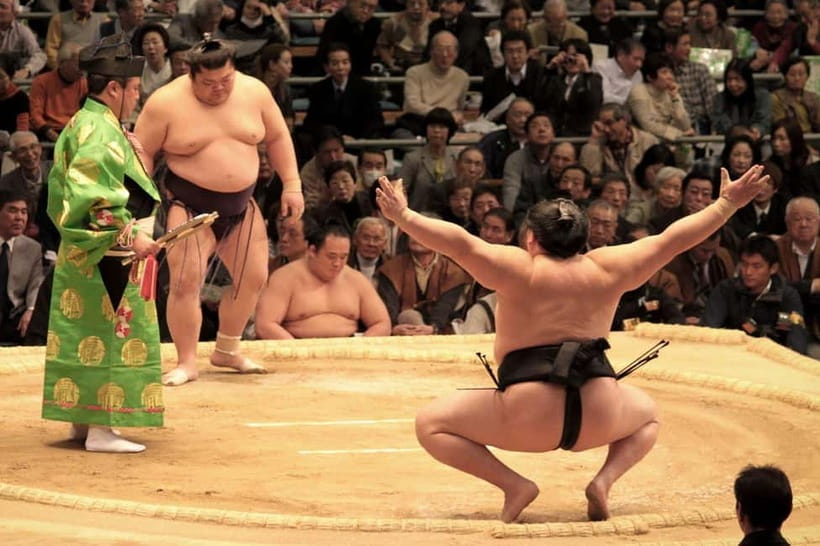
How long is the sumo tournament experience?
The duration is listed as 4 to 5 hours.
Where does the tour take place?
The event centers on Ryogoku Kokugikan in Tokyo for the official sumo tournament. One possible meeting location is the Matsuura-Bungo Mansion Site, but the meeting point can vary by option.
What seats are included?
You get a reserved seat in B or C class, located on the second floor.
Is the guide available in English?
Yes. The live tour guide is listed as English.
Are food and drinks included or allowed?
Food and drinks are not included, and food and drinks are not allowed during the experience.
Can you cancel for a refund?
This activity is listed as non-refundable.
Should you book this guided sumo tournament with reserved seats?
If you want the easiest path to an official Tokyo sumo tournament with a guide who helps you understand what you’re seeing, I think this is a solid booking. The biggest reason is simple: sumo is confusing at first, and the program gives you the explanations you need right when you need them.
But go in with eyes open about the price. If you’re purely chasing a low-cost ticket and you don’t care about rituals or ranking context, a cheaper approach may feel better. If you want the full “watch it and understand it” experience, the reserved seating plus an English expert guide is the value play.
More Guided in Tokyo
- Tokyo 6hr Private Tour with Government-Licensed Guide
★ 5.0 · 3,902 reviews - Tokyo: Shinjuku Local Bar and Izakaya Guided Walking Tour
★ 4.9 · 1,794 reviews - Tokyo: Private City Highlights Tour with Local Guide
★ 4.8 · 1,433 reviews - Tokyo: Tsukiji Fish Market Guided Walking Tour
★ 4.9 · 1,397 reviews - Tokyo 4hr Private Tour with Government-Licensed Guide
★ 5.0 · 1,394 reviews
More Tour Reviews in Tokyo
- Mt Fuji and Hakone 1-Day Bus Tour Return by Bullet Train
★ 5.0 · 26,383 reviews - 1-Day Tokyo Bus Tour
★ 5.0 · 14,250 reviews - Tokyo: teamLab Planets TOKYO Digital Art Museum Entry Ticket
★ 4.6 · 9,779 reviews - Mt Fuji & Hakone Cruise, Drum Show Bullet Train 1 Day from Tokyo
★ 4.0 · 7,413 reviews - Tokyo: Shinjuku Food Tour (13 Dishes at 4 Local Eateries)
★ 5.0 · 6,603 reviews
More Sumo, Ringside and Rated
- Tokyo: Sumo Show and Dining Experience
★ 4.8 · 2,742 reviews - the SUMO show
★ 5.0 · 1,960 reviews - Tokyo Shinjuku Sumo Show & Experience with Photo
★ 5.0 · 1,750 reviews - Tokyo: Sumo Show and Experience in Shinjuku
★ 4.8 · 1,001 reviews - Tokyo Grand Sumo Tournament Viewing Tour with Tickets
★ 5.0 · 692 reviews
Latest Tokyo reviews off our desk


Sumo Tournaments & Shows, compared.
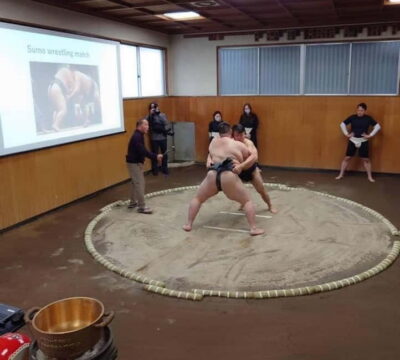 ★ 4.8Sumo Show and Dining ExperienceFrom $792,742 reviews
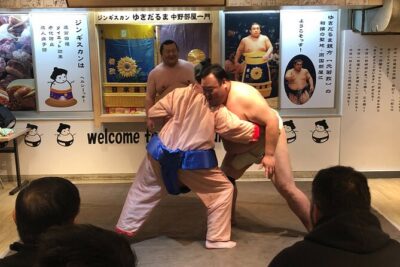 ★ 5.0the SUMO showFrom $891,960 reviews
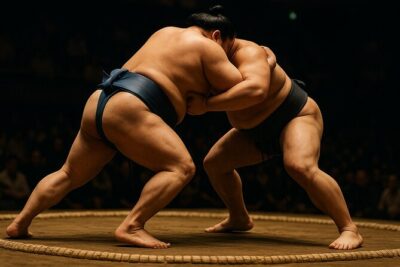 ★ 5.0Tokyo Shinjuku Sumo Show & Experience with PhotoFrom $791,750 reviews
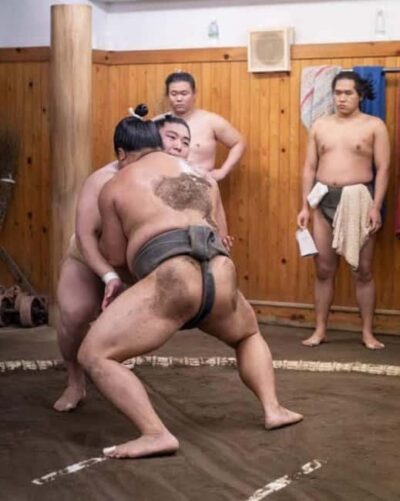 ★ 4.8Sumo Show and Experience in ShinjukuFrom $691,001 reviews
 ★ 5.0Tokyo Grand Sumo Tournament Viewing Tour with TicketsFrom $124692 reviews
 ★ 5.0Tokyo Sumo Wrestling Tournament ExperienceFrom $124660 reviews
 ★ 4.7Luxury Sumo Show Experience & Japanese cuisine & DrinkFrom $103577 reviews
 ★ 4.8Sumo Morning Practice Viewing TourFrom $81570 reviews
Browse the lists this tour appears in