
Sumo meets big-city fun in Shinjuku. In this Tokyo sumo wrestling show, you get the drama of live bouts up close, plus the behind-the-scenes meaning of routines like shiko foot stomping and salt purification. My favorite part is seeing professional wrestlers up close, then getting hands-on ring time with a chance to challenge them yourself.
One thing to watch: meeting up can be a little confusing. The directions are specific about taking the elevator to F2 and meeting at the entrance, so build in a few extra minutes and double-check your pin on the map.
In This Review
- Key Highlights You’ll Actually Feel
- Tokyo Sumo Wrestling Show in Shinjuku: What Makes It Worth Your Time
- How the 1.5-Hour Experience Works (Without the Tournament Pressure)
- The Sumo Rituals You’ll See Up Close (Shiko and Salt Purification)
- Watching Professional Wrestlers: Power You Can Actually Sense
- Dress Up and Challenge the Wrestlers: The Moment That Makes This Different
- Price and Value: Is $62 for 1.5 Hours Reasonable?
- Meeting Point in Shinjuku: How to Avoid Wasting Your Start Time
- What You Should Know Before You Go (Tournament vs. Show)
- Who This Sumo Show Fits Best
- Best Day Plan: Pair It With the Rest of Shinjuku and Sumo Footsteps
- Should You Book This Tokyo Sumo Wrestling Show?
- FAQ
- Is this a sumo tournament?
- How long is the Tokyo sumo show?
- Is there an English guide?
- Where is the meeting point?
- Can I take photos and interact with the wrestlers?
- What’s the price?
Key Highlights You’ll Actually Feel
- Pro bouts in central Tokyo: Watch live sumo action in Shinjuku, not some far-off venue.
- Rituals with real meaning: You’ll see shiko (foot stomping) and salt purification as part of the show.
- English live guide: Explanations of rules, lifestyle, and what you’re watching keep it easy to follow.
- Dress-up + ring challenge: After the main bouts, you’ll step into traditional sumo attire and go hands-on.
- Photo time is part of the fun: You’ll have moments to take pictures with the wrestlers.
Tokyo Sumo Wrestling Show in Shinjuku: What Makes It Worth Your Time
Tokyo already has a lot going on. So when you’re picking one “culture-with-people” activity, you want something that feels different from a museum and still makes sense fast. This Shinjuku sumo show does that job.
It’s not a tournament day, so the format is built for an audience. That matters. You’re not sitting through hours of formal competition logistics. Instead, you get the emotional high points: the build-up, the rituals, and the athletic clashes that make sumo famous.
And you get close contact with the world of sumo in a way most people only see on TV. You’ll watch professional wrestlers perform power and precision, including sacred-looking elements that are more than theater. Then the show turns playful: you dress in traditional sumo outfit and challenge the wrestlers yourself—often with laughs, respect, and a whole lot of humility.
Other ringside bookings readers scored
- Tokyo: Sumo Show and Dining Experience
★ 4.8 · 2,742 reviews - the SUMO show
★ 5.0 · 1,960 reviews - Tokyo Shinjuku Sumo Show & Experience with Photo
★ 5.0 · 1,750 reviews - Tokyo: Sumo Show and Experience in Shinjuku
★ 4.8 · 1,001 reviews
How the 1.5-Hour Experience Works (Without the Tournament Pressure)
The booking lists 1.5 hours, and the flow is designed to move. Plan your day so you’re not rushing in from something else right beforehand. Once you’re inside, the show keeps you connected start to finish.
Here’s what the experience typically feels like in sequence:
Meet and get oriented at F2
You’ll meet at the entrance after taking the elevator to F2 at the given coordinates (35.7025146484375, 139.70802307128906). This matters because the timing is tight: you don’t want to be figuring it out mid-start.
Learn the basics while you watch
With an English live tour guide, you’ll get explanations as the action happens. You’ll hear about the rules and what to pay attention to, and you’ll also get context on the lifestyle of competitors. That’s the kind of information that makes a bout feel less random.
Main matches + demonstrations
You’ll see professional wrestlers demonstrate techniques and ritual elements. Expect moments like shiko foot stomping and salt purification—those parts are built into the atmosphere of sumo. Even if you don’t know the sport yet, those routines help you “read” what you’re seeing.
Interactive ring challenge after the main action
After the main bouts, the tone shifts. You get the chance to step into a traditional sumo outfit, enter the ring, and challenge the wrestlers yourself. This is where the show stops being purely spectator entertainment and becomes a memory you’ll actually talk about later.
The Sumo Rituals You’ll See Up Close (Shiko and Salt Purification)
Sumo isn’t just grappling. The rituals are part of the sport’s identity, and this show makes sure you notice them.
You’ll see shiko, the foot-stomping ritual. It’s loud, physical, and dramatic. Even if you’re not sure what it means yet, you’ll understand why it feels like a statement when you’re in the room.
You’ll also see salt purification. Salt in sumo isn’t a random tradition. It’s tied to cleanliness and the serious atmosphere around the ring. When you see it in person, it stops being symbolic and becomes part of the performance rhythm.
The value here is simple: these are the moments that turn sumo from “sport I watched” into “sport I understood.” A good explanation from the English guide helps you connect the rituals to what happens next.
Watching Professional Wrestlers: Power You Can Actually Sense
When you watch sumo live, you don’t just see strength. You see balance. You see timing. And you see how quickly a bout can flip from stillness to full-force action.
This show is built so you’re close enough to feel that intensity. The wrestlers showcase powerful techniques, and you get to see both the athletic side and the ceremonial side in the same visit.
There’s also a big difference between watching sumo casually on a screen and seeing the start-up energy in the ring. The pre-bout tension feels real. Then the action hits—fast, loud, and physical.
That up-close view is one of the strongest reasons to book. You’re not doing a distant “look but don’t touch” experience. You’re getting a human-scale window into the sport.
Dress Up and Challenge the Wrestlers: The Moment That Makes This Different
A normal show ends when the seats empty out. This one adds a finale you’ll remember because you’re part of it.
After the main matches, you’ll step into a traditional sumo outfit and enter the ring to challenge the wrestlers yourself. It’s meant to be fun, respectful, and surprisingly funny. The key word here is challenge. You’re not just posing. You’re trying.
Why this matters for your trip:
- It turns cultural viewing into participation.
- It helps you understand sumo as a practice, not only a performance.
- It gives you a tangible way to explain the experience later.
Add in photo time with the wrestlers, and you’ve got both the memory and the proof. If you like activities where you do more than watch, this is exactly that.
Readers also shortlisted these Tokyo bookings:
- Mt Fuji & Hakone Cruise, Drum Show Bullet Train 1 Day from Tokyo★ 4.0 · 7,413 reviews
- Tokyo: Sumo Show and Dining Experience★ 4.8 · 2,742 reviews
- the SUMO show★ 5.0 · 1,960 reviews
- Tokyo Shinjuku Sumo Show & Experience with Photo★ 5.0 · 1,750 reviews
- Mt Fuji & Hakone Cruise, Drum Show Bus 1 Day from Tokyo★ 4.0 · 1,287 reviews
Price and Value: Is $62 for 1.5 Hours Reasonable?
$62 per person sounds specific, and it’s fair to ask what you’re really paying for.
You’re not just buying entry to a show. You’re getting:
- An English live guide who explains rules and context
- A close-up sumo performance featuring professional wrestlers
- Ritual demonstrations (shiko and salt purification)
- A hands-on experience where you dress in traditional sumo attire and challenge the wrestlers
- A photo moment with the wrestlers
If you break it down like that, the price feels less like “paying for seats” and more like paying for access and participation. In Tokyo, many experiences charge a lot for a single polished segment. Here, you get multiple layers: watch, learn, then do.
Is it the cheapest thing you can do in the city? No. But you’re also not choosing a generic tourist show. For a one-time Tokyo activity that combines culture, sport, and interaction in one block of time, the value is strong.
Meeting Point in Shinjuku: How to Avoid Wasting Your Start Time
Logistics can make or break a short experience. This one is scheduled and specific.
You’ll take the elevator to F2 and meet at the entrance. The provided coordinates are 35.7025146484375, 139.70802307128906, which is your best friend for accuracy. If your app sends you to the wrong side of a building, you’ll lose minutes fast.
My practical advice:
- Arrive a bit early so you’re not stressed when you see the wrong entrance.
- Use the coordinates as your primary reference.
- If you’re standing outside, don’t be afraid to ask for help finding F2.
Even with a perfect schedule, confusion happens. The venue setup is part of why you should plan a small buffer.
What You Should Know Before You Go (Tournament vs. Show)
This experience is not a tournament. That’s important because it changes your expectations.
You’re going for a guided, audience-friendly presentation with live action and interaction. You’re not buying tickets to a formal bracket-style competition. If your goal is official tournament intensity and stakes, this might not match that. If your goal is a fun, easy entry point into sumo culture, it’s a great fit.
Who This Sumo Show Fits Best
This experience is a good match if you:
- Want a Tokyo activity that mixes sport and tradition
- Like guided explanations in English
- Prefer interactive experiences over passive museum-style visits
- Want a memorable “I did this” moment, not just photos in front of a building
You might consider skipping or choosing something else if:
- You’re only interested in tournament-level competition formats
- You hate anything interactive where you’re asked to step on a ring and try
Otherwise, it’s one of those activities that works for first-timers. You won’t need prior sumo knowledge to enjoy it, because you’ll be taught as you watch.
Best Day Plan: Pair It With the Rest of Shinjuku and Sumo Footsteps
Shinjuku is an easy place to build a day around. You’re close enough to other neighborhoods to combine errands and dinner without needing a full train adventure.
Also, the experience is tied to sumo’s larger story: it’s a short distance from Ryōgoku, the historic center of sumo. You can use this show as your “starter,” then go explore the broader sumo footprint later in your trip if you want.
Tip: since the experience is 1.5 hours, treat it like a focused block. Put something flexible nearby—coffee, shopping, or an easy meal—so you’re not racing between commitments.
Should You Book This Tokyo Sumo Wrestling Show?
If you want a Tokyo experience that gives you real live sport, meaningful rituals, and then lets you try sumo yourself, book it.
It’s strong value for the mix of watch + learn + do. The English guide helps you get it quickly, and the hands-on ring challenge makes it far more than a spectator event. Just respect the logistics: get to the F2 meeting point on time, and don’t assume your first attempt at the entrance will be the right one.
Bottom line: this is a smart choice for travelers who want culture with motion—and a story you can tell without sounding like you copied a brochure.
FAQ
Is this a sumo tournament?
No. This is not a tournament. It’s a show-style experience with live bouts and demonstrations.
How long is the Tokyo sumo show?
The duration is listed as 1.5 hours.
Is there an English guide?
Yes. The live tour guide speaks English.
Where is the meeting point?
You’ll meet at the entrance after taking the elevator to F2. The coordinates are 35.7025146484375, 139.70802307128906.
Can I take photos and interact with the wrestlers?
The experience includes time for photos with the wrestlers. After the main matches, you’ll also dress in traditional sumo attire and challenge the wrestlers yourself.
What’s the price?
The price is $62 per person.
More Show in Tokyo
- Mt Fuji & Hakone Cruise, Drum Show Bullet Train 1 Day from Tokyo
★ 4.0 · 7,413 reviews - Tokyo: Sumo Show and Dining Experience
★ 4.8 · 2,742 reviews - the SUMO show
★ 5.0 · 1,960 reviews - Tokyo Shinjuku Sumo Show & Experience with Photo
★ 5.0 · 1,750 reviews - Mt Fuji & Hakone Cruise, Drum Show Bus 1 Day from Tokyo
★ 4.0 · 1,287 reviews
More Tour Reviews in Tokyo
- Mt Fuji and Hakone 1-Day Bus Tour Return by Bullet Train
★ 5.0 · 26,383 reviews - 1-Day Tokyo Bus Tour
★ 5.0 · 14,250 reviews - Tokyo: teamLab Planets TOKYO Digital Art Museum Entry Ticket
★ 4.6 · 9,779 reviews - Mt Fuji & Hakone Cruise, Drum Show Bullet Train 1 Day from Tokyo
★ 4.0 · 7,413 reviews - Tokyo: Shinjuku Food Tour (13 Dishes at 4 Local Eateries)
★ 5.0 · 6,603 reviews
More Sumo, Ringside and Rated
- Tokyo: Sumo Show and Dining Experience
★ 4.8 · 2,742 reviews - the SUMO show
★ 5.0 · 1,960 reviews - Tokyo Shinjuku Sumo Show & Experience with Photo
★ 5.0 · 1,750 reviews - Tokyo: Sumo Show and Experience in Shinjuku
★ 4.8 · 1,001 reviews - Tokyo Grand Sumo Tournament Viewing Tour with Tickets
★ 5.0 · 692 reviews
Latest Tokyo reviews off our desk






Sumo Tournaments & Shows, compared.
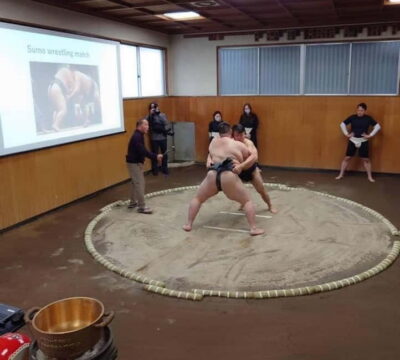 ★ 4.8Sumo Show and Dining ExperienceFrom $792,742 reviews
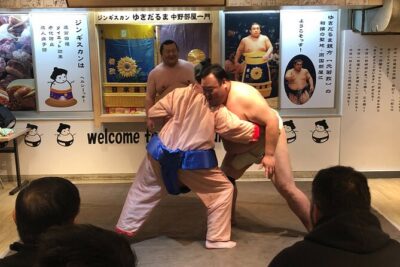 ★ 5.0the SUMO showFrom $891,960 reviews
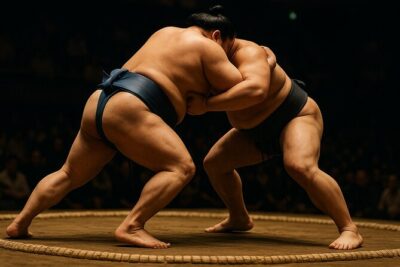 ★ 5.0Tokyo Shinjuku Sumo Show & Experience with PhotoFrom $791,750 reviews
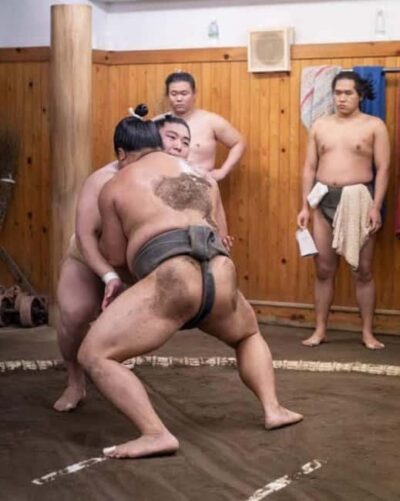 ★ 4.8Sumo Show and Experience in ShinjukuFrom $691,001 reviews
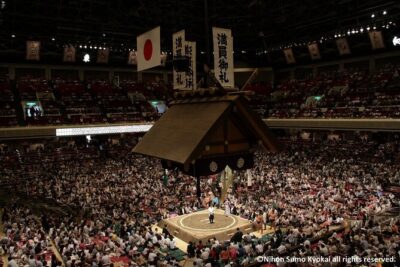 ★ 5.0Tokyo Grand Sumo Tournament Viewing Tour with TicketsFrom $124692 reviews
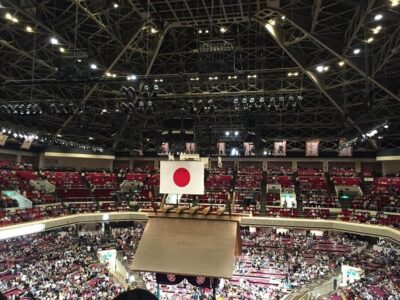 ★ 5.0Tokyo Sumo Wrestling Tournament ExperienceFrom $124660 reviews
 ★ 4.7Luxury Sumo Show Experience & Japanese cuisine & DrinkFrom $103577 reviews
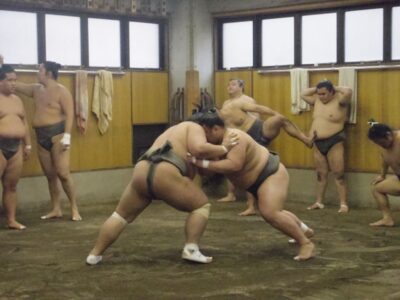 ★ 4.8Sumo Morning Practice Viewing TourFrom $81570 reviews
Browse the lists this tour appears in