
Reviewed · TSUKIJI MARKET FOOD TOURS
Tokyo: Tsukiji Fish Market Seafood & Street Eats
Tsukiji smells like breakfast history. This 2.5-hour morning walk is interesting because you get Tsukiji market context plus hands-on guidance for what to eat where, and a small group that makes questions easy. One thing to plan for: all food and drinks cost extra, so you need to budget and go in hungry.
The pace is efficient, too. You’ll cover Tsukiji Hongwanji Temple, then the Fish Market area and Tsukiji Jogai Market in about 2 hours 30 minutes, starting and ending at the same nearby meeting spot. With a maximum of 10 people, your guide can keep you moving while still explaining what you’re seeing.
In This Review
- Key points before you go
- Tsukiji in One Morning: Why This 2.5-Hour Plan Works
- Your Morning Starts at Tsukiji Hongwanji Temple
- Tsukiji Fish Market: Tuna Culture and How to Eat with Confidence
- What you can realistically expect to try
- A queue is part of the experience
- Tsukiji Jogai Market: Street Food You’ll Actually Want to Reorder
- Why this part is great for first-time food shoppers
- How to avoid overspending
- English-Speaking Guide + Max 10 People = Real Help, Not Just Herding
- Price and Value: What $42 Gets You (and What It Doesn’t)
- Logistics That Matter: Timing, Tickets, and Getting There
- Food Strategy: How to Eat Smart in a Seafood Market
- Weather and Flexibility: When Tsukiji Doesn’t Behave
- Should You Book This Tsukiji Seafood Walk?
- FAQ
- FAQ
- How long is the Tsukiji Fish Market seafood and street eats tour?
- What is the price per person?
- Is food included in the tour price?
- Who guides the tour?
- How big is the group?
- What stops are included in the itinerary?
- Are admission tickets included?
- Where do I meet for the tour?
- What if the weather is bad?
- What is the cancellation policy?
Key points before you go
- Small group (max 10): more time for questions, less wandering
- English-speaking local guide: clarity on what you’re looking at and what to order
- Temple + market route: you start with culture, then go straight to seafood
- Jogai Market street-food focus: practical bites you can taste and repeat later
- Food not included: you control the spending at stalls
- Mobile ticket: easy to keep on your phone while you walk
Tsukiji in One Morning: Why This 2.5-Hour Plan Works
Tsukiji is famous for seafood, but it’s also famous for confusion. Narrow aisles, fast-moving crowds, and stalls that don’t speak your language can make a first visit feel like you’re just following noise. This tour helps you turn that chaos into something you can actually enjoy.
I like that the format is short. You get a guided route through the main market zones without eating up your whole day. And because the group is capped at 10, you’re not stuck behind a long line of people while your questions go unanswered.
Here’s the trade-off: the tour includes the guide and market/temple access, but food is on you. That’s not a flaw—it’s how Tsukiji works. It just means you should treat this as a guided tasting plan, not an all-inclusive meal.
More market breakfasts our reviewers scored
- Tokyo Tsukiji Fish Market Food and Culture Walking Tour
★ 5.0 · 3,184 reviews - Tokyo: Tsukiji Fish Market Food and Walking tour
★ 5.0 · 1,724 reviews - Tokyo: Tsukiji Fish Market Guided Walking Tour
★ 4.9 · 1,397 reviews - Tokyo Sushi Making Class in Tsukiji with Professional Chef
★ 5.0 · 1,177 reviews
Your Morning Starts at Tsukiji Hongwanji Temple
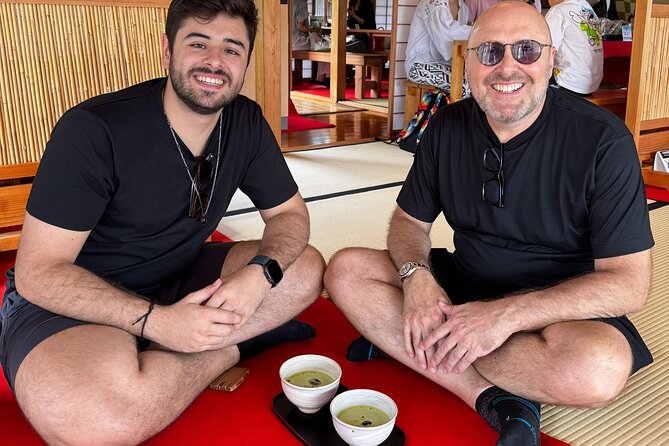
Before you chase seafood, you’ll visit 築地本願寺 (Tsukiji Hongwanji Temple). This stop matters because Tsukiji isn’t just about eating; it’s about how a place like this fits into everyday Japanese life. The temple stop gives you a calmer entry point, so you’re not thrown straight into market rush.
It’s also a good way to set your mindset. Markets can be loud and intense. Starting with a cultural anchor helps you appreciate the scale once you arrive—especially if this is your first time in Tokyo’s older, workday pulse.
One practical note: since this is a walking tour with a morning schedule, wear shoes you can stand in. Even with the guide handling the route, you’ll still be on your feet.
Tsukiji Fish Market: Tuna Culture and How to Eat with Confidence
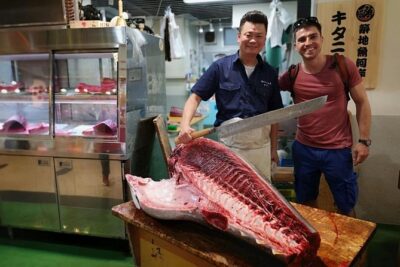
Next comes the heart of it: the Fish Market area, where Tsukiji’s reputation grew—especially around tuna auctions and the work culture built around them. You’ll spend about 1 hour 30 minutes here with your local guide, who explains the history and culinary culture tied to what the market produces.
What I like about this stop is that it’s not only visual. The guide is there to help you translate what you’re seeing into what it means for your food choices. That’s huge when you’re facing menus, product displays, and fast-moving vendors.
What you can realistically expect to try
Food is extra, but you’ll be in the right zone to find classic market eats. Based on what people have ordered in this area, you might come across:
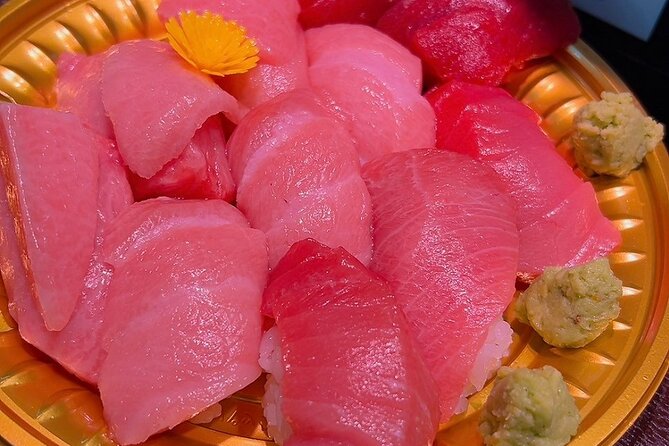
- tuna sashimi served in different fat levels/cuts
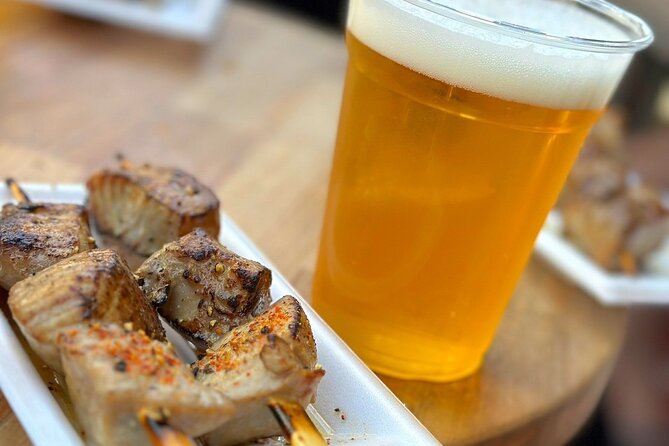
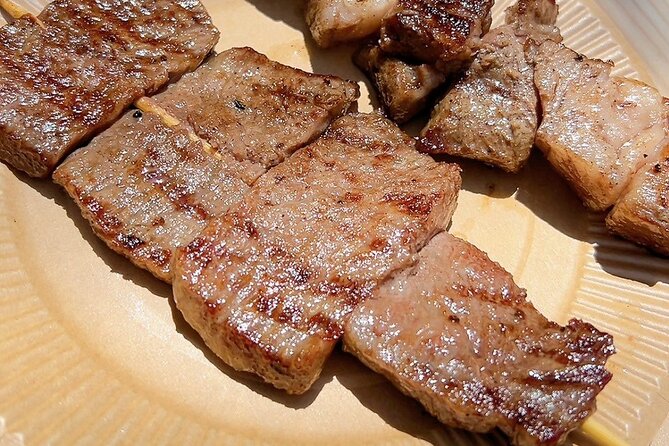
- tuna kabobs and other grilled seafood styles
- seafood rice crackers and snackable bites
- sit-down options where you might see heavier dishes, like crab preparations
You won’t be forced into one kind of meal. The best strategy is to pick one “main” item and one snack, then keep your budget flexible for what looks best as you walk.
A queue is part of the experience
Tsukiji is famous for lines. A good guide helps you handle that without wasting your morning. In particular, the guides’ approach often focuses on getting you to a top choice even if it’s a popular tuna spot—so you’re not just circling and guessing.
Readers also shortlisted these Tokyo bookings:
- Tsukiji Fish Market Guided Tour and Sushi Making with Pro Chef★ 5.0 · 775 reviews
- Tokyo: Tsukiji Fish Market Food and Culture Walking Tour★ 4.7 · 757 reviews
- Tsukiji Fish Market: Street Food & Culture Walking Tour★ 5.0 · 669 reviews
- Tsukiji Fish Market Small-Group Food Walking Tour★ 5.0 · 621 reviews
- Tokyo: Tsukiji Fish Market Sushi Making Class with Pro Chef★ 4.9 · 506 reviews
Tsukiji Jogai Market: Street Food You’ll Actually Want to Reorder
After the Fish Market section, you’ll head to Tsukiji Jogai Market, where the mood shifts into street-food mode. You’ll have about 1 hour here, which is just enough time to sample without turning it into an all-day food binge.
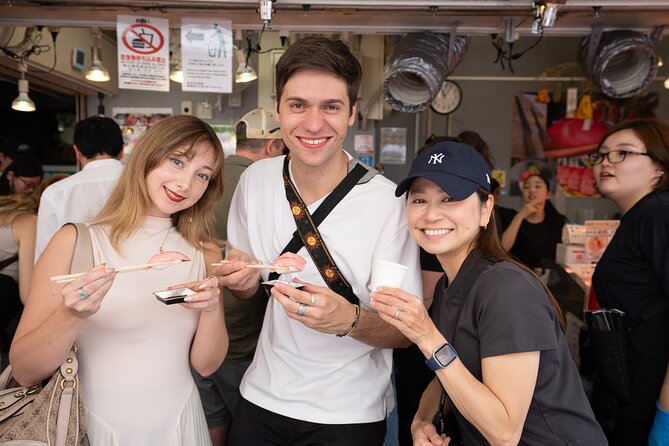
This is the stop where you can turn “I think I understand” into “I know what I like.” You’ll see lots of stall-style options—seafood snacks, prepared bites, and different ways vendors turn raw ingredients into something you can grab and eat quickly.
Why this part is great for first-time food shoppers
If you’re new to Japanese markets, Jogai is the more approachable section. It’s built for eating on the move. That means you can:
- try small items without committing to a full meal
- compare flavors as you walk (fatty tuna one minute, a crunchy snack the next)
- ask your guide what’s selling well right now
You’ll also get practical context from your guide while you browse. That’s valuable because “market food” can mean anything from simple grilled seafood to very specific cuts that taste noticeably different from one another.
How to avoid overspending
Because food isn’t included, it’s easy to go wild. Your guide can help you prioritize, but you still need a plan. I suggest setting an amount you’re comfortable spending for this stop, then sticking to it.
A smart pattern is:
- one featured seafood bite
- one snack you can share
- one drink if you need it to cool down and reset
If you find yourself ordering three “featured” items, you’ll blow past your budget before the hour ends.
English-Speaking Guide + Max 10 People = Real Help, Not Just Herding
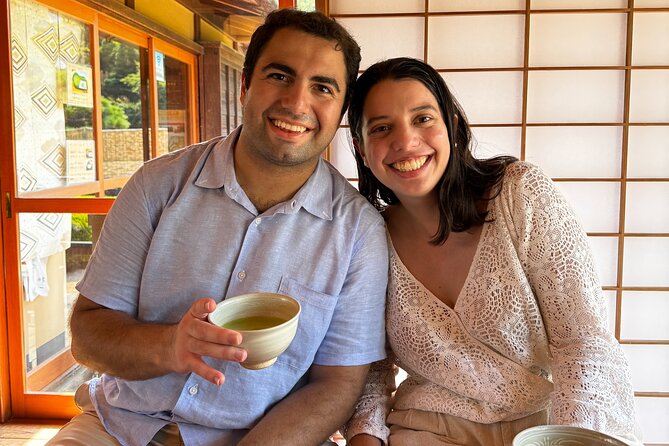
A lot of tours claim small groups. This one actually follows through in a meaningful way. With a maximum of 10, your guide can keep the pace moving while still stopping to answer questions. That matters in Tsukiji, where your biggest problem isn’t lack of food—it’s not knowing what you’re looking at.
You’ll also get a more human experience. People on this kind of tour often need flexibility: changing subway exits, navigating crowds, or keeping kids calm. The best guides adjust without making it a big deal. You’ll see that kind of “problem-solving at walking speed” style here, with guides like Haru, Toko, and Ryo referenced for being patient, friendly, and willing to handle queues and route hiccups.
If you’re traveling with mixed ages, this format tends to work better than strict, fast museum-style touring. You can keep moving while still getting what you came for: seafood.
Price and Value: What $42 Gets You (and What It Doesn’t)
At $42 per person, the value comes from what’s included: the guide, the time in the Tsukiji zones, and admission to Tsukiji Jogai Market and Tsukiji Hongwanji Temple. In other words, you’re not just paying for walking—you’re paying for organized access and interpretation.
The part to understand up front is simple: foods and drinks are not included. That doesn’t make the tour overpriced. It makes it honest. Tsukiji food pricing varies by place and by what you order, and the market is where the real range of experiences happens.
So how do you judge value? Think of it like this:
- If you would have paid for a guide anyway to navigate queues and menus, this price can feel reasonable.
- If you only want one small snack and you hate spontaneous spending, you might feel the extra food cost more.
If your goal is a guided seafood route with culturally grounded context, you’ll likely feel the money is well spent.
Logistics That Matter: Timing, Tickets, and Getting There
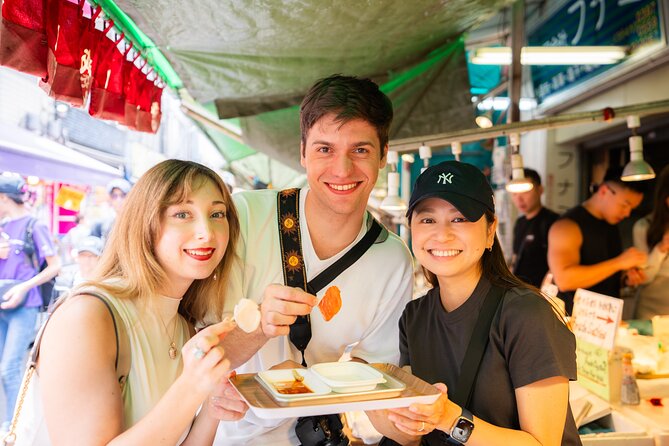
This is a morning tour designed to fit into a busy day. You’ll be on a tight schedule, so it helps to arrive early enough to settle in and check your meeting point.
You also get a mobile ticket, which is useful when you’re bouncing between crowded streets and don’t want paper documents floating around your bag.
The meeting point is:
3-chōme-9-10 Tsukiji, Chuo City, Tokyo 104-0045, Japan
And the tour ends back at the meeting point.
You’ll also be near public transportation, which is a big deal in Tokyo where subway exits can be the difference between smooth and chaotic.
Food Strategy: How to Eat Smart in a Seafood Market
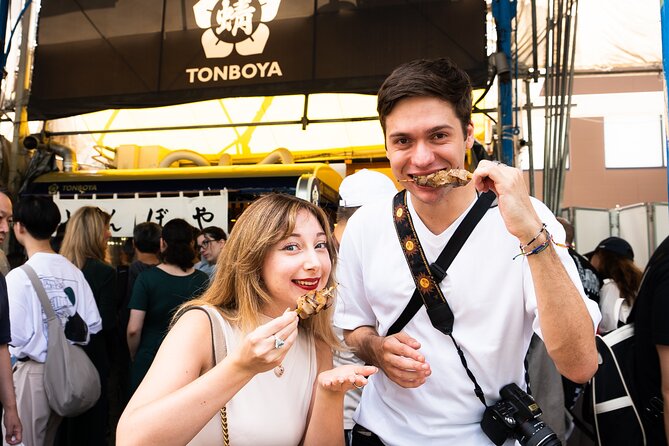
Tsukiji rewards people who make a few good choices and then let the market do the rest. Here’s how I’d approach it if you want a fun, not stressful, experience:
1) Pick one tuna moment
You’ll likely see options that separate cuts by fat level. If you’re trying tuna specifically, ask your guide what they recommend for the smoothest, richest bite versus the lighter one.
2) Balance raw and cooked
If you’re sensitive to very strong fish flavors, consider mixing one sashimi-style item with something grilled or prepared.
3) Add one snackable side
Seafood rice crackers are a classic example of something you can grab quickly and share. It gives variety without a huge time commitment.
4) Use the guide to avoid menu guessing
Even if you can read some words, market menus can be tricky. Your guide is there to connect you to the right counter and the right dish.
5) Don’t try to eat everything
You only have so much time. The market is huge, but your tour route is designed to bring you to useful places in the right order.
Weather and Flexibility: When Tsukiji Doesn’t Behave
This experience requires good weather. If conditions are poor, the tour may be offered on another date or you can receive a full refund. That’s important because a morning walking tour is hard to enjoy if visibility and comfort get knocked around.
Also note that there’s a minimum number of travelers required for the tour to operate. If it doesn’t meet that minimum, you’ll be offered a different date/experience or a full refund.
Should You Book This Tsukiji Seafood Walk?
Book it if:
- you want a short guided route through Tsukiji rather than wandering on your own
- you’d rather have an English-speaking guide steer you toward good bites
- you like the idea of a temple start followed by seafood street food
- you’re comfortable buying your own food at stalls
Skip it or think twice if:
- you want a fully included meal experience
- your budget is tight and you don’t want extra spending on top of the tour
- you prefer sitting-down restaurant touring over market walking
For most first-timers, this tour is a strong way to get grounded fast: culture up front, market context in the middle, and street-food tasting where you can adjust on the fly.
FAQ
FAQ
How long is the Tsukiji Fish Market seafood and street eats tour?
It runs about 2 hours 30 minutes.
What is the price per person?
The price is $42.00 per person.
Is food included in the tour price?
No. Foods and drinks are not included. You purchase what you want at your own expense.
Who guides the tour?
You’ll have a local Japanese English-speaking guide.
How big is the group?
The tour has a maximum of 10 travelers.
What stops are included in the itinerary?
You’ll visit Tsukiji Hongwanji Temple, the Tsukiji Fish Market area, and the Tsukiji Jogai Market.
Are admission tickets included?
Yes. Entry/admission is included for Tsukiji Jogai Market and Tsukiji Hongwanji Temple.
Where do I meet for the tour?
The meeting point is 3-chōme-9-10 Tsukiji, Chuo City, Tokyo 104-0045, Japan, and the tour ends back at the meeting point.
What if the weather is bad?
This experience requires good weather. If it’s canceled due to poor weather, you’ll be offered a different date or a full refund.
What is the cancellation policy?
You can cancel for free up to 24 hours in advance for a full refund. If you cancel less than 24 hours before the start time, the amount paid is not refunded.
More Shopping Tours in Tokyo
- Tokyo Tsukiji Fish Market Food and Culture Walking Tour
★ 5.0 · 3,184 reviews - Tokyo: Tsukiji Fish Market Food and Walking tour
★ 5.0 · 1,724 reviews - Tokyo: Tsukiji Fish Market Guided Walking Tour
★ 4.9 · 1,397 reviews - Tsukiji Fish Market Guided Tour and Sushi Making with Pro Chef
★ 5.0 · 775 reviews - Tokyo: Tsukiji Fish Market Food and Culture Walking Tour
★ 4.7 · 757 reviews
More Tour Reviews in Tokyo
- Mt Fuji and Hakone 1-Day Bus Tour Return by Bullet Train
★ 5.0 · 26,383 reviews - 1-Day Tokyo Bus Tour
★ 5.0 · 14,250 reviews - Tokyo: teamLab Planets TOKYO Digital Art Museum Entry Ticket
★ 4.6 · 9,779 reviews - Mt Fuji & Hakone Cruise, Drum Show Bullet Train 1 Day from Tokyo
★ 4.0 · 7,413 reviews - Tokyo: Shinjuku Food Tour (13 Dishes at 4 Local Eateries)
★ 5.0 · 6,603 reviews
More Tsukiji Market Breakfasts
- Tokyo Tsukiji Fish Market Food and Culture Walking Tour
★ 5.0 · 3,184 reviews - Tokyo: Tsukiji Fish Market Food and Walking tour
★ 5.0 · 1,724 reviews - Tokyo: Tsukiji Fish Market Guided Walking Tour
★ 4.9 · 1,397 reviews - Tokyo Sushi Making Class in Tsukiji with Professional Chef
★ 5.0 · 1,177 reviews - Tsukiji Fish Market Guided Tour and Sushi Making with Pro Chef
★ 5.0 · 775 reviews
Latest Tokyo reviews off our desk






Tsukiji Market Food Tours, compared.
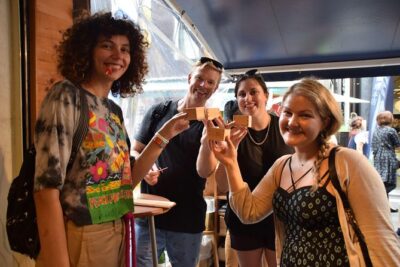 ★ 5.0Tokyo Tsukiji Fish Market Food and Culture Walking TourFrom $993,184 reviews
 ★ 5.0Tsukiji Fish Market Food and Walking tourFrom $301,724 reviews
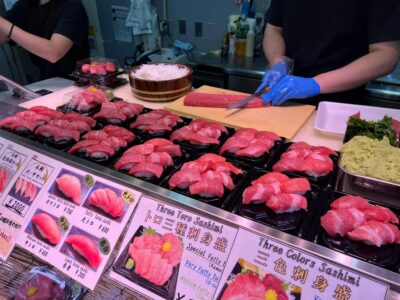 ★ 4.9Tsukiji Fish Market Guided Walking TourFrom $221,397 reviews
 ★ 5.0Tokyo Sushi Making Class in Tsukiji with Professional ChefFrom $491,177 reviews
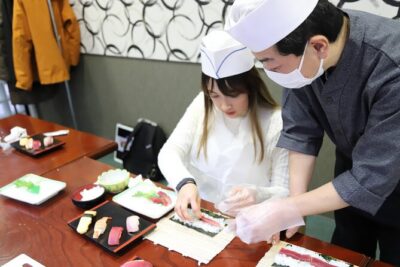 ★ 5.0Tsukiji Fish Market Guided Tour and Sushi Making with Pro ChefFrom $104775 reviews
★ 4.7Tsukiji Fish Market Food and Culture Walking TourFrom $96757 reviews
★ 5.0Tsukiji Fish Market Guided Tour and Sushi Making with Pro ChefFrom $104775 reviews
★ 4.7Tsukiji Fish Market Food and Culture Walking TourFrom $96757 reviews
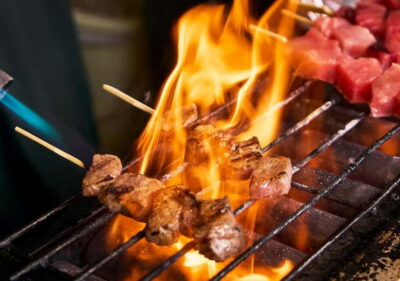 ★ 5.0Tsukiji Fish Market: Street Food & Culture Walking TourFrom $33669 reviews
 ★ 5.0Tsukiji Fish Market Small-Group Food Walking TourFrom $87621 reviews
Browse the lists this tour appears in