
Tsukiji is chaos in the best way. This Tsukiji Fish Market walking tour takes you through the Outer Market side of Tokyo’s seafood world, with an English guide pointing out what matters and why it’s famous. I like that the focus is practical—how vendors work, what to look for, and how Japanese seafood culture shows up in everyday food. You’ll also get insider vendor stories that make the stalls feel personal, not just touristy.
My two favorite parts: the small group (up to 10) means you can ask questions and actually hear the guide, and you taste things you probably wouldn’t pick on your own. Some guides (like Yayaoi, Nicholas, Doren, Yota, Shingo, Nao, and Ryo) also guide you toward spots that match your tastes and budget. One thing to plan for: you need cash for sampling at multiple stops, and the tour stays with the Outer Market rather than the inner auction area.
In This Review
- Key Things I’d Prioritize About This Tour
- Tsukiji Outer Market: what makes this walk worth your time
- Meeting at Starbucks near Tsukiji Station (easy to find, even under stress)
- Your 2 hours in Tsukiji: what the guide actually helps you do
- Tastings and shopping: expect real bites, not just sightseeing
- What you should bring: cash is not optional
- Why the guide matters: how Yayaoi, Nicholas, Doren, and others shape the day
- A possible bonus stop: Tsukiji Hongwanji Temple
- Price and value: is $17 for Tsukiji a fair deal?
- Who should book this Tsukiji Fish Market walking tour?
- What to do before you go (so you get more than photos)
- Should you book it?
- FAQ
- How long is the Tsukiji Fish Market walking tour?
- How much does the Tokyo Tsukiji Fish Market walking tour cost?
- Where do I meet the guide?
- Is the tour guide speaking English?
- How many people are in a small group?
- Is the tour wheelchair accessible?
- Should I bring cash?
- Can I reserve and pay later?
- What is the cancellation policy?
Key Things I’d Prioritize About This Tour
- Small group, up to 10 people: better questions, less waiting around.
- English live guide: explanations that turn stalls into a story you can use.
- Cash-first tastings: bring it so you don’t miss the fun.
- Tsukiji Outer Market focus: ideal if you want food culture and shopping, not the auction floor.
- Vendor and tradition stories: the point isn’t just seafood—it’s how Japan eats.
- 2 hours is the sweet spot: enough time to cover a lot without feeling rushed.
Tsukiji Outer Market: what makes this walk worth your time
Tsukiji’s reputation can make people expect a museum. This tour doesn’t treat it like one. You’re walking through real market lanes where seafood shows up in different forms—fresh items, prepared goods, and the tools people use to shop and cook. Even if you’re not hunting for souvenirs, you’ll start noticing details fast: how stalls are set up, what gets discussed, and what looks popular with locals.
I like that the tour’s goal isn’t just to point at fish. It’s about understanding Japan’s seafood culture and culinary traditions and how the market helped shape what people consider top-tier Japanese cuisine. That context makes everything more enjoyable when you stop to taste or browse specialty items.
A quick reality check: because this is centered on the Outer Market area, it’s best if you want the street-level food and shopping side. If you were hoping for the full inner-auction experience, this won’t be that.
More market breakfasts our reviewers scored
- Tokyo Tsukiji Fish Market Food and Culture Walking Tour
★ 5.0 · 3,184 reviews - Tokyo: Tsukiji Fish Market Food and Walking tour
★ 5.0 · 1,724 reviews - Tokyo: Tsukiji Fish Market Guided Walking Tour
★ 4.9 · 1,397 reviews - Tokyo Sushi Making Class in Tsukiji with Professional Chef
★ 5.0 · 1,177 reviews
Meeting at Starbucks near Tsukiji Station (easy to find, even under stress)
The meeting point is Starbucks Coffee by Tsukiji Station, about a 2-minute walk away. In practice, that’s great. You don’t need to decode a meeting plaza or wander around with your phone out in a crowded neighborhood.
If you like having a backup plan, use the provided coordinates (35.6679239, 139.7720981) to confirm you’re standing in the right spot before you join the group. Arriving a few minutes early also helps—Tsukiji can feel like it’s moving faster than you are.
Your 2 hours in Tsukiji: what the guide actually helps you do
This is a guided walking tour with the market as the main event, typically centered on the Tsukiji Outer Market. In two hours, you won’t cover everything. The value is that you’re not trying to guess which stalls are best. Your guide helps you read the market like a local: what to look for, what to try first, and how to decide when you’re standing in front of a wall of choices.
Here’s what that means on the ground:
- You’ll move through different stall types, from seafood and specialty foods to culinary tools people use at home or in restaurants.
- You’ll get “why this matters” explanations, not just names of items.
- You’ll get help translating market habits into simple decisions, like what makes a bite worth ordering.
This is also where the small group really matters. With up to 10 people, the guide can steer you without leaving the back row behind. You won’t feel like a number in a crowd.
Tastings and shopping: expect real bites, not just sightseeing
The tour experience is designed around sampling, and that’s where Tsukiji becomes fun instead of overwhelming. You’ll have chances to try foods that many people would never order on their own—exactly the kind of “oh, I wouldn’t have guessed that” moments you want from a guided food stop.
From the experiences people describe, common tasting highlights can include things like:
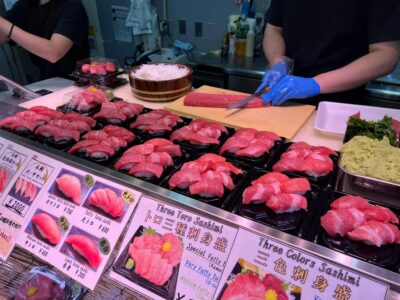
- tuna sushi and high-quality tuna cuts
- fatty tuna tastes
- wagyu skewers
- Kobe beef
- oysters with toro (seafood lovers pay attention here)
- desserts such as mochi
- unusual picks like wasabi beans
- items like eel and fresh fruit depending on the stops
A few people also mention getting to enjoy items while having a drink like Sapporo nearby, which turns the experience into a more social food walk.
What you should bring: cash is not optional
The clearest practical tip: bring cash. Some tasting stops and vendors may not take cards, so if you show up only with a card, you risk watching other people eat while you wait.
This doesn’t mean you can’t shop without cash. It means you should plan for sampling the full way the tour intends. If you want the value, arrive prepared.
Readers also shortlisted these Tokyo bookings:
- Tokyo Tsukiji Fish Market Food and Culture Walking Tour★ 5.0 · 3,184 reviews
- Tokyo: Imperial Palace and Shogun Historical Walking Tour★ 5.0 · 2,251 reviews
- Tokyo: Shinjuku Local Bar and Izakaya Guided Walking Tour★ 4.9 · 1,794 reviews
- Tokyo: Tsukiji Fish Market Food and Walking tour★ 5.0 · 1,724 reviews
- Tokyo: Asakusa Walking Tour with Sensoji Temple Visit★ 4.8 · 1,583 reviews
Why the guide matters: how Yayaoi, Nicholas, Doren, and others shape the day
In markets, the difference between a good day and a great one is usually one person: the guide who knows where to stand and what to ask for. That’s exactly what comes through here.
People mention guides who are fun, energetic, and extremely good at turning market confusion into clear choices. Names that come up include Yayaoi, Nicholas, Doren, Yota, Shingo, Nao, and Ryo. Different guides bring different personalities, but the shared theme is consistent: they explain not only what you’re tasting, but how Japanese food culture works.
You’ll feel this most at the moment of decision. When you’re staring at unfamiliar seafood products, a guide can steer you toward something that matches your comfort level—without making you guess. That’s also how people end up trying “unique things” like wasabi beans or ordering a dish they’d never have picked from a description alone.
A possible bonus stop: Tsukiji Hongwanji Temple
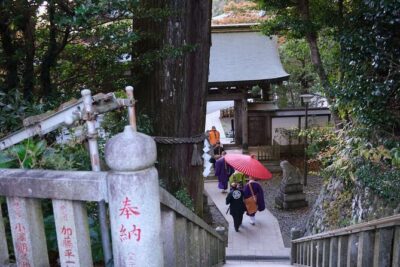
Some groups include a short stop at Tsukiji Hongwanji Temple during the walk. I’d treat it as a nice-to-have rather than a guarantee, but if it happens on your departure, it adds a calmer beat between food intensity and helps you understand the area’s longer cultural backdrop.
Price and value: is $17 for Tsukiji a fair deal?
At $17 per person for a 2-hour guided walking tour, you’re paying for two things: time and guidance. Two hours isn’t long, so the tour has to do real work to earn its keep. In this case, the guide’s job is to save you from spending that time aimlessly circling.
Here’s why the value can feel strong:
- Small group size (up to 10) lowers the “nobody hears the guide” problem.
- The guide helps you find good spots and understand what you’re looking at.
- Sampling opportunities can add up quickly once you start trying multiple bites.
One caution: the tour cost is low compared to many food tours, but the full experience still depends on what you choose to sample and what you pay for food. Because cash is needed, I’d also budget a little extra for tastings and snacks, depending on how adventurous you feel.
If you’re the kind of person who enjoys wandering markets alone, you can do Tsukiji without a guide. But if you want to eat like you actually know what you’re doing, $17 feels like a reasonable trade for not guessing.
Who should book this Tsukiji Fish Market walking tour?
This is a great fit if:
- it’s your first time in Tsukiji and you want the market explained in plain language
- you want to try seafood and Japanese food culture through small tastings
- you prefer English guidance instead of decoding everything by yourself
- you like meeting a few people in a small group setting
It’s also a good match if you’re shopping for items connected to cooking, because the stalls aren’t only about eating—they include specialty goods and tools.
A few “maybe not” situations:
- If you only care about the inner auction floor, this Outer Market-focused walk won’t match that goal.
- If you hate crowds and the fast pace of markets, you might find Tsukiji intense even with a guide.
- If you forget cash, you’ll feel the squeeze quickly.
What to do before you go (so you get more than photos)
You’ll get more out of the tour if you come ready to move and ready to choose. Here’s what helps most:
- Bring cash so you can sample without friction.
- Wear shoes that handle uneven, crowded walkways.
- Come with a light hunger. Even with multiple stops, you’ll enjoy it more if you can taste freely.
- If you’re picky, tell the guide early. The tour works best when the guide can steer you to bites that make sense for you.
And if you’re curious about how Japanese culinary traditions connect to seafood, this is the kind of place where you’ll start seeing patterns fast—what’s valued, how it’s presented, and how people turn raw ingredients into everyday meals.
Should you book it?
Yes, if your goal is a guided Tsukiji Outer Market food walk with real explanations and tasting opportunities. The combination of English guidance, small group size, and the ability to try foods you might skip on your own makes this a smart, good-value way to experience Tsukiji beyond just taking photos.
I’d especially book it if you’re visiting Japan for the first time and want your market experience to be understandable and useful—so you can carry what you learn into the rest of your trip.
If you hate cash-based surprises or you only want the auction floor, pick your expectations carefully. For most food-minded visitors, though, this $17 add-on can become one of the most memorable food experiences in Tokyo.
FAQ
How long is the Tsukiji Fish Market walking tour?
The tour lasts about 2 hours.
How much does the Tokyo Tsukiji Fish Market walking tour cost?
It costs $17 per person.
Where do I meet the guide?
Meet at the Starbucks Coffee near Tsukiji Station. It is about a 2-minute walk from Tsukiji Station.
Is the tour guide speaking English?
Yes, the live tour guide provides the tour in English.
How many people are in a small group?
The group is limited to 10 participants.
Is the tour wheelchair accessible?
Yes, it is listed as wheelchair accessible.
Should I bring cash?
Yes. Cash is required for sampling.
Can I reserve and pay later?
Yes. You can reserve now and pay later.
What is the cancellation policy?
You can cancel up to 24 hours in advance for a full refund.
More Tours in Tokyo
- Mt Fuji and Hakone 1-Day Bus Tour Return by Bullet Train
★ 5.0 · 26,383 reviews - 1-Day Tokyo Bus Tour
★ 5.0 · 14,250 reviews - Tokyo: Shinjuku Food Tour (13 Dishes at 4 Local Eateries)
★ 5.0 · 6,603 reviews - Tokyo Mt Fuji 5th St & Hakone Cruise Bus Tour w/Bullet Train
★ 4.4 · 5,024 reviews - Flagship 2-Hours Official Street Go-Kart Tour – Tokyo Bay Shop
★ 5.0 · 4,974 reviews
More Tour Reviews in Tokyo
- Mt Fuji and Hakone 1-Day Bus Tour Return by Bullet Train
★ 5.0 · 26,383 reviews - 1-Day Tokyo Bus Tour
★ 5.0 · 14,250 reviews - Tokyo: teamLab Planets TOKYO Digital Art Museum Entry Ticket
★ 4.6 · 9,779 reviews - Mt Fuji & Hakone Cruise, Drum Show Bullet Train 1 Day from Tokyo
★ 4.0 · 7,413 reviews - Tokyo: Shinjuku Food Tour (13 Dishes at 4 Local Eateries)
★ 5.0 · 6,603 reviews
More Tsukiji Market Breakfasts
- Tokyo Tsukiji Fish Market Food and Culture Walking Tour
★ 5.0 · 3,184 reviews - Tokyo: Tsukiji Fish Market Food and Walking tour
★ 5.0 · 1,724 reviews - Tokyo: Tsukiji Fish Market Guided Walking Tour
★ 4.9 · 1,397 reviews - Tokyo Sushi Making Class in Tsukiji with Professional Chef
★ 5.0 · 1,177 reviews - Tsukiji Fish Market Guided Tour and Sushi Making with Pro Chef
★ 5.0 · 775 reviews
Latest Tokyo reviews off our desk




Tsukiji Market Food Tours, compared.
 ★ 5.0Tokyo Tsukiji Fish Market Food and Culture Walking TourFrom $993,184 reviews
 ★ 5.0Tsukiji Fish Market Food and Walking tourFrom $301,724 reviews
 ★ 4.9Tsukiji Fish Market Guided Walking TourFrom $221,397 reviews
 ★ 5.0Tokyo Sushi Making Class in Tsukiji with Professional ChefFrom $491,177 reviews
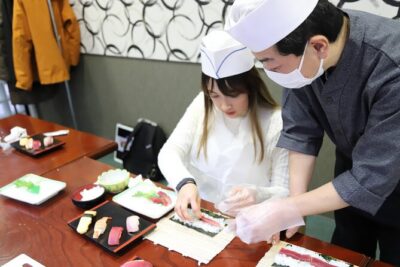 ★ 5.0Tsukiji Fish Market Guided Tour and Sushi Making with Pro ChefFrom $104775 reviews
★ 4.7Tsukiji Fish Market Food and Culture Walking TourFrom $96757 reviews
★ 5.0Tsukiji Fish Market Guided Tour and Sushi Making with Pro ChefFrom $104775 reviews
★ 4.7Tsukiji Fish Market Food and Culture Walking TourFrom $96757 reviews
 ★ 5.0Tsukiji Fish Market: Street Food & Culture Walking TourFrom $33669 reviews
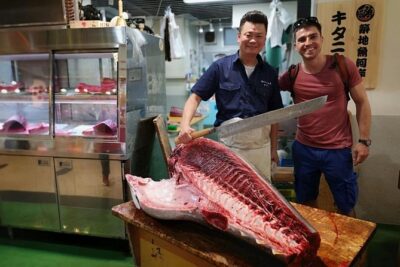 ★ 5.0Tsukiji Fish Market Small-Group Food Walking TourFrom $87621 reviews
Browse the lists this tour appears in