

Reviewed · TSUKIJI MARKET FOOD TOURS
Tokyo: Tsukiji Market and Hama-rikyu Gardens Guided Tour
Two hours of Tokyo contrasts. Start with the calm of Tsukiji Hongwanji Temple, then move into Tsukiji’s food chaos with 480 seafood and 270 produce choices, and end at the peaceful Edo-era gardens with skyline views. I love how the day mixes spiritual quiet with serious snack energy, and I also like that you get a guided walk instead of just wandering with no plan. The main catch: it’s a walking tour, and the info says it’s not suitable for people who struggle with mobility.
You’ll follow a simple flow: temple first, then the Tsukiji Outer Market for guided time plus free time to shop and eat, and finally Hama-rikyu Gardens with guided sights and time to linger. I like that the garden stop is built around contrast—flowers and pond-garden calm against Tokyo’s tall buildings. If you’re curious about Japanese etiquette, there’s an optional matcha and wagashi tasting in the gardens (about 1,000 yen).
For the price—$31 per person—you’re really paying for a local guide and the included Hama-rikyu Gardens admission, not for meals or a full food buffet. You’ll likely spend extra if you snack at market stalls, and that cost can add up fast if you go full sampler mode. Still, for 150 minutes to 3 hours, it’s a solid way to hit three major stops without wasting half your day figuring out routes.
In This Review
- Key highlights worth planning for
- Starting at Tsukiji Station Starbucks: a tour you can actually follow
- Tsukiji Hongwanji Temple: a calm reset with real architecture
- Tsukiji Outer Market: what to look for and how to snack smart
- The 15-minute walk: using your time well before the garden
- Hama-rikyū Gardens: Edo-era calm with skyline contrast
- Price and value: what $31 buys you (and what costs extra)
- How to make this work in real life (wear, pace, and expectations)
- Who should book this Tsukiji + Hama-rikyū combo
- Should you book it?
- FAQ
- How long is the Tsukiji Market and Hama-rikyu Gardens guided tour?
- Where do we meet the guide?
- What’s included in the price?
- Are meals included?
- Is the matcha and wagashi tasting included?
- What should I bring?
- What languages are available for the live guide?
Key highlights worth planning for
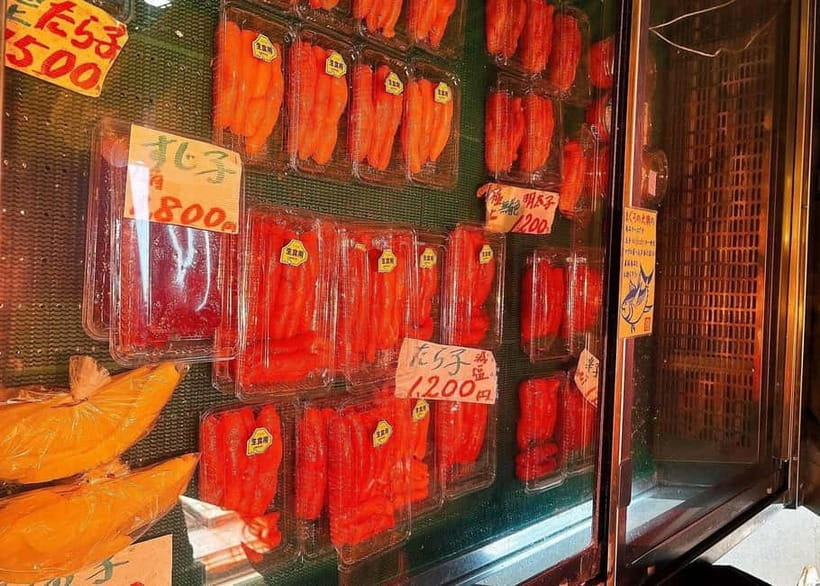
- Tsukiji’s scale (480 seafood, 270 produce) gives you instant context for why this area matters.
- Tsukiji Hongwanji Temple adds a serene, architectural pause before the market noise.
- A guided Outer Market walk plus free time helps you taste and shop without getting lost.
- Hama-rikyū Gardens is Edo-era and 370+ years old, with flowers that depend on season.
- Optional matcha and wagashi tasting (about 1,000 yen) adds culture without locking you in.
Starting at Tsukiji Station Starbucks: a tour you can actually follow
This walk begins at Starbucks by Tsukiji Station—easy to find, and it works well if you’re already navigating Tokyo on foot. You’ll meet your guide there, then head to your first stop without scrambling for directions.
That meeting setup matters because Tsukiji can feel like a maze once you’re inside. Having a guide for the transitions—temple to market to gardens—keeps the day smooth and keeps you from wasting your energy on wrong turns.
More market breakfasts our reviewers scored
- Tokyo Tsukiji Fish Market Food and Culture Walking Tour
★ 5.0 · 3,184 reviews - Tokyo: Tsukiji Fish Market Food and Walking tour
★ 5.0 · 1,724 reviews - Tokyo: Tsukiji Fish Market Guided Walking Tour
★ 4.9 · 1,397 reviews - Tokyo Sushi Making Class in Tsukiji with Professional Chef
★ 5.0 · 1,177 reviews
Tsukiji Hongwanji Temple: a calm reset with real architecture
Your first guided stop is Tsukiji Hongwanji Temple, known for its unique architecture and a serene atmosphere. Even if you’re not a big temple person, this start is a smart trick: it quiets your senses before the market hits you with sights, smells, and snack temptations.
The guided time is short (about 15 minutes), so you won’t feel like you’re stuck in a long lesson. Instead, you get enough context to notice details and to treat the space with the right mindset—slow down, look around, and take a respectful pause.
Tsukiji Outer Market: what to look for and how to snack smart
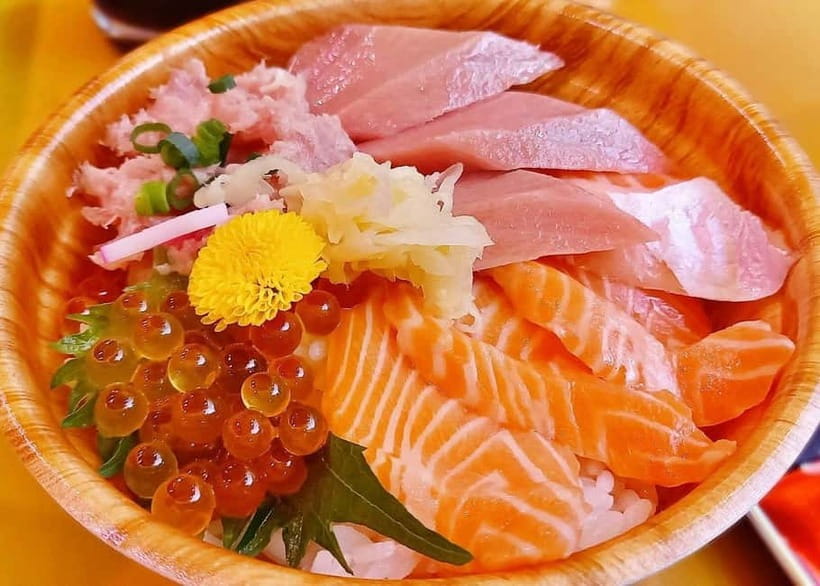
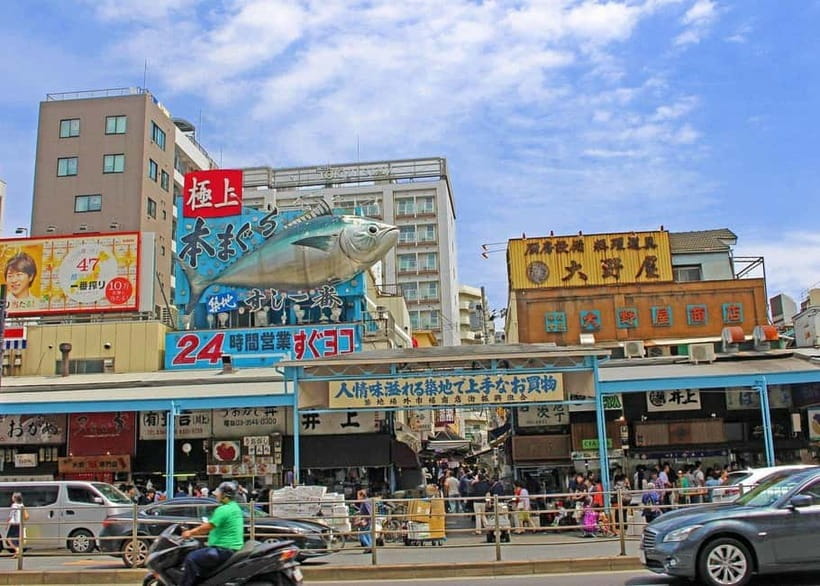
Next comes Tsukiji Outer Market, where your guide leads you through a mix of stalls and narrow alleys. This is the heart of the food-energy side of Tsukiji. You’ll get guided time (about 45 minutes), plus free time to browse and shop at your own speed.
Here’s what stands out: Tsukiji handles around 480 types of seafood and about 270 types of produce. That’s not trivia for trivia’s sake. It helps you understand why so many stalls focus on things that feel very specific—certain cuts, certain seasonal items, and lots of ingredients you might never see in your home market.
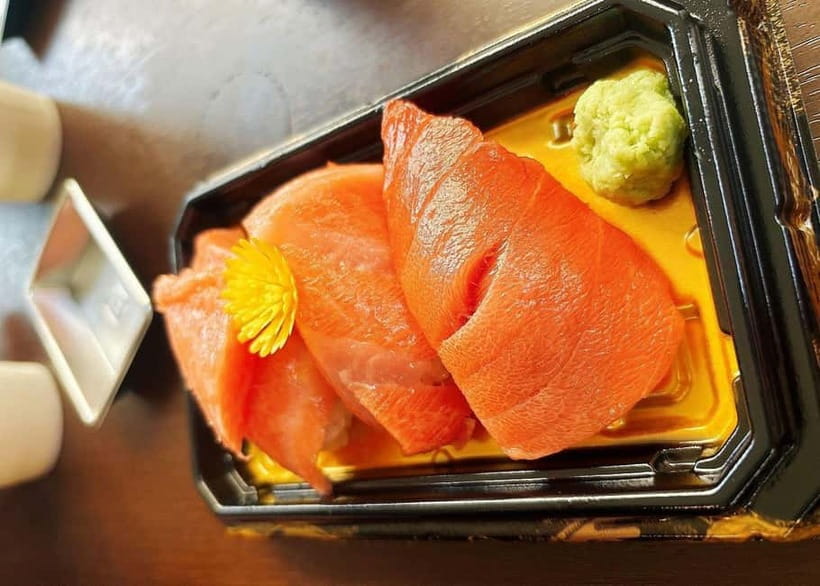
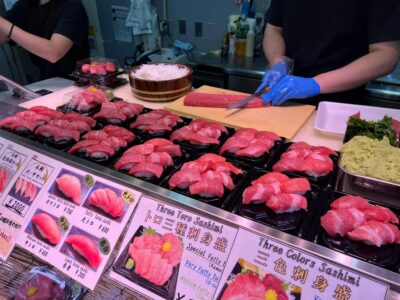
Food sampling is part of the fun. You might spot grilled scallops, tamagoyaki (Japanese omelette), sushi, wagyu skewers, and matcha sweets. If you want a practical approach, choose one savory bite and one sweet bite, then stop. Tsukiji food moves fast and it’s easy to overspend if you keep ordering “just one more.”
One more thing: your guide experience matters here because Outer Market can tempt you into random buying. With guidance, you’re more likely to taste a mix of what this place is known for, without falling into the most expensive trap or the most touristy line every time. Also, foods from stall holders are not included, so think of this as time to snack and shop with an open budget.
The 15-minute walk: using your time well before the garden
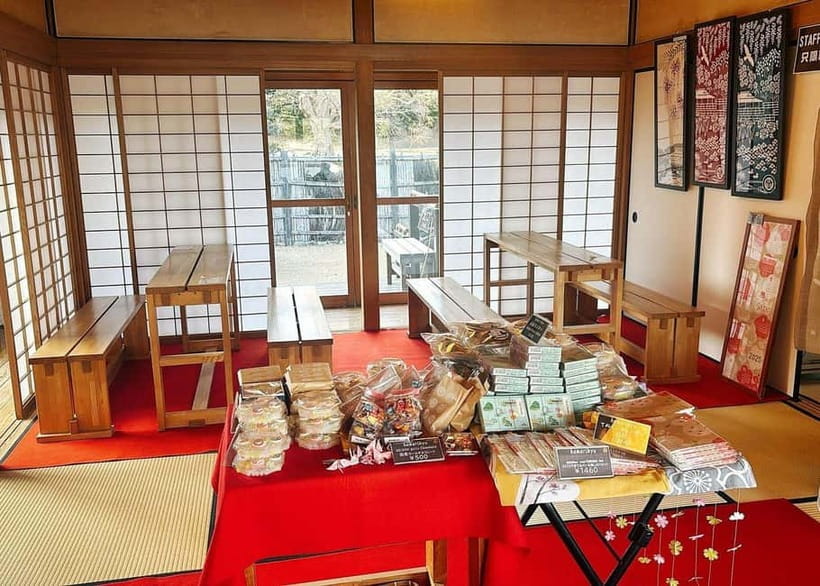
After the market, there’s a short on-foot transfer (about 15 minutes) to Hama-rikyū Gardens. This matters more than it sounds. It gives you a breather after the crowd and resets your pace so the garden feels like a real payoff instead of another rushed stop.
Use this walk to do two things: drink water if you need it, and switch from snack-mode to sightseeing-mode. If you’re carrying shopping bags, this is also when you’ll want to tighten your grip and keep things secure.
Hama-rikyū Gardens: Edo-era calm with skyline contrast
Hama-rikyu Gardens is where the day changes tone. The gardens were created during the Edo period over 370 years ago, and your guided portion lasts about an hour, followed by time to linger.
One of the most memorable parts is the seasonal flower experience. Depending on the time of year, you can see colorful flowers in full bloom. Even if you’ve seen Japanese gardens before, this one has a built-in drama: calm garden scenes right beside Tokyo’s skyline. The contrast is the point, and it’s what makes the garden feel like more than a pretty walk.
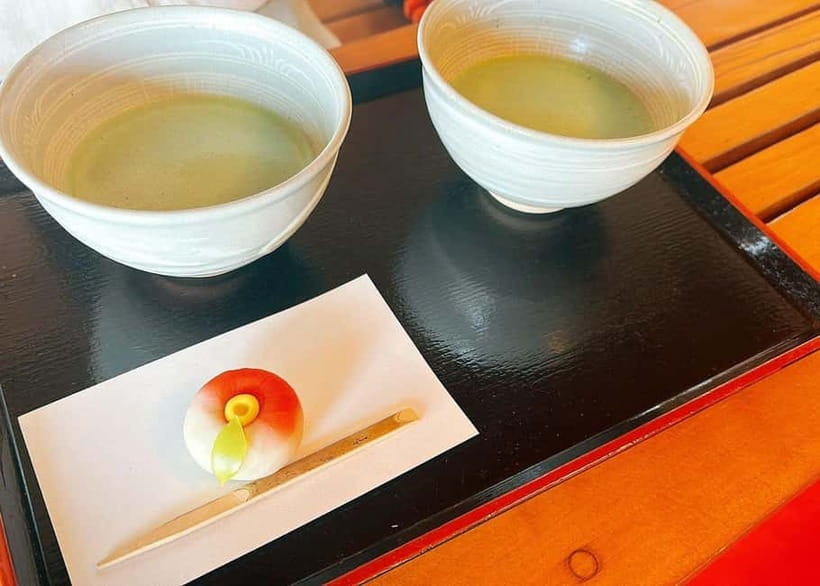
Your guide may also cover Japanese etiquette if you choose to add the optional matcha and wagashi tasting in the gardens. That tasting is extra (about 1,000 yen, payable on-site), and it’s a nice way to slow down. Matcha and wagashi can turn a sightseeing stop into a more mindful pause—especially after the market’s constant motion.
Photography works here. Bring your camera, and don’t just aim for the flowers. Try framing shots that show the garden features against the city buildings in the background. That’s where the “Tokyo + tradition” feeling really lands.
Readers also shortlisted these Tokyo bookings:
- Tokyo 6hr Private Tour with Government-Licensed Guide★ 5.0 · 3,902 reviews
- Tokyo: Shinjuku Local Bar and Izakaya Guided Walking Tour★ 4.9 · 1,794 reviews
- Tokyo: Private City Highlights Tour with Local Guide★ 4.8 · 1,433 reviews
- Tokyo: Tsukiji Fish Market Guided Walking Tour★ 4.9 · 1,397 reviews
- Tokyo 4hr Private Tour with Government-Licensed Guide★ 5.0 · 1,394 reviews
Price and value: what $31 buys you (and what costs extra)
Let’s talk value in plain terms. The tour costs $31 per person, and what’s included is important: Hama-rikyu Gardens admission plus a local guide. Transportation between stops is basically your own feet (it’s a walking tour), and meals are not included.
So where does the money go? Mostly into guided time where it counts:
- Context at Tsukiji Hongwanji Temple
- Direction and food-scene navigation at Tsukiji Outer Market
- Interpretation and pacing at Hama-rikyu Gardens
Then there are the add-ons. Food from market stalls is optional and paid on-site. The optional matcha and wagashi tasting in the gardens is about 1,000 yen on-site.
If you like structured experiences but you also like eating on your own terms, this price hits the sweet spot. If you want every bite included, you’ll probably feel nicked by extra stall costs. But for most first-timers, the included guide + garden entry is a smart bundle.
How to make this work in real life (wear, pace, and expectations)
This tour runs about 150 minutes to 3 hours, and it’s built around three stops connected by walking. The biggest “logistics reality” is that you should treat it as a walking plan, not a sit-and-watch experience.
Come prepared:
- Wear comfortable shoes (you’ll be on your feet for stretches)
- Bring water
- Bring a camera
- Avoid smoking (it’s not allowed)
Also, the info says matcha and wagashi tasting is optional and costs about 1,000 yen. You can skip it and still get a full garden experience, so don’t feel pressured if you’d rather spend time just looking around.
Timing can also shape your experience. In markets, energy changes fast depending on the day and season. If the lines for particular snacks are long, you’ll need to be flexible. That’s where having free time helps—you can shift to something nearby without breaking the flow.
Who should book this Tsukiji + Hama-rikyū combo
This is a great fit if you:
- Want a food-focused Tokyo experience that doesn’t require planning five different map pins
- Like combining food with culture (temple + market + historic gardens)
- Prefer walking tours where you’re actively seeing the sights
It may be a tougher fit if you:
- Have mobility limits or need to minimize walking
- Are pregnant (the info lists it as not suitable for pregnant women)
- Use a wheelchair (the info includes a wheelchair-friendly label, but it also explicitly says it’s not suitable for wheelchair users)
That contradiction is worth respecting. Because the tour is described as a walking experience, I’d treat it as a “check carefully first” situation if mobility is a concern. Ask the operator what sidewalks, pacing, and any steps look like for your route.
Should you book it?
Book this tour if you want an efficient way to experience Tsukiji’s food world and then switch gears to a quiet Edo-era garden with skyline views. The included garden admission and guided explanation make it feel more purposeful than a DIY route, especially for first-time visitors who don’t know where to start.
Skip it if you’re looking for a meal-included food tour or if walking is likely to be uncomfortable. The market snacks are optional and paid separately, and the pace expects you to move.
If you like flexible plans, this activity also offers free cancellation up to 24 hours in advance and reserve-now options. For me, that’s a sign the operator knows you might adjust your day once you see how fast Tokyo travel can add up.
FAQ
How long is the Tsukiji Market and Hama-rikyu Gardens guided tour?
It lasts about 150 minutes to 3 hours, depending on the starting time and how the schedule flows.
Where do we meet the guide?
Meet the guide in front of Starbucks at Tsukiji Station, the Starbucks located at the Tsukiji Station area.
What’s included in the price?
The admission fee for Hama-rikyu Gardens is included, along with a local guide.
Are meals included?
No. Meals are not included, and food from market stalls is optional and paid on-site.
Is the matcha and wagashi tasting included?
It’s optional. If you choose it, it costs about 1,000 yen and is payable on-site.
What should I bring?
Bring comfortable shoes, a camera, and water.
What languages are available for the live guide?
The live guide is offered in Chinese, English, French, Korean, and Spanish.
More Tours in Tokyo
- Mt Fuji and Hakone 1-Day Bus Tour Return by Bullet Train
★ 5.0 · 26,383 reviews - 1-Day Tokyo Bus Tour
★ 5.0 · 14,250 reviews - Tokyo: Shinjuku Food Tour (13 Dishes at 4 Local Eateries)
★ 5.0 · 6,603 reviews - Tokyo Mt Fuji 5th St & Hakone Cruise Bus Tour w/Bullet Train
★ 4.4 · 5,024 reviews - Flagship 2-Hours Official Street Go-Kart Tour – Tokyo Bay Shop
★ 5.0 · 4,974 reviews
More Tour Reviews in Tokyo
- Mt Fuji and Hakone 1-Day Bus Tour Return by Bullet Train
★ 5.0 · 26,383 reviews - 1-Day Tokyo Bus Tour
★ 5.0 · 14,250 reviews - Tokyo: teamLab Planets TOKYO Digital Art Museum Entry Ticket
★ 4.6 · 9,779 reviews - Mt Fuji & Hakone Cruise, Drum Show Bullet Train 1 Day from Tokyo
★ 4.0 · 7,413 reviews - Tokyo: Shinjuku Food Tour (13 Dishes at 4 Local Eateries)
★ 5.0 · 6,603 reviews
More Tsukiji Market Breakfasts
- Tokyo Tsukiji Fish Market Food and Culture Walking Tour
★ 5.0 · 3,184 reviews - Tokyo: Tsukiji Fish Market Food and Walking tour
★ 5.0 · 1,724 reviews - Tokyo: Tsukiji Fish Market Guided Walking Tour
★ 4.9 · 1,397 reviews - Tokyo Sushi Making Class in Tsukiji with Professional Chef
★ 5.0 · 1,177 reviews - Tsukiji Fish Market Guided Tour and Sushi Making with Pro Chef
★ 5.0 · 775 reviews
Latest Tokyo reviews off our desk






Tsukiji Market Food Tours, compared.
 ★ 5.0Tokyo Tsukiji Fish Market Food and Culture Walking TourFrom $993,184 reviews
 ★ 5.0Tsukiji Fish Market Food and Walking tourFrom $301,724 reviews
 ★ 4.9Tsukiji Fish Market Guided Walking TourFrom $221,397 reviews
 ★ 5.0Tokyo Sushi Making Class in Tsukiji with Professional ChefFrom $491,177 reviews
 ★ 5.0Tsukiji Fish Market Guided Tour and Sushi Making with Pro ChefFrom $104775 reviews
★ 4.7Tsukiji Fish Market Food and Culture Walking TourFrom $96757 reviews
★ 5.0Tsukiji Fish Market Guided Tour and Sushi Making with Pro ChefFrom $104775 reviews
★ 4.7Tsukiji Fish Market Food and Culture Walking TourFrom $96757 reviews
 ★ 5.0Tsukiji Fish Market: Street Food & Culture Walking TourFrom $33669 reviews
 ★ 5.0Tsukiji Fish Market Small-Group Food Walking TourFrom $87621 reviews
Browse the lists this tour appears in