
Reviewed · HISTORICAL TOURS
Tokyo War History Tour: Yasukuni Shrine & War Museum
Tokyo war history can hit fast. This private tour pairs Yasukuni Shrine with the Yushukan War Museum so you see how Japan remembers modern conflicts in two very different ways. I especially like the structured commentary from a licensed English-speaking guide (often with great extra details, like how rules such as walking on the left connect to old habits). You’ll also get a museum visit that doesn’t just throw facts at you—it gives context and pushes you to think about how wartime stories get presented. One possible drawback: this topic is sensitive, and the Yushukan Museum has a distinct narrative you may want to approach with an open, critical mind.
You’ll walk moderate distances, follow basic shrine etiquette, and still cover a lot of ground in about 2.5 to 3.5 hours. It’s a private group, so you can ask questions and set the pace—useful when the conversations get serious and nuanced.
In This Review
- Key highlights you’ll care about
- Entering Tokyo’s most debated war-memory sites
- Yasukuni Shrine: starting at the torii and learning the etiquette
- What to watch for at the shrine
- The Yushukan War Museum: history with a built-in argument
- Museum details that make the visit stick
- Photography and how to plan
- Optional Chidorigafuchi National Cemetery: comparing religious vs state memorials
- Why this contrast helps you
- Price and why $87 can be worth it
- Timing, walking, and what to bring (so you stay comfortable)
- Who this tour fits best
- The guide matters more than you think
- Should you book Tokyo War History: Yasukuni Shrine & Yushukan Museum?
- FAQ
- FAQ
- How long is the Tokyo War History Tour?
- Is this tour private?
- What stops are included?
- Is Yushukan War Museum admission included?
- Do I need to speak Japanese?
- What should I bring?
- Are photos allowed?
- Is transportation included in the price?
Key highlights you’ll care about
- Two memorial styles in one loop: religious enshrinement at Yasukuni, then a museum narrative about the wars, and (optionally) a secular state cemetery at Chidorigafuchi.
- A guide who ties history to everyday Japan: I like when the tour explains small cultural rules, like left-side walking and escalator standing, as habits that existed long before cars.
- Better-than-sightseeing structure: you get time at the shrine grounds plus guided time inside the museum.
- Balanced framing for a hard subject: the tour aims to provide context without trying to sell a single political takeaway.
- Time-efficient and private: you get focused attention without the scramble of a big group.
Entering Tokyo’s most debated war-memory sites
If you want Tokyo history that goes beyond temples and food stalls, this tour targets one of the city’s most important and most debated places. Yasukuni Shrine and the Yushukan War Museum sit in the same cultural neighborhood of memory, but they work in totally different modes: one is built around enshrined war dead, and the other organizes the story of Japan’s wars through curated exhibitions.
That contrast is exactly why this experience works. You don’t just learn what happened. You learn how societies choose what to remember, what language to use, and which emotions get built into the official landscape of commemoration.
The tour is also private, so the guide can adjust explanations to your questions. If you’re coming with curiosity about international relations, modern Japanese identity, or how war narratives influence today’s politics, you’ll get more out of it than you would in a quick self-guided visit.
Readers also shortlisted these Tokyo bookings:
- Tokyo: Imperial Palace and Shogun Historical Walking Tour
★ 5.0 · 2,251 reviews - Tokyo: Imperial Palace Japanese History Walking Tour
★ 4.9 · 987 reviews - Yanaka Walking Tour: Historic and Traditional District of Tokyo
★ 5.0 · 530 reviews - Tokyo: Shinjuku Historical Walking Tour & Secret Backstreets
★ 5.0 · 530 reviews
Yasukuni Shrine: starting at the torii and learning the etiquette
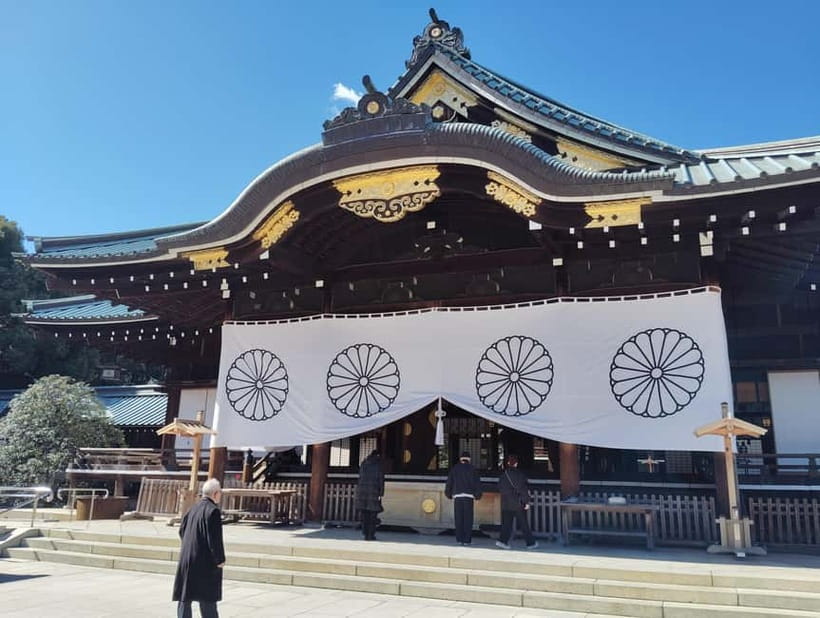
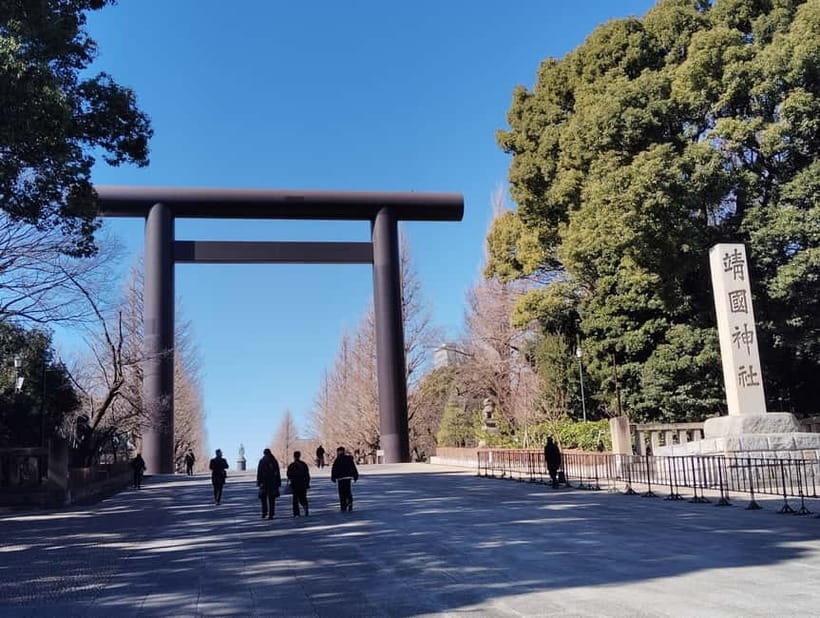
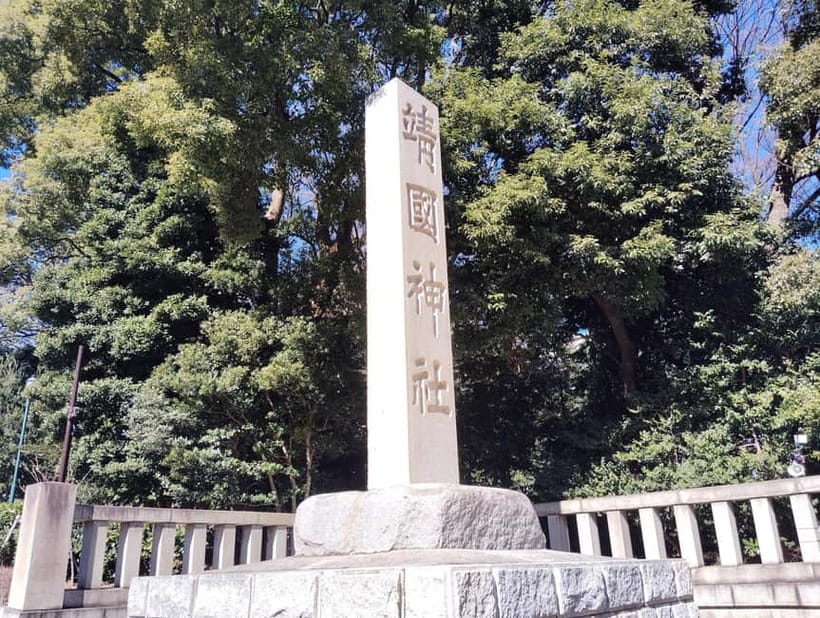
The experience starts at the first torii gate at Yasukuni Shrine (the meeting point is the First Torii Gate area). From there, you’ll walk through the grounds with your licensed English-speaking guide, using the tour time to understand what this place is and why it causes such strong reactions.
Here’s what I like about beginning at the gate: it sets the tone. You’re not just wandering among buildings. You’re entering a space built for mourning and ritual—then you hear how that ritual is tied to Japan’s modern nation-building.
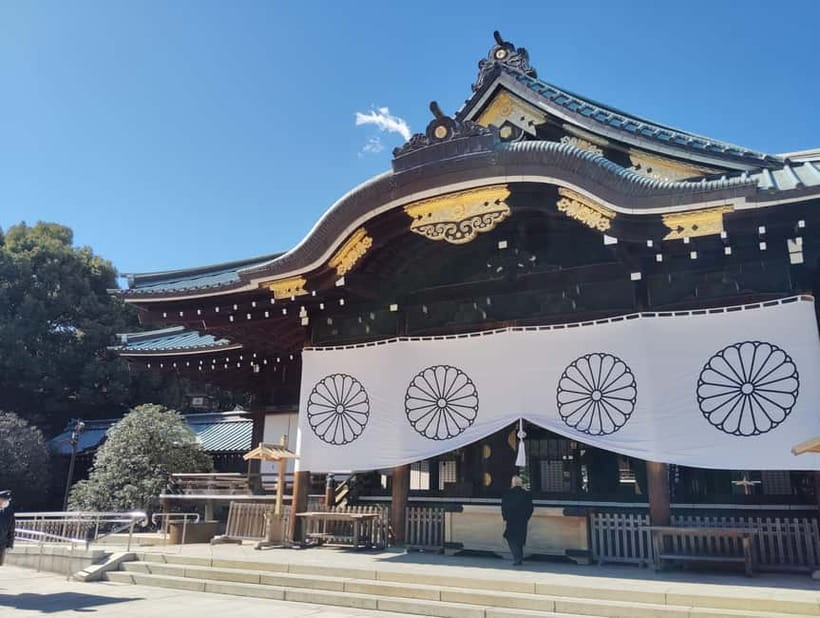
You should expect a guided walk of about 40 minutes. During that time, you’ll be guided through basic shrine etiquette. Even if you’ve visited other shrines in Japan, Yasukuni can feel different because of what is enshrined here. Yasukuni was founded in 1869 to commemorate those who died in conflicts starting from the Meiji Restoration and continuing through the Asia-Pacific War.
A key point your guide should clarify is that Yasukuni is unusual even within Shinto traditions. Instead of a traditional deity, it enshrines the spirits of war dead. That makes it a hybrid site in practice: religious forms, state-level commemoration, and personal family mourning all overlap.
What to watch for at the shrine
This is one of those places where facts and feelings travel together. Your guide can help you keep your footing by placing the shrine’s role in modern history—Japan’s shift from feudal structures to a modern nation-state, and how imperial ideology, modernization, and even samurai ethics were part of the story that led toward militarization.
If you’re sensitive to political controversy, keep one expectation in mind: the tour is designed to help you understand complexities, not to hand you a simple slogan. You’ll likely leave with more questions, but better questions.
The Yushukan War Museum: history with a built-in argument
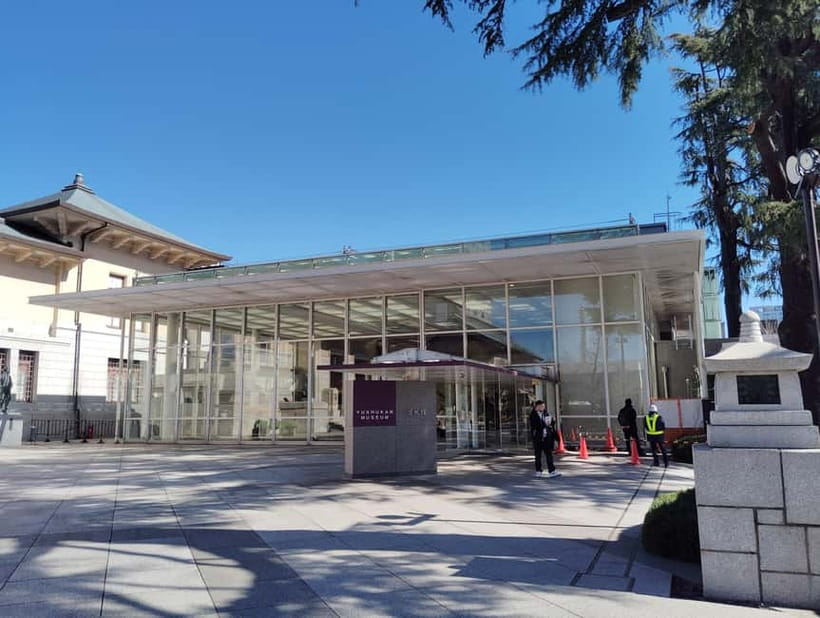
After the shrine visit, you’ll head to the Yushukan War Museum for a guided visit of about 110 minutes. This is the part of the tour that turns your attention from ritual and memory into exhibitions and interpretation.
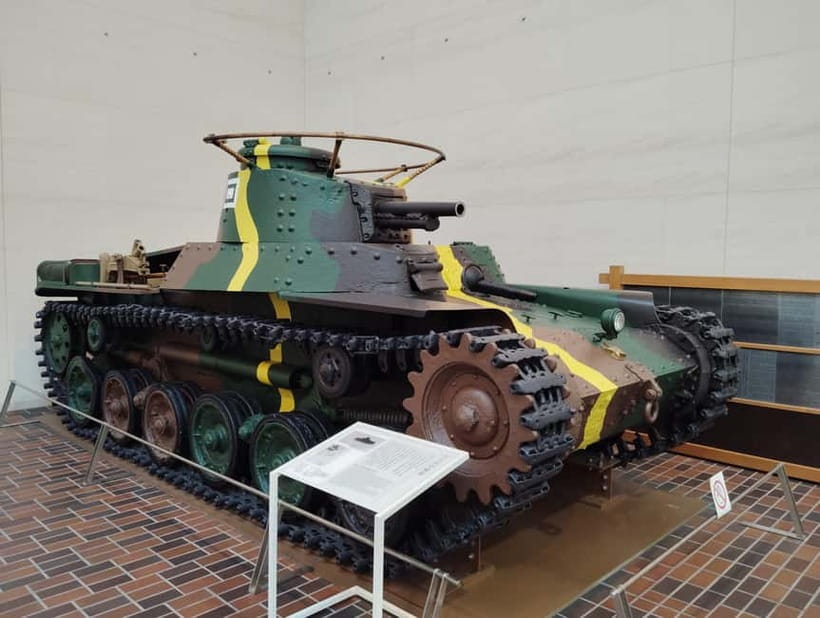
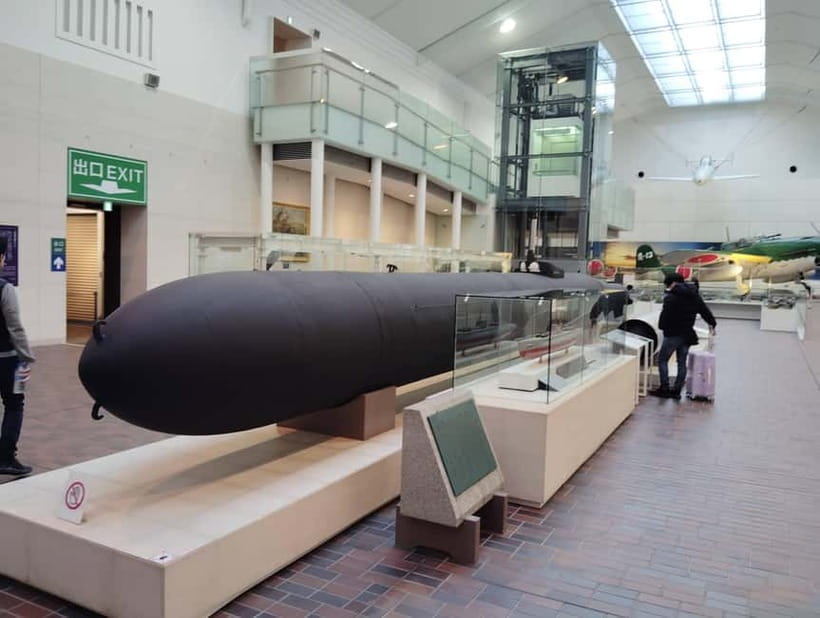
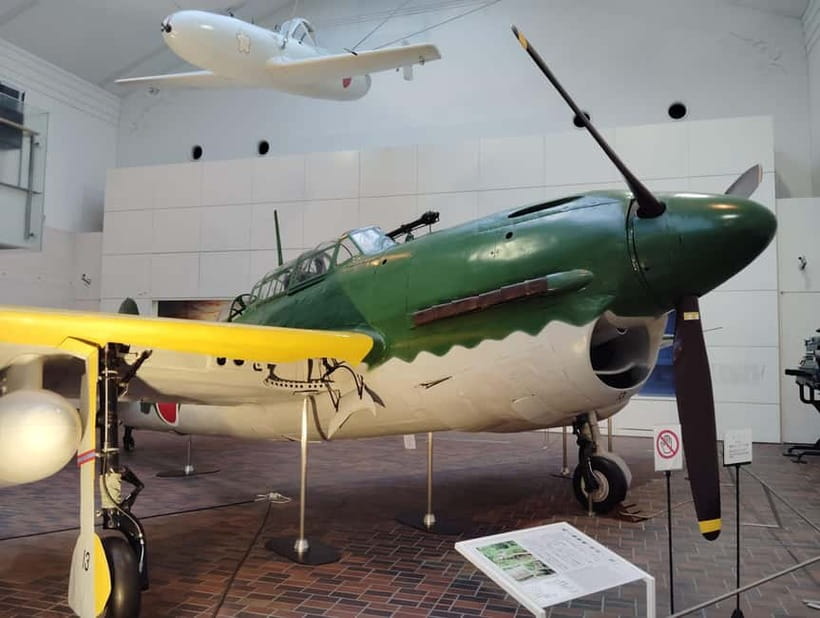
The museum traces Japan’s military history from the late Tokugawa period through World War II. You’ll encounter Japan’s war story using terms common in Japanese discussions, including the Pacific War and what Japan often calls the Greater East Asia War.
One of the most practical reasons to take this with a guide is how to read the museum. Your guide provides context and encourages critical engagement with how wartime events are presented and remembered. That matters because museum displays can feel objective even when they are selecting an angle.
I like that the tour doesn’t pretend the museum is neutral. Instead, it gives you tools for understanding that the Yushukan has a distinctive narrative. When you know that going in, you can actually process what you’re seeing rather than getting swept up by the presentation.
Museum details that make the visit stick
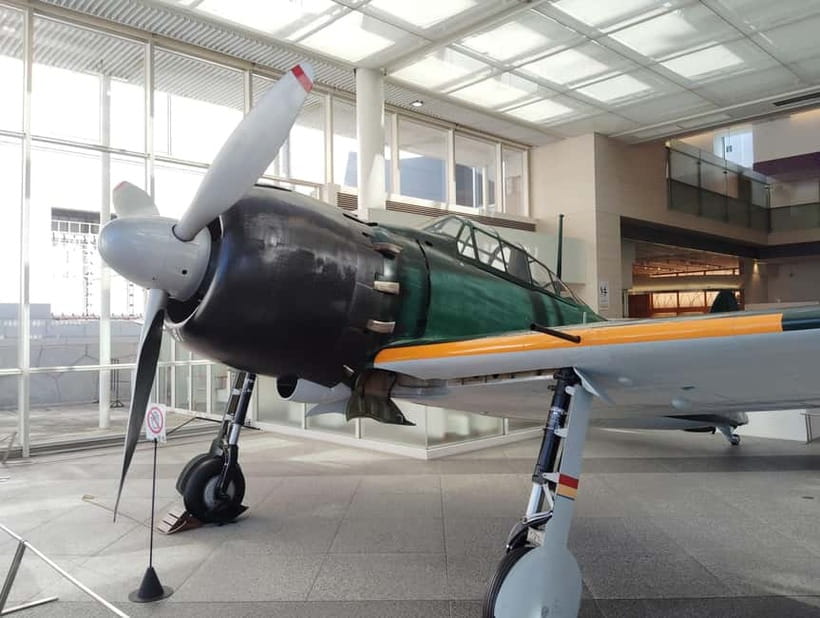
A standout feature from real tour experiences is the way the guide connects exhibitions to broader context. You’ll likely see and discuss artifacts, photographs, and documents. That mix helps you move beyond slogans and toward tangible evidence of how history gets staged.
There’s also a small culture lesson that often pops up during these tours: a guide may explain why people traditionally walk on the left side of pavement and stand on the left side of escalators. The point isn’t driving rules—it’s habit and spatial order that existed before cars became dominant. It’s a neat reminder that the everyday in Japan has its own history, not just the dramatic parts.
Readers also shortlisted these Tokyo bookings:
- Tokyo: teamLab Planets TOKYO Digital Art Museum Entry Ticket★ 4.6 · 9,779 reviews
- Tokyo Studio Ghibli Museum and Ghibli Film Appreciation Tour★ 4.5 · 421 reviews
- Tokyo Sword Experience – includes Museum Ticket/Ninja Experience★ 5.0 · 314 reviews
- Samurai Ninja Museum Asakusa: Samurai Sword Lesson & Tour★ 4.8 · 306 reviews
- Tokyo: Art Aquarium Museum GINZA Entry Ticket★ 4.5 · 278 reviews
Photography and how to plan
You should expect that photography may be restricted in certain museum areas. Also, flash photography isn’t allowed. If you love taking pictures, bring your camera but plan to use it respectfully and follow any signage your guide points out.
Optional Chidorigafuchi National Cemetery: comparing religious vs state memorials
If you choose the extended option, the tour continues to Chidorigafuchi National Cemetery. This adds about an hour (with guided time and walking).
Chidorigafuchi is a secular, state-administered memorial established in 1959. It honors unidentified war dead who were repatriated from overseas battlefields. That wording matters: you’re looking at commemoration built around government administration and non-religious remembrance, rather than enshrining war spirits in a shrine setting.
This stop is valuable because it forces a direct comparison. Yasukuni centers religious enshrinement; Chidorigafuchi centers state commemoration. Both are about grief and national memory, but they use different frameworks. When you compare them side by side, you can see how a society chooses the “container” for mourning.
Why this contrast helps you
Many people can visit one memorial and leave with one emotional impression. The power of the extended option is that you get two containers for remembrance in the same broader tour arc.
If you’re thinking like a student of international relations or memory studies, this is where the tour becomes more than sightseeing. You see how postwar Japan manages the legacy of war dead through different institutional styles.
Price and why $87 can be worth it
The tour costs $87 per person. On a quick glance, that may seem high for what looks like shrine + museum + optional cemetery.
But here’s where the value comes from:
- It’s a private guided tour, so your time isn’t split between strangers and questions you didn’t think to ask.
- The guide is licensed and English-speaking, which matters a lot when you’re dealing with sensitive historical framing.
- Museum admission for the Yushukan is included, along with guided time inside.
- The commentary is framed to offer balanced, multi-perspective context, not a one-note pitch.
Time also matters. The total duration is listed as 150 to 210 minutes. That’s enough time to do the core work—walk the shrine grounds, then spend real time in the museum exhibitions—without turning it into a rushed checklist.
Also, transportation to and from the meeting point isn’t included. That’s the one cost you need to plan for separately. If you’re already close by or comfortable using public transit, you can keep the overall cost reasonable. If you’re coming from far out, factor in the ride time and fare.
Finally, the tour has options for flexible planning: it lists free cancellation up to 24 hours in advance and reserve-and-pay-later phrasing. Even if you ignore those details day-to-day, they make it easier to coordinate your schedule.
Timing, walking, and what to bring (so you stay comfortable)
This is a moderate walking tour. You’ll spend time outdoors around the shrine grounds and then walk inside and around museum areas. If you show up with tired shoes, you’ll remember that more than the history.
Bring:
- Comfortable shoes
- A hat
- Sunscreen
- Water
- A camera (and be ready for possible restrictions)
Avoid:
- Smoking
- Flash photography
A smart move is to treat the day like you’re visiting a serious site, not just taking pictures. Eat beforehand if you can. Food and drinks aren’t included, so plan for a snack break outside the tour window rather than hoping the tour stops for you.
Who this tour fits best
This experience is ideal if you have a real interest in modern Japanese history and want help interpreting one of Tokyo’s most debated memory spaces. It’s especially good for:
- People curious about how war memory shapes modern Japanese society
- Anyone interested in international relations and how narratives affect diplomacy
- Students, researchers, and history-minded travelers who like context over shortcuts
- Visitors who want structured explanations at both a shrine and a museum
You might want to think twice if you’re looking for light, feel-good sightseeing. This tour covers topics related to war and modern Japanese history, and some visitors may find the subject sensitive.
That doesn’t mean it’s uncomfortable in a reckless way. It just means the content deserves a calmer mindset. If you’re the type who gets distressed by controversy, bring patience and let the guide help you sort fact, interpretation, and emotion.
The guide matters more than you think
Since this is private, your guide’s approach can shape your entire experience. This tour uses balanced explanations rooted in historical scholarship, with encouragement to critically engage rather than blindly accept.
One tour example includes a guide named Tatsuo, noted for sharing a lot of new information. The same guide style that explains war-memory can also tie into everyday details, like why people walk on the left side of pavement and stand on the left on escalators. That kind of connecting thread helps you leave with a more coherent understanding of Japan as a living society—not just a country with historical dates.
If you’re the kind of traveler who asks questions, a private format pays off. You can ask what a term means, how a museum is framing a period, or why a memorial is structured a certain way.
Should you book Tokyo War History: Yasukuni Shrine & Yushukan Museum?
Book it if you want Tokyo history that’s real and current, not just old stone. You’ll get a guided walk at Yasukuni Shrine, a focused museum visit at Yushukan, and (if you choose it) a powerful comparison at Chidorigafuchi.
Skip it if you’re only in Tokyo for casual sightseeing and you don’t want to spend time on sensitive war-memory topics. Also skip it if you’re hoping for a purely neutral presentation—this tour explicitly treats the museum narrative as distinct and uses context to help you interpret it.
If you want an experience with serious pacing, a private guide, and a clear focus on how Japan remembers modern conflict, this is a strong choice.
FAQ
FAQ
How long is the Tokyo War History Tour?
The duration is listed as 150 to 210 minutes, depending on whether you choose the extended option.
Is this tour private?
Yes. It’s a private group tour, so it’s just your group.
What stops are included?
The core tour includes Yasukuni Shrine and the Yushukan War Museum. The extended option adds Chidorigafuchi National Cemetery.
Is Yushukan War Museum admission included?
Yes. The Yushukan War Museum admission fee is included.
Do I need to speak Japanese?
No. The tour is offered with a licensed English-speaking guide.
What should I bring?
Bring comfortable shoes, a hat, sunscreen, water, and a camera (if you want photos, respecting any museum restrictions).
Are photos allowed?
Smoking is not allowed. Flash photography is not allowed, and photography may be restricted in certain museum areas.
Is transportation included in the price?
No. Transportation to and from the meeting point is not included.
More Historical Tours in Tokyo
- Tokyo: Imperial Palace and Shogun Historical Walking Tour
★ 5.0 · 2,251 reviews - Tokyo: Imperial Palace Japanese History Walking Tour
★ 4.9 · 987 reviews - Yanaka Walking Tour: Historic and Traditional District of Tokyo
★ 5.0 · 530 reviews - Tokyo: Shinjuku Historical Walking Tour & Secret Backstreets
★ 5.0 · 530 reviews - Mt. Fuji Heritage Tour: Traditional Villages, Lakes & Shrine
★ 4.5 · 509 reviews
More Tours in Tokyo
- Mt Fuji and Hakone 1-Day Bus Tour Return by Bullet Train
★ 5.0 · 26,383 reviews - 1-Day Tokyo Bus Tour
★ 5.0 · 14,250 reviews - Tokyo: Shinjuku Food Tour (13 Dishes at 4 Local Eateries)
★ 5.0 · 6,603 reviews - Tokyo Mt Fuji 5th St & Hakone Cruise Bus Tour w/Bullet Train
★ 4.4 · 5,024 reviews - Flagship 2-Hours Official Street Go-Kart Tour – Tokyo Bay Shop
★ 5.0 · 4,974 reviews
More Tour Reviews in Tokyo
- Mt Fuji and Hakone 1-Day Bus Tour Return by Bullet Train
★ 5.0 · 26,383 reviews - 1-Day Tokyo Bus Tour
★ 5.0 · 14,250 reviews - Tokyo: teamLab Planets TOKYO Digital Art Museum Entry Ticket
★ 4.6 · 9,779 reviews - Mt Fuji & Hakone Cruise, Drum Show Bullet Train 1 Day from Tokyo
★ 4.0 · 7,413 reviews - Tokyo: Shinjuku Food Tour (13 Dishes at 4 Local Eateries)
★ 5.0 · 6,603 reviews
Latest Tokyo reviews off our desk






Historical Tours, compared.
 ★ 5.0Imperial Palace and Shogun Historical Walking TourFrom $222,251 reviews
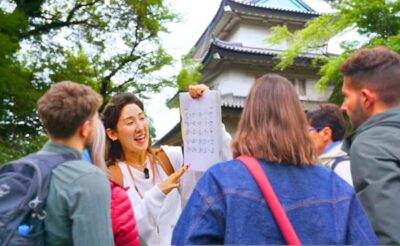 ★ 4.9Imperial Palace Japanese History Walking TourFrom $32987 reviews
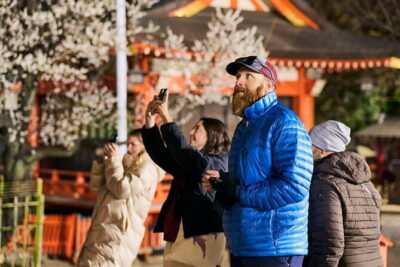 ★ 5.0Shinjuku Historical Walking Tour & Secret BackstreetsFrom $25530 reviews
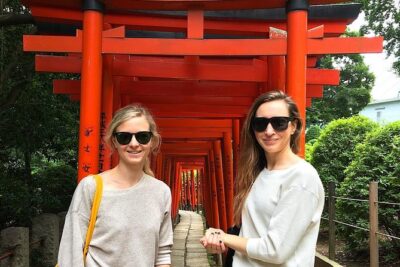 ★ 5.0Yanaka Walking Tour: Historic and Traditional District of TokyoFrom $72530 reviews
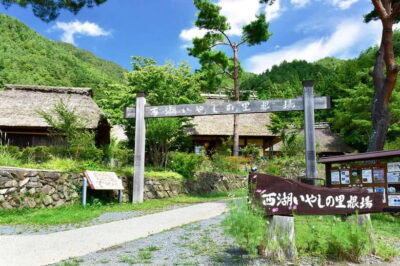 ★ 4.5Mt. Fuji Heritage Tour: Traditional Villages, Lakes & ShrineFrom $50509 reviews
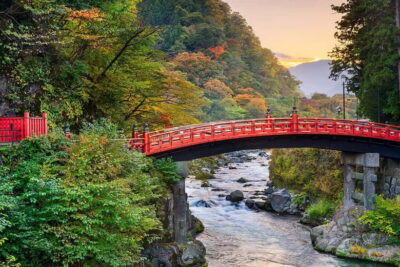 ★ 4.9From Tokyo: Nikko World Heritage Site Private Full-Day TripFrom $483243 reviews
 ★ 4.9The Best of Izakaya in Shinjuku Food & Cultural TourFrom $129221 reviews
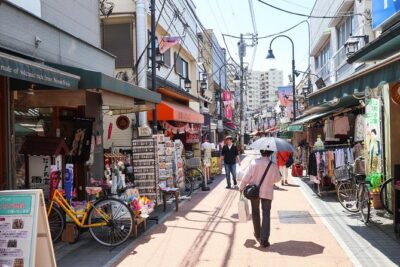 ★ 5.0Yanaka Historical Walking Tour in Tokyo’s Old TownFrom $81182 reviews
Browse the lists this tour appears in