
Reviewed · TSUKIJI MARKET FOOD TOURS
Tokyo’s Kitchen: Tsukiji Market Food & Culture Walk
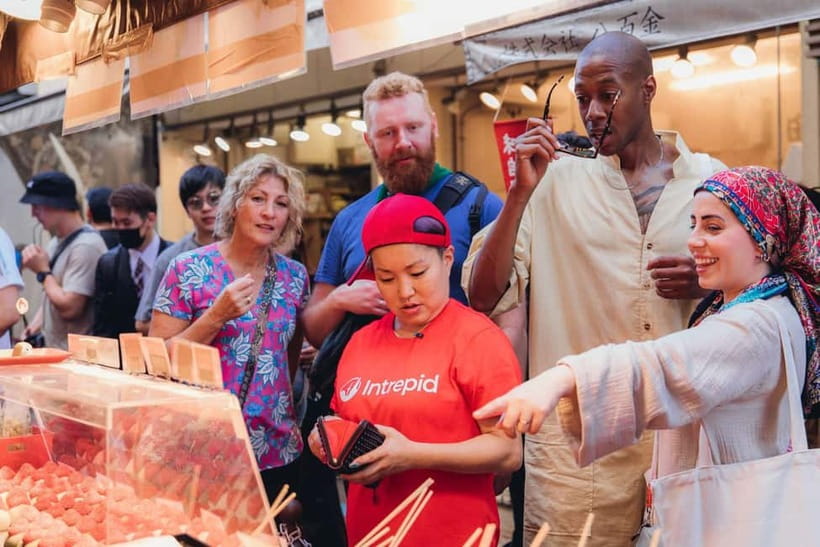
Tsukiji can feel like sensory overload. This Tsukiji Outer Market food-and-culture walk turns the chaos into a clear route, with a guide translating what you see, what you’re eating, and why it matters. In a tiny group of six, you get a more human pace than wandering alone.
What I like most is the mix of tastings and the way the guide connects food to everyday Tokyo life. You’ll sample fresh sushi, street snacks, and seasonal Wagashi, and you’ll also learn the market’s spiritual angles through Buddhist and Shinto references. I also like the practical vibe: guides such as Mikki, Oku, and Mihori are known for keeping you moving while still answering questions.
One drawback to plan for: the market floors can be wet, and you’re on your feet in a busy area. If rain and wind hit (it happens), you’ll want the right shoes and a calm mindset about waiting your turn at stalls.
In This Review
- Key takeaways before you go
- Why Tsukiji’s Outer Market works best with a guide
- Meeting at Higashi-ginza: the small details that prevent chaos
- Kabuki Inari Shrine: respect rituals you can actually copy
- Tsukiji Outer Market: sushi, snacks, and Wagashi with a plan
- What you learn about sushi history (and why it’s not just trivia)
- Buddhist and Shinto connections: the spiritual logic of a food market
- Namiyoke Inari Jinja: the quieter moment that makes the morning make sense
- The finish at Tsukiji Fish Market: what to do next
- Price and value: is $80 for 3 hours worth it?
- Diet needs, alcohol, and how to plan your stomach
- Shoes, weather, and staying comfortable in a wet market
- Who should book this Tsukiji market walk
- Should you book this Tsukiji Market Food & Culture Walk?
- FAQ
- How long is the Tsukiji Market Food & Culture Walk?
- How many people are in the group?
- Where do I meet the guide?
- What food is included?
- Can the tour accommodate vegetarian or vegan diets?
- Is alcohol included?
- What should I wear for the market?
Key takeaways before you go
- A tiny-group pace: Limited to 6 guests, so you can actually hear explanations and keep up without sprinting.
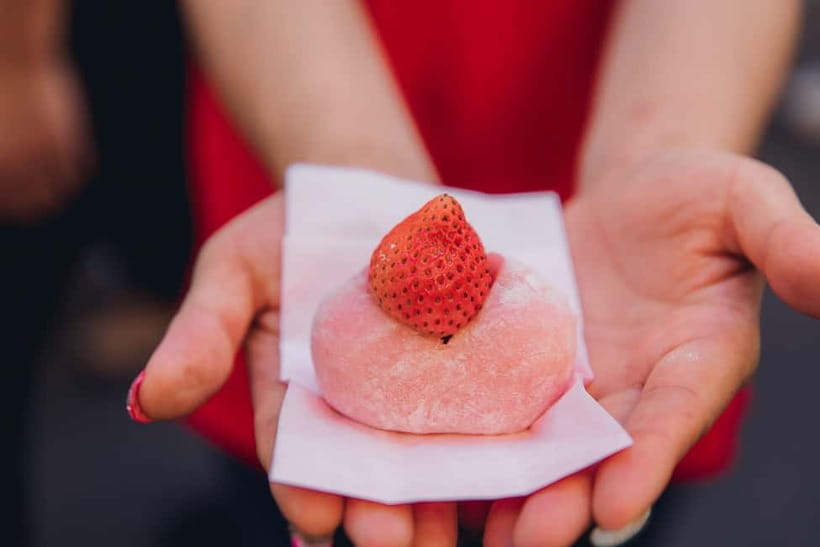
- Tasting-focused route: Sushi, Japanese snacks, and seasonal Wagashi are built into the walk so you don’t guess what to order.
- Shrines teach the gestures: You’ll visit Kabuki Inari Shrine and Namiyoke Inari Jinja to learn simple respect rituals.
- Food with context: Expect sushi history and the Buddhist/Shinto roots that shape market customs.
- Guides with stall connections: Friendly vendors often greet the guide by name, helping you feel welcome fast.
- Come with room in your stomach: You’ll taste a lot in small portions, so starting too full can blunt the experience.
Why Tsukiji’s Outer Market works best with a guide
If you’ve seen Tsukiji on photos, you might expect a simple “walk and snack” stroll. In real life, Tsukiji Outer Market is loud, crowded, and full of smells that make decision-making hard. That’s where a small-group approach helps right away. Instead of guessing what’s fresh or what’s worth your yen, you follow a path built around what vendors are good at and what food best tells the story.
I also like that this tour frames Tsukiji as more than seafood. You’re not just eating. You’re learning how the market links to daily routine and local belief systems. The guide explains sushi history and how Tsukiji’s role changed when the famous tuna auction moved to Toyosu, so you get the “now” without losing the “how did this become famous?”
Finally, there’s a steady feeling of respect. Many guides on this experience are praised for their warmth toward vendors, not treating stall owners like props for your photos. That attitude matters in a market that still runs on real relationships.
More market breakfasts our reviewers scored
- Tokyo Tsukiji Fish Market Food and Culture Walking Tour
★ 5.0 · 3,184 reviews - Tokyo: Tsukiji Fish Market Food and Walking tour
★ 5.0 · 1,724 reviews - Tokyo: Tsukiji Fish Market Guided Walking Tour
★ 4.9 · 1,397 reviews - Tokyo Sushi Making Class in Tsukiji with Professional Chef
★ 5.0 · 1,177 reviews
Meeting at Higashi-ginza: the small details that prevent chaos
Your morning starts at Higashi-ginza Station, Exit 3. The meeting spot is on street level near the Kabukiza Theatre, by a little shrine and torii gate on Harumi Street. It’s easy to miss if you’re rushing, so I’d treat the first five minutes as part of the tour, not “travel time.”
This matters because Tsukiji mornings move fast. Even when the group is only six people, the goal is to keep the flow going at stalls and during shrine stops. If you’re late, you’ll feel it. If you’re early and ready, the experience starts smoothly.
The tour finishes at TSUKIJI FISH MARKET, which is useful if you want to keep exploring afterward. You’ll be close to the area where the market energy continues, even if the vibe is different once you’re past the main outer stalls.
Kabuki Inari Shrine: respect rituals you can actually copy
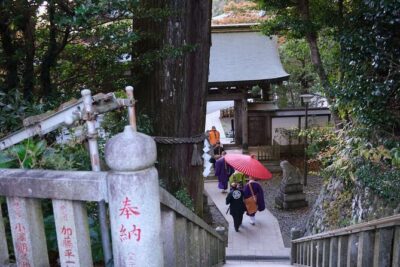
The first major stop on the walking route is Kabuki Inari Shrine. This isn’t just a quick photo stop. You’ll learn the simple gestures locals use to show respect, then watch how people apply those ideas in real time.
The value here is practical. Japanese shrine etiquette can feel mysterious if you don’t know the pattern. A guide helps you understand what you’re doing and why. That means you don’t awkwardly hover or copy someone you’re not sure about.
You’ll also get a better sense of how Shinto presence shows up in public life. In Tsukiji, that spiritual thread isn’t separated from food. It’s part of how the market behaves and how people think about daily offerings, luck, and gratitude.
Tsukiji Outer Market: sushi, snacks, and Wagashi with a plan
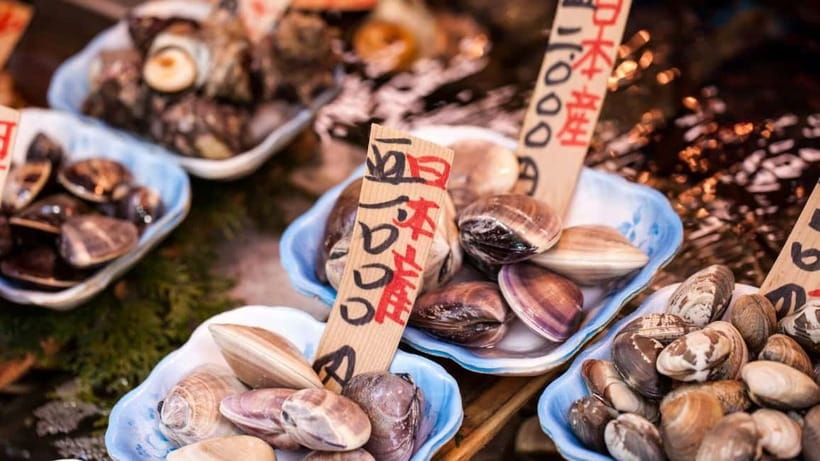
Now for the part you came for: Tsukiji Outer Market tastings. Expect lots of bite-sized sampling—fresh sushi, Japanese street snacks, and seasonal Wagashi sweets. The guide doesn’t just hand you food. They explain what you’re eating and what makes it worth caring about.
A few tasting highlights that show up again and again in guide-led experiences on this route:
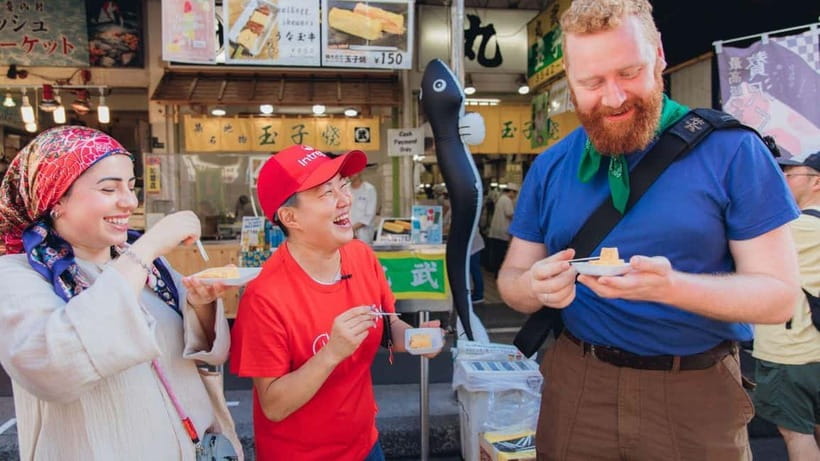
- You might start with things like tamago (often presented as tamagoyaki) and other market staples, then branch into seafood-based samples.
- You may try matcha, dashi-related flavors, and items that help explain how Japanese taste profiles are built.
- Some guides bring in items like Kobe beef skewers or sashimi, depending on what’s available and what the vendors are preparing that morning.
- For sweets, you’ll often see seasonal Wagashi and mochi-style treats paired with tea.
What I like is the structure of the tasting. It’s not one huge meal. It’s a string of small portions, so you get variety without feeling sick from overdoing it. One traveler note even included the humor tip: don’t show up starving, but do plan to eat through the morning because there are plenty of samples.
Also watch for queue reality. Some stalls will have lines. The upside of being in a small group is that the guide can keep you organized—so you’re not stuck waiting alone or losing track of the group.
What you learn about sushi history (and why it’s not just trivia)
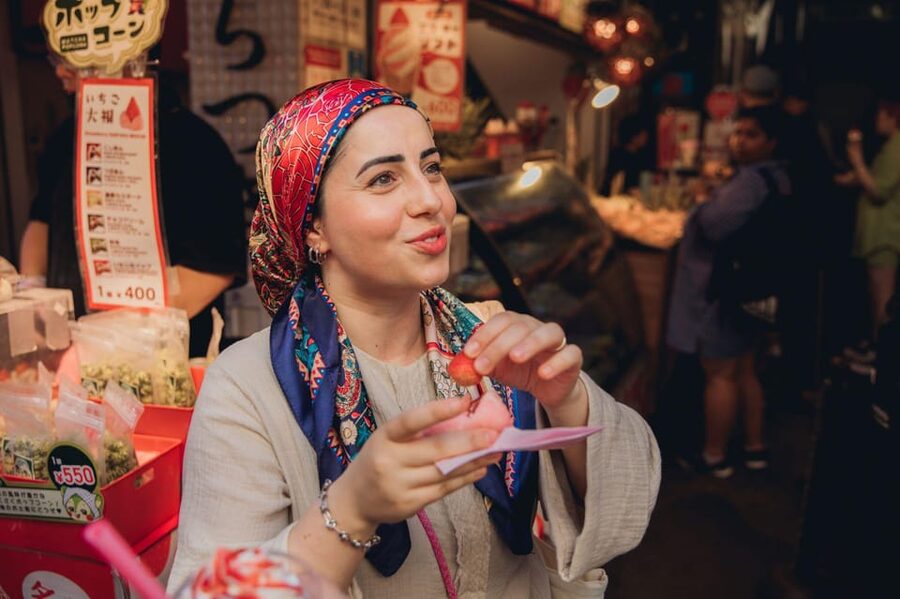
Sushi in Tokyo isn’t just a dish. It’s a system of craft, timing, and culture. On this walk, the guide connects the food to the market’s evolution over time, including the big shift when the tuna auction moved from Tsukiji to Toyosu.
That history helps you read the market differently. You start noticing things like:
- why certain stalls focus on specific products,
- how daily preparation affects flavor,
- and why the market’s rhythm matters as much as the ingredients.
One reason this tour scores so well is the way guides make the explanations stick. Some guides, such as Oku, have been praised for using photos, maps, and even models to show how items are made. For example, guides have been known to point out processes behind tamagoyaki preparation, so you’re not just tasting—you’re learning what you’re tasting.
And yes, you may even experience hands-on moments. In some versions of this tour, guides have taught guests how to grind wasabi. That kind of detail isn’t required for sushi understanding, but it makes the flavors feel more grounded once you’ve done it yourself.
Readers also shortlisted these Tokyo bookings:
- Tokyo Tsukiji Fish Market Food and Culture Walking Tour★ 5.0 · 3,184 reviews
- Tokyo: Imperial Palace and Shogun Historical Walking Tour★ 5.0 · 2,251 reviews
- Tokyo: Shinjuku Local Bar and Izakaya Guided Walking Tour★ 4.9 · 1,794 reviews
- Tokyo: Tsukiji Fish Market Food and Walking tour★ 5.0 · 1,724 reviews
- Tokyo: Asakusa Walking Tour with Sensoji Temple Visit★ 4.8 · 1,583 reviews
Buddhist and Shinto connections: the spiritual logic of a food market
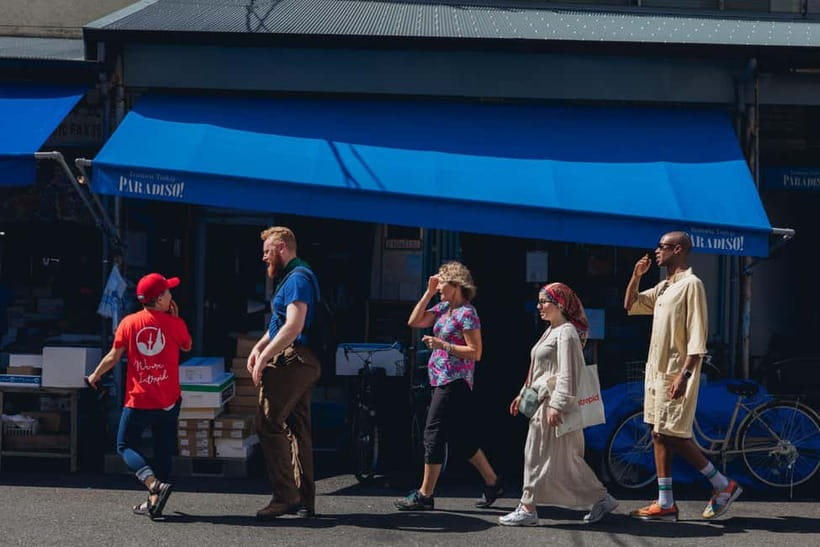
One of the more interesting parts of this experience is how the guide weaves in Buddhist and Shinto roots. You’ll hear how these beliefs show up in food rituals and market behavior, not as a lecture, but as an explanation of what people do and why.
You’ll feel it most during the shrine visits, but the tour also links the “spiritual logic” back to the food stalls. The point isn’t to turn you into a scholar. It’s to help you understand why people treat certain practices seriously, even when they’re focused on selling and preparing seafood.
That perspective changes how you look at Tsukiji. Instead of seeing a purely commercial zone, you see a place where daily work, community roles, and tradition overlap.
Namiyoke Inari Jinja: the quieter moment that makes the morning make sense
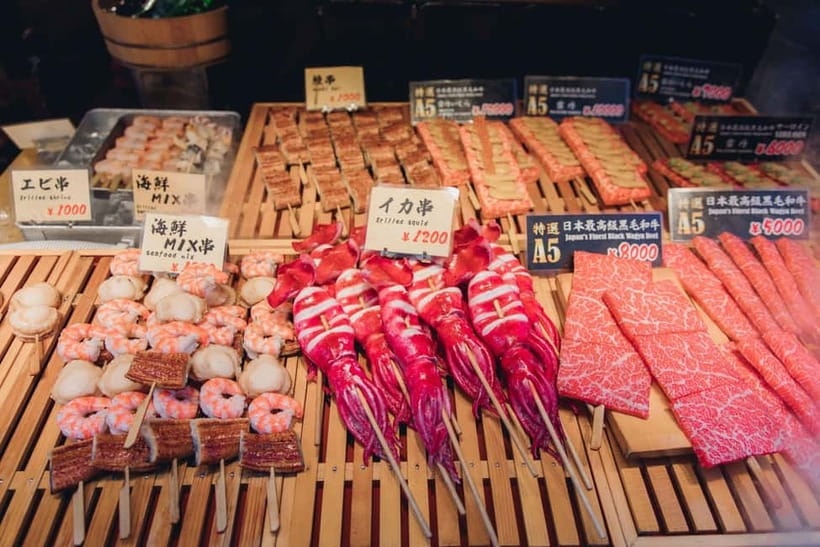
After you’ve eaten your way through key stops in the market area, you’ll visit Namiyoke Inari Jinja. This is another chance to connect the food you’re sampling with local rituals.
This stop tends to work well because it’s a breather. You’ve been moving through stalls, answering questions, and testing flavors. Then you step into a calmer setting where the guide explains gestures and respect practices again, this time framed by the market’s spiritual atmosphere.
Even if you’re not sure you’ll remember the gestures perfectly, you’ll remember the feeling: a pause that turns the morning from “touring” into “understanding.”
The finish at Tsukiji Fish Market: what to do next
The tour ends at TSUKIJI FISH MARKET. By this point, you’ll have a stronger sense of how to navigate the area on your own afterward. You’ll know what to look for, what types of stalls to seek out, and what kinds of foods are typically associated with the market’s core offerings.
If you want to keep going, use the tasting knowledge immediately. Scan for similar items you tried on the tour. If something caught your attention—like tamago-based flavors, sushi cuts, matcha tea, or seasonal Wagashi—this is the time to follow your nose.
Also, don’t underestimate the value of a “guided landing.” Many food tours end and you’re suddenly on your own with no context. Here, the finish point gives you a realistic next step.
Price and value: is $80 for 3 hours worth it?
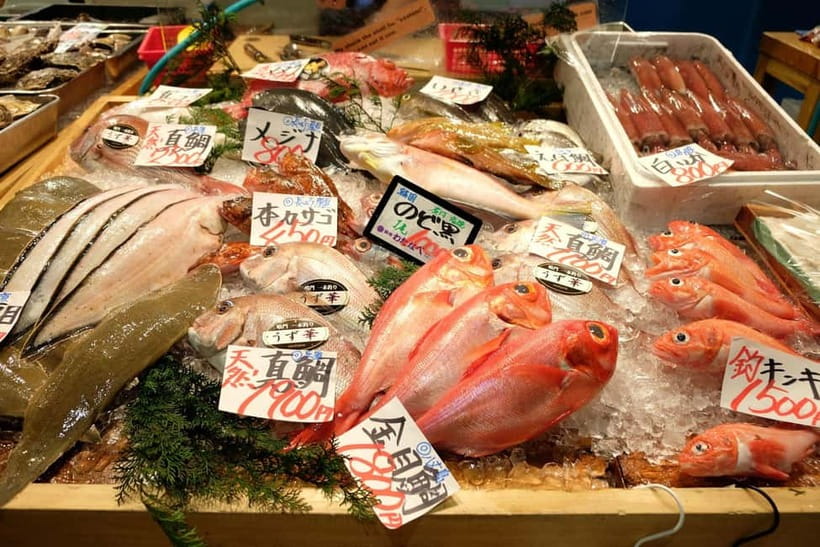
At $80 per person for about 3 hours, this isn’t a bargain snack crawl. But it also isn’t overpriced in the way some Tokyo food tours can be.
Here’s why the price can make sense:
- Multiple tastings are included, not just one sample and a “good luck” walk.
- A guide is actively translating and explaining, which is the difference between eating randomly and eating with purpose.
- Small group size (6 people) means you get attention and timing benefits at crowded stalls.
- The tour also includes shrines with cultural explanations, which you don’t get on a typical “market-only” tasting walk.
You should think of it as buying clarity and access. Tsukiji is hard to navigate when you don’t read the cues. With a guide, your money buys more than food. It buys comprehension, plus the chance to meet vendors through the route your guide takes.
Diet needs, alcohol, and how to plan your stomach
Food markets are tricky for strict diets. This experience states that vegetarian and vegan options are available, though choices may be limited. The best move is to tell the provider ahead of time about your dietary needs. That way the guide can plan the safest options they can actually source during the walk.
Alcohol is another point to plan for. The tour mentions that alcohol is for age 20 and older, while anyone under 20 will be offered delicious non-alcoholic alternatives. If you’re traveling with mixed ages, it’s good to know the flow is handled.
One practical tip from guide-led experiences: don’t treat breakfast as a full meal. You’ll be tasting a lot in small portions, so going too heavy before the start can make the samples feel like a chore instead of a highlight.
Shoes, weather, and staying comfortable in a wet market
Tsukiji market floors can be wet, so closed-toe shoes are recommended. That’s not just safety advice. It changes your whole morning comfort. If your feet feel stable, you ask better questions, enjoy the tastings more, and don’t get distracted by slipping around.
Weather matters too. Even if the tour is running, the market can feel windy and wet in rough conditions. If rain or wind shows up, you’ll want a light layer and shoes that can handle puddles.
Because this is a walking tour, comfort is part of the value. The route is designed for movement, not for long sits.
Who should book this Tsukiji market walk
I’d point you toward this tour if you want:
- a guided Tsukiji Outer Market experience instead of solo wandering,
- lots of tastings without having to plan every order,
- and cultural context that goes beyond food facts.
This is also a good fit for travelers who like small-group attention. Many people love that guides can keep everyone together even when the area is busy. Some guides have been praised for being humorous and relaxed while still moving efficiently.
If you’re a hardcore foodie who already knows exactly what stalls to hit, you might get less novelty. But if you want a first Tokyo morning that sets you up for the rest of the city, this is one of the better ways to start.
Should you book this Tsukiji Market Food & Culture Walk?
Book it if you want your first Tsukiji morning to feel guided, tasty, and meaningful. The combination of sushi and snack tastings, shrine stops, and small-group explanations makes it more than a food tour. At $80 for 3 hours, you’re paying for clarity, access, and attention in a place that’s otherwise hard to decode.
Pass or consider a different option if you’re uncomfortable standing for long periods or if you strongly prefer self-directed wandering. Tsukiji is not a quiet stroll, and this tour assumes you’ll walk, sample, and keep your curiosity switched on.
FAQ
How long is the Tsukiji Market Food & Culture Walk?
The tour lasts about 3 hours.
How many people are in the group?
The group is limited to 6 guests for a more personal, relaxed experience.
Where do I meet the guide?
Meet at Higashi-ginza Station, Exit 3 (Tokyo Metro Hibiya Line and Toei Asakusa Line), at street level by the little shrine and torii gate in front of Kabukiza Theatre, near Harumi Street.
What food is included?
The tour includes multiple tastings such as fresh sushi, Japanese snacks, and seasonal Wagashi sweets. Extra food and drinks beyond the tastings are not included.
Can the tour accommodate vegetarian or vegan diets?
Yes, vegetarian and vegan options are available, though choices may be limited in the market. You should let them know ahead of time.
Is alcohol included?
Alcohol is included where available, but guests must be 20 or older to enjoy alcoholic drinks. Anyone under 20 is offered non-alcoholic alternatives.
What should I wear for the market?
Closed-toe shoes are recommended because Tsukiji market floors can be wet.
More Walking Tours in Tokyo
- Tokyo Tsukiji Fish Market Food and Culture Walking Tour
★ 5.0 · 3,184 reviews - Tokyo: Imperial Palace and Shogun Historical Walking Tour
★ 5.0 · 2,251 reviews - Tokyo: Shinjuku Local Bar and Izakaya Guided Walking Tour
★ 4.9 · 1,794 reviews - Tokyo: Tsukiji Fish Market Food and Walking tour
★ 5.0 · 1,724 reviews - Tokyo: Asakusa Walking Tour with Sensoji Temple Visit
★ 4.8 · 1,583 reviews
More Tour Reviews in Tokyo
- Mt Fuji and Hakone 1-Day Bus Tour Return by Bullet Train
★ 5.0 · 26,383 reviews - 1-Day Tokyo Bus Tour
★ 5.0 · 14,250 reviews - Tokyo: teamLab Planets TOKYO Digital Art Museum Entry Ticket
★ 4.6 · 9,779 reviews - Mt Fuji & Hakone Cruise, Drum Show Bullet Train 1 Day from Tokyo
★ 4.0 · 7,413 reviews - Tokyo: Shinjuku Food Tour (13 Dishes at 4 Local Eateries)
★ 5.0 · 6,603 reviews
More Tsukiji Market Breakfasts
- Tokyo Tsukiji Fish Market Food and Culture Walking Tour
★ 5.0 · 3,184 reviews - Tokyo: Tsukiji Fish Market Food and Walking tour
★ 5.0 · 1,724 reviews - Tokyo: Tsukiji Fish Market Guided Walking Tour
★ 4.9 · 1,397 reviews - Tokyo Sushi Making Class in Tsukiji with Professional Chef
★ 5.0 · 1,177 reviews - Tsukiji Fish Market Guided Tour and Sushi Making with Pro Chef
★ 5.0 · 775 reviews
Latest Tokyo reviews off our desk




Tsukiji Market Food Tours, compared.
 ★ 5.0Tokyo Tsukiji Fish Market Food and Culture Walking TourFrom $993,184 reviews
 ★ 5.0Tsukiji Fish Market Food and Walking tourFrom $301,724 reviews
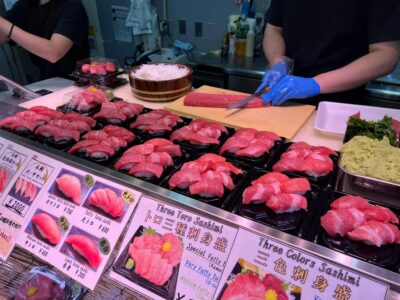 ★ 4.9Tsukiji Fish Market Guided Walking TourFrom $221,397 reviews
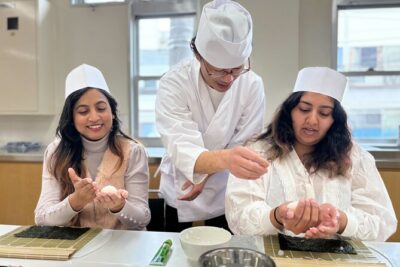 ★ 5.0Tokyo Sushi Making Class in Tsukiji with Professional ChefFrom $491,177 reviews
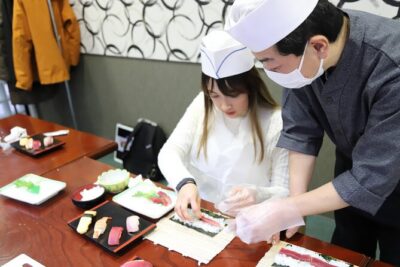 ★ 5.0Tsukiji Fish Market Guided Tour and Sushi Making with Pro ChefFrom $104775 reviews
★ 4.7Tsukiji Fish Market Food and Culture Walking TourFrom $96757 reviews
★ 5.0Tsukiji Fish Market Guided Tour and Sushi Making with Pro ChefFrom $104775 reviews
★ 4.7Tsukiji Fish Market Food and Culture Walking TourFrom $96757 reviews
 ★ 5.0Tsukiji Fish Market: Street Food & Culture Walking TourFrom $33669 reviews
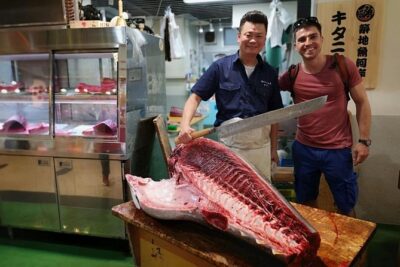 ★ 5.0Tsukiji Fish Market Small-Group Food Walking TourFrom $87621 reviews
Browse the lists this tour appears in