
Reviewed · TSUKIJI MARKET FOOD TOURS
Tsukiji: Outer Market Walking Tour & Sake Tasting Experience
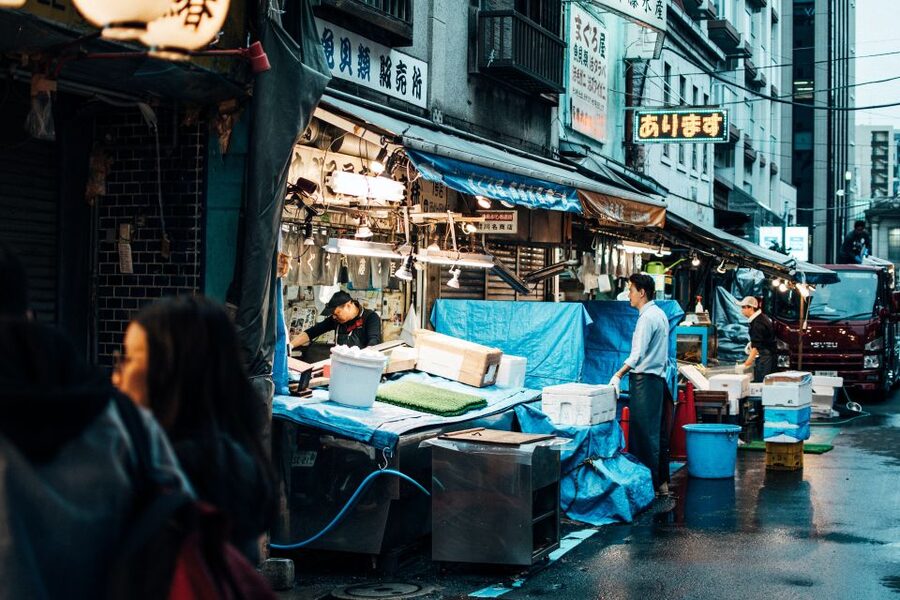
Prayers, snacks, and sake in one afternoon. This Tsukiji experience strings together three things you usually do separately: temple etiquette, real market food, and a serious sake tasting session in a local salon. I especially like the way it starts with respectful temple practice, then flows into hands-on food discovery at the Outer Market. I also love the tasting setup: unlimited pours with a sommelier, plus snacks and temperature changes.
One note: the market portion can be crowded and the walking is on your feet for the whole 3 hours. If you hate walking in busy areas, this might feel like a lot. Also, the tour isn’t suitable for wheelchair users or pregnant women, and the Outer Market is closed on Sundays and national holidays.
In This Review
- Key Points Worth Knowing
- Tsukiji Hongwanji Temple: The Morning-Quiet Part of a Busy Area
- Walking Tsukiji Outer Market: Eat First, Then Shop Like a Local
- The Move to the Sake Salon: From Street Noise to Calm, Serious Tasting
- Unlimited Sake Tasting: Why the Sommelier Approach Works
- What You’ll Actually Learn (Without Becoming a Sake Nerd)
- How Family-Friendly Works in Real Terms
- Price and Value: Is $70 Worth It?
- Who Should Book This Tour (And Who Might Skip It)
- FAQ
- FAQ
- Where do I meet the guide?
- How long is the tour?
- Is the tour offered in English?
- Is the tour rain or shine?
- What is included in the price?
- Is food included?
- How many sakes will I have access to?
- Are tastings really unlimited?
- What should I bring?
- Is the tour family-friendly for kids?
- Which days might the Outer Market be closed?
- Should You Book This Tsukiji Outer Market + Sake Tour?
Key Points Worth Knowing
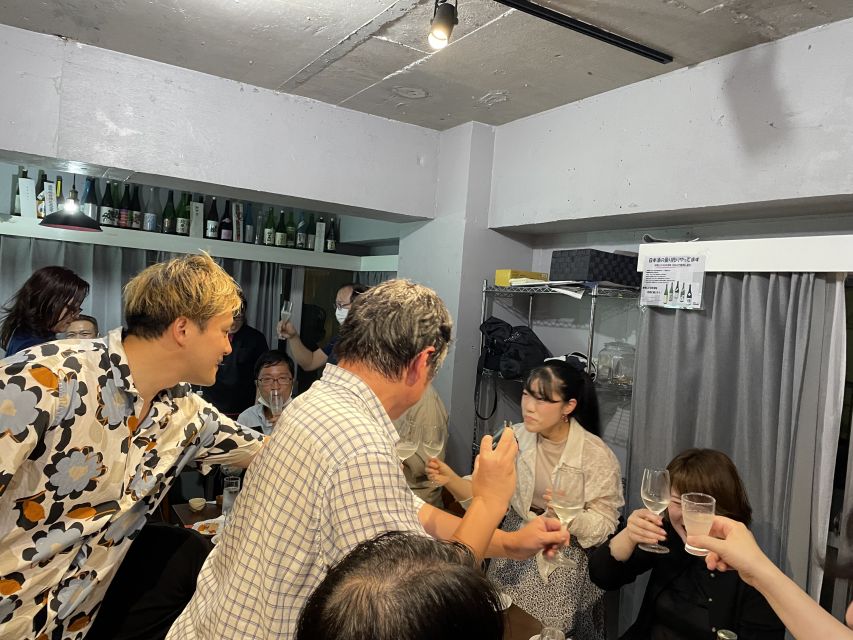
- Temple start, practical prayer etiquette: Learn how to pray at Tsukiji Hongwanji Temple before you hit the market.
- Outer Market help that saves time: Your guide steers you to good stalls so you don’t waste energy hunting.
- Unlimited sake tastings with a sommelier: Sample widely, with guidance on what you’re tasting and why it differs.
- Big selection on offer (50–60+): You get access to many styles, not just a small sampler flight.
- Food-focused snacks during tasting: Snacks help you notice flavor changes as you move through styles.
- Family-friendly options: Soft drinks and tea plus snacks for kids during the tasting portion.
Tsukiji Hongwanji Temple: The Morning-Quiet Part of a Busy Area
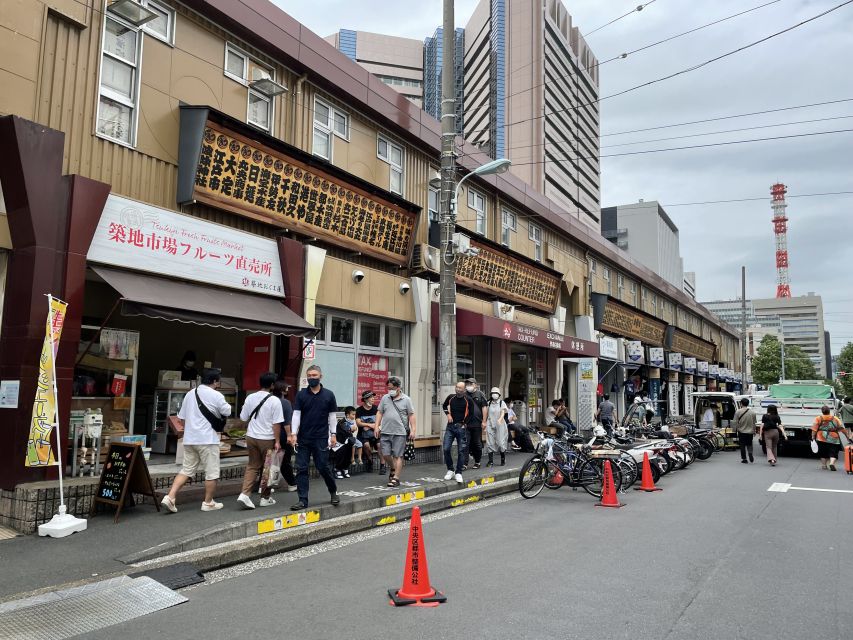
Most people come to Tsukiji for fish. This tour begins somewhere calmer: Tsukiji Hongwanji Temple. You meet your guide at the main entrance gate, then head inside to learn basic temple etiquette for prayer. It’s a smart opener because it sets the tone. You’re not just consuming Tokyo. You’re paying attention to how locals show respect in a real place of worship.
I like that this isn’t treated like a quick photo stop. You actually learn the rhythm of what to do and how to do it. Guides on this tour are often praised for being friendly and adaptable—names that show up in participant feedback include Kumi, Kyoko, and Sarah, and people specifically call out how welcoming they felt during the temple portion.
Why this matters: Tsukiji can feel like sensory overload once you’re in the market lanes. Starting with temple practice gives you a reset. It also helps you understand the difference between the tourist Tsukiji and the lived-in Tsukiji.
More market breakfasts our reviewers scored
- Tokyo Tsukiji Fish Market Food and Culture Walking Tour
★ 5.0 · 3,184 reviews - Tokyo: Tsukiji Fish Market Food and Walking tour
★ 5.0 · 1,724 reviews - Tokyo: Tsukiji Fish Market Guided Walking Tour
★ 4.9 · 1,397 reviews - Tokyo Sushi Making Class in Tsukiji with Professional Chef
★ 5.0 · 1,177 reviews
Walking Tsukiji Outer Market: Eat First, Then Shop Like a Local
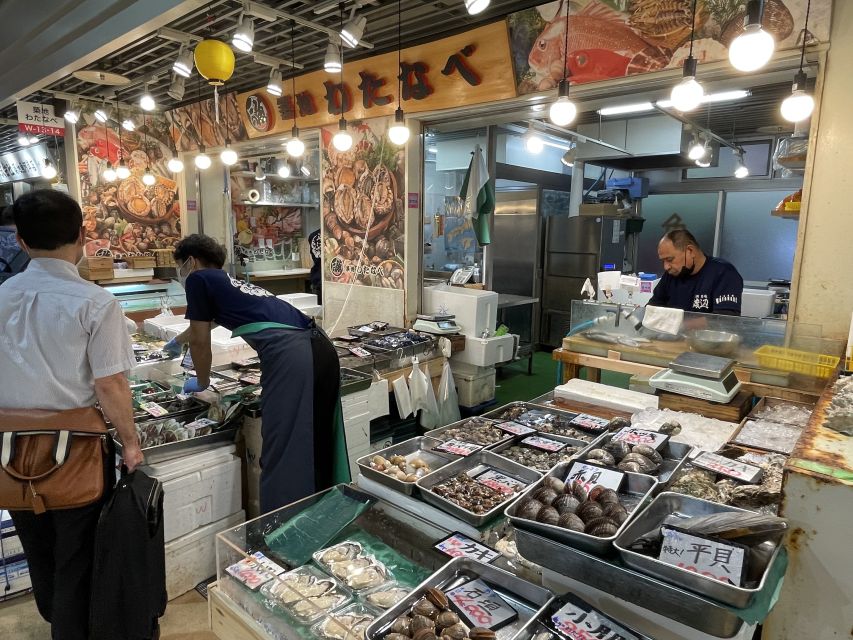
After the temple, you move into Tsukiji Outer Market, where the point is simple: see what locals eat and buy, then taste your way through it. This is a guided walking tour, so you’re not wandering blindly through a maze of stalls and signage.
Expect your guide to introduce you to market stores and help you choose what fits your appetite. The tour is designed so you can sample items during the walk and, if you want, buy produce or other local items to take along. In other words: you’re not stuck with a fixed menu. You can adjust based on what looks good and what you’re curious to try.
One real advantage here is that your guide can help you time your choices. Tsukiji can get crowded, and the market layout makes it easy to waste time backtracking. People describe the market walk as organized without feeling stiff, and they highlight that guides do a good job keeping everyone moving while still getting enough choices.
A few practical things to plan for:
- Wear comfortable shoes. You’ll be on foot for the full 3 hours.
- Bring curiosity, not a strict plan. The best bites here come from what’s in front of you at that moment.
- If you’re hoping to buy certain items, remember the Outer Market has days when it’s shut.
Also, the Outer Market is closed on Sundays and national holidays, and some stores can be closed on Wednesdays. If your trip lines up with one of those days, you may need to pick a different activity.
The Move to the Sake Salon: From Street Noise to Calm, Serious Tasting
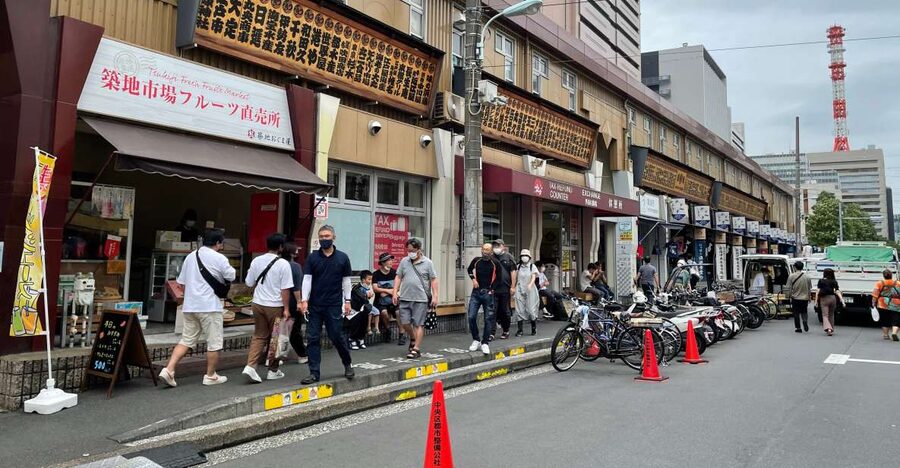
Once the market walk ends, you head to a nearby Tsukiji sake salon for the tasting. The distance is short—just a few minutes on foot from either Tsukiji Station or Shintomicho Station—so you’re not spending your tasting time commuting.
This “transition” is more than just logistics. It changes the vibe. Market browsing is fast and noisy. A sake salon is slower. You get to sit, talk, and compare flavors side-by-side instead of chasing them while standing.
If you like structured experiences, this is where the tour really earns its keep. Your sake expert explains what you’re drinking before you taste, including brewery and background story. Guides mentioned in feedback include Yuki, Hatsumi, Yuki and Hatsumi, and Kyoko—and the consistent theme is that they’re welcoming and happy to answer questions.
Unlimited Sake Tasting: Why the Sommelier Approach Works
Here’s the headline: your tasting is unlimited. That means you can keep sampling rather than getting cut off after a single flight. The selection on offer is huge—50 to 60 different kinds—and you’ll taste a broad range of styles instead of a single flavor lane.
In practice, many people report tasting around 20 to 28 sakes (the exact number depends on how you pace yourself and what you choose). Either way, it’s enough variety to learn what you actually like.
The sommelier format helps because sake is not one flavor. People often arrive assuming sake tastes like the same thing everywhere. The tasting breaks that illusion. You’ll sample differences that come down to brewing choices, ingredients, and production styles.
Two details that make this more than just drinking:
- You taste sakes at different temperatures. Temperature shifts aroma and perception. A pour that feels sharp at one temperature can feel rounder at another.
- Snacks are provided. They don’t drown out the sake; they help you reset your palate and notice how the next bottle compares.
A subtle but important perk: the tasting is guided, so you don’t have to guess. Your guide talks through flavor direction so you can start learning what to look for next time you’re in a shop.
What You’ll Actually Learn (Without Becoming a Sake Nerd)
You don’t need a sake degree to enjoy this. But you will leave with useful context.
During the tasting, your expert explains each bottle with enough detail that you can connect taste to story: brewery background, how it fits into the wider sake world, and why styles differ. People mention learning about production process and how sake compares to other fermented drinks—especially when the tasting includes practical comparisons.
The real win for me: the tour teaches you how to think like a taster. Once you’ve been guided through multiple types, you’re more able to select a bottle that matches what you like, rather than picking based on packaging or guesswork.
And yes, there’s also the fun part: you may find yourself spending more than planned afterward. Several people mention wanting to buy bottles once they spot their favorites.
Readers also shortlisted these Tokyo bookings:
- Tokyo Tsukiji Fish Market Food and Culture Walking Tour★ 5.0 · 3,184 reviews
- Tokyo: Imperial Palace and Shogun Historical Walking Tour★ 5.0 · 2,251 reviews
- Tokyo: Shinjuku Local Bar and Izakaya Guided Walking Tour★ 4.9 · 1,794 reviews
- Tokyo: Tsukiji Fish Market Food and Walking tour★ 5.0 · 1,724 reviews
- Tokyo: Asakusa Walking Tour with Sensoji Temple Visit★ 4.8 · 1,583 reviews
How Family-Friendly Works in Real Terms
This is listed as a fun option for kids, and the structure supports that. During the tasting portion, kids get soft drinks and tea and snacks, so they aren’t just sitting through an alcohol-focused session.
What you should consider: the market walking part is still active. Comfortable shoes matter for everyone, and you’ll be navigating crowds. If you’re traveling with young kids, you’ll probably want to move at the pace your group can handle without feeling stressed.
On balance, the tour feels like it can work for families who want a shared activity and don’t mind walking. The main reason this works is the pacing split: active market time, then a seated tasting environment with options for kids.
Price and Value: Is $70 Worth It?
At $70 per person for 3 hours, the value depends on what you want from Tsukiji.
If your goal is just to sample a couple bites and leave, you might feel like you could DIY it. Tsukiji is full of food choices and you can find plenty to eat on your own.
But the math changes if you care about:
- Guidance that saves time in the Outer Market
- A structured sake tasting with unlimited tastings and a professional explanation
- Learning you can carry forward when you buy sake later
That’s what you’re paying for here. The temple start also adds meaning without turning it into a lecture. You’re getting a full afternoon experience that blends culture, food, and a tasting lesson—rather than just one of those pieces.
In short: if you’re even mildly interested in sake, this pricing makes more sense than many food tours because the tasting portion is a major time investment and the selection is broad.
Who Should Book This Tour (And Who Might Skip It)
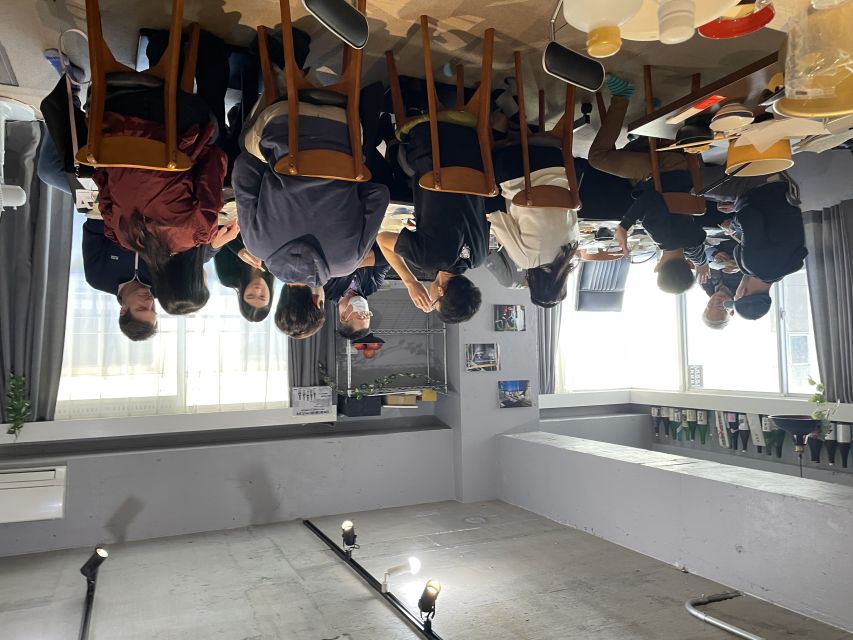
This tour is a strong fit if you want a guided Tsukiji experience that includes both food and sake, not just one or the other. I’d especially recommend it if:
- You’re visiting for a short stay in Tokyo and want an efficient afternoon
- You like tasting activities with instruction, not random sampling
- You want to learn what style of sake you actually enjoy
I’d think twice if:
- You hate crowds or long walking in busy market lanes
- You’re traveling with mobility needs, since it’s not suitable for wheelchair users
- You’re pregnant, since it’s not suitable for pregnant women
- Your dates fall on Sundays or national holidays, when the Outer Market is closed
FAQ
FAQ
Where do I meet the guide?
Meet your guide in front of the main entrance gate of Tsukiji Hongwanji Temple.
How long is the tour?
The tour lasts 3 hours.
Is the tour offered in English?
Yes. The live tour guide speaks English and Japanese.
Is the tour rain or shine?
Yes, it runs rain or shine.
What is included in the price?
Included are the walking tour, unlimited sake tasting, and snacks.
Is food included?
Food is not included (you’ll be tasting items during the tour, but the listing notes that food isn’t part of what’s included).
How many sakes will I have access to?
The tasting offers 50 to 60 different kinds.
Are tastings really unlimited?
Yes. The sake tasting is listed as unlimited.
What should I bring?
Bring comfortable shoes and a passport or ID card (a copy is accepted).
Is the tour family-friendly for kids?
Yes. Soft drinks and tea and snacks are provided for kids during the tasting portion.
Which days might the Outer Market be closed?
The Outer Market is closed on Sundays and National Holidays, and some stores may be closed on Wednesdays.
Should You Book This Tsukiji Outer Market + Sake Tour?
I think it’s a great choice if you want Tsukiji to feel like a local outing, not just a photo run. The temple start gives culture with context. The market walk gives you food guidance where you’d otherwise get lost. And the sake session is the real payoff: unlimited tasting, a large range of types, and an expert who explains what you’re tasting and how temperature and style change the experience.
Just make sure your schedule avoids Sunday or national holidays, wear good shoes, and be ready to walk in a crowded market area. If that sounds like your kind of Tokyo afternoon, book it and plan to linger with your newfound favorite sake afterward.
More Tours in Tokyo
- Mt Fuji and Hakone 1-Day Bus Tour Return by Bullet Train
★ 5.0 · 26,383 reviews - 1-Day Tokyo Bus Tour
★ 5.0 · 14,250 reviews - Tokyo: Shinjuku Food Tour (13 Dishes at 4 Local Eateries)
★ 5.0 · 6,603 reviews - Tokyo Mt Fuji 5th St & Hakone Cruise Bus Tour w/Bullet Train
★ 4.4 · 5,024 reviews - Flagship 2-Hours Official Street Go-Kart Tour – Tokyo Bay Shop
★ 5.0 · 4,974 reviews
More Tour Reviews in Tokyo
- Mt Fuji and Hakone 1-Day Bus Tour Return by Bullet Train
★ 5.0 · 26,383 reviews - 1-Day Tokyo Bus Tour
★ 5.0 · 14,250 reviews - Tokyo: teamLab Planets TOKYO Digital Art Museum Entry Ticket
★ 4.6 · 9,779 reviews - Mt Fuji & Hakone Cruise, Drum Show Bullet Train 1 Day from Tokyo
★ 4.0 · 7,413 reviews - Tokyo: Shinjuku Food Tour (13 Dishes at 4 Local Eateries)
★ 5.0 · 6,603 reviews
More Tsukiji Market Breakfasts
- Tokyo Tsukiji Fish Market Food and Culture Walking Tour
★ 5.0 · 3,184 reviews - Tokyo: Tsukiji Fish Market Food and Walking tour
★ 5.0 · 1,724 reviews - Tokyo: Tsukiji Fish Market Guided Walking Tour
★ 4.9 · 1,397 reviews - Tokyo Sushi Making Class in Tsukiji with Professional Chef
★ 5.0 · 1,177 reviews - Tsukiji Fish Market Guided Tour and Sushi Making with Pro Chef
★ 5.0 · 775 reviews
Latest Tokyo reviews off our desk






Tsukiji Market Food Tours, compared.
 ★ 5.0Tokyo Tsukiji Fish Market Food and Culture Walking TourFrom $993,184 reviews
 ★ 5.0Tsukiji Fish Market Food and Walking tourFrom $301,724 reviews
 ★ 4.9Tsukiji Fish Market Guided Walking TourFrom $221,397 reviews
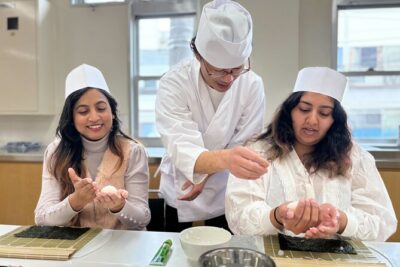 ★ 5.0Tokyo Sushi Making Class in Tsukiji with Professional ChefFrom $491,177 reviews
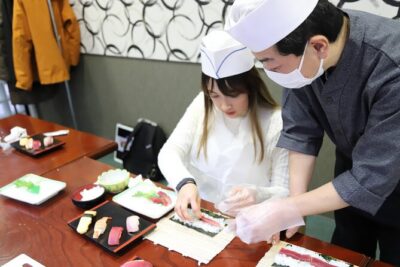 ★ 5.0Tsukiji Fish Market Guided Tour and Sushi Making with Pro ChefFrom $104775 reviews
★ 4.7Tsukiji Fish Market Food and Culture Walking TourFrom $96757 reviews
★ 5.0Tsukiji Fish Market Guided Tour and Sushi Making with Pro ChefFrom $104775 reviews
★ 4.7Tsukiji Fish Market Food and Culture Walking TourFrom $96757 reviews
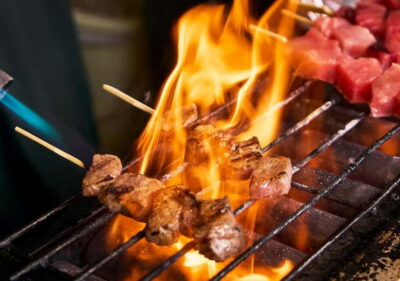 ★ 5.0Tsukiji Fish Market: Street Food & Culture Walking TourFrom $33669 reviews
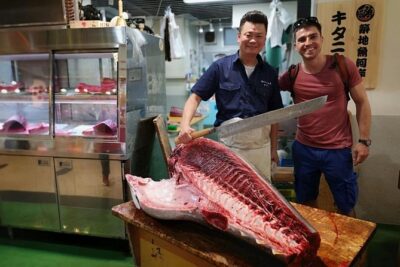 ★ 5.0Tsukiji Fish Market Small-Group Food Walking TourFrom $87621 reviews
Browse the lists this tour appears in