
Reviewed · YOKOHAMA DAY TRIPS
Yokohama: A City at the Corner of Tradition and Modernity
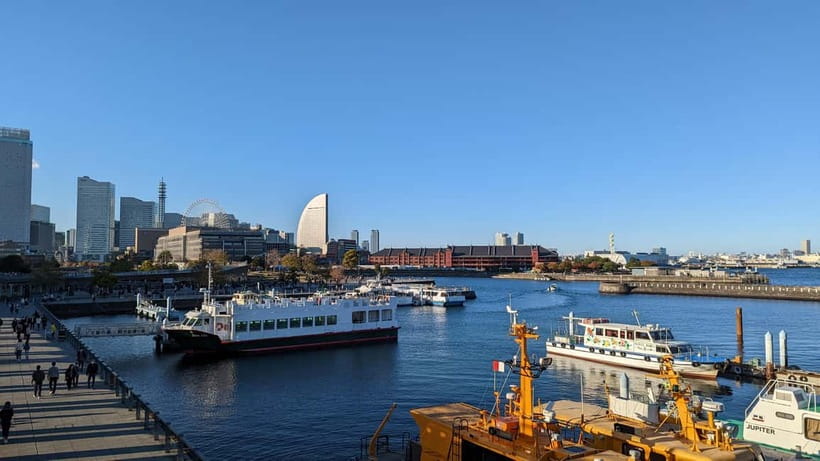
Yokohama feels split right down the middle. You get Minato Mirai downtown, the big draw of Yokohama Chinatown, and then a proper break in the greenery at Sankei-en, all wrapped into one 4-hour private walk with an English-speaking guide. I like that this isn’t just photo stops; it’s built to help you connect Yokohama’s trading-era turnaround to what you see on the streets now.
The main thing to consider is the pace. This is mostly walking, with public transport used at times, so bring comfortable walking shoes and plan for real foot time. If you tire easily, you can let the guide know and the plan can be adjusted.
In This Review
- Key Stops and What Makes Them Worth Your Time
- Why This 4-Hour Yokohama Walk Works (Even If Your Day Is Packed)
- Starting at Nihon-Odori: Easy Meeting, Smart Orientation
- Minato Mirai in One Bite: Downtown Without the Time Sink
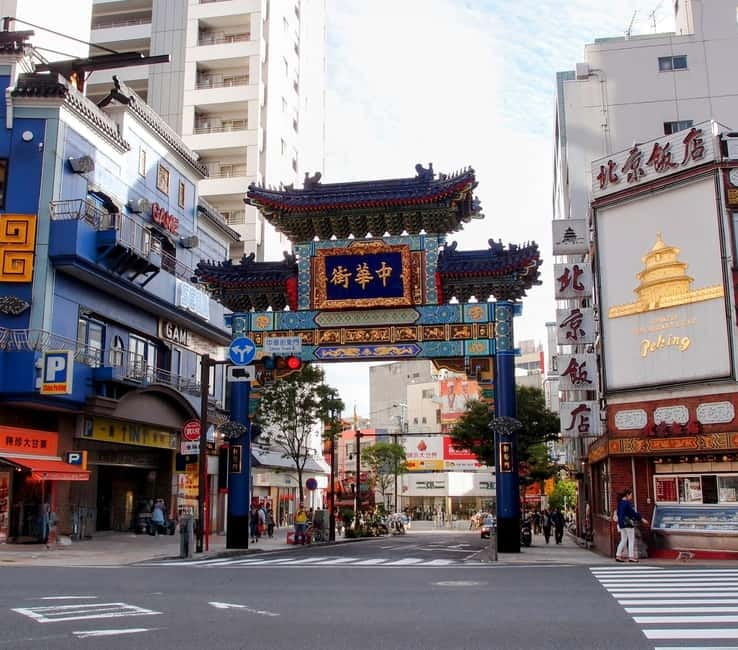
- Yokohama Chinatown: Japan’s Largest Chinatown, Made for Wandering
- Sankei-en Garden: A Reset After Street Time
- Noge: Finishing With a Neighborhood Vibe Instead of Another Landmark
- John and the Guide Factor: The Real Quality Marker
- Price and Value: What $129 Buys You (and What It Doesn’t)
- Timing, Pace, and What to Wear Without Regretting It
- Who Should Book This Tour (and Who Might Not Love It)
- Should You Book This Yokohama Tour?
- FAQ
- How long is the Yokohama tour?
- What is the meeting point?
- Is this tour private?
- What’s included in the $129 price?
- Is lunch included?
- Are there extra costs during the tour?
- What should I bring?
- Is the tour wheelchair accessible?
Key Stops and What Makes Them Worth Your Time
- Minato Mirai: Yokohama downtown energy in a concentrated window
- Yokohama Chinatown: Japan’s largest Chinatown, made for wandering
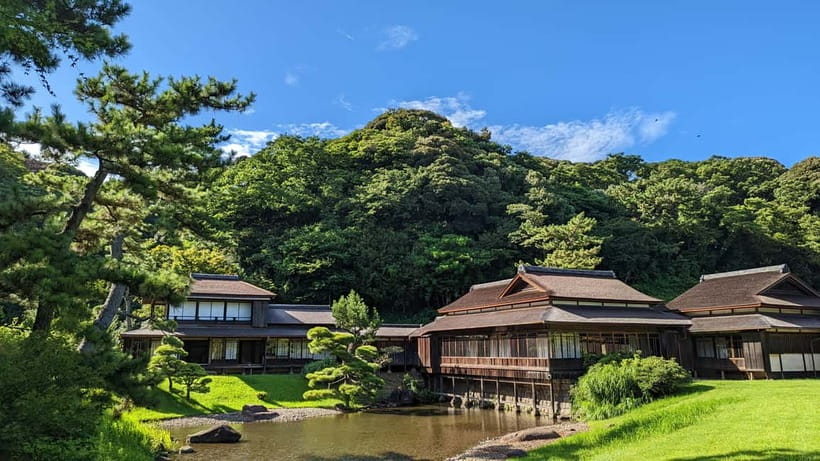
- Sankei-en Garden: the best garden in the whole Tokyo region (per the tour focus)
- Noge: a different side of Yokohama after the “big sights”
- Private, English-led pacing: you can ask questions and steer the flow a bit
Why This 4-Hour Yokohama Walk Works (Even If Your Day Is Packed)
Yokohama has one of those easy-to-miss stories. About 200 years ago, it was so small it barely counted as a town. Then in the mid-1800s, Japan opened up trade with the outside world, and Yokohama suddenly grew into one of Japan’s largest and richest cities—and you can still feel that shift in how the city is laid out today.
What I like about this tour is the balance. You cover the modern downtown first—Minato Mirai is the “now” part—then you switch gears to Yokohama Chinatown, and you end with a garden and a neighborhood like Noge. That mix matters because it keeps the day from turning into a single-note sightseeing sprint.
The harbour city next door, reviewed
- Tokyo 8hr Private Tour with Licensed Guide from Yokohama
★ 5.0 · 94 reviews - Shuttle Van Transfer, Yokohama(Port)⇒Tokyo, Narita, Haneda, TDR
★ 5.0 · 63 reviews - Yokohama Ramen Adventure From a Local Noodle Factory to Home
★ 5.0 · 60 reviews - Yokohama 4hr Private Tour with Government-Licensed Guide
★ 5.0 · 34 reviews
Starting at Nihon-Odori: Easy Meeting, Smart Orientation
You’ll meet just outside Exit 2, the Stadium Exit, of Nihon-Odori Station. That’s a practical start point because it puts you near the center of the city grid without making you fight for the first landmark.
From there, expect a route designed for getting around efficiently. The tour uses public transport at times, but most of the time you’re on foot. That matters for value: you’re paying for a guide who helps you move between areas, not just stand at one spot and point.
Minato Mirai in One Bite: Downtown Without the Time Sink
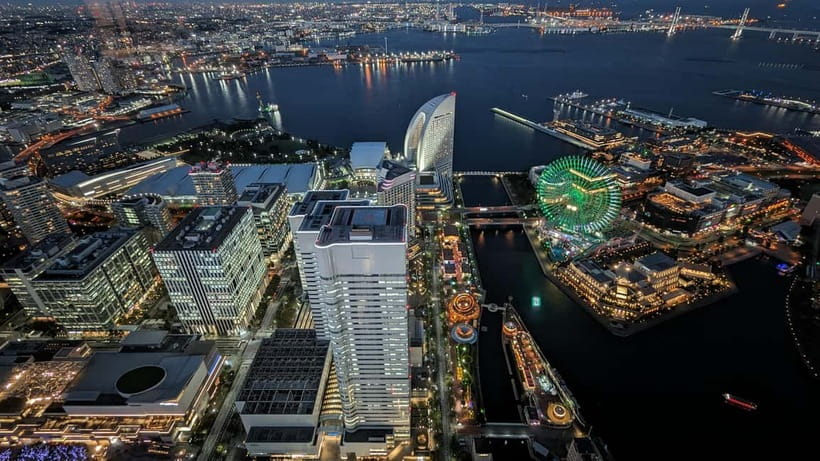
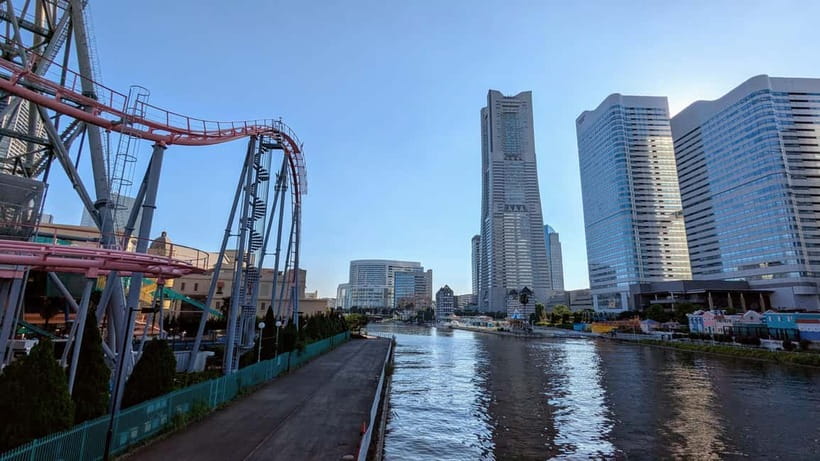
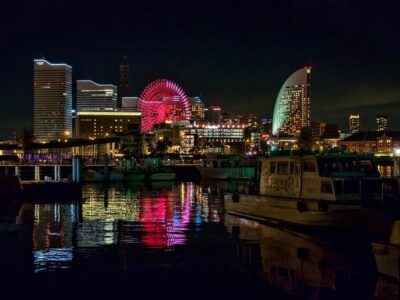
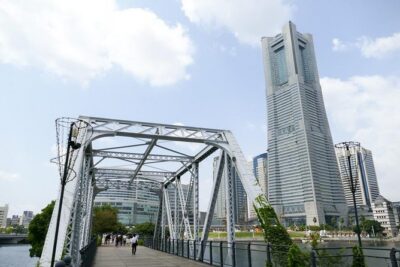
Minato Mirai is Yokohama downtown, and this tour gives you a focused pass through that side of the city. Instead of trying to cover every corner on your own, you get a guided walk that keeps you oriented and moving toward the next “must-see” area.
This is also the part of the day where the Yokohama story clicks. Yokohama’s late-1800s boom as a trade hub shaped its modern footprint, and Minato Mirai is the area you’ll notice that change most. If you’re only in Yokohama for a short time, this is the piece that helps you understand the city’s present-day rhythm fast.
Practical note: downtown walking can mean more exposed sun, more street noise, and more chances for pace to feel quick. The tour duration is 4 hours, so it’s smart to wear shoes that can handle a full stretch.
Yokohama Chinatown: Japan’s Largest Chinatown, Made for Wandering
Yokohama Chinatown is the biggest Chinatown in Japan, and the tour builds in enough time to actually wander instead of treating it like a checklist. This is where you’ll feel the contrast with the downtown section: one area says modern trade-city, the next area says cultural crowd and street life.
What I like here is the “linger factor.” Chinatown is the kind of place where you can keep discovering new streets and storefronts with every turn. Having a guide helps because you’re not just looking at signs—you get context that makes the place feel more connected to Yokohama’s identity.
A drawback to watch: Chinatown can be busy on walking days. If you don’t like crowds, keep your expectations flexible and use the guide’s pacing to find moments where the walking flow feels manageable.
Sankei-en Garden: A Reset After Street Time
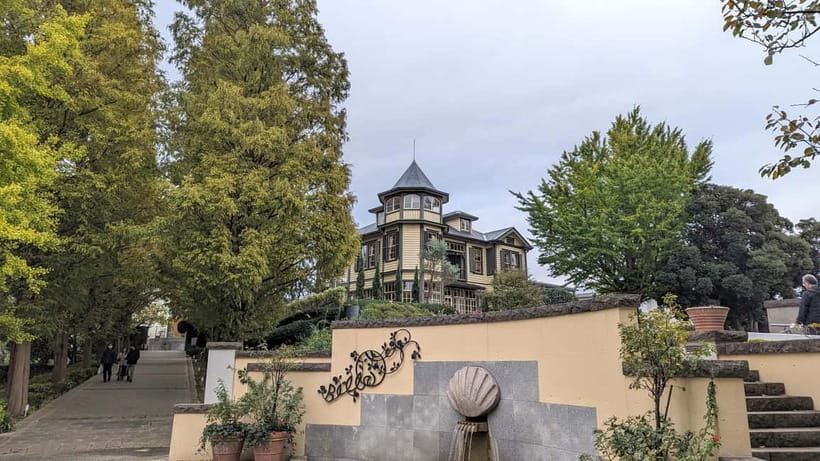
Then comes the good reset—Sankei-en Garden. The tour describes it as the best garden in the whole Tokyo region, and that claim makes sense as the “breather” stop in a sightseeing day. After downtown and Chinatown, this is the place to slow down, step back from the crowd energy, and enjoy a quieter setting.
Gardens are also where a guide can add real value. Even when you’re just walking paths, a good guide helps you understand what you’re looking at and how to experience it at a calm pace. This is especially helpful if you’re the type who likes to know why a place is famous, not just where to stand for pictures.
If you’re worried about timing, remember this tour is only 4 hours total. Sankei-en is likely planned so you leave with the feeling you experienced it, not the feeling you rushed through it.
Readers also shortlisted these Yokohama bookings:
- Yokohama Port: Private Arrival Transfers to Tokyo City Center★ 4.0 · 20 reviews
- Yokohama Private Transfer: Tokyo City, Narita and Haneda Airport★ 4.5 · 18 reviews
- Yokohama: A City at the Corner of Tradition and Modernity★ 4.7 · 3 reviews
Noge: Finishing With a Neighborhood Vibe Instead of Another Landmark
Finally, you’ll spend time in Noge. This stop rounds out the day by stepping away from “big attraction” mode and toward a more neighborhood-style feel.
I like ending with Noge because it changes what you notice. Downtown and Chinatown put you in standout scenes. A neighborhood stop is where you start noticing the day-to-day texture—streets, small rhythms, and how the city looks when you’re not chasing a headline sight.
Also, finishing here can be a smoother landing if you’re meeting up with someone later or heading back to your hotel. It’s not another ticketed destination; it’s more of a sense-and-walk closer.
John and the Guide Factor: The Real Quality Marker
The tour’s standout strength is the guide experience. In one case, the guide was named John, and the feedback described him as outstanding—deeply organized, flexible with an injured knee, and ready with answers to questions about everyday life in Japan.
That flexibility is not a minor detail. When you’re on a walking tour, small adjustments can make the difference between a “good day” and a “painful day.” If you tell the guide you tire easily, they can shift the plan to rely more on transport. That’s exactly the kind of practical care that makes a private tour feel worth it.
And when you’re spending time across multiple Yokohama areas, having a guide who can answer questions on life in Japan adds a lot. It turns “seeing places” into understanding place-and-people context.
Price and Value: What $129 Buys You (and What It Doesn’t)
The price is $129 per group, up to 10 people, for 4 hours. That structure is important. Instead of pricing per person like some city tours, you’re buying a private, guided experience for your group size.
So is it good value? Usually, yes—if you’re the kind of group that wants:
- a guide to handle routing between downtown, Chinatown, a garden, and a neighborhood
- English-language help
- a flexible, question-friendly pace
What’s not included is the day-to-day extras. Lunch/snacks and drinks are on you, and you should plan for transportation of about 400 yen and entry fees of about 1000 yen. Those amounts aren’t huge compared to the cost of a guided day, but you’ll want cash or a card ready so you don’t scramble later.
Timing, Pace, and What to Wear Without Regretting It
This is a walking tour. Even though there’s some public transport use, most of the time you’ll be moving on foot. That’s why comfortable shoes aren’t optional—they’re the difference between enjoying the stops and counting minutes until you sit down.
Bring water if you’re visiting in summer. The tour doesn’t promise long indoor breaks, and garden time is calmer, not necessarily cooler. If you’re prone to knee or foot issues, tell the guide early. The tour has shown it can adapt the plan in those cases.
One more practical note: it’s not suitable for wheelchair users. If you need mobility support, plan around that. The tour is designed around walking routes and public transport segments.
Who Should Book This Tour (and Who Might Not Love It)
This tour is a strong match if you:
- want a short, guided overview of Yokohama’s major contrasts: modern downtown, Chinatown, a standout garden, and a neighborhood stop
- prefer to walk with a guide rather than map it all alone
- like asking questions and getting clear, organized answers from your guide
You might reconsider if:
- you have limited walking tolerance and can’t use the guide’s offered pacing adjustments
- you’re looking for mostly seated time or a low-step day
Should You Book This Yokohama Tour?
If you want Yokohama in a single, well-managed morning or afternoon, I think this is worth your time. The value comes from the mix of four different “moods”—Minato Mirai, Chinatown, Sankei-en garden, and Noge—plus an English guide who’s able to keep things organized and adapt when needed (including mobility issues like an injured knee).
Book it if you’re visiting Yokohama for the first time and you want your day to feel connected, not random. Skip it if your ideal sightseeing day is mostly indoor or mostly sedentary.
FAQ
How long is the Yokohama tour?
It runs for 4 hours.
What is the meeting point?
Meet just outside Exit 2, the Stadium Exit, of Nihon-Odori Station.
Is this tour private?
Yes. It’s a private group tour.
What’s included in the $129 price?
The guide fee, plus one friendly and knowledgeable guide.
Is lunch included?
No. Lunch, snacks, and drinks are not included.
Are there extra costs during the tour?
Yes. Transportation is about 400 yen, and entry fees are about 1000 yen.
What should I bring?
Wear comfortable shoes. If you’re visiting in summer, bring water too.
Is the tour wheelchair accessible?
No. It is not suitable for wheelchair users.
More City Tours in Yokohama
- Yokohama Port: Private Arrival Transfers to Tokyo City Center
★ 4.0 · 20 reviews - Yokohama Private Transfer: Tokyo City, Narita and Haneda Airport
★ 4.5 · 18 reviews - Yokohama Private Tours with Locals: 100% Personalized, See the City Unscripted
★ 4.5 · 3 reviews
More Tour Reviews in Yokohama
- EVO, WRX, Skyline – JDM Night Run to Daikoku Car Meet
★ 4.9 · 478 reviews - Tokyo: Best Price Daikoku Parking Area JDM Car Meet
★ 4.9 · 192 reviews - Daikoku & Tokyo Private JDM Tour by 700HP R34 GT-R
★ 4.9 · 101 reviews - Tokyo 8hr Private Tour with Licensed Guide from Yokohama
★ 5.0 · 94 reviews - 【Tokyo】JDM Daikoku Parking Area & Nissan Facility Tour
★ 5.0 · 87 reviews
The Harbour City Next Door, Rated
- Tokyo 8hr Private Tour with Licensed Guide from Yokohama
★ 5.0 · 94 reviews - Shuttle Van Transfer, Yokohama(Port)⇒Tokyo, Narita, Haneda, TDR
★ 5.0 · 63 reviews - Yokohama Ramen Adventure From a Local Noodle Factory to Home
★ 5.0 · 60 reviews - Yokohama 4hr Private Tour with Government-Licensed Guide
★ 5.0 · 34 reviews - Japanese Tea Ceremony at Private Home in Yokohama, suburban Tokyo
★ 5.0 · 32 reviews
Latest Yokohama reviews off our desk

Yokohama Day Trips, compared.
 ★ 5.0Tokyo 8hr Private Tour with Licensed Guide from YokohamaFrom $20194 reviews
 ★ 4.5Narita Airport: One Way Private Transfer to Tokyo|Yokohama HotelsFrom $7769 reviews
 ★ 5.0Tokyo/Yokohama: Mt. Fuji and Hakone Private Day TourFrom $39264 reviews
 ★ 5.0Shuttle Van Transfer, Yokohama(Port)⇒Tokyo, Narita, Haneda, TDRFrom $12263 reviews
 ★ 5.0Yokohama Ramen Adventure From a Local Noodle Factory to HomeFrom $16560 reviews
 ★ 4.5Private One-Way Transfers to/from Yokohama PortFrom $6750 reviews
 ★ 5.0Private Car Tour to see Highlights of Kamakura, Enoshima, Yokohama from TokyoFrom $1,18348 reviews
 ★ 5.0Yokohama 4hr Private Tour with Government-Licensed GuideFrom $10834 reviews
Browse the lists this tour appears in