
Reviewed · SAKE TASTING
7 Kinds of Sake Tasting with Complementary Foods
Sake learning can be painless. This Tokyo guided tasting turns an intimidating drink into clear, bite-sized lessons, with 7 sakes from different styles and regions. I like that it is taught by a certified sake sommelier, not a random pour-and-pray setup.
Second, I really enjoy the format: each tasting comes with a complementary dish, so you learn what to taste and why it works. You even get pairing tips that include dessert-friendly angles, which is the part most beginner tastings skip.
One thing to keep in mind: at $107.50 you’re paying for instruction plus a full set of sakes and dishes, so it can feel pricey if you just want to casually drink. Also, it lasts about 1 hour 15 minutes, so you will move fast if you like to linger.
In This Review
- Key things to know before you go
- A Tokyo Tower area stop that looks strange, then clicks
- What you actually taste: 7 kinds of sake, not just 7 pours
- The sommelier lesson: how sake production becomes easy to remember
- The paired-food rhythm: a multi-course meal built around learning
- Dessert pairings: the surprise that makes the night stick
- Itinerary flow in plain English (and what to watch for)
- Price and value: what $107.50 really buys in Tokyo
- Who this is for (and who should skip it)
- Logistics that matter on a practical Tokyo evening
- My bottom line: a smart first step into sake
- Should you book this 7 Kinds of Sake tasting?
- FAQ
- What is included in the 7 Kinds of Sake Tasting?
- How long does the experience last?
- Where is the meeting point?
- What time does it start?
- Do I need to know anything about sake beforehand?
- Will you accommodate dietary requirements?
- When will I get confirmation after booking?
- Can I cancel for a full refund?
Key things to know before you go
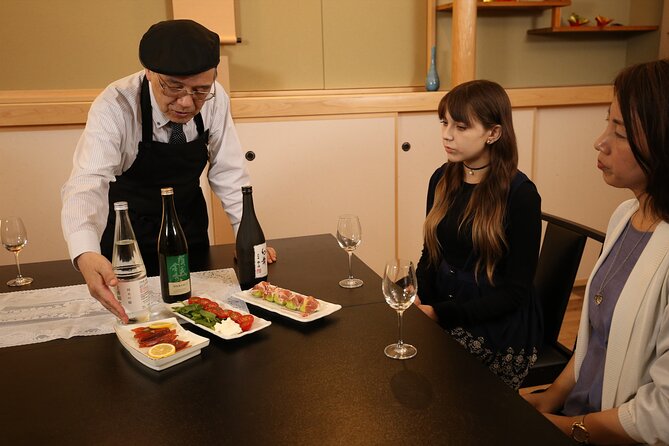
- Certified sommelier-led tasting that explains how sake is made while you taste
- 7 different sakes ranging from sparkling to sweeter styles and dessert pairings
- 7 paired dishes (Japanese and Western touches) designed to teach pairing, not just fill you up
- Beginner-friendly approach that turns sake terms into things you can actually taste
- Tokyo Tower area meeting point that may look odd from the outside, but is easy once you’re there
A Tokyo Tower area stop that looks strange, then clicks
The meeting point is at Kikai Shinkō Kaikan in Shibakōen, Minato City, near Tokyo Tower. The location is in the basement of an office building, across the street from that Tokyo landmark vibe. From street level it can feel a bit anonymous, which is why I suggest arriving a few minutes early so you can spot the right entrance without rushing.
Once you get inside, the tone is warm and practical. You are not thrown into a formal lecture hall. Instead, you get guided tastings and explanations as the night unfolds, like someone is helping you translate sake into normal human language.
Readers also shortlisted these Tokyo bookings:
- Tokyo: Shinjuku Food Tour (13 Dishes at 4 Local Eateries)
★ 5.0 · 6,603 reviews - Tokyo Tsukiji Fish Market Food and Culture Walking Tour
★ 5.0 · 3,184 reviews - Tokyo: Shinjuku Food Tour (15 Dishes and 4 Eateries)
★ 4.9 · 2,033 reviews - Best of Shinjuku: Izakaya Food Tour (4 Stops, 14+ Tastings)
★ 5.0 · 1,863 reviews
What you actually taste: 7 kinds of sake, not just 7 pours
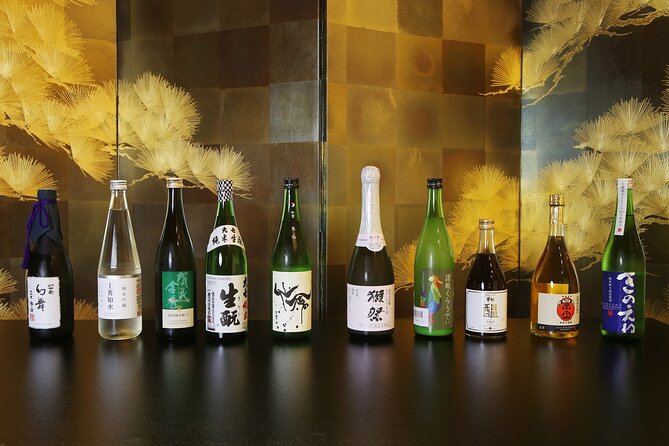
This experience is built around 7 different types of sake, chosen to show how wide the world of sake can be. Expect variety in style, including sparkling sake and sweeter options. There are also sakes selected for dessert pairings, so you learn how this drink can play with sweet flavors instead of only fighting them.
Here’s why that matters. Many first-time tasters only sample a couple types in bars, then decide they either like sake or they do not. With a lineup like this, you start to notice patterns: how sweetness level changes your palate, how acidity or lightness affects food, and how aroma comes forward differently depending on style.
You also get a “beginner map” while tasting. The sommelier keeps tying what is in your cup to what you are learning, so you do not leave with a notebook of vague facts. You leave with a sense of what you liked and why.
The sommelier lesson: how sake production becomes easy to remember
The tasting is introduced as a guided program on culture, history, and cultivation—then it quickly lands on the practical stuff. The instructor explains how sake is produced, including the basic steps from rice to finished drink. You also get an overview of sake history and the main varieties you’ll see in Japan.
I like this teaching approach because it avoids the most common beginner trap: treating sake like one single drink. In reality, sake is a family of styles, and production choices help determine things you can taste—especially the balance of aroma, sweetness impression, and how the drink behaves alongside food.
If you’re thinking, I do not know any sake vocabulary, don’t worry. The lesson is designed so you can follow along even if you are starting at zero. One of the best parts is how much the instructor seems to enjoy answering questions, which helps you stop worrying about saying the wrong thing.
The paired-food rhythm: a multi-course meal built around learning
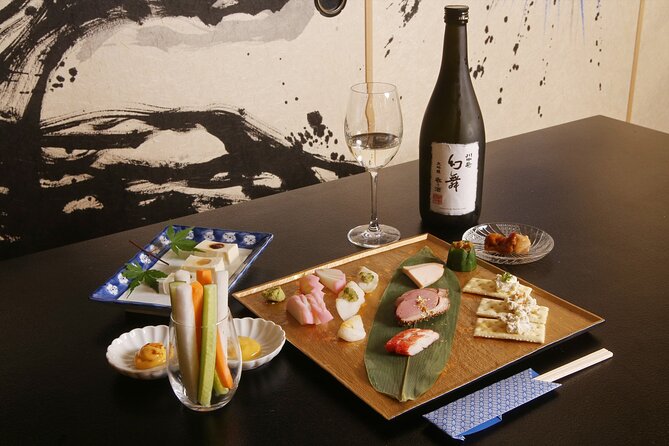
This is not a tiny snack situation. You get a multi-course meal that includes complementary Japanese and Western dishes. There are 7 complementary Japanese dishes, one paired with each of the 7 sake tastings, so the food acts like a guidebook for your palate.
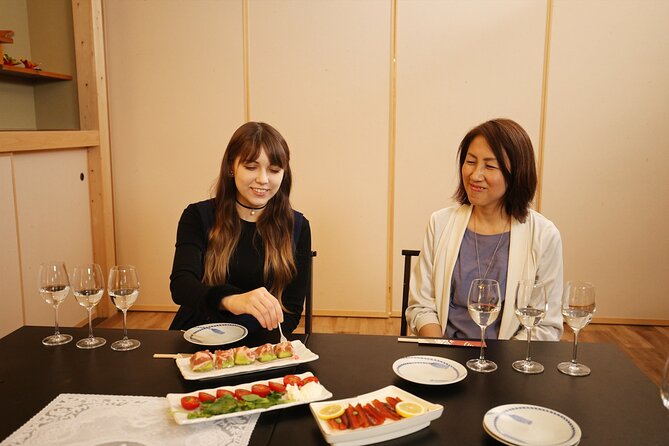
The goal is pairing logic. You’ll get tips on how to match sake with different foods—then you taste that match immediately. This is especially helpful because pairing advice on paper can sound fancy. Pairing in real time is different. You taste a bite, then taste the sake, then the instructor points out what you just noticed.
And yes, the food feels intentional. The small bites add up to a meal, which matters when you are in Tokyo and want dinner to feel like dinner, not just a few calories while you explore.
Dessert pairings: the surprise that makes the night stick
One of the most fun parts is that the lineup explicitly includes sake for dessert pairings. That’s a big deal if you only associate sake with savory meals. Sweetness in sake can work in different ways—sometimes it feels like a gentle bridge, sometimes it makes dessert taste brighter, and sometimes it softens bitterness.
What you’ll learn is how to think about sweet pairings without getting intimidated by numbers or labels. Instead of chasing a single “correct” dessert, you start understanding which sake styles tend to play nicer with which dessert flavors.
If you’re someone who likes dessert but usually ignores alcoholic sweet drinks, this segment can flip your expectations fast.
Readers also shortlisted these Tokyo bookings:
- Best of Shinjuku: Izakaya Food Tour (4 Stops, 14+ Tastings)★ 5.0 · 1,863 reviews
- Tokyo: Shinjuku Local Bar and Izakaya Guided Walking Tour★ 4.9 · 1,794 reviews
- Tokyo: Shinjuku Local Bar & Izakaya Crawl Tour★ 5.0 · 890 reviews
- Shibuya: Local Bar & Izakaya Crawl★ 4.9 · 354 reviews
- Ramen and Sushi Cooking Class with Sake Pairing Set in Tokyo★ 5.0 · 291 reviews
Itinerary flow in plain English (and what to watch for)
The session runs about 1 hour 15 minutes, starting at 6:15 pm and ending back at the meeting point. That means it is timed like an early dinner plan. Plan to eat beforehand only if you truly need to; otherwise, come hungry enough to enjoy the full pairing sequence.
Here’s the realistic flow you can expect:
- Check-in and warm welcome
You’ll be guided into the tasting, with a quick orientation to how the night will work.
- Intro to sake basics
You learn the core background on how sake is made and how to taste with intention.
- 7 tasting rounds with paired dishes
Each sake arrives alongside its matching bite. The sommelier explains what to look for, then you taste and connect the dots yourself.
- Wrap-up and questions
You get time to ask questions and clarify what you liked, what surprised you, and what you might want to seek out later.
Two practical notes. First, because it is only 75 minutes, keep your pace with the group. Second, ask questions when you want them, not after the last pour. The explanations are strongest when they’re still fresh in your mind.
Price and value: what $107.50 really buys in Tokyo
At $107.50 per person, this is not cheap compared to a casual drink purchase. But it is not just a tasting flight either.
Your money supports:
- 7 different sakes
- 7 complementary dishes
- A nationally accredited sake instructor / certified sommelier
- A planned format that teaches pairing logic, including dessert pairings
That combination is the value. In Tokyo, you can absolutely find sake tastings for less, but they often skip the pairing education and the guided explanation. Here, the cost is basically paying for a shortcut: you learn what matters fast, and you taste multiple styles in one sitting.
If you are the type who likes to understand what you’re drinking, this is a solid deal. If you’re only after quantity, you might feel the price more than the experience.
Who this is for (and who should skip it)
You’ll probably love this if:
- you want an easy first sake experience
- you enjoy food pairing and want a real lesson, not just alcohol
- you are curious about how sake is made and how different styles taste
- you want dessert pair insights without guessing
You might want to consider skipping if:
- you already know exactly what styles you like and you just want to sample a few favorites
- you dislike guided group formats or prefer long, unstructured tastings
Also, if you have dietary needs, you should say so ahead of time. The operator asks guests to share dietary requirements, which is your best chance to avoid surprises.
Logistics that matter on a practical Tokyo evening
Start time is 6:15 pm, and it’s near public transportation. That helps, because Tokyo evenings can turn into a choose-your-own-adventure with trains and lines. A mobile ticket is included, which makes check-in simpler.
Group size has a cap of up to 100 travelers, but the room can still feel personal depending on how bookings line up that night. If you want more interaction, this is the kind of experience where the instructor’s attention can feel especially helpful—especially around the pairing explanations.
My bottom line: a smart first step into sake
If you’ve ever walked past sake bottles and felt a tiny bit lost, this experience gives you a map. You taste a range of styles, you learn how sake is produced, and you get pairing tips that are immediately testable with the food in front of you.
It’s also a nice dinner plan. The bites add up, and you get a guided structure for the night instead of wandering hoping for the best.
Should you book this 7 Kinds of Sake tasting?
Book it if you want a first-time-friendly sake lesson with food pairings and dessert-style tasting, all in one tight 75-minute session. It is also a great choice if you like the idea of learning from a certified sommelier rather than guessing in a bar.
Pass if you are expecting a long, slow, one-on-one tasting. This is a guided program with a schedule, so you get a lot of value fast, not hours of wandering and chatting.
If you’re on the fence, ask yourself one question: do you want to understand sake, or do you just want to drink it? This is built for the first option.
FAQ
What is included in the 7 Kinds of Sake Tasting?
You get a nationally accredited sake instructor, 7 different kinds of Japanese sake, and 7 complementary Japanese dishes. Extra food or beverages are not included.
How long does the experience last?
The tasting is approximately 1 hour 15 minutes.
Where is the meeting point?
The start is at Kikai Shinkō Kaikan, 3-chōme-5-8 Shibakōen, Minato City, Tokyo 105-0011, Japan. The activity ends back at the meeting point.
What time does it start?
It starts at 6:15 pm.
Do I need to know anything about sake beforehand?
No. It is described as an introductory program, and most travelers can participate.
Will you accommodate dietary requirements?
You should let them know if you have any dietary requirements.
When will I get confirmation after booking?
Confirmation is received within 48 hours of booking, subject to availability.
Can I cancel for a full refund?
Yes. You can cancel up to 24 hours in advance for a full refund. If you cancel less than 24 hours before the start time, the amount paid is not refunded.
More Drinking Tours in Tokyo
- Tokyo Bar Hopping Tour in Shinjuku (All-You-Can-Drink + Dinner)
★ 5.0 · 3,587 reviews - Best of Shinjuku: Izakaya Food Tour (4 Stops, 14+ Tastings)
★ 5.0 · 1,863 reviews - Tokyo: Shinjuku Local Bar and Izakaya Guided Walking Tour
★ 4.9 · 1,794 reviews - Shibuya Meltdown Nightlife Tour: All-You-Can-Drink Bar Hopping
★ 5.0 · 1,058 reviews - Tokyo: Pub Crawl and Bar Tour
★ 4.5 · 951 reviews
More Food & Drink in Tokyo
- Tokyo: Shinjuku Food Tour (13 Dishes at 4 Local Eateries)
★ 5.0 · 6,603 reviews - Tokyo Tsukiji Fish Market Food and Culture Walking Tour
★ 5.0 · 3,184 reviews - Tokyo: Shinjuku Food Tour (15 Dishes and 4 Eateries)
★ 4.9 · 2,033 reviews - Best of Shinjuku: Izakaya Food Tour (4 Stops, 14+ Tastings)
★ 5.0 · 1,863 reviews - Tokyo: Tsukiji Fish Market Food and Walking tour
★ 5.0 · 1,724 reviews
More Tour Reviews in Tokyo
- Mt Fuji and Hakone 1-Day Bus Tour Return by Bullet Train
★ 5.0 · 26,383 reviews - 1-Day Tokyo Bus Tour
★ 5.0 · 14,250 reviews - Tokyo: teamLab Planets TOKYO Digital Art Museum Entry Ticket
★ 4.6 · 9,779 reviews - Mt Fuji & Hakone Cruise, Drum Show Bullet Train 1 Day from Tokyo
★ 4.0 · 7,413 reviews - Tokyo: Shinjuku Food Tour (13 Dishes at 4 Local Eateries)
★ 5.0 · 6,603 reviews
Latest Tokyo reviews off our desk






Sake Tasting, compared.
 ★ 5.0Ramen and Sushi Cooking Class with Sake Pairing Set in TokyoFrom $79291 reviews
 ★ 5.0Sake Tasting Masterclass in Shinjuku (8+ Varieties with a Pro)From $72271 reviews
 ★ 5.0Sake Omakase in Tokyo: Guided Tasting by Certified SommeliersFrom $79239 reviews
 ★ 5.0Tasting All Types of Sake with SommelierFrom $62151 reviews
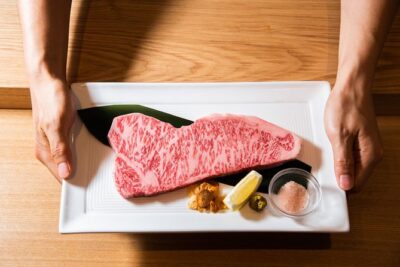 ★ 5.0Wagyu & Sake Pairing in Shinjuku – Steak, Shabu-Shabu & MoreFrom $148112 reviews
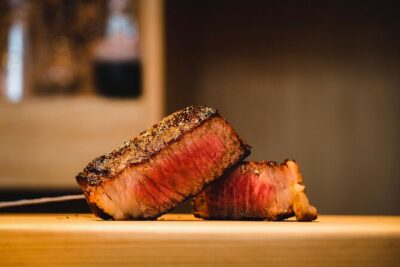 ★ 5.0Tokyo Wagyu & Sake Pairing Tasting Experience with Local FlavorsFrom $151108 reviews
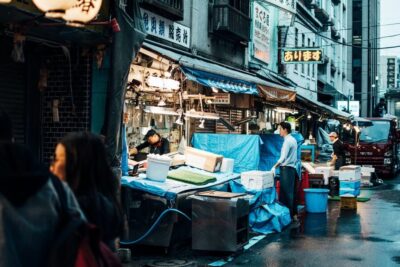 ★ 4.9Tsukiji: Outer Market Walking Tour & Sake Tasting ExperienceFrom $7081 reviews
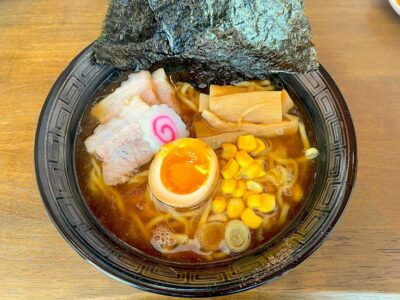 ★ 5.0Sushi and Ramen Cooking Class with Sake Pairing SetFrom $12981 reviews
Browse the lists this tour appears in