
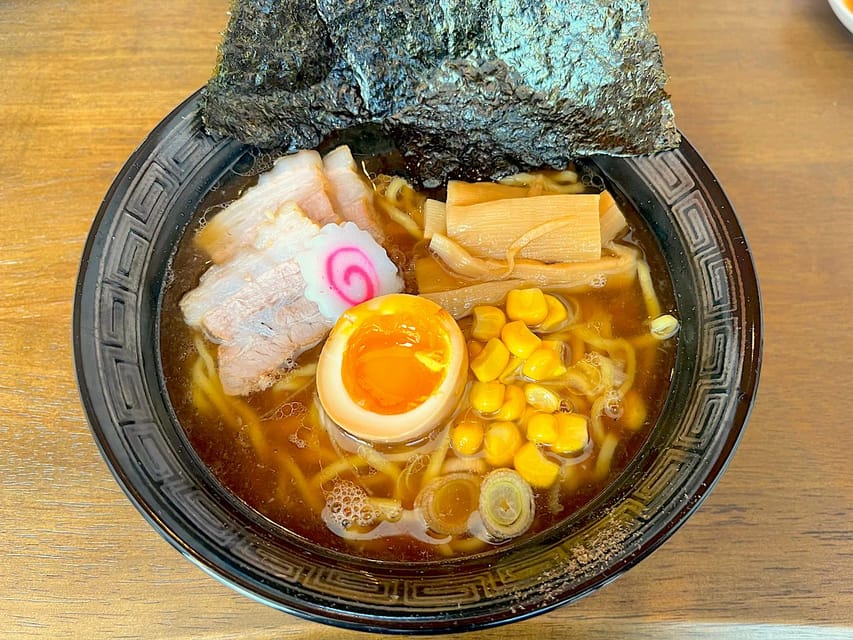
Reviewed · COOKING CLASSES
Tokyo: Sushi and Ramen Cooking Class with Sake Pairing Set
Sushi and ramen in one afternoon. This Tokyo cooking class mixes hands-on nigiri sushi skills with teaching you how to build ramen soup and tender chashu. With English-speaking instructors like Sato, Haruko, and Risa, it feels welcoming from the first minute.
I particularly like the way the class blends technique and culture. You don’t just copy shapes; you learn the why behind sushi and ramen, plus ingredient tips for cooking similar flavors back home. The take-home support is strong too: a detailed recipe booklet and even a souvenir pair of chopsticks.
One consideration: this class is not suitable for vegans or vegetarians, since it centers on ramen broth and pork chashu.
In This Review
- Key Things to Know Before You Go
- Tsukishima Meeting Spot: HAUS Tsukishima and How to Find It
- Three Hours of Ramen and Sushi Skills, Not Just Watching
- Ramen Soup and Chashu: Building Flavor with Real Steps
- Nigiri Sushi: From Rice to Hand-Molded Pieces
- Sake Pairing Set: How the Tasting Works with Your Meal
- Small-Group Teaching with English Guides Like Sato and Alex
- The Recipe Booklet and Chopsticks: Your Take-Home Kit
- Price and Portion Size: Is $129 Good Value?
- Who This Class Fits Best (And Who Should Skip It)
- Quick Decision: Should You Book This Tokyo Sushi and Ramen Class?
- FAQ
- How long is the cooking class?
- What does the class cost?
- How big is the group?
- What dishes will I learn to make?
- Is the class taught in English?
- What is included with the class?
- Where is the meeting point?
- Is it suitable for vegans or vegetarians?
Key Things to Know Before You Go
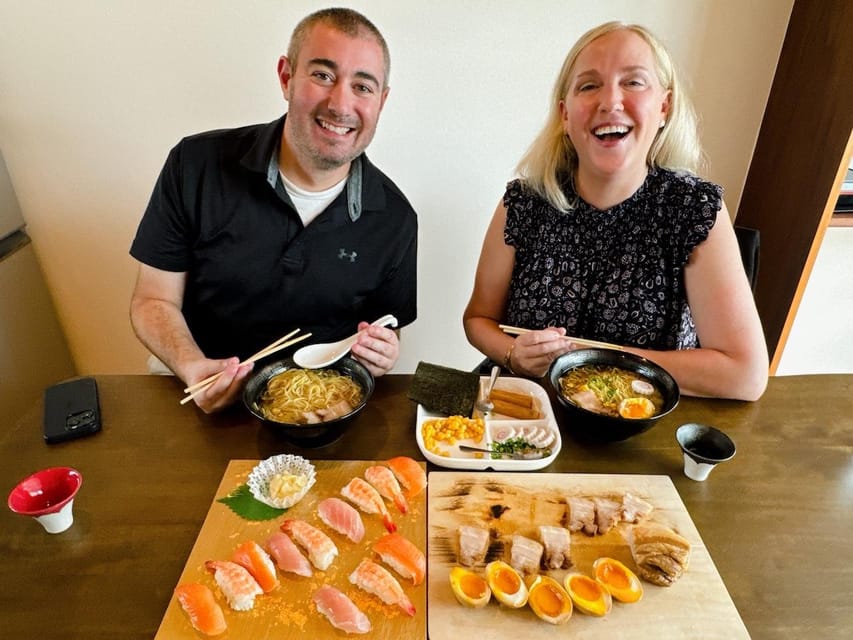
- Ramen broth from scratch with guidance on flavor-building and chashu cooking
- Nigiri practice where you hand-form your own sushi using provided tools and ingredients
- Three-sake tasting set led by a certified sake sommelier, paired with your meal
- Small group size (about four participants in many sessions, max 8) for real interaction
- Food-to-home transfer with a professionally designed recipe booklet
- Cozy, well-run venue near Tsukishima Station, with prep done ahead so you’re not rushed
Tsukishima Meeting Spot: HAUS Tsukishima and How to Find It
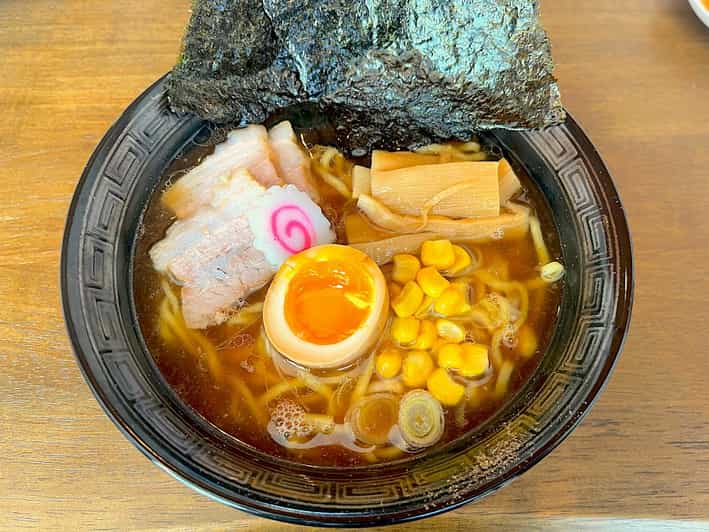
You’ll meet at HAUS Tsukishima, 2nd Floor, at 2-13-5 Tsukuda, Chuo-ku, Tokyo 104-0051. The easiest approach is on foot: it’s a 5-minute walk from Exit 4 of Tsukishima Station (Y21).
This matters because you want your first Tokyo logistics task to be simple. Once you arrive, the format stays calm. There’s time to settle in before you start touching ingredients and tools.
If you’re using a taxi, you can show drivers the Japanese address: 東京都中央区佃2-13-5 HAUS Tsukishima 2階. That shortens the back-and-forth and keeps you on schedule.
Readers also shortlisted these Tokyo bookings:
- Tokyo: Shinjuku Food Tour (13 Dishes at 4 Local Eateries)
★ 5.0 · 6,603 reviews - Tokyo Tsukiji Fish Market Food and Culture Walking Tour
★ 5.0 · 3,184 reviews - Tokyo: Shinjuku Food Tour (15 Dishes and 4 Eateries)
★ 4.9 · 2,033 reviews - Best of Shinjuku: Izakaya Food Tour (4 Stops, 14+ Tastings)
★ 5.0 · 1,863 reviews
Three Hours of Ramen and Sushi Skills, Not Just Watching
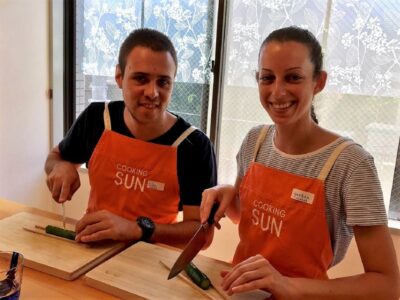
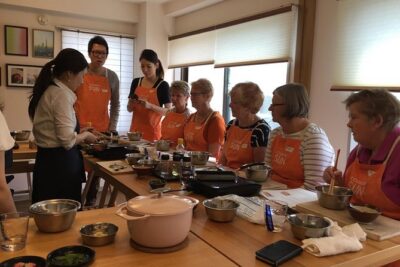
This is a 3-hour, small-group cooking class. The best part is that you get actual participation, not a slow demo where you stand back and watch someone else work.
The menu-and-skills combo is also smart. Ramen and sushi look unrelated, but both rely on the same big ideas: careful prep, balance, and timing. In a single session you can learn how broth develops, how rice behaves, and how finishing touches affect taste.
You’ll work with provided ingredients and necessary tools, so you’re not figuring out shopping lists or equipment. And because the class is taught in English by friendly Japanese instructors, explanations stay clear even if you’re a first-timer.
Plan to arrive about 5 minutes early. Wear comfortable clothes you don’t mind getting a little messy. Cooking in Japan can be clean, but rice and sauces still have a mind of their own.
Ramen Soup and Chashu: Building Flavor with Real Steps
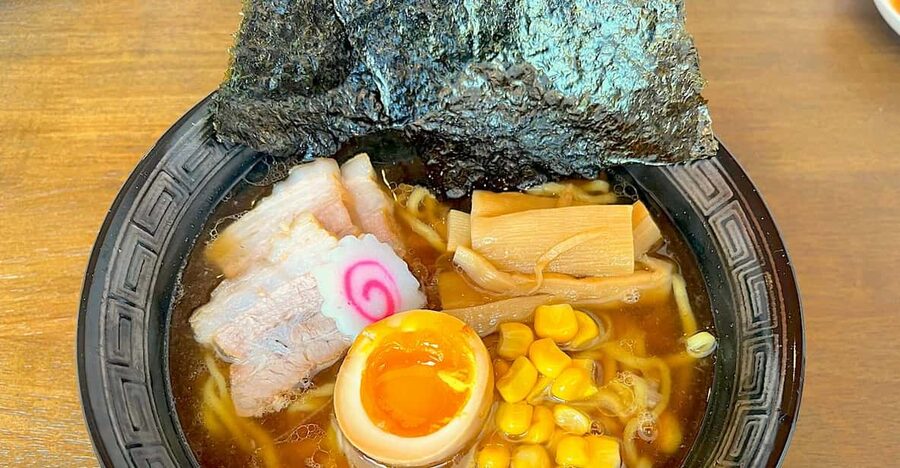
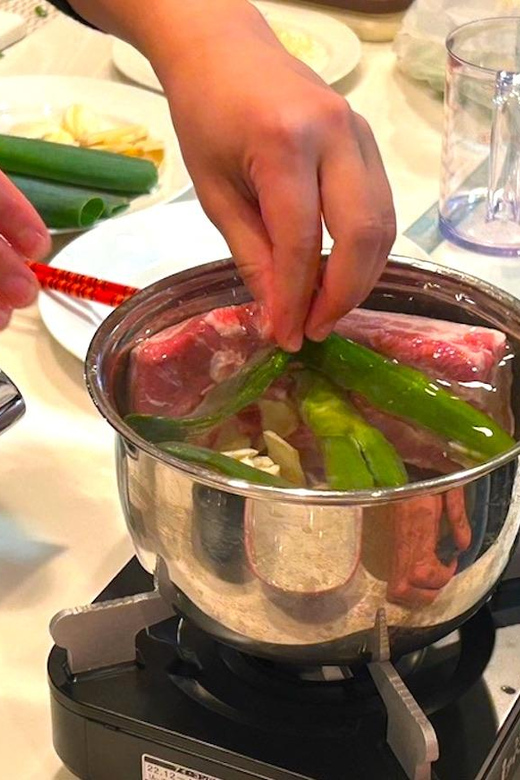
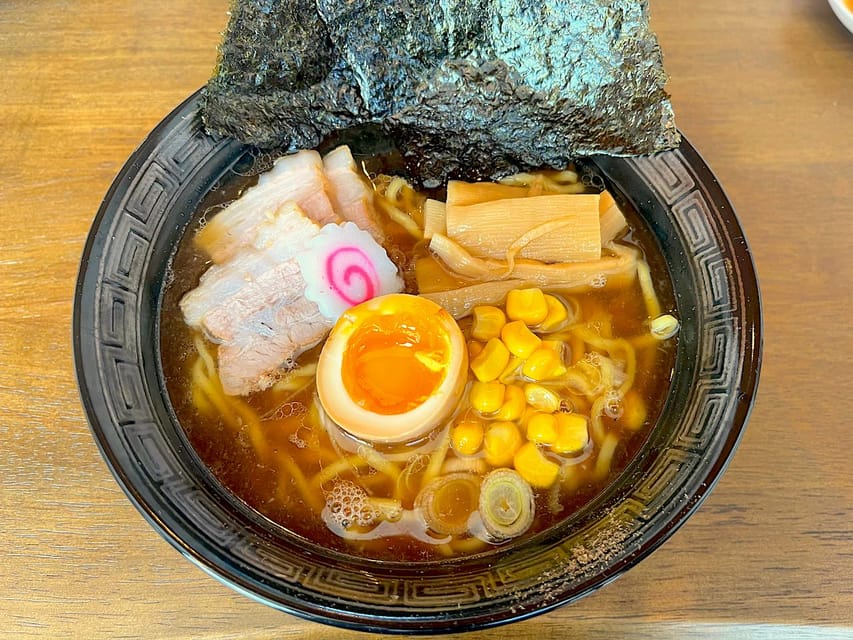
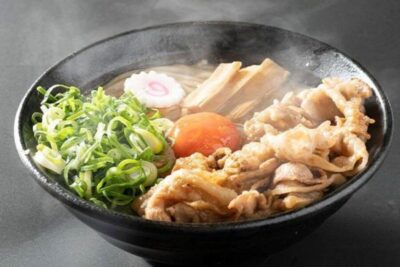
Ramen is the heart of this class. You learn how to create flavorful ramen from scratch, including a rich broth and chashu, a pork belly style that turns tender when it’s treated right.
What I like about the way ramen is taught here is the focus on process. Instead of just saying use this spice, you learn the logic of making a broth taste balanced. That’s the difference between copying a flavor and understanding it.
Chashu is often where home cooks run into trouble. It’s easy to overcook, or to end up with meat that’s not as melt-like as it should be. In this class, you get direct guidance so the result feels like real ramen you’d eat in Japan, not something you made in a hurry.
You also pick up ingredient tips and practical substitution advice for cooking similar flavors outside Japan. That’s especially helpful if you’re taking the class to use it later at home, not just to eat once.
Nigiri Sushi: From Rice to Hand-Molded Pieces
Sushi classes often focus on rolling and cutting. This one focuses on nigiri. That changes everything. Nigiri is about rice texture, gentle pressure, and how the fish and rice sit together.
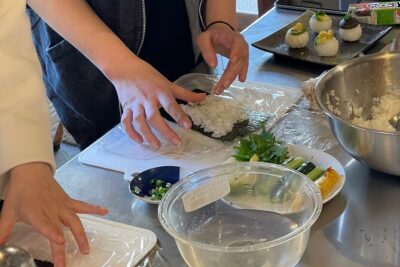
You’ll learn the origins of sushi as part of the story, then practice making nigiri sushi using provided ingredients. The instructors guide you through forming the rice and aligning toppings so your pieces look right and taste right.
The best lesson for home cooks is usually the “small” stuff. Rice temperature matters. Pressure matters. Even how you handle rice can change stickiness and shape. This class gives you hands-on time so the technique starts to make sense.
You’ll also see how the timing works when ramen and sushi are happening in the same session. Ramen needs attention for broth development, and sushi needs attention for rice handling. That scheduling discipline is part of why the meal feels finished instead of rushed.
Sake Pairing Set: How the Tasting Works with Your Meal
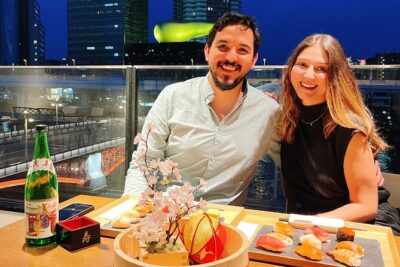
This class includes a curated sake tasting set with three premium Japanese sakes. A certified sake sommelier helps with the tasting, so it’s not just pouring drinks.
The value here isn’t fancy vocabulary. It’s learning what to notice: aroma, taste direction, and how sake interacts with salty, fatty, and savory flavors. That becomes useful when you’re eating ramen or sushi in restaurants, not only during class.
Some participants also mention an assortment of beer and sake choices. Either way, the core point stays the same: you’re getting a guided tasting experience tied to what you cooked.
If you’re already into drinks, this makes the class more than a cooking session. If you’re not into sake yet, it’s a low-pressure way to figure out what style you actually like.
Readers also shortlisted these Tokyo bookings:
- Ramen & Gyoza Cooking Class in Tokyo with Local Supermarket Visit★ 5.0 · 823 reviews
- Tokyo: Easy Ramen Cooking Experience in Kabukicho, Shinjuku★ 4.6 · 321 reviews
- Ramen and Sushi Cooking Class with Sake Pairing Set in Tokyo★ 5.0 · 291 reviews
- Tokyo: Wagyu and 7 Japanese Dishes Cooking Class★ 4.9 · 273 reviews
- Tokyo Washoku 4-hour Cooking Class: From Market to Table★ 5.0 · 253 reviews
Small-Group Teaching with English Guides Like Sato and Alex
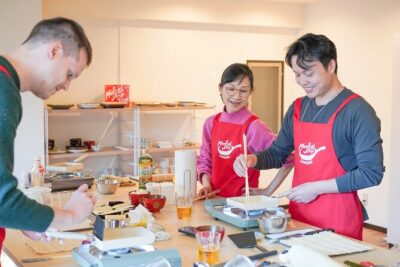
The class is built for interaction. Group size is limited to about 8 participants, and many sessions feel even more intimate, with around four people.
That small number shows up in the teaching style. Instructors can correct your rice handling quickly. They can answer questions as they come up. And you get more chances to try rather than taking turns watching.
The teaching team is friendly and supportive, and names that come up include Sato, Haruko, Risa, and Alex. You can also hear different instructor personalities in the way they explain history and technique, which keeps the lesson from turning robotic.
One fun detail: the class vibe can include quick check-ins like a pop quiz style moment. That kind of light pressure helps you focus without making you nervous. After a short time, it makes the meal feel like your own.
The Recipe Booklet and Chopsticks: Your Take-Home Kit
This isn’t one of those experiences where you eat, take a photo, and forget the details. You get a comprehensive recipe booklet designed to help you recreate what you made.
The booklet includes instructions for more than just the two dishes. You’ll also have guidance for gyoza and sushi, which is a nice bonus if you want to keep building Japanese cooking skills after your Tokyo stop.
Ingredient substitution tips are part of the package too. That matters because many Japanese cooking flavors depend on specific products. If you can’t find the exact ingredient, you still need a practical backup that keeps the spirit of the dish.
And then there’s the souvenir: a pair of high-quality chopsticks. It’s not just a freebie. It’s a small reminder that the class gave you tools, technique, and a reason to keep cooking.
Price and Portion Size: Is $129 Good Value?
At $129 per person for 3 hours, you’re paying for more than ingredients. You’re paying for:
- Hands-on instruction in English
- All necessary ingredients and tools
- A structured plan that includes ramen soup + chashu + nigiri
- A three-sake tasting led by a certified sommelier
- A recipe booklet you can actually use later
- A souvenir pair of chopsticks
That’s the real value math. A typical meal can satisfy hunger. This class teaches you how to recreate the meal, with guidance that would be hard to piece together from random restaurant tips.
Portion-wise, the class meal is described as delicious and plentiful, to the point where some people can’t finish everything. That suggests you’re not just tasting. You’re eating what you made.
If you like learning skills you can repeat at home, the price feels easier to justify. If you mainly want a quick snack and don’t care about technique, you may feel it’s more than you needed.
Who This Class Fits Best (And Who Should Skip It)
This works well for:
- First-time cooks who want patient, step-by-step guidance in English
- People who love both ramen and sushi and want to learn them in one session
- Anyone who wants a hands-on cultural experience, not only restaurant sightseeing
- Groups that benefit from small-team attention, including families on Tokyo trips
It’s not a fit if you’re:
- Vegan or vegetarian, since the cooking centers ramen broth and chashu
Also, if you’re sensitive to mess, note that you’ll be handling ingredients and shaping sushi. Comfortable clothes are your friend here.
Quick Decision: Should You Book This Tokyo Sushi and Ramen Class?
I’d book it if you want a practical Tokyo food experience with real skills attached. The combination of ramen soup building, chashu technique, and nigiri hand-forming is unusually complete for a single 3-hour class. Add the sake pairing set and the take-home recipe booklet, and you walk away with both memories and something you can cook again.
I wouldn’t book it if you’re avoiding pork-based dishes or you want a quick, low-effort activity. This is hands-on cooking, and it’s designed around ramen and sushi as the core.
If that sounds like your kind of afternoon, you’ll likely leave happy, full, and with a new set of skills that makes Tokyo’s food culture feel more personal.
FAQ
How long is the cooking class?
The class lasts 3 hours.
What does the class cost?
The price is $129 per person.
How big is the group?
It’s a small group, limited to about 8 participants.
What dishes will I learn to make?
You’ll learn to make ramen (including broth and chashu) and nigiri sushi.
Is the class taught in English?
Yes, the instructor is English-speaking.
What is included with the class?
It includes the sushi and ramen cooking experiences, all necessary ingredients, and an English-speaking instructor. You’ll also get a recipe booklet and a pair of souvenir chopsticks, and it includes a sake tasting set.
Where is the meeting point?
You’ll meet at 2nd Floor, HAUS Tsukishima, 2-13-5 Tsukuda, Chuo-ku, Tokyo 104-0051, about a 5-minute walk from Exit 4 of Tsukishima Station (Y21).
Is it suitable for vegans or vegetarians?
No. It is listed as not suitable for vegans or vegetarians.
More Cooking Classes in Tokyo
- Ramen & Gyoza Cooking Class in Tokyo with Local Supermarket Visit
★ 5.0 · 823 reviews - Tokyo: Easy Ramen Cooking Experience in Kabukicho, Shinjuku
★ 4.6 · 321 reviews - Ramen and Sushi Cooking Class with Sake Pairing Set in Tokyo
★ 5.0 · 291 reviews - Tokyo: Wagyu and 7 Japanese Dishes Cooking Class
★ 4.9 · 273 reviews - Tokyo Washoku 4-hour Cooking Class: From Market to Table
★ 5.0 · 253 reviews
More Food & Drink in Tokyo
- Tokyo: Shinjuku Food Tour (13 Dishes at 4 Local Eateries)
★ 5.0 · 6,603 reviews - Tokyo Tsukiji Fish Market Food and Culture Walking Tour
★ 5.0 · 3,184 reviews - Tokyo: Shinjuku Food Tour (15 Dishes and 4 Eateries)
★ 4.9 · 2,033 reviews - Best of Shinjuku: Izakaya Food Tour (4 Stops, 14+ Tastings)
★ 5.0 · 1,863 reviews - Tokyo: Tsukiji Fish Market Food and Walking tour
★ 5.0 · 1,724 reviews
More Tour Reviews in Tokyo
- Mt Fuji and Hakone 1-Day Bus Tour Return by Bullet Train
★ 5.0 · 26,383 reviews - 1-Day Tokyo Bus Tour
★ 5.0 · 14,250 reviews - Tokyo: teamLab Planets TOKYO Digital Art Museum Entry Ticket
★ 4.6 · 9,779 reviews - Mt Fuji & Hakone Cruise, Drum Show Bullet Train 1 Day from Tokyo
★ 4.0 · 7,413 reviews - Tokyo: Shinjuku Food Tour (13 Dishes at 4 Local Eateries)
★ 5.0 · 6,603 reviews
Latest Tokyo reviews off our desk




Cooking Classes, compared.
 ★ 5.0Ramen & Gyoza Cooking Class in Tokyo with Local Supermarket VisitFrom $122823 reviews
 ★ 4.6Easy Ramen Cooking Experience in Kabukicho, ShinjukuFrom $29321 reviews
 ★ 5.0Ramen and Sushi Cooking Class with Sake Pairing Set in TokyoFrom $79291 reviews
 ★ 4.9Wagyu and 7 Japanese Dishes Cooking ClassFrom $67273 reviews
 ★ 5.0Tokyo Washoku 4-hour Cooking Class: From Market to TableFrom $79253 reviews
 ★ 5.0Small-Group Wagyu Beef and 7 Japanese Dishes Tokyo Cooking ClassFrom $72190 reviews
 ★ 5.0Private Home Cooking in Yanaka – Local Flavors in a Warm SettingFrom $122173 reviews
 ★ 5.0Tokyo Sushi Making Experience & Japanese Cooking ClassFrom $59150 reviews
Browse the lists this tour appears in