
Reviewed · SAKE TASTING
Sake Omakase in Tokyo: Guided Tasting by Certified Sommeliers
Seven sips can change how you taste. In central Tokyo, this sake omakase turns a simple tasting into a guided lesson, with 7 Japan-only selections served across 4 themed courses and unlimited refills at a beautiful Showa-era wood table.
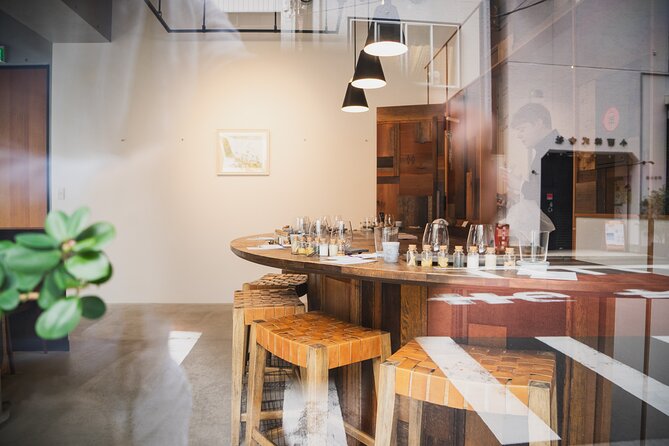
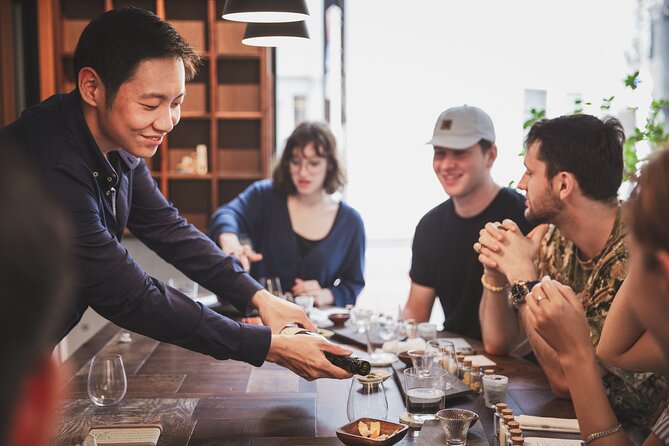
I love the human part: native English-speaking sommeliers (including Eric, Aaron, Frank, and Phillip) explain what you’re tasting and answer questions in plain language. I also love the setting, built around reclaimed Showa wood that makes the whole session feel like a small, cared-for ritual rather than a bar trick.
One consideration: this is still a drinking experience—7 sakes in about 2 hours with free-flow refills means it can feel like a lot if you want to go slow. And it is not recommended if you have an alcohol allergy.
In This Review
- Key highlights worth penciling in
- Sake Omakase at a Showa-era table: the vibe and the point
- Price and value: what $79.52 buys you in real terms
- How the 2-hour flow stays fun (and not overwhelming)
- Course 1: rice comparisons and building your flavor map
- Course 2: sake at multiple temperatures (five ways to see the same bottle)
- Course 3: spice and herb infusions with snack-friendly structure
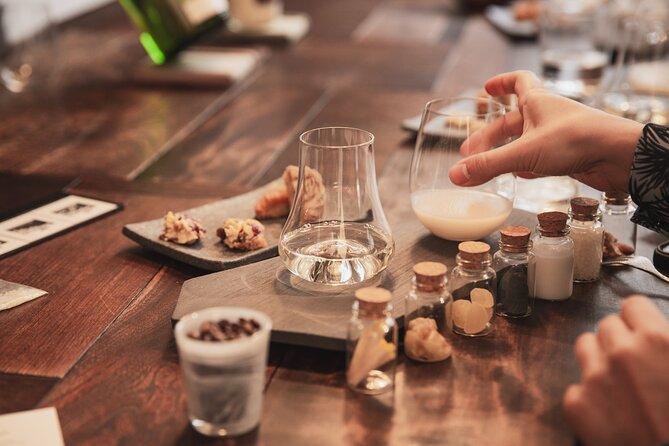
- Course 4: how the drinking vessel changes flavor
- The sommeliers and multilingual experience: how to get answers fast
- Snacks and pairings: pickles, cheeses, cured meats, dessert
- Where to meet in Tokyo (and what to plan around)
- Who this sake tasting is best for (and who should skip)
- How to get the most out of your unlimited refills
- Should you book this sake omakase in Tokyo?
- FAQ
- How long is the sake tasting?
- How many sakes will I taste?
- Is there unlimited refills?
- What kinds of snacks are included?
- Who hosts the experience and what languages are used?
- How big is the group?
- Where do I meet, and what’s the cancellation timing?
Key highlights worth penciling in
- 7 Japan-exclusive sakes served across 4 themed courses (with unlimited refills)
- Multilingual guidance with native English plus Japanese and Chinese support
- Showa-era table atmosphere using reclaimed wood in a designer tasting room
- Small-bite pairings throughout, including pickles, cheeses, cured meats, and dessert
- Maximum 6 people for real conversation and easier questions
- Learning-by-comparison themes like rice styles, temperature changes, and vessel effects
Sake Omakase at a Showa-era table: the vibe and the point
Tokyo has no shortage of sake tastings. What makes this one feel different is how tightly it’s built around the act of learning. You sit at a designer tasting room centered on a reclaimed Showa-era wood table, so you’re facing the menu, the pours, and the explanations—not a loud counter where you’re left to guess.
The experience is guided in a way that doesn’t talk down to you. Sommeliers guide you to notice differences you might otherwise miss: how rice style affects flavor, how temperature shifts aroma, how additions like herbs/spices can change the finish, and how serving vessels can subtly alter the tasting experience. If you’ve ever wondered why one bottle makes you think of melon while another feels more savory, this is built to answer that.
Also, the limited group size matters. With a maximum of 6, questions land fast. You’re more likely to get a direct answer like what matches your palate—clean and crisp, or fuller and rice-forward—rather than waiting for a group lecture.
Readers also shortlisted these Tokyo bookings:
- Tokyo: Shinjuku Food Tour (13 Dishes at 4 Local Eateries)
★ 5.0 · 6,603 reviews - Tokyo Tsukiji Fish Market Food and Culture Walking Tour
★ 5.0 · 3,184 reviews - Tokyo: Shinjuku Food Tour (15 Dishes and 4 Eateries)
★ 4.9 · 2,033 reviews - Best of Shinjuku: Izakaya Food Tour (4 Stops, 14+ Tastings)
★ 5.0 · 1,863 reviews
Price and value: what $79.52 buys you in real terms
At $79.52 per person for about 2 hours, you’re paying for more than a flight. Here’s how the value math works out in practical terms:
- 7 sakes (Japan-exclusive selections) are served, not just a couple tastes.
- Unlimited refills mean you can actually revisit the ones you like instead of treating everything like a one-time sip.
- The format is 4 courses, so you’re not stuck repeating the same flavor profile.
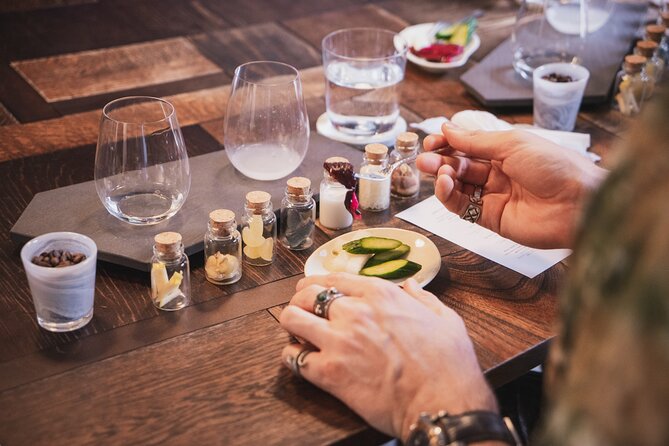
- Snacks are included at each course, and they’re not random. You get small bites meant to help the sake make sense—pickles, cheeses, cured meats, and dessert show up as part of the pairing rhythm.
If you compare this to buying multiple bottles or doing a generic tasting where you pay per drink, the big value is the structure: you get both education and enough pour time to calibrate your preferences. For many people, that’s what turns “I like sake” into “I know what I like and why.”
How the 2-hour flow stays fun (and not overwhelming)
The session is planned as a progression of themed courses. Each course pairs sake with bite-sized food so your palate doesn’t get stuck in one mood for the whole evening.
You can expect a steady cadence: tasting, tasting, then a food pairing, then the next theme. That rhythm keeps it social and reduces the awkwardness of being a novice. The unlimited refills help too, because it’s easy to decide: I’m going to slow down on this one, or I’ll take a second try since I liked it.
For timing: the experience runs about 2 hours and ends back at the meeting point. Since transportation and pickup aren’t included, plan to arrive a few minutes early and settle in before the first pour.
Course 1: rice comparisons and building your flavor map
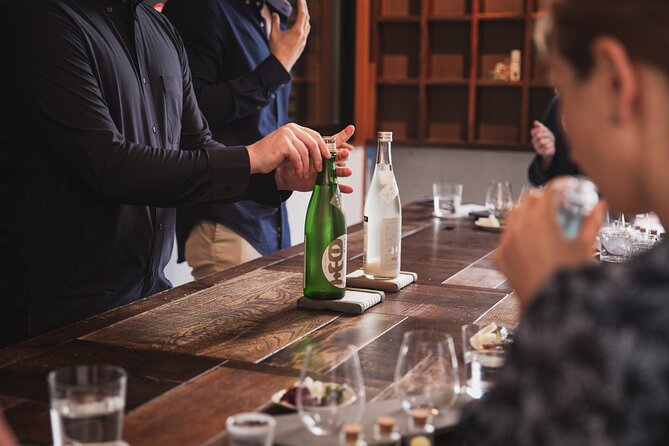
The first course sets your baseline. The theme leans on comparing rice-driven differences, which is where many first-time sake drinkers start getting real answers.
You’ll learn what to look for beyond sweetness or dryness. Rice comparisons help you sort out why some sakes feel more fragrant and lifted, while others come off more rounded or even lightly savory. This is where the sommelier guidance earns its keep: instead of saying generic things like fruity or earthy, they guide you to connect flavor cues to production choices.
This is also where I like the idea of paired small bites. Even without getting too technical, salt, acidity, and fat can all make sake taste different. Pickles and other bite-sized items help you notice how the sake behaves when your palate is “reset” between sips.
What to do with your palate: after each pour, take a breath and ask yourself one simple question: does this taste change more with the bite, or more with the next sip? That’s the start of tasting with intent.
Course 2: sake at multiple temperatures (five ways to see the same bottle)
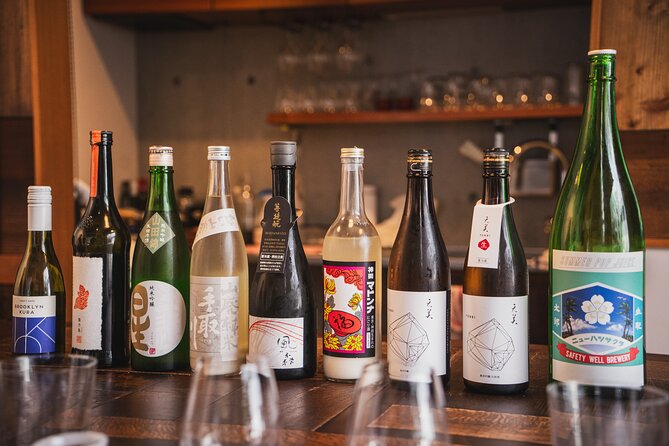
Second course theme: sake at different temperatures—specifically, learning through sake served at 5 temperatures. This isn’t just a gimmick. Temperature changes aroma release, texture feel, and how sweetness or dryness registers.
At warmer temperatures, you’ll often notice deeper fragrance and a softer feel. Colder pours can emphasize clarity, lift, and crisp edges. By the time you reach the middle of this course, you’ll start hearing the same words in your head in different ways: the same base rice and brewing choices can still taste “different” depending on how it’s served.
The benefit for you is control. After this, you can order sake in restaurants with more confidence. You won’t just follow labels; you’ll remember how temperature made a similar style come across, and you’ll know what to ask for.
And yes, the snacks continue. That food rhythm keeps you from tasting only aroma, only sweetness, or only dryness. It gives you contrast—especially useful when the temperature shifts again.
Readers also shortlisted these Tokyo bookings:
- Tokyo 6hr Private Tour with Government-Licensed Guide★ 5.0 · 3,902 reviews
- Tokyo: Shinjuku Local Bar and Izakaya Guided Walking Tour★ 4.9 · 1,794 reviews
- Tokyo: Private City Highlights Tour with Local Guide★ 4.8 · 1,433 reviews
- Tokyo: Tsukiji Fish Market Guided Walking Tour★ 4.9 · 1,397 reviews
- Tokyo 4hr Private Tour with Government-Licensed Guide★ 5.0 · 1,394 reviews
Course 3: spice and herb infusions with snack-friendly structure
The third course brings in spice/herb infusions. This is a practical turning point for many people because it shows what sake can do beyond the clean, traditional expectation.
Infusions can alter aroma and finish. You might pick up herbal notes that make the drink feel lighter, or spices that push it toward a more aromatic, food-friendly profile. The key is that you’re not just “trying something weird.” You’re learning how added elements interact with sake’s natural traits.
This course also has a nice match with the included small bites. If you’re tasting something herbal or spiced, the bite pairings help you anchor the experience. Pickles, cured meats, or cheeses (depending on what’s served in the course) can highlight salty-sweet balance and make the finish easier to evaluate.
My practical tip: keep notes in your head with simple categories. For example, I liked it more with salty bites than with creamy bites. That mental shortcut is exactly what helps you choose sake later.
Course 4: how the drinking vessel changes flavor
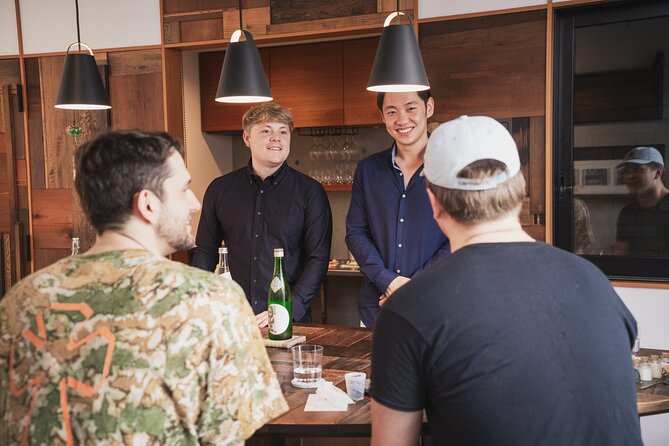
Final course theme: the influence of drinking vessels on taste. This one is fascinating because it’s subtle, and that’s the point. Vessel shape and material can affect how aroma reaches you and how the liquid feels on the palate.
You might find that one pour feels sharper in one glass style, while another feels rounder in another vessel. Even if the sake itself is similar, your senses get different cues. By the end of this course, you’re not only learning about sake—you’re learning how to taste like a person who notices details.
The food pairing still matters here. Ending with a final snack course (with dessert mentioned as part of the included bites) gives you a clean closing moment. Sweetness near dessert can make certain sakes feel fruitier, while salty bites can bring out rice depth. It’s a good way to finish the session with a sense of what to chase next time.
The sommeliers and multilingual experience: how to get answers fast
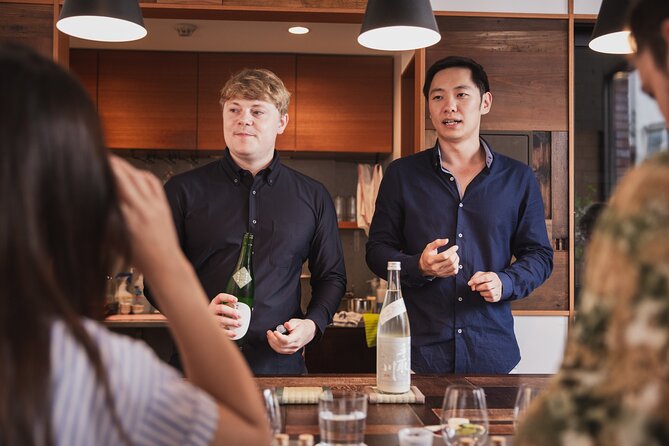
This is hosted by certified sommeliers with native English support, plus explanations in Japanese and Chinese. That matters because sake can be full of jargon, and you don’t want to translate every concept in your head while you’re drinking.
In practice, the best moments are when you ask something very specific, like:
- Why does this one taste drier than the first even though it seems similar?
- What style should I try if I liked the warmer servings?
- What pairing tends to work for my favorite flavor type?
The team is set up to handle that. The experience is built around sommeliers answering questions and guiding you toward what suits your palate best. People also highlight how easygoing the explanations feel, not stiff or exam-like, even when the content gets technical.
And yes, the names matter. Eric, Aaron, Frank, and Phillip show up in the guide team you’ll meet during sessions, and the common thread is consistent: structured explanations plus relaxed conversation.
Snacks and pairings: pickles, cheeses, cured meats, dessert
Sake tastings often forget food. Here, small bites show up for each course with types like pickles, cheeses, cured meats, and dessert. That’s important because sake isn’t eaten in isolation—it’s meant to work with food.
The snacks help you separate flavors. Salt can sharpen acidity. Fat can soften harsh edges. Pickles bring crunch and tang. Cheese and cured meats can make rice sweetness feel more present, or make herbal or spiced flavors feel cleaner.
If you’re the type who always orders sake with food anyway, you’ll love this format because it trains you on pairing logic instead of just recommending bottles.
Where to meet in Tokyo (and what to plan around)
You meet at Linden House, 1-chōme-9-9 Kanda Ogawamachi, Chiyoda City, Tokyo. It’s near public transportation, and the experience ends back at the meeting point.
Since transportation and pickup are not included, plan your route ahead. I like to arrive 10 to 15 minutes early. That gives you time to settle, order doesn’t start, and you don’t feel rushed when the first pour hits.
Also, the ticket is mobile. That helps you travel light, but still keep your phone charged and your confirmation handy.
Who this sake tasting is best for (and who should skip)
This experience fits best if you want two things at once: you want to taste seriously good sake, and you want to understand why it tastes the way it does.
It’s especially good for:
- first-time sake lovers who want a clear path
- people who already like sake and want deeper comparisons (temperature, vessels, rice)
- anyone who enjoys small-group learning with real conversation
Consider skipping or switching plans if:
- you have an alcohol allergy (not recommended)
- you don’t want a free-flow alcohol experience
- you need a fully hands-off tour with zero tasting talk (this one is built around asking and comparing)
How to get the most out of your unlimited refills
Unlimited refills are a gift. They’re also a trap if you drink like it’s a race. Here’s how to use them smart:
- Start with the first pour of each course slowly. Get your baseline.
- Then, if you like the direction, take a second taste after the bite. That’s where you learn the pairing effect.
- Save the heavier sips for later in the course when the theme is fresh, not when you’re already buzzed.
- If you want to remember what you like, name it simply: warm and fragrant, cold and crisp, herbal and light, or vessel-sensitive and aromatic.
If you do that, you’ll walk away with more than “seven sakes.” You’ll walk away with a personal map for ordering sake back in Tokyo.
Should you book this sake omakase in Tokyo?
I’d book it if you want a high-signal sake experience in a small group: 7 Japan-exclusive sakes, unlimited refills, and four themed rounds that actually teach you how temperature, rice, infusions, and vessels change what you taste. The Showa-era table atmosphere also makes it feel special without going overboard.
Skip it if you’re allergic to alcohol or if you’d feel uncomfortable with multiple sips across two hours. Also, if you’re looking for a purely sightseeing-focused evening, this is more about tasting and learning than walking around.
If you’re even mildly curious about sake style—how to choose, how to order, how to match food—this is one of the easiest ways to level up fast.
FAQ
How long is the sake tasting?
It runs for about 2 hours.
How many sakes will I taste?
You’ll taste 7 varieties of sake served across 4 themed courses.
Is there unlimited refills?
Yes. Sake is served free-flow with unlimited refills over the 4-course sequence.
What kinds of snacks are included?
Small bites are included with each course, including pickles, cheeses, cured meats, and dessert.
Who hosts the experience and what languages are used?
It’s hosted by native English-speaking sommeliers, and they also support Japanese and Chinese.
How big is the group?
The session is limited to a maximum of 6 travelers.
Where do I meet, and what’s the cancellation timing?
You meet at Linden House in Kanda Ogawamachi (Chiyoda City) and return to the same meeting point. You can cancel for a full refund up to 24 hours before the experience starts.
More Guided in Tokyo
- Tokyo 6hr Private Tour with Government-Licensed Guide
★ 5.0 · 3,902 reviews - Tokyo: Shinjuku Local Bar and Izakaya Guided Walking Tour
★ 4.9 · 1,794 reviews - Tokyo: Private City Highlights Tour with Local Guide
★ 4.8 · 1,433 reviews - Tokyo: Tsukiji Fish Market Guided Walking Tour
★ 4.9 · 1,397 reviews - Tokyo 4hr Private Tour with Government-Licensed Guide
★ 5.0 · 1,394 reviews
More Food & Drink in Tokyo
- Tokyo: Shinjuku Food Tour (13 Dishes at 4 Local Eateries)
★ 5.0 · 6,603 reviews - Tokyo Tsukiji Fish Market Food and Culture Walking Tour
★ 5.0 · 3,184 reviews - Tokyo: Shinjuku Food Tour (15 Dishes and 4 Eateries)
★ 4.9 · 2,033 reviews - Best of Shinjuku: Izakaya Food Tour (4 Stops, 14+ Tastings)
★ 5.0 · 1,863 reviews - Tokyo: Tsukiji Fish Market Food and Walking tour
★ 5.0 · 1,724 reviews
More Tour Reviews in Tokyo
- Mt Fuji and Hakone 1-Day Bus Tour Return by Bullet Train
★ 5.0 · 26,383 reviews - 1-Day Tokyo Bus Tour
★ 5.0 · 14,250 reviews - Tokyo: teamLab Planets TOKYO Digital Art Museum Entry Ticket
★ 4.6 · 9,779 reviews - Mt Fuji & Hakone Cruise, Drum Show Bullet Train 1 Day from Tokyo
★ 4.0 · 7,413 reviews - Tokyo: Shinjuku Food Tour (13 Dishes at 4 Local Eateries)
★ 5.0 · 6,603 reviews
Latest Tokyo reviews off our desk



Sake Tasting, compared.
 ★ 5.0Ramen and Sushi Cooking Class with Sake Pairing Set in TokyoFrom $79291 reviews
 ★ 5.0Sake Tasting Masterclass in Shinjuku (8+ Varieties with a Pro)From $72271 reviews
 ★ 5.0Tasting All Types of Sake with SommelierFrom $62151 reviews
 ★ 5.0Wagyu & Sake Pairing in Shinjuku – Steak, Shabu-Shabu & MoreFrom $148112 reviews
 ★ 5.0Tokyo Wagyu & Sake Pairing Tasting Experience with Local FlavorsFrom $151108 reviews
 ★ 4.9Tsukiji: Outer Market Walking Tour & Sake Tasting ExperienceFrom $7081 reviews
 ★ 5.0Sushi and Ramen Cooking Class with Sake Pairing SetFrom $12981 reviews
 ★ 5.0Cozy Tokyo Class: Ramen, Sushi, Sake Pairing & Cultural ExchangeFrom $7974 reviews
Browse the lists this tour appears in