
Reviewed · SUMO TOURNAMENTS & SHOWS
Chair Seat Guaranteed SUMO Practice +Photo +Culture Option
Sumo makes more sense up close. This Tokyo practice puts you in a guaranteed chair near the action, with a guide to explain what you’re seeing. You’ll also get a group photo and a Q&A that turns the morning from watching into understanding.
Two things I really like: the comfort-first seating (no floor-sitting) and the way the program adds context with a short history and customs session. That pairing helps you connect training movements to the deeper rules and traditions.
One drawback to consider: it starts early, and the meeting point is very specific. If you arrive late, you may miss the clean group flow, and one review noted seating can feel less comfortable than expected for some people.
In This Review
- Chair-Seat Sumo in Tokyo: Key Takeaways Before You Go
- Why the Guaranteed Chair Makes This Practice Worth It
- The 8:00 AM Start: Finding Kiyosumi-Shirakawa Without Stress
- The Practice Viewing: Close Proximity With Very Clear Rules
- Meeting Active Wrestlers: Talk Time and the Photo Moment
- The Local Guide Segment: What You’ll Learn in 25 Minutes
- Q&A With a Sumo Wrestler: How to Make It Count
- Group Size and Atmosphere: Small, Quiet, and Easy to Follow
- Price and Value: Getting a Seat, Context, and Access
- Who Should Book This Sumo Practice (and Who Might Want Another Option)
- Should You Book This Seated Sumo Practice?
- FAQ
- What time does the tour start?
- How long is the experience?
- Where do I meet the guide?
- Is seating provided?
- Can I take photos during the practice?
- Is there a chance to talk to sumo wrestlers?
- What’s included in the price?
- Is free cancellation available?
Chair-Seat Sumo in Tokyo: Key Takeaways Before You Go
- Guaranteed chair seating so your knees and backside get a break
- Up-close morning practice while you watch training unfold in tight proximity
- Guide-led explanations on what sumo is and how it developed
- Chance to talk with active wrestlers plus a photo moment
- Group photo + Q&A so the experience continues after the training
- Small group size (max 10) for a more controlled, less chaotic session
Why the Guaranteed Chair Makes This Practice Worth It
A lot of sumo “viewing” in Tokyo is built around floor seating. That works great if you travel light, sit comfortably for a long time, and your legs cooperate.
This program flips the script with chair-seat guaranteed viewing. The value isn’t just comfort—your attention stays on the wrestlers instead of your body. When you’re watching practice at close range, you don’t want to be constantly adjusting your posture.
One review specifically called out how chairs were a lifesaver if you have weak knees or leg alignment issues. If you’ve ever tried to sit on the floor through a long training session, you already know why that matters.
Other ringside bookings readers scored
- Tokyo: Sumo Show and Dining Experience
★ 4.8 · 2,742 reviews - the SUMO show
★ 5.0 · 1,960 reviews - Tokyo Shinjuku Sumo Show & Experience with Photo
★ 5.0 · 1,750 reviews - Tokyo: Sumo Show and Experience in Shinjuku
★ 4.8 · 1,001 reviews
The 8:00 AM Start: Finding Kiyosumi-Shirakawa Without Stress
You meet at Kiyosumi-Shirakawa Station in Tokyo (Koto City), using the Exit B1. The meeting point is at ground level, and a FamilyMart convenience store is nearby, which makes it easier to anchor yourself.
This also matters because the tour is only about 3 hours, so there isn’t much time for wandering. You’re aiming to get there on time, group up, and then move together to the stable.
Quick practical notes:
- This is a mobile ticket tour, so have your phone charged.
- The station area is on the Oedo Line and Hanzomon Line, which is convenient if you’re already building a Tokyo morning route.
- The group max is 10 travelers, which usually means less waiting once you’re assembled.
The Practice Viewing: Close Proximity With Very Clear Rules
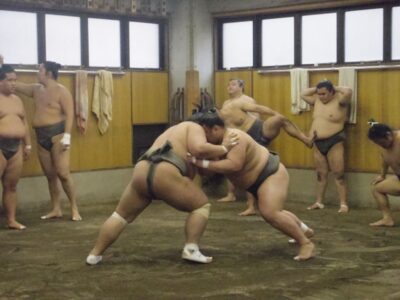
Once you’re seated, you’ll watch the morning practice as it unfolds. The viewing block is long—about 1 hour 40 minutes—and that’s where the program earns its keep.
You’ll be seated instead of sitting on the floor, and you’ll be close enough to see the rhythm of training: the warm-up flow, the repeated drills, and the physical pace of a real stable session. And yes, taking pictures is perfectly fine.
At the same time, expect strict etiquette. During the viewing portion, the rules are:
- No talking
- No eating or drinking
That quiet format changes how the practice feels. Instead of being a loud tourist show, it feels like you’re watching a working routine. If you’re the type who loves sports but hates chaos, you’ll probably appreciate this approach.
Also, you may find it helpful to think of this as a front-row cultural moment, not a casual photo shoot. You’ll get images, but the main “wow” comes from seeing the training movements close enough that they look real and grounded.
Meeting Active Wrestlers: Talk Time and the Photo Moment
After the main viewing, the program gives you a short window to interact. You get about 20 minutes where you have an opportunity to talk with active sumo wrestlers and potentially take pictures.
This is the part where the chair-seat strategy pays off again. You’re not stuck in “just observe” mode. You’re also stepping into the human side of the sport—the short conversations that help you understand why training is treated with such seriousness.
One detail that stood out in the provided feedback: there’s a chance your photo could become meaningful depending on the wrestler’s progress through the ranks. Even if you don’t overthink it, it adds a nice personal hook for something you bring home beyond a generic snapshot.
Practical tip: keep your questions simple and respectful. You’re there in a stable environment, so shorter is usually better. If you want to ask about anything, focus on the basics you’re already seeing—training routines, preparation, or what practice feels like day to day.
The Local Guide Segment: What You’ll Learn in 25 Minutes
Between interaction moments, you’ll hear a focused session from your local guide—about 25 minutes—covering the history and context of sumo. You’ll learn what sumo is, and how it came to be.
This isn’t a textbook lecture. It’s timed to land while the morning practice is still fresh in your mind. That timing helps you connect the training behavior you watched with the bigger picture: traditions, customs, and the reasons certain rituals and routines exist.
In the feedback I saw, guide quality came up again and again. People praised guides for being passionate and for giving useful background, and one guide name that appeared was Max. Another name that showed up was Masao. If you’re the kind of traveler who loves getting the story behind the sport, this guide block is a big part of the value.
- Tokyo: Shinjuku Food Tour (13 Dishes at 4 Local Eateries)★ 5.0 · 6,603 reviews
- Tokyo Mt Fuji 5th St & Hakone Cruise Bus Tour w/Bullet Train★ 4.4 · 5,024 reviews
- Flagship 2-Hours Official Street Go-Kart Tour – Tokyo Bay Shop★ 5.0 · 4,974 reviews
- From Tokyo: Mount Fuji Full-Day Sightseeing Trip★ 4.5 · 4,970 reviews
- Tokyo: Hop-On Hop-Off Sightseeing Bus Ticket★ 3.9 · 4,207 reviews
Q&A With a Sumo Wrestler: How to Make It Count
This experience includes a Q&A session with a sumo wrestler. Even though the exact timing in the morning flow may vary slightly, the purpose is the same: you get a structured chance to ask something in a small-group setting.
The best approach here is to prepare 2–3 questions in advance, then pick the one that fits the moment. Since this is practice-time culture, you’ll get the most out of questions that are:
- Short
- Clearly related to what you saw
- Focused on basics (training, routine, or what matters most in sumo)
If you’re traveling with kids, this Q&A can be a great confidence booster. Reviews noted the experience worked well even for younger travelers, as long as you stick to the rules and stay quiet during the main practice.
Group Size and Atmosphere: Small, Quiet, and Easy to Follow
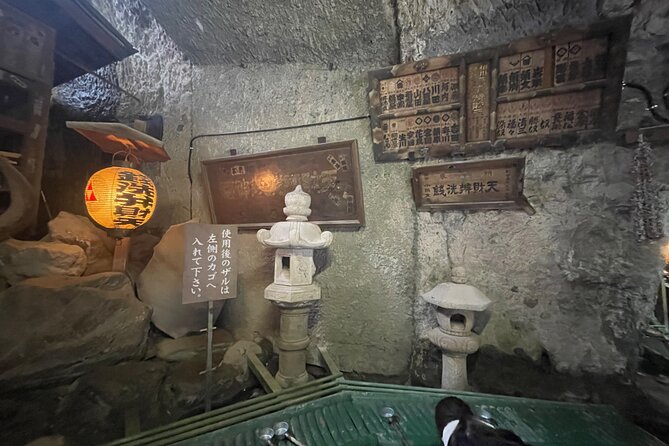
The tour caps at 10 travelers, and the flow is designed around that reality. That small group size helps you:
- Stay organized at the meeting point
- Hear the guide without constant crowd noise
- Follow instructions smoothly during the practice
This is also a good fit for first-time visitors to Tokyo who don’t want to spend half the morning figuring out how to get inside a stable environment. You’re getting the structure: meet, watch, interact, learn, and then head back.
Expect the morning to feel controlled and respectful. The practice portion specifically asks for silence, which can be hard for some people—but it’s also exactly why you get a better view of what the wrestlers are doing.
Price and Value: Getting a Seat, Context, and Access
At $102.47 per person for about 3 hours, this is not the cheapest thing you can do in Tokyo. But it’s priced like a specialized access experience.
Here’s what you’re paying for, based on what’s included:
- Entrance fees to the stable
- Group photo
- Presentation of sumo by a local guide
- Q&A session with a sumo wrestler
And the key “value driver” for many people is the chair seat guarantee. If you’re comparing this to sit-on-the-floor options, your comfort isn’t a small detail—it’s part of whether you can actually enjoy the session.
Also, booking in advance is usually smart. The program averages booking about 25 days in advance, which hints that it’s popular for good reason. If you’re planning a Tokyo trip with a tight schedule, earlier reservations reduce stress.
Who Should Book This Sumo Practice (and Who Might Want Another Option)
This experience is a strong match if you:
- Want a first-timer-friendly introduction to sumo
- Prefer comfort over floor seating
- Like sports but also want the cultural context
- Appreciate rules and quiet moments during the main event
- Travel with family, since the session format can work with kids when everyone follows the guidelines
You might think twice if you:
- Hate early mornings (it starts at 8:00 AM)
- Want lots of free-form chatting during the practice itself (the rules are strict during viewing)
- Have strong expectations that chairs will be ultra-comfy for everyone—one review flagged seating comfort as a point of friction
The good news: the structure is predictable. You’ll know when you’re watching quietly, when you’re interacting, and when you’re learning.
Should You Book This Seated Sumo Practice?
If your priority is seeing sumo up close without spending the morning wrestling with your seating position, I’d book it. The combination of guaranteed chair access, a quiet front-row style viewing period, and the added guide context makes this more than just a photo stop.
I’d only hesitate if you’re very late-prone or you dislike early starts. If you show up with a calm plan—find Exit B1 and use the FamilyMart as your landmark—you’ll get a smooth experience.
For most visitors, this is one of the easiest ways to add a memorable, authentic Tokyo moment to your trip without turning it into a logistics puzzle.
FAQ
What time does the tour start?
The tour starts at 8:00 AM.
How long is the experience?
It runs for about 3 hours (approximate, including travel time).
Where do I meet the guide?
You meet at Kiyosumi-Shirakawa Station (Exit B1, ground level). A FamilyMart is nearby.
Is seating provided?
Yes. This option includes chair seat guaranteed, so you skip sitting on the floor.
Can I take photos during the practice?
Yes. Taking pictures is perfectly fine during the practice portion.
Is there a chance to talk to sumo wrestlers?
Yes. You get an opportunity to talk with active sumo wrestlers, and the experience also includes a Q&A session with a sumo wrestler.
What’s included in the price?
Included: entrance fees to the stable, a group photo, a presentation of sumo by a local guide, and a Q&A session with a sumo wrestler.
Is free cancellation available?
Yes. You can cancel for a full refund up to 24 hours before the experience start time.
More Tour Reviews in Tokyo
- Mt Fuji and Hakone 1-Day Bus Tour Return by Bullet Train
★ 5.0 · 26,383 reviews - 1-Day Tokyo Bus Tour
★ 5.0 · 14,250 reviews - Tokyo: teamLab Planets TOKYO Digital Art Museum Entry Ticket
★ 4.6 · 9,779 reviews - Mt Fuji & Hakone Cruise, Drum Show Bullet Train 1 Day from Tokyo
★ 4.0 · 7,413 reviews - Tokyo: Shinjuku Food Tour (13 Dishes at 4 Local Eateries)
★ 5.0 · 6,603 reviews
More Sumo, Ringside and Rated
- Tokyo: Sumo Show and Dining Experience
★ 4.8 · 2,742 reviews - the SUMO show
★ 5.0 · 1,960 reviews - Tokyo Shinjuku Sumo Show & Experience with Photo
★ 5.0 · 1,750 reviews - Tokyo: Sumo Show and Experience in Shinjuku
★ 4.8 · 1,001 reviews - Tokyo Grand Sumo Tournament Viewing Tour with Tickets
★ 5.0 · 692 reviews
Latest Tokyo reviews off our desk






Sumo Tournaments & Shows, compared.
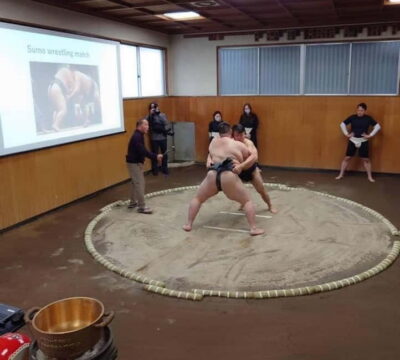 ★ 4.8Sumo Show and Dining ExperienceFrom $792,742 reviews
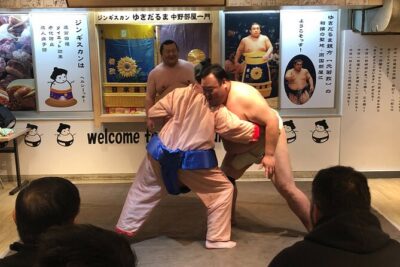 ★ 5.0the SUMO showFrom $891,960 reviews
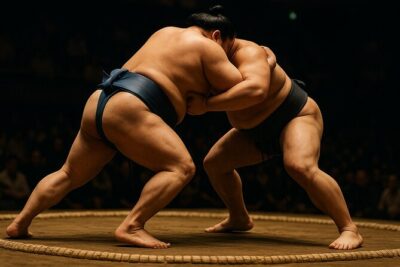 ★ 5.0Tokyo Shinjuku Sumo Show & Experience with PhotoFrom $791,750 reviews
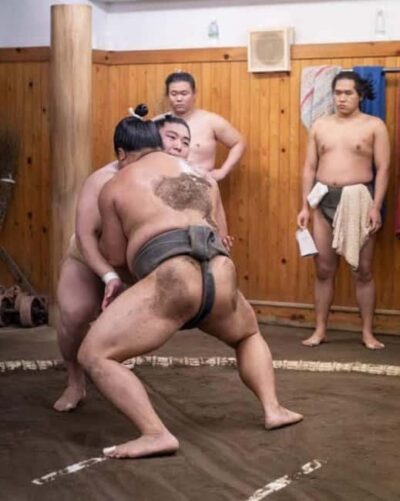 ★ 4.8Sumo Show and Experience in ShinjukuFrom $691,001 reviews
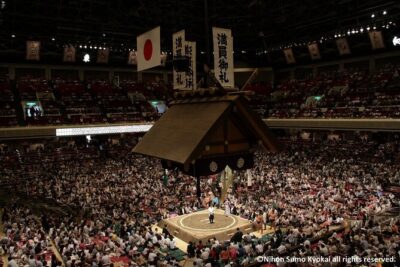 ★ 5.0Tokyo Grand Sumo Tournament Viewing Tour with TicketsFrom $124692 reviews
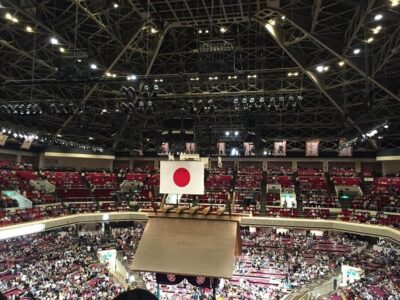 ★ 5.0Tokyo Sumo Wrestling Tournament ExperienceFrom $124660 reviews
 ★ 4.7Luxury Sumo Show Experience & Japanese cuisine & DrinkFrom $103577 reviews
 ★ 4.8Sumo Morning Practice Viewing TourFrom $81570 reviews
Browse the lists this tour appears in