
Reviewed · SUMO TOURNAMENTS & SHOWS
Complete Sumo Experience in Tokyo
Sumo feels huge in a stadium. Here it’s close, personal, and interactive. I like that you get a real look inside a traditional stable and then you actually challenge wrestlers, not just watch from far away. One thing to consider: the audience-participation moments can run longer than you’d expect, so have a little patience for the show pacing.
This is a focused 2-hour experience in Tokyo, capped at 30 travelers, with a mobile ticket and a crash course led by an expert. You choose your timing based on food: chanko-nabe is tied to the 11AM and 7PM starts, while the 3PM option is without the meal.
In This Review
- Key things to know before you go
- Why this sumo experience beats watching from the stands
- Choosing between chanko-nabe (11AM/7PM) and the 3PM option
- Entering the stable: what you’re really paying for
- Watching training and matches up close (and why it helps)
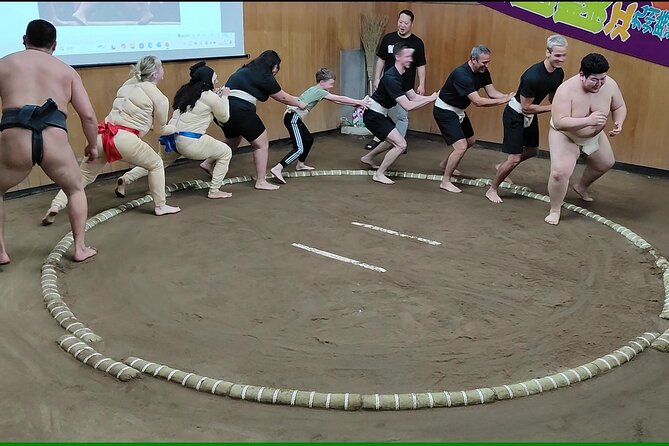
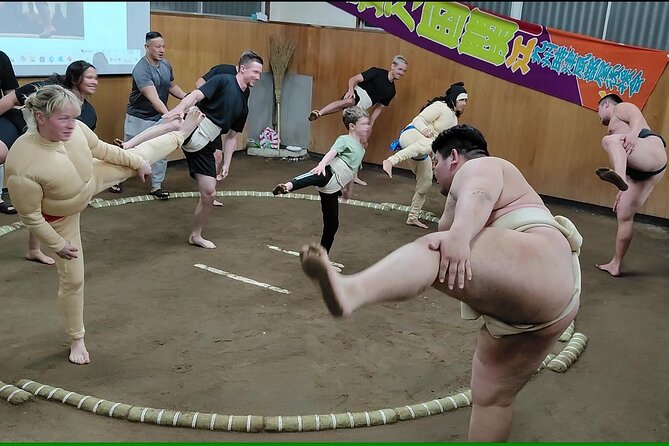
- Your chance to challenge wrestlers (yes, really)
- Asking questions and getting photo time that actually feels special
- Where the experience happens in Tokyo (and how to plan your arrival)
- What $138.52 really buys you in 2 hours
- Who should book this sumo experience
- Should you book the Complete Sumo Experience in Tokyo?
- FAQ
- How long is the Complete Sumo Experience in Tokyo?
- Are there different times and options for chanko-nabe?
- What’s included in the tour?
- Where is the meeting point?
- Will I be able to challenge the wrestlers and take photos?
- Is it easy to cancel if plans change?
Key things to know before you go
- Stable access, not stadium seats: you’ll see the traditional setting and how training really happens
- An expert crash course: you’re given context before the action ramps up
- Training plus actual matches: you get more than one angle of sumo
- Challenge and Q&A time: you can participate and ask questions directly
- Photo sessions included: you’ll leave with more than just memories
- Optional chanko-nabe meal: included for the 11AM and 7PM starts
Why this sumo experience beats watching from the stands
A big arena gives you spectacle. A sumo stable gives you the other half: routine, closeness, and personality. With this format, you’re not stuck scanning for details you can’t quite see. You’re meant to watch everything up close—how the space is set up, how wrestlers train, and how matches unfold in the stable environment.
I also like that the experience isn’t just “sit and observe.” The included challenge moment and Q&A change your role from spectator to participant. That shift makes the explanations easier to remember, because you’re thinking about what you’re seeing in real time.
The main trade-off is that you’ll be guided through a show structure. If you want only watching with zero participation, this might feel a bit too performance-driven at points.
Other ringside bookings readers scored
- Tokyo: Sumo Show and Dining Experience
★ 4.8 · 2,742 reviews - the SUMO show
★ 5.0 · 1,960 reviews - Tokyo Shinjuku Sumo Show & Experience with Photo
★ 5.0 · 1,750 reviews - Tokyo: Sumo Show and Experience in Shinjuku
★ 4.8 · 1,001 reviews
Choosing between chanko-nabe (11AM/7PM) and the 3PM option
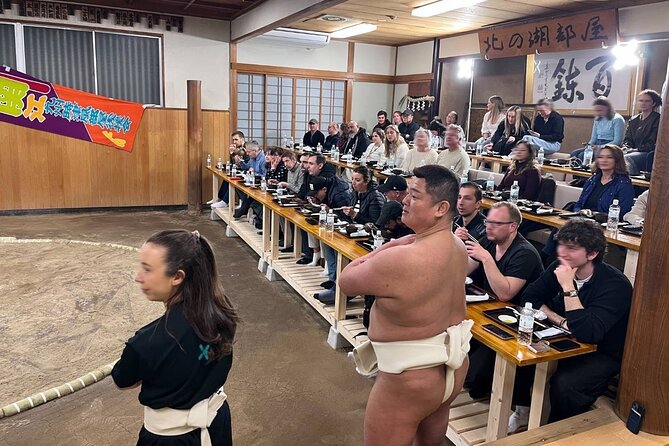
This tour comes in two versions, and it’s smart to pick based on your hunger and timing. If you book the 11AM or 7PM start, you’ll watch the show over a chanko-nabe meal—the meal sumo wrestlers eat to build their muscles and bodies. If you choose the 3PM start, the experience runs without the meal.
That meal option is more than food. It’s part of the story of sumo culture and daily routine. Eating while you watch also makes the whole session feel like a complete experience, not a quick demo.
If you’re tight on schedule, the 3PM option is your cleanest fit. If you’re the type who likes to try local food while you’re learning, the chanko-nabe start times tend to be the best value-for-effort choice.
Entering the stable: what you’re really paying for
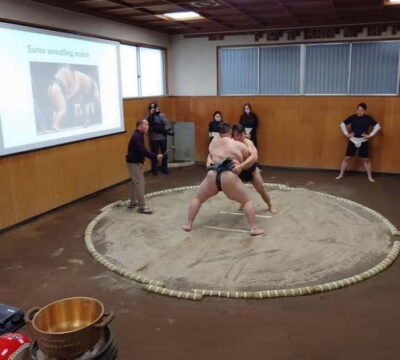
You meet at a specific stable address in Tokyo, and the experience is designed to show you what a sumo stable looks like day-to-day. You’re getting access to the physical place where training and matches happen, which is hard to replicate on your own. The tour doesn’t just point at objects—it frames what you’re seeing with an expert crash course.
Expect the session to start with context and grounding. You’ll learn about the origin, history, and culture of sumo, then your guide connects that background to the way wrestlers practice. That matters because sumo has a lot of tradition, and without a quick primer you can feel like you’re watching motion without meaning.
The stable setting also changes what you notice. You’ll be able to observe training patterns and match moments with more clarity than you would from a distance. It’s the difference between seeing clips online and being in the room where the action is happening.
Watching training and matches up close (and why it helps)
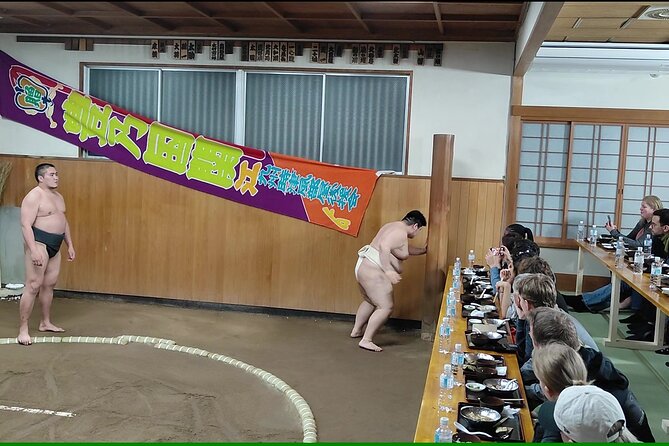
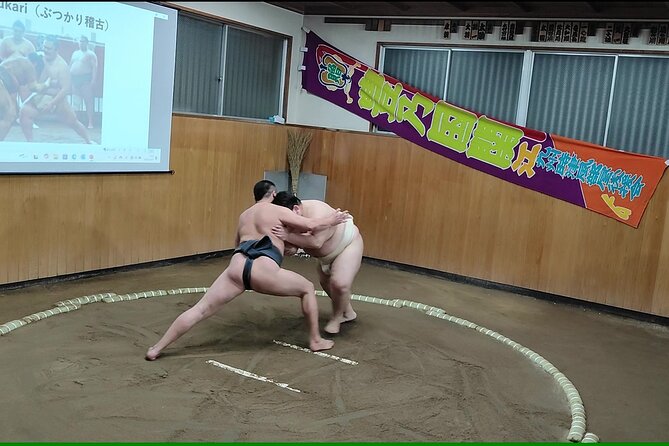
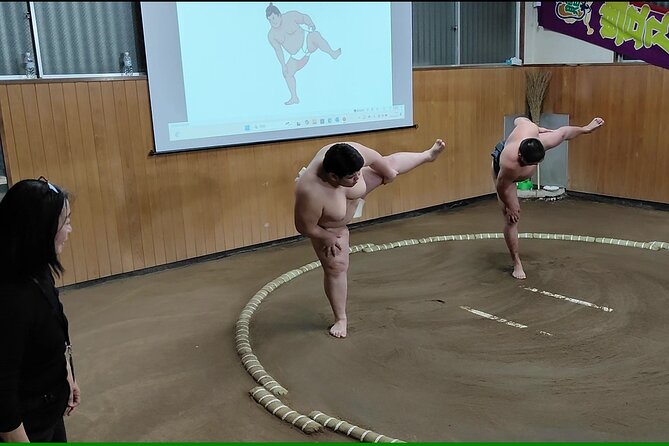
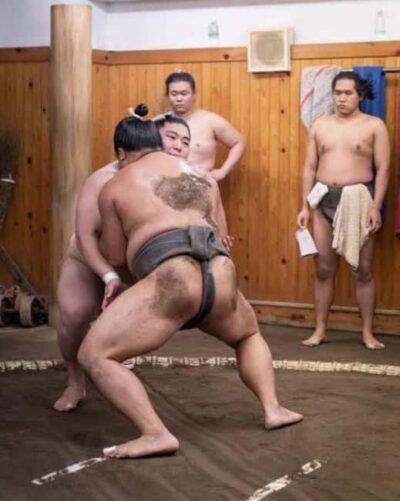
You’ll see training and matches by sumo wrestlers, and that combo is key. Training shows you the work that comes before the spectacle. Matches show you the results of that work, plus the pressure and pace that make sumo fun to watch.
The tour is built around observation. You’ll see how wrestlers prepare, and you’ll also watch actual combat moments during the session. The guide’s explanations help you spot what’s happening beyond the obvious big moves.
If you’re a first-timer, I think this is one of the best ways to get oriented fast. You’ll see both sides of the sport—preparation and performance—so your questions during the Q&A feel more informed.
If you’re hoping for a long, uninterrupted viewing block with zero interruption, keep expectations aligned with an interactive format. This is a guided show, not a silent viewing time.
Your chance to challenge wrestlers (yes, really)
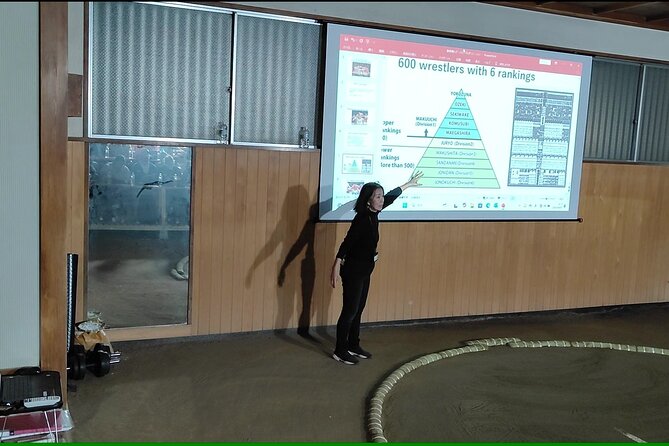
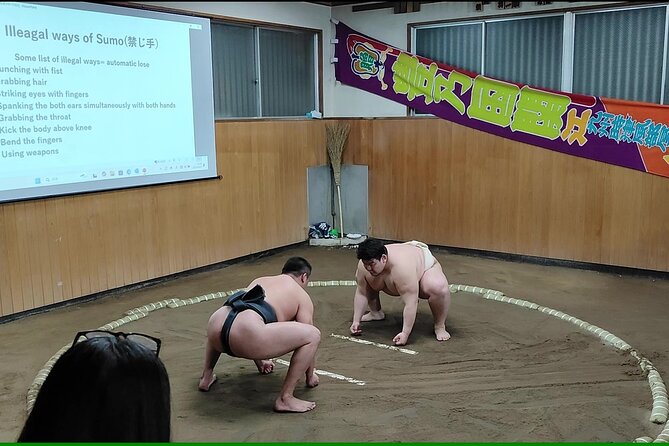
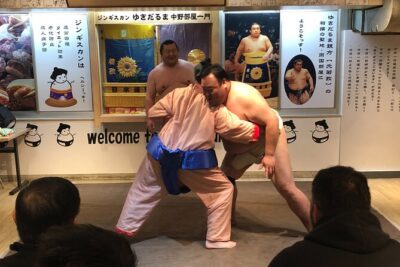
The highlight for many people is the included moment where you can challenge wrestlers. That’s not common in standard sightseeing sumo options, where you mostly watch. Here, the challenge turns the experience into something you can understand with your own body, even if you’re not a wrestler.
Why it’s worth it: you’ll come out of this with a clearer sense of what makes sumo technique different. The explanation you get beforehand clicks because you’re involved afterward. Even if you’re nervous, it’s the kind of guided participation that helps you remember the sport’s human side.
Do consider that you may spend part of the session participating and waiting your turn. If you prefer to control every minute tightly, you’ll want to be mentally ready for the flow.
- Tokyo: Shinjuku Food Tour (13 Dishes at 4 Local Eateries)★ 5.0 · 6,603 reviews
- Tokyo Mt Fuji 5th St & Hakone Cruise Bus Tour w/Bullet Train★ 4.4 · 5,024 reviews
- Flagship 2-Hours Official Street Go-Kart Tour – Tokyo Bay Shop★ 5.0 · 4,974 reviews
- From Tokyo: Mount Fuji Full-Day Sightseeing Trip★ 4.5 · 4,970 reviews
- Tokyo: Hop-On Hop-Off Sightseeing Bus Ticket★ 3.9 · 4,207 reviews
Asking questions and getting photo time that actually feels special
You’ll get a Q&A session with sumo wrestlers and then photo sessions too. This is where the tour becomes more than entertainment. Questions let you go from general interest to real understanding—how wrestlers think about training, what parts of the culture matter most, and what you’re seeing in front of you.
The photo element is also a big part of the value. It’s easy to take a picture in Japan; it’s harder to get one that feels connected to the moment you’re learning. This tour structures the session so you can get that memory without scrambling.
Practical tip: arrive a little early if you can. One of the best pieces of advice from people who’ve done this is to show up ahead of time to get the best seat.
Where the experience happens in Tokyo (and how to plan your arrival)
This ends back at the meeting point, so you won’t need to solve complicated travel logistics during the tour itself. The listed meeting location is in Koto City, Kiyosumi, and it’s near public transportation. In plain terms: you can plan to get there on your own, then enjoy the show without worrying about transit buffers mid-session.
Because the start times matter for your food choice (11AM, 3PM, 7PM), I’d also plan your day around that schedule. If you’re pairing this with other Tokyo sights, give yourself enough time to arrive early and settle in before it begins.
Group size is capped at 30 travelers, which usually helps keep the experience moving. You’re not lost in a huge crowd, and the interactive parts feel more manageable.
What $138.52 really buys you in 2 hours
At $138.52 per person for roughly 2 hours, this is not the cheapest way to see sumo. But it’s also not pretending you’re just buying arena tickets. You’re paying for stable access, guided instruction, training-and-match viewing, participation, and photos—all inside a small group.
The price starts to look more reasonable when you break down what’s included:
- Crash course and explanations (not just silent watching)
- Training and matches by wrestlers
- Challenge opportunity
- Q&A and photos
- Optional chanko-nabe meal for the right start times
The other value point: it’s booked far ahead on average (about 57 days). That’s usually a sign the experience is in demand, so booking earlier can prevent you from getting stuck with the least convenient time slot.
If you’re deciding between this and grand sumo tournament viewing, think about what you want most. If your priority is contact with the culture and direct interaction, this tour is built for that. If your priority is pure, uninterrupted watching, the standard tournament setting might feel more your speed.
Who should book this sumo experience
I’d put this tour near the top of the list if you’re:
- A first-time sumo fan who wants context fast
- Someone who likes participating, not just watching
- Interested in Japanese traditions beyond a quick photo stop
- Motivated by food as part of culture learning (especially for chanko-nabe)
It’s also a good fit for groups of friends who want a shared story. The interactive structure naturally creates laughs and memorable moments, especially during the challenge and Q&A parts.
It may not be ideal if you’re very strict about schedule, because the audience participation can stretch a bit. It also might feel less satisfying if you strongly dislike any form of involvement, even when it’s guided.
Should you book the Complete Sumo Experience in Tokyo?
If you want an experience that’s equal parts learning, watching, and hands-on fun, I think you should book it. The stable setting and the included participation (challenge, Q&A, and photos) make this more than a one-time show. Even the chanko-nabe option adds meaning, because it’s tied to how wrestlers fuel training.
The only reason to hesitate is timing and pacing. If you’re sensitive to longer audience participation segments, consider the start time that best fits your energy and day plan. Otherwise, this is one of those Tokyo activities that feels worth the ticket price because you get multiple layers of the sport in one sitting.
FAQ
How long is the Complete Sumo Experience in Tokyo?
The experience runs for about 2 hours.
Are there different times and options for chanko-nabe?
Yes. The tour offers options with or without a chanko-nabe meal. The chanko-nabe option starts at 11AM and 7PM, while the option without the meal starts at 3PM.
What’s included in the tour?
You get a crash course in sumo by an expert, training and matches by sumo wrestlers, a Q&A session, and photo sessions with the wrestlers.
Where is the meeting point?
The meeting point is in Kiyosumi, Koto City, Tokyo, at 2-chōme 10-11 北の湖部屋. The tour ends back at the meeting point.
Will I be able to challenge the wrestlers and take photos?
Yes. The experience includes both the chance to challenge wrestlers and photo sessions with the sumo wrestlers.
Is it easy to cancel if plans change?
You can cancel for a full refund up to 24 hours before the experience starts. Free cancellation is available, and cut-off times are based on local time.
More Tour Reviews in Tokyo
- Mt Fuji and Hakone 1-Day Bus Tour Return by Bullet Train
★ 5.0 · 26,383 reviews - 1-Day Tokyo Bus Tour
★ 5.0 · 14,250 reviews - Tokyo: teamLab Planets TOKYO Digital Art Museum Entry Ticket
★ 4.6 · 9,779 reviews - Mt Fuji & Hakone Cruise, Drum Show Bullet Train 1 Day from Tokyo
★ 4.0 · 7,413 reviews - Tokyo: Shinjuku Food Tour (13 Dishes at 4 Local Eateries)
★ 5.0 · 6,603 reviews
More Sumo, Ringside and Rated
- Tokyo: Sumo Show and Dining Experience
★ 4.8 · 2,742 reviews - the SUMO show
★ 5.0 · 1,960 reviews - Tokyo Shinjuku Sumo Show & Experience with Photo
★ 5.0 · 1,750 reviews - Tokyo: Sumo Show and Experience in Shinjuku
★ 4.8 · 1,001 reviews - Tokyo Grand Sumo Tournament Viewing Tour with Tickets
★ 5.0 · 692 reviews
Latest Tokyo reviews off our desk






Sumo Tournaments & Shows, compared.
 ★ 4.8Sumo Show and Dining ExperienceFrom $792,742 reviews
 ★ 5.0the SUMO showFrom $891,960 reviews
 ★ 5.0Tokyo Shinjuku Sumo Show & Experience with PhotoFrom $791,750 reviews
 ★ 4.8Sumo Show and Experience in ShinjukuFrom $691,001 reviews
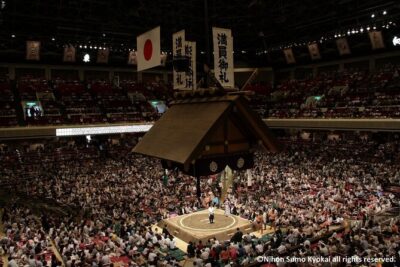 ★ 5.0Tokyo Grand Sumo Tournament Viewing Tour with TicketsFrom $124692 reviews
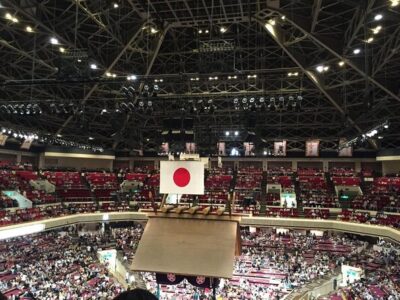 ★ 5.0Tokyo Sumo Wrestling Tournament ExperienceFrom $124660 reviews
 ★ 4.7Luxury Sumo Show Experience & Japanese cuisine & DrinkFrom $103577 reviews
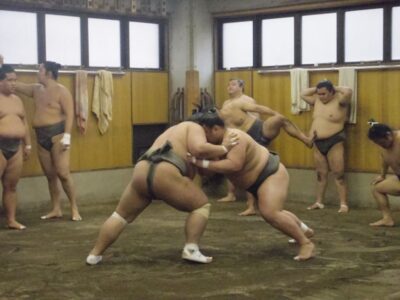 ★ 4.8Sumo Morning Practice Viewing TourFrom $81570 reviews
Browse the lists this tour appears in