
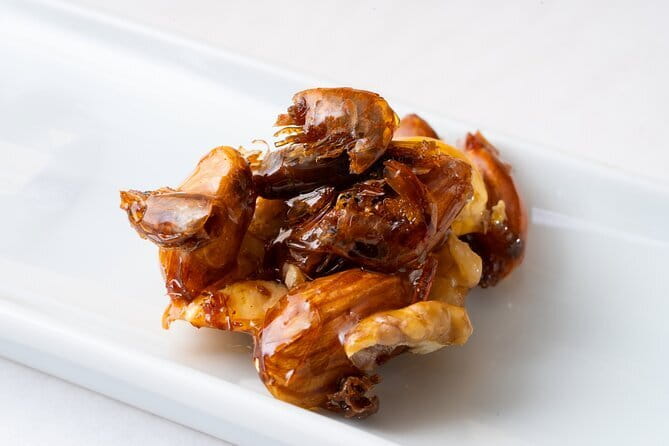
Reviewed · SAKE TASTING
Experience a western twist on Japanese sake snacks
A first sip, then salty umami.
This private tsukudani tasting at Shinbashi Tamakiya (founded in 1782) is a smart way to understand Japanese preserved seafood through both tradition and modern twists. I especially like the sake-or-wine pairing focus and the fact that you get a shop-history + how-to-eat explanation, not just plates and labels.
One thing to consider: you’ll pay for a private, alcohol-included experience, so it’s best if you actually want the guided teaching and pairings—not if you just want a quick snack stop.
In This Review
- Key Points You’ll Care About
- Tsukudani Meets Sake and Wine in Shinbashi
- Your Private 1.5-Hour Tasting: What You’re Paying For
- Inside Shinbashi Tamakiya: The Shop and the Starter Course
- The Signature Tsukudani Line-Up: Traditional First, Then Tweaks
- Rice, Furikake, and the Real Reason Tsukudani Works
- The Western Twist: Pasta, Nuts, and How Pairing Guides the Bite
- How to Choose Morning vs. Afternoon and Keep It Fun
- Price and Value: $36.24 for Teaching, Tastings, and Drinks
- Who This Tour Is Best For (and Who It Isn’t)
- Should You Book This Tsukudani Tasting?
- FAQ
- What is the duration of the tsukudani tasting?
- How much does it cost?
- Is it a private tour?
- What does the tasting include?
- Can I choose sake or wine?
- Are there morning and afternoon options?
- Where do I meet for the tour?
- Is the ticket mobile?
- When will I receive confirmation after booking?
- What are the cancellation rules?
- Is the shop easy to reach?
Key Points You’ll Care About
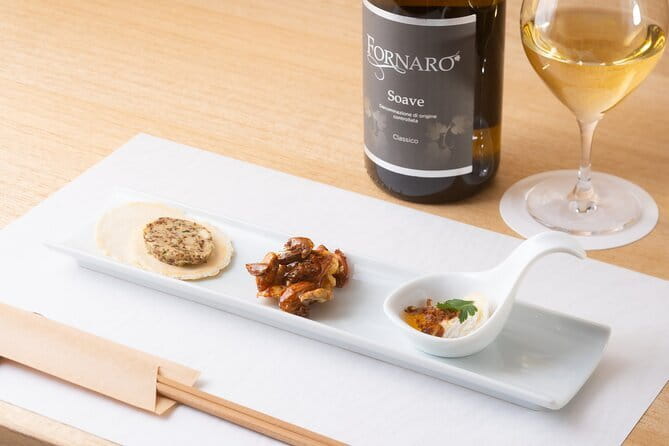
- One private group, one dedicated host: you can ask questions and get advice on how to eat tsukudani with your drink
- Traditional + modern tsukudani line-up: you try multiple versions, not just the classic style
- Sake or wine pairings are included: you’ll learn what to match and why
- A shop that dates back to 1782: you’re tasting inside a serious, long-running tsukudani tradition
- More than seafood, more than small bites: you’ll also get rice with tsukudani and furikake, plus modern add-ins like pasta and nuts
Tsukudani Meets Sake and Wine in Shinbashi
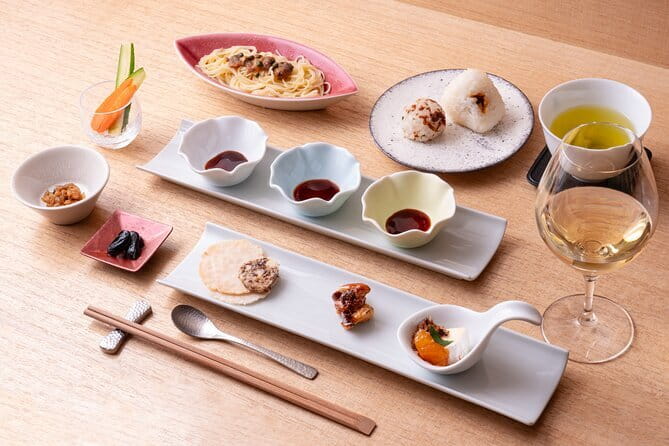
If you’ve ever had Japanese bar snacks and wondered why preserved seafood tastes so addictive, tsukudani is the answer. It’s seafood preserved and cooked down into something concentrated, salty, and deeply savory. The best part is that it’s not stuck in the past. At Shinbashi Tamakiya, you’ll see tsukudani treated like a living food—traditional preparations alongside modern takes.
I like that this tasting doesn’t only say tsukudani is Edo-period comfort food. It connects the dish and the shop’s long timeline: you learn about the history of the shop and the history of the snack itself, then you eat your way through that story. That matters, because preserved foods can be polarizing if you don’t know what you’re tasting and how it’s meant to land on your palate.
Also, the experience is designed around an easy Tokyo concept: pairing. Instead of treating tsukudani like a random salty bite, you’ll match it with either sake or wine. That western twist is practical, not gimmicky. Wine tends to make you notice acidity and texture, while sake helps you pick up salt balance and umami rhythm. You’ll get guidance on what works and how to try it.
Readers also shortlisted these Tokyo bookings:
- Tokyo: Shinjuku Food Tour (13 Dishes at 4 Local Eateries)
★ 5.0 · 6,603 reviews - Tokyo Tsukiji Fish Market Food and Culture Walking Tour
★ 5.0 · 3,184 reviews - Tokyo: Shinjuku Food Tour (15 Dishes and 4 Eateries)
★ 4.9 · 2,033 reviews - Best of Shinjuku: Izakaya Food Tour (4 Stops, 14+ Tastings)
★ 5.0 · 1,863 reviews
Your Private 1.5-Hour Tasting: What You’re Paying For
This runs about 1 hour 30 minutes, and it’s fully private for your group. That length isn’t an accident. Tsukudani needs small resets between tastings because the flavors are bold—salty, sweet-savory, and intensely seafood-forward. A tighter group setting helps keep the pace friendly and the explanations clear.
The value here is that the host isn’t just handing you samples. You’re also getting help with how to arrange your tasting of TSUKUDANI to match your chosen drink, plus suggestions on how to eat each style. That turns the session into a mini class you can actually use later when you’re buying snacks in a convenience store or choosing a bar plate.
There’s also personalization. The experience description emphasizes a fully personalized tasting, which is exactly what you want in a food topic like this. If you’re new to preserved seafood, you need cueing (what to expect, how to take the bite, and what to pair first). If you already like Japanese sake snacks, you’ll still benefit from learning how the shop’s approach links to tradition.
One practical perk: you can choose a morning or afternoon tasting slot. That flexibility helps you fit it around Tokyo walking days, temple visits, or a food-focused afternoon.
Inside Shinbashi Tamakiya: The Shop and the Starter Course
You meet at Shinbashi Tamakiya, located at 4-chōme 254 石田ビル 1階 in Shinbashi, Minato City. You can also count on it being near public transportation, which matters in a city where a few extra train changes can steal your appetite.
You’re not just arriving at any restaurant. This is a long-running tsukudani shop established in 1782, which gives the tasting a grounded feel. The experience includes learning the shop’s history and learning the history of the dish. That background helps you understand why tsukudani has the reputation it does: it’s a preservation technique turned into everyday comfort food.
Then you get into the tasting with the shop’s secret sauce and signature selection. The experience description specifically points to tasting the secret sauce and sampling the shop’s three signature tsukudani. This is a big deal for first-timers. If you only try one style, you might not know what you actually like. Three signatures quickly show the range—so you can decide what you want more of later.
A helpful approach is to treat each sample like a different snack with its own job. Don’t force all of them to taste the same. Instead, notice how each one interacts with your pairing.
The Signature Tsukudani Line-Up: Traditional First, Then Tweaks
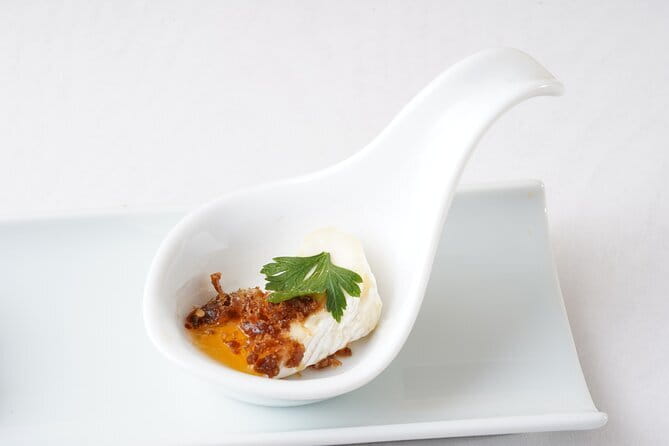
Tsukudani is often presented as a single thing, but it’s really a family. At this tasting, you’ll cover traditional and modern versions of preserved seafood snacks. The goal is to show you how the same core idea can change depending on ingredients and cooking style.
You’ll start with the three signature tsukudani at Shinbashi Tamakiya, then move into more courses that expand the flavor palette.
Here’s what makes this set-up worth your time:
- You’ll taste multiple versions back-to-back, so your palate remembers what you liked (and what you didn’t) without guessing later.
- The host explains how to eat it, which is key with preserved foods. Small changes—bite size, timing, drink pairing—can shift the whole experience.
- The session includes both tradition and modernization, so you can see what people keep from the old style and what they change for a newer audience.
One more note: the description frames tsukudani as both traditional and modern, including how the host helps you arrange the tasting to match wine or sake. That means you’re not stuck with one pairing path. If you choose sake, you’ll likely get a different order or pairing logic than if you choose wine.
Rice, Furikake, and the Real Reason Tsukudani Works
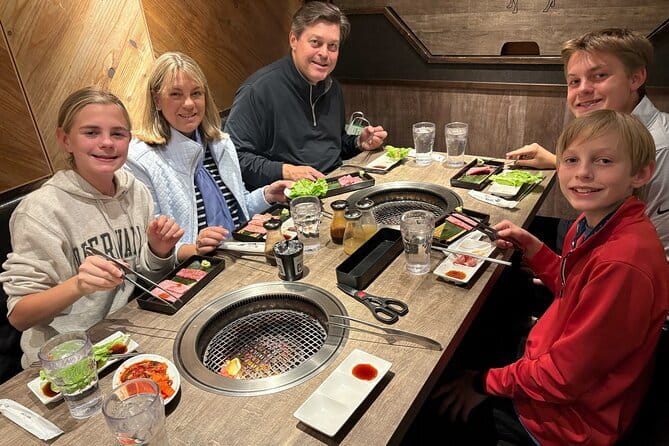
If you’ve ever wondered why tsukudani is sometimes served as a topping or side, this part makes it click. After the signature samples, you’ll taste rice with tsukudani and furikake seasonings.
This is one of those quietly perfect combinations: rice takes the edge off intense salt and umami, while furikake adds aroma—often from seaweed, sesame, and other seasoning blends. It turns a bold preserved-food snack into something that feels like a meal, not just a tasting plate.
For most people, this rice course is the moment you stop thinking of tsukudani as a weird survival food. It starts feeling like what it truly is: a practical, flavor-packed staple.
If you’re the kind of eater who likes to learn how a food is actually used, not just tasted, you’ll appreciate this stop. It’s also why the session includes brunch: you’re getting enough to leave satisfied, not just tasting-sated.
Readers also shortlisted these Tokyo bookings:
- Best of Shinjuku: Izakaya Food Tour (4 Stops, 14+ Tastings)★ 5.0 · 1,863 reviews
- Tokyo: Shinjuku Local Bar and Izakaya Guided Walking Tour★ 4.9 · 1,794 reviews
- Tokyo: Shinjuku Local Bar & Izakaya Crawl Tour★ 5.0 · 890 reviews
- Shibuya: Local Bar & Izakaya Crawl★ 4.9 · 354 reviews
- Ramen and Sushi Cooking Class with Sake Pairing Set in Tokyo★ 5.0 · 291 reviews
The Western Twist: Pasta, Nuts, and How Pairing Guides the Bite
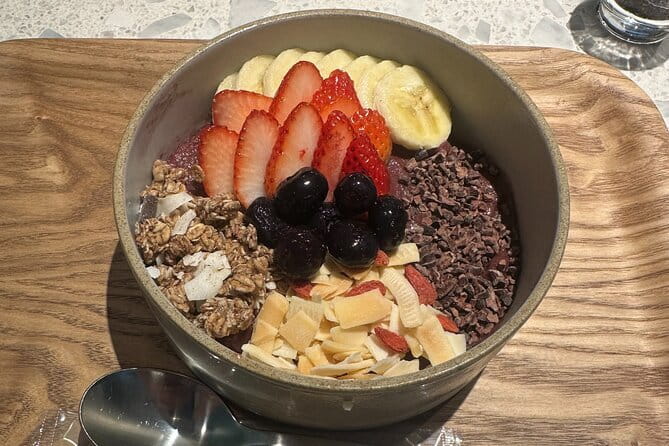
One of the most interesting ways to understand a traditional Japanese ingredient is to see where it shows up outside its usual lane. In this tasting, you’ll try tsukudani with various ingredients, including pasta and nuts.
That doesn’t mean it’s pretending to be Italian. It means tsukudani’s concentrated savory flavor can play well with modern textures and cooking formats. Pasta gives you a new surface for the sauce-like quality of preserved seafood. Nuts add crunch and a different fat profile that changes how the salty-sweet notes read.
Then comes the smart part: pairing guidance. The experience includes wine or sake pairings across the tastings, so you’re learning how to match the flavor weight of each course. If wine is in your glass, you’ll likely notice how acidity and fruitiness can cut through salt and amplify seafood umami. If sake is in your cup, you’ll likely notice how it can make the seasoning feel smoother and more integrated.
Even if you’re not a drink expert, you’ll walk away with a method: try a bite, take a sip, then adjust. That’s how you’ll recreate the experience later in a bar or at a home meal.
How to Choose Morning vs. Afternoon and Keep It Fun
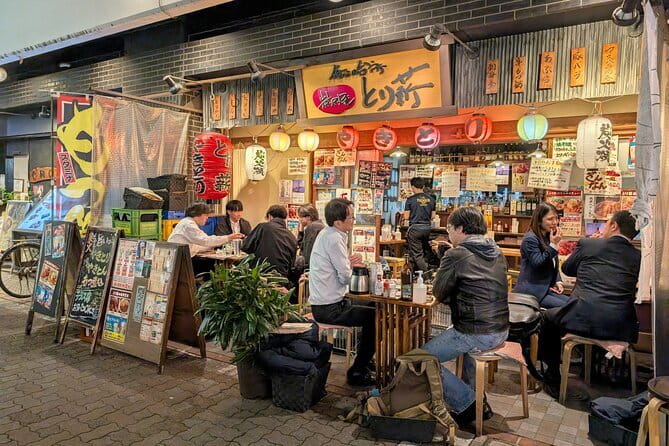
You can choose either a morning or afternoon tasting. Since the session lasts about 90 minutes and includes brunch plus snacks and alcohol, your best move is simple: don’t plan something that makes you over-tired or too hungry right before.
In practice, morning slots tend to work nicely if you’re starting your day with a food lesson and want something calm, focused, and indoors. Afternoon slots can fit well when you’ve already done outdoor sightseeing and want a guided tasting to slow the pace.
Either way, come with a mindset of curiosity. Tsukudani can taste salty and intense at first, especially if you’re expecting mild seafood. The teaching element is there to help you adjust quickly. The more you’re willing to follow the bite-and-sip suggestions, the more fun you’ll have.
Also, because it’s private, you can tailor your pace. If you want to ask questions about tradition versus modern versions, this is a low-pressure setting to do it.
Price and Value: $36.24 for Teaching, Tastings, and Drinks
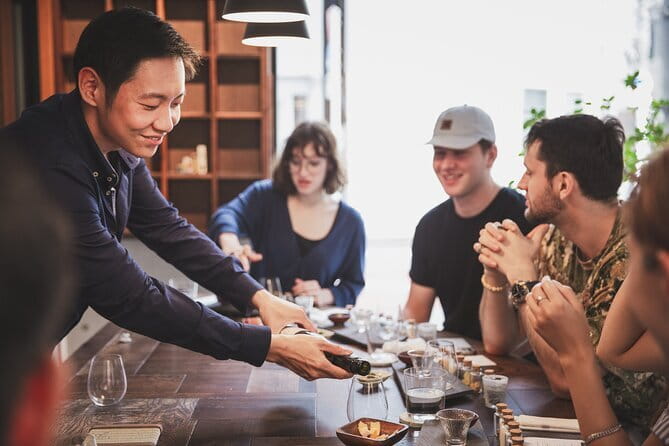
At $36.24 per person, this is not a budget “grab and go” snack. But the price makes more sense when you break down what’s included.
You’re paying for:
- a private experience (only your group participates)
- multiple tsukudani tastings, including traditional and modern versions
- wine or sake pairings
- brunch-style food plus snacks
- explanation of the shop and the dish, plus guidance on how to eat and how to pair
If you’ve ever done generic food tours where you get small samples and half-explanations, this format feels different. The time is short but focused. You’re not paying for a long bus ride or a route of dozens of stops. You’re paying for concentrated food education and pairings, in a shop that has been doing this for a long time.
One extra reason it can feel like good value: it’s hard to learn tsukudani like this on your own. Most people can buy the product, but they can’t easily learn which style to start with, how to match it with sake versus wine, or why the order changes how you perceive flavors.
Demand also looks real. It’s booked about 59 days in advance on average, so if your dates are set, it’s smart to reserve early.
Who This Tour Is Best For (and Who It Isn’t)
This tour fits best if you:
- want a guided food experience in Tokyo, not just a tasting lineup
- like sake snacks (or want to try them with training wheels)
- enjoy learning how traditional foods connect to modern tastes
- want to taste tsukudani in more than one style, including modern add-ins like pasta and nuts
It’s less ideal if you:
- want a super quick photo-and-walk snack stop
- don’t drink alcohol and aren’t interested in pairings (pairings are part of what’s included, but the focus is clearly on matching flavors to sake or wine)
- prefer very broad neighborhood sightseeing during the same window (this is focused on one shop and the tasting experience)
If you’re on a Tokyo food mission and want something niche but not intimidating, this is a strong choice. It gives you a new ingredient category to explore later, with a way to order it intelligently.
Should You Book This Tsukudani Tasting?
I’d book it if you want a short, high-impact Tokyo food lesson. The combination of a serious, historic shop (1782), a private format, and a structured tasting that includes pairing makes this feel more like guidance than just eating.
You should skip it if you’re mostly chasing cheap bites or you’re allergic to the idea of alcohol pairing. But if you’re curious about preserved seafood and you want to understand how to eat it the way locals do, this is exactly the sort of experience that turns a food curiosity into a repeatable habit.
FAQ
What is the duration of the tsukudani tasting?
The experience lasts about 1 hour 30 minutes.
How much does it cost?
The price is $36.24 per person.
Is it a private tour?
Yes. It’s a private experience/activity, and only your group will participate.
What does the tasting include?
It includes all tsukudani tastings, plus wine or sake pairings, along with brunch and snacks.
Can I choose sake or wine?
Yes. The tasting includes wine or sake pairings, and you can choose based on your preference.
Are there morning and afternoon options?
Yes. You can choose from morning or afternoon tastings to fit your schedule.
Where do I meet for the tour?
You start at Shinbashi Tamakiya at Shinbashi, 4-chōme 254 石田ビル 1階, Minato City, Tokyo 105-0004.
Is the ticket mobile?
Yes. The tour uses a mobile ticket.
When will I receive confirmation after booking?
Confirmation is received within 48 hours of booking, subject to availability.
What are the cancellation rules?
You can cancel for a full refund if you cancel up to 24 hours in advance of the experience start time.
Is the shop easy to reach?
It’s near public transportation.
More Drinking Tours in Tokyo
- Tokyo Bar Hopping Tour in Shinjuku (All-You-Can-Drink + Dinner)
★ 5.0 · 3,587 reviews - Best of Shinjuku: Izakaya Food Tour (4 Stops, 14+ Tastings)
★ 5.0 · 1,863 reviews - Tokyo: Shinjuku Local Bar and Izakaya Guided Walking Tour
★ 4.9 · 1,794 reviews - Shibuya Meltdown Nightlife Tour: All-You-Can-Drink Bar Hopping
★ 5.0 · 1,058 reviews - Tokyo: Pub Crawl and Bar Tour
★ 4.5 · 951 reviews
More Food & Drink in Tokyo
- Tokyo: Shinjuku Food Tour (13 Dishes at 4 Local Eateries)
★ 5.0 · 6,603 reviews - Tokyo Tsukiji Fish Market Food and Culture Walking Tour
★ 5.0 · 3,184 reviews - Tokyo: Shinjuku Food Tour (15 Dishes and 4 Eateries)
★ 4.9 · 2,033 reviews - Best of Shinjuku: Izakaya Food Tour (4 Stops, 14+ Tastings)
★ 5.0 · 1,863 reviews - Tokyo: Tsukiji Fish Market Food and Walking tour
★ 5.0 · 1,724 reviews
More Tour Reviews in Tokyo
- Mt Fuji and Hakone 1-Day Bus Tour Return by Bullet Train
★ 5.0 · 26,383 reviews - 1-Day Tokyo Bus Tour
★ 5.0 · 14,250 reviews - Tokyo: teamLab Planets TOKYO Digital Art Museum Entry Ticket
★ 4.6 · 9,779 reviews - Mt Fuji & Hakone Cruise, Drum Show Bullet Train 1 Day from Tokyo
★ 4.0 · 7,413 reviews - Tokyo: Shinjuku Food Tour (13 Dishes at 4 Local Eateries)
★ 5.0 · 6,603 reviews
Latest Tokyo reviews off our desk






Sake Tasting, compared.
 ★ 5.0Ramen and Sushi Cooking Class with Sake Pairing Set in TokyoFrom $79291 reviews
 ★ 5.0Sake Tasting Masterclass in Shinjuku (8+ Varieties with a Pro)From $72271 reviews
 ★ 5.0Sake Omakase in Tokyo: Guided Tasting by Certified SommeliersFrom $79239 reviews
 ★ 5.0Tasting All Types of Sake with SommelierFrom $62151 reviews
 ★ 5.0Wagyu & Sake Pairing in Shinjuku – Steak, Shabu-Shabu & MoreFrom $148112 reviews
 ★ 5.0Tokyo Wagyu & Sake Pairing Tasting Experience with Local FlavorsFrom $151108 reviews
 ★ 5.0Sushi and Ramen Cooking Class with Sake Pairing SetFrom $12981 reviews
 ★ 4.9Tsukiji: Outer Market Walking Tour & Sake Tasting ExperienceFrom $7081 reviews
Browse the lists this tour appears in