
Reviewed · SAKE TASTING
Ginza, Tokyo: Sake Experience with traditional vessels
One sip can change how you see Japan. In Ginza, you taste three kinds of sake and learn why the glassware matters, all while looking toward Tokyo Bay from a bar setting that feels calm, not rushed.
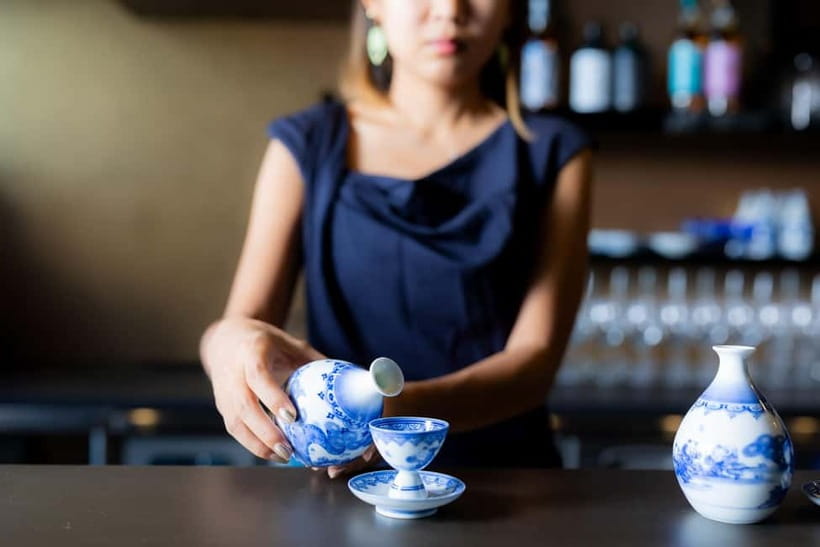
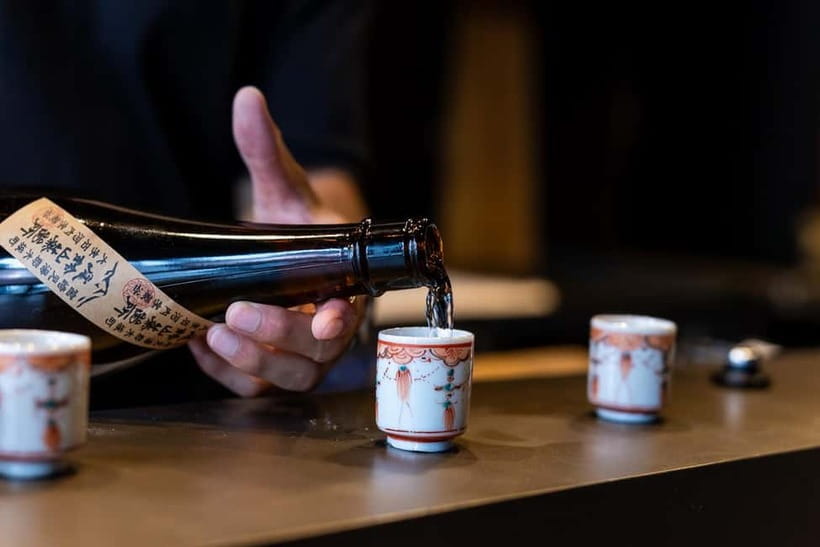
I like the hands-on way the staff explains sake culture in English, with bilingual-style care that makes the topic easy to follow. I also like the thoughtful vessel approach: each of the three sakes is served with the type of container best suited to its flavor and aroma, including wine glasses and a KINTSUGI-style setup using 400-year-old Imari porcelain.
One thing to consider: this is a tasting-only experience, and there’s no promise of extra drinks or snacks if you get hungry or want variety beyond the three pours.
In This Review
- Key Sake Tasting Takeaways I Think You’ll Appreciate
- Ginza, 11th Floor Views, and Why This Sake Tasting Feels Different
- The Tasting Flow: Three Sakes, Served With Purpose
- What each part teaches you
- Vessel Pairings: Wine Glass vs. KINTSUGI With 400-Year-Old Imari
- The Staff Experience: English-Friendly Guidance With Real Names
- What You Should Expect During the 1-Day Plan
- Price and Value: What $22 Really Buys You Here
- Who This Sake Experience Fits Best (and Who Should Skip It)
- Planning Tips: How to Get the Most From Your Three Sips
- Should You Book This Ginza Sake Tasting?
- FAQ
- How long is the Ginza sake tasting experience?
- How much does it cost?
- What is included in the tasting?
- Is the tour in English?
- Is the meeting point easy to find?
- What is the group size?
- Is it wheelchair accessible?
- Can I cancel for a refund?
- Are other drinks or snacks included?
- Is it suitable for children?
Key Sake Tasting Takeaways I Think You’ll Appreciate
- Tokyo Bay views from Ginza: you sip with a real sense of place, not just a table in a shop.
- Three sake types, three vessel styles: you learn why the container changes what you taste.
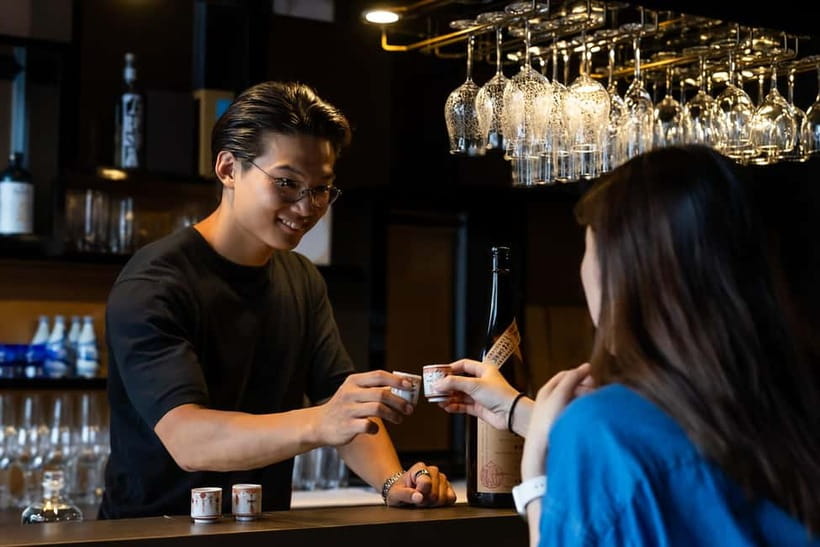
- Bilingual/English guidance: staff help connect flavor to process and regional character.
- Real cultural details: the KINTSUGI + Imari porcelain angle adds context beyond the drink.
- Small group (up to 7): you’re more likely to ask questions and get direct answers.
- Travel tips from the bar staff: it’s not only about sake; they point you toward the next good move.
Ginza, 11th Floor Views, and Why This Sake Tasting Feels Different
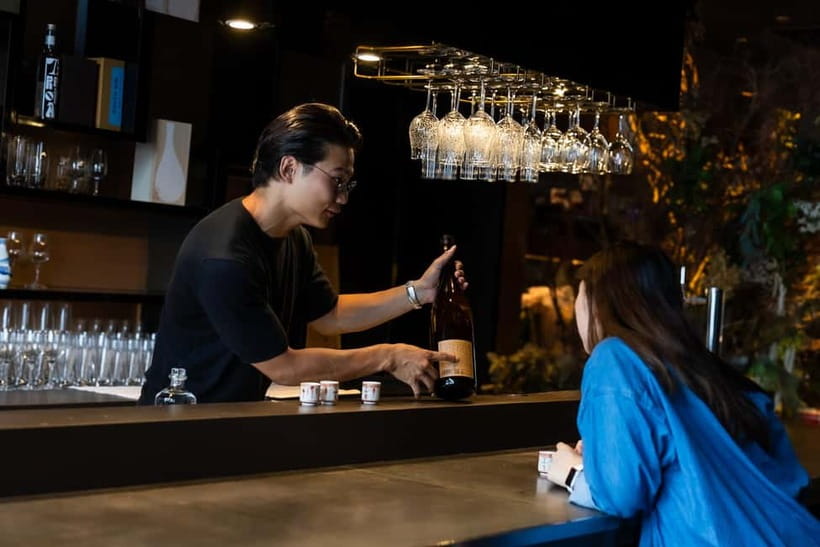
Ginza is where you go when you want Tokyo to feel polished. The flip side is it can also feel a little intimidating—like you’ll be overdressed or out of place. This experience helps solve that problem by focusing on something simple: learning sake step by step, with a staff that meets you where you are.
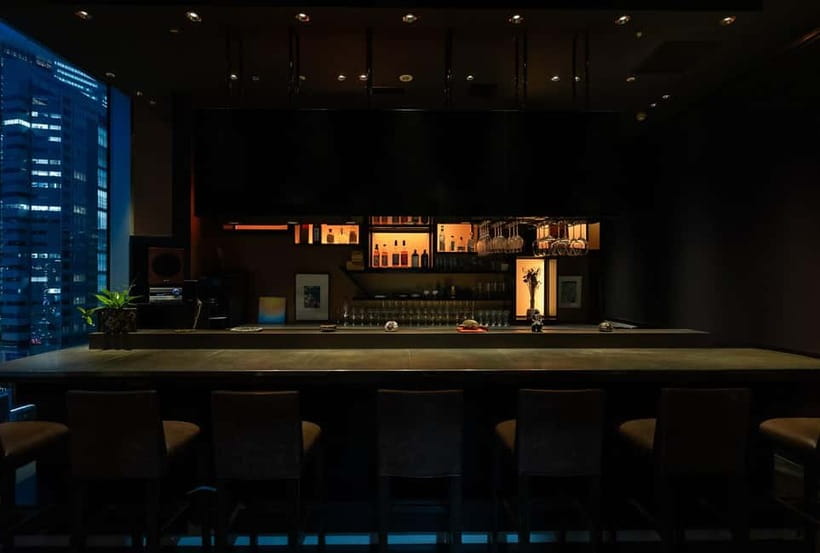
The bar is on the 11th floor of the JEWEL BOX GINZA building (Swarovski is on the 1st floor, which makes it easy to orient). Once you’re up there, the mood shifts to quiet confidence. You’re not just drinking; you’re part of a guided tasting moment with a view toward Tokyo Bay.
And yes, the setting matters. Tokyo Bay light and skyline reflections can make even a small pour feel special. If you’re the kind of traveler who enjoys food experiences that come with atmosphere, this one is built for you.
Readers also shortlisted these Tokyo bookings:
- Tokyo: Shinjuku Food Tour (13 Dishes at 4 Local Eateries)
★ 5.0 · 6,603 reviews - Tokyo Tsukiji Fish Market Food and Culture Walking Tour
★ 5.0 · 3,184 reviews - Tokyo: Shinjuku Food Tour (15 Dishes and 4 Eateries)
★ 4.9 · 2,033 reviews - Best of Shinjuku: Izakaya Food Tour (4 Stops, 14+ Tastings)
★ 5.0 · 1,863 reviews
The Tasting Flow: Three Sakes, Served With Purpose
This is a “learn by tasting” setup. You’ll have three different types of sake, chosen to work well for a first-time experience. Each one is paired with a specific vessel, and that’s not a gimmick. The goal is to show how serving style shapes your perception—aroma, temperature, mouthfeel, and how the drink lingers.
Here’s the key idea: sake isn’t one taste. It’s a spectrum tied to brewing choices and regional styles, and the way you hold it—literally—affects what you notice.
What each part teaches you
- Your first pours build baseline awareness: sweetness vs. dryness, softness vs. sharpness.
- The vessel changes teach you to connect your senses to the reasoning the staff is sharing.
- The staff explanations give you vocabulary you can use later when you order on your own.
You also get travel tips and recommendations during the experience. That’s a practical bonus. Instead of leaving with only good memories, you leave with smarter next steps for the rest of your trip.
Vessel Pairings: Wine Glass vs. KINTSUGI With 400-Year-Old Imari
This is the standout feature, and it’s one of the reasons the price makes sense. For about $22 per person, you’re not just getting three tastes. You’re getting an education in how sake is presented through different vessel traditions.
One of the vessel styles uses wine glasses. This makes the tasting feel less intimidating for first-timers because you’ll recognize the form. Wine glassware also tends to help you focus on aroma before the sip.
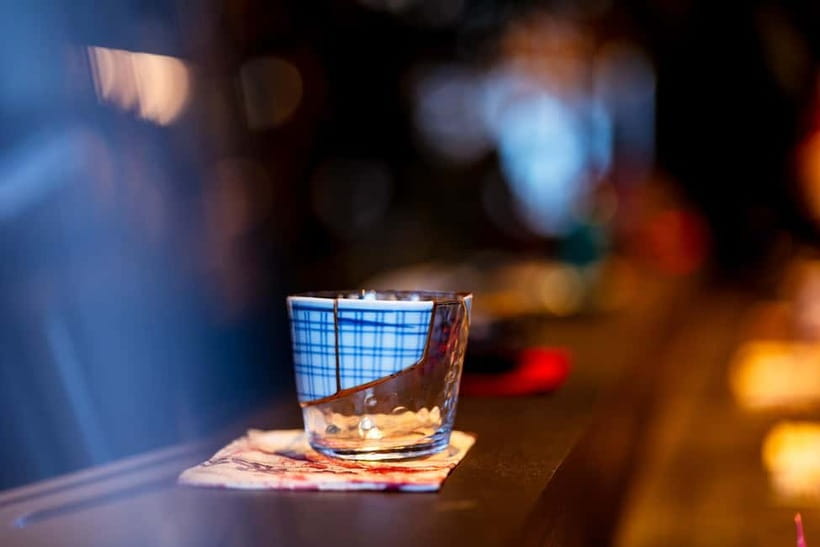
The other signature element is KINTSUGI with 400-year-old Imari porcelain. KINTSUGI is the art tradition of repairing ceramics in a way that turns damage into visible design. Pairing that cultural craft with sake isn’t just decorative. It gives you a story to hold onto while you taste: Japan’s relationship with time, repair, and beauty in imperfection.
If you enjoy craft culture—ceramics, restoration, and the idea that objects carry meaning—this pairing will click fast.
The Staff Experience: English-Friendly Guidance With Real Names
Sake can feel technical if someone talks over your head. This experience is structured to avoid that.
You’ll get history and culture explained by the staff, and the experience is run in English. One reason I think people rate this highly is the human tone. In particular, names like Hiyori and Nana come up as sweet, friendly hosts who explain the process and offer delicious samples to try.
Another name that shows up is Rireka, described as helpful and pleasant, and that matters. Good hosts don’t just tell you facts; they guide you through the sensory part so you understand what you’re tasting without needing a chemistry degree.
What you should look for while you’re there:
- Ask what makes each sake type different, not just where it’s from.
- Pay attention to how the staff describes aroma and the finish after you sip.
- Use their travel suggestions right away while the conversation is fresh.
Readers also shortlisted these Tokyo bookings:
- Best of Shinjuku: Izakaya Food Tour (4 Stops, 14+ Tastings)★ 5.0 · 1,863 reviews
- Tokyo: Shinjuku Local Bar and Izakaya Guided Walking Tour★ 4.9 · 1,794 reviews
- Tokyo: Shinjuku Local Bar & Izakaya Crawl Tour★ 5.0 · 890 reviews
- Shibuya: Local Bar & Izakaya Crawl★ 4.9 · 354 reviews
- Ramen and Sushi Cooking Class with Sake Pairing Set in Tokyo★ 5.0 · 291 reviews
What You Should Expect During the 1-Day Plan
The “schedule” here is simple, which is good news if you don’t want your afternoon or evening micromanaged.
You’ll start at the meeting point by going up to the 11th floor of the JEWEL BOX GINZA building. From there, you’ll settle into the bar tasting space overlooking Tokyo Bay. The experience then focuses on your tasting sequence and the explanation portion—history, culture, and the why behind the vessel pairings.
At the end, you head back to your hotel. That’s practical for a Japan trip, because Ginza is well-connected and you won’t feel forced into a long chain of activities.
Typical vibe you can plan around:
- A relaxed pace, not a rapid-fire event
- Enough time to taste, compare, and ask questions
- A feeling of closure, not a “now go find dinner” scramble
Price and Value: What $22 Really Buys You Here
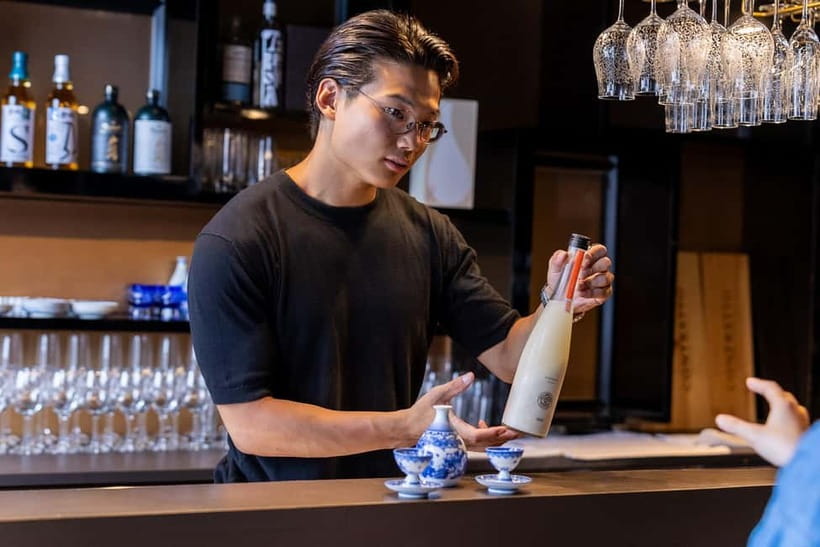
At $22 per person for a one-day tasting, the value comes from the combination of elements:
- Three types of sake: you’re tasting more than the usual single-sample approach.
- Three vessel styles: you’re learning presentation and tasting technique, not just drinking.
- Guided explanation in English: you get the cultural context that helps the tasting “stick.”
- Tokyo Bay setting in Ginza: atmosphere is part of the experience, and it’s doing real work here.
The trade-off is also clear: additional glasses of sake or any other drinks and snacks aren’t included. So if you’re the type who wants a full night of sampling, this probably isn’t the only stop on your evening plan.
My practical suggestion: treat this as your curated “sake lesson moment,” then plan a separate meal nearby where you can eat and explore other flavors at your own pace.
Who This Sake Experience Fits Best (and Who Should Skip It)
This is a strong match for:
- First-time sake drinkers who want guidance
- Travelers who love food culture, ceramics, and presentation details
- People who like a small group format and real conversation
It’s less ideal if you want something food-heavy or party-like. This is about tasting and explanation.
The experience also lists a range of medical and personal considerations and says it’s not suitable for people with certain conditions (including pregnancy, claustrophobia, heart problems, vertigo, and a long list of other pre-existing medical issues). If any of those apply to you, you should take the listing seriously and consider alternatives.
Also, it’s not for children under 18 years.
Planning Tips: How to Get the Most From Your Three Sips
If you want this to feel like a memorable highlight rather than “three drinks and a view,” do these things:
- Go with one open question in mind, like what you should order next after the tasting.
- Notice the vessel change more than the label change. The container is the lesson.
- Savor the finish: after each sip, check how the flavor holds up. That’s often what staff will reference when explaining differences.
- Use the travel tips immediately. The staff recommends options during the experience, so don’t wait until you’re back in your hotel.
One more practical note: since there’s no included extra food or additional drinks, consider timing your tasting so you’re not starving afterward.
Should You Book This Ginza Sake Tasting?
I think you should book it if you want a focused, first-timer-friendly sake experience in Ginza with a real point of difference: vessels chosen on purpose, plus English guidance and Tokyo Bay views. The small-group size (up to 7 participants) also makes it feel personal rather than assembly-line.
Skip it if you’re mainly looking for a long drinking session with lots of variety beyond the three tastings, since extra drinks and snacks aren’t included.
If you’re planning a Tokyo trip and you like learning through taste, this is one of those experiences that gives you something you can actually use later—when you order sake again and know what to pay attention to.
FAQ
How long is the Ginza sake tasting experience?
It’s listed as a 1-day activity.
How much does it cost?
The price is $22 per person.
What is included in the tasting?
You get three types of sake for tasting, plus bilingual/English staff guidance and specific vessels for each sake, including wine glasses and a KINTSUGI style presentation with 400-year-old Imari porcelain.
Is the tour in English?
Yes. The instructor is listed as English.
Is the meeting point easy to find?
Yes. You meet by going up to the 11th floor of the JEWEL BOX GINZA building (Swarovski is on the 1st floor).
What is the group size?
It’s a small group limited to 7 participants.
Is it wheelchair accessible?
Yes. It’s listed as wheelchair accessible.
Can I cancel for a refund?
Yes. Free cancellation is available up to 24 hours in advance for a full refund.
Are other drinks or snacks included?
No. The experience does not include additional glasses of sake or any other drinks and snacks.
Is it suitable for children?
It’s not suitable for children under 18 years.
More Drinking Tours in Tokyo
- Tokyo Bar Hopping Tour in Shinjuku (All-You-Can-Drink + Dinner)
★ 5.0 · 3,587 reviews - Best of Shinjuku: Izakaya Food Tour (4 Stops, 14+ Tastings)
★ 5.0 · 1,863 reviews - Tokyo: Shinjuku Local Bar and Izakaya Guided Walking Tour
★ 4.9 · 1,794 reviews - Shibuya Meltdown Nightlife Tour: All-You-Can-Drink Bar Hopping
★ 5.0 · 1,058 reviews - Tokyo: Pub Crawl and Bar Tour
★ 4.5 · 951 reviews
More Food & Drink in Tokyo
- Tokyo: Shinjuku Food Tour (13 Dishes at 4 Local Eateries)
★ 5.0 · 6,603 reviews - Tokyo Tsukiji Fish Market Food and Culture Walking Tour
★ 5.0 · 3,184 reviews - Tokyo: Shinjuku Food Tour (15 Dishes and 4 Eateries)
★ 4.9 · 2,033 reviews - Best of Shinjuku: Izakaya Food Tour (4 Stops, 14+ Tastings)
★ 5.0 · 1,863 reviews - Tokyo: Tsukiji Fish Market Food and Walking tour
★ 5.0 · 1,724 reviews
More Tour Reviews in Tokyo
- Mt Fuji and Hakone 1-Day Bus Tour Return by Bullet Train
★ 5.0 · 26,383 reviews - 1-Day Tokyo Bus Tour
★ 5.0 · 14,250 reviews - Tokyo: teamLab Planets TOKYO Digital Art Museum Entry Ticket
★ 4.6 · 9,779 reviews - Mt Fuji & Hakone Cruise, Drum Show Bullet Train 1 Day from Tokyo
★ 4.0 · 7,413 reviews - Tokyo: Shinjuku Food Tour (13 Dishes at 4 Local Eateries)
★ 5.0 · 6,603 reviews
Latest Tokyo reviews off our desk






Sake Tasting, compared.
 ★ 5.0Ramen and Sushi Cooking Class with Sake Pairing Set in TokyoFrom $79291 reviews
 ★ 5.0Sake Tasting Masterclass in Shinjuku (8+ Varieties with a Pro)From $72271 reviews
 ★ 5.0Sake Omakase in Tokyo: Guided Tasting by Certified SommeliersFrom $79239 reviews
 ★ 5.0Tasting All Types of Sake with SommelierFrom $62151 reviews
 ★ 5.0Wagyu & Sake Pairing in Shinjuku – Steak, Shabu-Shabu & MoreFrom $148112 reviews
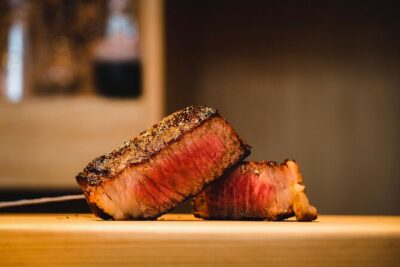 ★ 5.0Tokyo Wagyu & Sake Pairing Tasting Experience with Local FlavorsFrom $151108 reviews
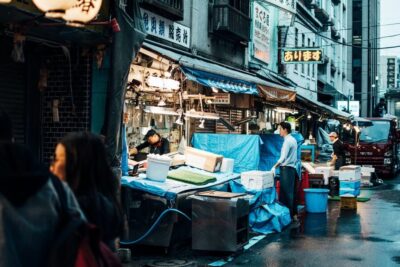 ★ 4.9Tsukiji: Outer Market Walking Tour & Sake Tasting ExperienceFrom $7081 reviews
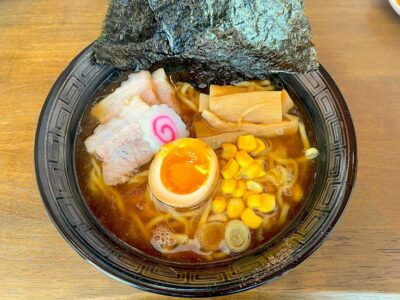 ★ 5.0Sushi and Ramen Cooking Class with Sake Pairing SetFrom $12981 reviews
Browse the lists this tour appears in