
Reviewed · SUMO TOURNAMENTS & SHOWS
Grand Sumo Tournament Tokyo – Osaka – Nagoya
Sumo gets loud fast, even before the bout. I like the live crowd energy and the way you get practical help so you can actually enjoy the match. My one caution: the final price can feel high if you’re comparing it to face-value ticket prices from printed sources.
This is a ticket-focused experience at a major venue atmosphere, built for a smooth day out. You’re there for authentic Grand Sumo action and the chance to watch how fans behave like they’re at a true national sport event.
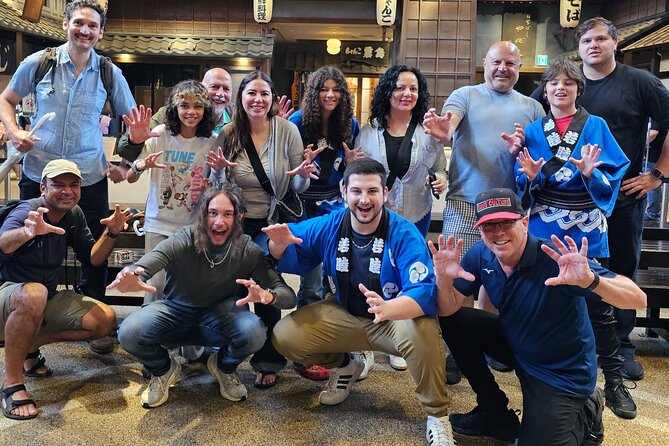
In Tokyo, you meet at Ryōgoku Edo NOREN (Sumida City, Yokoami), and the pre-match portion is led by Island Travel Specialists staff, often including Ken and sometimes Shin from the same team. That said, the event is listed as ticket only, so plan to follow venue staff once you’re inside.
In This Review
- Key things to know before you go
- Ryōgoku Kokugikan energy: what you’re really buying
- What you should expect during the match
- A realistic note on guidance
- Price and value: when $946 makes sense (and when it doesn’t)
- Meeting point to match: your ~4-hour game plan
- Before you go: plan for transit, not included rides
- What happens in that time window
- Group size: it helps
- Reading the ritual: how to enjoy sumo like a fan
- Practical etiquette cues you can use right away
- The fun factor is real
- Seats, finding your row, and getting comfortable
- Upgraded seats can be worth it
- Getting seated
- Going early helps
- Tokyo, Osaka, or Nagoya: choosing your tournament day
- Should you book this Grand Sumo tournament experience?
- FAQ
- Where is the meeting point for the Tokyo experience?
- How long does the tour last?
- Is admission included?
- Will I receive a paper ticket?
- Can I upgrade my seats?
- Is transportation included?
- Is there a tour guide during the match?
- What is the maximum group size?
- What is the cancellation policy?
Key things to know before you go
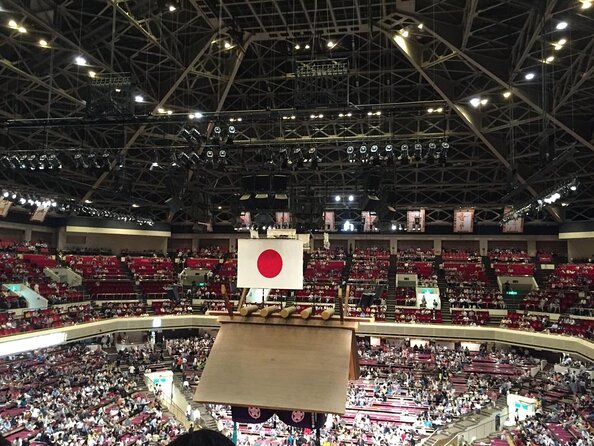
- Tokyo meeting point: Ryōgoku Edo NOREN (Yokoami, Sumida City), near public transit
- Paper ticket: you’ll receive a physical ticket for entry
- Upgraded seats available: better views can be worth the extra fee
- Good crowd context: you get help understanding rules and rituals before you sit down
- Small group size: max 20 people, so it feels manageable
- No transportation included: you’ll handle getting there on your own
Ryōgoku Kokugikan energy: what you’re really buying
If you want sumo as a spectator sport, this is the format that makes sense. The focus here is the tournament itself, at a big-name venue in Tokyo (Ryogoku Kokugikan). You’ll feel that heavyweight-sports vibe: fans react fast, cheers build, and the hall sounds like it’s wired to the action.
I especially like that the experience is designed to help you read what you’re seeing. Sumo isn’t just the two wrestlers in the ring. There’s the pre-bout routine, the way bouts start, the ceremonial parts, and the crowd rhythm. When you understand even a little, the match becomes more than a spectacle.
Other ringside bookings readers scored
- Tokyo: Sumo Show and Dining Experience
★ 4.8 · 2,742 reviews - the SUMO show
★ 5.0 · 1,960 reviews - Tokyo Shinjuku Sumo Show & Experience with Photo
★ 5.0 · 1,750 reviews - Tokyo: Sumo Show and Experience in Shinjuku
★ 4.8 · 1,001 reviews
What you should expect during the match
- The atmosphere is lively, with lots of cheering and strong fan participation
- It’s easy to see why locals treat sumo like a big-league event
- There are also fan-friendly touches around the venue area, like food stalls and meeting fans or even sumo stars outside
A realistic note on guidance
The event is described as ticket only with no tour guide. That doesn’t mean you get zero help. It does mean you should expect the guidance to be mainly before you enter the seating area, not like a guided tour inside your seat section. Once you’re in, your job is to use the ticket, find your seat, and enjoy the show.
Price and value: when $946 makes sense (and when it doesn’t)
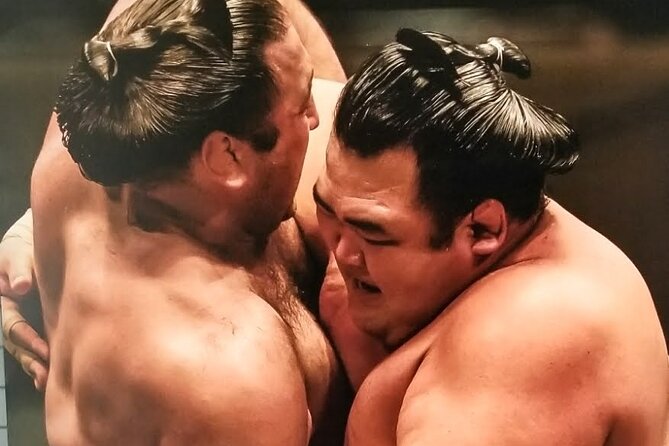
The price is $946 per person, and that’s the part you should stare at first. You are not paying for a hotel room, you’re not paying for private transportation, and you’re not paying for a long museum-style day. You’re paying for access to a sport that can be tough to secure, plus some pre-match support and optional seat upgrades.
Here’s the part that matters for value: the information you get may include a scenario where the ticket face value doesn’t match what you pay through the agency. One guest flagged that the printed price on the ticket differed from the agency charge, and the explanation was straightforward: the tournament was sold out, so tickets became more expensive due to supplier pricing.
So here’s how I’d think about it:
- If you’re flexible and happy to pay extra to avoid ticket headaches, this can be a smart, low-stress solution.
- If you’re trying to buy the cheapest possible seats and you’re comfortable navigating sold-out inventory, you might compare costs and decide the premium is too much.
Either way, you’re not just buying a ticket. You’re buying the odds that you’ll actually sit in the arena for the real thing.
Meeting point to match: your ~4-hour game plan
This runs about 4 hours and is designed to be a straightforward “meet, orient, enter, watch” format. The experience starts at Ryōgoku Edo NOREN in Tokyo and ends back at the same meeting spot.
- Tokyo: Shinjuku Food Tour (13 Dishes at 4 Local Eateries)★ 5.0 · 6,603 reviews
- Tokyo Mt Fuji 5th St & Hakone Cruise Bus Tour w/Bullet Train★ 4.4 · 5,024 reviews
- Flagship 2-Hours Official Street Go-Kart Tour – Tokyo Bay Shop★ 5.0 · 4,974 reviews
- From Tokyo: Mount Fuji Full-Day Sightseeing Trip★ 4.5 · 4,970 reviews
- Tokyo: Hop-On Hop-Off Sightseeing Bus Ticket★ 3.9 · 4,207 reviews
Before you go: plan for transit, not included rides
Transportation is not included. The good news is that the meeting spot is listed as near public transportation, so you can use trains/subways and walk a bit rather than expecting a pickup.
What happens in that time window
You should count on a short pre-match component that sets you up. Guests describe this as covering:
- sumo rules and rituals (so you know what’s happening beyond the bout)
- explanations of what the crowd is doing
- walking around the area near the tournament for context
Some guests also mention additional touches led by Ken, including more story-style orientation around the venue area. There’s even mention of a shrine visit in one experience, but that kind of add-on isn’t something you should assume will happen every time.
Group size: it helps
Max 20 travelers is small enough that instructions can feel human-scaled. You’re less likely to get lost in a crowd of strangers trying to figure out where everyone is supposed to be.
Reading the ritual: how to enjoy sumo like a fan
Sumo is traditional, but it’s not stuffy. The big payoff is learning how the culture expresses itself in the match. Even a short explanation changes what you notice.
Guests highlight that Ken (and the team) brings real enthusiasm. One review mentions Ken practices sumo himself, which shows in the way he explains details. The common thread in feedback: the guidance helps you understand what’s going on with rituals and rules, and it makes the experience easier for non-experts.
Practical etiquette cues you can use right away
You won’t need to memorize Japanese. But if you know what to watch for, you’ll feel more confident:
- Pay attention to the pre-bout routine and how the arena responds
- Watch the crowd rhythm; cheers tend to cluster around key moments
- If you’re given a quick primer, use it immediately in your seat—don’t wait until after the first bout
The fun factor is real
One of the most appealing things from the feedback is how “not just sit and stare” it can feel. Guests mention:
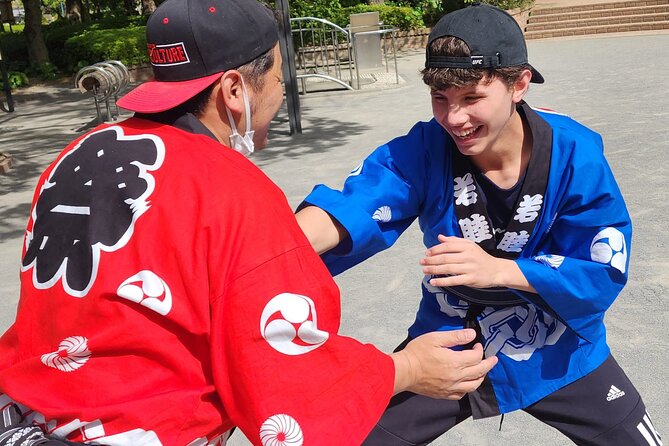
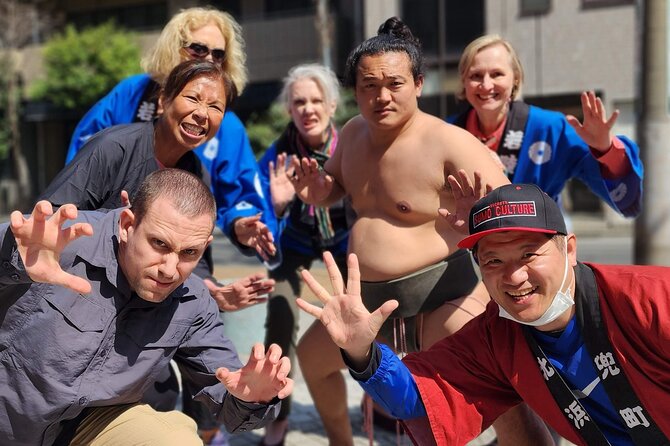
- play-style sumo interactions in the group (like faux bouts with some participants refereeing)
- explanations that make the sport feel approachable for teens too
That’s a big deal if you’re traveling with kids or teenagers who might otherwise find a traditional sport hard to connect to.
Seats, finding your row, and getting comfortable
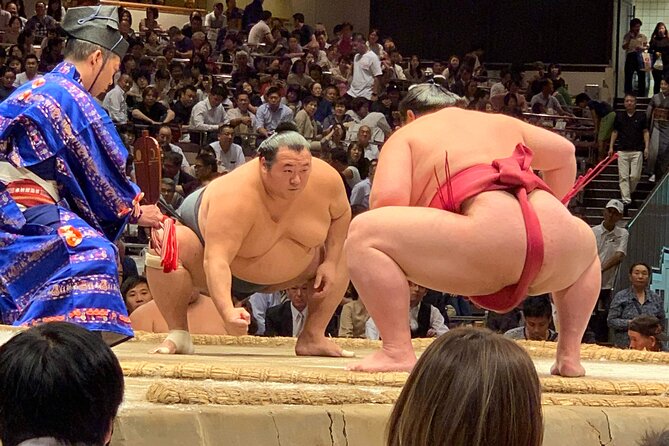
This experience is built around entry and enjoyment, not a luxury seated tour. That means seats matter, and you should take your time when you first arrive.
Upgraded seats can be worth it
Upgraded seats are available for an additional fee. If you’re paying a premium anyway, this is one of the few levers you have to improve the experience. Better seats are how you turn the match from “I’m watching sumo” into “I’m seeing everything.”
Getting seated
One guest noted that it was initially difficult to find seats, but help was available from staff and even the guide (once there, you just ask). Another guest had ticket detail issues for an Osaka tournament, which is a reminder to check your seat info carefully when you receive the ticket.
My advice is simple:
- Double-check the ticket seat details when you get it
- If you can’t find your row quickly, ask venue staff right away
- Give yourself a bit of buffer time so your first bout doesn’t start while you’re still searching
Going early helps
A recurring tip is to arrive early for the fuller atmosphere. Guests describe a festive feel and opportunities to meet sumo-related stars outside, plus more time to enjoy food stalls.
Tokyo, Osaka, or Nagoya: choosing your tournament day
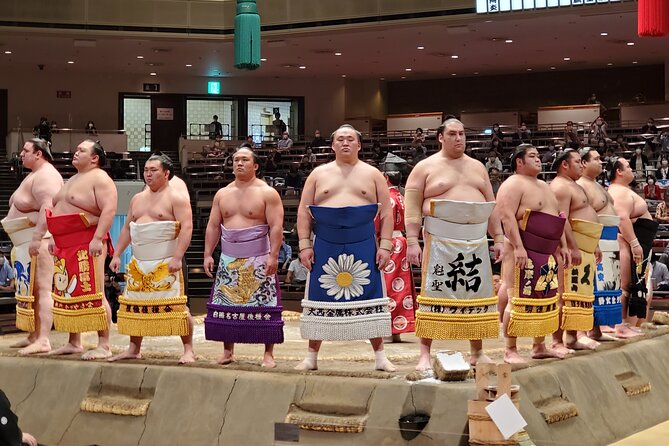
This experience is offered for Tokyo, Osaka, or Nagoya tournaments. That’s a helpful option because you can match the tournament city to the rest of your itinerary.
Here’s the decision logic that works:
- If your trip is centered on Tokyo, the Tokyo meeting point and the Ryogoku setting make logistics easy
- If you want to spread your week across cities, picking Osaka or Nagoya can reduce backtracking
- If you care most about theater and tradition, choose the city where you’ll already be nearby, so you don’t stress over getting there in a tight schedule
One practical point: the meeting details are clearly specified for the Tokyo stop, while you’ll rely on confirmation for the exact setup in other cities. The good news is confirmation is received at booking.
Should you book this Grand Sumo tournament experience?
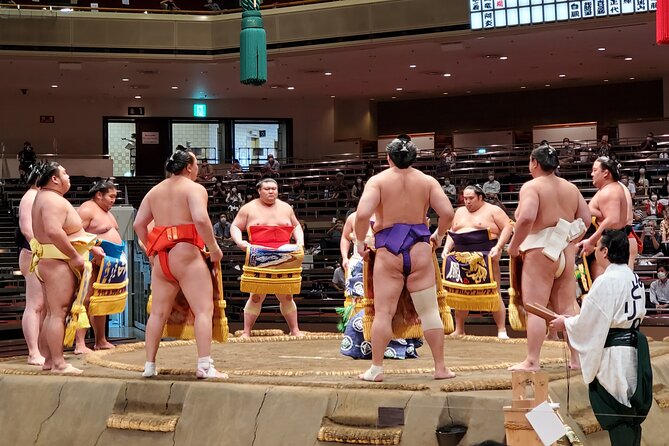
Book it if:
- you want a high-friction problem solved: getting to a real Grand Sumo match without ticket stress
- you value pre-match guidance about rituals, rules, and what to pay attention to
- you’re okay with a ticket-focused format where the match itself is essentially self-directed once you’re inside
- you can afford the price and want to prioritize certainty over hunting cheaper seats
Skip it or rethink it if:
- the $946 price makes you feel like you’re paying for more than access and orientation
- you’re the type who enjoys comparing seat inventory and risks navigating sold-out demand on your own
- you want guaranteed, extended guided coverage throughout the entire arena time (the event is listed as ticket only)
If you do book, my best tip is to go in expecting a sports arena day with cultural layers, not a classroom tour. With the right seats and a little attention to the pre-bout context, you’ll understand why sumo is treated like a national obsession.
FAQ
Where is the meeting point for the Tokyo experience?
The Tokyo meeting point is Ryōgoku Edo NOREN, 1st floor (Japan, Sumida City, Yokoami, 1-chōme 320, 130-0015). It also ends back at the same meeting point.
How long does the tour last?
The experience is listed as about 4 hours.
Is admission included?
Yes. Admission is included in the experience price.
Will I receive a paper ticket?
Yes. The experience includes a paper ticket.
Can I upgrade my seats?
Yes. Upgraded seats are available for an additional fee.
Is transportation included?
No. Transportation is not included, so you’ll need to plan your own way to the venue.
Is there a tour guide during the match?
The event is described as ticket only with no tour guide. Plan on using venue staff once you’re inside.
What is the maximum group size?
This activity has a maximum of 20 travelers.
What is the cancellation policy?
This experience is non-refundable and cannot be changed for any reason. If you cancel, the amount you paid will not be refunded.
More Tour Reviews in Tokyo
- Mt Fuji and Hakone 1-Day Bus Tour Return by Bullet Train
★ 5.0 · 26,383 reviews - 1-Day Tokyo Bus Tour
★ 5.0 · 14,250 reviews - Tokyo: teamLab Planets TOKYO Digital Art Museum Entry Ticket
★ 4.6 · 9,779 reviews - Mt Fuji & Hakone Cruise, Drum Show Bullet Train 1 Day from Tokyo
★ 4.0 · 7,413 reviews - Tokyo: Shinjuku Food Tour (13 Dishes at 4 Local Eateries)
★ 5.0 · 6,603 reviews
More Sumo, Ringside and Rated
- Tokyo: Sumo Show and Dining Experience
★ 4.8 · 2,742 reviews - the SUMO show
★ 5.0 · 1,960 reviews - Tokyo Shinjuku Sumo Show & Experience with Photo
★ 5.0 · 1,750 reviews - Tokyo: Sumo Show and Experience in Shinjuku
★ 4.8 · 1,001 reviews - Tokyo Grand Sumo Tournament Viewing Tour with Tickets
★ 5.0 · 692 reviews
Latest Tokyo reviews off our desk






Sumo Tournaments & Shows, compared.
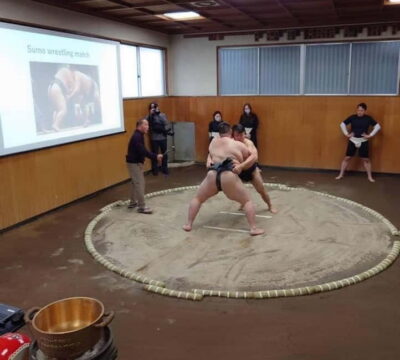 ★ 4.8Sumo Show and Dining ExperienceFrom $792,742 reviews
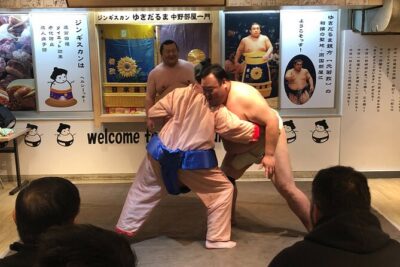 ★ 5.0the SUMO showFrom $891,960 reviews
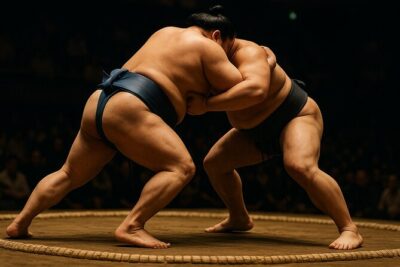 ★ 5.0Tokyo Shinjuku Sumo Show & Experience with PhotoFrom $791,750 reviews
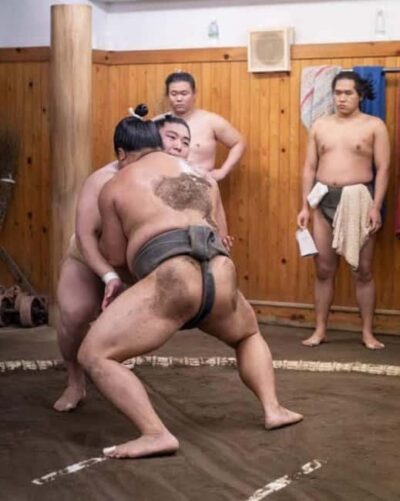 ★ 4.8Sumo Show and Experience in ShinjukuFrom $691,001 reviews
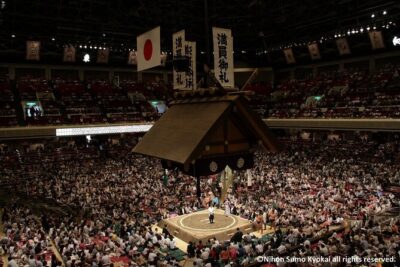 ★ 5.0Tokyo Grand Sumo Tournament Viewing Tour with TicketsFrom $124692 reviews
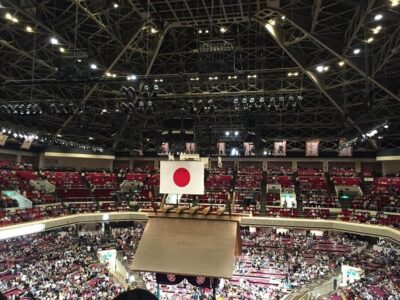 ★ 5.0Tokyo Sumo Wrestling Tournament ExperienceFrom $124660 reviews
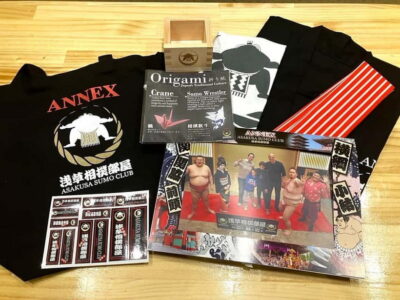 ★ 4.7Luxury Sumo Show Experience & Japanese cuisine & DrinkFrom $103577 reviews
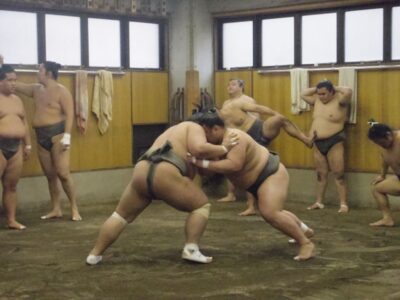 ★ 4.8Sumo Morning Practice Viewing TourFrom $81570 reviews
Browse the lists this tour appears in