
Reviewed · YOKOHAMA DAY TRIPS
Guided History & Nature Exploration in the Yokohama Hill Area
Yokohama changes fast when you climb hills. This half-day walk through Yokohama’s hill neighborhoods pairs port-photo views with Yamate Bluff history, then turns you loose in Sankeien Garden before a skyline look from OMO5 Bashamichi. Guided by Sayumi, the Official Kanagawa Tour Guide, the route is built for both good photos and good stories.
I love the port-to-foreign-resident perspective that makes Yokohama feel like it has layers, not just sights. I also love the practical value: Sankeien admission is included, and you get a real Japanese tea break that keeps the afternoon comfortable.
One possible drawback: the day is described as a normal town walk, but it includes ups and downs, so you’ll want decent walking shoes. If you’re sensitive to hills or stairs, build in extra time and don’t rush.
In This Review
- Key highlights at a glance
- Why Yokohama’s hill neighborhoods feel like time travel
- Price and value for a guided 4-hour plan
- Meeting point to skyline finale: how the flow really works
- Harbor View Park: the photo stop that actually earns its time
- Foreign General Cemetery: short stop, big meaning
- Yamate Bluff and Berrick Hall: architecture with movie-recognition value
- Tea time break: the small pause that improves the whole day
- Motomachi shopping street: historic atmosphere plus gift hunting
- Sankeien Garden: included ticket, guide-led focus on what to see
- Bashamichi finale at OMO5: the best last photo for your route
- What the small group changes for you
- Who should book this Yokohama hill tour
- Should you book this guided experience?
- FAQ
- How long is the tour?
- What’s included in the price?
- Do I need to pay for Sankeien separately?
- Is the bus to Sankeien included?
- How much walking is involved?
- What’s the group size?
- Where do I start and where do I end?
- Is there an observation deck view included at the end?
- Does the tour depend on weather?
Key highlights at a glance
- Harbor View Park for the best port photo angle, reached by escalator
- Yokohama Foreign General Cemetery for the start of the city’s international era
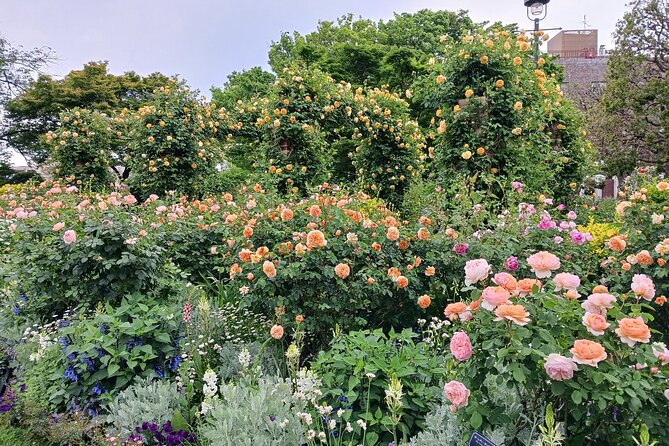
- Yamate Bluff architecture with a chance to see familiar spots from From Up on Poppy Hill, plus places like Berrick Hall
- Motomachi shopping street for a gift-focused, historic atmosphere
- Sankeien Garden with included admission and a guide-led focus on what matters
- OMO5 Yokohama Bashamichi (46th floor) for the evening-view finale, weather permitting
Why Yokohama’s hill neighborhoods feel like time travel
If you’ve only visited Yokohama’s waterfront, you’ve seen one side. This experience takes you upward into the hill area where the city’s port history didn’t just change trade—it changed people, buildings, and street rhythms.
The big win is that you’re not bouncing between random stops. The route is designed to connect themes: the opening of the port 150 years ago, foreign residents in the Yamate Bluff area, and how those influences still show up in architecture and atmosphere today.
It also helps that the guide is Sayumi, the Official Kanagawa Tour Guide. People often remember guides who can explain why a street exists, not just what’s on it. Based on how the tour is run, that’s very much the style here.
The harbour city next door, reviewed
- Tokyo 8hr Private Tour with Licensed Guide from Yokohama
★ 5.0 · 94 reviews - Shuttle Van Transfer, Yokohama(Port)⇒Tokyo, Narita, Haneda, TDR
★ 5.0 · 63 reviews - Yokohama Ramen Adventure From a Local Noodle Factory to Home
★ 5.0 · 60 reviews - Yokohama 4hr Private Tour with Government-Licensed Guide
★ 5.0 · 34 reviews
Price and value for a guided 4-hour plan
At $45.98 per person, this is priced like a half-day “do it with a pro” experience. The value comes from what’s bundled: you get a guided route, plus tea/coffee time and Sankeien Garden admission included.
A small budget note: the bus from Motomachi to Sankeien is 220 yen and is not included. That’s not a deal-breaker, but it’s good to plan for it so you don’t get surprised mid-afternoon.
The other value lever is group size. This tour caps at 6 travelers, which tends to make questions easier and pacing smoother when you’re mixing walking, views, and garden time.
Meeting point to skyline finale: how the flow really works
You start at Motomachi-Chukagai Station (Yamashitacho, Naka Ward). The day ends at OMO5 Yokohama Bashamichi by Hoshino Resorts. That matters because you finish with a view instead of being dropped back into the middle of the shopping streets.
The route generally moves like this:
- Quick port view first, so you get the best light and photo angles early.
- Then you shift into history and architecture as you move uphill.
- You land in Motomachi for the old high-street shopping vibe.
- You finish at Sankeien and wrap with a 46th-floor observation deck look at Yokohama.
One practical detail I like: even though the tour ends at OMO5, the guide is flexible about helping you get back toward places like Chukagai if you want an easier exit from the area.
Harbor View Park: the photo stop that actually earns its time
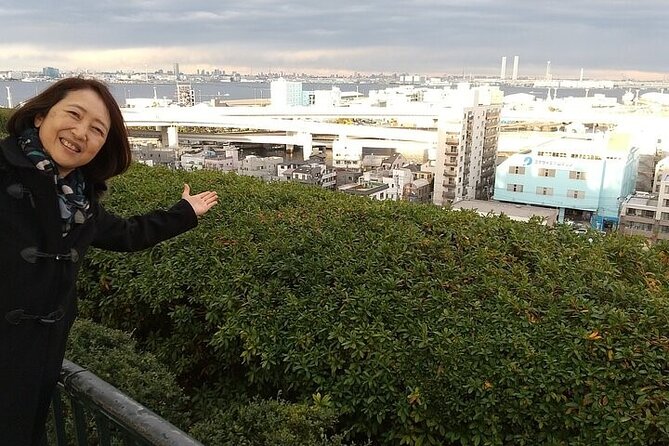
Your first major stop is Harbor View Park, and it’s timed for about 30 minutes. This is the port-view payoff, and the description highlights getting up there by escalator for the best photo shoot.
That might sound like a minor detail, but it’s the kind of thing that makes a guided walk worth it. You’re not wasting energy searching for the right angle. You’re going to a spot picked for your Yokohama memory—and you start with it while you still have energy.
If you’re the type who likes photos but also hates turning every stop into a production, you’ll appreciate the “see it, frame it, move on” vibe here.
Foreign General Cemetery: short stop, big meaning
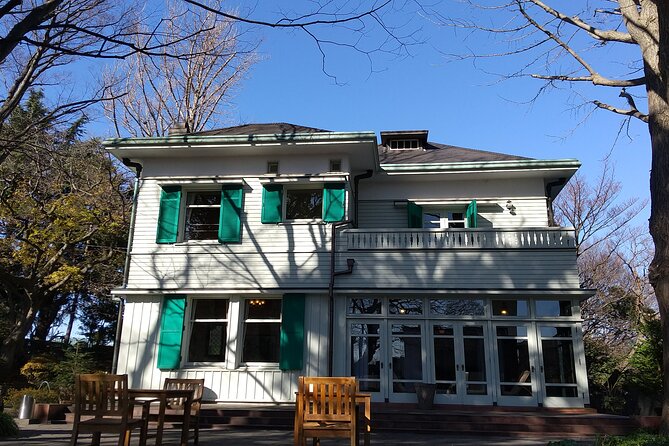
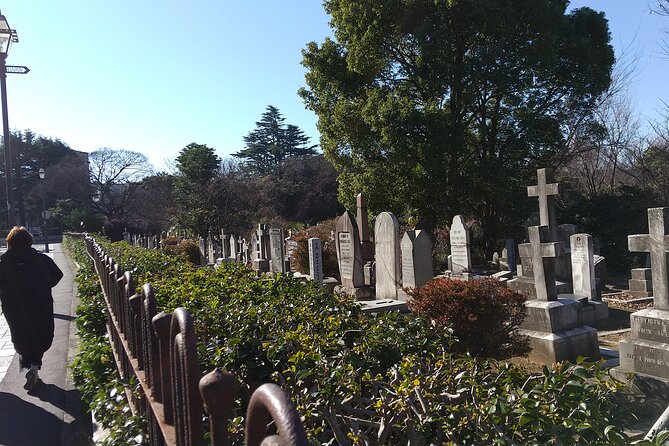
Next up is the Yokohama Foreign General Cemetery for about 15 minutes. This is a symbolic place tied to how Yokohama began as the first contact point with the international community roughly 150 years ago.
The cemetery stop works best as a perspective-shift. After port views and busy city motion, it gives you a quiet anchor. It also helps you understand why Yamate Bluff and nearby areas feel different from modern Japan’s usual street grid.
Time-wise, 15 minutes is brief. If you’re someone who could spend an hour reading every marker, you might wish for more. But as a guided “context injection,” it hits the sweet spot without dragging your afternoon.
Readers also shortlisted these Yokohama bookings:
- Kamakura 6hr Private Walking Tour with Government-Licensed Guide★ 5.0 · 42 reviews
- Yokohama: Guided Cup Noodles Museum Tour & Make Your Own Cup★ 4.9 · 27 reviews
- Tokyo Full Day Tour with Licensed Guide and Vehicle from Yokohama★ 5.0 · 26 reviews
- Yokohama and Kamakura 6hr Private Trip Government-Licensed Guide★ 5.0 · 25 reviews
- Yokohama Full Day Tour with a Local Expert Guide★ 4.3 · 23 reviews
Yamate Bluff and Berrick Hall: architecture with movie-recognition value
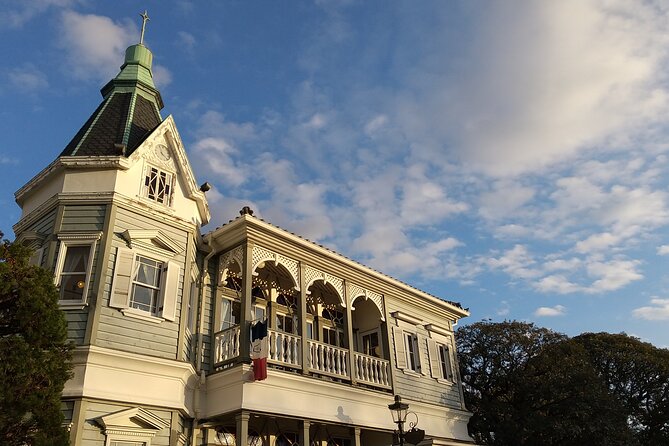
Then you move into Yamate Bluff, where the housing and street character reflects when foreign residents settled after the port opened. The tour specifically points to Berrick Hall as a likely highlight among the historical residences and architecture in that zone.
There’s also a fun hook for pop-culture fans: the area is tied to Studio Ghibli’s From Up on Poppy Hill. If you’ve seen the film, you’ll probably spot familiar design cues and recognize the kind of atmosphere the movie draws from.
What I like about this portion is the combination: you’re looking at buildings, but you’re also getting the story behind why those buildings look the way they do. That’s how architecture becomes more than photos.
One more consideration: this is part of the day where hills can show up. The tour description calls out ups and downs, so wear shoes that don’t punish you on sloped sidewalks.
Tea time break: the small pause that improves the whole day
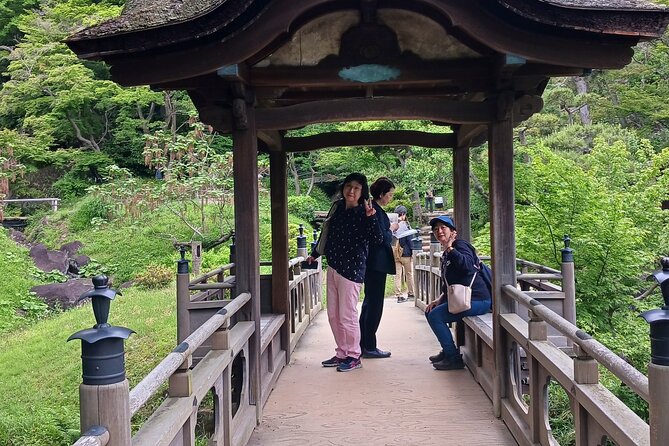
Before you hit Motomachi shopping, you take a break at a popular tea salon. Coffee and/or tea is included, and this is your practical stamina moment.
I love tours that understand you’re not just moving your legs—you’re also carrying heat, humidity, and decision fatigue. A tea break turns the afternoon from walking-and-buying into something you can actually enjoy.
If you’re a tea person, this is also a nice chance to slow down and watch local life for a bit. Even if you’re not, it’s still a smart reset before the next stop.
Motomachi shopping street: historic atmosphere plus gift hunting
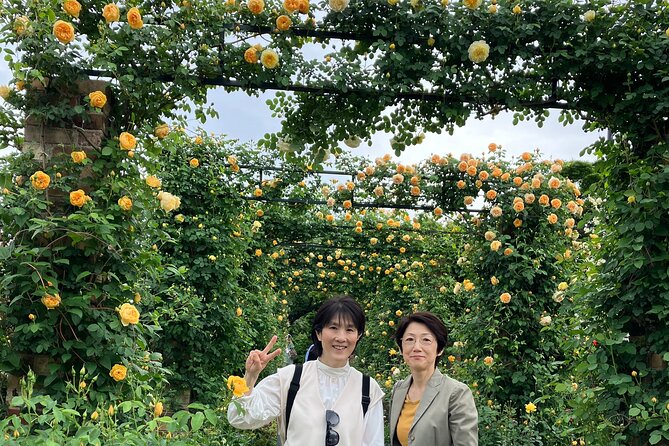
After tea, you head to Yokohama Motomachi Shopping Street for about 1 hour. This is described as the original high street connecting local Yokohama people with the newly arrived foreign residents.
That historical setup matters, because Motomachi doesn’t feel like an interchangeable mall strip. It’s an old-style shopping lane with unique shops—useful if you want gifts and souvenirs that feel tied to the neighborhood, not generic Japan.
One practical tip for you: use the hour with purpose. If you try to browse every single storefront with no plan, 60 minutes disappears fast. If your goal is a few solid items—snacks, stationery, or small souvenirs—you’ll come away happier.
Sankeien Garden: included ticket, guide-led focus on what to see
Then comes Sankeien Gardens, around 1 hour, with admission included. The guide chooses spots inside the garden and explains what to notice and enjoy.
This part is valuable because big Japanese gardens can be overwhelming on your own. You can walk for an hour and feel like you saw trees and water—without connecting anything. With a guide, you’re more likely to understand why certain structures and views exist where they do.
The garden is also described as collecting traditional Japanese architecture from different places. That matters if you’re comparing styles and want the feeling of Japan-in-one-space without rushing between regions.
If you’re the type who likes quiet and walking at your own pace, you’ll probably find this portion the most relaxing. And if timing lines up with seasonal moments, the guide has arranged special experiences in the past at Sankeien—like traditional music and autumn moon-watching. That’s not something you can bank on, but it’s a sign the guide thinks beyond checklists.
Bashamichi finale at OMO5: the best last photo for your route
To finish, you go to Bashamichi, about 15 minutes, with the evening view from the 46th-floor observation deck at OMO5 Yokohama Bashamichi. The tour notes this is weather dependent, and if visibility is good, you can see across Yokohama.
This stop works as a satisfying ending because it gives you scale. After streets, cemeteries, houses, and garden paths, the city becomes geography.
I also like that you’re not forced to linger. Fifteen minutes is enough for photos and orientation, then you’re released.
What the small group changes for you
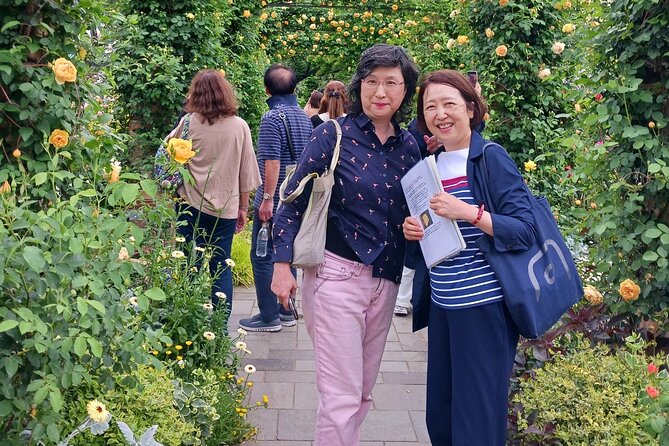
With a maximum of 6 travelers, you’re less likely to get herded and more likely to get real guidance. It’s the difference between hearing facts from across a crowd and actually asking a question when something catches your eye.
This is the kind of tour where the guide’s personal connection to the city shows up. You can feel it in the way the day is paced: not rushed, not slow, and consistently tied to the theme of the port and the hills.
It’s also described as flexible if weather changes. That’s important in Yokohama, where skies can shift quickly. A good guide doesn’t just cancel; they adjust so you still get a high-value afternoon.
Who should book this Yokohama hill tour
This fits you if you:
- Want history tied to real neighborhoods, not just museum-style facts
- Like good walking views with a plan, not random wandering
- Enjoy architecture, quiet stops, and gardens
- Want a controlled shopping hour in Motomachi without losing the day
You might want to choose something else if you:
- Have limited comfort with hills and stairs (the tour calls out ups and downs)
- Want a long, freeform shopping stretch or a full-day garden experience
- Prefer a more “hands-on” activity style rather than sightseeing + storytelling
If you’re doing Yokohama as part of a longer Japan trip, this is a strong half-day anchor—especially because it links port history to today’s streets.
Should you book this guided experience?
Yes, if you want Yokohama in a single afternoon with clear connections between places. The value is strongest when you care about why the city looks the way it does—port opening history, foreign-resident influence in Yamate, and the calm contrast of Sankeien.
I’d particularly recommend it to first-timers who are tempted to do “just waterfront” and miss the hill neighborhoods. You’ll come away with a better sense of Yokohama’s mix: international roots plus Japanese refinement, all in one compact route.
If hills are your concern, don’t skip it—just go in prepared with good shoes and a slower pace. A tour like this rewards steady walking, not speed.
FAQ
How long is the tour?
The tour runs for about 4 hours.
What’s included in the price?
Coffee and/or tea at the tea salon is included, and admission to Sankeien Gardens is included.
Do I need to pay for Sankeien separately?
No. The Sankeien Gardens admission is included in the guide fee.
Is the bus to Sankeien included?
No. The bus from Motomachi to Sankeien costs 220 yen.
How much walking is involved?
It’s described as a normal walk around town, but there are some ups and downs, so you should be ready for hills and steps.
What’s the group size?
This tour has a maximum of 6 travelers.
Where do I start and where do I end?
You start at Motomachi-Chukagai Station and end at OMO5 Yokohama Bashamichi by Hoshino Resorts.
Is there an observation deck view included at the end?
Yes. The finale includes enjoying the evening view from the 46th-floor observation deck at OMO5 Yokohama Bashamichi, weather permitting.
Does the tour depend on weather?
Yes. The experience requires good weather. If it’s canceled due to poor weather, you’ll be offered a different date or a full refund.
More Guided in Yokohama
- Tokyo 8hr Private Tour with Licensed Guide from Yokohama
★ 5.0 · 94 reviews - Kamakura 6hr Private Walking Tour with Government-Licensed Guide
★ 5.0 · 42 reviews - Yokohama 4hr Private Tour with Government-Licensed Guide
★ 5.0 · 34 reviews - Yokohama: Guided Cup Noodles Museum Tour & Make Your Own Cup
★ 4.9 · 27 reviews - Tokyo Full Day Tour with Licensed Guide and Vehicle from Yokohama
★ 5.0 · 26 reviews
More Tour Reviews in Yokohama
- EVO, WRX, Skyline – JDM Night Run to Daikoku Car Meet
★ 4.9 · 478 reviews - Tokyo: Best Price Daikoku Parking Area JDM Car Meet
★ 4.9 · 192 reviews - Daikoku & Tokyo Private JDM Tour by 700HP R34 GT-R
★ 4.9 · 101 reviews - Tokyo 8hr Private Tour with Licensed Guide from Yokohama
★ 5.0 · 94 reviews - 【Tokyo】JDM Daikoku Parking Area & Nissan Facility Tour
★ 5.0 · 87 reviews
The Harbour City Next Door, Rated
- Tokyo 8hr Private Tour with Licensed Guide from Yokohama
★ 5.0 · 94 reviews - Shuttle Van Transfer, Yokohama(Port)⇒Tokyo, Narita, Haneda, TDR
★ 5.0 · 63 reviews - Yokohama Ramen Adventure From a Local Noodle Factory to Home
★ 5.0 · 60 reviews - Yokohama 4hr Private Tour with Government-Licensed Guide
★ 5.0 · 34 reviews - Japanese Tea Ceremony at Private Home in Yokohama, suburban Tokyo
★ 5.0 · 32 reviews
Latest Yokohama reviews off our desk





Yokohama Day Trips, compared.
 ★ 5.0Tokyo 8hr Private Tour with Licensed Guide from YokohamaFrom $20194 reviews
 ★ 4.5Narita Airport: One Way Private Transfer to Tokyo|Yokohama HotelsFrom $7769 reviews
 ★ 5.0Tokyo/Yokohama: Mt. Fuji and Hakone Private Day TourFrom $39264 reviews
 ★ 5.0Shuttle Van Transfer, Yokohama(Port)⇒Tokyo, Narita, Haneda, TDRFrom $12263 reviews
 ★ 5.0Yokohama Ramen Adventure From a Local Noodle Factory to HomeFrom $16560 reviews
 ★ 4.5Private One-Way Transfers to/from Yokohama PortFrom $6750 reviews
 ★ 5.0Private Car Tour to see Highlights of Kamakura, Enoshima, Yokohama from TokyoFrom $1,18348 reviews
 ★ 5.0Yokohama 4hr Private Tour with Government-Licensed GuideFrom $10834 reviews
Browse the lists this tour appears in