
Reviewed · KAMAKURA DAY TRIPS
Yokohama and Kamakura 6hr Private Trip Government-Licensed Guide
Temple steps meet harbor views. This private Yokohama and Kamakura trip is a time-saver that bundles shrine culture and seaside scenery into one guided day, with you choosing the mix. I love the customizable itinerary feel, and I also love how a licensed guide turns each stop into something you actually understand, fast.
The main thing to consider: it’s a walking-style experience with lots of stairs and uneven temple ground, and entrance fees and transit costs aren’t included (so budget for those as you decide what matters most).
In This Review
- Key things that make this day trip work
- Why Yokohama plus Kamakura in 6 hours is such a smart move
- Your licensed guide: the difference between visiting and understanding
- Kamakura shrine and temple classics you can’t fake
- The smaller Kamakura sites: where the stories get personal
- Enoshima: your ocean-side break from temple steps
- Yokohama after Kamakura: neighborhoods, parks, and a few fun museums
- Timing, walking, and how to choose your 3–4 best stops
- Price and value: is $154.84 a good deal for this kind of day?
- Should you book this Yokohama and Kamakura private trip?
- FAQ
- How long is the Yokohama and Kamakura private trip?
- Where do we meet the guide?
- Is this tour private or shared?
- Can I choose which sights to visit?
- What’s included in the price, and what isn’t?
- Is there free cancellation?
Key things that make this day trip work
- Pick 3–4 stops from a menu, so you’re not stuck on someone else’s “perfect route”
- Government-licensed English guide commentary keeps temples, shrines, and neighborhoods from feeling like name-drops
- About 30 minutes one way between Yokohama and Kamakura helps you do both without burning the day
- Big variety in one package, from Great Buddha and Zen halls to Chinatown streets and Minato Mirai views
- Pacing can be adjusted, and good guides have planned around fewer stairs and rainy conditions
- Mobile ticket and private group means you move as your party, not as a crowd
Why Yokohama plus Kamakura in 6 hours is such a smart move
This is the kind of day that helps you beat the “I have one day and don’t want to research everything” problem. You’re pairing Kamakura’s compact temple-and-shrine world with Yokohama’s harbor atmosphere, all under one 6-hour private umbrella.
I like that you can steer the day toward what you care about most. Want more religious sites? You can do that. Prefer modern Yokohama views and quirky museums? You can do that too. And because there’s a guide walking you through the meaning, you don’t have to play historian between photo stops.
The day does have a rhythm. You’ll be moving from stop to stop, and Kamakura especially means stairs. If you know you get tired fast, choose fewer Kamakura sites and keep one lighter “break” stop for later.
Coast-and-Buddha days near Kamakura, rated
- Yokohama and Kamakura 6hr Private Trip Government-Licensed Guide
★ 5.0 · 25 reviews - Kamakura One Day Hike Tour with Government-Licensed Guide
★ 4.5 · 12 reviews
Your licensed guide: the difference between visiting and understanding
This tour is built around a licensed local English-speaking guide who leads your group and shares commentary as you go. That matters because Kamakura isn’t just “pretty temples.” It’s also belief systems, historic patronage, and different Buddhist traditions stacked on top of each other over centuries.
A practical bonus: you meet the guide on foot in a designated Yokohama or Kamakura area. So you spend less time figuring out who you’re supposed to meet and where to start. And while transportation isn’t included, guides can still help you plan the hop between areas—some have even helped with real-world steps like taxi decisions and train navigation.
You’re also not dragged down a fixed order. The tour is designed for a customizable itinerary, with you selecting your priorities from the available stops. That turns a “tour” into something that feels like you designed it, just with better context.
Finally, it’s private. Only your group participates, which makes it easier to move at your pace, ask questions, and slow down when a place grabs you.
Kamakura shrine and temple classics you can’t fake
Kamakura is where the day can get spiritual and cinematic fast. Here are the key stops, what they’re best for, and the small things to watch so you don’t feel rushed.
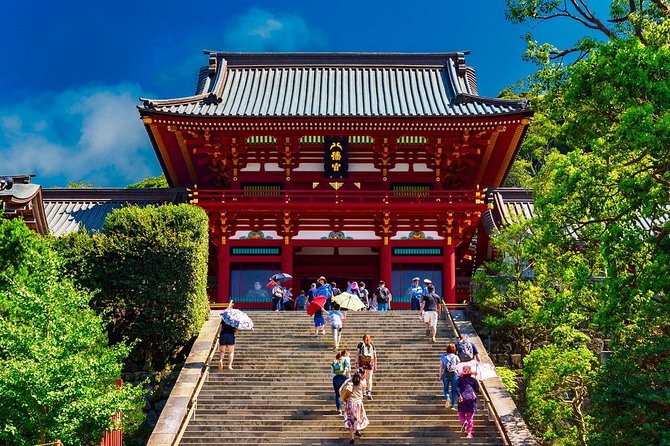
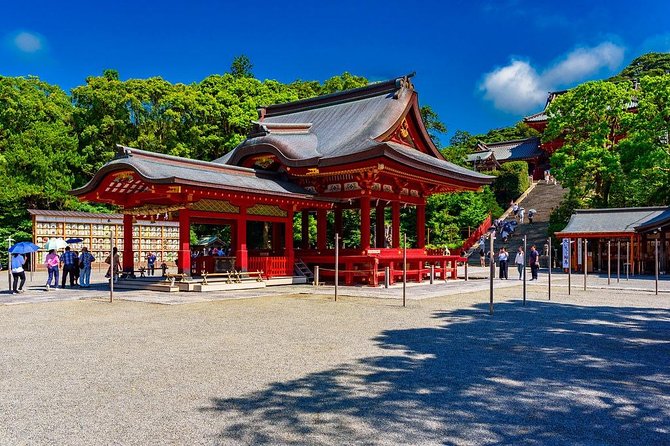
Tsurugaoka Hachimangu Shrine sits at the start of many Kamakura stories. It’s dedicated to Hachiman, the patron god associated with the Minamoto family and samurai in general, so it’s a strong anchor point for understanding why Kamakura mattered. Free admission helps too, and it’s often a good “first temple” because the setting gives you quick bearings.
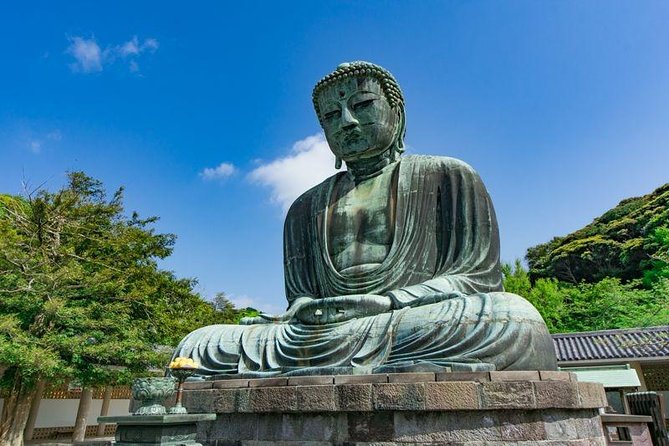
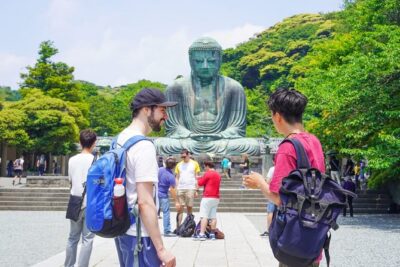
Kotoku-in and the Great Buddha of Kamakura is the headliner statue stop. The bronze Buddha of Amida stands about 11.4 meters tall, and it’s located on the grounds of Kotokuin Temple. The big drawback: this is more of a “see it, appreciate it, move on” stop—great, but don’t expect long wandering unless you add nearby temples you care about.
Hasedera Temple is famous for its Jodo sect art and its Kannon statue—specifically the eleven-headed Kannon of mercy. If you like sculpture, symbolic religious art, and photo-worthy angles, this is a strong pick. Since entry isn’t included, it’s worth deciding whether you’ll do Hasedera as one of your paid stops.
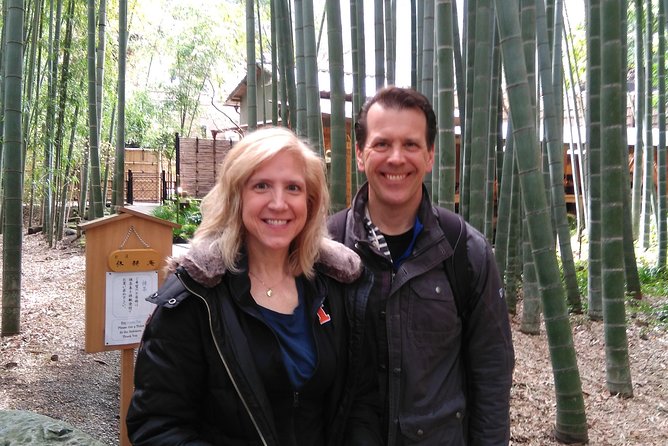
Hokoku-ji Temple is about mood. Go for the small bamboo grove behind the main hall, with over 2000 bamboo stalks and narrow paths that turn a quick visit into a calm walk. It’s easy to underestimate how “walky” this kind of stop can be—comfortable shoes matter.
Engaku-ji is one of Kamakura’s big Zen temples, and it’s often a top choice when you want more than one style of Buddhist atmosphere. It’s a leading Zen temple in eastern Japan and counts as the number two of Kamakura’s five great Zen temples. The benefit is scale and significance; the tradeoff is time, since you may want more than the default quick look.
Kencho-ji is the number one of those five great Zen temples and the oldest Zen temple in Kamakura. If you want the “main Zen” feeling, this is where you go. Expect the day to get a bit foot-heavy here—build your route so you’re not stacking too many temple climbs back-to-back.
The smaller Kamakura sites: where the stories get personal
This is the part where Kamakura can feel more like a slow conversation than a checklist. Many of these stops are shorter, but they often hit harder because they’re specific and memorable.
Zeniarai Benten Shrine is a fun detour with a clear legend: people come to wash their money in the spring there—coin-washing is literally the idea (the name means that). It’s free, and it’s the kind of stop where a guide’s explanation turns a quick photo into a cultural moment. It can also be a nice “reset” after bigger temple compounds.
Meigetsuin (Hydrangea Temple) is tied to seasonal flowers, especially hydrangeas. If your trip lines up with blooming time, it becomes a standout. If not, it still works as a Zen temple visit, but you’ll want to treat it as a mood stop rather than a guaranteed flower show. Either way, it’s one of those places where a guide can help you notice what matters.
Ankokuronji offers a Nichiren sect angle in the hills of southeast Kamakura. It’s a shorter stop in the flow, but it helps balance the day so you’re not only seeing one tradition. When you pick sites, this is a good “variety” add-on.
Jomyo-ji is another Zen temple option in the hills, tied to the Ashikaga family. The value here is contrast: you can compare temple atmospheres and design choices across different Zen/sect influences without needing a long detour.
Zuisen-ji sits in a narrow valley with wooded hills around it. If you like quieter temple spaces and shaded walks, it’s a solid pick. The drawback is simple: valleys often mean extra steps and a day that feels more physical than you planned.
Myohonji also brings a Nichiren sect connection and a sense of Kamakura’s layered religious geography along the southeast hills. It’s a good fit if you enjoy “I’m wandering, and the story changes as I change hillsides” travel.
Jochiji is listed as the number four of Kamakura’s five great Zen temples and is a branch temple. This works well if you’re doing a Zen-focused day and want to reach multiple “top tier” sites without feeling like you must do all of them.
Tokeiji is a smaller branch temple associated with the Engakuji school. In a customizable itinerary, these “in-between” stops are useful because they break up the day so you don’t have temple fatigue.
Jufukuji is tied to the Rinzai sect’s Kenchoji school and connected to Minamoto Yoritomo’s wife, Ma. That family connection gives the stop a sharper human story than just another hall-and-garden look.
Eishoji Temple is a special one: it’s the only surviving nunnery in Kamakura. If you’re curious about women’s religious history in Japan’s temple world, it’s a worthwhile and distinctive stop. Just keep in mind it’s likely to be short in your overall route, so don’t treat it as the sole focus if you want lots of “big sights.”
A simple way to approach Kamakura: choose one “anchor” shrine or big statue, add one Zen temple, then fill with 1–2 shorter cultural stops like bamboo, coin-washing, or a valley temple.
Enoshima: your ocean-side break from temple steps
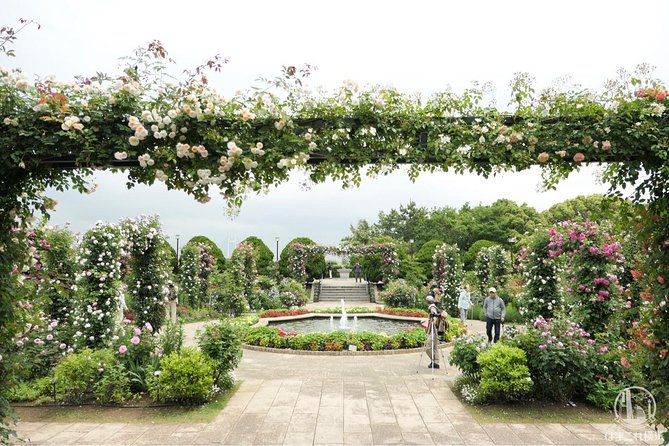
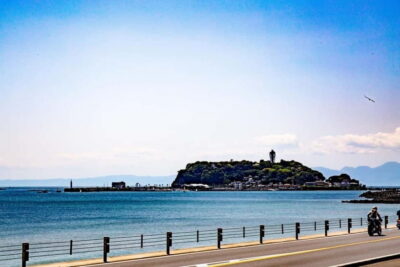
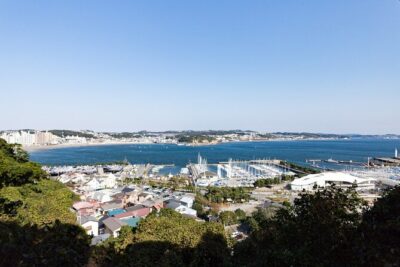
Enoshima Island is the palate cleanser. It’s a short train ride west of Kamakura and is connected to the mainland by bridge, so it’s easy to build into the day without feeling like a major transfer.
What I like about Enoshima in this specific context is the contrast. After hours of shrine and temple ground, you get sea air and a different kind of scenery—often a welcome change in pace. If your guide helps you pick a route, this is a strong candidate for the middle or late part of the day so you don’t end on “more stairs.”
Enoshima is also described as pleasantly touristy and includes religious attractions, so you don’t lose the culture thread. It just shifts from forested hills to an island setting.
The harbour city next door, reviewed
- Tokyo 8hr Private Tour with Licensed Guide from Yokohama★ 5.0 · 94 reviews
- Shuttle Van Transfer, Yokohama(Port)⇒Tokyo, Narita, Haneda, TDR★ 5.0 · 63 reviews
- Yokohama Ramen Adventure From a Local Noodle Factory to Home★ 5.0 · 60 reviews
- Yokohama 4hr Private Tour with Government-Licensed Guide★ 5.0 · 34 reviews
- Japanese Tea Ceremony at Private Home in Yokohama, suburban Tokyo★ 5.0 · 32 reviews
Yokohama after Kamakura: neighborhoods, parks, and a few fun museums
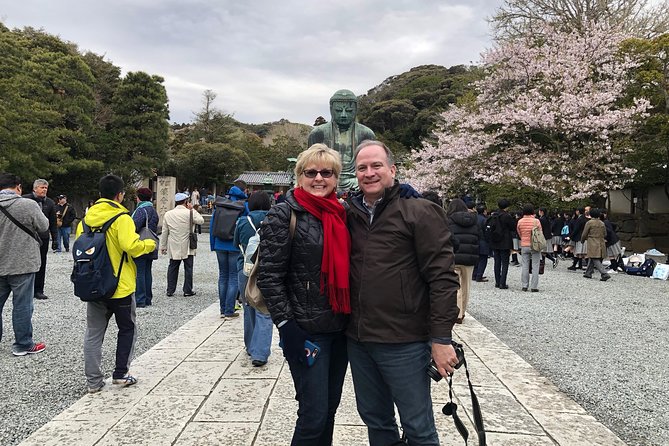
Once you head back toward Yokohama, the tone changes fast. Instead of temple paths, you get waterfront walking, Chinatown energy, and a mix of old-meets-new neighborhoods.
Sankeien Gardens is a landscaped Japanese-style garden in southern Yokohama with historic buildings from across Japan. It’s a slower-feeling stop than the temple circuit, and it’s a good choice when you want a breather that still feels culturally grounded. Since admission isn’t included, it’s best if you’ve already decided gardens are your thing.
Yokohama Chinatown is Japan’s largest Chinatown. Even if you don’t plan a huge meal, walking the narrow streets and seeing the stores and restaurants gives you a totally different travel texture. It’s free, which makes it an easy win when your schedule is tight.
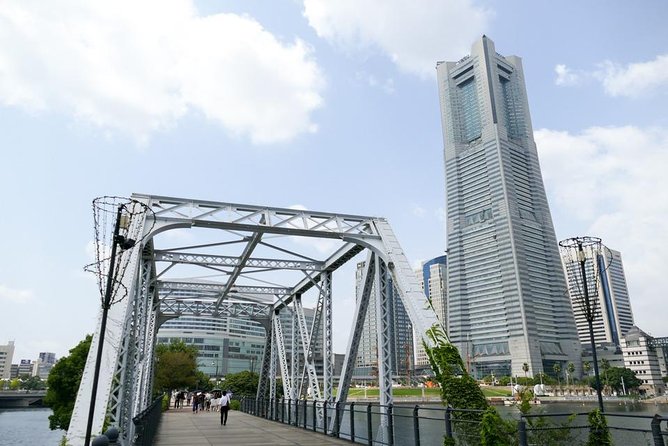
Minato Mirai 21 is the modern seaside district in central Yokohama—name meaning harbor of the future. It’s where you can get wide views and big-city energy, including the Landmark Tower. This is a great time to reset your legs and enjoy the skyline rather than chasing one more religious site.
Motomachi Park is tied to Yokohama’s opening to foreign interaction after Japan’s isolation ended in the 1850s. If you want a small stop that connects scenery with a key chapter in Japan’s modern history, this fits well. It’s not included for admission, so plan it as a walk-and-look stop unless you’re also adding other nearby sites.
Yamate 234ban Residence points to the same “end of isolation” era. It can give you context for how Yokohama looked and felt as the city shifted. Since the entry isn’t included, it’s a good one to select only if you genuinely want to step inside.
Cup Noodles Museum Yokohama is pure fun, especially if you like interactive places. The focus here is the history of instant ramen, and it’s a more contemporary counterweight to temples. If you’re traveling with kids or you want one playful hour, this is usually the stop that people remember later.
Yamashita Park stretches along Yokohama’s waterfront and is mostly open green space. It’s a classic place to slow down, watch the harbor, and enjoy the sea-breeze break after busy walking. It’s free, so it’s also a budget-friendly way to end the day on a calm note.
Osanbashi Yokohama International Passenger Terminal (Osanbashi Pier) is a handy waterfront stop between Minato Mirai and Yamashita Park. It’s not just for transit—you can use it as a viewpoint and a “walk this section for the scenery” add-on. Admission isn’t included, so it tends to be more of an exterior stop in practice.
Shinyokohama Ramen Museum is a separate ramen-focused stop in the Shin Yokohama area. If you want one food-themed museum hour, it can be a satisfying closure. The tradeoff is time: it can pull you away from waterfront priorities if you’ve already packed too many stops.
Timing, walking, and how to choose your 3–4 best stops
Since the tour is designed around choosing 3–4 sites, your selection strategy matters more than the sheer number of attractions on the menu. Think in pairs: one anchor, one Zen or shrine, one scenic or garden stop, and one “fun” stop (Chinatown, a museum, or a waterfront park).
A practical way to avoid getting worn down:
- Put Enoshima or a Yokohama park/waterfront stop in the middle or later in your day.
- If you pick multiple Zen temples in Kamakura, consider limiting the hillsier options to one or two, since stairs can stack up fast.
- If you’re also doing Chinatown or Minato Mirai, keep them later so you’re not making tough choices while tired.
Because transit between Kamakura and Yokohama is about 30 minutes one way, you have enough time to do both without turning the day into a train sprint. Still, the tour is described as a walking tour with pickup on foot, so comfortable shoes are not optional.
One more tip: you’ll see different guidance styles depending on your guide. People have had days where the guide adjusted pace for fewer stairs and rainy footing, and that can make a big difference when you’re traveling with anyone who tires quickly.
Price and value: is $154.84 a good deal for this kind of day?
At $154.84 per person for about 6 hours, you’re paying for three things: a licensed guide, the custom itinerary flexibility, and the convenience of not planning and translating everything yourself.
Entrance fees, lunch, and transportation are not included, so you should expect some extra spending once you choose specific stops. That said, you’re not paying for a full private driver either—so the cost is more focused on the guide time and route guidance rather than transportation overhead.
If you’re traveling with a small group and you want one day that feels meaningful instead of chaotic, this is strong value. The flexibility is the real money-saver: you can choose the highlights that fit you and skip what you don’t care about.
If you’re the type who loves researching on your own, you could theoretically plan a similar day. But if you want the understanding and the smooth flow, you’ll feel the value quickly.
Should you book this Yokohama and Kamakura private trip?
Book it if you want a guided, flexible day that covers both Kamakura’s temple culture and Yokohama’s harbor-city side without turning your trip into a logistics puzzle. It’s a great match if you love shrines, Zen temples, and cultural context, and you also want at least one break stop like Enoshima or the waterfront.
Skip it (or choose fewer stops) if you’re not comfortable with stairs and uneven grounds, because Kamakura is physically demanding even when everything goes smoothly. And do plan extra money for entrance fees once you select your final mix.
If you do book, my advice is simple: pick one big anchor in Kamakura, add one Zen temple, then give yourself one scenic or fun Yokohama stop so the day ends with good energy instead of fatigue.
FAQ
How long is the Yokohama and Kamakura private trip?
It’s about 6 hours.
Where do we meet the guide?
You meet the guide on foot within a designated area in Yokohama or Kamakura.
Is this tour private or shared?
It’s private. Only your group participates.
Can I choose which sights to visit?
Yes. You can customize your itinerary by choosing 3–4 sites from the available options.
What’s included in the price, and what isn’t?
Included: a licensed local English-speaking guide and the customizable tour. Not included: transportation fees, entrance fees, lunch, and other personal expenses.
Is there free cancellation?
Yes. You can cancel up to 24 hours in advance for a full refund.
More Tour Reviews in Yokohama
- EVO, WRX, Skyline – JDM Night Run to Daikoku Car Meet
★ 4.9 · 478 reviews - Tokyo: Best Price Daikoku Parking Area JDM Car Meet
★ 4.9 · 192 reviews - Daikoku & Tokyo Private JDM Tour by 700HP R34 GT-R
★ 4.9 · 101 reviews - Tokyo 8hr Private Tour with Licensed Guide from Yokohama
★ 5.0 · 94 reviews - 【Tokyo】JDM Daikoku Parking Area & Nissan Facility Tour
★ 5.0 · 87 reviews
The Harbour City Next Door, Rated
- Tokyo 8hr Private Tour with Licensed Guide from Yokohama
★ 5.0 · 94 reviews - Shuttle Van Transfer, Yokohama(Port)⇒Tokyo, Narita, Haneda, TDR
★ 5.0 · 63 reviews - Yokohama Ramen Adventure From a Local Noodle Factory to Home
★ 5.0 · 60 reviews - Yokohama 4hr Private Tour with Government-Licensed Guide
★ 5.0 · 34 reviews - Japanese Tea Ceremony at Private Home in Yokohama, suburban Tokyo
★ 5.0 · 32 reviews
More Kamakura and Enoshima Days
- Kamakura 6hr Private Walking Tour with Government-Licensed Guide
★ 5.0 · 42 reviews - Kamakura One Day Hike Tour with Government-Licensed Guide
★ 4.5 · 12 reviews
Latest Yokohama reviews off our desk


Kamakura Day Trips, compared.
 ★ 4.5Kamakura & Enoshima Day Trip including Temple TicketsFrom $581,375 reviews
 ★ 4.5Mt. Fuji, Kamakura, Big Buddha, & Lake Ashi Day TripFrom $49867 reviews
 ★ 4.5From Tokyo: Kamakura & Enoshima 1-Day Bus TourFrom $66189 reviews
 ★ 5.0Kamakura Historical Walking Tour with the Great BuddhaFrom $98129 reviews
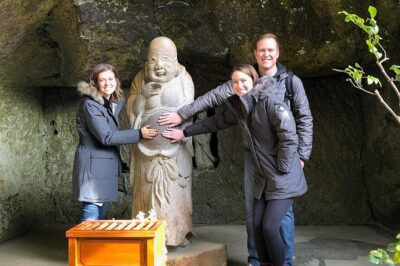 ★ 5.0Kamakura Private Tour: Temples, Nature, and the Great BuddhaFrom $98121 reviews
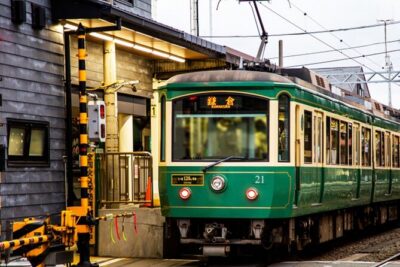 ★ 5.0Kamakura Walking Tour – The City of ShogunFrom $35100 reviews
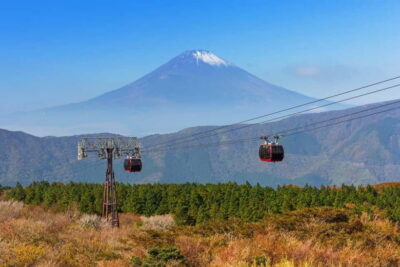 ★ 4.9Sea of Mount Fuji, Hakone Ropeway, Ōwakudani, EnoshimaFrom $5084 reviews
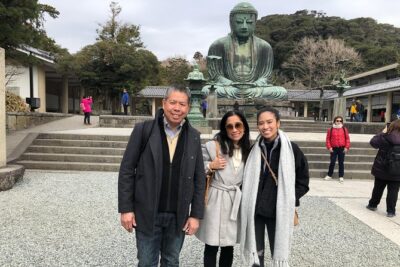 ★ 5.0Kamakura 8 hr Private Walking Tour with Licensed Guide from TokyoFrom $20180 reviews
Browse the lists this tour appears in