
Reviewed · IMPERIAL PALACE TOURS
Imperial Palace or Edo Castle Time Trip Learning Walking Tour
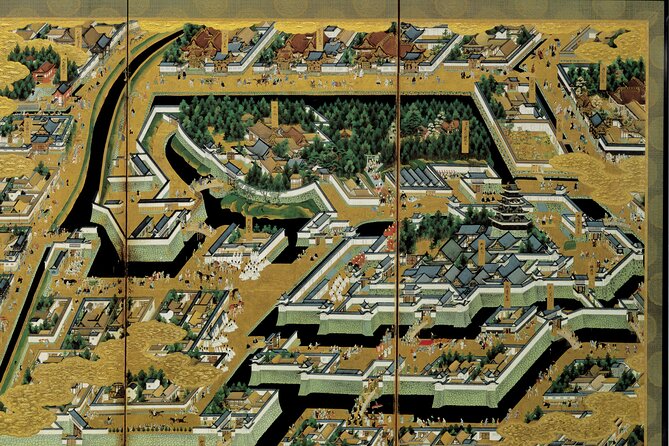
A time-trip tour that starts in modern Tokyo. This Imperial Palace or Edo Castle Time Trip Learning Walking Tour strings together key Edo-era locations around the current Imperial Palace area using an illustrated map of 1650s Tokyo, so you can “read” the city as it looked when shoguns ruled and samurai ran the show. You’ll walk about 5.4 km over roughly 2 hours 30 minutes, with most stops keeping things moving.
I especially like two things: the way you’re guided through gates, stone walls, moats, and bridges with a focus on how the system worked, and the quality of the English from the English-speaking guide—including guides like Blanca, who gets praised for both knowledge and clear communication. You also get a small gift, and the tour includes admission tickets that are listed as free at the stops.
One thing to consider is logistics at the start: one review flagged that the meeting point in maps can be confusing. The provider adjusted the explanation so guests could find the Marunouchi South Exit (ground floor) more easily, but you should still double-check directions before heading out.
In This Review
- Key Highlights You’ll Actually Feel on This Walk
- Finding Edo Tokyo in Plain Sight: What This Tour Really Gives You
- Where It Starts: Tokyo Station to the Edo Story
- Stop 1: Mitsubishi Ichigokan Museum and the Power Behind the Modern City
- Stop 2: Imperial Palace Bridges to the Imperial Eastern Garden
- Stop 3: Hirakawa-mon Gate and the Meaning of Entrances
- What the Guide Actually Does (and Why It Matters)
- Walking Time, Distance, and Comfort: Your Real Planning Check
- Weather Matters More Than You’d Think
- Price and Value: Why This Feels Like a Deal
- Who This Tour Fits Best (and Who Might Want Something Else)
- Booking and Getting There Smoothly (Without Stress)
- Should You Book This Edo Castle Time Trip Walking Tour?
- FAQ
- How long is the walking tour?
- How far do you walk?
- Is the tour guided in English?
- What is the group size limit?
- Where does the tour start?
- Where does the tour end?
- Is a mobile ticket provided?
- Are admission tickets included?
- What’s not included?
- What happens if the weather is bad?
- Is free cancellation available?
Key Highlights You’ll Actually Feel on This Walk
- An illustrated Edo map that helps you connect present-day Tokyo to 1650s layouts
- Small group size (max 8) for easier pacing and questions
- Hands-on city structure learning using gates, stone, moats, and bridges as visual clues
- Imperial Palace area route focused on the former Edo castle footprint now known as Imperial Eastern Garden
- Stops tied to power and society, from shogun and emperor ideas to everyday life like women of Edo
- Guide quality in English, including praise for Blanca’s pleasant, clear teaching
Finding Edo Tokyo in Plain Sight: What This Tour Really Gives You
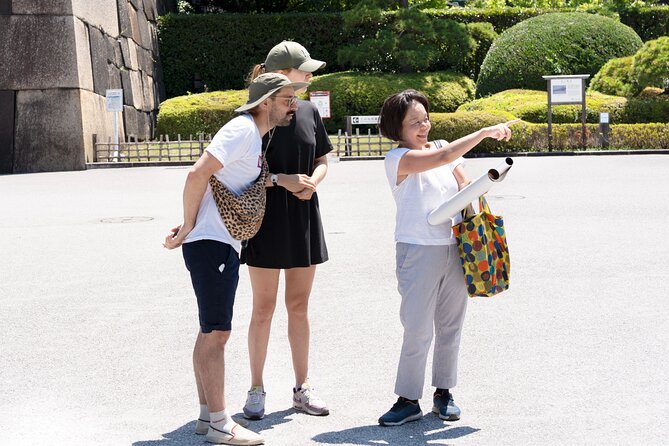
This is the kind of walk that helps you stop “touring” and start noticing. Instead of treating the Imperial Palace grounds like a pretty postcard, you’re shown how Edo-era power used walls, gates, and water as protection and as control. That changes the way you look at the same spots you’d otherwise just pass by.
The tour is built around a simple idea: you’ll receive an illustrated map of Edo in the 1650s, and your guide uses it as a reference as you move. So when you reach a gate or cross a bridge area, you’re not just hearing facts—you’re also placing those facts onto something concrete.
Another practical plus: the schedule is tight and easy to follow. It’s about 2.5 hours and about 5.4 km on foot, so it’s long enough to feel like a real tour, but not so long that you’ll dread the last stretch. It also lists admission tickets at the stops as free, which makes the overall value stand out.
More walks around the Imperial grounds
- Tokyo: Imperial Palace and Shogun Historical Walking Tour
★ 5.0 · 2,251 reviews - Tokyo: Imperial Palace Japanese History Walking Tour
★ 4.9 · 987 reviews - Tokyo: Imperial Palace and Shogun Walking Tour
★ 4.9 · 935 reviews - Imperial Palace East Garden and Edo Castle Walking Tour in Tokyo
★ 5.0 · 510 reviews
Where It Starts: Tokyo Station to the Edo Story
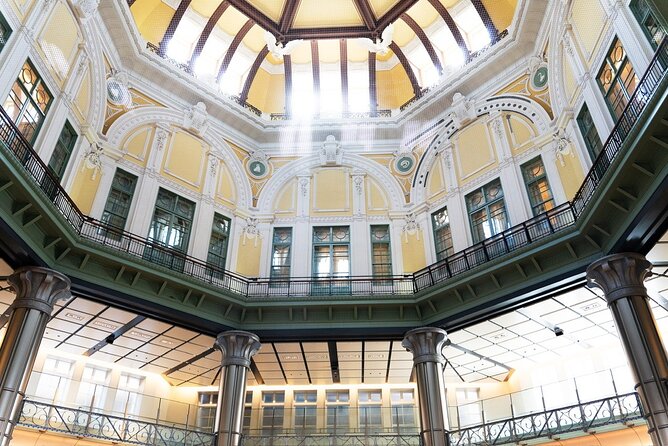
You begin at Tokyo Station Marunouchi South Gate Dome. That location is convenient because you’re dropping into a major rail hub, but it also means you’ll want to take meeting-point instructions seriously. One key piece of feedback: the map pin can be tricky. The provider responded by refining directions so guests could locate the Marunouchi South Exit on the ground floor.
If you’re meeting a group like this, your best move is simple:
- Screenshot or save the meeting point details on your phone
- Give yourself a few extra minutes to confirm you’re at the correct south-side exit
Once you’re together, the tour quickly gets into the Edo framing, using the illustrated city map to set expectations for what you’ll see. It’s a good way to get your bearings without having to do a bunch of pre-reading.
Stop 1: Mitsubishi Ichigokan Museum and the Power Behind the Modern City
The first stop is the Mitsubishi Ichigokan Museum area. The time here is short—about 5 minutes—but it has a purpose: you’re given a description of the Mitsubishi Group and its role in the Japanese economy. That isn’t Edo-focused, but it’s useful. It helps you connect the dots between modern Tokyo’s corporate influence and Japan’s long-running relationship with authority, wealth, and systems.
Since the admission ticket here is listed as free, you don’t feel like you’re being forced into a paid detour. You can treat this stop as orientation: a quick “who matters in Japan, and why” starter that makes the coming Edo symbolism easier to understand.
What to watch for: since this is a brief segment, arrive ready to listen. Don’t assume you’ll have time to wander off.
Stop 2: Imperial Palace Bridges to the Imperial Eastern Garden
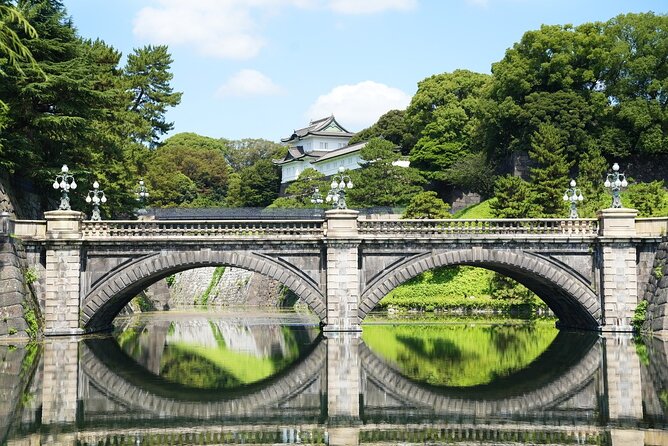
This is where the tour earns its name. After seeing the “iconic landscape of doubled bridges” tied to the Imperial Palace area, you move toward what used to be the Edo castle grounds—now called the Imperial Eastern Garden.
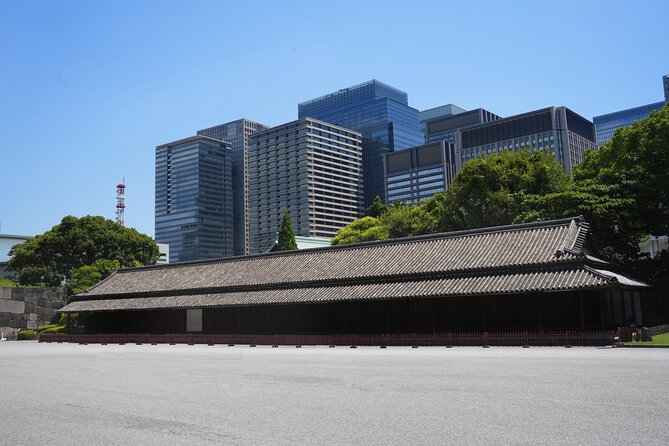
The tour notes that you’ll visit features like the Sakurada gate and bridges before the main entrance. You also get lots of structure-based details: gates, huts, stone walls, moats, and bridges. That kind of description matters because Edo-era castle design wasn’t just about defense. It was also about controlling movement, projecting authority, and organizing society around the ruling class.
Why I think this part is so effective: it turns architecture into a story. When you hear how gates and water fit into the defense plan, the space becomes readable. You’ll likely start to imagine where different groups would stand, travel, or get restricted. It also sets you up for the social angle the tour aims for—how people in roles like shogun, emperor, and samurai might relate to each other, and how “habitants of Edo city” and even women in the castle context might have experienced the environment.
Practical note: you should expect this segment to take time. It’s listed as 2 hours, which means you’ll want comfortable shoes and a good water plan, because bottled water isn’t included.
Stop 3: Hirakawa-mon Gate and the Meaning of Entrances
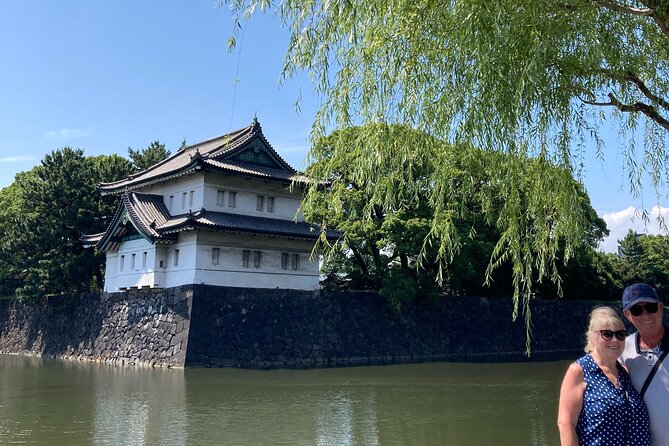
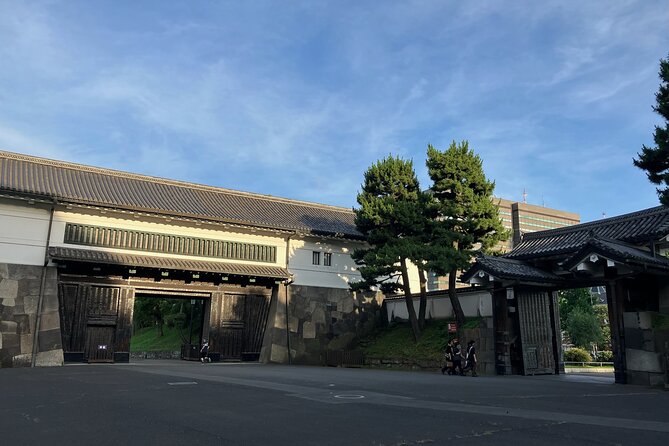
Near the end, you reach Hirakawa-mon Gate for about 10 minutes. Gates are a small feature compared to the size of the palace grounds, but they’re the exact kind of detail this tour favors. They’re where the rules of entry and hierarchy become physical.
Even when you only spend a few minutes at a gate, the “why” can stick, because you’ve been building context for the previous stops: how Edo castle space worked as a system, not a random collection of walls and buildings. By the time you arrive at Hirakawa-mon, the place should feel less abstract.
This stop is also where you’ll likely realize the tour’s learning style: it’s designed to increase interest in Japan through explanation that connects your imagination to real shapes and routes you can stand in.
Readers also shortlisted these Tokyo bookings:
- Tokyo Tsukiji Fish Market Food and Culture Walking Tour★ 5.0 · 3,184 reviews
- Tokyo: Shinjuku Local Bar and Izakaya Guided Walking Tour★ 4.9 · 1,794 reviews
- Tokyo: Tsukiji Fish Market Food and Walking tour★ 5.0 · 1,724 reviews
- Tokyo: Asakusa Walking Tour with Sensoji Temple Visit★ 4.8 · 1,583 reviews
- Tokyo: Tsukiji Fish Market Guided Walking Tour★ 4.9 · 1,397 reviews
What the Guide Actually Does (and Why It Matters)
A time-trip tour can be nothing more than a script. This one tries to avoid that by focusing on guided interpretation.
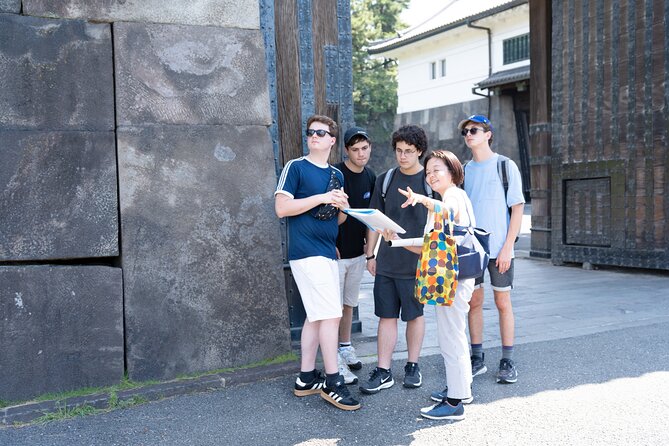
In the feedback, the big strength that keeps coming up is the guide’s ability in English and the depth of information. Names like Blanca show up in reviews, with praise for clear English and a pleasant teaching style. One review also calls out that the guide delivered a very good history lesson.
That quality matters because the tour covers social categories—shogun, emperor, samurai, and also people like women of the Edo castle—without turning the walk into a rigid lecture. A good guide can translate complicated roles into simple “this is how the space would affect people” explanations.
If you like history but don’t want to feel trapped in a classroom, this approach works well. You get to move, look, and ask questions in real time.
Walking Time, Distance, and Comfort: Your Real Planning Check
This tour is about 2 hours 30 minutes and includes about 5.4 km walking. That’s a solid city-walk distance, but it’s not extreme for most people. The listing also says most travelers can participate, which fits the idea of a moderate paced walk through central Tokyo.
Still, don’t treat it like a casual stroll. You’ll be moving between structured stops with explanation, so time passes differently than when you’re wandering on your own.
Bring:
- Comfortable walking shoes (the route is structured around gates and grounds)
- Weather-appropriate clothing (see next section)
- A way to stay hydrated, since bottled water isn’t included and meals are not included
If you’re the type who needs frequent bathroom breaks, build extra buffer into your day. The itinerary doesn’t list long breaks, so you may want to plan ahead before you start.
Weather Matters More Than You’d Think
The tour requires good weather. If conditions aren’t right, it can be canceled and you’ll be offered a different date or a full refund.
That’s important because the experience is largely outdoors on foot, and most of the “learning by looking” depends on you being able to move comfortably. If you’re traveling in rainy seasons, check forecasts closely and don’t schedule this as your only plan for that half-day.
Price and Value: Why This Feels Like a Deal
The price is listed as $3.25 per person. That number is striking for a 2.5-hour English-guided walking tour in central Tokyo with admission tickets listed as free at the stops and a small gift included.
Now, I can’t promise how every provider sets prices long-term, but based on what’s included, the value is hard to ignore. You’re paying for:
- An English-speaking guide
- A small group experience (up to 8)
- A structured walking route with multiple stops
- Admission tickets noted as free at the key points
- A small gift
For budget-minded travelers, this is the kind of pricing that can help you build a full Tokyo day without eating up your whole sightseeing budget. The main “cost” is what you put into planning for meeting point clarity and carrying water/food on your own.
Who This Tour Fits Best (and Who Might Want Something Else)
I’d recommend this tour if you:
- Like learning history by standing in the real places
- Want a clearer picture of Edo-era social power—shogun, emperor, samurai—without getting lost in textbooks
- Prefer small groups over big buses
- Enjoy guides who can explain in fluent, friendly English
It may be less ideal if you:
- Want lots of museum time (this is short at the Mitsubishi Ichigokan Museum stop)
- Expect long free time to explore the Imperial Palace area on your own
- Need fully self-paced wandering; this tour is guided and scheduled
If your travel style is structured curiosity, you’re going to enjoy it.
Booking and Getting There Smoothly (Without Stress)
Do plan around Tokyo Station navigation. The tour’s start point is Tokyo Station Marunouchi South Gate Dome, and the best practical takeaway from feedback is to follow the provider’s clarified directions for the Marunouchi South Exit (ground floor).
Also, keep an eye on the fact that you’ll use a mobile ticket. That’s easy, but it means you should have your phone charged and ready before you meet the group.
Finally, since meals aren’t included and bottled water isn’t included, treat this as a walking activity that slots into your day. Plan for a snack or drink before you start.
Should You Book This Edo Castle Time Trip Walking Tour?
I’d book it if your goal is to understand Edo Tokyo in a way that feels physical—walls, moats, gates, and bridges—while an English guide connects those shapes to how society worked. The combination of small group size and the repeated praise for English clarity (including Blanca’s standout teaching in reviews) makes it a smart pick for visitors who want more meaning than photos.
If you’re unsure, decide based on two things: your weather window and your tolerance for central-city meeting-point hunts. Once you’re at the right Tokyo Station exit, the rest of the experience is straightforward, active, and genuinely focused on how to see the past inside the present.
FAQ
How long is the walking tour?
It runs for about 2 hours 30 minutes.
How far do you walk?
The route is about 5.4 km.
Is the tour guided in English?
Yes, it includes an English-speaking guide.
What is the group size limit?
The tour has a maximum of 8 travelers.
Where does the tour start?
The meeting point is Tokyo Station Marunouchi South Gate Dome (Chiyoda City, Marunouchi).
Where does the tour end?
It ends at Hirakawa-mon Gate (Chiyoda City, Tokyo).
Is a mobile ticket provided?
Yes, the tour uses a mobile ticket.
Are admission tickets included?
Admission tickets at the listed stops are marked as free.
What’s not included?
Meals and bottled water are not included.
What happens if the weather is bad?
The experience requires good weather. If it’s canceled due to poor weather, you’ll be offered a different date or a full refund.
Is free cancellation available?
Yes. You can cancel up to 24 hours in advance for a full refund.
More Tours in Tokyo
- Mt Fuji and Hakone 1-Day Bus Tour Return by Bullet Train
★ 5.0 · 26,383 reviews - 1-Day Tokyo Bus Tour
★ 5.0 · 14,250 reviews - Tokyo: Shinjuku Food Tour (13 Dishes at 4 Local Eateries)
★ 5.0 · 6,603 reviews - Tokyo Mt Fuji 5th St & Hakone Cruise Bus Tour w/Bullet Train
★ 4.4 · 5,024 reviews - Flagship 2-Hours Official Street Go-Kart Tour – Tokyo Bay Shop
★ 5.0 · 4,974 reviews
More Tour Reviews in Tokyo
- Mt Fuji and Hakone 1-Day Bus Tour Return by Bullet Train
★ 5.0 · 26,383 reviews - 1-Day Tokyo Bus Tour
★ 5.0 · 14,250 reviews - Tokyo: teamLab Planets TOKYO Digital Art Museum Entry Ticket
★ 4.6 · 9,779 reviews - Mt Fuji & Hakone Cruise, Drum Show Bullet Train 1 Day from Tokyo
★ 4.0 · 7,413 reviews - Tokyo: Shinjuku Food Tour (13 Dishes at 4 Local Eateries)
★ 5.0 · 6,603 reviews
More Imperial Palace Walks
- Tokyo: Imperial Palace and Shogun Historical Walking Tour
★ 5.0 · 2,251 reviews - Tokyo: Imperial Palace Japanese History Walking Tour
★ 4.9 · 987 reviews - Tokyo: Imperial Palace and Shogun Walking Tour
★ 4.9 · 935 reviews - Imperial Palace East Garden and Edo Castle Walking Tour in Tokyo
★ 5.0 · 510 reviews - Tokyo: Imperial Palace East Gardens Walking Tour
★ 4.8 · 353 reviews
Latest Tokyo reviews off our desk






Imperial Palace Tours, compared.
 ★ 5.0Imperial Palace and Shogun Historical Walking TourFrom $222,251 reviews
 ★ 4.9Imperial Palace Japanese History Walking TourFrom $32987 reviews
 ★ 4.9Imperial Palace and Shogun Walking TourFrom $16935 reviews
 ★ 5.0Imperial Palace East Garden and Edo Castle Walking Tour in TokyoFrom $25510 reviews
 ★ 4.8Imperial Palace East Gardens Walking TourFrom $19353 reviews
 ★ 4.5Imperial Palace, Sensō-ji Temple, & Tokyo Tower TourFrom $40339 reviews
 ★ 5.0Tokyo Castle, Imperial Palace, Shogun & Garden Walking TourFrom $31211 reviews
 ★ 4.7Edo Castle & East Garden of the Imperial Palace TourFrom $42112 reviews
Browse the lists this tour appears in