
Reviewed · YOKOHAMA DAY TRIPS
Japanese Sweets Making & Tea Ceremony in Yokohama, suburban Tokyo
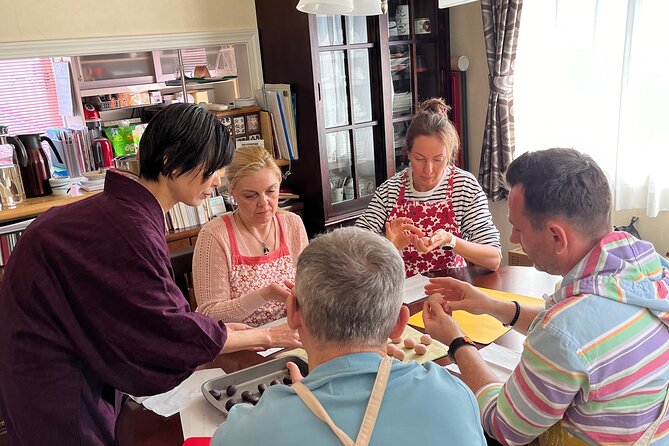
Make wagashi, drink tea, in a real home. In Yokohama, you’ll learn how to shape wagashi and then practice Japanese tea ceremony guest manners in a tatami room. I especially liked the hands-on pace and the fact that the tea master (Ikuyo-san) guides you through a seasonal wagashi choice, then shows you how it fits into the tea ritual.
One small catch: you’ll want to plan for the tatami-room rule. You need socks to enter, and this workshop is in a suburban private home setting, so it’s not a big-city spectacle kind of experience.
In This Review
- Key things I’d circle on your calendar
- A Private Home Workshop in Yokohama: What You’re Really Doing
- Picking Your Wagashi: Dough Skills and Seasonal Choices
- Entering the Tatami Tea Ceremony: Etiquette, History, and the Guest Role
- The Charcoal Procedure: A Small Detail With Big Impact
- Whisking Matcha Yourself: Two Cups and Real Practice
- How the Timing Works (and Why It’s Not Too Long)
- Price and Value for $97.55: Ingredients, Matcha, and Take-Home Sweets
- Where to Meet (Azamino) and What to Pair With It
- Who This Workshop Suits Best (and Who Might Think Twice)
- Should You Book This Wagashi and Tea Ceremony Workshop?
- FAQ
- Do I need to bring anything for the workshop?
- How long is the Japanese sweets making and tea ceremony?
- What will I make during the wagashi part?
- Can I try making matcha myself?
- What is included in the price?
- Where do I meet, and when does it start?
Key things I’d circle on your calendar
- Small group size (max 4) means you’re not lost in a crowd while you learn the steps
- Seasonal wagashi choice: Ikuyo-san selects the sweets type based on the time of year
- Charcoal procedure: you’ll see charcoal added to boil the water, which is a rare experience
- Tea ceremony guest practice on tatami: you’ll learn how to be a guest, not just watch
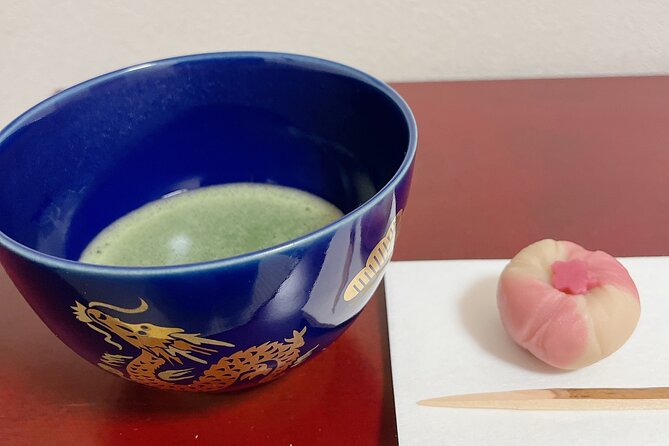
- You whisk matcha yourself and taste what you make with your own wagashi
- Take-home wagashi: you make 5 pieces, eat 1 in the ceremony, and leave with the other 4
A Private Home Workshop in Yokohama: What You’re Really Doing
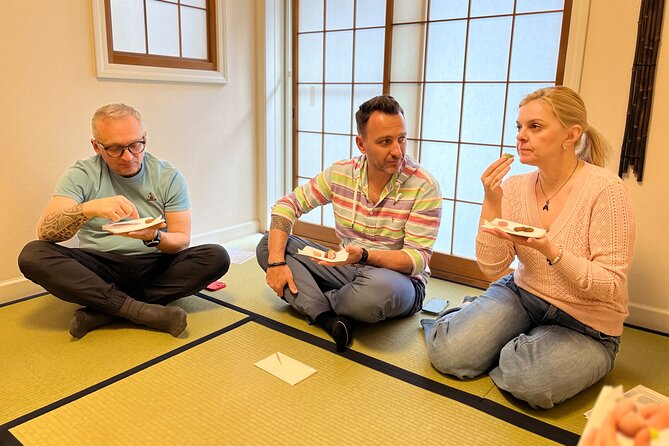
This is a 3-hour workshop in Yokohama that feels less like a class you rush through and more like a calm visit to a Japanese home. You start with wagashi—traditional Japanese sweets—then move into a Japanese tea ceremony setting where you learn what it means to be a guest. All of it happens with the tea master, Ikuyo-san, teaching directly.
I like that the experience is hands-on from minute one. Instead of just tasting, you’ll make 5 pieces of wagashi yourself. Then you’ll eat part of what you made as part of the ceremony, and you’ll even mix matcha with guidance.
The tone is relaxed. You can ask questions about the tea ceremony, and the pace gives you time to understand what you’re doing. It’s also a smart format if you want two connected Japanese traditions in one go: sweets-making plus tea culture.
The harbour city next door, reviewed
- Tokyo 8hr Private Tour with Licensed Guide from Yokohama
★ 5.0 · 94 reviews - Shuttle Van Transfer, Yokohama(Port)⇒Tokyo, Narita, Haneda, TDR
★ 5.0 · 63 reviews - Yokohama Ramen Adventure From a Local Noodle Factory to Home
★ 5.0 · 60 reviews - Yokohama 4hr Private Tour with Government-Licensed Guide
★ 5.0 · 34 reviews
Picking Your Wagashi: Dough Skills and Seasonal Choices
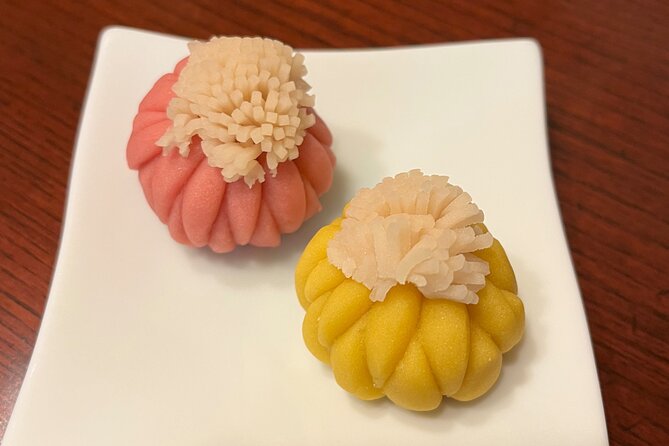
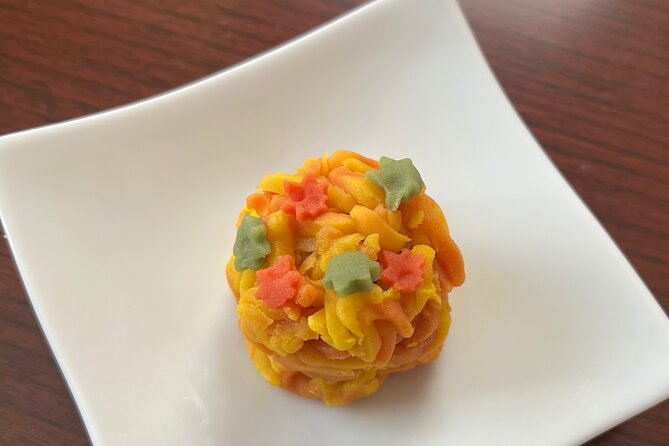
Wagashi sounds simple until you try shaping it. The workshop begins with the basics: you learn how to make wagashi from dough. Ikuyo-san will choose which type you’ll make depending on the season, so your sweets reflect the time of year rather than a one-size-fits-all menu.
The class mentions a few possible wagashi styles, including nerikiri, gyuhi (mochi-style), and manjū. You don’t have to memorize names before you go, but it helps to know you’re making something tied to Japanese seasonal aesthetics.
What you do in practical terms:
- You work the dough and form your pieces (you end up with 5)
- During the tea ceremony portion, one piece becomes the ceremonial sweet
- After tasting, you’re set up to take home the remainder
This part is valuable because it gives you a real feel for the craft. Wagashi isn’t just dessert; it’s design, texture, and timing. Even if your first attempt isn’t perfect, you’ll understand the logic behind it—and that makes the tea ceremony portion make much more sense.
Entering the Tatami Tea Ceremony: Etiquette, History, and the Guest Role
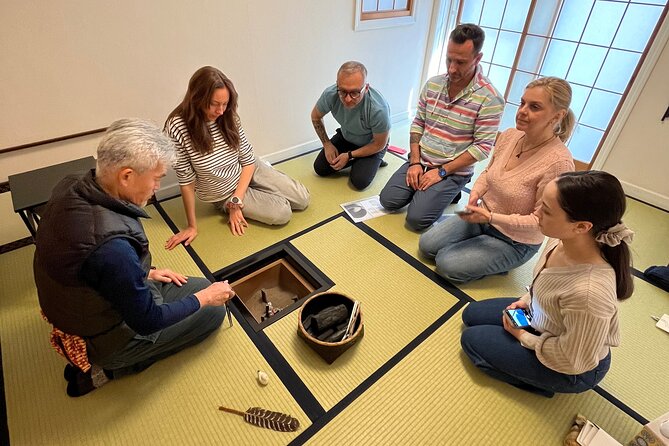
After the wagashi-making time, you shift to the tea ceremony in a traditional tatami room. The workshop isn’t only about procedures; you learn the mindset of being a guest.
You’ll learn:
- How to be a guest in a Japanese tea ceremony setting
- The history of the tea ceremony from Ikuyo-san
- What questions you should feel free to ask (and you’re encouraged to ask them)
If you’ve only seen tea ceremonies on video, this is the part that turns it from “cool” into “I get it.” Tea ceremony culture is built on small actions—how you receive something, how you pause, how you respect the space. Even without getting every detail perfect, you’ll be shown what matters and why.
Tatami note (important): you’ll need to bring socks to enter the tatami room. That’s not a minor detail—tatami rooms are where a lot of the experience’s atmosphere comes from. If you forget, you may have trouble joining right as the session starts.
The Charcoal Procedure: A Small Detail With Big Impact
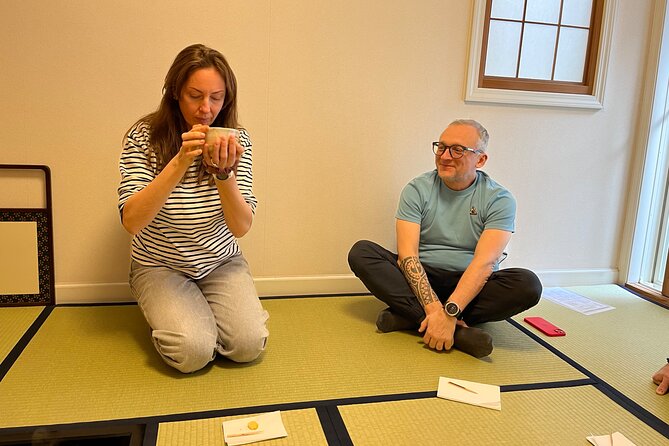
This workshop includes something you probably won’t see on standard tea demos: the charcoal procedure. In the class, water is boiled in a process that involves adding charcoal, and you’ll be able to see how that’s done.
Why it matters: charcoal heating isn’t just about flavor. It connects the ceremony to older methods and to the idea of noticing the process—heat, waiting, and the way the environment shapes the drink. Watching it in real time gives you context for why tea ceremony feels like it’s about more than sipping.
During this procedure, you also eat the wagashi you made. That pairing is smart. Eating the sweet while you’re watching the tea steps helps you experience the ceremony as a sequence, not two unrelated activities.
Whisking Matcha Yourself: Two Cups and Real Practice
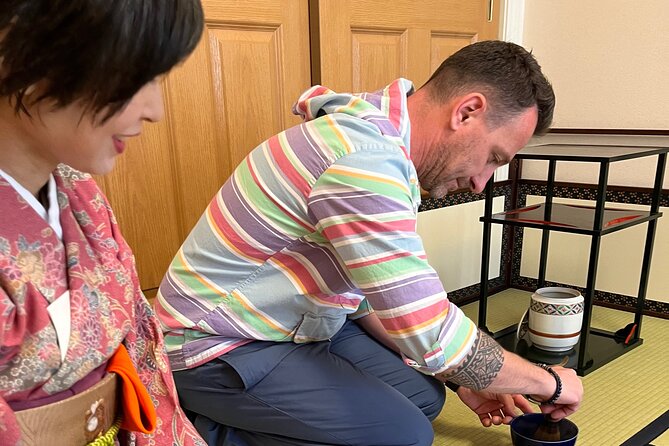
The tea ceremony portion includes making matcha, and you don’t just observe. First, Ikuyo-san prepares matcha for you, and then you try mixing it yourself.
There are two key moments for you:
- You’ll drink two cups of matcha across the session
- You’ll learn how to mix matcha yourself, using wagashi you made plus additional sweets provided to help you practice and taste
The workshop notes that you’ll be given wagashi and dried Japanese sweets as part of your experience while you try blending matcha. That’s helpful because it removes stress. You can focus on the motion and the texture rather than worrying you’ll run out of anything to enjoy.
Practical tip for matcha: treat it like a hands-on skill, not a test. The goal is getting a consistent result, but the real win is understanding what changes when you adjust your mixing.
And then there’s the satisfying part: you eat wagashi and sip matcha in the rhythm the ceremony teaches. If you’re the type who likes to actually do things rather than just watch, this is where you’ll feel the payoff.
More tea rooms our readers rated
- Japanese Tea Ceremony at Private Home in Yokohama, suburban Tokyo★ 5.0 · 32 reviews
- Matcha tasting for all five senses at Hotel Yokohama★ 5.0 · 7 reviews
- Yokohama: Sushi & Gyoza Cooking with Matcha Experience★ 5.0 · 4 reviews
- Yokohama: Sushi & Gyoza Cooking with Matcha & GreenTea Experience★ 5.0 · 3 reviews
How the Timing Works (and Why It’s Not Too Long)
This workshop runs about 3 hours. The wagashi-making segment is roughly 1.5 hours, followed by tea ceremony instruction and matcha practice.
Here’s the flow, in plain terms:
- You meet at Azamino Station (start time is 1:30 pm)
- You make wagashi: 5 pieces total
- One piece is used during the tea ceremony tasting
- You watch the tea ceremony demonstration, including the charcoal water steps
- You drink two cups of matcha and learn to mix matcha yourself
- You take home the remaining wagashi (the workshop states you’ll take home 4 pieces)
For a lot of people, 3 hours is the sweet spot. Long enough to feel you learned something. Short enough that you can keep exploring Yokohama the same day without feeling rushed.
Price and Value for $97.55: Ingredients, Matcha, and Take-Home Sweets
At $97.55 per person, this isn’t a “buy a snack and watch a demo” experience. You’re paying for a private home setting, instruction, and the materials—especially ingredients for making wagashi and matcha provided as part of the class.
What you’re getting that supports the price:
- You make 5 wagashi pieces (not just one bite)
- You drink two cups of matcha
- You get instruction on both wagashi making and tea ceremony etiquette
- You see the charcoal procedure, which is rare compared with typical tea experiences
- You take home 4 pieces of wagashi after tasting during the ceremony
Also, the group size is capped at 4 travelers. That matters. In a small group, your questions are easier to answer, and the instructor can spend time correcting your technique.
If you’re value-focused, think about it like this: you’re paying for a skilled host (Ikuyo-san), a structured session, ingredients, tea, and food to take home. That’s a practical bundle rather than a single-item workshop.
Where to Meet (Azamino) and What to Pair With It
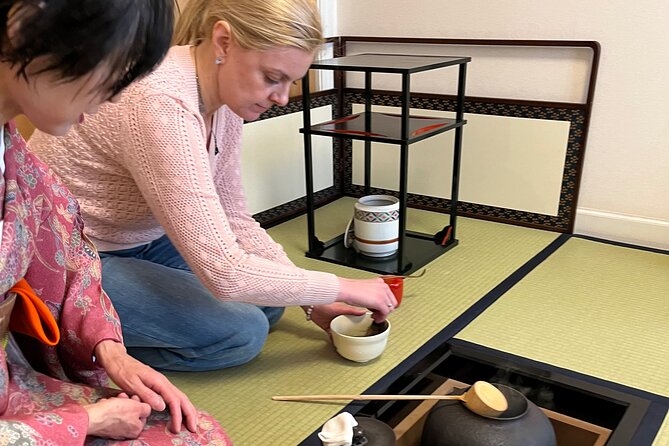
The meeting point is Azamino Station, 2 Chome, in Aoba Ward, Yokohama. The activity ends back at the meeting point.
Transportation is noted as near public transit, and pickup is offered (if you want that convenience). Since you’re in suburban Yokohama rather than central Tokyo, I’d plan your day around the workshop time and keep the rest of the itinerary flexible.
A very easy pairing: Yokohama Ramen Museum is about 15 minutes from Azamino Station. If you want a fun, food-forward day, this makes a neat bookend. You’ll go from delicate wagashi and matcha to ramen kits with big flavor energy later—two different moods, both in the same neighborhood area.
Who This Workshop Suits Best (and Who Might Think Twice)
This experience fits you well if you:
- Want hands-on Japanese culture, not just sightseeing
- Enjoy learning craft skills you can repeat later at home
- Like tea, sweets, and the idea of seasonal food
- Prefer small-group attention while you ask questions
It may be less perfect if you’re expecting a high-energy, performance-heavy event. This is calm, guided practice. You’ll do the steps yourself—so it won’t feel like a passive show.
Also, plan for the tatami detail. Bringing socks is easy, but forgetting is the kind of small mistake that can sour your start.
Should You Book This Wagashi and Tea Ceremony Workshop?
If your goal is to experience Japanese tea culture the right way—by doing the guest role, watching the charcoal procedure, and tasting what you helped create—then yes, I think it’s worth booking. The combination format is practical: you learn wagashi making, then you understand how those sweets fit into the tea ceremony moment.
I’d especially recommend it if you want a smaller, more personal setting with Ikuyo-san and a capped group size. And if you like the idea of taking home 4 pieces of wagashi, it turns your learning into something tangible you can share later.
If you’re deciding last-minute, use this quick checklist:
- You can bring socks
- You’re excited to make sweets with your own hands
- You like learning a ritual step-by-step
- You want a 3-hour plan that’s mostly “hands and taste,” not a long walking tour
FAQ
Do I need to bring anything for the workshop?
You don’t need to bring anything for the wagashi class, but you do need to bring socks to enter the Japanese tatami room for the tea ceremony.
How long is the Japanese sweets making and tea ceremony?
It takes about 3 hours in total.
What will I make during the wagashi part?
You’ll make 5 pieces of wagashi. One piece is used for the tea ceremony, and you’ll take home the remaining 4 pieces.
Can I try making matcha myself?
Yes. After the tea master demonstrates the tea ceremony (including the charcoal procedure), you can try mixing matcha yourself and you’ll drink two cups of matcha.
What is included in the price?
The workshop includes ingredients for making wagashi and matcha (green tea).
Where do I meet, and when does it start?
The meeting point is Azamino Station (2 Chome, Aoba Ward, Yokohama). The start time is 1:30 pm, and the activity ends back at the meeting point.
More Tour Reviews in Yokohama
- EVO, WRX, Skyline – JDM Night Run to Daikoku Car Meet
★ 4.9 · 478 reviews - Tokyo: Best Price Daikoku Parking Area JDM Car Meet
★ 4.9 · 192 reviews - Daikoku & Tokyo Private JDM Tour by 700HP R34 GT-R
★ 4.9 · 101 reviews - Tokyo 8hr Private Tour with Licensed Guide from Yokohama
★ 5.0 · 94 reviews - 【Tokyo】JDM Daikoku Parking Area & Nissan Facility Tour
★ 5.0 · 87 reviews
More Tea and Matcha Rooms
- Japanese Tea Ceremony at Private Home in Yokohama, suburban Tokyo
★ 5.0 · 32 reviews - Matcha tasting for all five senses at Hotel Yokohama
★ 5.0 · 7 reviews - Yokohama: Sushi & Gyoza Cooking with Matcha Experience
★ 5.0 · 4 reviews - Yokohama: Sushi & Gyoza Cooking with Matcha & GreenTea Experience
★ 5.0 · 3 reviews
The Harbour City Next Door, Rated
- Tokyo 8hr Private Tour with Licensed Guide from Yokohama
★ 5.0 · 94 reviews - Shuttle Van Transfer, Yokohama(Port)⇒Tokyo, Narita, Haneda, TDR
★ 5.0 · 63 reviews - Yokohama Ramen Adventure From a Local Noodle Factory to Home
★ 5.0 · 60 reviews - Yokohama 4hr Private Tour with Government-Licensed Guide
★ 5.0 · 34 reviews - Japanese Tea Ceremony at Private Home in Yokohama, suburban Tokyo
★ 5.0 · 32 reviews
Latest Yokohama reviews off our desk


Yokohama Day Trips, compared.
 ★ 5.0Tokyo 8hr Private Tour with Licensed Guide from YokohamaFrom $20194 reviews
 ★ 4.5Narita Airport: One Way Private Transfer to Tokyo|Yokohama HotelsFrom $7769 reviews
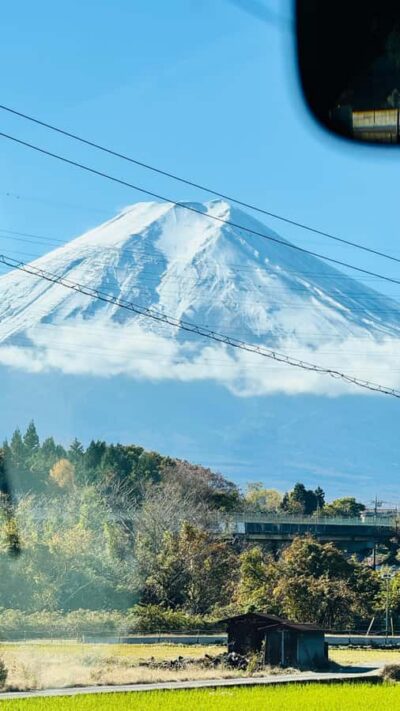 ★ 5.0Tokyo/Yokohama: Mt. Fuji and Hakone Private Day TourFrom $39264 reviews
 ★ 5.0Shuttle Van Transfer, Yokohama(Port)⇒Tokyo, Narita, Haneda, TDRFrom $12263 reviews
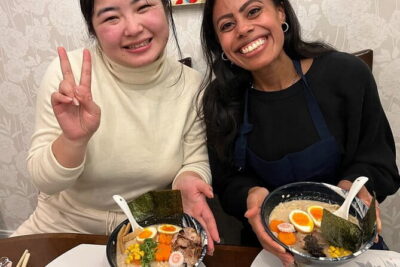 ★ 5.0Yokohama Ramen Adventure From a Local Noodle Factory to HomeFrom $16560 reviews
 ★ 4.5Private One-Way Transfers to/from Yokohama PortFrom $6750 reviews
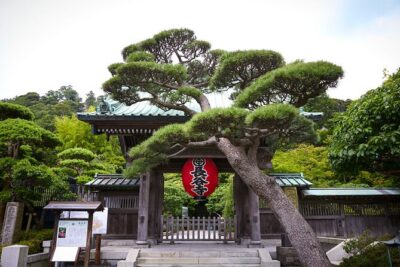 ★ 5.0Private Car Tour to see Highlights of Kamakura, Enoshima, Yokohama from TokyoFrom $1,18348 reviews
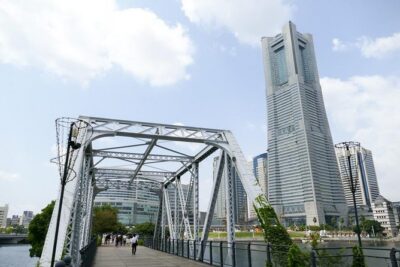 ★ 5.0Yokohama 4hr Private Tour with Government-Licensed GuideFrom $10834 reviews
Browse the lists this tour appears in