
Reviewed · YOKOHAMA DAY TRIPS
Matcha tasting for all five senses at Hotel Yokohama
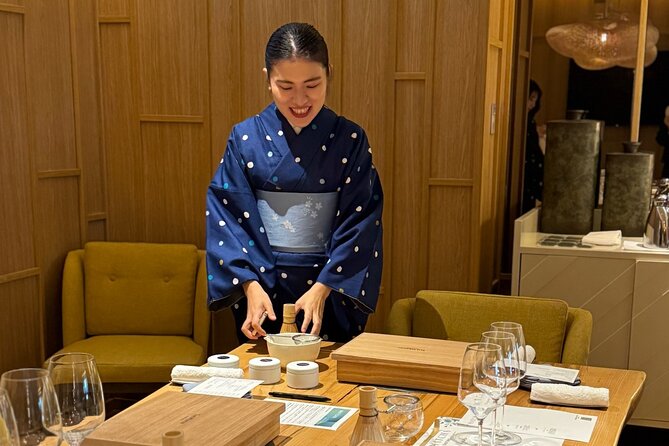
Matcha meets meaning in Yokohama. This two-hour session at Hotel Yokohama is built around a proper matcha tasting with all five senses, plus a guided lesson on how matcha is made and enjoyed in Japan. I like that you don’t just sample—you learn the motion and texture using traditional tools.
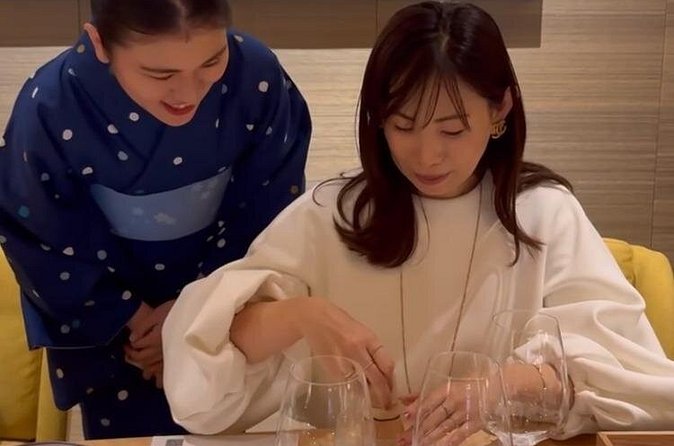
What I really like is the way the teaching connects tea to how you live, not just what it tastes like. In sessions led by Misato, the tone is calm and she’s known for answering questions patiently, including the kind that lead into ikigai (purpose) thinking. The main drawback is that it’s not purely a casual drink-and-snack class; if you want only taste training, the reflective work can feel serious.
In This Review
- Matcha for all five senses, not just a sip
- Hotel Yokohama timing at 3:00 pm: easy, not rushed
- The hands-on core: whisk, bowl, and real tea technique
- Tasting matcha varieties: what to pay attention to
- Wagashi pairings: why sweetness matters with matcha
- The ikigai reflection work: tea plus purpose
- Minatomirai starting point and how to plan your route
- Price and value: what $100 per person really buys
- Who should book this matcha class (and who might skip it)
- Should you book Matcha at Hotel Yokohama?
- FAQ
- FAQ
- What time does the matcha tasting start?
- How long is the experience?
- Where do I meet for the tour?
- Is this activity private or shared?
- What’s included in the experience?
- Do I learn how to prepare matcha, or is it just tasting?
- Is there anything I take home?
- Is the meeting point near public transportation?
- Are service animals allowed?
Matcha for all five senses, not just a sip
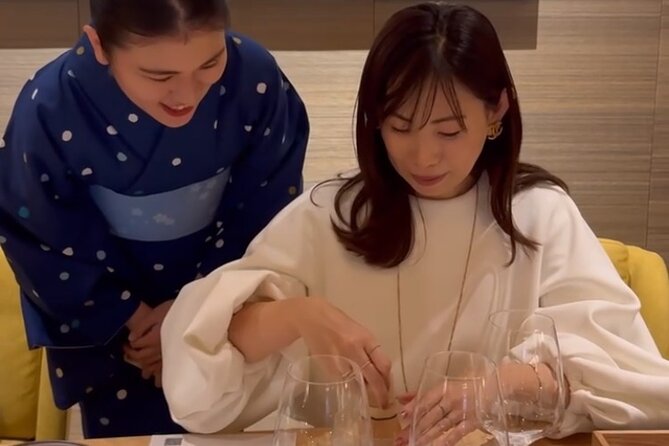
This isn’t the typical coffee-style tasting where you quickly nod and move on. The whole format is designed to slow you down—so you notice how matcha looks, smells, sounds as you whisk, and how it changes on the tongue from first hit to finish.
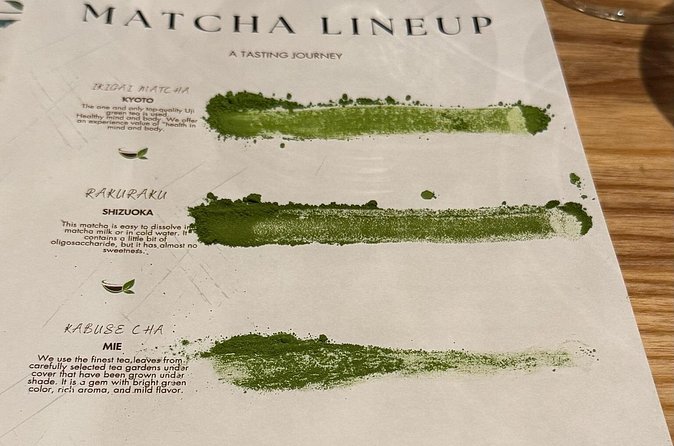
You’ll taste multiple varieties of matcha, and each one has its own flavor and aroma profile. That’s the core “skill” you leave with: not just the answer to which matcha is best, but the ability to describe why it tastes the way it does—grassy vs. creamy, bold vs. mellow, and how bitterness or sweetness shows up later.
The five senses part matters because matcha is tricky. Your mouth can’t fully evaluate it if your nose and eyes are ignored. This experience nudges you to do it the sensible way: see it, smell it, whisk it, sip it, then react.
Hotel Yokohama timing at 3:00 pm: easy, not rushed
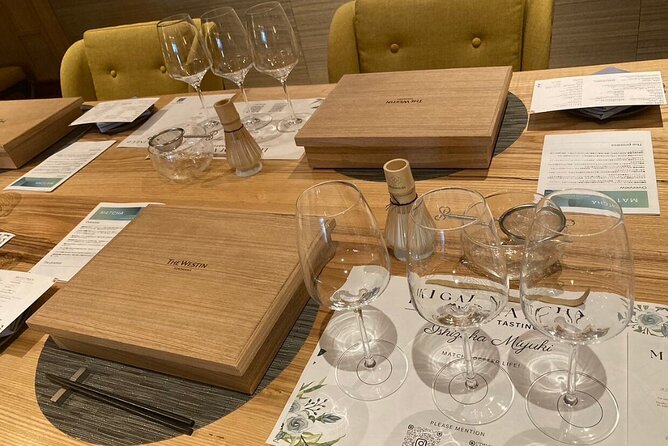
The start time is 3:00 pm, and that’s a sweet spot in Yokohama. You avoid the late-morning “everything is crowded” feeling, and you still have enough daylight to get your bearings before you settle in for tea.
You’ll meet near Minatomirai (4 Chome Minatomirai, Nishi Ward). From there, the experience runs about two hours and ends back at the meeting point, which keeps your afternoon tidy—no long transfer plans or surprise add-ons.
Because it’s a private activity (only your group), you’re not stuck waiting for a large crowd to catch up. That usually makes a class like this feel more personal, especially when the instructor is taking questions and guiding hands-on steps.
The harbour city next door, reviewed
- Tokyo 8hr Private Tour with Licensed Guide from Yokohama
★ 5.0 · 94 reviews - Shuttle Van Transfer, Yokohama(Port)⇒Tokyo, Narita, Haneda, TDR
★ 5.0 · 63 reviews - Yokohama Ramen Adventure From a Local Noodle Factory to Home
★ 5.0 · 60 reviews - Yokohama 4hr Private Tour with Government-Licensed Guide
★ 5.0 · 34 reviews
The hands-on core: whisk, bowl, and real tea technique
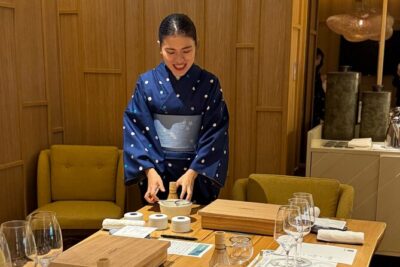
The practical center of the tour is teaching you how to prepare matcha using traditional tools: the bamboo whisk (chasen) and bowl (chawan).
Here’s what that changes for you: whisking isn’t a gimmick. If you over-rotate, under-rotate, or rush the process, matcha can taste harsher or feel more flat. The instructor’s job is to help you avoid those common beginner mistakes so you can actually experience the difference the technique makes.
You’ll also get guided explanation as you go—how matcha production affects flavor, and why the cultural approach in Japan treats this drink like something worth doing slowly and carefully. Even if you’ve tried matcha before, it’s one of those experiences where your first “correct” bowl can be a real eye-opener.
Tasting matcha varieties: what to pay attention to
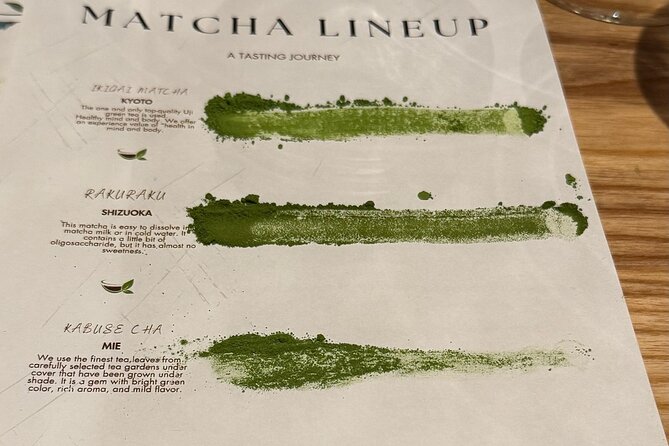
You’ll sample several high-quality matcha types, each tied to distinct characteristics. The goal isn’t just “taste and decide.” It’s to learn what signals to notice.
As you sip, focus on three practical things:
- Aroma first: does it smell more like fresh green leaves, roasted notes, or something smoother and sweeter?
- Texture next: does it feel creamy and round, or lighter and more astringent?
- Finish last: does bitterness show up later, or does the sweetness linger?
You’ll also hear about the cultural significance of tea in Japan, and the session can include discussion on the effects of matcha on the body. That makes the class more useful if you’re trying to connect what you’re tasting to why people choose matcha in everyday life.
And yes, you’ll be guided through the process enough that you’re not just standing there hoping. This is set up to be participatory, not spectator-only.
Wagashi pairings: why sweetness matters with matcha
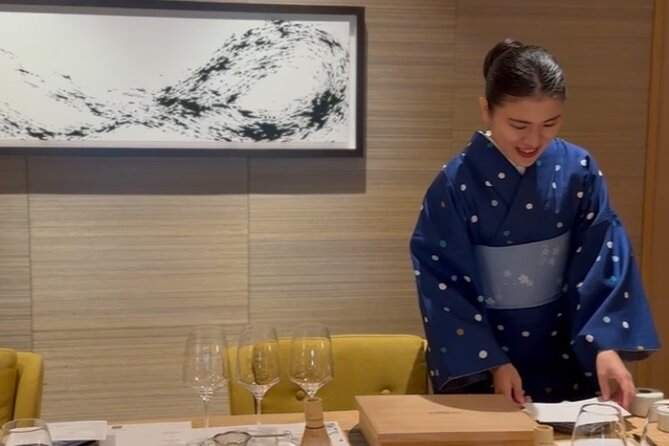
Wagashi (traditional Japanese sweets) aren’t random add-ons here. The pairing is meant to help you understand matcha itself.
Matcha often has a natural bitterness and a deep grassy character. Wagashi can soften that in one direction while making other flavors pop. Some sweets bring out a smoother, almost creamy feeling; others highlight contrast by making the matcha feel brighter or more pronounced.
If you enjoy food pairing in general, you’ll like this part because it trains your taste system. You start noticing that matcha isn’t always the same experience depending on what you eat alongside it.
The ikigai reflection work: tea plus purpose
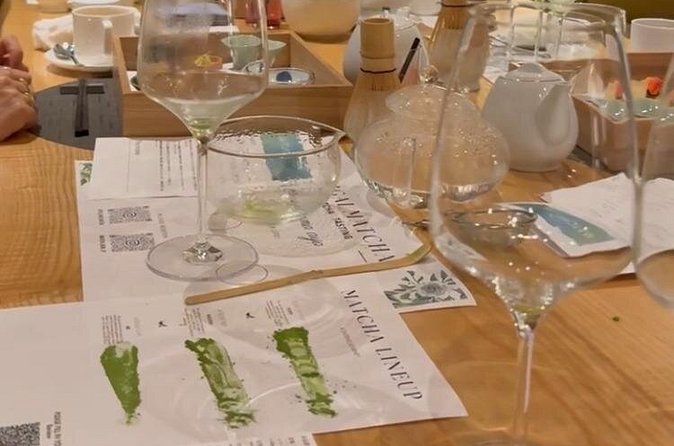
One thing that shows up strongly in the experience is the ikigai angle. You’re not only learning tea history—you’re also doing a short value/purpose-style reflection.
The teaching can include prompts that get you thinking about what you find meaningful and what you want to value. One participant even described the day as emotional, with the highlight being the connection between matcha learning and ikigai.
So here’s the practical consideration: if you come in expecting a purely sensory lesson, you might be surprised by how personal the discussion becomes. If you’re open to it, it’s often the part that stays with you long after the bowl is finished.
More tea rooms our readers rated
- Japanese Tea Ceremony at Private Home in Yokohama, suburban Tokyo★ 5.0 · 32 reviews
Minatomirai starting point and how to plan your route
You’ll begin at 4 Chome Minatomirai, Nishi Ward, Yokohama. The good news: it’s stated to be near public transportation, so you can keep your planning simple.
If you’re building the rest of your day, I’d treat this like an anchor event. Pair it with an easy walk before or after—Minatomirai is the kind of area where even a short stroll feels like you’re getting something worthwhile without extra effort.
Because the tour ends back at the meeting point, you don’t need a complicated late-afternoon rerouting plan. It’s also a nice way to break up a Yokohama itinerary: not another museum stop, not another meal, but a guided cultural activity.
Price and value: what $100 per person really buys
At $100 per person for roughly two hours, this isn’t a budget snack class. But it also isn’t just “drink matcha in a room.”
You’re paying for:
- guided instruction by a licensed or certified instructor
- tasting multiple matcha varieties
- hands-on practice with traditional tools (chasen and chawan)
- wagashi pairings designed to teach you about flavor contrast
- a take-home package with a small amount of matcha and related tea products
- a private format that keeps attention on your group
Also note: all fees and taxes are not included, so your final total may be a bit higher than the base price. Still, the take-home component is a real value lever. You can revisit what you learned at home instead of letting the experience vanish after the last sip.
Booking tends to be popular here—you’ll often see availability best when you reserve ahead. If your dates are fixed, don’t wait.
Who should book this matcha class (and who might skip it)
This tour is a great fit if you:
- want a hands-on Japanese cultural experience, not just a tasting
- enjoy guided food pairings and learning how flavors work
- like calm instruction and question-friendly teaching
- are curious about ikigai and want meaning woven into the session
It may be less ideal if you:
- want a quick, light activity with zero reflection
- get uncomfortable with emotional or purpose-focused prompts
- are mainly after a view and photo stop rather than learning a technique
If you’re traveling with a friend or partner and want something more thoughtful than typical sightseeing, a private matcha class can be a very satisfying change of pace.
Should you book Matcha at Hotel Yokohama?
I’d book it if you want a matcha experience that teaches technique and taste, not just consumption. The combination of five-sense tasting, making matcha yourself, and the ikigai style reflection is what makes it different.
One more practical nudge: because the tour starts at 3:00 pm and runs about two hours, check your energy level. This is best when you can slow down and pay attention. If you’re rushing between attractions all day, the class can feel harder to absorb.
If your plans are uncertain, you also have the comfort of free cancellation up to 24 hours in advance for a full refund.
FAQ
FAQ
What time does the matcha tasting start?
The experience starts at 3:00 pm.
How long is the experience?
It lasts about 2 hours.
Where do I meet for the tour?
You meet at 4 Chome Minatomirai, Nishi Ward, Yokohama, Kanagawa 220-0012, Japan.
Is this activity private or shared?
It’s a private activity. Only your group will participate.
What’s included in the experience?
You can experience matcha, and the tour includes an in-person guide who is licensed or certified. Traditional sweets (wagashi) are served as part of the pairing.
Do I learn how to prepare matcha, or is it just tasting?
You learn how to prepare matcha using traditional tools such as the bamboo whisk (chasen) and bowl (chawan), with expert guidance.
Is there anything I take home?
Yes. You receive a small package of matcha and related tea products.
Is the meeting point near public transportation?
Yes, it’s stated to be near public transportation.
Are service animals allowed?
Yes, service animals are allowed.
More Tour Reviews in Yokohama
- EVO, WRX, Skyline – JDM Night Run to Daikoku Car Meet
★ 4.9 · 478 reviews - Tokyo: Best Price Daikoku Parking Area JDM Car Meet
★ 4.9 · 192 reviews - Daikoku & Tokyo Private JDM Tour by 700HP R34 GT-R
★ 4.9 · 101 reviews - Tokyo 8hr Private Tour with Licensed Guide from Yokohama
★ 5.0 · 94 reviews - 【Tokyo】JDM Daikoku Parking Area & Nissan Facility Tour
★ 5.0 · 87 reviews
More Tea and Matcha Rooms
- Japanese Tea Ceremony at Private Home in Yokohama, suburban Tokyo
★ 5.0 · 32 reviews
The Harbour City Next Door, Rated
- Tokyo 8hr Private Tour with Licensed Guide from Yokohama
★ 5.0 · 94 reviews - Shuttle Van Transfer, Yokohama(Port)⇒Tokyo, Narita, Haneda, TDR
★ 5.0 · 63 reviews - Yokohama Ramen Adventure From a Local Noodle Factory to Home
★ 5.0 · 60 reviews - Yokohama 4hr Private Tour with Government-Licensed Guide
★ 5.0 · 34 reviews - Japanese Tea Ceremony at Private Home in Yokohama, suburban Tokyo
★ 5.0 · 32 reviews
Latest Yokohama reviews off our desk


Yokohama Day Trips, compared.
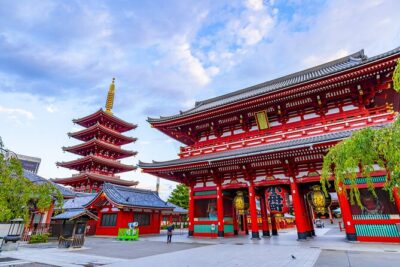 ★ 5.0Tokyo 8hr Private Tour with Licensed Guide from YokohamaFrom $20194 reviews
 ★ 4.5Narita Airport: One Way Private Transfer to Tokyo|Yokohama HotelsFrom $7769 reviews
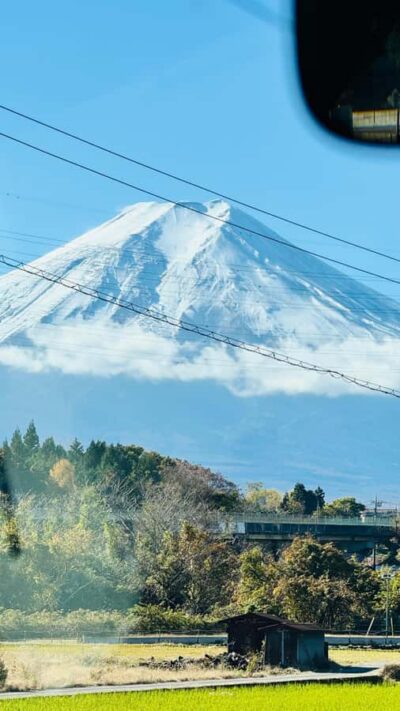 ★ 5.0Tokyo/Yokohama: Mt. Fuji and Hakone Private Day TourFrom $39264 reviews
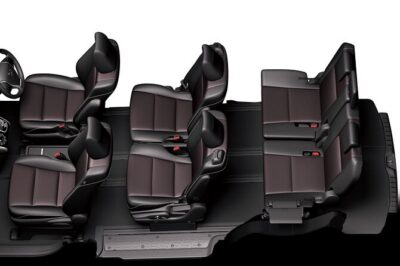 ★ 5.0Shuttle Van Transfer, Yokohama(Port)⇒Tokyo, Narita, Haneda, TDRFrom $12263 reviews
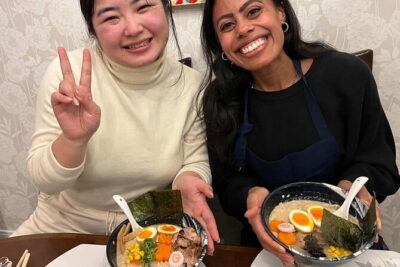 ★ 5.0Yokohama Ramen Adventure From a Local Noodle Factory to HomeFrom $16560 reviews
 ★ 4.5Private One-Way Transfers to/from Yokohama PortFrom $6750 reviews
 ★ 5.0Private Car Tour to see Highlights of Kamakura, Enoshima, Yokohama from TokyoFrom $1,18348 reviews
 ★ 5.0Yokohama 4hr Private Tour with Government-Licensed GuideFrom $10834 reviews
Browse the lists this tour appears in