
Reviewed · DESSERT TOURS
Japanese Sweets (Mochi & Nerikiri) making at a Private studio
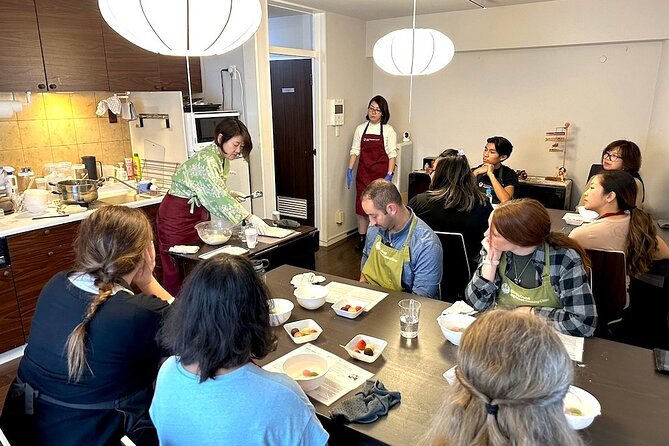
Wagashi-making feels like a Tokyo secret. You’ll enjoy hands-on instruction in a local home, learning mochi and nerikiri from scratch with an English-fluent certified instructor. I love that the class is small (max 8), so you’re not just watching.
One thing to plan for: observers can’t sit in class, so this works best when everyone in your party wants to participate. You’ll also meet at a specific Meguro address, so give yourself extra buffer for finding the entrance.
In This Review
- Key Highlights You’ll Care About
- A Private Wagashi Workshop in Meguro, Tokyo
- The 2.5-Hour Flow: Mochi Traditions to Nerikiri Art
- Starting With Mochi Traditions and Seasonal Meaning
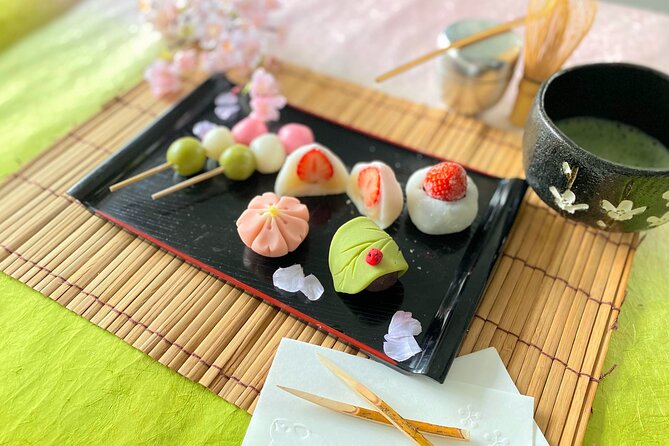
- Make Strawberry Daifuku and Three-Color Dango
- Learn Nerikiri Dough, Then Shape a Seasonal Motif
- Matcha, Omotenashi, and the Tea Ceremony Mindset
- What You Really Get for $91.96
- Meeting Point and Practical Tips (Meguro Address Included)
- Who This Class Suits Best (And Who Might Skip It)
- Should You Book This Japanese Sweets Workshop?
- FAQ
- How long is the class?
- What does the class include?
- Are the ingredients gluten-free?
- Is transportation or hotel pickup included?
- What’s the minimum age to attend?
- Can I cancel and get a full refund?
Key Highlights You’ll Care About
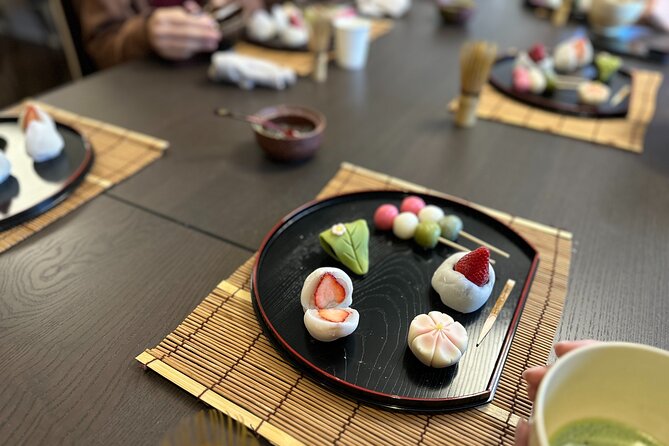
- Max 8 people means you get real, patient help while your hands are sticky
- Mochi + nerikiri, from scratch: dough, shaping, and seasonal decoration
- Matcha and Omotenashi: not just eating sweets, but learning the tea mindset
- English recipe sheet to take home (plus guests note a video access in some cases)
- Plant-derived and gluten-free ingredients are used for the class sweets
A Private Wagashi Workshop in Meguro, Tokyo
If you want Tokyo beyond train lines and food stalls, this kind of workshop is a smart move. You’ll head to a private studio in Meguro, in a real Tokyoite’s home setup, not a showroom kitchen.
The best part is the focus. You’re not trying to “collect experiences.” You’re learning how these sweets are built—step by step—so they make sense when you see them later in shops and seasonal displays.
Also: the class is non-smoking and capped at eight travelers. That small group size matters because you’re working with dough and timing. When the instructor can actually see your kneading, things get easier fast.
Readers also shortlisted these Tokyo bookings:
- Tokyo 6hr Private Tour with Government-Licensed Guide
★ 5.0 · 3,902 reviews - Private Tour to Mt. Fuji and Hakone (Fully Licenced Operator)
★ 5.0 · 1,910 reviews - Tokyo Customized Private Tour (Must See Places in 1 Day)
★ 5.0 · 1,499 reviews - Mount Fuji Full-Day Private Tour from Tokyo (Customizable)
★ 4.9 · 1,470 reviews
The 2.5-Hour Flow: Mochi Traditions to Nerikiri Art
Plan on about 2 hours 30 minutes. The pacing is designed so you first understand what you’re making, then you do it, then you enjoy it with tea.
Here’s how the class generally moves:
- a short presentation about mochi traditions and festivals
- hands-on making of strawberry daifuku mochi and three-color dango
- learning nerikiri dough, then coloring and shaping your own seasonal motif
- tasting the sweets with matcha, plus a short talk tying it to Omotenashi (the hospitality spirit behind Chado, tea ceremony)
You’ll be given an apron, and the instructor teaches in English. Several past guests highlighted how clear and patient the instruction felt, especially for beginners.
Starting With Mochi Traditions and Seasonal Meaning
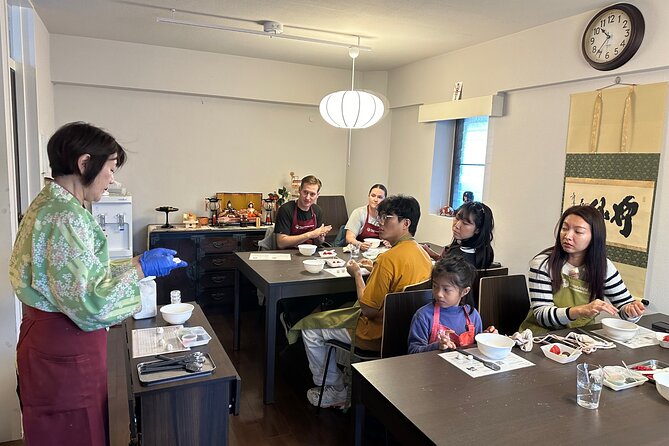
Before anyone rolls dough, you’ll get a short presentation. The goal is simple: so you understand mochi is not just food—it’s tied to Japanese seasons, festivals, and symbolism.
Mochi shows up across the calendar in different forms, and that seasonal connection is part of what makes wagashi feel so “Japanese.” In classes like this, you also learn why certain colors and shapes matter in later parts of the workshop.
One bonus: several hosts (for example Yukka, Waka, and Miyuki Suyari have been mentioned by name) are praised for explaining the background clearly in English. That means you can follow what’s happening even if you’ve never made sweets before.
Make Strawberry Daifuku and Three-Color Dango
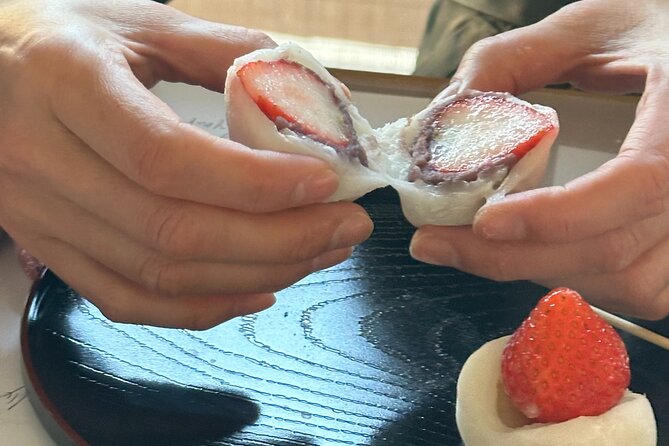
Next comes the fun part: hands-on mochi making.
You’ll learn to make:
- Strawberry daifuku mochi
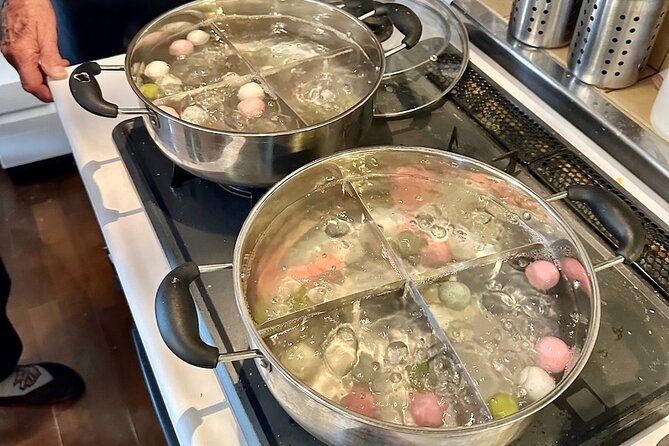
- Three-color dango (mochi balls served on skewers)
Daifuku is a great first step because the process teaches you texture and elasticity. Nerikiri later is more like sculpting and coloring. So by the time you reach it, you’ll have a better feel for mochi dough behavior.
Three-color dango is also a smart learning choice. You get repetition (which helps beginners), plus you see how different colors and shapes turn into a finished plate. And yes, expect some mess. Mochi doesn’t care about your need for a clean kitchen or neat sleeves.
Learn Nerikiri Dough, Then Shape a Seasonal Motif
Nerikiri is where wagashi becomes art.
You’ll start with the instructor showing you how to make nerikiri dough. After that, you’ll color and shape your own wagashi into a seasonal motif. This is the part people remember because it’s both technical and creative.
Nerikiri dough takes a different kind of attention than daifuku. The class structure helps here: you’re not thrown into freestyle right away. You see the steps, then you practice under guidance.
Many guests specifically praised the symbolic side of the craft—how colors and forms carry meaning, not just decoration. One guest even called out learning symbolism of color and shape. That makes the final sweets feel more intentional when you taste them.
You’ll finish by tasting what you made, not just taking photos and calling it a day.
Readers also shortlisted these Tokyo bookings:
- Matcha Making Class in Tokyo with Authentic Japanese Sweets Set★ 5.0 · 744 reviews
- Tokyo: Matcha Making Experience with Mochi Sweets in Asakusa★ 4.9 · 388 reviews
- Make Traditional Nerikiri Sweets & Matcha experience in Shibuya★ 5.0 · 130 reviews
- Private Mochi Sweets Making class near Shibuya area★ 5.0 · 93 reviews
- Japanese Traditional Sweets making and Tea Ceremony★ 4.7 · 50 reviews
Matcha, Omotenashi, and the Tea Ceremony Mindset
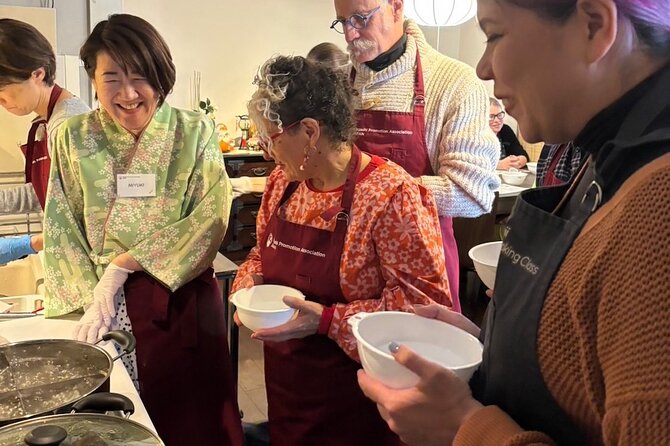
The workshop doesn’t end with a sugar rush. It ends with tea—and with a short talk on the Japanese spirit of Omotenashi, the hospitality mindset at the heart of Chado.
You’ll have a bowl of matcha green tea to go with your sweets. The class also notes matcha is served, or you’ll get another non-caffeinated tea option if needed.
I like this ending because it changes how you eat the sweets. Instead of treating wagashi like a random dessert, you understand it as part of a slow, thoughtful ritual. Even if you never try a full tea ceremony back home, you’ll carry the idea with you.
What You Really Get for $91.96
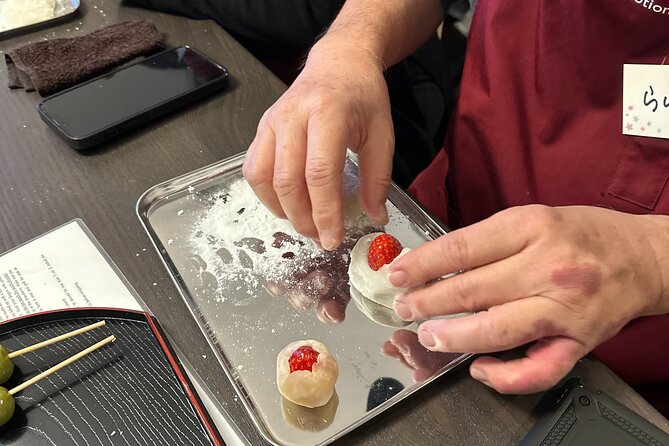
At $91.96 per person for about 2.5 hours, this can be good value—mainly because the price includes the “ingredients and access,” not just a seat.
What’s included:
- a traditional sweets-making lesson
- food tasting
- aprons
- an English recipe sheet to take home
- matcha green tea (or other non-caffeinated tea)
Also, ingredients are stated as plant-derived and gluten-free. That’s not a small detail. It’s a real comfort when you don’t want to spend your meal-planning energy guessing what’s safe.
And because the class is small-group (max 8), you’re paying for instruction time. This is not the “watch the chef, then copy a template” setup. You’re shaping dough yourself.
If you’re budgeting for Tokyo activities, I’d think of this as a hands-on craft class where you leave with both skills and sweets, rather than a short cooking demo.
Meeting Point and Practical Tips (Meguro Address Included)
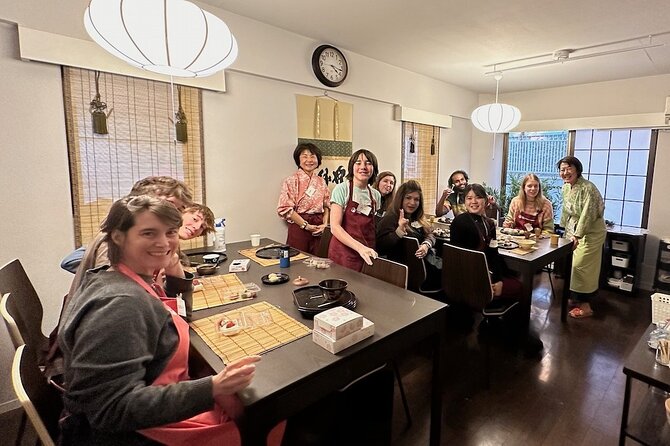
You’ll meet at a specific address in Meguro:
Meguro, 1-chōme−3−16 プレジデント目黒ハイツ (around 153-0063 Tokyo). The activity ends back at the same meeting point.
A couple of practical notes so your day stays smooth:
- It’s near public transportation, but you still should plan a quick buffer for the last walking steps.
- The studio is non-smoking.
- Aprons are provided, so you can wear something you don’t mind getting a little flour- or dough-dust on.
- Observers aren’t allowed to sit in class, so plan on everyone participating if they’re traveling with you.
If you want to extend the experience, this kind of neighborhood class is also a nice way to get off the main tourist grid. Meguro isn’t as “on parade” as some areas, so you’ll get a more local rhythm while still staying inside Tokyo.
Who This Class Suits Best (And Who Might Skip It)
This is a strong fit if you:
- like food crafts and want skills you can repeat later
- enjoy seasonal themes and Japanese cultural context
- want a small-group activity with lots of direct help
- are traveling with kids who can handle hands-on time
Age minimum is 4 years. One of the reviews specifically mentioned doing the class with a 7-year-old, and another mentioned a 9-year-old enjoying the story and creating nerikiri. So this can work for families—assuming the child is comfortable participating for the full 2.5 hours.
It may be less ideal if:
- your party wants to do separate activities while one person “watches only,” because observers can’t sit in class
- you’re on a very tight schedule and can’t arrive a few minutes early for check-in and settling
Should You Book This Japanese Sweets Workshop?
I think you should book it if you want a real Tokyo skill, not just a plate of dessert. The combination of mochi tradition + nerikiri shaping + matcha and Omotenashi gives you a complete arc: learn, make, and understand why it matters.
It’s also a great choice for value if you care about included materials and take-home guidance. You’re getting aprons, an English recipe sheet, and tea, plus structured instruction in a small group.
If you’re still deciding, ask yourself this: do you want to eat Japanese sweets, or do you want to understand and recreate them? If your answer is the second one, this class is an easy yes.
FAQ
How long is the class?
It runs for about 2 hours 30 minutes.
What does the class include?
You get a Japanese sweets-making lesson, food tasting, aprons, an English recipe sheet, and matcha green tea (or another non-caffeinated tea).
Are the ingredients gluten-free?
Yes. The class states that ingredients are plant-derived and gluten-free.
Is transportation or hotel pickup included?
No. Hotel pickup and drop-off aren’t included, and transportation to and from the activity isn’t provided.
What’s the minimum age to attend?
The minimum age is 4 years. Children under 4 aren’t allowed in class due to safety reasons.
Can I cancel and get a full refund?
Yes. Free cancellation is available if you cancel at least 24 hours before the experience starts. If you cancel less than 24 hours before, the amount paid won’t be refunded.
More Dessert Tours in Tokyo
- Matcha Making Class in Tokyo with Authentic Japanese Sweets Set
★ 5.0 · 744 reviews - Tokyo: Matcha Making Experience with Mochi Sweets in Asakusa
★ 4.9 · 388 reviews - Make Traditional Nerikiri Sweets & Matcha experience in Shibuya
★ 5.0 · 130 reviews - Private Mochi Sweets Making class near Shibuya area
★ 5.0 · 93 reviews - Japanese Traditional Sweets making and Tea Ceremony
★ 4.7 · 50 reviews
More Private in Tokyo
- Tokyo 6hr Private Tour with Government-Licensed Guide
★ 5.0 · 3,902 reviews - Private Tour to Mt. Fuji and Hakone (Fully Licenced Operator)
★ 5.0 · 1,910 reviews - Tokyo Customized Private Tour (Must See Places in 1 Day)
★ 5.0 · 1,499 reviews - Mount Fuji Full-Day Private Tour from Tokyo (Customizable)
★ 4.9 · 1,470 reviews - Tokyo: Private City Highlights Tour with Local Guide
★ 4.8 · 1,433 reviews
More Tour Reviews in Tokyo
- Mt Fuji and Hakone 1-Day Bus Tour Return by Bullet Train
★ 5.0 · 26,383 reviews - 1-Day Tokyo Bus Tour
★ 5.0 · 14,250 reviews - Tokyo: teamLab Planets TOKYO Digital Art Museum Entry Ticket
★ 4.6 · 9,779 reviews - Mt Fuji & Hakone Cruise, Drum Show Bullet Train 1 Day from Tokyo
★ 4.0 · 7,413 reviews - Tokyo: Shinjuku Food Tour (13 Dishes at 4 Local Eateries)
★ 5.0 · 6,603 reviews
Latest Tokyo reviews off our desk






Dessert Tours, compared.
 ★ 5.0Matcha Making Class in Tokyo with Authentic Japanese Sweets SetFrom $21744 reviews
 ★ 4.9Matcha Making Experience with Mochi Sweets in AsakusaFrom $22388 reviews
 ★ 5.0Make Traditional Nerikiri Sweets & Matcha experience in ShibuyaFrom $60130 reviews
 ★ 5.0Private Mochi Sweets Making class near Shibuya areaFrom $7993 reviews
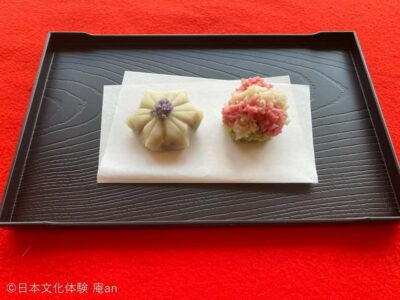 ★ 4.7Japanese Traditional Sweets making and Tea CeremonyFrom $1850 reviews
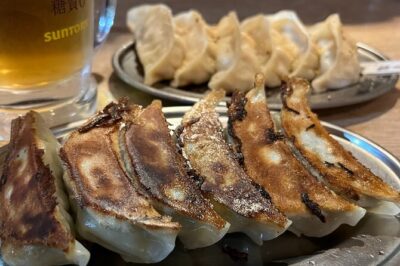 ★ 5.0Tokyo Local Food Tour: Noodles, Skewers, Dumplings, SweetsFrom $7448 reviews
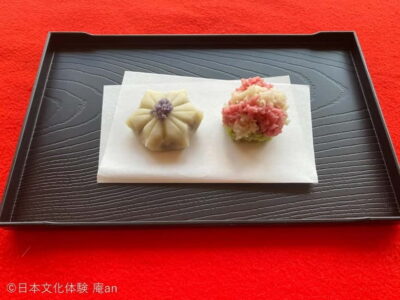 ★ 4.6Two Types of Japanese Sweets Making and Tea CeremonyFrom $2826 reviews
 ★ 5.0Mochi Matcha Gluten Free Japanese Sweets Class near Shibuya areaFrom $11226 reviews
Browse the lists this tour appears in