
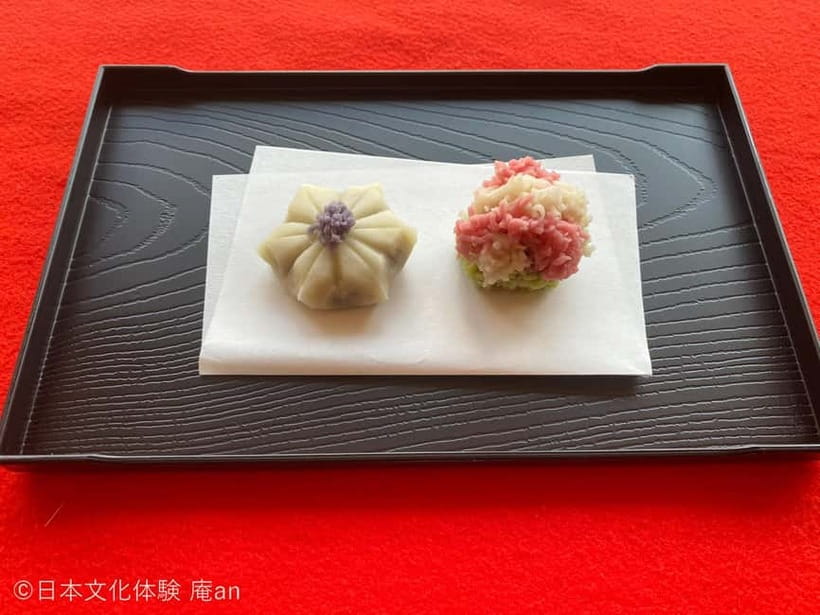
Reviewed · TEA CEREMONY & MATCHA
Tokyo: Two Types of Japanese Sweets Making and Tea Ceremony
Wagashi, tea, and Kyoto flavor in 125 minutes. At AN TOKYO Japanese Culture Experience, you make Ohigashi using Wasanbon sugar and shape Nerikiri with Kyoto-made bean paste, then finish by making your own matcha. I love the practical flow here: two hands-on sweets, then tea you can actually taste and understand right after.
Two things I especially like: the ingredients are thoughtfully sourced (Kyoto’s long-established shops for the bean paste, and single-origin special matcha), and the instructor keeps explanations clear in English as much as possible. One thing to consider: shaping the Nerikiri can be a little fiddly, so go in with patience and don’t aim for perfection.
In This Review
- Key things you’ll love about this Tokyo sweets and matcha experience
- Tokyo Wagashi 101: what you do before you touch the ingredients
- The value of the structure
- Making Ohigashi with Wasanbon: dried sweets you can shape and understand
- Why Ohigashi is a good first step
- Nerikiri: shaping two seasonal sweets with Kyoto bean paste
- A practical tip if Nerikiri feels harder than expected
- What you do between sweets and tea
- Matcha grinding and a casual tea ceremony: where the lesson lands
- Why the matcha part feels like real learning
- What happens at the end: eating time that completes the experience
- Price and extras: is $28 a good value in Tokyo?
- The pace note you should consider
- Who should book this sweets and matcha workshop
- Family-friendly, with one note
- Meeting point and timing: how to avoid the most common headaches
- Should you book this Tokyo sweets and matcha class?
- FAQ
- How long is the Japanese sweets and tea experience in Tokyo?
- What will I make during the class?
- What matcha is used?
- Do they provide English support?
- Where is the meeting point?
- Are there any optional extra costs?
- What is the cancellation policy?
Key things you’ll love about this Tokyo sweets and matcha experience
- Kyoto bean paste in your own seasonal Nerikiri (white/red)
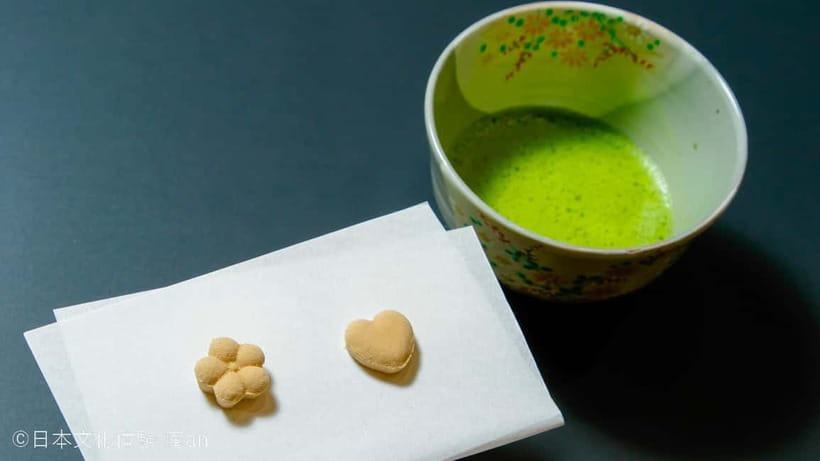
- Wasanbon sugar used for the dried-type wagashi, Ohigashi
- Two seasonal sweets you’ll create, not just one
- Matcha grinding demo plus a casual tea-ceremony experience
- English support provided as much as possible by a Japanese instructor
- A final eat and drink window right after you finish making everything
Tokyo Wagashi 101: what you do before you touch the ingredients
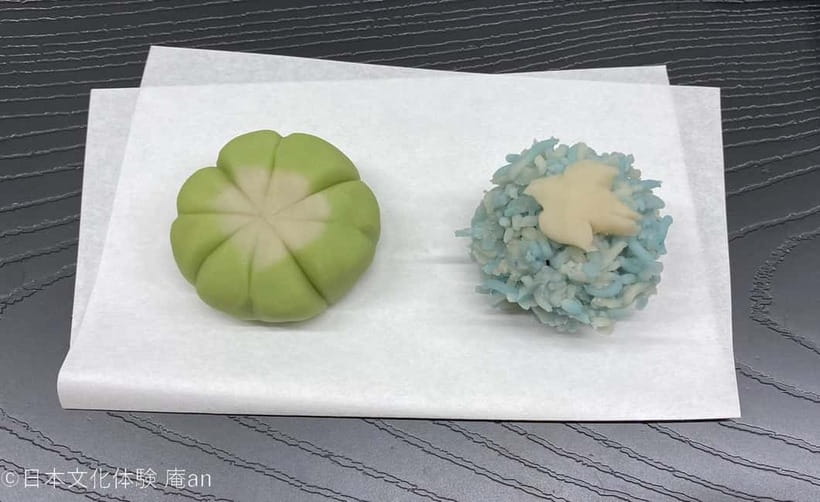
This course is built like a mini workshop tour through three different parts of Japanese sweets culture: Ohigashi, Nerikiri, and matcha tea. Before you start, you get an introduction to what makes these sweets different, and how the ingredients behave.
The biggest “aha” here is that wagashi isn’t one thing. Ohigashi is the dried-type style, while Nerikiri is shaped and textured around bean paste. Then matcha brings it all together, because it’s not just a drink you sip after cooking. You’ll make it and connect it to the sweets.
You also get a seasonal angle. You’ll make two sweets that match the time of year, which means the shapes and tastes are meant to feel current rather than generic.
More tea rooms our readers rated
- Matcha Making Class in Tokyo with Authentic Japanese Sweets Set
★ 5.0 · 744 reviews - Tokyo: Traditional Tea Ceremony with a Tea Master
★ 5.0 · 528 reviews - Tokyo: Matcha Making Experience with Mochi Sweets in Asakusa
★ 4.9 · 388 reviews - Tokyo: Matcha and Kimono Experience
★ 4.7 · 219 reviews
The value of the structure
This isn’t a lecture with a few photo ops. You get a short start explanation, then immediate hands-on time. That matters, because Japanese sweets technique depends on feel and timing. If you wait too long after the demo, it stops clicking.
Making Ohigashi with Wasanbon: dried sweets you can shape and understand
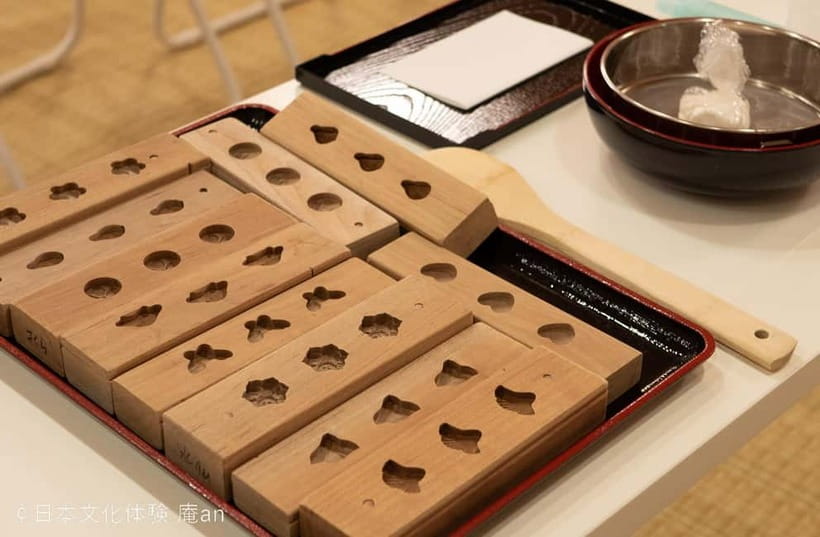
Your first main activity is Ohigashi, the dried-type wagashi. You’ll make sweets using traditional Japanese sugar called Wasanbon. This part of the class usually feels more straightforward because you’re working with a style designed to become firm and stable.
What you’re really learning isn’t only how to make something pretty. You’re learning how sugar type changes texture. Wasanbon is known for its role in traditional sweets, and in a class like this it becomes the foundation for the final bite.
You’ll also have a break during the process. That break is useful because dried sweets and paste work need different focus levels. If you’re the type who gets shaky when your hands are tired, the pause helps.
Why Ohigashi is a good first step
Starting with Ohigashi sets you up for confidence. Even if Nerikiri later feels challenging, you’ll already have one win under your belt. It’s also easier to notice differences in sweetness and texture when your first product is simpler in method.
Nerikiri: shaping two seasonal sweets with Kyoto bean paste
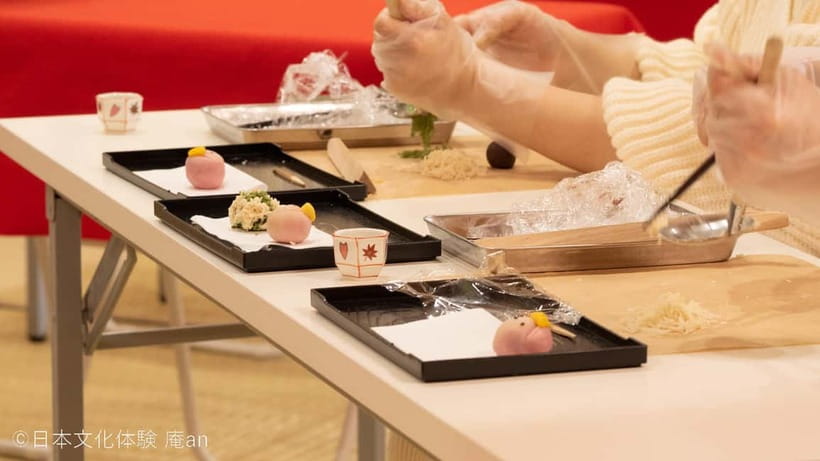
Next comes the workshop’s main craft moment: Nerikiri. You’ll make two seasonal Nerikiri sweets using white/red bean paste produced by Kyoto’s long-established shops. That Kyoto connection matters because it’s part of the program’s quality promise: you’re not working with random ingredients.
You’ll do flower-shaped Nerikiri, and the class also includes a specific style called Kinton Nerikiri. Nerikiri often looks elegant and controlled in photos, but the reality is that it’s technique-heavy. You’re shaping paste into form while keeping texture right.
This is where the course can test your patience. One review noted that Nerikiri can be a bit difficult at times and needs fine feeling. That tracks with the nature of the work. If you try to force a shape instead of adjusting gently, it can fight you.
Readers also shortlisted these Tokyo bookings:
- Matcha Making Class in Tokyo with Authentic Japanese Sweets Set★ 5.0 · 744 reviews
- Tokyo: Matcha Making Experience with Mochi Sweets in Asakusa★ 4.9 · 388 reviews
- Make Traditional Nerikiri Sweets & Matcha experience in Shibuya★ 5.0 · 130 reviews
- Private Mochi Sweets Making class near Shibuya area★ 5.0 · 93 reviews
- Japanese Traditional Sweets making and Tea Ceremony★ 4.7 · 50 reviews
A practical tip if Nerikiri feels harder than expected
Keep your expectations realistic. Your goal is not a perfect museum replica. Your goal is learning what consistency feels like and how the paste holds shape. If you get it slightly off, that still teaches you more than rushing.
If you’re particular about presentation, the program mentions options that can add cost, like adding color. But you can treat those as extras rather than necessities.
What you do between sweets and tea
There’s another break partway through this section. For Nerikiri, breaks aren’t just convenience. Your hands and attention both need reset time, and the paste you’re working with benefits from you not rushing.
Matcha grinding and a casual tea ceremony: where the lesson lands
After the sweets crafting, you shift to tea with an explanation section. This part is designed to connect the sweets to the drink, not just serve tea for free.
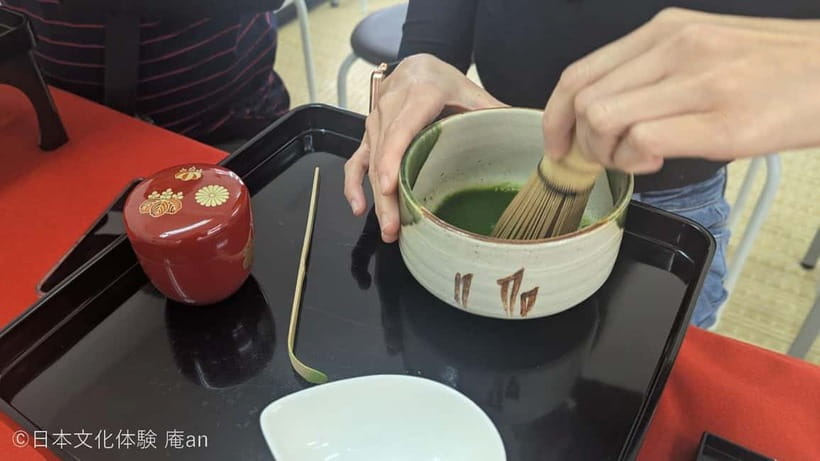
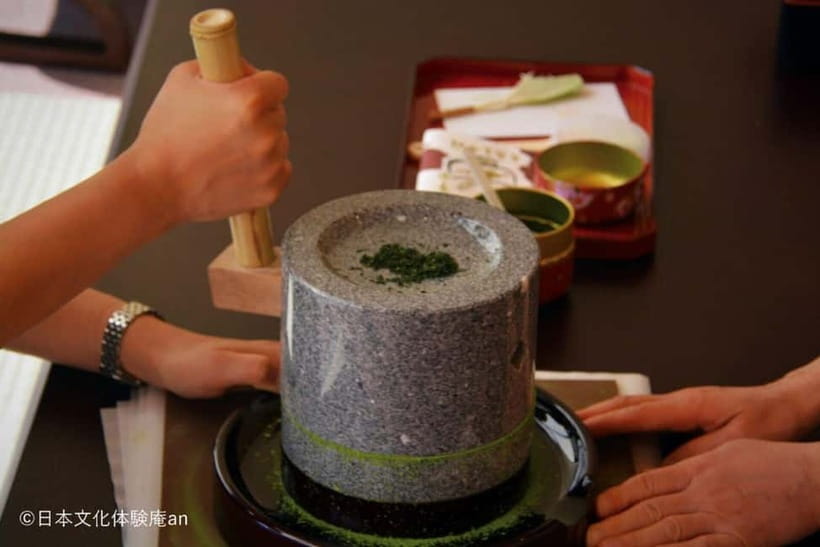
You’ll see a matcha grinding demonstration, and then you’ll take part in the tea-ceremony experience in a more casual way. That’s a good fit for a short workshop like this, where the goal is meaningful but not formal intensity.
One detail that stands out from the feedback is that the instructor explains background knowledge, including differences between green tea and matcha. Even if you already know the basics, it helps to put matcha in context so the flavor doesn’t just taste like bitterness. It tastes like a specific processing and preparation choice.
Why the matcha part feels like real learning
Grind-to-cup is the difference between drinking something and understanding it. Matcha changes character fast depending on preparation, and the course gives you the moment-to-moment link: grind, whisk, then drink.
Also, one review mentioned that making the tea foam was easy once the instructor showed it. If you’re nervous about technique, don’t be. The structure here is built to keep you moving from demonstration to hands-on.
What happens at the end: eating time that completes the experience
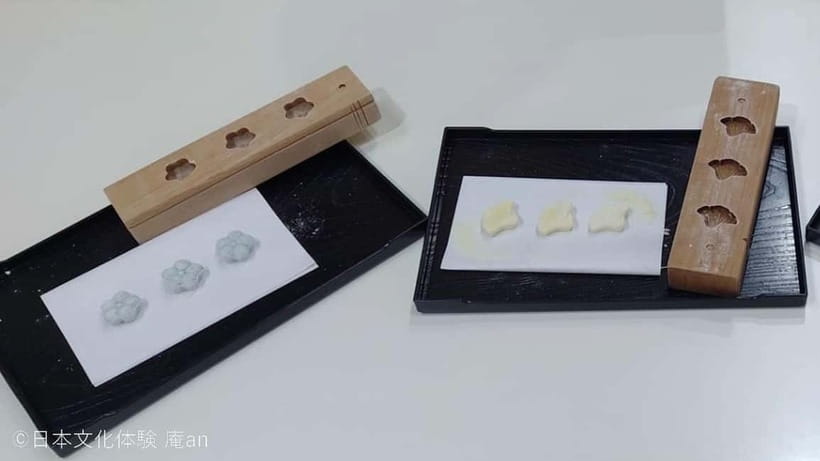
Once the making is done, you get a dedicated eat-and-drink window. This matters because the workshop isn’t finished when your sweets leave your hands. You want that first bite while the flavors are still fresh in your memory.
During this final stage, you can compare your own work across the two sweets types. Ohigashi tends to come across with a more dried, sugar-forward texture. Nerikiri leans more into bean paste richness and molded form. Then matcha acts like the bridge, cutting sweetness and adding depth.
There’s also a picture moment built into the schedule. If you care about documenting your work, this keeps things organized instead of turning the whole experience into constant phone use.
Price and extras: is $28 a good value in Tokyo?
For $28 per person and a total time of 125 minutes, you’re paying for three connected experiences in one: Ohigashi making, Nerikiri making, and a matcha tea-ceremony portion. You also get ingredients that are specifically called out: Kyoto’s long-established shop bean paste and single-origin special matcha.
In Tokyo, a lot of “culture” activities are either mostly watching or mostly eating. This one is mostly making. That’s what makes the value feel solid: your time turns into something you can taste.
A few things cost extra. If you want them:
- a sweets take-out box (100 JPY)
- adding color (200 JPY)
- an experience completion certificate (300 JPY)
I like that these are optional. It keeps the main experience focused on the core lessons.
The pace note you should consider
The program includes breaks, but it also doesn’t look like a slow, wandering walk-in workshop. It’s paced. If you’re the type who tends to arrive late or takes a long time to get settled, plan for buffer time.
Who should book this sweets and matcha workshop
This experience is a great fit if you like hands-on cooking, food craft, and learning how ingredients behave. If you’re the kind of traveler who gets more out of technique than trivia, you’ll likely enjoy the step-by-step nature of both wagashi styles.
It’s also a smart choice if you’re short on time in Tokyo. In a bit over two hours, you get to leave with a practical understanding of Ohigashi vs Nerikiri and how matcha fits into the ritual.
Family-friendly, with one note
The info says children who sit on their parents’ laps are free of charge if under 2 years old. So it can work for small kids, as long as they’re comfortable being seated.
One caution: the experience is for participants. The program notes that those who do not participate won’t be allowed to enter, so you’ll want everyone in your group to plan on making sweets or taking part in the matcha portion.
Meeting point and timing: how to avoid the most common headaches
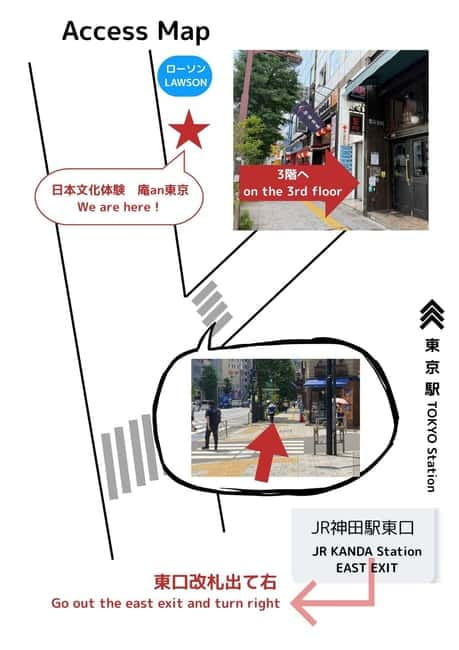
You meet at AN TOKYO Japanese Culture Experience. The course runs 10:00 to 17:00, and if a reservation is received after 17:00 it’s processed next day.
English translation is provided as much as possible, which helps if your Japanese is limited. Still, don’t assume it’s a full bilingual lecture. Expect instruction style to be hands-on, with explanation that keeps you on track.
If you’re traveling in a group and someone thinks they can stroll in late, don’t plan on that. The info says they won’t be able to hold the event for delays, so be on time.
Should you book this Tokyo sweets and matcha class?
Yes, if you want a short workshop that actually teaches technique and ends with tasting. The combination of two wagashi styles plus matcha grinding and a tea ceremony gives you a complete arc: make, learn, eat, drink.
I’d skip it only if you’re looking for a fully formal, long tea-ceremony experience or if you hate precise handwork. Nerikiri needs fine touch, and even with instruction you may find parts of shaping challenging.
If you’re curious, this is one of the more practical ways to understand Japanese sweets in real time rather than just buying them at a shop.
FAQ
How long is the Japanese sweets and tea experience in Tokyo?
The duration is 125 minutes.
What will I make during the class?
You will make dried-type sweets called Ohigashi using Wasanbon sugar, and you’ll make two seasonal Nerikiri sweets using white and red bean paste. You’ll also make your own matcha and take part in a tea-ceremony experience.
What matcha is used?
The program uses single-origin special Matcha, and you’ll see a matcha grinding demonstration as part of the tea segment.
Do they provide English support?
English translation is provided as much as possible. The instructor is Japanese.
Where is the meeting point?
The meeting point is AN TOKYO Japanese Culture Experience.
Are there any optional extra costs?
Yes. A sweets take-out box costs 100 JPY, adding color costs 200 JPY, and an experience completion certificate costs 300 JPY.
What is the cancellation policy?
You can cancel up to 24 hours in advance for a full refund.
More Dessert Tours in Tokyo
- Matcha Making Class in Tokyo with Authentic Japanese Sweets Set
★ 5.0 · 744 reviews - Tokyo: Matcha Making Experience with Mochi Sweets in Asakusa
★ 4.9 · 388 reviews - Make Traditional Nerikiri Sweets & Matcha experience in Shibuya
★ 5.0 · 130 reviews - Private Mochi Sweets Making class near Shibuya area
★ 5.0 · 93 reviews - Japanese Traditional Sweets making and Tea Ceremony
★ 4.7 · 50 reviews
More Tour Reviews in Tokyo
- Mt Fuji and Hakone 1-Day Bus Tour Return by Bullet Train
★ 5.0 · 26,383 reviews - 1-Day Tokyo Bus Tour
★ 5.0 · 14,250 reviews - Tokyo: teamLab Planets TOKYO Digital Art Museum Entry Ticket
★ 4.6 · 9,779 reviews - Mt Fuji & Hakone Cruise, Drum Show Bullet Train 1 Day from Tokyo
★ 4.0 · 7,413 reviews - Tokyo: Shinjuku Food Tour (13 Dishes at 4 Local Eateries)
★ 5.0 · 6,603 reviews
More Tea and Matcha Rooms
- Matcha Making Class in Tokyo with Authentic Japanese Sweets Set
★ 5.0 · 744 reviews - Tokyo: Traditional Tea Ceremony with a Tea Master
★ 5.0 · 528 reviews - Tokyo: Matcha Making Experience with Mochi Sweets in Asakusa
★ 4.9 · 388 reviews - Tokyo: Matcha and Kimono Experience
★ 4.7 · 219 reviews - Tea Ceremony Workshop in Tokyo by the Experienced Instrucor
★ 5.0 · 189 reviews
Latest Tokyo reviews off our desk






Tea Ceremony & Matcha, compared.
 ★ 5.0Matcha Making Class in Tokyo with Authentic Japanese Sweets SetFrom $21744 reviews
 ★ 5.0Traditional Tea Ceremony with a Tea MasterFrom $38528 reviews
 ★ 4.9Matcha Making Experience with Mochi Sweets in AsakusaFrom $22388 reviews
 ★ 4.7Matcha and Kimono ExperienceFrom $57219 reviews
 ★ 5.0Tea Ceremony Workshop in Tokyo by the Experienced InstrucorFrom $38189 reviews
 ★ 4.9Asakusa Kimono Dressing and Matcha ExperienceFrom $56173 reviews
 ★ 4.9Asakusa: Kimono Tea Ceremony with Matcha and SweetFrom $66153 reviews
 ★ 5.0Make Traditional Nerikiri Sweets & Matcha experience in ShibuyaFrom $60130 reviews
Browse the lists this tour appears in