
Reviewed · YANAKA OLD TOWN WALKS
Make Rice Balls and Enjoy a Japanese Home-Style Lunch in Yanaka
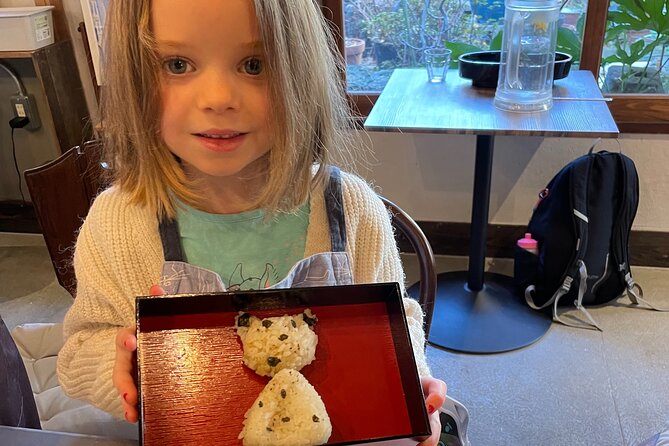
Rice balls, bento, and a calm Yanaka lunch. This hands-on onigiri and bento class in the Yanaka neighborhood is built around one simple goal: leaving with a lunch you made yourself, plus the know-how to do it again back home.
I especially like how the session mixes technique with play. You shape your rice balls, customize them with toppings and pickles, then design your bento using real neighborhood okazu (home-style side dishes). It feels both practical and fun, the kind of class that doesn’t fuss.
One thing to consider: you’ll be assembling a full lunch in a shared workspace, so if you prefer quiet, solo cooking time, you may find the group pace a bit busy.
In This Review
- Key things I’d plan for in Yanaka
- Why Yanaka is the right place for a bento lesson
- Price and value: what about $60 gets you
- The meeting point and how the session flows
- Making onigiri: technique you’ll reuse at home
- Bento box layout: the part people usually skip
- The okazu strategy: local shops, real lunch logic
- Coffee, photo time, and the lunch moment
- Miso soup and the small extras that make it feel complete
- Who this class suits best
- What to watch for: dietary needs, pace, and bento realities
- Should you book this Yanaka onigiri and bento class?
- FAQ
- FAQ
- How long is the class?
- Where is the meeting point?
- What’s the group size limit?
- Is the ticket mobile?
- What does the class include?
- Can the class accommodate allergies or dietary needs?
- What kind of foods are included in the bento?
- What’s the cancellation policy?
Key things I’d plan for in Yanaka
- Small group (max 12) so you can actually get help while you form your rice balls
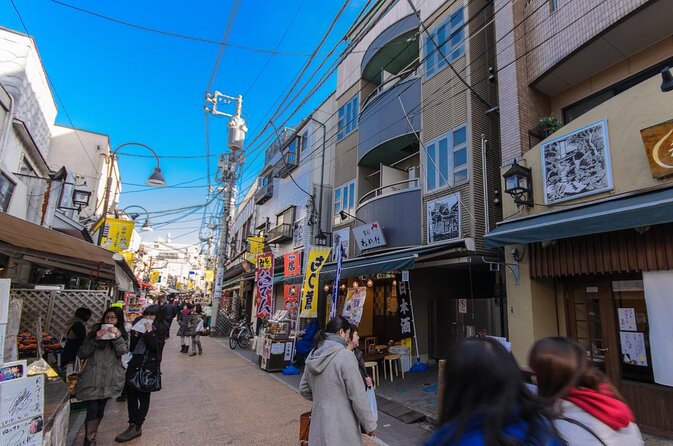
- Onigiri customization with toppings, pickles, and rice sprinkles
- Bento box layout tips so your lunch looks good, not just tasty
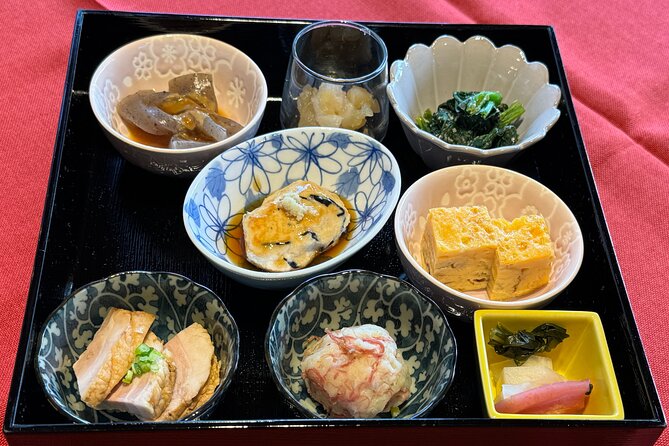
- Okazu from nearby shops like karaage, korokke, yakitori, and tamago-yaki
- Finish with miso soup + sweets/tea alongside the meal you built
Why Yanaka is the right place for a bento lesson
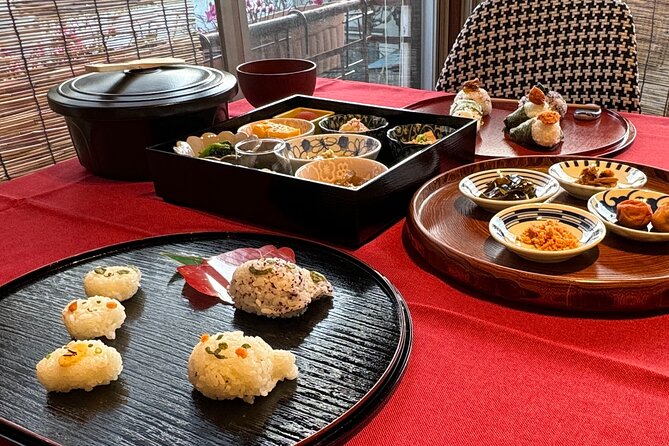
Yanaka is the part of Tokyo that feels slow on purpose. Streets have that old-neighborhood feel, and you’re not trapped in a big, loud tourist circuit. That matters for a cooking class. When the area already feels relaxed, you spend less time “getting through Tokyo” and more time learning.
This experience is also built around a food rhythm you can copy later. You’re not just learning how to form onigiri. You’re learning how to think like a Japanese home cook for lunch: rice first, then flavors and textures, then a clean layout that makes everything easy to grab and eat.
And because this is in Yanaka, you also get a real sense of where the meal comes from: local shops and delis for the okazu, not a single bland ingredient list. That’s what turns a class into something you can repeat at home with confidence.
More slow walks through old Yanaka
- Yanaka Walking Tour: Historic and Traditional District of Tokyo
★ 5.0 · 530 reviews - Tokyo: Old Quarter Yanaka Walking Tour
★ 4.8 · 406 reviews - Tokyo:Stroll in Old traditional culture towns~Yanaka & Nezu
★ 4.9 · 186 reviews - Yanaka Historical Walking Tour in Tokyo’s Old Town
★ 5.0 · 182 reviews
Price and value: what about $60 gets you
At $60.62 per person, this isn’t a bargain meal, but it’s also not “only a demo.” You’re paying for a full hands-on session, plus ingredients, plus tastings, plus the finished lunch with multiple components.
Here’s the practical value breakdown:
- You get structured instruction for shaping onigiri and assembling a bento
- You eat what you make (not just small samples)
- The class provides the core pieces: rice balls, okazu for the bento, and miso soup
- You also get a drink moment with Tokyo roasted coffee, plus a sweet and tea at the end (based on what’s described in the experience)
Also, the duration is about 1 hour 30 minutes. For Tokyo, that’s a comfortable length: enough time to actually make something and eat it, without eating up half a day.
If you’re comparing options, the big question isn’t price alone. It’s whether you want one person explaining while you watch, or whether you want the real hands-on part. This is aimed at making, plating, and then eating your work.
The meeting point and how the session flows
You meet at the YANESEN Tourist Information & Culture Center in Yanaka. It’s near public transportation, so you can plan your day without complicated transit.
From there, the experience keeps a clear flow:
- Meet and intro
- Make onigiri + prep toppings/pickles
- Plan and assemble your bento with okazu
- Sit down, present, eat
- End after lunch
It’s designed to feel friendly and orderly. You’re not left guessing what to do next. And the group size is capped at 12, which is big enough to feel social but small enough to get attention when you need it.
One small practical note: there are multiple schedule references (meeting around late morning/noon). When you book, follow the exact start time on your confirmation, and arrive a little early so you can settle.
Making onigiri: technique you’ll reuse at home
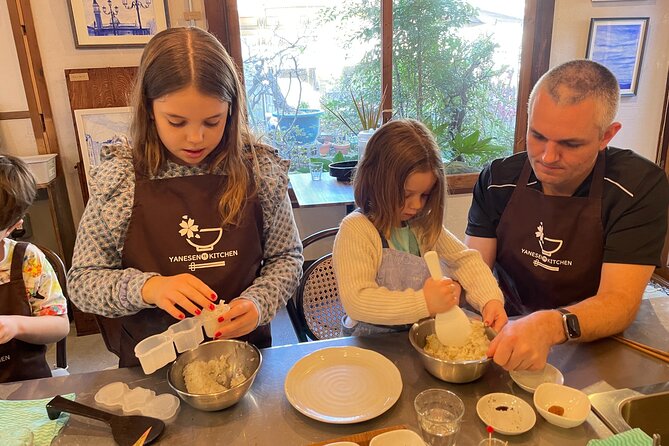
This is the heart of the experience. You learn to make onigiri from scratch, which means you’re doing the rice part correctly, not just assembling a pre-made product.
What you’re taught to do:
- Prepare rice balls, including shaping
- Set up toppings and pickles
- Use rice sprinkles and other add-ons to customize each one
What I like about this approach is that onigiri is simple in theory but easy to mess up. The instruction helps you avoid the common “too loose” or “too messy” problem. You’re getting the tips needed to shape rice that holds together, while still being pleasant to eat.
Another nice touch is the customization. You’re not stuck with a single topping. You choose your flavors—then build it into the bento layout.
In at least some sessions, the teaching also goes beyond basic onigiri, because the instructors are explaining connected Japanese lunch items and fundamentals (things like miso basics, and in some cases additional cooking skills such as tempura or sushi-style rolling). Even if you only focus on the onigiri and bento construction, the extra context helps you understand what you’re building.
Bento box layout: the part people usually skip
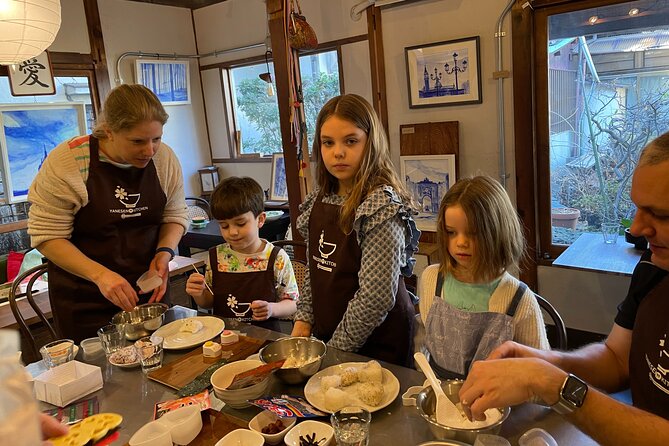
A lot of cooking classes teach food. Fewer teach plating in a way you can copy. Here, you get explicit guidance on building a bento box.
You learn how to:
- Lay out the box
- Think about spacing and compartments
- Balance what’s salty, what’s crunchy, and what’s soft
- Make it easy to eat, not just pretty
This matters because a bento is designed for real-life lunch eating. It’s portable, portioned, and meant to keep different flavors from turning into one blob of taste.
The class also uses a practical model: you purchase your okazu (home-style side dishes) at neighborhood delis/shops, then place everything into the bento. That’s a valuable mindset shift. You start thinking: I can build a meal from components I find locally, then assemble it with intention.
Okazu options mentioned include:
- Karaage
- Korokke
- Yakitori
- Tamago-yaki
So even if you’re not planning to cook all of Japan yourself at home, you’ll walk away knowing how to mix-and-match like a Japanese home cook.
Readers also shortlisted these Tokyo bookings:
- Tokyo: Mt.Fuji & Lake Kawaguchiko 1-Day Bus Tour w/Optional Lunch★ 4.5 · 839 reviews
- Tokyo: Sumo Experience and Chanko Nabe Lunch★ 4.8 · 257 reviews
- Tokyo: Tsukiji Fish Market Tour with 6 Stops & Seafood Lunch★ 4.5 · 165 reviews
- Tokyo: 1 Day Bus Tour with Meiji-Jingu,Odaiba,lunch&Skytree★ 4.6 · 156 reviews
- Tokyo: Full-Day Tour w/Tea Experience,Buffet Lunch & Cruise★ 4.9 · 151 reviews
The okazu strategy: local shops, real lunch logic
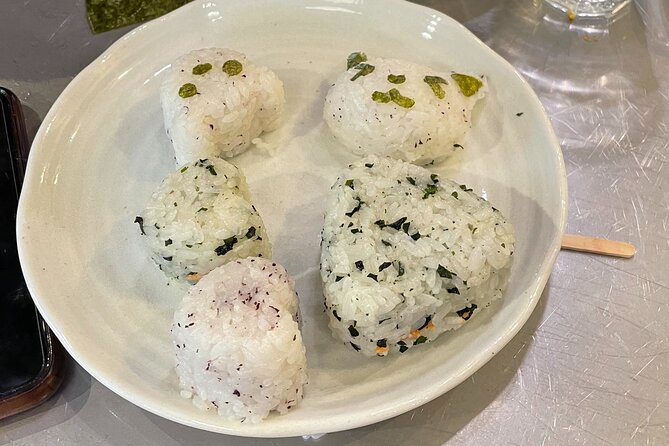
One of the most practical parts of this experience is how it treats the bento as a system.
Instead of one big cooking project, you’re creating a lunch from:
- rice balls you made
- pickles and toppings you prepared
- okazu from local neighborhood shops
That reflects how a lot of Japanese lunches work in real life. It’s not all homemade from scratch. People buy parts, then assemble thoughtfully.
It also helps you learn how to shop for lunch ingredients in Yanaka. Your instructors explain what the day’s dishes are, plus where you can buy similar items around the neighborhood after class. That’s useful because it turns the lunch into a repeatable routine, not a one-off event.
If you’re the type who likes to learn “the system” behind food, you’ll appreciate this structure.
Coffee, photo time, and the lunch moment
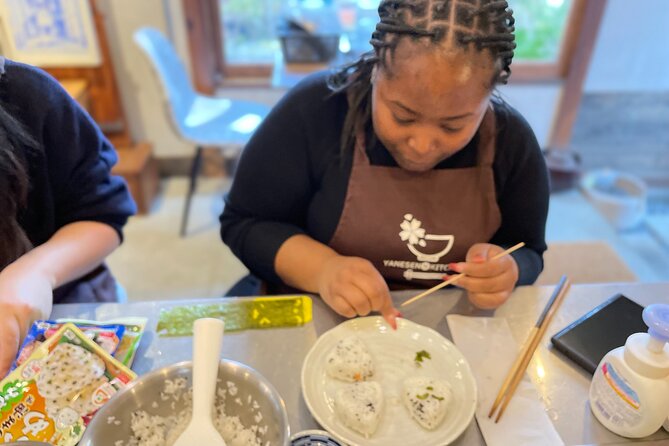
Once your bento is built, you sit down and present your box. There’s a table setup and a photo moment, then the meal begins with itadakimasu, the customary start to eating.
You’ll also eat over Tokyo roasted coffee, which gives the lunch a modern Tokyo touch without turning it into a café class. It’s still clearly about the homemade meal experience.
This portion is less about technique and more about savoring what you made. And it’s a good change of pace after the hands-on shaping and arranging.
If you care about details, this part is fun for two reasons:
- You see other people’s bento styles, which helps you understand layout choices
- You get a clean moment to eat everything while it’s fresh
Miso soup and the small extras that make it feel complete
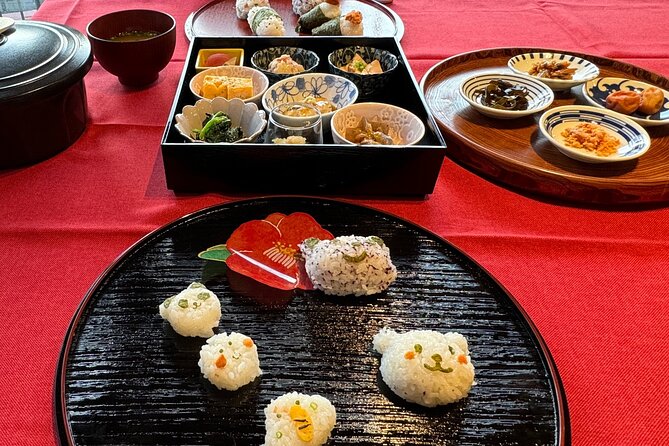
A bento isn’t just rice and side dishes. A warm component ties it together. Here, miso soup is part of the meal, which is a big reason the lunch feels complete.
You also get additional sides beyond the bento box items. Japanese-style omelet, fresh salad, and teriyaki chicken are mentioned as part of the lunch components in the experience description. So you’re not only eating what you assembled; you’re experiencing a more typical, balanced Japanese lunch plate.
From the learning and teaching descriptions, you may also hear explanations about miso types and even how flavors are blended. One instructor (Yuki is specifically mentioned) is praised for being a great teacher and for explaining dishes and phrases you can use later. Another teaching team includes Masayo and Eiko, noted for patience and for explaining background and flavors.
And there are the small extras that people remember: in some descriptions, you end with a sweet and tea. Those final touches make the class feel like a home lunch rather than a timed food stop.
Who this class suits best
This works well for:
- Families who want kids involved in making part of the meal
- Couples looking for something different than a typical Tokyo restaurant meal
- Food lovers who like practical skills and want plating tips
- Anyone who wants a calmer Yanaka experience without long transfers
The class is also described as suitable for most participants, and it’s mindful about dietary needs. You can request allergy support as well as vegetarian or vegan needs when you reserve.
Group size stays small (up to 12), so it’s not a chaotic crowd event. It’s structured enough for first-timers, but interactive enough for repeat learners.
What to watch for: dietary needs, pace, and bento realities
Before you go, think about three practical points.
First, dietary needs. The experience says allergies, vegetarian, and vegan requests are available if you let them know when you make the reservation. That’s important—don’t wait until the day of.
Second, pace. It’s about 1 hour 30 minutes, which means you’ll move from shaping rice to building bento fairly quickly. If you like to linger, you might wish it were longer, but the trade-off is that you get a full meal at the end without wasting time.
Third, bento reality. A bento is designed to be handled and eaten. That’s good. But if you hate having multiple components on your plate, you may find it a lot at once. Still, miso soup and warm items help balance everything.
One more practical tip: wear something comfortable and bring a small bag if you want to keep any personal items tidy. You’ll be using your hands, and you’ll likely want to focus on food, not juggling.
Should you book this Yanaka onigiri and bento class?
I’d book it if you want real, usable skills: shaping onigiri, building a bento layout that makes sense, and understanding how to combine homemade and shop-bought components into a satisfying lunch. It’s also a strong choice if you like Yanaka-style Tokyo—slower streets, local shops, and a meal that feels like part of daily life.
I would hesitate only if you’re looking for a silent, solo cooking retreat, or if you don’t want any plating component. This is designed to be hands-on and communal.
If you’re on the fence, here’s my quick decision test:
- If you’d enjoy learning how to make rice balls and put together an entire Japanese lunch, book it.
- If you mainly want to eat, not learn, you might be happier with a restaurant meal instead.
FAQ
FAQ
How long is the class?
The experience runs about 1 hour 30 minutes.
Where is the meeting point?
You meet at YANESEN Tourist Information & Culture Center, 3-chōme-13-7 Yanaka, Taito City, Tokyo 110-0001, Japan.
What’s the group size limit?
The class has a maximum of 12 travelers.
Is the ticket mobile?
Yes, the experience uses a mobile ticket.
What does the class include?
You get ingredients and tastings, make onigiri, assemble a bento box with okazu, and then enjoy your creations with miso soup. Coffee is mentioned for the meal time, and there are sweet and tea elements described.
Can the class accommodate allergies or dietary needs?
Allergies, vegetarian, and vegan requests are available. You should tell the provider when you make the reservation.
What kind of foods are included in the bento?
Okazu options mentioned include karaage, korokke, yakitori, and tamago-yaki. Omelet, fresh salad, and teriyaki chicken are also described as part of the lunch.
What’s the cancellation policy?
You can cancel for a full refund if you cancel at least 24 hours before the experience’s start time. Free cancellation is offered under that rule.
More Lunch Experiences in Tokyo
- Tokyo: Mt.Fuji & Lake Kawaguchiko 1-Day Bus Tour w/Optional Lunch
★ 4.5 · 839 reviews - Tokyo: Sumo Experience and Chanko Nabe Lunch
★ 4.8 · 257 reviews - Tokyo: Tsukiji Fish Market Tour with 6 Stops & Seafood Lunch
★ 4.5 · 165 reviews - Tokyo: 1 Day Bus Tour with Meiji-Jingu,Odaiba,lunch&Skytree
★ 4.6 · 156 reviews - Tokyo: Full-Day Tour w/Tea Experience,Buffet Lunch & Cruise
★ 4.9 · 151 reviews
More Tour Reviews in Tokyo
- Mt Fuji and Hakone 1-Day Bus Tour Return by Bullet Train
★ 5.0 · 26,383 reviews - 1-Day Tokyo Bus Tour
★ 5.0 · 14,250 reviews - Tokyo: teamLab Planets TOKYO Digital Art Museum Entry Ticket
★ 4.6 · 9,779 reviews - Mt Fuji & Hakone Cruise, Drum Show Bullet Train 1 Day from Tokyo
★ 4.0 · 7,413 reviews - Tokyo: Shinjuku Food Tour (13 Dishes at 4 Local Eateries)
★ 5.0 · 6,603 reviews
More Old Yanaka on Foot
- The Old Quarter of Tokyo – Yanaka Walking Tour
★ 4.5 · 590 reviews - Yanaka Walking Tour: Historic and Traditional District of Tokyo
★ 5.0 · 530 reviews - Tokyo: Old Quarter Yanaka Walking Tour
★ 4.8 · 406 reviews - Tokyo:Stroll in Old traditional culture towns~Yanaka & Nezu
★ 4.9 · 186 reviews - Yanaka Historical Walking Tour in Tokyo’s Old Town
★ 5.0 · 182 reviews
Latest Tokyo reviews off our desk




Yanaka Old Town Walks, compared.
 ★ 4.5The Old Quarter of Tokyo – Yanaka Walking TourFrom $40590 reviews
 ★ 5.0Yanaka Walking Tour: Historic and Traditional District of TokyoFrom $72530 reviews
 ★ 4.8Old Quarter Yanaka Walking TourFrom $32406 reviews
 ★ 4.9Stroll in Old traditional culture towns~Yanaka & NezuFrom $29186 reviews
 ★ 5.0Yanaka Historical Walking Tour in Tokyo’s Old TownFrom $81182 reviews
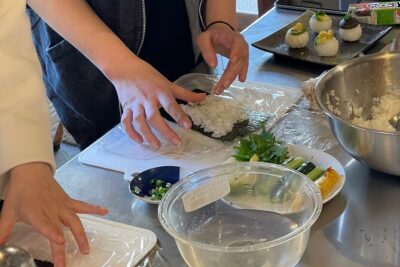 ★ 5.0Private Home Cooking in Yanaka – Local Flavors in a Warm SettingFrom $122173 reviews
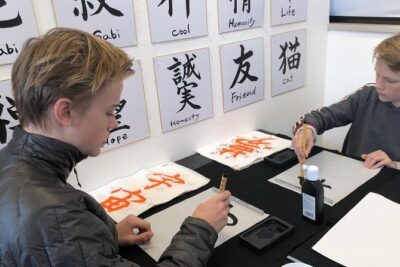 ★ 5.0Let’s experience calligraphy in YANAKA, Taito-ku, TOKYO !!From $75127 reviews
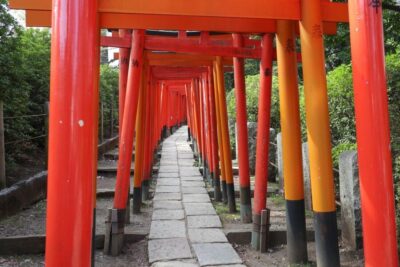 ★ 4.8Yanaka District: Historical Walking Tour in Tokyo’s Old TownFrom $79117 reviews
Browse the lists this tour appears in