
Reviewed · YANAKA OLD TOWN WALKS
Tokyo:Stroll in Old traditional culture towns~Yanaka & Nezu
Old Tokyo feels close here.
This Yanaka and Nezu walk turns down the volume on Tokyo. You get quiet residential lanes, old wooden houses, and worship places that locals use every day—plus plenty of chances to ask Sui questions and learn how people live with their history.
I especially like the way the tour slows your thinking, not just your feet. The backstreets feel real, and the sights are tied to everyday routines instead of big-tourist photo stops.
Two things that impressed me most: temples and shrines explained simply, and the human details—shopfront conversations, old shop traditions, and even little moments with residents you’ll actually notice. The main drawback is also simple: it’s a long walk with staircases, so comfortable shoes matter, and wheelchair access isn’t a fit.
In This Review
- Key takeaways before you go
- Why Yanaka and Nezu feel like Tokyo’s older heart
- Meeting at Nippori: setting yourself up for an easy start
- The quiet residential streets: seeing old Tokyo in daily life
- Nezu Shrine’s torii pathway: calm worship, not a theme park
- Tennoji Temple: the bronze Buddha and a garden reset
- Yanaka Cemetery and the feeling of time in rows of trees
- Meiji-to-Showa streets: why the buildings matter as much as the temples
- Yoshida Liquor Store: traditional sake and the old-shop mindset
- Yanaka Ginza shopping street: street food energy and local browsing
- Sunset Staircase: a photo spot locals actually use
- Pace, group size, and how to make the 3.5 hours feel easy
- Seasonal twists: Sakura mochi in spring, cafe culture in summer
- What you’ll learn from the worship stops (and how to use it later)
- Who this tour suits best (and who might want a different plan)
- Should you book this Yanaka and Nezu stroll?
- FAQ
- How long is the Tokyo Yanaka & Nezu walking tour?
- Where do I meet the tour guide?
- What does the tour include?
- What are the spring and summer seasonal options?
- Where does the tour end?
- Is the tour wheelchair accessible?
- What should I bring?
- Is the tour private or small group?
- Experience Provider
Key takeaways before you go
- A small-group pace with time to chat, not a rushed checklist
- Nezu Shrine’s torii-lined approach plus calm, less-crowded temple time
- Yanaka Cemetery + Meiji-to-Showa buildings for a strong sense of old Tokyo
- Yoshida Liquor Store and Yanaka Ginza for traditional shopping street flavor
- Sunset Staircase is a local photo spot, not just a landmark
- Seasonal treats: Sakura mochi in spring, and a traditional-style cafe stop in summer
Why Yanaka and Nezu feel like Tokyo’s older heart
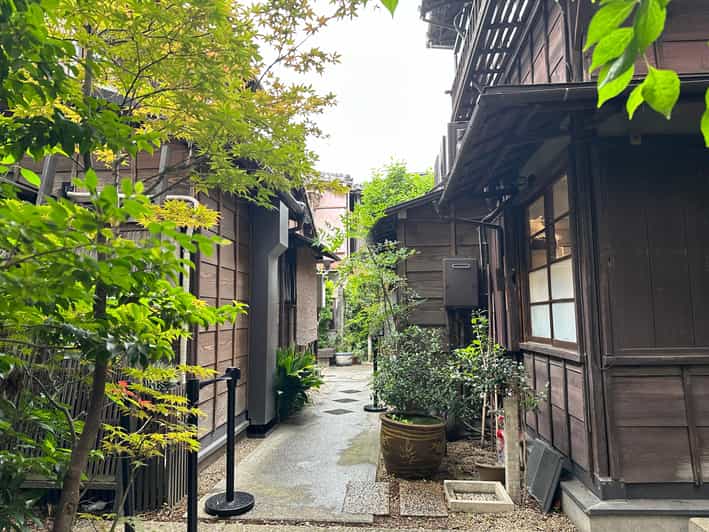
Yanaka and Nezu sit in a pocket of Tokyo that still reads as human-scale. No giant monuments are the point here. Instead, you get narrow lanes, low buildings, and the steady rhythm of a neighborhood where people actually go about their day.
What makes this tour work so well is the balance between sacred places and ordinary ones. You’ll see the torii path at Nezu Shrine, then move into streets where old houses and small shops sit side-by-side with newer life. It’s a contrast that helps you understand Tokyo beyond its skyline.
And yes, you’ll learn religion and tradition, but not in a lecture-y way. Sui’s style (fun, patient, and tuned to questions) makes the sites easier to read. I like tours that help you notice things. This one teaches you where to look and what to respect.
More slow walks through old Yanaka
- Yanaka Walking Tour: Historic and Traditional District of Tokyo
★ 5.0 · 530 reviews - Tokyo: Old Quarter Yanaka Walking Tour
★ 4.8 · 406 reviews - Tokyo:Stroll in Old traditional culture towns~Yanaka & Nezu
★ 4.9 · 186 reviews - Yanaka Historical Walking Tour in Tokyo’s Old Town
★ 5.0 · 182 reviews
Meeting at Nippori: setting yourself up for an easy start
You meet at Nippori Station, West Exit (for Yanaka). The guide waits in the waiting area right after you come out the west side, so you’re not wandering with confusion on a busy station platform.
The tour runs about 210 minutes (around 3.5 hours). It can end a little earlier or later depending on the day, but the overall flow stays the same: start in Yanaka, explore the quiet neighborhood spine, then finish at one of the drop-off points.
Drop-offs can include Nippori Station, Yanaka Ginza, or Nezu Station. That flexibility is helpful because it can line up with where you want to go next—especially if you’re building the rest of your Tokyo day around meals and transit.
Practical note: bring cash and comfortable shoes. You’ll be on foot for the full experience, and there are staircases. If you’re the type who wears shoes that feel good for 20 minutes and then hate you for 2 hours, swap them now.
The quiet residential streets: seeing old Tokyo in daily life
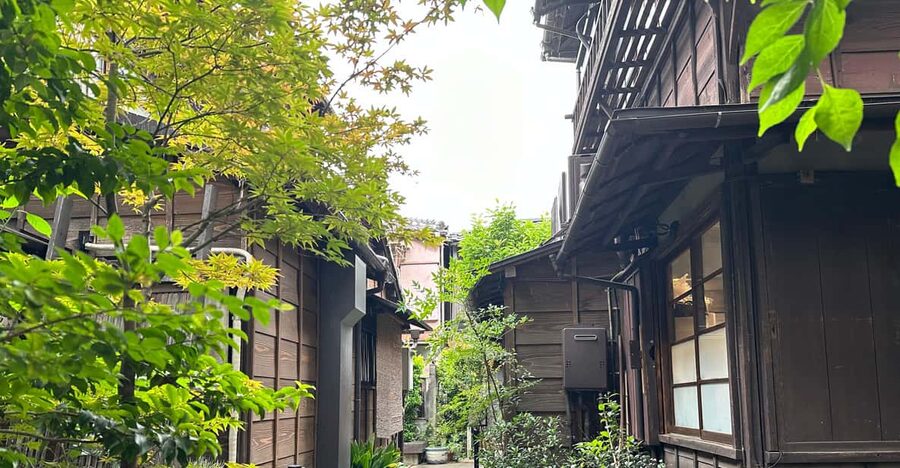
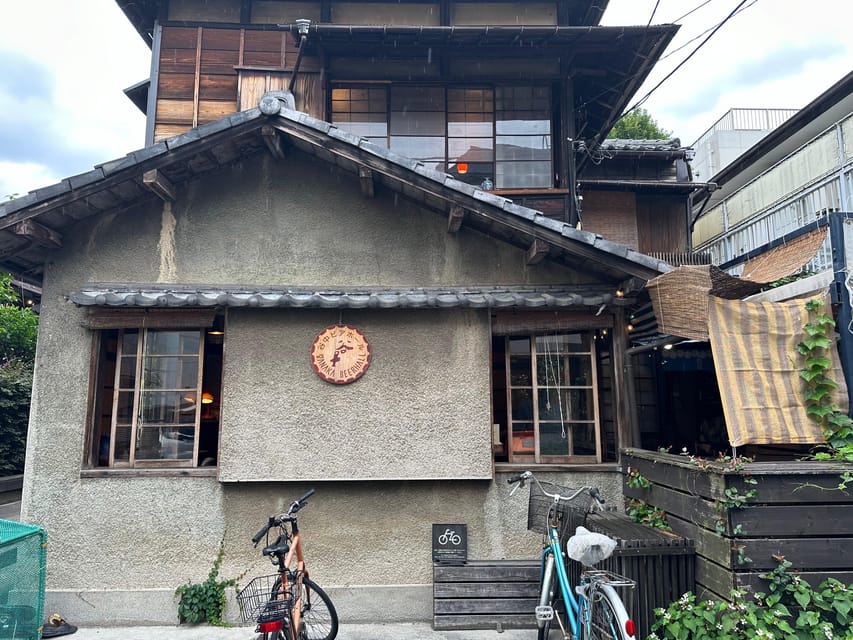
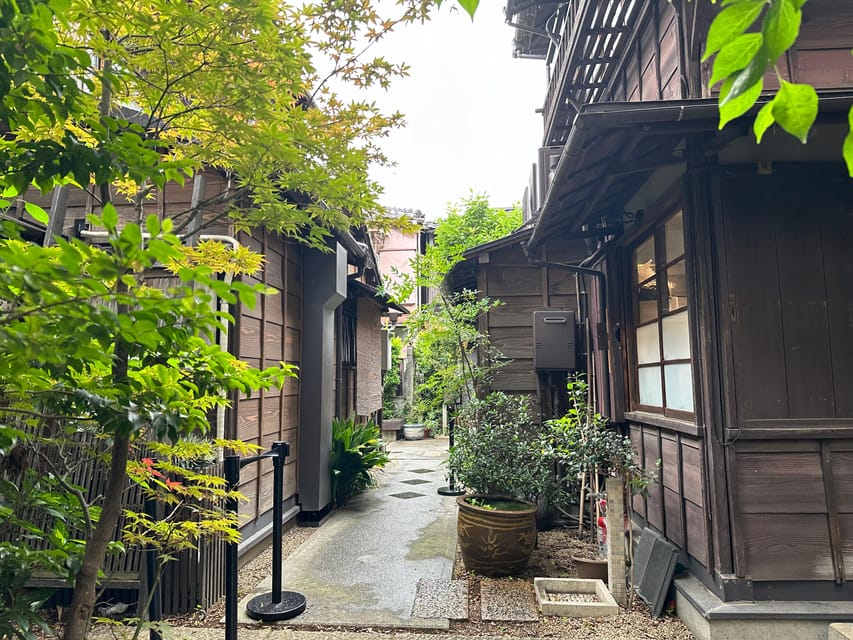
Before you even hit the bigger landmarks, the tour’s smart move is to slow down inside the neighborhoods. You stroll through residential lanes where old and new houses and shops sit together. This is where the tour starts doing more than sightseeing.
You’ll pick up small signals that help you understand Tokyo’s everyday culture: how people move through their blocks, how shops present themselves, and the calm presence of local routine. You may also spot families—tour notes mention seeing nursery kids—and you’ll likely see older residents in normal, unperformed life.
This part matters because Yanaka’s charm isn’t only “old buildings.” It’s the feeling that the neighborhood is still lived-in. When you walk these streets with Sui, you stop treating Tokyo like a set of separate attractions and start seeing it as one city with layers.
It’s also a good warm-up for the rest of the route. Your legs get moving, your eyes adjust to the scale, and your brain settles into the right pace: slow enough to notice, not so slow that you feel stuck.
Nezu Shrine’s torii pathway: calm worship, not a theme park
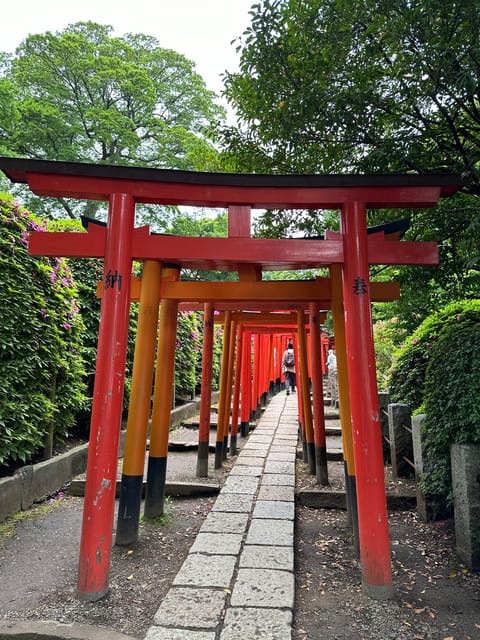
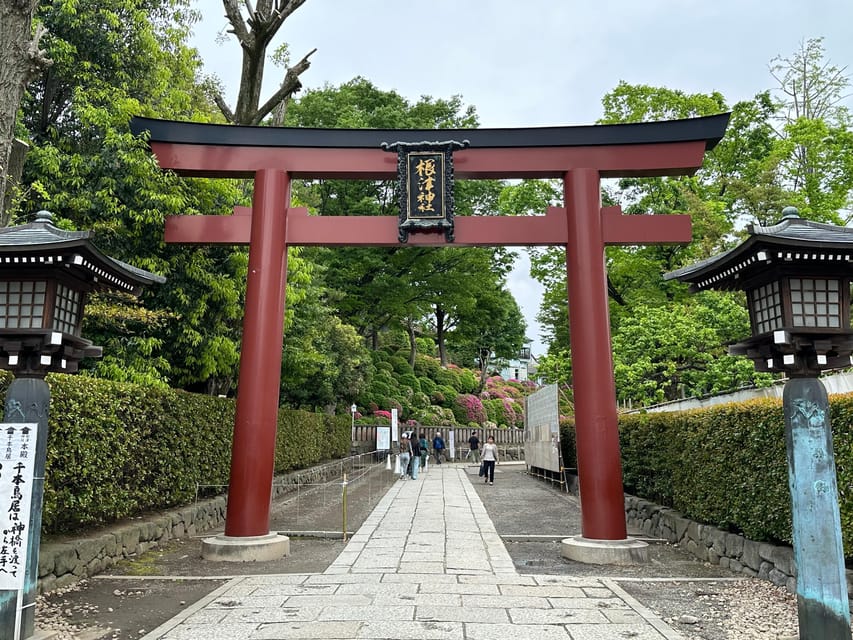
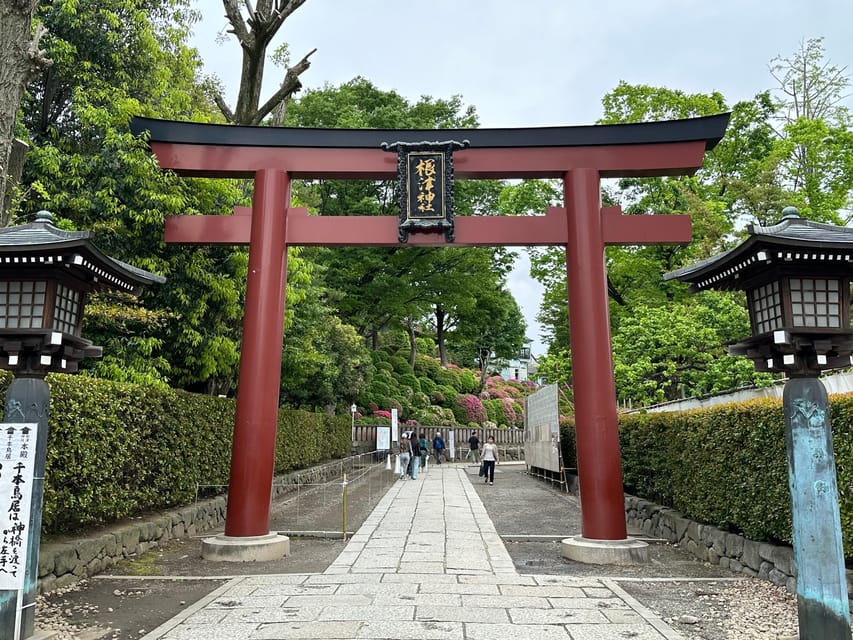
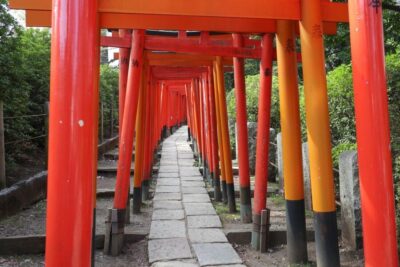
One of the highlights here is Nezu Shrine, described as among Tokyo’s oldest worship sites. You’ll walk through the iconic torii-lined path, which gives you that classic “enter a different world” feeling—without the kind of bustle that you get at larger, more famous shrines.
What I like about this stop is that it isn’t presented as just scenery. It’s part of the tour’s larger goal: helping you understand how Japanese religions shape how people move through space.
If you’re not sure what you’re looking at, don’t worry. Sui helps you understand basic worship etiquette so you can participate respectfully rather than standing there wondering what to do. That little confidence boost changes the whole experience.
A consideration: shrines can involve lots of walking along paths and gradual changes in elevation. Take your time. This tour is set up for a relaxed stroll, but your body still needs to keep up.
Tennoji Temple: the bronze Buddha and a garden reset
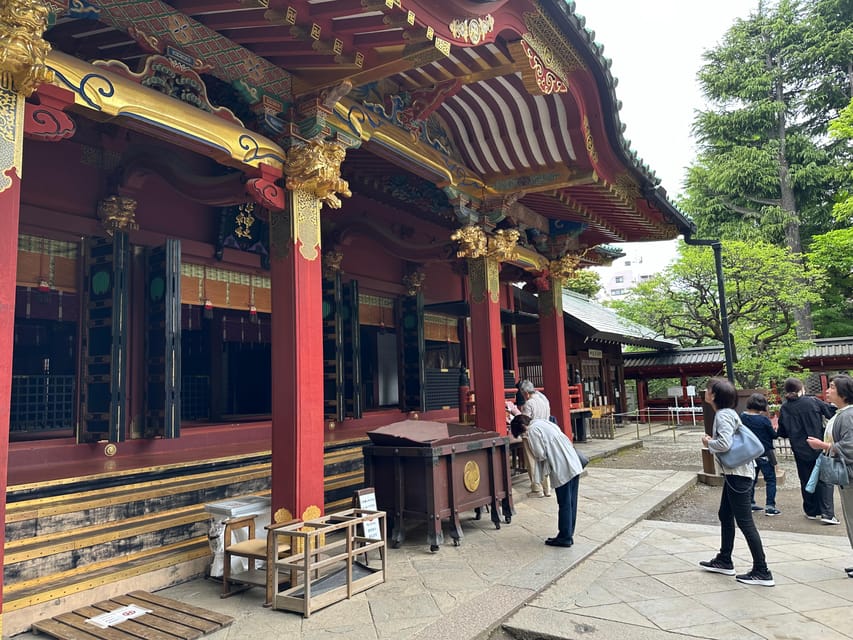
Next comes Tennoji Temple, where you’ll see a large bronze seated image of Buddha. The tour pairs the impressive main image with a more peaceful tempo by including the temple’s Japanese garden.
That combination is a nice break. After torii and shrine paths, you get a different kind of quiet—more reflective and a bit slower. You’ll get moments where the whole walk stops feeling like “activity” and starts feeling like a pause in your day.
Also, this is one of the stops that fits well with the tour’s “small group” advantage. With fewer people, it feels easier to take in details and ask questions. Sui can answer in the moment without the group being rushed onward.
Drawback to keep in mind: temples and shrine areas can have weather-dependent comfort (sun, rain, and cool air depending on the day). Layers help, especially if you’re doing this in shoulder seasons.
- Tokyo: Shinjuku Food Tour (13 Dishes at 4 Local Eateries)★ 5.0 · 6,603 reviews
- Tokyo Mt Fuji 5th St & Hakone Cruise Bus Tour w/Bullet Train★ 4.4 · 5,024 reviews
- Flagship 2-Hours Official Street Go-Kart Tour – Tokyo Bay Shop★ 5.0 · 4,974 reviews
- From Tokyo: Mount Fuji Full-Day Sightseeing Trip★ 4.5 · 4,970 reviews
- Tokyo: Hop-On Hop-Off Sightseeing Bus Ticket★ 3.9 · 4,207 reviews
Yanaka Cemetery and the feeling of time in rows of trees
The tour then heads to Yanaka Cemetery, noted as one of Tokyo’s larger and more scenic cemeteries, famous for its rows of trees. This isn’t a morbid stop in the way some people fear cemeteries can be. It reads as a quiet landscape of remembrance.
Cemeteries here also connect to the broader story of Tokyo’s changes over time. When you’re walking streets that still show older building styles, the cemetery reinforces the theme: this city has memory built into everyday space.
If you’re sensitive to atmosphere, go slowly. Let the silence do its work. This is one of those moments where photos are secondary to simply being there.
You’ll also notice how the tour transitions from sacred spaces into the neighborhood’s architecture story. That helps you see the city as a living archive rather than a place that only “looks historic” from a distance.
Meiji-to-Showa streets: why the buildings matter as much as the temples
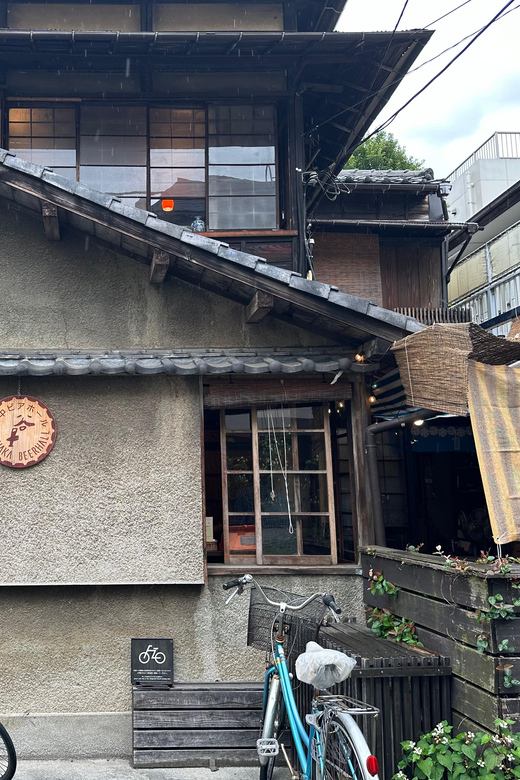
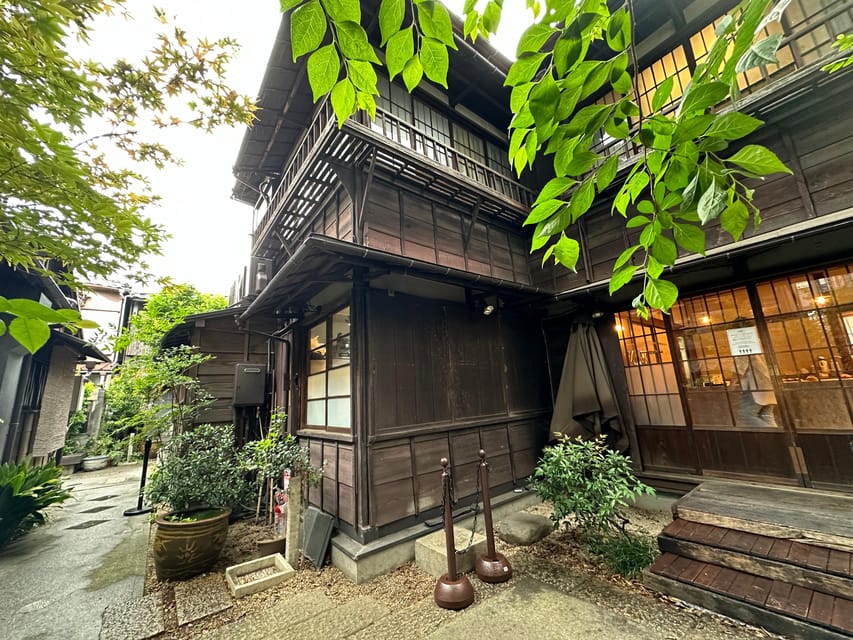
A major portion of the walk focuses on traditional buildings from the Meiji Period (1868 to 1912) to the Showa period (1926 to 1989). Instead of treating buildings as background, Sui points out what makes them worth noticing.
This is the part that turns the tour from pretty streets into understanding. You start learning how architecture reflects lifestyle: doorways, shop fronts, and how residential spaces relate to street life.
I like this emphasis because it changes what you see when you look back at Tokyo afterward. You’ll stop thinking only in terms of landmarks and start noticing older structures in other neighborhoods too. That’s a practical souvenir you carry home.
One caution: older streets can mean uneven pavement and stairs. You don’t need to be athletic, but you do need to be comfortable moving steadily for the length of the tour.
Yoshida Liquor Store: traditional sake and the old-shop mindset
The route includes Yoshida Liquor Store, a traditional Japanese sake liquor store. This stop works because it’s not just about history—it’s about craft and continuity.
Old shops like this are part of how neighborhoods stay themselves. Even if you don’t drink alcohol, the store helps you understand why local commerce is such a big part of cultural survival in Japan.
What I’d recommend: if the shop has items you can buy, it can be an easy way to bring home something that feels tied to the street you walked. And if you’re unsure, ask Sui. She’s the type who gives real guidance rather than generic “maybe this one” suggestions.
A small consideration: store hours vary. The tour notes that some shops may be closed depending on the day, and Monday closings are common. If you’re aiming for specific shopping, build in the idea that you might see fewer retail stops on some days.
Yanaka Ginza shopping street: street food energy and local browsing
Then you reach Yanaka Ginza, a traditional shopping street where your guide introduces you to local street foods, plus food and souvenir shops. This is the fun, sensory part of the walk.
I like Yanaka Ginza because it’s not just a lineup of stalls. With Sui, it becomes a guided path through what locals might actually pick during a normal day—things you’d miss if you rushed through without context.
In particular, it’s a great time to ask about what to buy and where to snack. Some sweets and treats show up along the way, and the tour is clearly set up for tasting-type curiosity.
One drawback: this is also where you’ll feel the day’s energy more than in the residential lanes. If you’re looking for total quiet the whole time, you won’t get that here. But it’s short enough that it still feels like part of the neighborhood, not a crowd event.
Sunset Staircase: a photo spot locals actually use
You’ll end up at the Sunset staircase, described as a popular photo spot among locals. That detail matters. It means you’re not chasing some abandoned viewpoint that nobody uses.
This stop is excellent for two reasons. First, it gives your legs a “cool down” moment after earlier walking. Second, it helps you translate what you’ve been seeing into a visual snapshot—old street geometry, rooftops, and the way the neighborhood layers upward.
Don’t rush it. Take a few pictures, then look around again and notice how people move through the area. That’s where you get the full sense of this place.
If it’s crowded on your day, keep it light: one or two photos, then enjoy the atmosphere. The best memory here isn’t one perfect shot—it’s the feeling that you’re standing in a real neighborhood, not a set.
Pace, group size, and how to make the 3.5 hours feel easy
The tour is designed to stroll—not power-walk. You’re told it won’t be rushed, and the experience is built around small groups and conversation. That pacing is a big part of the value.
Many guides keep the schedule tight. Sui’s approach seems different: she gives space for questions and helps people connect dots between religion, architecture, and daily life. That’s why so many people feel they learned more than they expected.
You’ll also want to remember it includes stairs. The walking is the whole point, but it’s still a commitment. If you’re traveling with kids, this tour can work well, with Sui using small tools and treats to keep attention. For adults, the same attention-to-people style helps when you want clarification.
Tip: plan a light snack beforehand or bring a little something for your own comfort. The tour runs long enough that hunger can sneak up on you.
If it’s extremely hot, the summer version adjusts the experience (more on that next). For mild days, just focus on hydration and steady shoes.
Seasonal twists: Sakura mochi in spring, cafe culture in summer
This tour isn’t one-size-fits-all across the year, and that matters.
In spring (25 March to 25 April 2026), you get free Sakura mochi for everyone. If the mochi isn’t available, it’s replaced with other traditional Japanese sweets or food. Also note: blooming depends on weather, so timing can vary.
In summer (1 June to 11 September 2026), Tokyo heat is real. The tour includes a stop in a cafe transformed from an old traditional building, and your drink is included. Another key change: summer tours do not go to Yanaka Ginza, and the tour ends at Nezu Station.
I like these seasonal swaps because they’re practical. It’s a tour that adapts to weather and crowd patterns instead of forcing the same route at all costs.
If you’re booking for a special month, pick based on how you want the day to feel. Spring leans sweet and scenic. Summer leans restorative and shaded, with an added break.
What you’ll learn from the worship stops (and how to use it later)
This tour covers more than postcard stops. The worship places help you understand Tokyo’s religious fabric: how shrines and temples function in real life, not just as historical sites.
At Nezu Shrine and Tennoji Temple, you’ll learn why these places are still active. You’ll also get practical guidance on how to participate respectfully, which makes the stops feel less intimidating for first-timers.
Then you can carry that skill into the rest of your Tokyo trip. After you’ve walked with Sui, future shrines and temples feel clearer. You’ll notice patterns and routines, and you’ll feel more confident moving through them.
That’s the biggest value beyond scenery: it changes how you experience Tokyo afterward.
Who this tour suits best (and who might want a different plan)
This tour is a strong fit if you want a calmer Tokyo day with real neighborhood texture. If you like walking, small-group conversation, and understanding the role of religion and traditional life, you’ll likely love it.
It’s also great for families and multi-age groups, since the guide’s approach is tuned to keeping people comfortable and engaged.
It might not be the best match if you need wheelchair access. The tour is not suitable for wheelchair users, and the route includes stairs.
Also consider your tolerance for slow-to-steady walking. This is not for someone who wants quick hits with lots of sitting. It’s built around the joy of moving through old streets at a human pace.
Should you book this Yanaka and Nezu stroll?
If you’re tired of only seeing Tokyo through high-traffic districts, book it. For $29 per person and about 3.5 hours, you get a guided walk through major cultural sites (Nezu Shrine, Tennoji Temple, Yanaka Cemetery) plus the neighborhood texture that makes Yanaka feel alive.
The best part is how Sui turns stops into context: what you’re seeing, why it matters, and how people treat these places as part of daily life. Add in seasonal treats—Sakura mochi in spring or a traditional-style cafe drink in summer—and the value becomes clear.
My practical advice: do it early in your Tokyo trip if you can. Once you understand this style of neighborhood Tokyo, the rest of your sightseeing feels sharper and less shallow.
FAQ
How long is the Tokyo Yanaka & Nezu walking tour?
It’s about 210 minutes, or roughly 3.5 hours.
Where do I meet the tour guide?
Meet at Nippori Station, West Exit (for Yanaka). The guide waits at the waiting area after you come out the west exit.
What does the tour include?
You’ll have a live English tour guide and visits to places like Nezu Shrine, Tennoji Temple, Yanaka Cemetery, plus traditional buildings and neighborhood shopping areas. Spring and summer include seasonal extras (sweets or a drink) as noted.
What are the spring and summer seasonal options?
In spring, the tour includes free Sakura mochi for everyone (dates listed for 2026). In summer, the tour includes a stop at a cafe in an old traditional building with one drink of your choice, and the route changes by skipping Yanaka Ginza.
Where does the tour end?
The tour can end at one of these drop-off locations: Nippori Station, Yanaka Ginza, or Nezu Station. The tour may also end a little earlier or later than the stated duration.
Is the tour wheelchair accessible?
No. The tour is not suitable for wheelchair users.
What should I bring?
Wear comfortable shoes and bring cash.
Is the tour private or small group?
It’s a live tour with an English guide and can be booked as a private or small group.
Experience Provider
Undiscovered Tokyo Tours
More Tour Reviews in Tokyo
- Mt Fuji and Hakone 1-Day Bus Tour Return by Bullet Train
★ 5.0 · 26,383 reviews - 1-Day Tokyo Bus Tour
★ 5.0 · 14,250 reviews - Tokyo: teamLab Planets TOKYO Digital Art Museum Entry Ticket
★ 4.6 · 9,779 reviews - Mt Fuji & Hakone Cruise, Drum Show Bullet Train 1 Day from Tokyo
★ 4.0 · 7,413 reviews - Tokyo: Shinjuku Food Tour (13 Dishes at 4 Local Eateries)
★ 5.0 · 6,603 reviews
More Old Yanaka on Foot
- The Old Quarter of Tokyo – Yanaka Walking Tour
★ 4.5 · 590 reviews - Yanaka Walking Tour: Historic and Traditional District of Tokyo
★ 5.0 · 530 reviews - Tokyo: Old Quarter Yanaka Walking Tour
★ 4.8 · 406 reviews - Yanaka Historical Walking Tour in Tokyo’s Old Town
★ 5.0 · 182 reviews - Private Home Cooking in Yanaka – Local Flavors in a Warm Setting
★ 5.0 · 173 reviews
Latest Tokyo reviews off our desk






Yanaka Old Town Walks, compared.
 ★ 4.5The Old Quarter of Tokyo – Yanaka Walking TourFrom $40590 reviews
 ★ 5.0Yanaka Walking Tour: Historic and Traditional District of TokyoFrom $72530 reviews
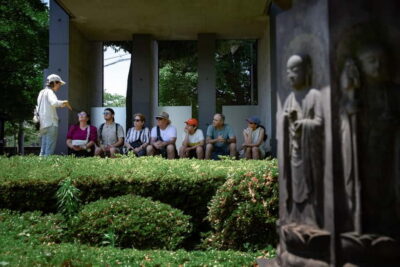 ★ 4.8Old Quarter Yanaka Walking TourFrom $32406 reviews
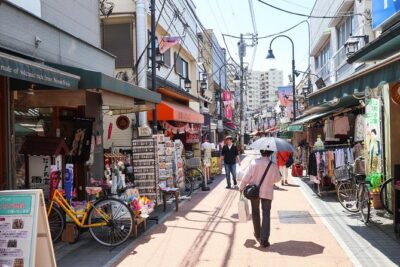 ★ 5.0Yanaka Historical Walking Tour in Tokyo’s Old TownFrom $81182 reviews
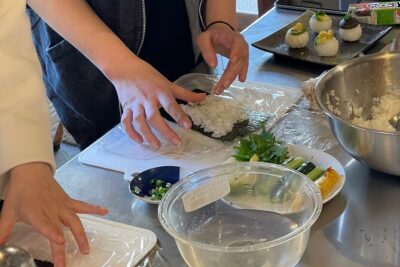 ★ 5.0Private Home Cooking in Yanaka – Local Flavors in a Warm SettingFrom $122173 reviews
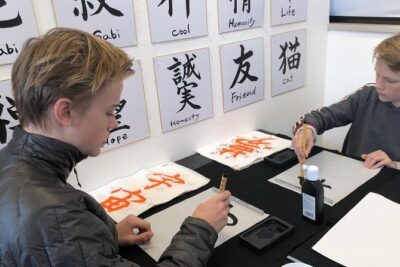 ★ 5.0Let’s experience calligraphy in YANAKA, Taito-ku, TOKYO !!From $75127 reviews
 ★ 4.8Yanaka District: Historical Walking Tour in Tokyo’s Old TownFrom $79117 reviews
 ★ 5.0Discover the Art of Ikebana in Tokyo’s Historic Yanaka DistrictFrom $10860 reviews
Browse the lists this tour appears in