
Reviewed · YANAKA OLD TOWN WALKS
Yanaka District: Historical Walking Tour in Tokyo’s Old Town
Tokyo slows down in Yanaka. This walk gives you a calmer, older side of Tokyo, starting at Nezu Shrine and moving through neighborhood lanes most visitors skip.
I especially like the way the tour mixes Japanese religion and everyday life. You visit Nezu Shrine’s red torii gates, then you walk through residential streets where the city feels lived-in, not staged.
One heads-up: this is mostly on foot with some uneven spots, and you’ll want cash since many old shops don’t take cards. It also isn’t a great fit if you use a wheelchair or stroller.
In This Review
- Key things I’d circle before you go
- Yanaka’s old-town feel starts at Nezu Station
- Getting oriented with a small group and a real guide
- Nezu Shrine: torii gates, photos, and Shinto context first
- Hebimichi backstreet time: learning the neighborhood rhythm
- The cafe reset: painting maneki-neko in an old house
- Yanaka Ginza and local snacks: old Tokyo tastes, not just views
- Price and value: how $79 makes sense for this format
- Pacing, weather, and what to wear for a comfy old-town afternoon
- Who this tour fits best (and who should rethink it)
- Should you book Yanaka with MagicalTrip?
- FAQ
- How long is the Yanaka District walking tour?
- How big is the group?
- Where do we meet?
- What’s the tour language?
- What’s included in the price?
- Do I need cash?
- What are the main stops on the itinerary?
- Is the tour wheelchair or stroller accessible?
- Can you accommodate allergies or dietary restrictions?
- What’s the cancellation policy?
Key things I’d circle before you go
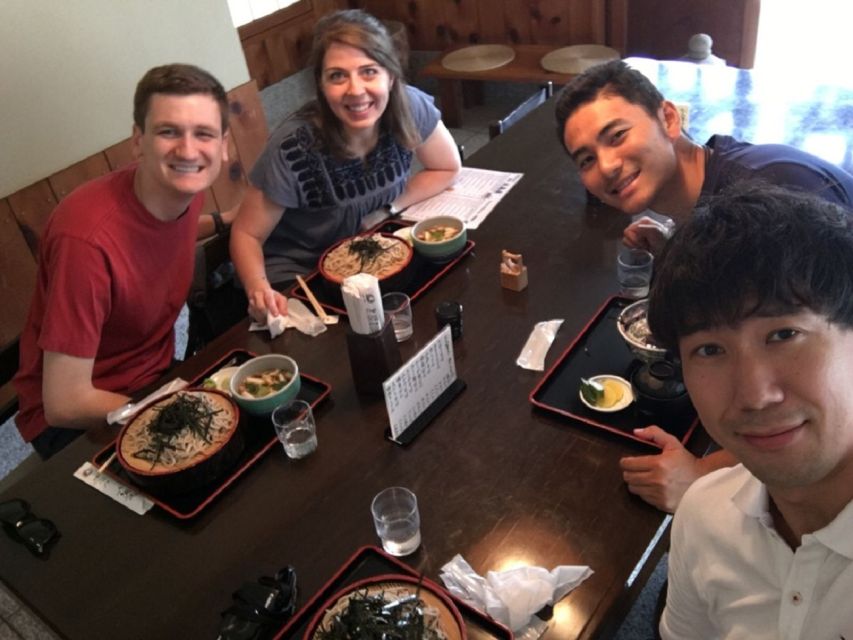
- Small group (under 7) means more Q&A with your English-speaking guide
- Nezu Shrine + torii gate photos get you oriented fast, and you’ll learn the Shinto angle
- Hebimichi street time helps you see the neighborhood rhythm instead of only landmarks
- Maneki-neko lucky cat painting turns a long walk into a fun reset break
- Yanaka Ginza snacks plus a locals-only market feel like real old Tokyo food culture
- Tour photos included so you don’t have to play photographer the whole time
Yanaka’s old-town feel starts at Nezu Station
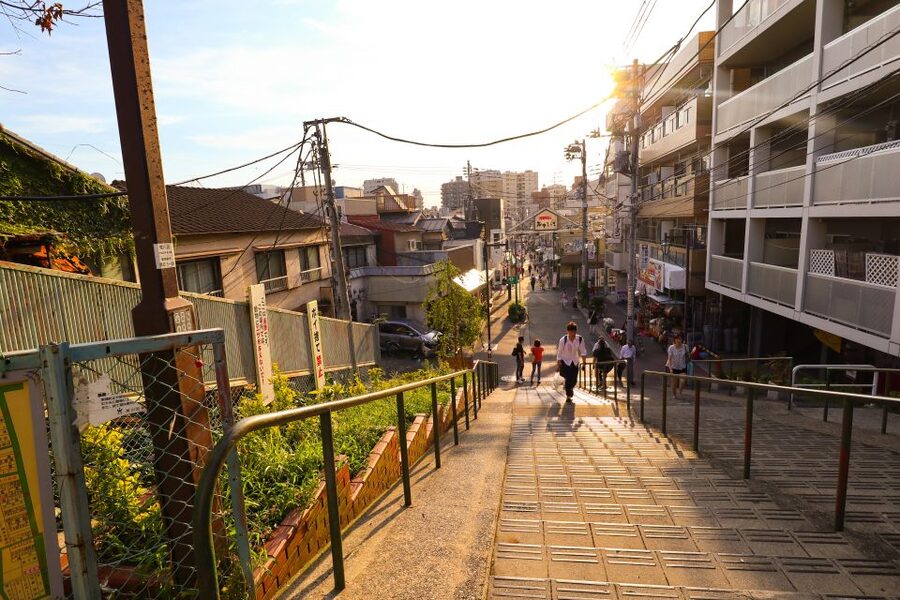
If you’ve only seen Tokyo’s big-name districts, Yanaka can feel like a contrast program. This area is known for having kept its older street character through tough years, so the vibe is quieter and more residential than central Tokyo.
Your tour begins at 根津駅 (Nezu Station). You meet outside Tokyo Metro Nezu Station Exit 1, then go up the stairs to street level. Your guide holds a red/orange sign that says MagicalTrip, standing just right in front of the upstairs area.
Because the group stays small, you’ll move at a human pace. That matters here, since you’re walking through narrow lanes and stopping often for explanations and photos.
More slow walks through old Yanaka
- Yanaka Walking Tour: Historic and Traditional District of Tokyo
★ 5.0 · 530 reviews - Tokyo: Old Quarter Yanaka Walking Tour
★ 4.8 · 406 reviews - Tokyo:Stroll in Old traditional culture towns~Yanaka & Nezu
★ 4.9 · 186 reviews - Yanaka Historical Walking Tour in Tokyo’s Old Town
★ 5.0 · 182 reviews
Getting oriented with a small group and a real guide
The tour runs about 210 minutes (3.5 hours). With a group capped at 7 people, the guide can adjust on the fly if someone asks a question or wants to linger at a shrine photo spot.
This isn’t a rushed, check-the-box style tour. You spend meaningful time at each stop, including a long middle section at an old house cafe for the lucky cat activity.
English is supported, and the guide is there to connect what you’re seeing to how locals think and live. In the past, guides such as Ramesh, Mark, Masae, Kenji, Hina, and Yoko have led groups, and many guests highlight how helpful the explanations feel during the walk.
One practical tip: bring your questions. When your guide is walking you through a neighborhood, even small questions can turn into useful context fast.
Nezu Shrine: torii gates, photos, and Shinto context first
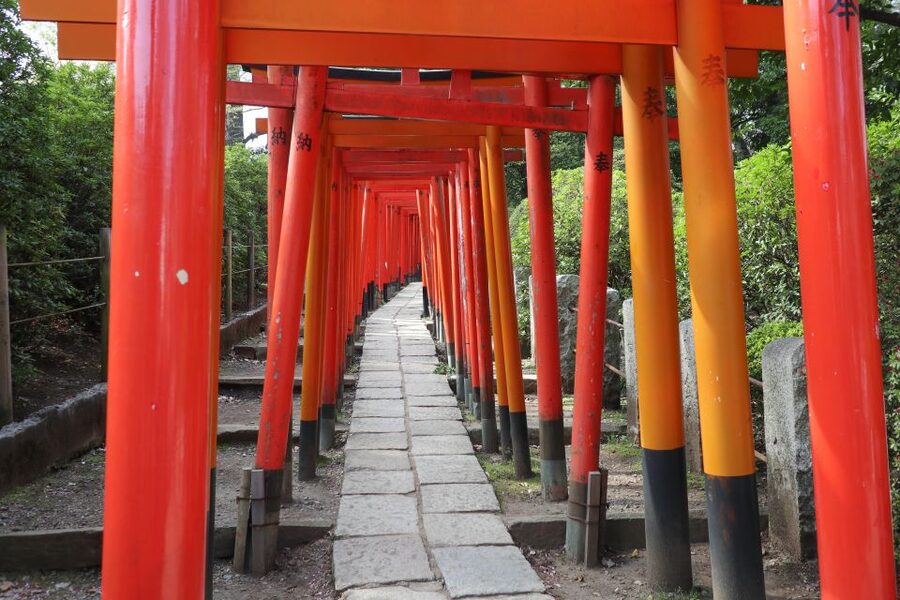
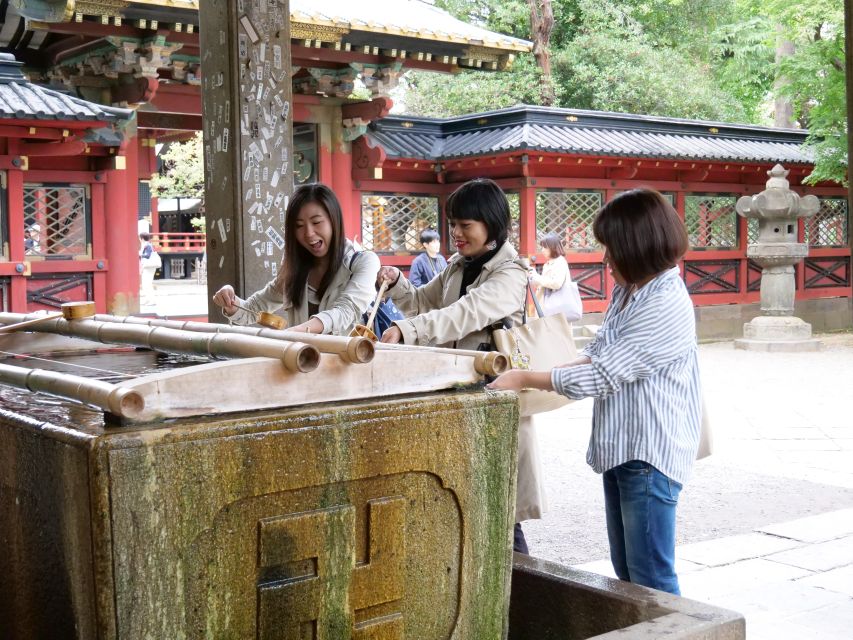
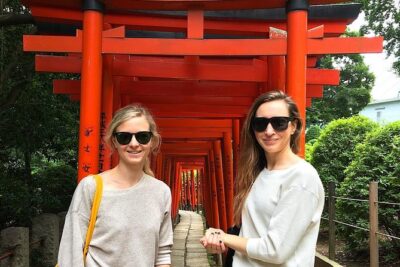
The first major stop is Nezu Shrine, where you spend about 20 minutes. Expect the classic red torii gates, which are exactly the kind of scene that makes Tokyo feel uniquely Japanese in an instantly recognizable way.
This stop is also where the tour gives you more than postcard views. Nezu Shrine is described as the oldest in Tokyo, and the guide shares traditional Japanese perspectives on religion—especially the Shinto side of things.
Why I like this approach: you start with a landmark that helps you interpret the area. When you later walk through backstreets and local shops, you understand what the shrine represents in everyday culture, not just as a sightseeing stop.
Photo-wise, torii gates work best when you arrive early enough to avoid shoulder-to-shoulder crowds. If your group is small and timed well, you’ll have a better chance for clean shots and calmer moments.
Hebimichi backstreet time: learning the neighborhood rhythm
After the shrine, the tour moves into the Hebimichi area for about 45 minutes. This is where the walking tour earns its name as an old-town experience.
Instead of only seeing big structures, you get time to notice small things: how streets connect, how people move through their day, and what kinds of local storefronts appear along the route. The tour focuses on the kind of street life you’d miss if you just followed a map.
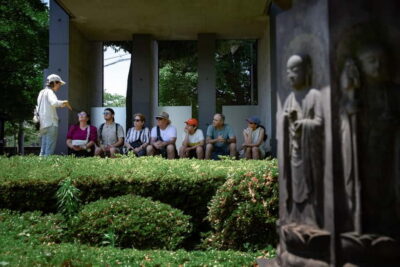
This section is also where your guide’s voice really matters. You get context for what you’re looking at, and you can ask why certain places feel the way they do.
A small consideration: because Hebimichi is part of the neighborhood fabric, you should assume there will be tight sidewalks and some steps or uneven ground. Comfortable shoes are not optional here.
The cafe reset: painting maneki-neko in an old house
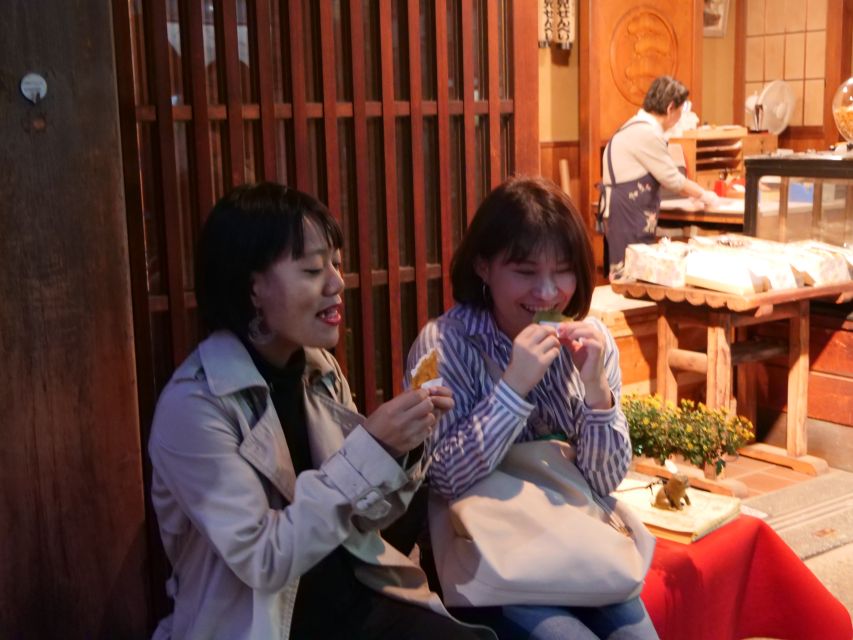
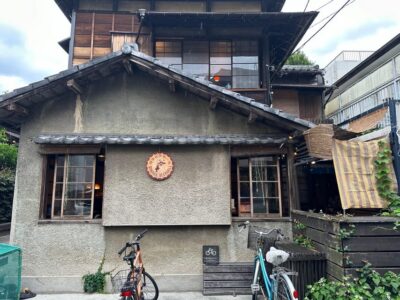
The middle of the tour is built around a break. You spend about 75 minutes at a local cafe for refreshments and the signature activity: painting a lucky cat statue, maneki-neko, in an old-house setting.
This is included in the price. You also get 1 drink and a sweet treat as part of the cafe stop. The activity itself gives you something to do with your hands, which makes the walking feel easier afterward.
Why this part is worth your time: you’re not just sitting. You’re learning a simple craft that connects to a long-running piece of Japanese street symbolism. And since you’re doing it as a group, you’ll often find it’s also the moment you can chat with your guide more informally.
Some past guests have described this stop as a genuinely relaxing pace change—especially after walking many days in Tokyo.
Readers also shortlisted these Tokyo bookings:
- Tokyo Tsukiji Fish Market Food and Culture Walking Tour★ 5.0 · 3,184 reviews
- Tokyo: Imperial Palace and Shogun Historical Walking Tour★ 5.0 · 2,251 reviews
- Tokyo: Shinjuku Local Bar and Izakaya Guided Walking Tour★ 4.9 · 1,794 reviews
- Tokyo: Tsukiji Fish Market Food and Walking tour★ 5.0 · 1,724 reviews
- Tokyo: Asakusa Walking Tour with Sensoji Temple Visit★ 4.8 · 1,583 reviews
Yanaka Ginza and local snacks: old Tokyo tastes, not just views
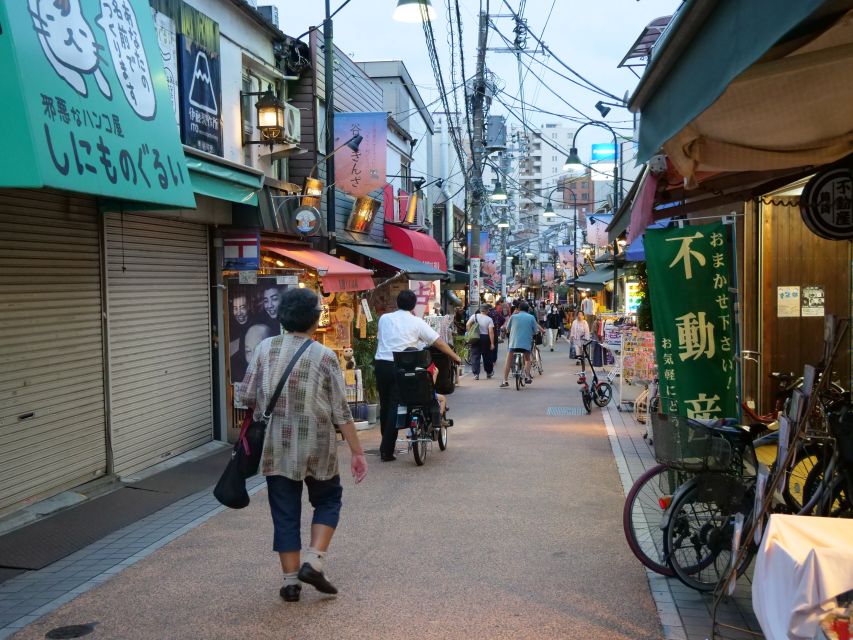
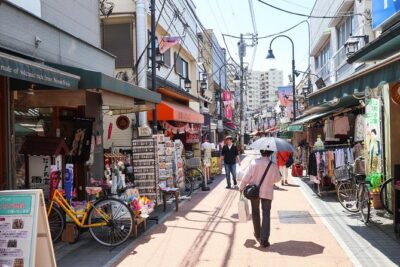
The final stretch focuses on Yanaka District, about 100 minutes, with time that often includes the neighborhood’s food street energy. Yanaka Ginza is highlighted as a key old-town shopping street, and it’s where you’ll do food sampling.
The tour includes local snacks and sweets tastings. In practice, this means you’ll get several small bites, rather than one heavy meal. It’s a smart move for a walking tour because it keeps energy up without slowing you down.
You’re also pointed toward a massive locals-only market with roots going back to the 1940s. Seeing how people shop and snack day-to-day is one of the best ways to understand a neighborhood. It’s also a good reminder that Tokyo’s culture isn’t only museums and monuments—it’s also the daily routine.
A quick note on purchases: extra food and drinks are available to buy, but you should plan to pay with cash. Many older shops don’t accept credit cards, and this tour route leans into that kind of local commerce.
Price and value: how $79 makes sense for this format
At $79 per person for about 210 minutes, you’re paying for a specific package, not just a walk with company. Here’s what that price covers:
- A local guide
- Cafe refreshments: 1 drink + 1 sweet treat
- The lucky cat craft experience (painting)
- Local snack and sweet tastings
- Tour photos
If you were to do those pieces on your own, you’d spend time researching what’s worth your money and your walking fatigue would be higher. The guide also helps you find the right moments—like where to look for the best shrine views or how to shop and taste without guessing.
This is why I think it offers solid value for people who like guided context plus hands-on experiences. You’re not just collecting photos; you’re collecting understanding.
Still, if you prefer a totally self-guided day and you’re comfortable planning shrine stops, market snacks, and craft workshops yourself, the value question depends on how much you’ll actually use the guide.
Pacing, weather, and what to wear for a comfy old-town afternoon
The duration is long enough that your legs will feel it. Past guests repeatedly mention the fact that you’ll be walking, including narrow streets and uneven spots.
Wear comfortable shoes and dress for the weather. Japan’s extremes are real here. Summers can reach 40°C (110°F), and winters can drop to -5°C (20°F), so plan for heat or cold in a neighborhood where you might not want to stop every few minutes.
If the day is hot, bring water even if the tour provides some drinks at the cafe. And consider an umbrella for shade; one guide in past tours even helped someone out when it got scorching.
Who this tour fits best (and who should rethink it)
This is a great match if you want:
- A quieter side of Tokyo that still feels like a real neighborhood
- A shrine visit with cultural context (not just a fast photo stop)
- A mix of walking + food sampling + a hands-on craft
- A small-group pace where your questions get answered
It’s also a good option for solo travelers who want company and structure without being trapped in a huge tour group. The group size is small enough to feel personal, not crowded.
Who should rethink it: the tour notes it isn’t suitable for mobility impairments and includes some places not accessible by wheelchair or stroller. If that applies to you, you may want to choose a different Tokyo tour style.
Should you book Yanaka with MagicalTrip?
If you’re the kind of traveler who likes to see Tokyo beyond the headline districts, I’d book this. The combination of Nezu Shrine, neighborhood streets, a traditional craft break, and Yanaka Ginza snacks gives you a full old-town story in a single afternoon.
If you hate walking, or you’re shopping-only and allergic to cultural explanations, then the format might feel like too much. For most people, though, the small group and the hands-on lucky cat activity make it feel like more than a standard stroll.
If you want a practical final check: plan to bring cash, wear shoes you trust, and arrive on time at Nezu Station Exit 1 so you don’t miss the start.
FAQ
How long is the Yanaka District walking tour?
The tour runs for 210 minutes (about 3.5 hours).
How big is the group?
It’s a small group limited to 7 participants.
Where do we meet?
Meet outside Tokyo Metro Nezu Station Exit 1. Go up the stairs to street level, and look for your guide holding a red/orange MagicalTrip sign.
What’s the tour language?
The live guide provides the tour in English.
What’s included in the price?
Included are the walking tour, a local guide, 1 drink and sweet treat at the cafe, the lucky cat craft (painting), local snack and sweet tastings, and tour photos.
Do I need cash?
Yes. You’re told to bring cash, since many older shops don’t accept credit cards. Extra purchases are not included.
What are the main stops on the itinerary?
You start at Nezu Station, visit Nezu Shrine, walk through Hebimichi, spend time at a local cafe for refreshments and painting, explore Yanaka District (including food sampling), and return to Nezu Station.
Is the tour wheelchair or stroller accessible?
The tour is not suitable for people with mobility impairments, and some included locations are not accessible by wheelchair or stroller.
Can you accommodate allergies or dietary restrictions?
You can’t have a guarantee of allergy-free options or full dietary accommodation. Food is prepared in kitchens outside the tour provider’s control, and substitutions may not be possible at certain stops.
What’s the cancellation policy?
You can cancel for a full refund up to 24 hours before the tour start time.
More Tours in Tokyo
- Mt Fuji and Hakone 1-Day Bus Tour Return by Bullet Train
★ 5.0 · 26,383 reviews - 1-Day Tokyo Bus Tour
★ 5.0 · 14,250 reviews - Tokyo: Shinjuku Food Tour (13 Dishes at 4 Local Eateries)
★ 5.0 · 6,603 reviews - Tokyo Mt Fuji 5th St & Hakone Cruise Bus Tour w/Bullet Train
★ 4.4 · 5,024 reviews - Flagship 2-Hours Official Street Go-Kart Tour – Tokyo Bay Shop
★ 5.0 · 4,974 reviews
More Tour Reviews in Tokyo
- Mt Fuji and Hakone 1-Day Bus Tour Return by Bullet Train
★ 5.0 · 26,383 reviews - 1-Day Tokyo Bus Tour
★ 5.0 · 14,250 reviews - Tokyo: teamLab Planets TOKYO Digital Art Museum Entry Ticket
★ 4.6 · 9,779 reviews - Mt Fuji & Hakone Cruise, Drum Show Bullet Train 1 Day from Tokyo
★ 4.0 · 7,413 reviews - Tokyo: Shinjuku Food Tour (13 Dishes at 4 Local Eateries)
★ 5.0 · 6,603 reviews
More Old Yanaka on Foot
- The Old Quarter of Tokyo – Yanaka Walking Tour
★ 4.5 · 590 reviews - Yanaka Walking Tour: Historic and Traditional District of Tokyo
★ 5.0 · 530 reviews - Tokyo: Old Quarter Yanaka Walking Tour
★ 4.8 · 406 reviews - Tokyo:Stroll in Old traditional culture towns~Yanaka & Nezu
★ 4.9 · 186 reviews - Yanaka Historical Walking Tour in Tokyo’s Old Town
★ 5.0 · 182 reviews
Latest Tokyo reviews off our desk






Yanaka Old Town Walks, compared.
 ★ 4.5The Old Quarter of Tokyo – Yanaka Walking TourFrom $40590 reviews
 ★ 5.0Yanaka Walking Tour: Historic and Traditional District of TokyoFrom $72530 reviews
 ★ 4.8Old Quarter Yanaka Walking TourFrom $32406 reviews
 ★ 4.9Stroll in Old traditional culture towns~Yanaka & NezuFrom $29186 reviews
 ★ 5.0Yanaka Historical Walking Tour in Tokyo’s Old TownFrom $81182 reviews
 ★ 5.0Private Home Cooking in Yanaka – Local Flavors in a Warm SettingFrom $122173 reviews
 ★ 5.0Let’s experience calligraphy in YANAKA, Taito-ku, TOKYO !!From $75127 reviews
 ★ 5.0Discover the Art of Ikebana in Tokyo’s Historic Yanaka DistrictFrom $10860 reviews
Browse the lists this tour appears in