
Reviewed · YANAKA OLD TOWN WALKS
Private Home Cooking in Yanaka – Local Flavors in a Warm Setting
Cooking in Yanaka feels personal fast. This private home lesson turns Tokyo street food favorites into practical, repeatable skills.
I especially like the real-home atmosphere and the way instruction stays hands-on, not lecture-y. The other big win is that you get to pick a menu path (Plan A or Plan B), so the cooking matches what you actually want to eat, from classics like oyakodon to miso-glazed eggplant.
One consideration: the location can be a touch tricky to spot in a residential neighborhood. If you’re late or unsure, call ahead and use the exact meeting point so you don’t waste time hunting.
Why this Yanaka Cooking Class Works
- Private class in Yanaka: only your group, in a small home setting near Yanaka Ginza
- English instruction with Ms Yajima, who’s from the YANESEN area and teaches local Tokyo style
- Menu control with Plan A and Plan B: choose a main (Plan A) or two appetizers (Plan B)
- Dietary requests are supported including allergies, vegetarian, and vegan with advance notice
- You learn techniques, not just recipes (dashi from scratch, oil temperature, kneading, rolling)
- Walkable add-on area: pair it with a stroll in Yanesen afterward
In This Review
- Yanaka, Not the Usual Tokyo Script
- Meeting Point at Yanesen Tourist Info (and the fastest way to find it)
- A Private 2-Hour Class in a Home Kitchen
- Choosing Your Menu: Plan A Main vs Plan B Appetizers
- What You Actually Learn: Techniques Behind the Flavor
- Lunch or Dinner: Eating What You Made (Plus the Yanaka Factor)
- English-Friendly Hosting and Personalized Attention
- How Much It Costs and Why It’s Fair for Tokyo
- Who Should Book This Yanaka Home Cooking Class
- Practical Tips Before You Go (So the Class Starts Smooth)
- Should You Book? My take
- FAQ
- How long is the Yanaka home cooking class?
- Can I choose lunch or dinner?
- Is the class private?
- How do I choose what I cook?
- Can the instructor accommodate dietary restrictions or allergies?
- What happens if the weather is bad or the class needs to be canceled?
Yanaka, Not the Usual Tokyo Script
Yanaka is the Tokyo you come for when you want a slower rhythm. The neighborhood has that downtown, lived-in feel—older streets, local shops, and Yanaka Ginza nearby without the big-tour crush.
This class is set up so you don’t just eat and leave. You cook in a small, home-style workshop and then you get to experience the area around it. It’s also a smart move if you want a break from standing in line for the city’s “must-sees.”
And because the instructor is tied to the YANESEN area, you get more than food talk. You might also hear about day-to-day life and local food trends—enough context to make dishes feel like part of a place, not just something you ordered once.
Meeting Point at Yanesen Tourist Info (and the fastest way to find it)
You start at Yanesen Tourist Information & Culture Center, 3-chōme-13-7 Yanaka, Taito City, Tokyo. The activity ends back at the same meeting point.
In practice, the exact check-in spot can be easy to miss because the area is more residential than “landmark-tour.” One helpful tip that keeps coming up: if you don’t see the right place, call. Staff can guide you and help you get there without stress. Some people also check in at a nearby little coffee shop called ko hi ko jo—so if you see that mentioned when you arrive, follow that lead.
If you’re using public transport, build in a few minutes of buffer. This experience runs on a short, focused schedule, and you don’t want to rush through the first moments.
More slow walks through old Yanaka
- Yanaka Walking Tour: Historic and Traditional District of Tokyo
★ 5.0 · 530 reviews - Tokyo: Old Quarter Yanaka Walking Tour
★ 4.8 · 406 reviews - Tokyo:Stroll in Old traditional culture towns~Yanaka & Nezu
★ 4.9 · 186 reviews - Yanaka Historical Walking Tour in Tokyo’s Old Town
★ 5.0 · 182 reviews
A Private 2-Hour Class in a Home Kitchen
This is a private cooking class, meaning only your group participates. That matters more than it sounds. In a home setup, you can ask questions while you cook, and the pace stays comfortable.
Ms Yajima teaches local Tokyo style and can instruct in English. Reviews also show her classes work well for first-timers because she explains what to do and why it works. You’ll likely spend less time guessing and more time repeating the steps confidently.
The overall vibe is warm and practical. You’re not in a glossy studio with a strict timeline. You’re in an intimate kitchen where the goal is to help you get results you can actually recreate later.
Choosing Your Menu: Plan A Main vs Plan B Appetizers
Here’s where you get control. In your reservation request, tell them your menu wishes, then choose your structure:
- Plan A: Choose 1 from the Main options
- Plan B: Choose 2 from the Appetizer options
Menus can include different Japanese dishes depending on what’s available, but the cooking options you’ll commonly see in their classes include things like:
- oyakodon (chicken and egg over rice)
- nikujaga (meat and potato simmer)
- miso soup, including dashi from scratch
- okonomiyaki
- nasu dengaku (miso-glazed eggplant)
- udon and gyoza
- tempura and even sushi variations
If you have special needs—allergies, vegetarian, or vegan—you can request them. You can talk about menu and requests through the contact form up to 2 days before your cooking day. That’s important: it’s far enough ahead for real adjustments, but not so far that you feel locked in for weeks.
So, before you book, make a short list of what you want most: one comforting main, or a spread of smaller bites. Plan B is especially good if you want variety on your plate.
What You Actually Learn: Techniques Behind the Flavor
This class is built around cooking techniques with live feedback. That’s the real value. Tokyo dishes often taste simple, but the “simple” part comes from doing the basics correctly.
You’ll likely work through skills like:
- chopping and prep methods that change texture
- mixing sauces and seasonings with the right ratios
- making dashi from scratch using ingredients like konbu and bonito flakes (when your menu includes miso soup)
- understanding oil temperature when frying (a key step for tempura or karaage-style dishes)
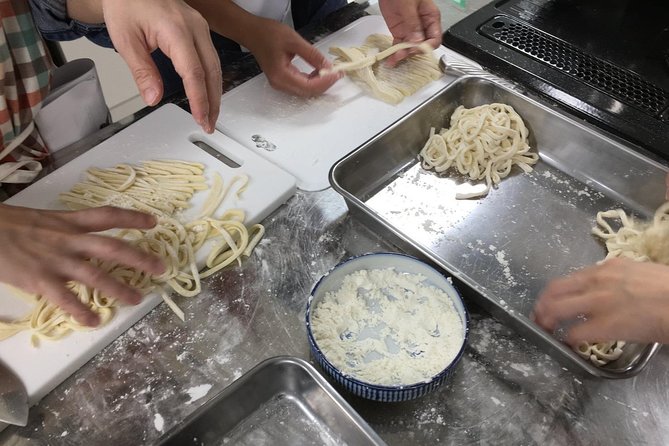
- kneading dough properly (some menus include udon preparation, and you might do traditional kneading in a fun way)
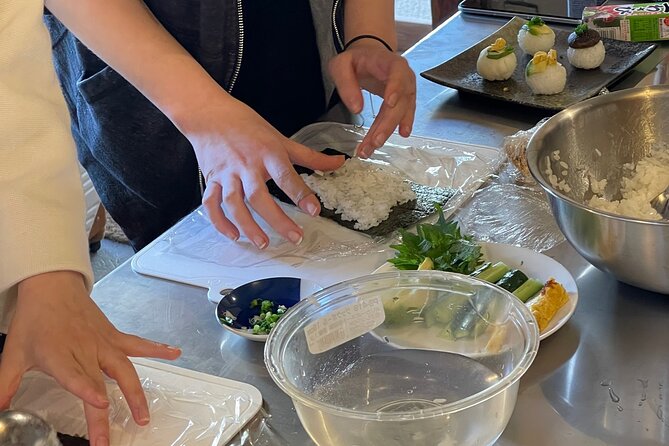
- rolling and shaping items like sushi or bento components
What I like about this approach is how it turns into home success. Once you learn the “why” behind each step, you stop following recipes like a checklist and start cooking like a confident person.
Also, you’ll usually be making enough food for the meal, not just small samples. Many people leave feeling satisfied and like they could cook these dishes again for friends.
Lunch or Dinner: Eating What You Made (Plus the Yanaka Factor)
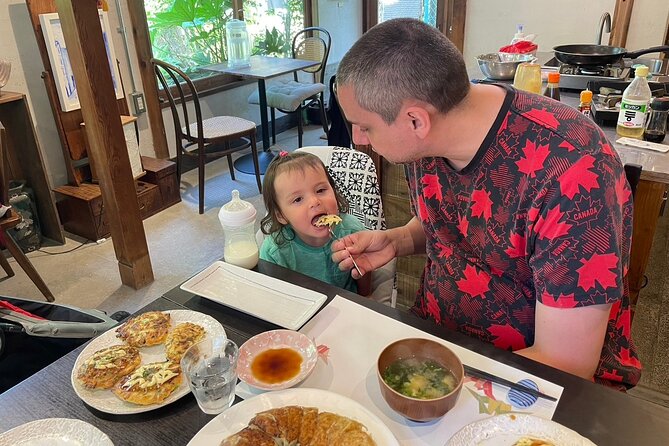
You can choose a lunch or dinner cooking class. That flexibility is useful because it slots into your Tokyo day without forcing you into a weird meal-time gap.
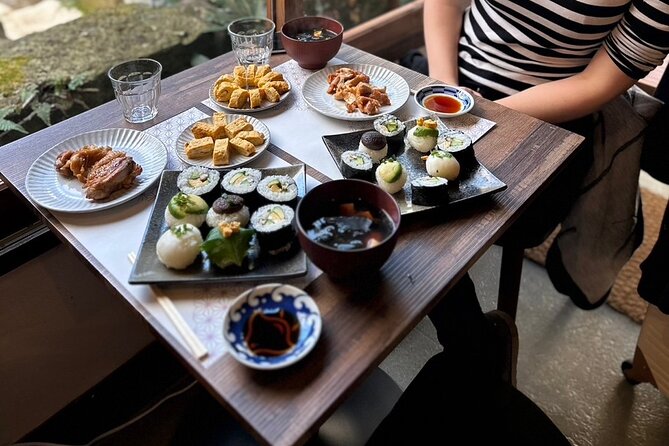
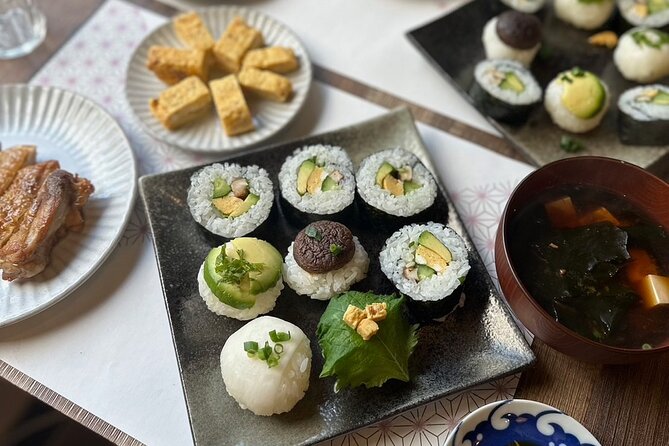
When the cooking wraps up, you eat what you cooked together. This isn’t a quick bite-and-run setup. You should expect a sit-down meal that feels like part of the lesson, not an afterthought.
One nice bonus: the venue is connected to a small shopfront atmosphere, and there can be coffee involved depending on the schedule and how your class day lines up. It’s not the main event, but it’s a pleasant touch when you’re waiting for your meal.
Finally, because the home base sits near Yanaka Ginza, you can tack on an easy walk afterward. You’ll already have local food context in your head, so every snack stop feels more meaningful.
Readers also shortlisted these Tokyo bookings:
- Tokyo 6hr Private Tour with Government-Licensed Guide★ 5.0 · 3,902 reviews
- Private Tour to Mt. Fuji and Hakone (Fully Licenced Operator)★ 5.0 · 1,910 reviews
- Tokyo Customized Private Tour (Must See Places in 1 Day)★ 5.0 · 1,499 reviews
- Mount Fuji Full-Day Private Tour from Tokyo (Customizable)★ 4.9 · 1,470 reviews
- Tokyo: Private City Highlights Tour with Local Guide★ 4.8 · 1,433 reviews
English-Friendly Hosting and Personalized Attention
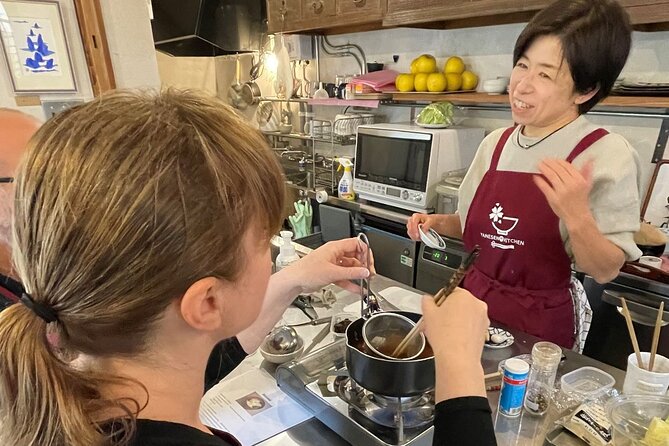
This is where the private setup pays off. Ms Yajima (and assistants on some classes) teach in English and keep the instruction friendly and clear. The result is you spend less time translating and more time cooking.
Another point worth calling out: the teaching style tends to be step-by-step. People mention guidance for things like timing, textures, and troubleshooting as they cook. That kind of feedback is gold if you’re new to Japanese cooking.
You should also plan to leave with usable notes. One recurring theme is that you get a clear recipe plan you can take home and make notes on. That makes it much easier to recreate the flavors later without relying on memory.
How Much It Costs and Why It’s Fair for Tokyo
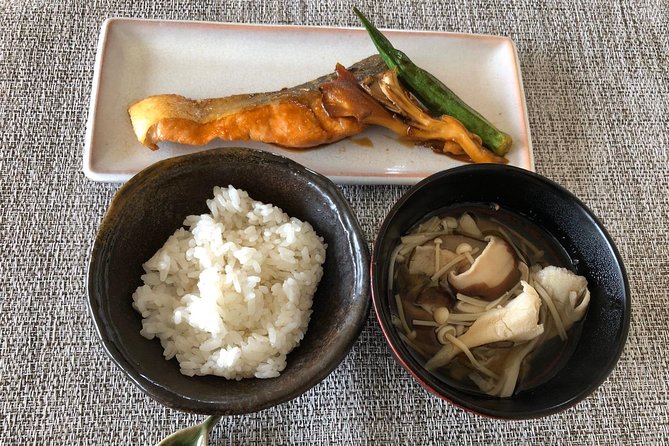
The price is $122.23 per person for about 2 hours. For Tokyo, that sounds like a splurge until you look at what’s included in practice: an English-speaking instructor, a private home lesson, ingredients and preparation support, plus the meal you eat.
This isn’t a huge group experience where the teaching gets diluted. It’s also not just a tasting tour where you leave with food photos and half the story. You leave with skills.
There are also group discounts available, which can make it better value if you’re traveling with friends or another couple. And you get a mobile ticket, which keeps the day simple.
Is it the cheapest activity in Tokyo? No. But if your goal is learning real dishes you can cook at home, the money tends to feel practical.
Who Should Book This Yanaka Home Cooking Class
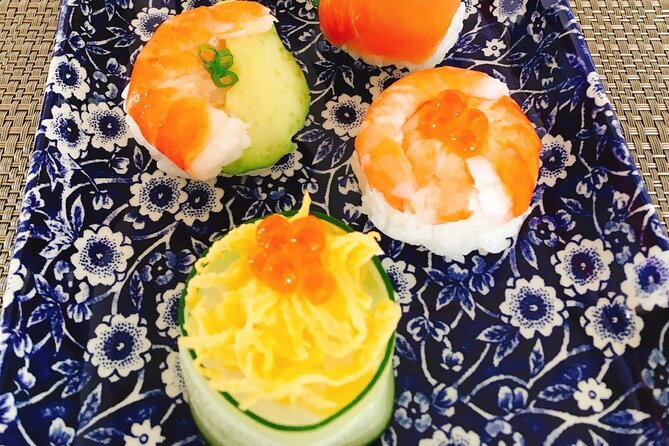
This is a strong match if you want:
- a Tokyo experience that feels local, not checklist-tour
- hands-on cooking instruction in English
- a private class where you can ask questions as you go
- comfort food style Japanese dishes you can recreate after your trip
- flexibility to choose lunch or dinner
- menu options that include mains or a spread of appetizers
It can also work well if you’re traveling solo. The private format means solo travelers still get one-on-one style attention rather than being blended into a large class.
If you’re the type who loves markets and then wants to cook what you find, this fits neatly. You’ll understand what makes ingredients matter, not just what they taste like.
Practical Tips Before You Go (So the Class Starts Smooth)
Here are a few things that will make your experience smoother:
- Pick your Plan A or Plan B early and send your menu requests clearly.
- Tell them about allergies and dietary needs as soon as you can, and confirm details in the contact form up to 2 days before.
- If you arrive and don’t see the right check-in location fast, call for help rather than circling the block.
- Wear comfortable shoes. You’re standing and working in a kitchen space, and some dishes involve hands-on prep and kneading.
- Bring a curious attitude. The best classes are the ones where you ask questions while you cook.
Should You Book? My take
Yes, I’d book this if you want a real cooking lesson in Yanaka. The private home setting, English instruction from Ms Yajima, and the menu choice between Plan A and Plan B make it feel tailored, not generic.
The main reason to pause is location clarity. It’s in a residential neighborhood, so plan to be a little careful at the start. Once you’re in, everything tends to run smoothly and you leave with dishes you can actually remake.
If you’re deciding between another food tour and a cooking class, this one leans more practical. You’re not just eating Japan. You’re learning how to make it.
FAQ
How long is the Yanaka home cooking class?
It runs for about 2 hours.
Can I choose lunch or dinner?
Yes. You can select either a lunch or dinner cooking class to fit your schedule.
Is the class private?
Yes. It’s a private tour/activity, and only your group will participate.
How do I choose what I cook?
You’ll choose based on the workshop plan: Plan A lets you pick 1 main, while Plan B lets you pick 2 appetizers. You should include your menu requests in the reservation form.
Can the instructor accommodate dietary restrictions or allergies?
Yes. Allergies, vegetarian, vegan, and other requests are available. Tell them when you make your reservation, and you can also discuss menu and requests through the contact form up to 2 days before your class.
What happens if the weather is bad or the class needs to be canceled?
The experience requires good weather. If it’s canceled due to poor weather, you’ll be offered a different date or a full refund. If it’s canceled because a minimum number of travelers isn’t met, you’ll also be offered an alternative or a full refund.
More Private in Tokyo
- Tokyo 6hr Private Tour with Government-Licensed Guide
★ 5.0 · 3,902 reviews - Private Tour to Mt. Fuji and Hakone (Fully Licenced Operator)
★ 5.0 · 1,910 reviews - Tokyo Customized Private Tour (Must See Places in 1 Day)
★ 5.0 · 1,499 reviews - Mount Fuji Full-Day Private Tour from Tokyo (Customizable)
★ 4.9 · 1,470 reviews - Tokyo: Private City Highlights Tour with Local Guide
★ 4.8 · 1,433 reviews
More Tour Reviews in Tokyo
- Mt Fuji and Hakone 1-Day Bus Tour Return by Bullet Train
★ 5.0 · 26,383 reviews - 1-Day Tokyo Bus Tour
★ 5.0 · 14,250 reviews - Tokyo: teamLab Planets TOKYO Digital Art Museum Entry Ticket
★ 4.6 · 9,779 reviews - Mt Fuji & Hakone Cruise, Drum Show Bullet Train 1 Day from Tokyo
★ 4.0 · 7,413 reviews - Tokyo: Shinjuku Food Tour (13 Dishes at 4 Local Eateries)
★ 5.0 · 6,603 reviews
More Old Yanaka on Foot
- The Old Quarter of Tokyo – Yanaka Walking Tour
★ 4.5 · 590 reviews - Yanaka Walking Tour: Historic and Traditional District of Tokyo
★ 5.0 · 530 reviews - Tokyo: Old Quarter Yanaka Walking Tour
★ 4.8 · 406 reviews - Tokyo:Stroll in Old traditional culture towns~Yanaka & Nezu
★ 4.9 · 186 reviews - Yanaka Historical Walking Tour in Tokyo’s Old Town
★ 5.0 · 182 reviews
Latest Tokyo reviews off our desk






Yanaka Old Town Walks, compared.
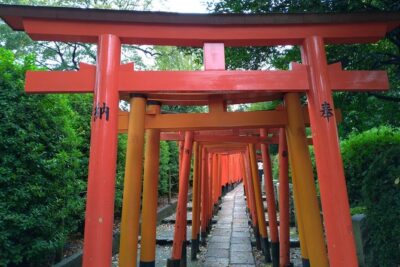 ★ 4.5The Old Quarter of Tokyo – Yanaka Walking TourFrom $40590 reviews
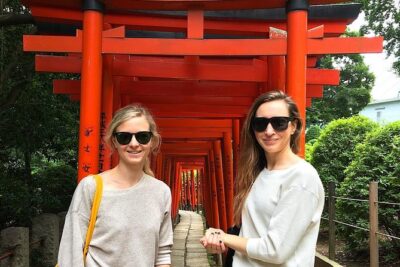 ★ 5.0Yanaka Walking Tour: Historic and Traditional District of TokyoFrom $72530 reviews
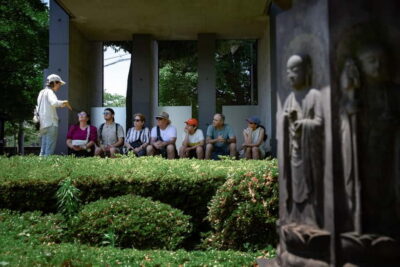 ★ 4.8Old Quarter Yanaka Walking TourFrom $32406 reviews
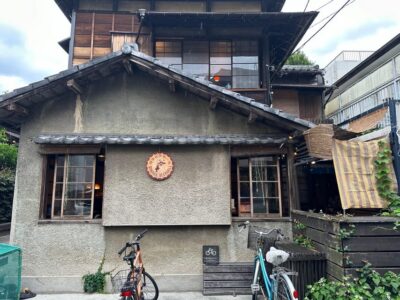 ★ 4.9Stroll in Old traditional culture towns~Yanaka & NezuFrom $29186 reviews
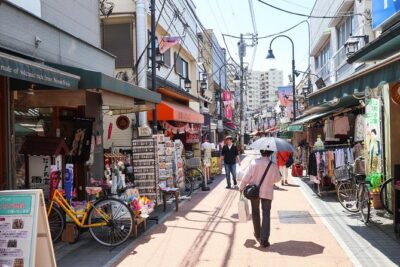 ★ 5.0Yanaka Historical Walking Tour in Tokyo’s Old TownFrom $81182 reviews
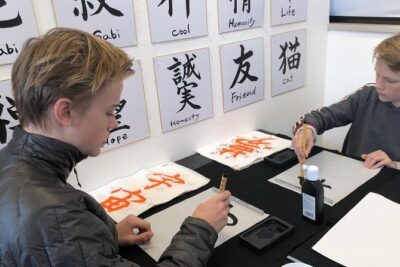 ★ 5.0Let’s experience calligraphy in YANAKA, Taito-ku, TOKYO !!From $75127 reviews
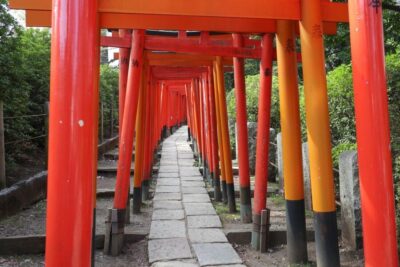 ★ 4.8Yanaka District: Historical Walking Tour in Tokyo’s Old TownFrom $79117 reviews
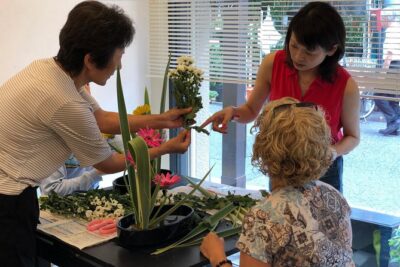 ★ 5.0Discover the Art of Ikebana in Tokyo’s Historic Yanaka DistrictFrom $10860 reviews
Browse the lists this tour appears in