
Reviewed · SAMURAI & NINJA CLASSES
Martial Arts: Samurai Experience (Iaido)
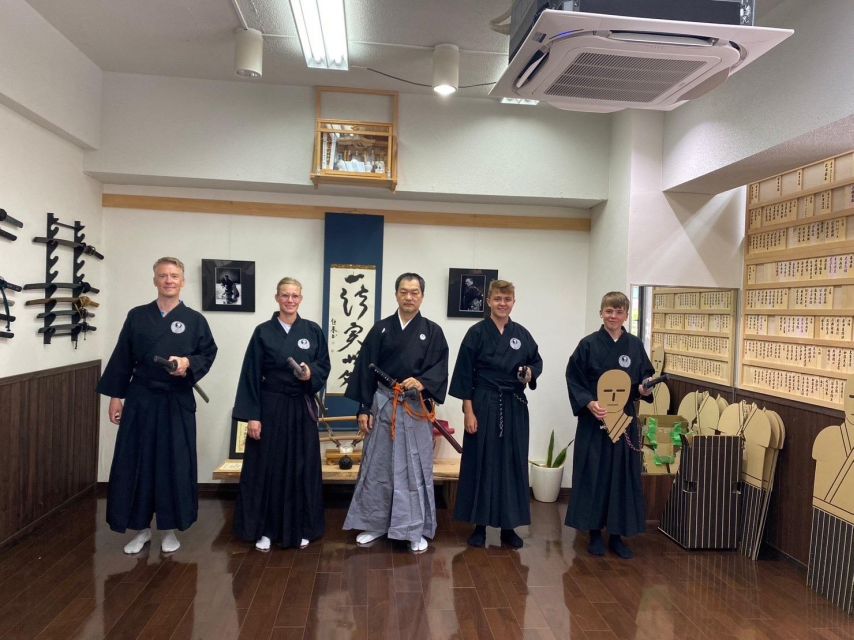
Learn to move like a samurai, without the fantasy fluff. This Iaido session in Japan is built around the first sword technique many people encounter, with hands-on instruction from an English- and Japanese-speaking instructor, plus katana rental and a real-sword moment with the master.
Two things I really like here are the focus on fundamentals (so you’re not just waving a sword around), and the chance to watch the master perform with shinken and then ask questions afterward. One consideration: you’ll need comfortable clothes and you should be ready for a physical day of practice in a dojo setting, not a casual sit-and-watch tour.
In This Review
- What makes this Iaido experience special (quick hits)
- Turning Into a Samurai: What the Iaido Day Feels Like
- Meeting at the 3rd Floor Dojo and Getting Set Up
- Outfit Change and Etiquette: Where the Training Starts
- Fundamental Movements First: Learning the Basics That Matter
- Katana Practice: From Handling to Technique Use
- The Master’s Shinken Moment: Real-Sword Performance
- Commemorative Photos and the Social Side of Training
- Q&A Time: Turning Confusion Into Clear Answers
- Price and Value: Is $161 Worth It?
- Who This Suits Best (and Who Should Skip It)
- What to Bring (and How to Plan Your Day)
- Should You Book the Samurai Iaido Experience?
- FAQ
- How long is the Iaido Samurai Experience?
- What is included in the $161 price?
- Do I need to bring my own sword or outfit?
- What should I wear?
- Is this suitable for children?
- Is hotel pickup included?
What makes this Iaido experience special (quick hits)
- Hands-on Iaido basics: you start with fundamental movements before katana practice
- Shinken master performance: you get to see the real-sword demonstration
- Katana + outfit are included: you won’t spend your day hunting gear
- Commemorative photos: you get a keepsake with the master after the demo
- Q&A with the instructors: you can clear up technique and history questions in plain language
Turning Into a Samurai: What the Iaido Day Feels Like
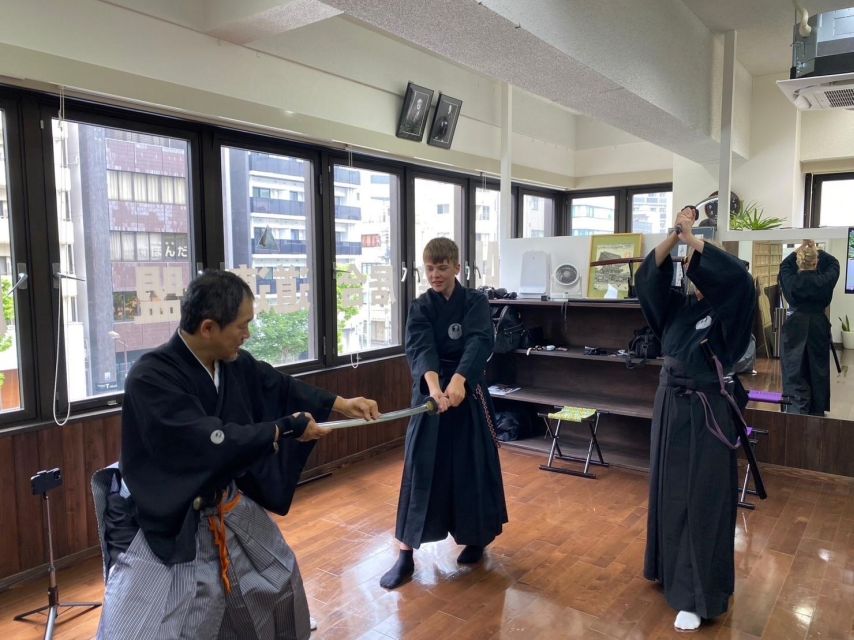
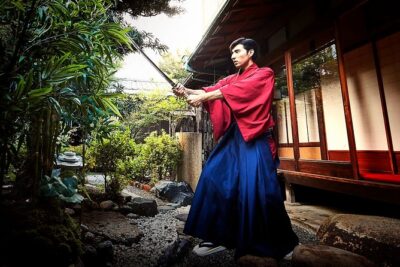
This isn’t a themed “costume and photo” outing. The day is structured like training: change into an outfit, learn movements, practice with a katana, then watch the master’s form with shinken. If you’ve ever been curious about why Japanese sword arts emphasize control and timing, you’ll feel that shift quickly.
Iaido is often described as sword technique—focused, deliberate, and meant to be practiced with discipline. You’re learning more than how to hold a sword. You’re learning a way of moving that grew out of samurai training, then kept alive through organizations that teach Iaido worldwide.
More blade-and-dojo sessions, reviewed
- Tokyo: Samurai Ninja Museum Guided tour and Experience
★ 4.6 · 1,010 reviews - Tokyo: Samurai Sword & Archery Class from Samurai Descendant
★ 5.0 · 603 reviews - Best Samurai Experience in Tokyo
★ 5.0 · 458 reviews - Ninja Experience (Family Friendly) at Samurai Ninja Museum TOKYO
★ 5.0 · 441 reviews
Meeting at the 3rd Floor Dojo and Getting Set Up
The session starts at the meeting point building, and the Iaido class is held on the 3rd floor. That detail matters because you’ll want to arrive early enough to find the right spot, check in calmly, and get ready to change.
Once you’re in, you’ll move through a clear routine. First comes outfit changes, then the fundamentals. The plan is designed so you don’t feel thrown directly into katana handling. Still, because you’ll be practicing, comfortable clothing is your best friend for the whole day.
Practical tip: if you’re the type who likes to plan everything, do yourself a favor and treat this like a real class. Show up rested, and don’t wear stiff or overly complex outfits that make changing annoying.
Outfit Change and Etiquette: Where the Training Starts
Before any sword work, you’ll change into the rental outfit and then get oriented at the dojo. Even if you’re new, this portion is more than “getting dressed.” It’s when you begin to switch mindsets—from sightseeing mode to training mode.
You’ll also get guidance on how to handle the space and your movements. The session is led by an instructor who teaches in English and Japanese, which is especially helpful if you’re still learning the vocabulary around what you’re doing.
A nice part of this format is that it keeps the day grounded. You’re not drifting from one activity to another. You’re building a sequence: body position, movement basics, then sword technique.
Fundamental Movements First: Learning the Basics That Matter
The first real training block is dedicated to fundamental movements. This is where you learn the shapes and timing behind the kata-like motions of Iaido, before you add the complication of drawing and using a katana.
Why this matters: sword arts can look simple when someone else performs them. Up close, you realize posture, distance, and control decide whether the technique works—or just looks good in video. Starting with basics helps you avoid the common beginner trap: focusing on the sword while ignoring the body.
You’ll practice core motions with guidance from the master/instructor. Expect the teaching to be clear and structured, the kind of instruction that aims to make you understand what you’re doing, not just copy it.
Katana Practice: From Handling to Technique Use
After the fundamentals, you move into katana practice. The itinerary includes learning the usage of the katana and then practicing it—so you’re not just shown once and sent away.
This stage is where your day shifts into something very memorable. You’re learning how to coordinate your hands, arms, and stance with the sword technique itself. And you’ll get to do it with rental equipment, so you’re not stuck renting elsewhere or worrying about what fits.
One thing to keep in mind: even if you’re physically comfortable, sword practice can be mentally intense. You’ll likely concentrate on form, follow cues, and adjust quickly. If you like hands-on learning, this is the part that usually makes the day “click.”
- Tokyo: Shinjuku Food Tour (13 Dishes at 4 Local Eateries)★ 5.0 · 6,603 reviews
- Tokyo Mt Fuji 5th St & Hakone Cruise Bus Tour w/Bullet Train★ 4.4 · 5,024 reviews
- Flagship 2-Hours Official Street Go-Kart Tour – Tokyo Bay Shop★ 5.0 · 4,974 reviews
- From Tokyo: Mount Fuji Full-Day Sightseeing Trip★ 4.5 · 4,970 reviews
- Tokyo: Hop-On Hop-Off Sightseeing Bus Ticket★ 3.9 · 4,207 reviews
The Master’s Shinken Moment: Real-Sword Performance
At the heart of the experience is watching the master perform with shinken (a real sword). This isn’t just a demo for show. The point is to show how the movements connect—how technique looks when it’s done with precision and intent.
Past participants consistently highlight the impact of this segment: you see what the training is aiming for. The master’s performance gives you a live model for the discipline you practiced earlier, and it also helps you understand what to pay attention to during your own practice.
There’s also a strong emphasis on watching others perform. In the later portion of the experience, you may see demonstrations from the pupils as well—so you get a sense of how the art looks in group practice and progression, not just one person showing off.
What to watch for: don’t only look at the sword. Watch the feet, the posture, and the calm control right before and after each technique.
Commemorative Photos and the Social Side of Training
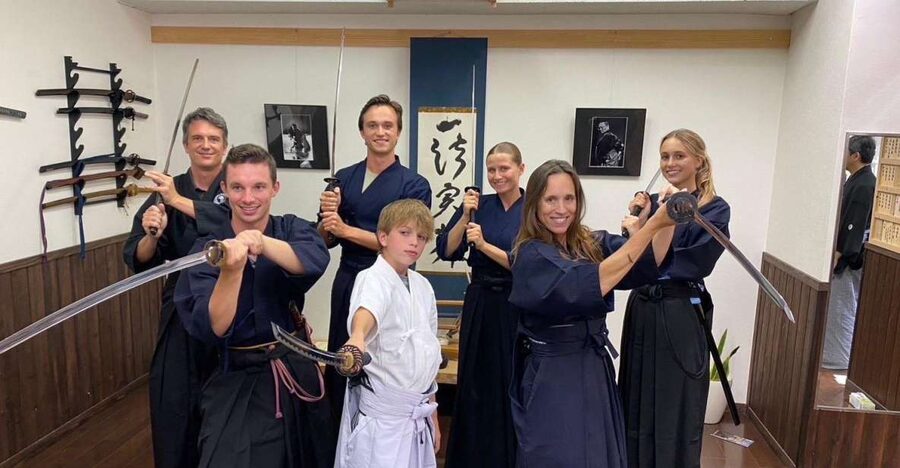
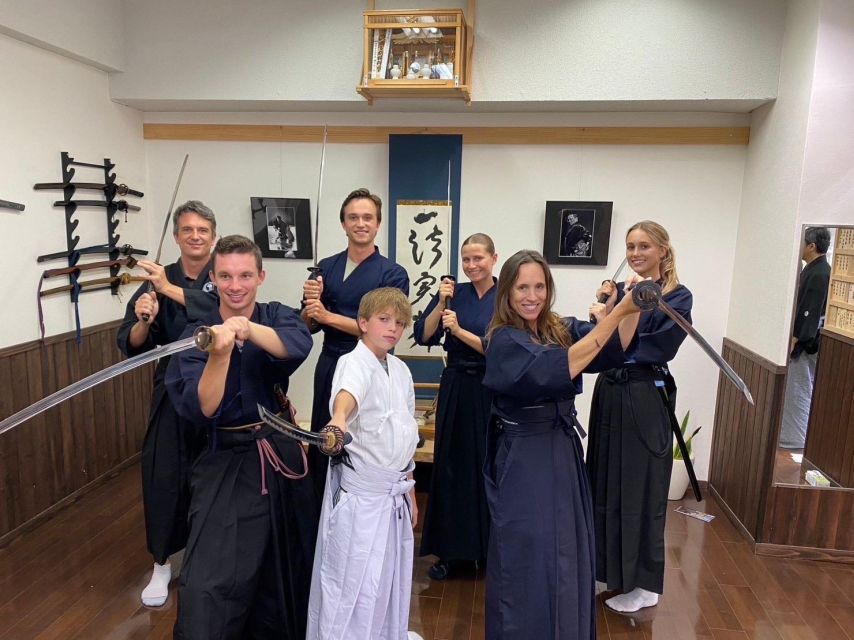
After the performance portion, you’ll have commemorative photos with the master. This is a fun, practical payoff: you get a reminder of the day that doesn’t rely on blurry street photos.
The tone here tends to be warm and encouraging. Training isn’t often that social, but the format makes space for you to interact respectfully and get a keepsake before you move on to questions.
Q&A Time: Turning Confusion Into Clear Answers
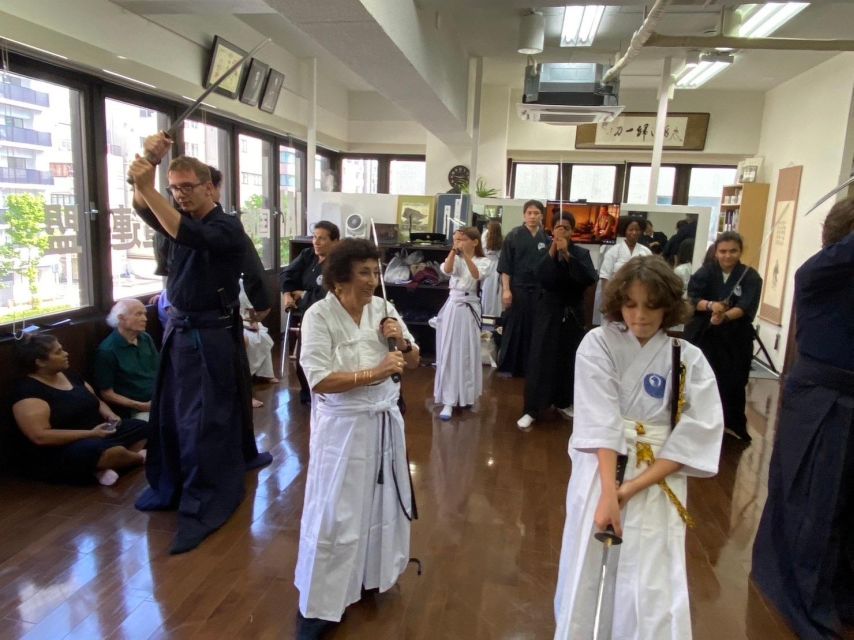
The day wraps with Q&A with the instructor(s). This is a great chance to ask the questions you actually have after watching shinken performance and practicing fundamentals—like what to focus on, how to think about timing, or how the training connects to samurai tradition.
You can also use this time to make sense of the “samurai spirits” theme. The session frames samurai pride and spirit as something carried through generations, and the Iaido structure is presented as a way to pass on practice worldwide. In the Q&A, you get direct answers rather than guessing from the internet.
This is also where the experience feels extra “human.” The instruction team is set up to answer questions, not brush them off. If you’re trying to understand more than just the mechanics, this portion makes the difference between a nice activity and a memorable one.
Price and Value: Is $161 Worth It?
$161 for a one-day Iaido session feels like a “real class” price, not a generic tour fee—and that matters. The value here comes from what’s included and what you actually do.
Included in your price:
- activity fee
- rental outfits and katana
- travel insurance
Not included:
- food and drinks
- hotel pick-up and drop-off
So you’re paying for guided instruction, equipment, and a structured training day with a real-sword performance and photos. That’s a lot more than an activity where you only watch or do a quick trial.
Where you might feel the cost more: since food and drinks aren’t included, you’ll want to plan a meal before or after. Also, without hotel pick-up, you need to reach the meeting point on your own.
Bottom line: if you want hands-on learning and a shinken demonstration, the price is easier to justify. If you only want a quick photo and don’t care about technique, you may feel it’s more than you need.
Who This Suits Best (and Who Should Skip It)
This is a good fit if you:
- love Japanese culture and want more than surface-level sightseeing
- enjoy structured classes and learning by doing
- like the idea of training with a katana and getting guidance on fundamentals
It’s also a nice match for history buffs who like practical context. The day connects the samurai era theme to an actual training method, not just storytelling.
Who should skip or reconsider:
- children under 5
- wheelchair users (not suitable)
- anyone expecting a mostly passive experience
Also, if you’re traveling with knee, shoulder, or balance issues, sword practice can still be manageable—but the day involves physical movements. Comfortable clothing helps, but your body readiness matters more than anything.
What to Bring (and How to Plan Your Day)
The only required item listed is comfortable clothes. That’s smart advice because you’ll change outfits and practice movements in a dojo environment. Bring clothes that let you move easily and don’t make you fidget.
Beyond that, plan your timing around food. Since food and drinks aren’t included, eat beforehand or plan to grab something nearby after the activity. The session also ends back at the meeting point, so it’s easy to continue your day once it’s done.
If you like flexibility, note that you can reserve and pay later. There’s also free cancellation up to 24 hours in advance for a full refund, so if your schedule might shift, this is one of the safer “book now, decide later” options.
Should You Book the Samurai Iaido Experience?
Book it if you want a real technique-focused day. You’ll learn fundamental Iaido movements, practice with a katana, watch a shinken performance by the master, get photos, and finish with a Q&A. That combination—training, demonstration, and direct questions—makes it feel complete.
Skip it if you’re chasing a relaxed, sightseeing-only afternoon. This is a class format. You’ll get value from participating, not just watching.
If you’re on the fence, make it an easy yes if you care about Japanese martial arts and want the “how” behind the samurai image. This day is built to teach you the first steps, with enough structure to make your effort feel worthwhile.
FAQ
How long is the Iaido Samurai Experience?
It runs for 1 day. Exact starting times depend on availability.
What is included in the $161 price?
The price includes the activity fee, rental outfits and katana, and travel insurance.
Do I need to bring my own sword or outfit?
No. Rental outfits and a katana are provided as part of the experience.
What should I wear?
Wear comfortable clothes. You’ll change into the rental outfit on site.
Is this suitable for children?
It’s not suitable for children under 5 years.
Is hotel pickup included?
No. Hotel pick-up and drop-off are not included, and the experience ends back at the meeting point.
More Tour Reviews in Tokyo
- Mt Fuji and Hakone 1-Day Bus Tour Return by Bullet Train
★ 5.0 · 26,383 reviews - 1-Day Tokyo Bus Tour
★ 5.0 · 14,250 reviews - Tokyo: teamLab Planets TOKYO Digital Art Museum Entry Ticket
★ 4.6 · 9,779 reviews - Mt Fuji & Hakone Cruise, Drum Show Bullet Train 1 Day from Tokyo
★ 4.0 · 7,413 reviews - Tokyo: Shinjuku Food Tour (13 Dishes at 4 Local Eateries)
★ 5.0 · 6,603 reviews
More Samurai and Ninja Sessions
- Tokyo: Samurai Ninja Museum Guided tour and Experience
★ 4.6 · 1,010 reviews - Tokyo: Samurai Sword & Archery Class from Samurai Descendant
★ 5.0 · 603 reviews - Best Samurai Experience in Tokyo
★ 5.0 · 458 reviews - Ninja Experience (Family Friendly) at Samurai Ninja Museum TOKYO
★ 5.0 · 441 reviews - Tokyo: Samurai Entertainment Night Show in Kanda Shrine
★ 4.6 · 417 reviews
Latest Tokyo reviews off our desk






Samurai & Ninja Classes, compared.
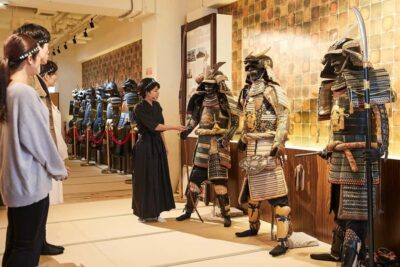 ★ 4.6Samurai Ninja Museum Guided tour and ExperienceFrom $271,010 reviews
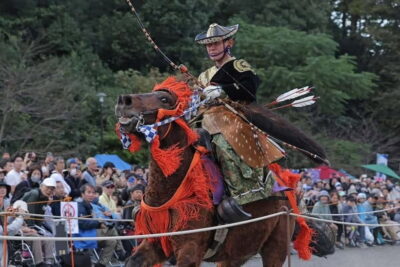 ★ 5.0Samurai Sword & Archery Class from Samurai DescendantFrom $193603 reviews
 ★ 5.0Best Samurai Experience in TokyoFrom $65458 reviews
 ★ 5.0Ninja Experience (Family Friendly) at Samurai Ninja Museum TOKYOFrom $47441 reviews
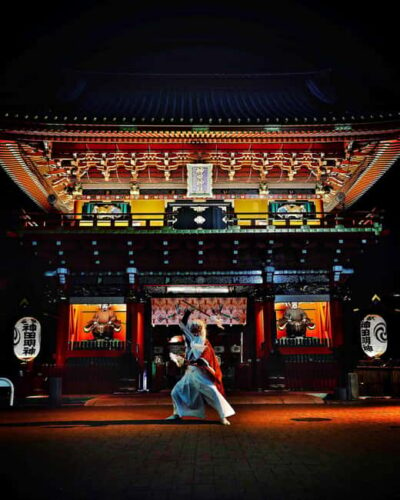 ★ 4.6Samurai Entertainment Night Show in Kanda ShrineFrom $41417 reviews
 ★ 4.2Ninja Kabuki PerformanceFrom $29330 reviews
 ★ 5.0Tokyo Sword Experience – includes Museum Ticket/Ninja ExperienceFrom $84314 reviews
 ★ 4.8Samurai Ninja Museum Asakusa: Samurai Sword Lesson & TourFrom $63306 reviews
Browse the lists this tour appears in