
Reviewed · SAKE TASTING
Nagano: Snow Monkeys, Zenkoji Temple & Sake Day Trip
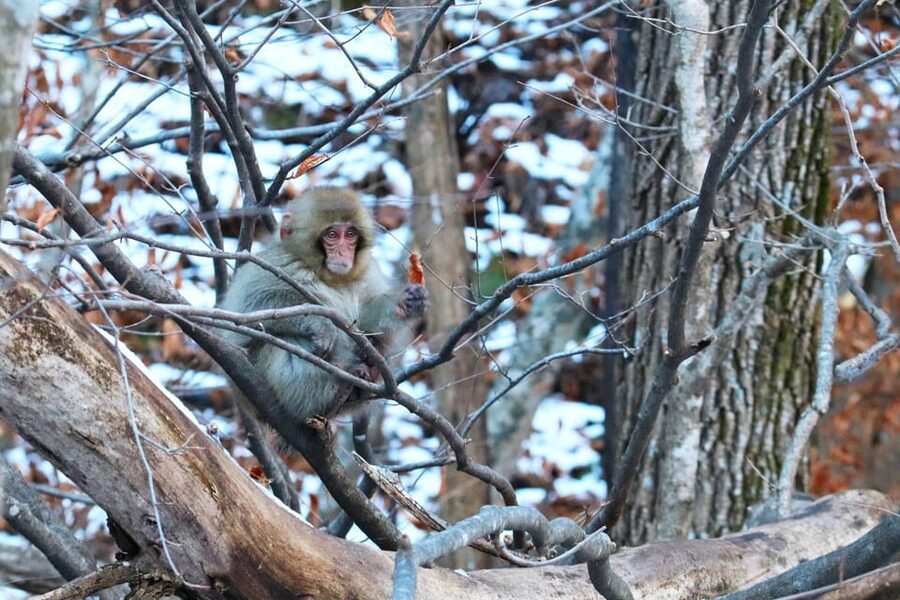
Snow monkeys in winter sounds like a movie trick, but it’s very real. I love the Jigokudani Snow Monkey Park for the warm-hot-spring behavior in freezing snow, and I love the Zenkoji Temple stop for its old wooden gravitas and the strange, pitch-dark Okaidan Passage; the only real drawback is the long driving day (especially if you start in Tokyo).
This tour works because you’re not squeezed onto a schedule that fights you. With a private car and an English-speaking driver, you can move at a sane pace and get on-the-ground help, like Busal steering people toward a great lunch spot, or Sikandar adding extra time so you can actually breathe between sights. If you get motion-sick easily or you’re short on stamina, plan for that travel time upfront.
In This Review
- Key Highlights You’ll Care About
- A Private Car That Actually Helps in Winter
- Jigokudani Snow Monkey Park: The Hot-Spring Moment
- Zenkoji Temple and the Okaidan Passage: Old Belief With Real Drama
- Shibu Onsen: Winter Streets, Steam, and Easy Relaxing Time
- Obuse and Yamanouchi: Edo-Era Charm and Local Flavor Stops
- Matsushiro Castle Ruins: The Optional Samurai-Era Bonus
- Time on the Road: What to Expect Starting From Tokyo
- Price and Value: $525 for Up to 6
- Who This Tour Fits Best
- Should You Book This Nagano Winter Day Trip?
- FAQ
- What does the tour include?
- Where can I start the tour?
- How big is the group?
- Is the itinerary fixed?
- Are there any animal-related limits?
- What should I bring?
- Is smoking allowed?
- What languages are available?
- Is the Snow Monkey Park visit definitely part of the day?
- Can I cancel or change plans?
- Is Matsushiro Castle Ruins included?
Key Highlights You’ll Care About
- Jigokudani Snow Monkey Park, hot-spring watching in real snow
- Zenkoji Temple’s Okaidan Passage, a dramatic experience of darkness and meaning
- Shibu Onsen walking time, with traditional streets and winter steam
- Obuse stops for Edo-era charm, chestnuts, and Hokusai-focused culture
- Optional Matsushiro Castle Ruins for samurai-era atmosphere
- Private driver service with customizable pacing
A Private Car That Actually Helps in Winter
Nagano in winter is gorgeous, but it’s also cold, slow, and full of road time. The big win here is that you’re traveling by private transportation in a comfortable car with an English-speaking driver, so you’re not juggling transfers while your hands are busy staying warm.
I also like the fact that the tour is fully customizable. That doesn’t mean it’s vague; it means your driver can help shape timing around what you care about most—extra minutes at the monkeys if you’re really into wildlife, or a bit more wandering time when you want to linger.
One practical note: entrance fees aren’t included, so you’ll want to budget for tickets at each stop. (It’s common in Japan, but it’s good to know before you arrive with a card full of optimism.)
Readers also shortlisted these Tokyo bookings:
- Tokyo: Shinjuku Food Tour (13 Dishes at 4 Local Eateries)
★ 5.0 · 6,603 reviews - Tokyo Tsukiji Fish Market Food and Culture Walking Tour
★ 5.0 · 3,184 reviews - Tokyo: Shinjuku Food Tour (15 Dishes and 4 Eateries)
★ 4.9 · 2,033 reviews - Best of Shinjuku: Izakaya Food Tour (4 Stops, 14+ Tastings)
★ 5.0 · 1,863 reviews
Jigokudani Snow Monkey Park: The Hot-Spring Moment
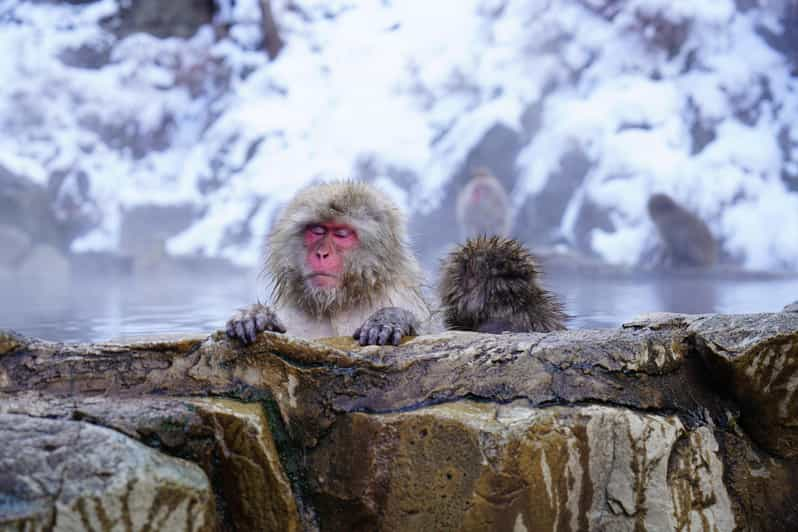
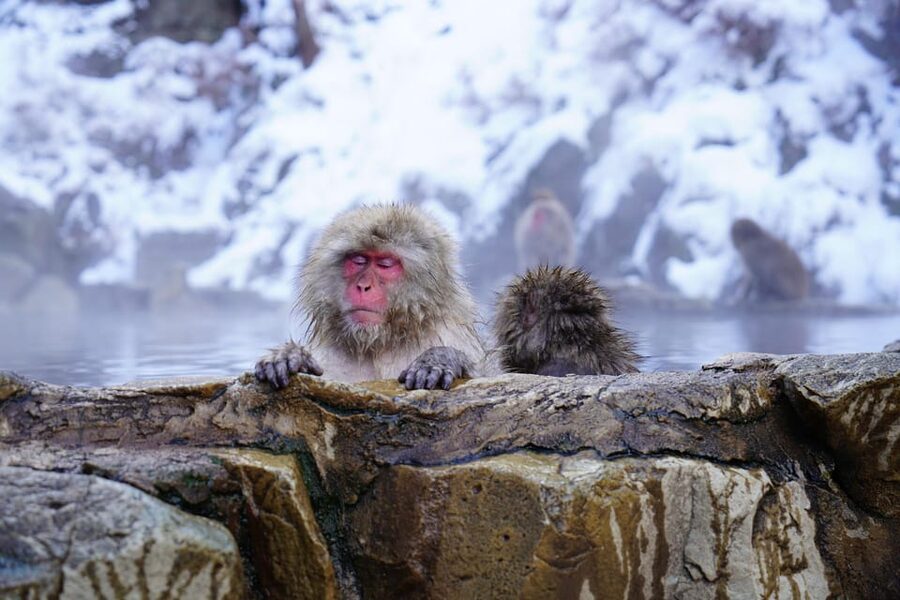
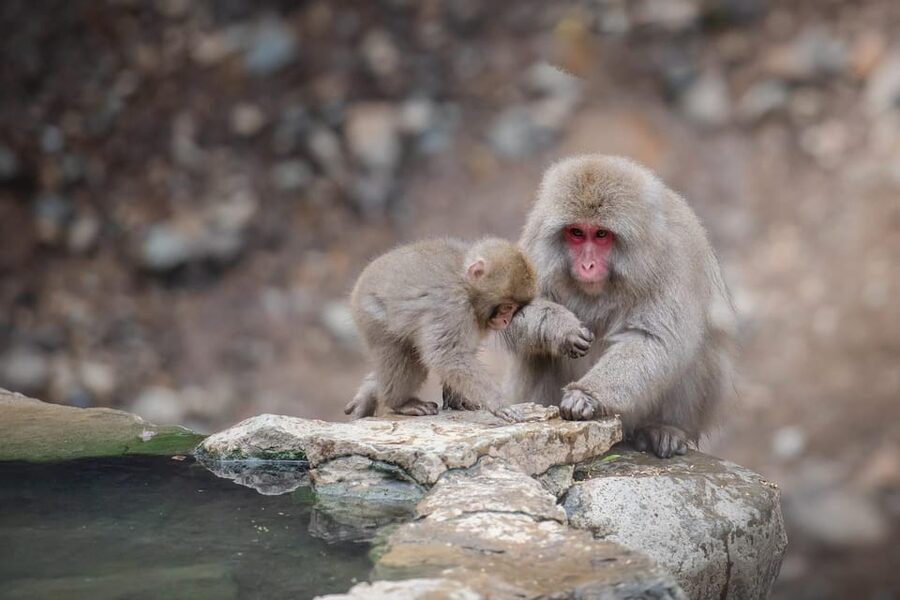
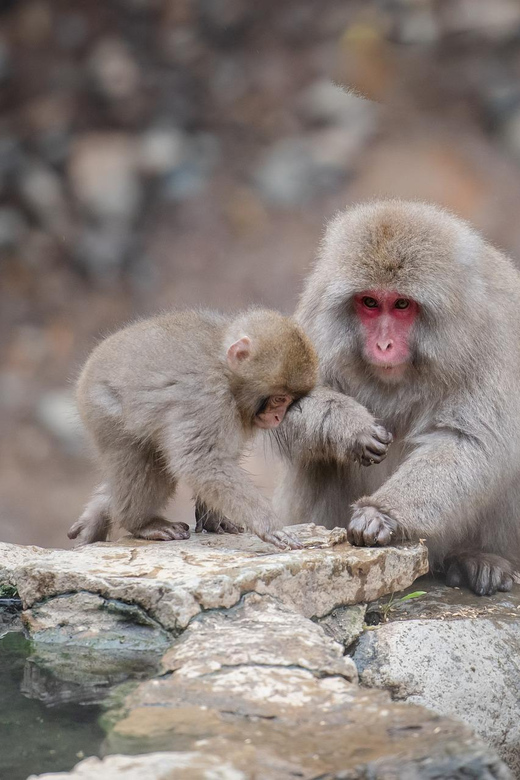
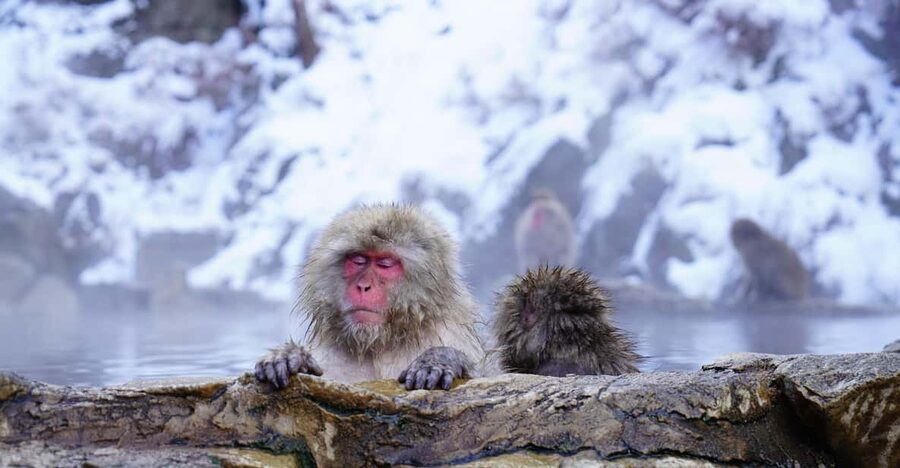
The day’s star is Jigokudani Snow Monkey Park, where Japanese macaques—famous as snow monkeys—soak in hot springs while winter snow piles up around them. The experience works because it’s not just watching animals. You get that mix of forest quiet, slow steam rising, and then the monkeys’ casual routines—sometimes social, sometimes just very focused on staying warm.
You’ll walk up via a forest trail to reach the park. The cold air makes everything feel sharper, and you get views along the way that build anticipation before you even see the hot spring scene.
What I love is how relaxed the monkeys look. They’re not performing for you. They’re doing their thing, and that’s what makes your photos look more real than the usual zoo-style snapshots. If you’re bringing kids, this is the kind of attraction that earns genuine wide-eyed attention without extra explanations.
If you have animal allergies, this stop can be a problem. The tour isn’t positioned as a “no worries, safe distance” kind of outing—this is a direct wildlife experience.
Zenkoji Temple and the Okaidan Passage: Old Belief With Real Drama
After the monkeys, you get a sharp mood shift to Zenkoji Temple, one of Nagano’s best-known Buddhist sites. What stands out is the temple’s grand wooden architecture and detailed craftsmanship. Even if you’re not a temple expert, you can tell this isn’t casual building—it’s meant to last and to make a statement.
The most memorable feature is the Okaidan Passage, the pitch-black corridor under the main hall. It’s famous because it turns walking into a small, physical lesson. You’re literally moving through darkness, which fits the temple’s symbolism of a journey toward enlightenment, including the idea of seeking the key to paradise.
It’s not scary in a horror-movie sense, but it is memorable. You’ll feel your sense of direction slow down, and that makes the whole visit more than just sightseeing photos. If you like moments where you can pause and reset, this is the stop for it.
You might also get a chance to see traditional Buddhist prayers in the temple environment, which adds atmosphere without needing any extra setup from you.
Shibu Onsen: Winter Streets, Steam, and Easy Relaxing Time
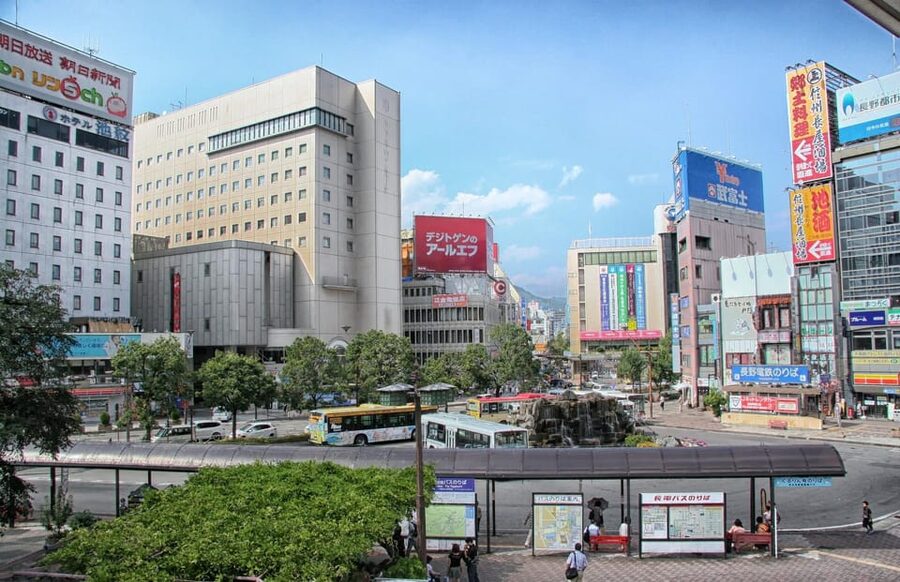
Next comes Shibu Onsen, a historic hot spring town where the winter air seems to mix with steam from bathhouses. I like this stop because it’s not about rushing to a single landmark. It’s about walking and letting the old-town feel catch up with you.
You’ll stroll through traditional streets lined with ryokans (traditional inns). Even when it’s cold outside, you can sense the comfort theme everywhere. Look for steam drifting from onsen areas and the cozy rhythm of a town built around bathing.
If you want it, you may have time for an optional private soak in the hot springs. That’s one of those rare tourism add-ons that can be genuinely worth it, because it turns the cold day into an immediate reward. Just keep your timing in mind—on a full-day tour, the best move is to reserve your energy so you’re not exhausted later.
Obuse and Yamanouchi: Edo-Era Charm and Local Flavor Stops
As you move around Nagano, the route often includes Obuse, a town known for Edo-era charm and seasonal treats. One thing you’ll likely notice is the food culture feeling close to the street—chestnut is a big clue for the season, and it tends to make Obuse feel even more “winter Japan” than a generic shopping stop.
You may have time around the Hokusai Museum, which focuses on Katsushika Hokusai. If you like art, even a short visit can add texture to the day—Nagano isn’t only snow and temples. It also has creative connections.
If you don’t do the museum, Obuse still works because there are quaint streets with shops and cafes and even sake-related stops. This is where your driver’s advice matters too. For example, Busal’s restaurant recommendation for lunch made the day smoother, because it’s easier to eat well when someone local points you toward a place that fits the time you actually have.
Some versions of the day also include time through Yamanouchi, a mountain town area known for views and day-to-day local life. You’ll feel the geography here—Nagano isn’t flat, and the mountains shape the pace of everything.
Readers also shortlisted these Tokyo bookings:
- Best of Shinjuku: Izakaya Food Tour (4 Stops, 14+ Tastings)★ 5.0 · 1,863 reviews
- Tokyo: Shinjuku Local Bar and Izakaya Guided Walking Tour★ 4.9 · 1,794 reviews
- Tokyo: Shinjuku Local Bar & Izakaya Crawl Tour★ 5.0 · 890 reviews
- Shibuya: Local Bar & Izakaya Crawl★ 4.9 · 354 reviews
- Ramen and Sushi Cooking Class with Sake Pairing Set in Tokyo★ 5.0 · 291 reviews
Matsushiro Castle Ruins: The Optional Samurai-Era Bonus
There’s an optional add-on for Matsushiro Castle Ruins. I like having it as an option because it adds a different flavor: less hot springs, more historical atmosphere.
Even without a deep background in samurai history, castle ruins can be surprisingly grounding. You get a sense of scale and strategy in the way places were built, and in winter the contrast between stone, snow, and bare branches can look dramatic.
If you’re most interested in wildlife and temples, you can skip it to protect energy. If you want a history-minded finish, it’s a good way to round out the day without turning the tour into a museum marathon.
Time on the Road: What to Expect Starting From Tokyo
This is a full-day outing, and travel time is real. The drive from Tokyo to Nagano is about 3.5 hours, which is substantial when you’re also planning for walking and sightseeing.
You should treat this as a “start early, stay warm, keep your schedule flexible” kind of day. Private transport helps because you’re not standing around waiting for connections, but the clock still matters. Bring snacks and water, since you’ll want to keep energy stable—especially if you’re walking in cold conditions.
Also, plan your wardrobe for real winter use: warm layers and comfortable shoes are not optional. When the path is icy or the air is sharp, you’ll be grateful for practical gear more than you’ll be impressed by a perfect photo setup.
One more thing that helps: let your driver know what timing you care about. Sikandar, for instance, gave extra time at no additional charge so people could explore at their own pace, which shows the tour can flex in helpful ways when schedules allow.
Price and Value: $525 for Up to 6
At $525 per group up to 6, this is not a budget option. It’s a convenience-and-quality choice: private car, English-speaking driver, and a winter route that would be more stressful on public transport.
Here’s how I think about value:
- If you’re going as a small group (up to six), the per-person cost can become much easier to justify versus buying separate transport tickets for multiple people.
- The private driver reduces friction. In winter, that matters more than in summer because you’re dealing with cold waits, transfers, and schedule mismatch.
- The itinerary includes major anchors: Snow Monkey Park and Zenkoji Temple. Those are the two stops most people would be most annoyed to miss or rush.
If you’re traveling solo, it can still make sense if you strongly prefer private pacing and you don’t want to fight logistics. But if you’re okay with public transport and early planning on your own, you may decide this is more comfort than necessity.
Overall, I see it as a fair price for a day that strings together the biggest Nagano hits with minimal hassle.
Who This Tour Fits Best
This is ideal if you want a well-organized winter day without the stress of transit and route planning. You’ll especially enjoy it if you like a mix of wildlife, spiritual sites, and old-town wandering.
It also works well for families. In one experience, kids loved the snow monkey stop, and the private format helps kids stay comfortable instead of bouncing between buses and trains.
The one clear mismatch: it’s not suitable for people with animal allergies. Since the monkey park is central and you’re physically in the area, it’s not the type of tour you’d want to gamble on.
If you get nervous in unfamiliar transit situations, a private driver is the calm factor. And if you appreciate small service touches—like a driver suggesting a good lunch—this tour is built for that kind of travel style.
Should You Book This Nagano Winter Day Trip?
Book it if you want a stress-free, private Nagano winter day that hits the big highlights: snow monkeys in hot springs, the atmosphere of Zenkoji Temple (including the Okaidan Passage), and a relaxed Shibu Onsen walk with optional hot-spring time.
I’d skip it if you’re trying to keep costs ultra-low, or if you know you can’t handle long driving and lots of outdoor time in winter. Also think carefully if animal exposure is risky for you.
If you do book, do one smart thing: pack warm layers and plan to move slowly. This is the kind of day where the best memories often come from unhurried moments—steam in the air, monkeys ignoring the cold, and a dark corridor that makes you feel your senses change.
FAQ
What does the tour include?
It includes private transportation in a comfortable car, an English-speaking driver, visits to the Snow Monkey Park and Zenkoji Temple, and a stroll through Shibu Onsen. Matsushiro Castle Ruins is optional. Entrance fees at attractions are not included.
Where can I start the tour?
You can start from Tokyo or Nagano.
How big is the group?
The price is per group up to 6 people.
Is the itinerary fixed?
No. The tour is fully customizable, so you can adjust the itinerary based on your preferences.
Are there any animal-related limits?
This tour is not suitable for people with animal allergies.
What should I bring?
Bring comfortable shoes, warm clothing, a camera, snacks, and water.
Is smoking allowed?
Smoking is not allowed in the vehicle.
What languages are available?
The tour is available in English and Hindi.
Is the Snow Monkey Park visit definitely part of the day?
Yes. The Snow Monkey Park visit is included.
Can I cancel or change plans?
You can cancel up to 24 hours in advance for a full refund. There’s also a reserve & pay later option where you can book your spot and pay nothing today.
Is Matsushiro Castle Ruins included?
It’s optional, depending on your preferences and time.
More Drinking Tours in Tokyo
- Tokyo Bar Hopping Tour in Shinjuku (All-You-Can-Drink + Dinner)
★ 5.0 · 3,587 reviews - Best of Shinjuku: Izakaya Food Tour (4 Stops, 14+ Tastings)
★ 5.0 · 1,863 reviews - Tokyo: Shinjuku Local Bar and Izakaya Guided Walking Tour
★ 4.9 · 1,794 reviews - Shibuya Meltdown Nightlife Tour: All-You-Can-Drink Bar Hopping
★ 5.0 · 1,058 reviews - Tokyo: Pub Crawl and Bar Tour
★ 4.5 · 951 reviews
More Food & Drink in Tokyo
- Tokyo: Shinjuku Food Tour (13 Dishes at 4 Local Eateries)
★ 5.0 · 6,603 reviews - Tokyo Tsukiji Fish Market Food and Culture Walking Tour
★ 5.0 · 3,184 reviews - Tokyo: Shinjuku Food Tour (15 Dishes and 4 Eateries)
★ 4.9 · 2,033 reviews - Best of Shinjuku: Izakaya Food Tour (4 Stops, 14+ Tastings)
★ 5.0 · 1,863 reviews - Tokyo: Tsukiji Fish Market Food and Walking tour
★ 5.0 · 1,724 reviews
More Tour Reviews in Tokyo
- Mt Fuji and Hakone 1-Day Bus Tour Return by Bullet Train
★ 5.0 · 26,383 reviews - 1-Day Tokyo Bus Tour
★ 5.0 · 14,250 reviews - Tokyo: teamLab Planets TOKYO Digital Art Museum Entry Ticket
★ 4.6 · 9,779 reviews - Mt Fuji & Hakone Cruise, Drum Show Bullet Train 1 Day from Tokyo
★ 4.0 · 7,413 reviews - Tokyo: Shinjuku Food Tour (13 Dishes at 4 Local Eateries)
★ 5.0 · 6,603 reviews
Latest Tokyo reviews off our desk






Sake Tasting, compared.
 ★ 5.0Ramen and Sushi Cooking Class with Sake Pairing Set in TokyoFrom $79291 reviews
 ★ 5.0Sake Tasting Masterclass in Shinjuku (8+ Varieties with a Pro)From $72271 reviews
 ★ 5.0Sake Omakase in Tokyo: Guided Tasting by Certified SommeliersFrom $79239 reviews
 ★ 5.0Tasting All Types of Sake with SommelierFrom $62151 reviews
 ★ 5.0Wagyu & Sake Pairing in Shinjuku – Steak, Shabu-Shabu & MoreFrom $148112 reviews
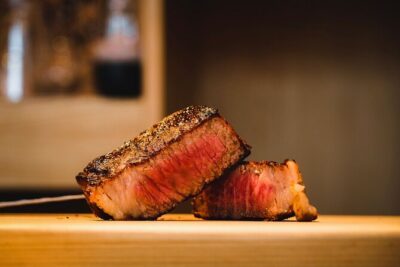 ★ 5.0Tokyo Wagyu & Sake Pairing Tasting Experience with Local FlavorsFrom $151108 reviews
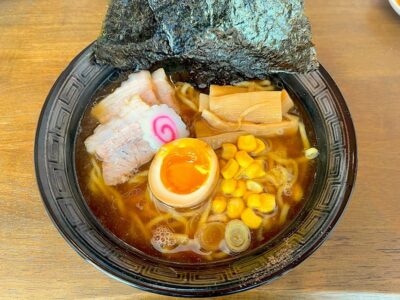 ★ 5.0Sushi and Ramen Cooking Class with Sake Pairing SetFrom $12981 reviews
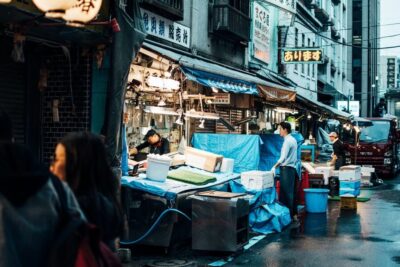 ★ 4.9Tsukiji: Outer Market Walking Tour & Sake Tasting ExperienceFrom $7081 reviews
Browse the lists this tour appears in