
Reviewed · COOKING CLASSES
Private Gluten-Free Japanese Cooking Class in Tokyo Japan
A gluten-free cooking class in Tokyo sounds tricky, yet this one makes it practical. Morimi’s private lessons focus on the stuff that really matters for gluten-free eating in Japan: ingredient labels and smart swaps, so you can cook and understand what’s going into your food. I like that the menus stay genuinely Japanese, not just “Japanese-style, but different.”
Second, I like that you cook and then eat right away with a full lunch built into the experience. You choose one of three courses (basic, tofu, or sushi), and the dishes line up with classic Japanese flavors and techniques, from onigiri to miso soup. One thing to consider: because Japanese staples like soy sauce and miso are common gluten-risk areas, you’ll need to follow the class guidance closely and be ready to check labels.
In This Review
- Key Things That Make This Class Worth Your Time
- Gluten-Free Japanese Cooking in Tokyo, Without the Guesswork
- Before You Cook: Ingredient Labels and Real-World Gluten Risks
- Where You Meet and How the Timing Works
- Your Main Choice: The Basic-Course Japanese Gluten-Free Set
- The Tofu-Course Menu for Comfort and Texture
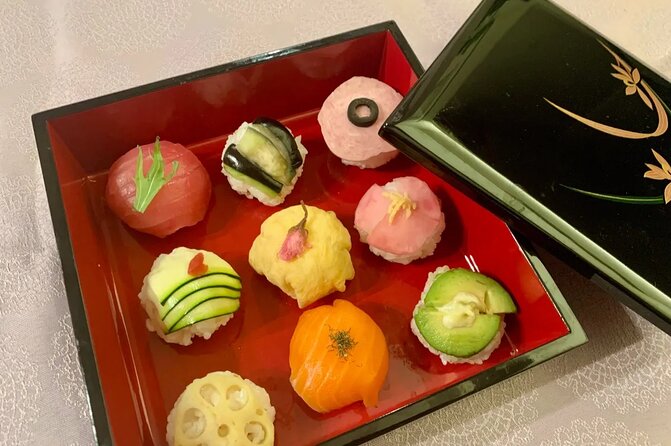
- Sushi-Course: Temari and Oshi Sushi with a Gluten-Free Framework
- Seasonal Optional Sweets: Daifuku to Yokan
- Lunch, Tasting, and the Recipes You’ll Actually Use
- Price and Value: What $84.54 Buys You
- Who This Cooking Class Fits Best
- Should You Book Morimi’s Gluten-Free Japanese Cooking Class?
- FAQ
- What dishes do you make in the Basic-course?
- What dishes are included in the Tofu-course?
- What’s on the Sushi-course menu?
- Is lunch included?
- Is pickup available?
- What is the cancellation policy?
Key Things That Make This Class Worth Your Time
- Label-check training for gluten-free Japanese cooking, not just recipes.
- Three complete menus to match your preferences: basic, tofu, or sushi.
- Japanese home-kitchen pacing for beginners, with step-by-step help in English.
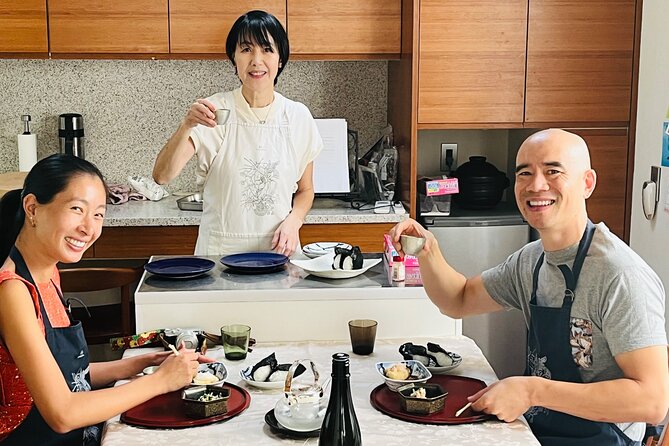
- Big taste payoff, since lunch is included and you eat what you make.
- Optional seasonal sweets that follow Japan’s food calendar.
Gluten-Free Japanese Cooking in Tokyo, Without the Guesswork
Tokyo has great food, but gluten-free can be exhausting. The challenge isn’t that Japanese cuisine uses only “safe” ingredients. It’s that Japanese food depends on seasonings and processed items that can hide wheat—especially in sauces and pastes.
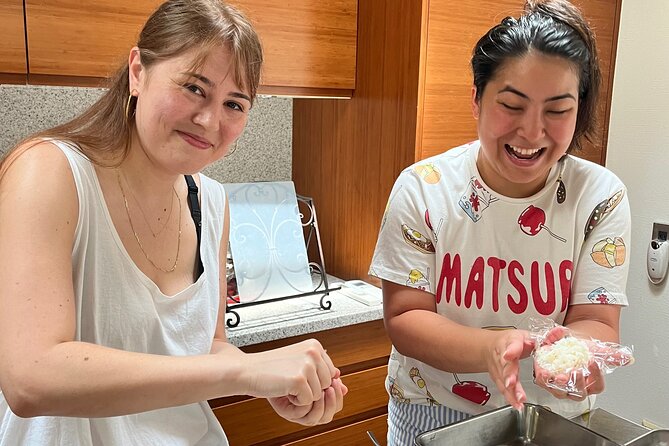
That’s why I like the structure of this class. You start by learning how to check ingredient labels and build gluten-free versions of familiar Japanese dishes. The goal isn’t to make everything bland or complicated. It’s to keep the Japanese character of the food while avoiding wheat-derived ingredients.
And because this is a private class (only your group participates), you can move at the pace you need. If you’re celiac or supporting someone with a gluten allergy in the group, that matters. It turns the experience from “hope it’s safe” into a method you can repeat later.
Readers also shortlisted these Tokyo bookings:
- Tokyo 6hr Private Tour with Government-Licensed Guide
★ 5.0 · 3,902 reviews - Private Tour to Mt. Fuji and Hakone (Fully Licenced Operator)
★ 5.0 · 1,910 reviews - Tokyo Customized Private Tour (Must See Places in 1 Day)
★ 5.0 · 1,499 reviews - Mount Fuji Full-Day Private Tour from Tokyo (Customizable)
★ 4.9 · 1,470 reviews
Before You Cook: Ingredient Labels and Real-World Gluten Risks
The class focuses on the tricky parts of Japanese cooking—where gluten can sneak in. Japanese cuisine often centers rice, fish, vegetables, tofu, and seaweed, which can be naturally gluten-free or easy to adapt. But many of the key flavor builders may contain wheat. Think of common names like soy sauce, miso, mirin, breaded coatings, fried foods, and products like fish cakes and noodles.
In this class, you learn how to check ingredient labels, which is the skill that actually travels with you. A lot of gluten-free travelers can list a few “safe” foods. Fewer can confidently read what’s in a sauce packet, a packaged paste, or a noodle substitute.
You’ll also get practical tips for building gluten-free menus using traditional Japanese ingredients. This is where the lesson pays off long after you’re done cooking. You’re not just memorizing dishes—you’re learning how to evaluate ingredients.
If you’ve ever brought your own assumptions to a Japanese restaurant and felt uneasy, this part will make you feel steadier.
Where You Meet and How the Timing Works
The class meets near public transportation at Meidaimae Station, then the activity ends back at the meeting point. Start time is 11:00am, and the class runs about 3 hours.
Pickup is offered, but private transportation isn’t included. So if you need door-to-door help, treat pickup as the primary option and plan your own transit backup if you prefer extra certainty.
Also, this uses a mobile ticket, which is convenient when you’re juggling trains and schedules. And confirmation is sent within 48 hours of booking (subject to availability). Since the class books out in advance on average, it’s smart to reserve early if your dates are fixed.
Your Main Choice: The Basic-Course Japanese Gluten-Free Set
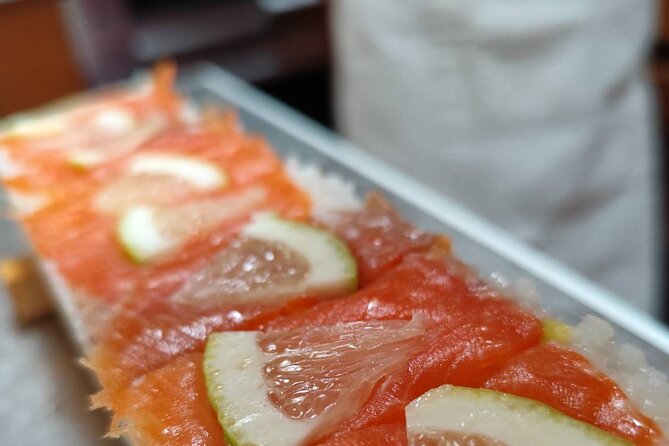
Pick the Basic-course if you want a wider variety of classic Japanese flavors—some comforting, some savory, and some hands-on.
This menu includes:
- Onigiri (2 rice balls)
- Chicken karaage (Japanese fried chicken)
- Dashimaki tamago (rolled omelet)
- Shiraae (tofu and vegetable salad)
- Kinpira (stir-fried potatoes and carrots)
- Miso-soup
What this course teaches you (beyond the food)
You’re working with multiple techniques in a small time window: shaping rice for onigiri, building flavor for miso soup, handling eggs for dashimaki tamago, and cooking karaage. And because the focus is gluten-free, the class is also training you on what to watch for in seasonings and coatings.
Why I think this is a great first pick
If you’re new to gluten-free Japanese cooking, Basic gives you a strong sense of how Japanese meals fit together. You get rice, a protein, a vegetable side, and soup—classic restaurant logic, but with your gluten-free rules understood up front.
The Tofu-Course Menu for Comfort and Texture
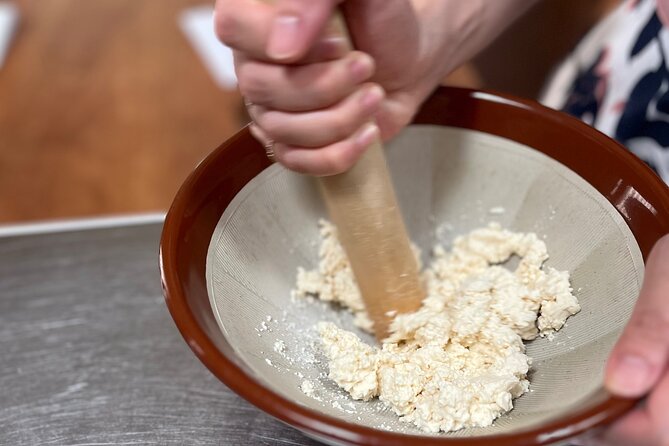
If you love tofu, this one makes the most sense. It’s also a smart choice if you want fewer fried or wheat-risk items and more plant-based structure—still using familiar Japanese flavors.
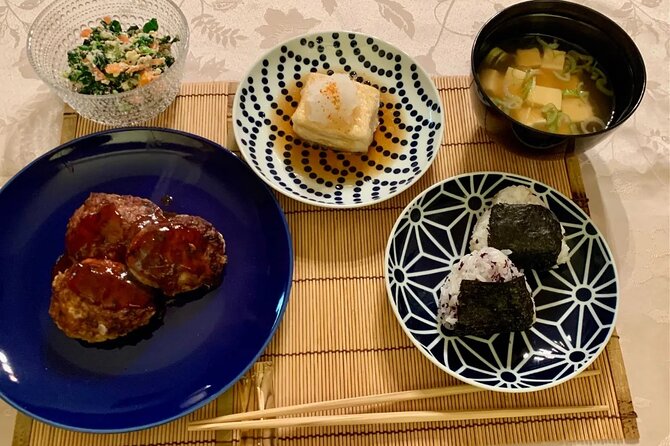
This menu includes:
- Onigiri (2 rice balls)
- Tofu hamburger steak
- Shiraae (tofu and vegetable salad)
- Agedashi tofu (deep-fried tofu in broth)
- Tofu miso soup or clear soup
- Oboro-tofu (freshly made soft tofu)
Why tofu is a major win for gluten-free
Tofu itself is usually straightforward, but the surrounding world—broth, sauces, and flavoring—can still hide gluten. This menu is valuable because it trains you to treat tofu dishes as a platform. You learn how to keep the Japanese style while controlling the ingredients that might introduce wheat.
What to expect in the kitchen
Oboro-tofu tends to be lighter and smoother, while agedashi tofu brings crunch and savory broth. The tofu hamburger steak adds a hearty, sliceable feeling that can replace comfort-food cravings. Shiraae gives you that clean tofu salad balance that often appears in Japanese home cooking.
This is also a strong option if you’re cooking with a mixed group—someone who avoids gluten and someone who just wants Japanese home comfort food.
Readers also shortlisted these Tokyo bookings:
- Ramen & Gyoza Cooking Class in Tokyo with Local Supermarket Visit★ 5.0 · 823 reviews
- Tokyo: Easy Ramen Cooking Experience in Kabukicho, Shinjuku★ 4.6 · 321 reviews
- Ramen and Sushi Cooking Class with Sake Pairing Set in Tokyo★ 5.0 · 291 reviews
- Tokyo: Wagyu and 7 Japanese Dishes Cooking Class★ 4.9 · 273 reviews
- Tokyo Washoku 4-hour Cooking Class: From Market to Table★ 5.0 · 253 reviews
Sushi-Course: Temari and Oshi Sushi with a Gluten-Free Framework
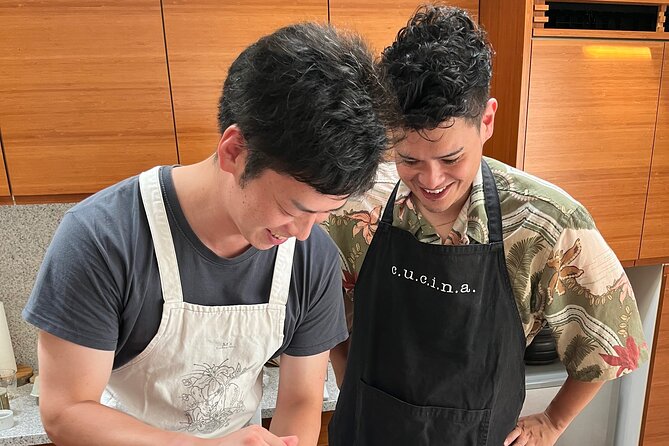
Want something that feels extra special? Choose the Sushi-course. It’s a hands-on way to learn Japanese structure through rice and toppings—plus it keeps the gluten-free goal focused.
This menu includes:
- 6 pieces of temari (ball-sushi)
- oshi (pressed)-sushi
- Tofu miso soup or clear soup
Why sushi works for gluten-free learning
Sushi is simple in concept—rice plus carefully chosen fillings—but it’s easy to mess up when sauces and flavoring include wheat. By building sushi within the class’s gluten-free approach, you get a clearer idea of what to check and how the dishes are assembled.
Temari sushi (ball-sushi) is great for portion control and a casual, friendly presentation. Oshi sushi (pressed) helps you understand how Japanese rice-and-topping composition can stay neat and consistent.
If you like the idea of cooking something that feels “ceremony-level” but still fits a 3-hour lesson, this is the course.
Seasonal Optional Sweets: Daifuku to Yokan
You can add optional Japanese sweets depending on the season:
- Spring: Strawberry daifuku (mochi with sweet red bean paste and strawberry)
- Summer: Chilled sweet red bean soup with shiratama dumplings
- Autumn: Chestnut yokan (sweet bean jelly)
- Winter: Shiratama zenzai (sweet red bean soup with rice flour dumplings)
These desserts matter because they show you another side of Japanese gluten-free thinking: you’re not only dealing with savory dishes. You’re seeing how traditional Japanese sweets use rice flour, mochi-style textures, and bean bases—while still needing you to pay attention to ingredients.
Even if you skip sweets, you’ll still leave with recipes and methods you can apply at home when dessert cravings hit.
Lunch, Tasting, and the Recipes You’ll Actually Use
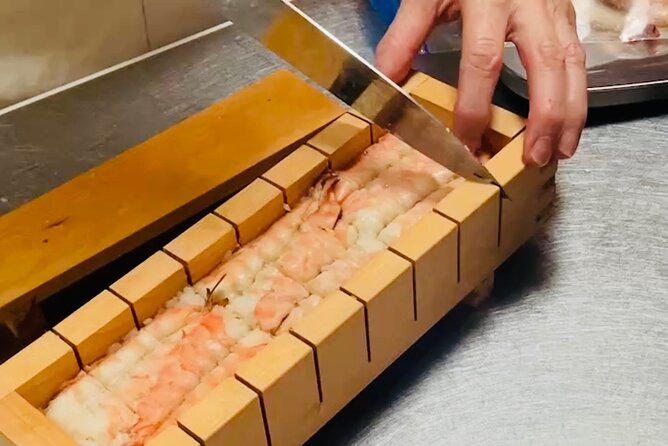
This experience includes lunch, and you get to taste what you cook during class. That matters more than it sounds. You can compare flavor, texture, and seasoning balance in real time, then ask questions as you go.
One of the best “practical souvenirs” from this class is that you receive recipes to recreate the dishes at home. That turns a cooking class into ongoing value. It’s also a confidence booster: you’re not starting from scratch when you try these dishes later.
And based on feedback, portions are generous. So you’ll leave full, not just slightly fed by a sample plate.
Price and Value: What $84.54 Buys You
At $84.54 per person for about 3 hours, this class isn’t just paying for food. You’re paying for:
- Personal instruction in a private setting
- A built-in gluten-free framework focused on ingredient label checking
- Hands-on practice with multiple Japanese dishes
- Lunch included
- Recipes to take home
- Pickup offered (even though private transportation isn’t included)
If you’ve tried to learn gluten-free Japanese cooking solo, you know how hard it is to get reliable substitutes and understand what to avoid. This class compresses that learning into one concentrated session, with real guidance and immediate feedback while you cook.
Is it cheaper than cooking at home? No. But it’s often cheaper than spending time and money testing ingredients blindly, especially if you’re responsible for a celiac-level diet. The best value here is confidence.
Who This Cooking Class Fits Best
This is a great match if:
- You need a gluten-free plan that understands Japanese cooking habits
- You’re cooking for yourself and want to stop feeling unsure
- You have family members with gluten needs and want a shared experience
- You’re not an expert in the kitchen but want step-by-step support
In particular, the class is designed to work even if you’re not a confident cook. You’re not expected to already know technique. You learn by doing, and you get guidance while you cook.
It also works well for people who love Japanese food but feel stuck with a limited menu. The courses cover rice, tofu, soup, and sushi—enough variety to change how you think about gluten-free meals.
Should You Book Morimi’s Gluten-Free Japanese Cooking Class?
If you’re serious about gluten-free Japanese cooking—or you’re tired of uncertainty—yes, I’d book it. This class is built around the skill that matters most: checking ingredient labels and understanding where gluten risks appear in Japanese staples.
I’d especially recommend the Basic-course if you want the broadest introduction, the Tofu-course if you want comfort and variety through tofu dishes, and the Sushi-course if you want a special-feeling skill set you can repeat at home.
The main thing to weigh is that gluten-free Japanese cooking takes attention to ingredients, and this class leans into that. If you want a magic shortcut with zero label reading, you won’t get that. If you want competence, you will.
FAQ
What dishes do you make in the Basic-course?
The Basic-course includes 2 onigiri, chicken karaage, dashimaki tamago, shiraae (tofu and vegetable salad), kinpira (stir-fried potatoes and carrots), and miso-soup.
What dishes are included in the Tofu-course?
The Tofu-course includes 2 onigiri, tofu hamburger steak, shiraae, agedashi tofu, tofu miso soup or clear soup, and oboro-tofu.
What’s on the Sushi-course menu?
The Sushi-course includes 6 pieces of temari (ball-sushi) and oshi (pressed)-sushi, plus tofu miso soup or clear soup.
Is lunch included?
Yes. Lunch is included.
Is pickup available?
Pickup is offered, but private transportation is not included.
What is the cancellation policy?
Free cancellation is available up to 24 hours in advance of the experience for a full refund.
More Cooking Classes in Tokyo
- Ramen & Gyoza Cooking Class in Tokyo with Local Supermarket Visit
★ 5.0 · 823 reviews - Tokyo: Easy Ramen Cooking Experience in Kabukicho, Shinjuku
★ 4.6 · 321 reviews - Ramen and Sushi Cooking Class with Sake Pairing Set in Tokyo
★ 5.0 · 291 reviews - Tokyo: Wagyu and 7 Japanese Dishes Cooking Class
★ 4.9 · 273 reviews - Tokyo Washoku 4-hour Cooking Class: From Market to Table
★ 5.0 · 253 reviews
More Private in Tokyo
- Tokyo 6hr Private Tour with Government-Licensed Guide
★ 5.0 · 3,902 reviews - Private Tour to Mt. Fuji and Hakone (Fully Licenced Operator)
★ 5.0 · 1,910 reviews - Tokyo Customized Private Tour (Must See Places in 1 Day)
★ 5.0 · 1,499 reviews - Mount Fuji Full-Day Private Tour from Tokyo (Customizable)
★ 4.9 · 1,470 reviews - Tokyo: Private City Highlights Tour with Local Guide
★ 4.8 · 1,433 reviews
More Tour Reviews in Tokyo
- Mt Fuji and Hakone 1-Day Bus Tour Return by Bullet Train
★ 5.0 · 26,383 reviews - 1-Day Tokyo Bus Tour
★ 5.0 · 14,250 reviews - Tokyo: teamLab Planets TOKYO Digital Art Museum Entry Ticket
★ 4.6 · 9,779 reviews - Mt Fuji & Hakone Cruise, Drum Show Bullet Train 1 Day from Tokyo
★ 4.0 · 7,413 reviews - Tokyo: Shinjuku Food Tour (13 Dishes at 4 Local Eateries)
★ 5.0 · 6,603 reviews
Latest Tokyo reviews off our desk






Cooking Classes, compared.
 ★ 5.0Ramen & Gyoza Cooking Class in Tokyo with Local Supermarket VisitFrom $122823 reviews
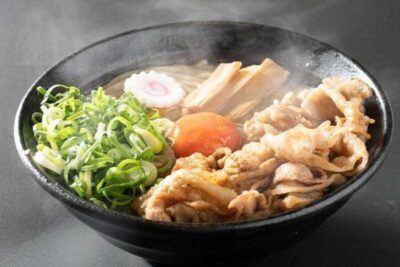 ★ 4.6Easy Ramen Cooking Experience in Kabukicho, ShinjukuFrom $29321 reviews
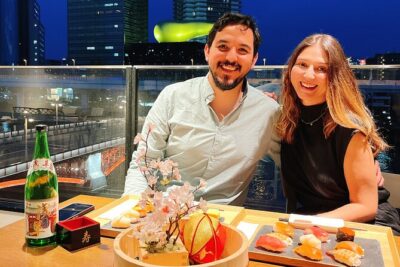 ★ 5.0Ramen and Sushi Cooking Class with Sake Pairing Set in TokyoFrom $79291 reviews
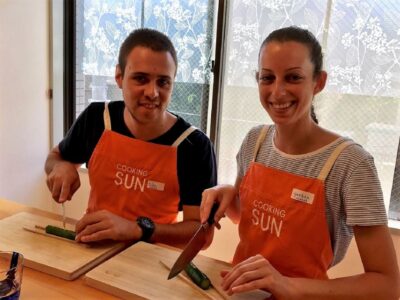 ★ 4.9Wagyu and 7 Japanese Dishes Cooking ClassFrom $67273 reviews
 ★ 5.0Tokyo Washoku 4-hour Cooking Class: From Market to TableFrom $79253 reviews
 ★ 5.0Small-Group Wagyu Beef and 7 Japanese Dishes Tokyo Cooking ClassFrom $72190 reviews
 ★ 5.0Private Home Cooking in Yanaka – Local Flavors in a Warm SettingFrom $122173 reviews
 ★ 5.0Tokyo Sushi Making Experience & Japanese Cooking ClassFrom $59150 reviews
Browse the lists this tour appears in