
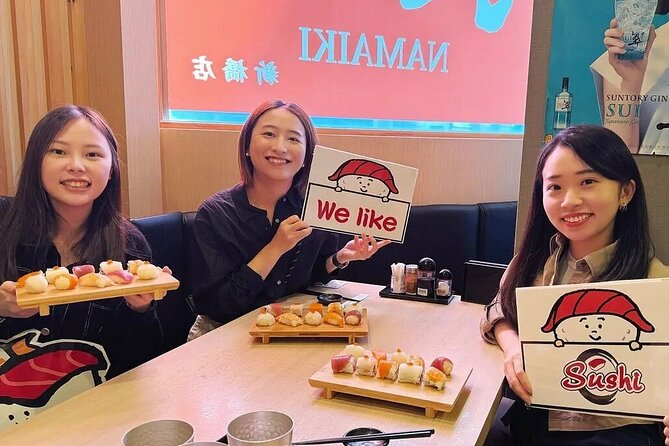
Reviewed · SUSHI MAKING CLASSES
Tokyo Sushi Making Experience & Japanese Cooking Class
Sushi night in Tokyo, but hands-on. You’ll learn sushi history and culture from an English-speaking guide, then put it into practice by making maki, temari, and nigiri with fresh ingredients. The class is built for real skill-building, not just watching.
What I like most is the small-group size (max 15) and the way the instruction stays friendly and supportive, including for people traveling with kids. I also like that you can add an authentic touch with sake or shochu if you want it, while keeping the class centered on the food skills.
One consideration: bottled water and any alcoholic drinks aren’t included, so you’ll want to plan for those add-ons if you think you’ll need them.
In This Review
- Key Points to Know Before You Go
- What You’ll Actually Cook: Maki, Temari, and Nigiri
- Sushi History and Etiquette: More Than How-To
- Ingredients Matter: The Seafood You’ll Use and Why It’s Smart
- The Sake or Shochu Option: How to Keep It Authentic
- Small-Group Comfort: Personalized Help in a Max 15 Setting
- Where You Meet in Shinbashi (and How to Plan Around It)
- Price and Value: What $59.46 Really Covers
- Is It Worth It at 90 Minutes? The Learning Trade-Off
- Who Should Book This Tokyo Sushi Class
- Should You Book This Sushi Making Experience?
- FAQ
- How long is the Tokyo sushi making experience?
- What’s included in the class?
- Are sake or shochu included?
- What is the minimum age to join?
- Do I need to bring any ingredients or tools?
- Where is the meeting point?
- Is free cancellation available?
Key Points to Know Before You Go
- Maki, temari, and nigiri: you’ll practice multiple styles instead of just one.
- Fresh seafood focus: tuna, salmon, squid, and flying fish roe are part of the class snacks.
- English + Chinese-speaking help: the guide can work in English or traditional/simplified Chinese.
- Optional sake or shochu: add it for an authentic feel, but drinks are ordered separately.
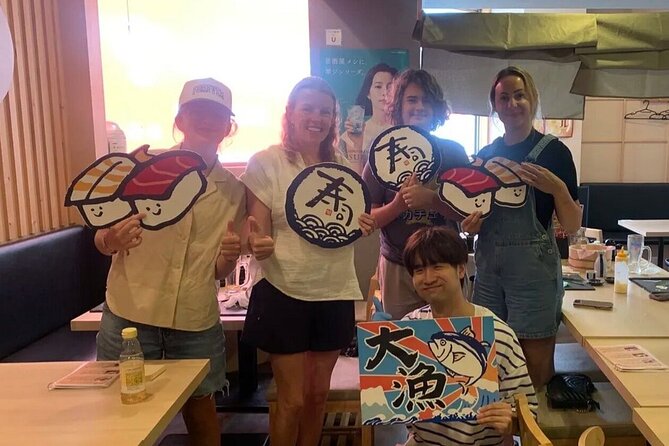
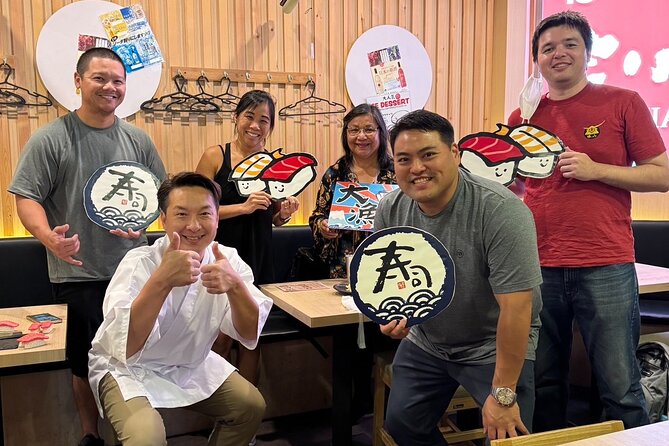
- Takeaway commemorative photos: you get a reminder without extra effort.
What You’ll Actually Cook: Maki, Temari, and Nigiri
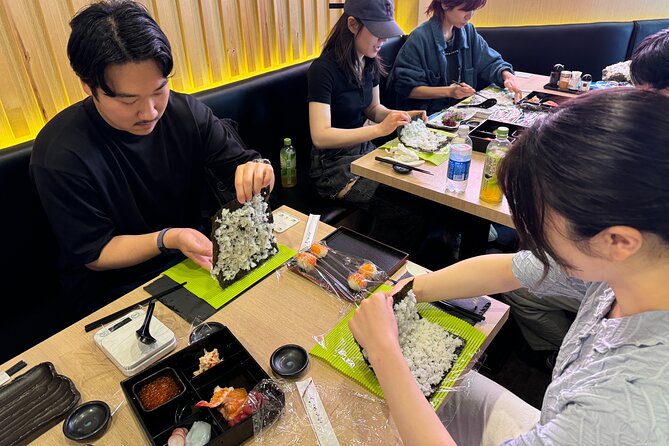
This class is short—about 1 hour 30 minutes—so the goal is smart, doable sushi technique fast. You’ll make multiple types: maki (rolled sushi), temari (hand-formed bite-size sushi balls), and nigiri (sushi with fish on top of rice). That variety matters because it teaches you different hand skills: rolling and pressing, shaping, and arranging.
Here’s how I’d think about it: maki teaches you how to build a consistent roll and not let it turn into a mess. Temari is great because it tests whether you can portion rice neatly and shape it without needing fancy tools. Nigiri is the “show me your control” part—topping rice with seafood cleanly so each piece looks right and eats right.
Since this is designed as a hands-on cooking class, the timing is tight, but that’s also what makes it good value. You’re paying for instruction plus the meal you make, not just a demo.
More sushi counters to book, ranked
- Tokyo: Roll and Authentic Sushi Making Class in Asakusa
★ 4.9 · 1,957 reviews - Make Sushi and Create Unforgettable Memories in Tokyo
★ 5.0 · 1,413 reviews - Tokyo: Sushi Making Class in a Happi Coat near a Famous Spot
★ 4.9 · 1,377 reviews - Tokyo Sushi Making Class in Tsukiji with Professional Chef
★ 5.0 · 1,177 reviews
Sushi History and Etiquette: More Than How-To
You’re not just learning steps—you’ll hear about sushi history and culture and the “art (and etiquette)” behind eating. That part is important. Sushi has rules that can feel invisible when you’re traveling: how you handle soy sauce, how you think about bite size, and how you approach the experience respectfully.
In a classroom setting, etiquette becomes practical. You get guidance while you’re actively making and eating, so the lessons stick. If you’re worried about doing it wrong at a restaurant later, this is the kind of class that helps you show up with more confidence.
Also, because the hosts are described as English-speaking (and able to assist in Chinese too), you should be able to ask follow-up questions without guessing. That’s how you turn a fun meal into a skill you can repeat at home.
Ingredients Matter: The Seafood You’ll Use and Why It’s Smart
The snacks you make include maki and temari sushi using ingredients like tuna, salmon, squid, and flying fish roe. That’s a helpful mix for home cooks because it covers different textures and flavors: rich fish, savory seafood, and the pop and brightness of roe.
Fresh ingredients are the difference between sushi that tastes flat and sushi that tastes like sushi. Even if you don’t replicate the exact same sourcing at home, learning how seafood and roe behave with seasoned rice gives you a roadmap. You’ll likely notice which flavors are meant to be paired gently and which ones can take a stronger bite.
And because the class provides what you need—“without bringing anything”—you avoid the hassle of sourcing ingredients before you even start. That’s a real win when you’re traveling.
The Sake or Shochu Option: How to Keep It Authentic
You can add sake or shochu for an authentic Japanese touch, but the key point is this: alcohol and juice aren’t included. You’ll need to order them separately if you want them.
I like this setup because it lets you choose your pace. If you’re traveling with people who don’t drink, you can still enjoy the class and the food without feeling like you’re missing the point. If you do drink, it’s a good way to make the meal feel more complete and local—within a structured setting.
If you’re planning ahead, just remember Japan’s legal drinking age is 20, and you’ll need valid ID if you order alcohol.
Small-Group Comfort: Personalized Help in a Max 15 Setting
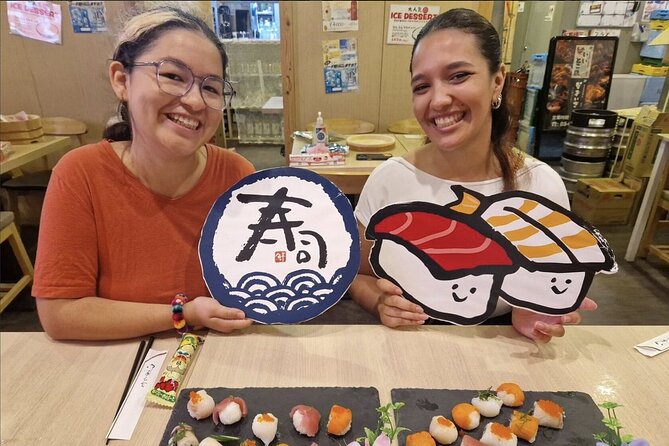
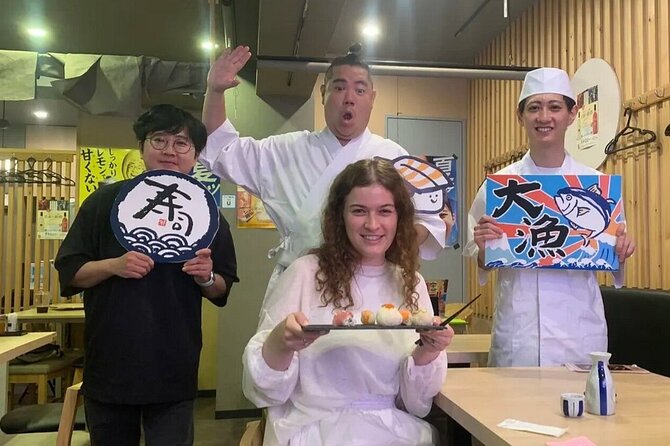
One reason this class earns strong marks is the human side: friendly, knowledgeable staff who assist you with sushi-making and with commemorative photos. With up to 15 travelers, you’re not stuck waiting for help while everyone else gets attention first.
That size is also what makes it work for first-timers. Sushi is deceptively technical—rice handling, shaping, and rolling can get tricky. When the group is small, the instructor can correct the thing you’re doing wrong before it becomes a bad habit.
This is especially good if you’re traveling with kids. The age eligibility starts at 4 years old, and the feedback highlights that the hosts are patient and friendly with families. That doesn’t mean it’ll be a silent “learn like a pro” seminar. It does mean you’ll likely feel guided instead of rushed.
Readers also shortlisted these Tokyo bookings:
- Ramen & Gyoza Cooking Class in Tokyo with Local Supermarket Visit★ 5.0 · 823 reviews
- Tokyo: Easy Ramen Cooking Experience in Kabukicho, Shinjuku★ 4.6 · 321 reviews
- Ramen and Sushi Cooking Class with Sake Pairing Set in Tokyo★ 5.0 · 291 reviews
- Tokyo: Wagyu and 7 Japanese Dishes Cooking Class★ 4.9 · 273 reviews
- Tokyo Washoku 4-hour Cooking Class: From Market to Table★ 5.0 · 253 reviews
Where You Meet in Shinbashi (and How to Plan Around It)
The meeting point is in Shinbashi (Minato City): Japan, 105-0004 Tokyo, Minato City, Shinbashi, 2-chōme1510 S-PLAZA弥生Ⅱ. It’s listed as near public transportation, so you should be able to reach it without a complicated route.
Timing-wise, the class is about 90 minutes, and it ends back at the meeting point. So you can slot it into an afternoon or early evening plan without a huge travel headache.
Practical tip: if you’re using public transit, give yourself a small buffer. Even if the stop is close, your first time in Tokyo can take extra minutes just to find the entrance you need.
Price and Value: What $59.46 Really Covers
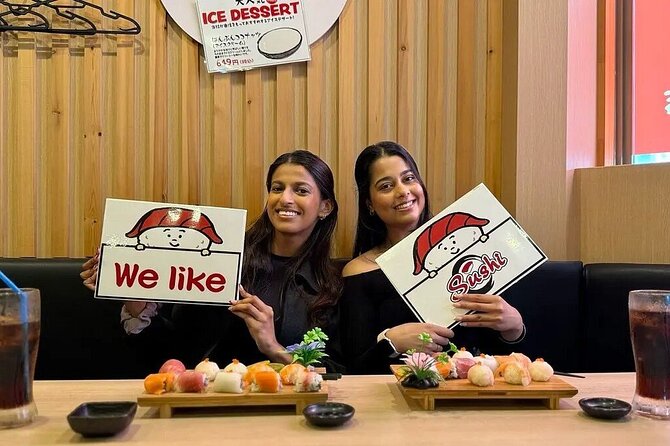
At $59.46 per person for roughly 1.5 hours, you’re paying for three things: instruction, the ingredients used for the snacks (maki and temari with options including nigiri), and the takeaway commemorative photos. That’s a stronger deal than many “watch and eat” experiences because you actually make the food.
What’s not included is also clear: bottled water and juice/alcohol need to be ordered separately. If you tend to drink during classes, plan for that extra cost. But if you’re mainly there to learn the techniques and enjoy what you make, most of your core needs are covered.
One more value point: because the group is capped at 15, you’re not just buying “a seat.” You’re buying access to direct help while you shape rice, roll maki, and assemble pieces.
Is It Worth It at 90 Minutes? The Learning Trade-Off
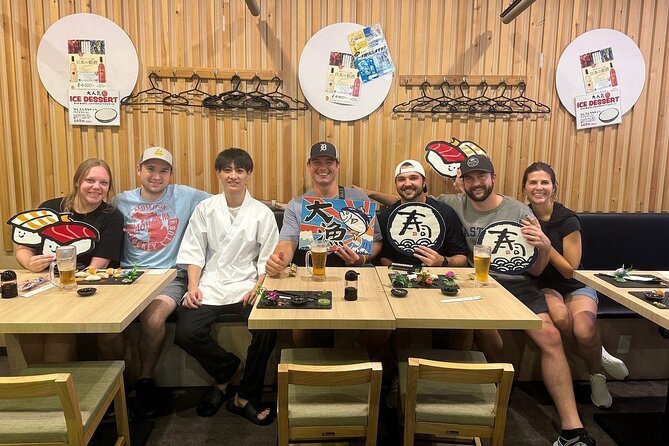
Because the class is fast, you won’t leave with “I can open a sushi shop” confidence. That said, you will leave with something more useful: repeatable muscle memory for the basics.
Here’s what you can realistically take home:
- How maki pieces should be built and portioned
- How temari rice can be shaped into neat bite-size rounds
- How nigiri is assembled with fish placed on top cleanly
And you’ll also have the etiquette context for eating sushi more correctly later. That combination—hands-on technique plus cultural rules—often beats longer classes that focus only on recipes.
Who Should Book This Tokyo Sushi Class
This experience is best for:
- First-timers who want a structured way to learn sushi without prior skills
- Food lovers who care about culture and etiquette, not just making something that looks pretty
- Families with kids age 4+, especially if you want an atmosphere that stays patient and friendly
- Travelers who prefer small groups and direct instruction rather than a large crowd format
You might reconsider if:
- You want a very long cooking session with deeper theory and lots of freestyle experimenting. This is designed to be efficient.
- You’re strict about budgeting and want absolutely no extra spend. Water and drinks are separate.
Should You Book This Sushi Making Experience?
If you want a fun, practical Tokyo activity that ends with you eating what you made—and you like the idea of learning maki, temari, and nigiri in one go—then yes, I’d book it. The small group size and the supportive approach are exactly what make sushi classes enjoyable instead of stressful.
Also, the option to add sake or shochu is a nice authenticity lever. You can keep it simple or make it feel like a proper Japanese meal. Just plan for drinks being extra.
If you’re short on time in Tokyo but still want something hands-on and memorable, this is a strong bet.
FAQ
How long is the Tokyo sushi making experience?
It runs for about 1 hour 30 minutes.
What’s included in the class?
You’ll get snacks including maki sushi and temari sushi (with ingredients such as tuna, salmon, squid, etc.) and a guide who can speak English, traditional Chinese, or simplified Chinese. You also receive commemorative photos.
Are sake or shochu included?
No. Alcoholic beverages and juice need to be ordered separately. You can add sake or shochu as an option.
What is the minimum age to join?
Participants must be 4 years old and above.
Do I need to bring any ingredients or tools?
The experience is described as something you can enjoy without bringing anything.
Where is the meeting point?
Meet at Japan, 105-0004 Tokyo, Minato City, Shinbashi, 2-chōme1510 S-PLAZA弥生Ⅱ. The class ends back at the meeting point.
Is free cancellation available?
Yes. You can cancel up to 24 hours in advance for a full refund. The experience also depends on good weather and a minimum number of travelers, and in those cases you’ll be offered a different date or a full refund.
More Cooking Classes in Tokyo
- Ramen & Gyoza Cooking Class in Tokyo with Local Supermarket Visit
★ 5.0 · 823 reviews - Tokyo: Easy Ramen Cooking Experience in Kabukicho, Shinjuku
★ 4.6 · 321 reviews - Ramen and Sushi Cooking Class with Sake Pairing Set in Tokyo
★ 5.0 · 291 reviews - Tokyo: Wagyu and 7 Japanese Dishes Cooking Class
★ 4.9 · 273 reviews - Tokyo Washoku 4-hour Cooking Class: From Market to Table
★ 5.0 · 253 reviews
More Tour Reviews in Tokyo
- Mt Fuji and Hakone 1-Day Bus Tour Return by Bullet Train
★ 5.0 · 26,383 reviews - 1-Day Tokyo Bus Tour
★ 5.0 · 14,250 reviews - Tokyo: teamLab Planets TOKYO Digital Art Museum Entry Ticket
★ 4.6 · 9,779 reviews - Mt Fuji & Hakone Cruise, Drum Show Bullet Train 1 Day from Tokyo
★ 4.0 · 7,413 reviews - Tokyo: Shinjuku Food Tour (13 Dishes at 4 Local Eateries)
★ 5.0 · 6,603 reviews
More Sushi Counters to Book
- Sushi Making Tokyo Roll and Authentic Japanese Sushi Class
★ 5.0 · 3,971 reviews - Tokyo: Roll and Authentic Sushi Making Class in Asakusa
★ 4.9 · 1,957 reviews - Make Sushi and Create Unforgettable Memories in Tokyo
★ 5.0 · 1,413 reviews - Tokyo: Sushi Making Class in a Happi Coat near a Famous Spot
★ 4.9 · 1,377 reviews - Tokyo Sushi Making Class in Tsukiji with Professional Chef
★ 5.0 · 1,177 reviews
Latest Tokyo reviews off our desk






Sushi Making Classes, compared.
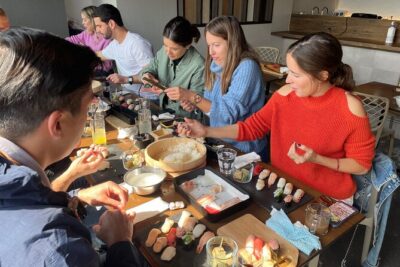 ★ 5.0Sushi Making Tokyo Roll and Authentic Japanese Sushi ClassFrom $593,971 reviews
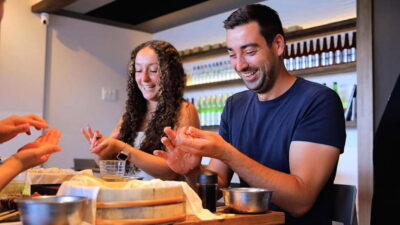 ★ 4.9Roll and Authentic Sushi Making Class in AsakusaFrom $581,957 reviews
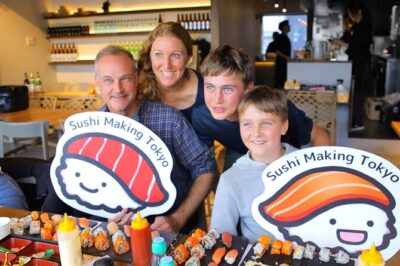 ★ 5.0Make Sushi and Create Unforgettable Memories in TokyoFrom $791,413 reviews
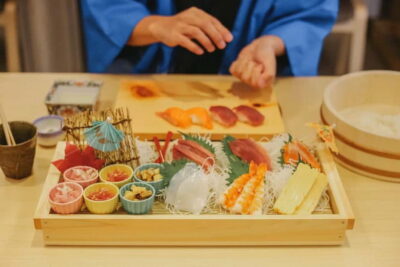 ★ 4.9Sushi Making Class in a Happi Coat near a Famous SpotFrom $421,377 reviews
 ★ 5.0Tokyo Sushi Making Class in Tsukiji with Professional ChefFrom $491,177 reviews
 ★ 5.0Tsukiji Fish Market Guided Tour and Sushi Making with Pro ChefFrom $104775 reviews
 ★ 4.9Tsukiji Fish Market Sushi Making Class with Pro ChefFrom $63506 reviews
 ★ 4.9Sushi Making ClassFrom $67390 reviews
Browse the lists this tour appears in