
Reviewed · SAMURAI & NINJA CLASSES
Private Samurai Sword Experience
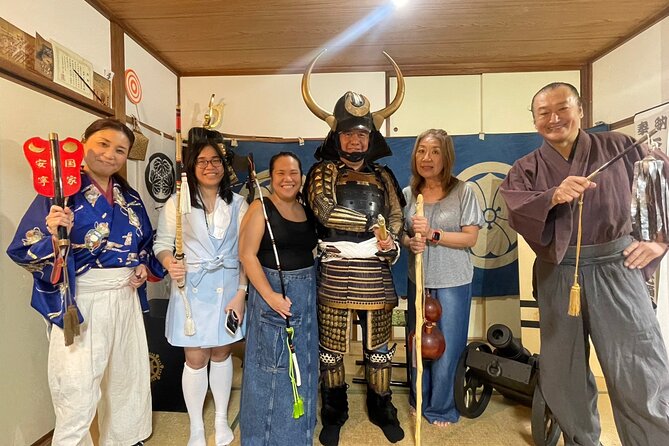
Swords make people think armor and movies. This is more like learning a careful craft in a real Japanese garden setting. You’ll practice samurai swordsmanship with a master while you also get views around the temple bell area and quiet neighborhood walks.
What I like most is how hands-on it feels: you train with the right method, not just watch. And the session mixes Kiritaiken / Iaido technique with a special focus on the Kesagiri 45-degree diagonal slash, so you leave with something concrete you can talk about and remember.
One thing to consider: this is a training experience and it does require good weather and a moderate fitness level, so it’s not ideal if you want a long, slow sightseeing day no matter what.
In This Review
- Key takeaways before you book
- Private Samurai Sword Practice in Tokyo: What makes it feel personal
- Meeting at Naka-meguro and finding the garden setting near the bell
- Kiritaiken and the Mozoto: learning the safe cutting foundation
- Kesagiri: the 45-degree diagonal slash you’ll actually practice
- Safety and authenticity: training in front of real antique blades
- Matcha on tatami: adding tea ceremony and the Bushido link
- Photo time by the garden bell, plus an optional temple walk
- Price and value for a Tokyo private sword session
- Timing, weather, and physical comfort (the real-world bits)
- Who should book this (and who might skip it)
- Should you book a Private Samurai Sword Experience in Tokyo?
- FAQ
- How much does the Private Samurai Sword Experience cost?
- What is the duration of the experience?
- Where do I meet for the tour?
- Is this experience private?
- What techniques will I learn during the session?
- Do you use real swords during the training?
- Is the tea ceremony included?
- Will I see the temple bell or nearby temples?
- What happens if weather is poor, or I need to cancel?
Key takeaways before you book
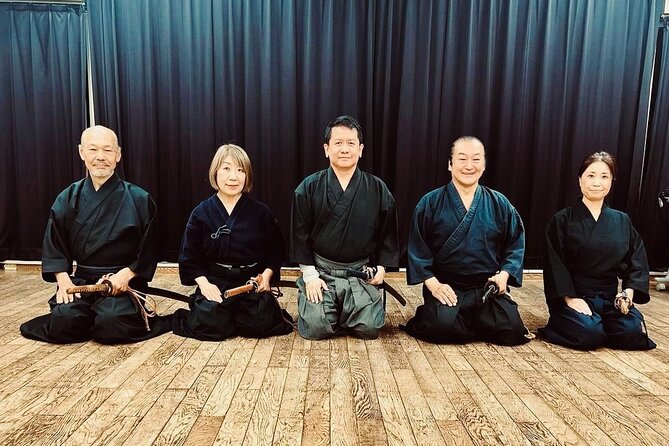
- Private, master-led practice so you’re not stuck in a lecture line
- Kiritaiken cutting basics using a Mozoto to cut an urethane rod safely
- Kesagiri training at 45 degrees rooted in samurai tradition
- Garden + temple bell photo time right after the cutting session
- Optional matcha tea ceremony on tatami with the Bushido connection
- Optional walk to Meguro Fudoson Temple through small paths nearby
Private Samurai Sword Practice in Tokyo: What makes it feel personal
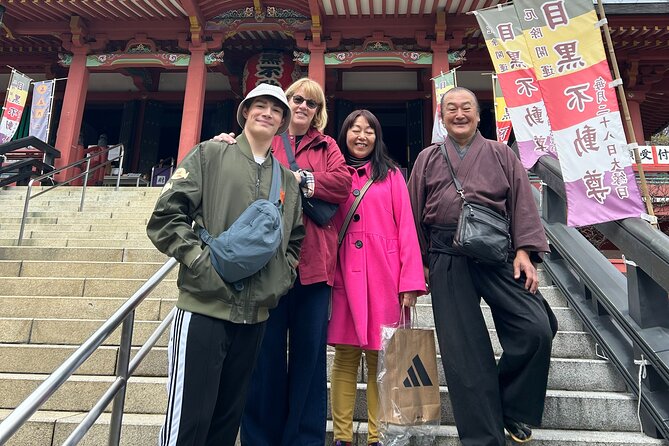
A private format changes the vibe fast. Instead of working around the pace of a bigger group, you can ask questions as you go and get feedback while you’re still holding the blade.
The best part is that you’re learning in a setting that feels intentionally Japanese: a garden used for practice, with a temple-bell neighborhood backdrop. That matters, because sword arts aren’t just movement. They’re timing, posture, and calm control—so practicing in the right atmosphere helps you understand what you’re doing.
Also, since the session is taught by a master from the Tamiya-ryu school of Iaido, you’re not getting random sword facts. You’re getting the kind of structure that keeps things safe and understandable.
More blade-and-dojo sessions, reviewed
- Tokyo: Samurai Ninja Museum Guided tour and Experience
★ 4.6 · 1,010 reviews - Tokyo: Samurai Sword & Archery Class from Samurai Descendant
★ 5.0 · 603 reviews - Best Samurai Experience in Tokyo
★ 5.0 · 458 reviews - Ninja Experience (Family Friendly) at Samurai Ninja Museum TOKYO
★ 5.0 · 441 reviews
Meeting at Naka-meguro and finding the garden setting near the bell
You’ll start at Naka-meguro Station (3-chōme-4-1 Kamimeguro, Meguro City), and the tour ends back at the same point. It’s near public transportation, which is a relief in Tokyo where “getting there” can eat half your day if you’re not careful.
From there, you’re guided into a calm garden practice space. Expect a sense of stepping out of the city noise and into a training area where you can focus on what matters: your stance, your cut, and the instructor’s cues.
After the hands-on portion, you’ll also have time for a picture in the garden area, with the temple bell scene as your background. If you’ve been chasing the “real Japan” feeling, this is the moment that usually delivers it.
Kiritaiken and the Mozoto: learning the safe cutting foundation
This session centers on a traditional cutting session in Japanese martial arts like Bushido and Iaido, using Kiritaiken as the framework. The big practical detail: you use a Japanese Mozoto to cut an urethane rod instead of cutting something like a tatami mat.
Why this is a big deal for you: urethane rod practice gives you a clear sense of contact and technique without the chaos that comes with more fragile targets. You can focus on the mechanics of the cut—path, angle, and follow-through—rather than worrying that the setup will fall apart the second you start.
And yes, this is still real training. You’re doing the cuts under guidance, which means you’ll understand quickly how disciplined you need to be. The instructor’s presence is what keeps everything smooth and safe.
Kesagiri: the 45-degree diagonal slash you’ll actually practice
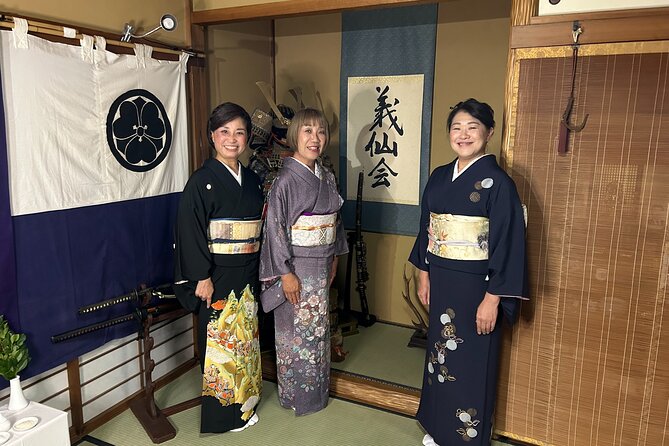
The signature move you’ll work on is Kesagiri—a powerful 45-degree diagonal sword slash rooted in samurai tradition. What you’ll like here is that it’s specific. You’re not just learning general “sword basics.” You’re practicing one named technique with a defined angle.
In the session, you’ll perform Kesagiri using a replica blade in the master’s garden, guided by the Tamiya-ryu Iaido teacher. That combination—named technique plus controlled practice equipment—helps you learn without turning it into a scary prop show.
So what do you walk away with? A feel for the diagonal cut path and the discipline behind it. Even if you don’t become a sword person afterward, you’ll understand why this kind of training takes patience.
Safety and authenticity: training in front of real antique blades
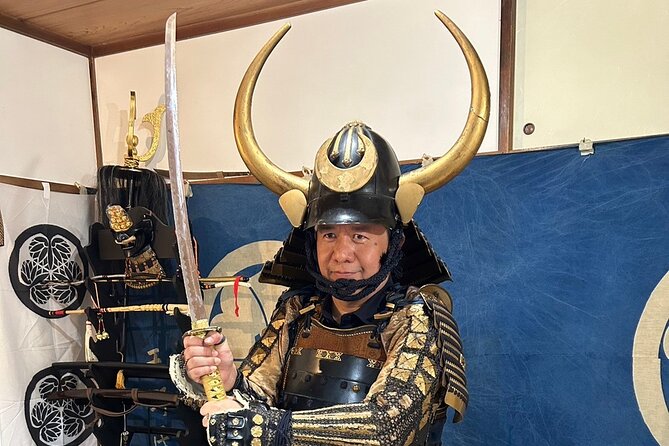
Here’s the balance the experience strikes well. You practice your cuts with a replica blade, but you also train safely with real antique blades under the guidance of a master sensei.
That distinction matters. If you want authenticity, seeing and learning around antique blades adds weight to the lesson. If you’re nervous about using a sharp weapon, the replica blade use keeps you focused on technique rather than risk.
The standout praise for this experience is exactly what you’d hope for in a serious cultural activity: it’s interactive and taught by a master in an authentic home/garden setting, not a rushed demo. If you care about doing something hands-on in Japan instead of just collecting photos, this is where it pays off.
Readers also shortlisted these Tokyo bookings:
- Private Tour to Mt. Fuji and Hakone (Fully Licenced Operator)★ 5.0 · 1,910 reviews
- Tokyo Customized Private Tour (Must See Places in 1 Day)★ 5.0 · 1,499 reviews
- Mount Fuji Full-Day Private Tour from Tokyo (Customizable)★ 4.9 · 1,470 reviews
- Private Custom Tour: Tokyo in a Day★ 5.0 · 1,432 reviews
- Tokyo 4hr Private Tour with Government-Licensed Guide★ 5.0 · 1,394 reviews
Matcha on tatami: adding tea ceremony and the Bushido link
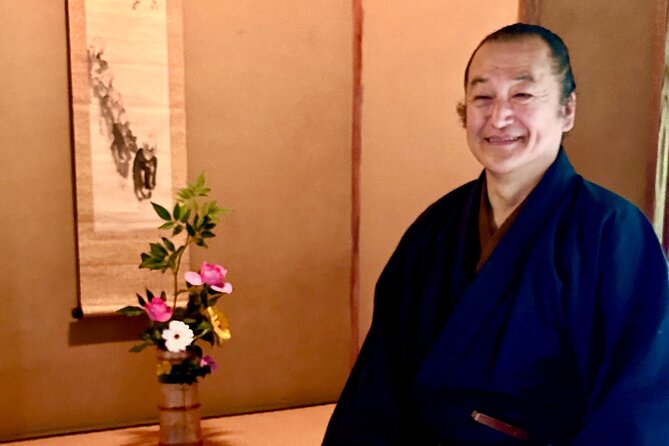
If you’re interested, one of the instructors can add a tea ceremony segment. You’ll learn how to serve one cup of matcha—powdered green tea—and you’ll experience the taste in a Japanese tatami room.
This isn’t just a nice add-on. The instructor also gives you knowledge about the connection between Bushido and tea ceremony. In other words, it’s the same mindset showing up in a different form: calm attention, respectful handling, and doing things with intention.
If you like cultural activities that have a real explanation behind them, this pairing works well. You finish the training part, then slow down for something ceremonial, and it helps the whole experience feel cohesive instead of randomly mixed.
Photo time by the garden bell, plus an optional temple walk
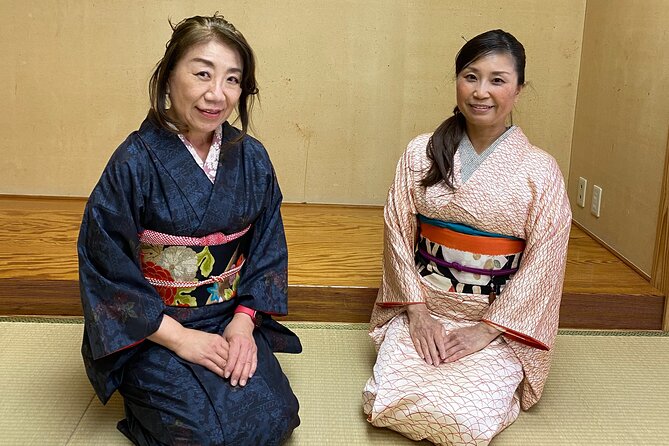
After the cutting session, you can take a picture in the Japanese garden area in front of the temple bell scene. It’s short, simple, and nicely timed—when you’ve just earned the right to look proud.
If you want more, there’s an optional walk to a neighboring temple called Meguro Fudoson Temple. The route is through small paths, which usually means you’ll get a more human-scale view of the area instead of just sticking to main streets.
This is best for you if you want your day to include both technique and atmosphere. If you prefer to keep things tight, you can also treat the optional walk as a bonus rather than a must.
Price and value for a Tokyo private sword session
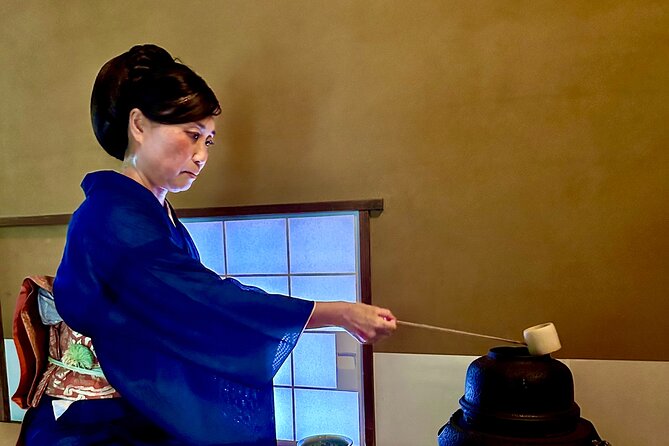
At $474.72 per person for about 2 hours 30 minutes, this is not a budget activity. But for what you’re getting, the value comes from three things that are hard to replicate:
First, it’s private. You’re not splitting instructor attention with a crowd, so feedback and questions actually happen while your technique is still fresh.
Second, you’re learning a named Iaido element like Kesagiri with a master from the Tamiya-ryu school, and you do it in a controlled Kiritaiken-style cutting setup (Mozoto + urethane rod, replica blade practice). That combination of structure and hands-on time is usually what makes the experience feel “worth it” versus just watching a performance.
Third, the garden-and-temple-bell setting plus the optional matcha segment adds cultural depth, so you’re not only paying for the sword part.
One more practical point: it’s commonly booked about 27 days in advance on average. If you have fixed dates, plan earlier rather than later.
Timing, weather, and physical comfort (the real-world bits)
You can choose a morning or afternoon session to fit your Tokyo rhythm. The tour is near public transportation, and the schedule is short enough to plug into a day without feeling like you’re sacrificing your whole sightseeing plan.
The activity also requires moderate physical fitness level. Expect to stand and move as you practice. You don’t need to be an athlete, but you should feel comfortable staying active for the session.
Finally, the experience requires good weather. If it gets canceled due to poor weather, you’ll be offered a different date or a full refund. If you’re going in a season with weather swings, keep that flexibility in mind.
Who should book this (and who might skip it)
You’ll love this if you want to do something hands-on in Tokyo that’s respectful and structured—especially if you enjoy martial arts culture and want to understand technique, not just take pictures.
It’s also a strong pick if you’re the type who asks questions while others are quiet. The private format is made for that.
Skip it if you’re looking for an all-day sightseeing tour, or if you get frustrated by short sessions that move from instruction to practice quickly. This is training first, sightseeing second.
Should you book a Private Samurai Sword Experience in Tokyo?
If your idea of a good Tokyo day includes real instruction, safe practice, and a moment of calm afterward (like matcha on tatami), this one earns a serious yes. The cutting focus—Kiritaiken basics with Mozoto and urethane rod practice, then Kesagiri—gives you a clear skill to remember.
And the authenticity shows through: private master-led teaching, antique blade context, and a garden setting near the temple bell. For the price, you’re paying for attention, structure, and the chance to practice instead of just watching.
If you can handle the weather requirement and want a culturally grounded, hands-on experience, book it early and treat it as one of the standout “I did this in Japan” moments.
FAQ
How much does the Private Samurai Sword Experience cost?
It costs $474.72 per person. Group discounts may be available, but the experience is private for your group.
What is the duration of the experience?
It lasts about 2 hours 30 minutes.
Where do I meet for the tour?
You meet at Naka-meguro Station, 3-chōme-4-1 Kamimeguro, Meguro City, Tokyo 153-0051, Japan.
Is this experience private?
Yes. It’s a private tour/activity, and only your group participates.
What techniques will I learn during the session?
You’ll learn basics of samurai swordsmanship, including Battodo and Iaido, and you’ll practice Kesagiri, a 45-degree diagonal sword slash. The session is part of a Kiritaiken-style cutting practice.
Do you use real swords during the training?
You train safely under guidance with real antique blades, but during the cutting practice you use a replica blade in the master’s garden.
Is the tea ceremony included?
Tea ceremony is an optional add-on if you’re interested. If you choose it, an instructor will show you how to serve one cup of matcha and you can experience it in a tatami room.
Will I see the temple bell or nearby temples?
After the session, you can take a picture in the Japanese garden with the temple bell view. If you’re interested, you can also walk to Meguro Fudoson Temple through small paths.
What happens if weather is poor, or I need to cancel?
The experience requires good weather. If it’s canceled due to poor weather, you’ll be offered a different date or a full refund. You can cancel for a full refund up to 24 hours in advance. The activity also asks for a moderate physical fitness level.
More Private in Tokyo
- Tokyo 6hr Private Tour with Government-Licensed Guide
★ 5.0 · 3,902 reviews - Private Tour to Mt. Fuji and Hakone (Fully Licenced Operator)
★ 5.0 · 1,910 reviews - Tokyo Customized Private Tour (Must See Places in 1 Day)
★ 5.0 · 1,499 reviews - Mount Fuji Full-Day Private Tour from Tokyo (Customizable)
★ 4.9 · 1,470 reviews - Tokyo: Private City Highlights Tour with Local Guide
★ 4.8 · 1,433 reviews
More Tour Reviews in Tokyo
- Mt Fuji and Hakone 1-Day Bus Tour Return by Bullet Train
★ 5.0 · 26,383 reviews - 1-Day Tokyo Bus Tour
★ 5.0 · 14,250 reviews - Tokyo: teamLab Planets TOKYO Digital Art Museum Entry Ticket
★ 4.6 · 9,779 reviews - Mt Fuji & Hakone Cruise, Drum Show Bullet Train 1 Day from Tokyo
★ 4.0 · 7,413 reviews - Tokyo: Shinjuku Food Tour (13 Dishes at 4 Local Eateries)
★ 5.0 · 6,603 reviews
More Samurai and Ninja Sessions
- Tokyo: Samurai Ninja Museum Guided tour and Experience
★ 4.6 · 1,010 reviews - Tokyo: Samurai Sword & Archery Class from Samurai Descendant
★ 5.0 · 603 reviews - Best Samurai Experience in Tokyo
★ 5.0 · 458 reviews - Ninja Experience (Family Friendly) at Samurai Ninja Museum TOKYO
★ 5.0 · 441 reviews - Tokyo: Samurai Entertainment Night Show in Kanda Shrine
★ 4.6 · 417 reviews
Latest Tokyo reviews off our desk






Samurai & Ninja Classes, compared.
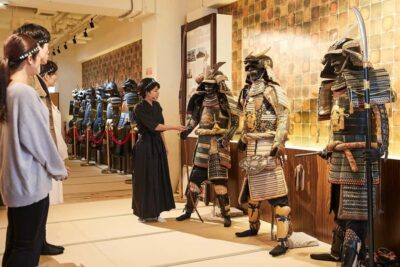 ★ 4.6Samurai Ninja Museum Guided tour and ExperienceFrom $271,010 reviews
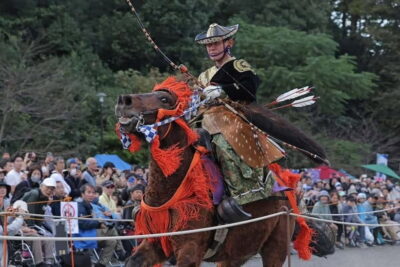 ★ 5.0Samurai Sword & Archery Class from Samurai DescendantFrom $193603 reviews
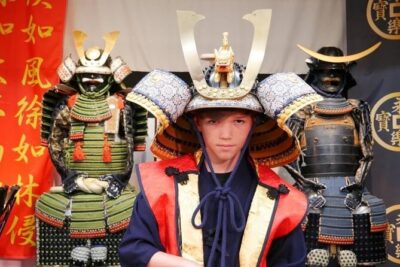 ★ 5.0Best Samurai Experience in TokyoFrom $65458 reviews
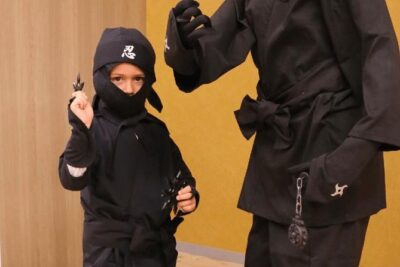 ★ 5.0Ninja Experience (Family Friendly) at Samurai Ninja Museum TOKYOFrom $47441 reviews
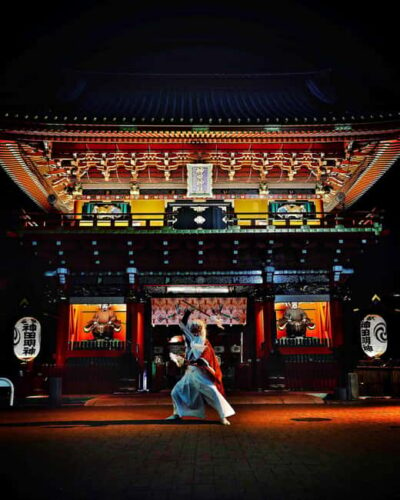 ★ 4.6Samurai Entertainment Night Show in Kanda ShrineFrom $41417 reviews
 ★ 4.2Ninja Kabuki PerformanceFrom $29330 reviews
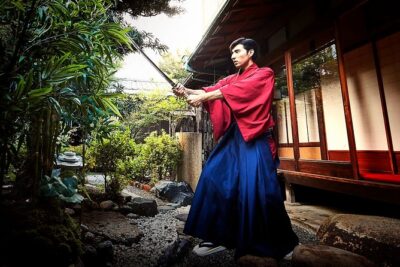 ★ 5.0Tokyo Sword Experience – includes Museum Ticket/Ninja ExperienceFrom $84314 reviews
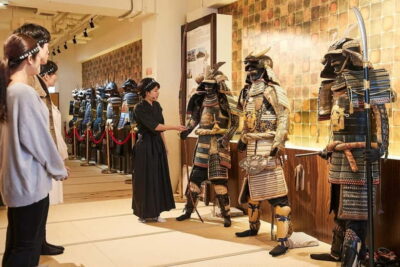 ★ 4.8Samurai Ninja Museum Asakusa: Samurai Sword Lesson & TourFrom $63306 reviews
Browse the lists this tour appears in