
Reviewed · SAMURAI & NINJA CLASSES
Real Samurai & Ninja Experience in Tokyo, 90‑Min Hands‑On Session
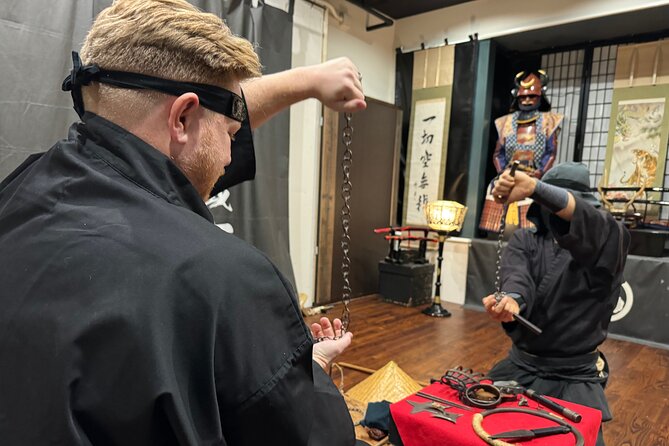
Ninjas train in real Tokyo. I love the 19th‑generation Musashi Clan Daihyo guiding a small group through real dojo movements, and I love the hands-on ninja and samurai practice plus an end-of-session photo moment. You’ll work on stances, breathing, awareness, safe weapon handling, and simple “how to” basics like stealth steps, shuriken throwing, and drawing a samurai sword in a proper training atmosphere.
One thing to plan for: the dojo is on the 3rd floor above a knife shop area near Kappabashi, so give yourself a few extra minutes to find it before you start.
In This Review
- Key Things to Know Before You Go
- A 90-Minute Session in Asakusa: How the Dojo Experience Flows
- Hakama Outfit and Dojo Etiquette: Why the Costumes Matter
- Stealth Steps and Namba Walk: The Mind-Body Training You Can Actually Try
- Shuriken Throwing: Focus Training, Not Action Movie Lobbing
- Samurai Sword Basics: Holding, Standing, Drawing (and Why Winning Matters)
- Kujikiri and Meditation: The Mental Side of Ninja and Samurai Training
- Handmade Shinobi Tools: What You’ll Touch in the Dojo
- Photos and Q&A: Capturing the Moment Without Losing the Meaning
- Price and Value: What $167.15 Buys You (and What It Doesn’t)
- Who This Workshop Fits Best in Your Tokyo Plan
- Should You Book This Ninja and Samurai Dojo Session?
- FAQ
- How much does the 90-minute ninja and samurai experience cost?
- How long is the session?
- Is it a small group experience?
- Is an interpreter provided?
- What do I do during the session?
- Is there a photo session at the end?
- Can children participate?
- Do spectators pay a fee?
- Can I cancel for a full refund?
Key Things to Know Before You Go
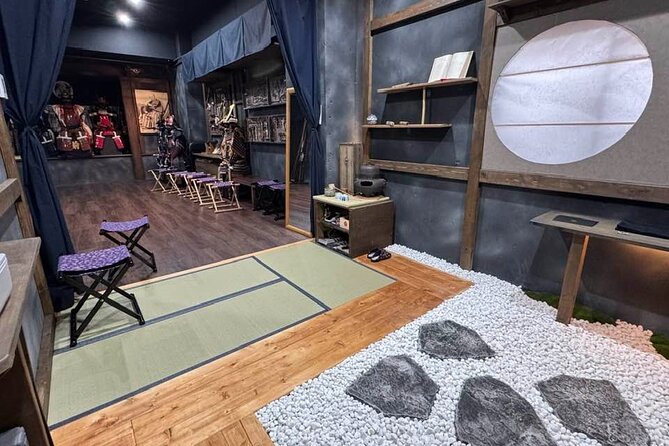
- Real clan dojo training in Asakusa instead of a staged, costume-only show
- Small group max of 6, so you get hands-on time and corrections
- Handmade shinobi tools and weapons credited to the clan weaponsmiths
- Ninja basics built around breathing and awareness (not just tricks)
- Shuriken throwing taught as focus training, with the mental side explained
- Photo time in full dojo atmosphere, plus a short Q&A
A 90-Minute Session in Asakusa: How the Dojo Experience Flows
This is a tight, 1 hour 30 minutes workshop that feels like training, not entertainment. You meet at Musashi Japan in Taito City (Matsugaya, near Kappabashi) and the activity ends back at the same meeting point. There’s no hotel pickup, so you’ll want to arrive already in the right neighborhood and ready to walk upstairs.
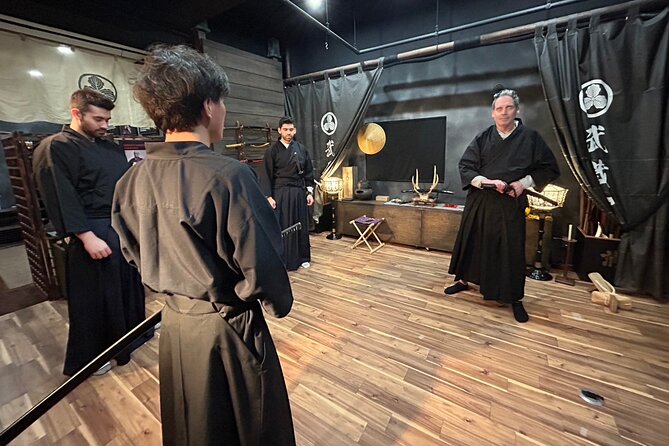
The session is capped at 6 travelers, which matters more than it sounds. With a small group, you’re not standing around watching. You’re doing the basics, adjusting your stance, and learning safe handling rules while the instructor keeps an eye on what your body is actually doing.
Also, there’s a dojo spectator fee: 2750 yen, paid upon entering. That’s a good detail to know if you’re bringing extra family members who want to watch from the side.
More blade-and-dojo sessions, reviewed
- Tokyo: Samurai Ninja Museum Guided tour and Experience
★ 4.6 · 1,010 reviews - Tokyo: Samurai Sword & Archery Class from Samurai Descendant
★ 5.0 · 603 reviews - Best Samurai Experience in Tokyo
★ 5.0 · 458 reviews - Ninja Experience (Family Friendly) at Samurai Ninja Museum TOKYO
★ 5.0 · 441 reviews
Hakama Outfit and Dojo Etiquette: Why the Costumes Matter
You don’t just wear a costume for photos. You’ll be dressed in samurai hakama trousers, then brought into the dojo rhythm right away. That single detail changes the whole tone. The posture starts “on purpose,” and you’re less likely to treat it like a theme park.
The workshop includes an opening meditation, which signals that the training isn’t only physical. You’ll also be in a setting where the tools are presented as real, crafted objects—not cheap props. Several families highlight how the experience feels authentic because you handle the gear, you hear the stories around it, and you practice basic movement with care.
At the end, you get a dedicated photo moment plus Q&A time. This is when questions like how to think about stealth training, or what the sword lesson was really teaching, make sense. You can ask, then you can still enjoy the photos without rushing.
Stealth Steps and Namba Walk: The Mind-Body Training You Can Actually Try
A big chunk of the session centers on movement basics: Namba (Shinobi Samurai Walk) and stealth steps. This is where the “ninja” part becomes practical. You work on stances, breathing, and awareness—basically the things that keep you controlled instead of wild.
The instructor also emphasizes mental discipline. For example, in the shuriken section (more below), the purpose isn’t only hitting targets. It’s keeping your mind quiet. That same “mental quiet” idea shows up in how they guide the footwork and pacing during the stealth steps.
One neat detail from past families: you may try a blindfolded ninja walk, which makes you slow down and trust your body and awareness instead of sight. It’s not about fear. It’s about learning what stealth training feels like when you remove one sense.
This is also where kids usually start to get it. They stop thinking about ninjas as jump-scare characters and start thinking about training as control—how you move, how you breathe, and how you notice the space around you.
Shuriken Throwing: Focus Training, Not Action Movie Lobbing
Shuriken throwing is one of the most talked-about parts, and for good reason. You’ll get a hands-on introduction to throwing mechanics, but the lesson comes with philosophy: the purpose is mental concentration and keeping your mind silent.
That’s a surprisingly useful way to frame it. If you go in expecting just a cool arm motion, you may miss the point. But if you treat it like a concentration drill, the experience clicks. You focus on grip, stance, and calm execution, and the instructor ties the skill to how shinobi training works in their worldview.
Just as important: “safe weapon handling” is part of what they teach. Even if you’ve used toys or props before, you’re shown how to handle tools properly in a dojo environment, with rules that keep everyone comfortable.
Whether you’re an adult martial arts fan or a first-timer, this segment gives you a real sense of what disciplined throwing practice would require: not speed, not swagger—control.
Samurai Sword Basics: Holding, Standing, Drawing (and Why Winning Matters)
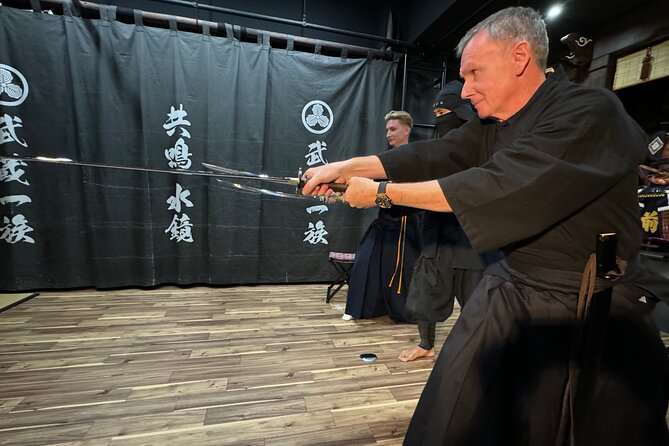
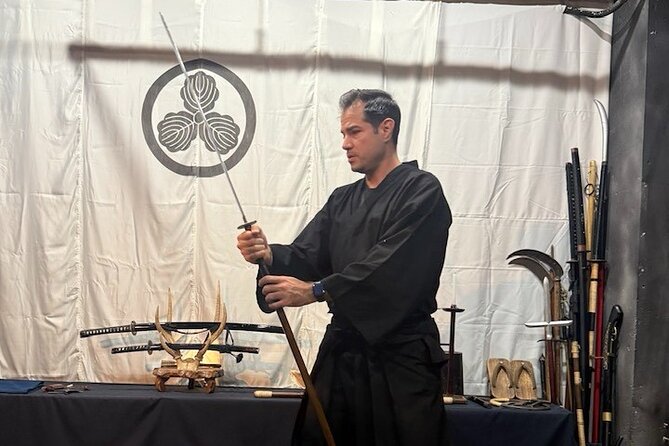
The sword portion is shorter than a full fencing class, but it’s structured around the basics that beginners need most. You’ll practice how to hold and stand, plus the fundamentals of drawing a sword.
The instructor also explains the mindset: the goal of swordsmanship is to win without drawing. That line changes how you think about the technique. It’s not about showing off the blade. It’s about awareness, decision-making, and what happens before the draw.
In plain terms, this makes the lesson feel less like a stunt and more like a system. You’re learning posture and procedure—the kind of basics you’d use to stay controlled even if you never touch the sword again.
And because this happens in a real dojo with clear safety guidance, you can enjoy it without worrying that it’ll turn into messy play. Families especially like this because kids can feel brave and cool while still getting trained correctly.
- Tokyo: Shinjuku Food Tour (13 Dishes at 4 Local Eateries)★ 5.0 · 6,603 reviews
- Tokyo Mt Fuji 5th St & Hakone Cruise Bus Tour w/Bullet Train★ 4.4 · 5,024 reviews
- Flagship 2-Hours Official Street Go-Kart Tour – Tokyo Bay Shop★ 5.0 · 4,974 reviews
- From Tokyo: Mount Fuji Full-Day Sightseeing Trip★ 4.5 · 4,970 reviews
- Tokyo: Hop-On Hop-Off Sightseeing Bus Ticket★ 3.9 · 4,207 reviews
Kujikiri and Meditation: The Mental Side of Ninja and Samurai Training
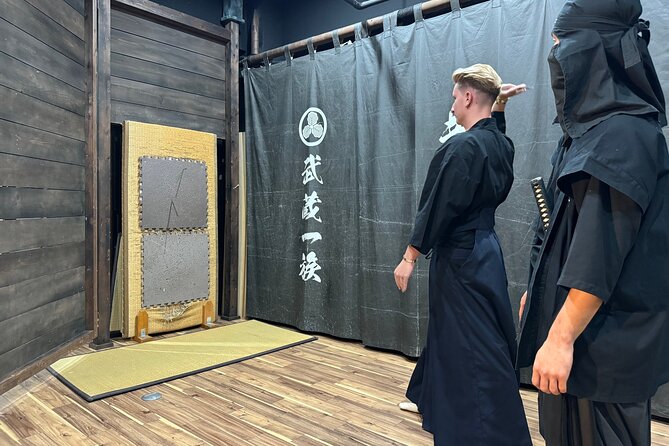
You’ll experience meditation twice: once at the beginning and again later with short meditation and Kujikiri. The workshop’s pacing uses those quiet moments to reset your body between physical practice segments.
Even if you don’t know Japanese terms, you don’t need to. The instructor frames the purpose: it’s training attention. It’s learning how to slow down enough to act deliberately.
Kujikiri is presented as part of that mental and cultural foundation, not as a random gimmick. For many people, this is the part that makes the whole workshop feel like culture—not just a “we tried weapons” session.
If you tend to get overwhelmed in new situations, those quieter stretches can be a relief. You’re not being asked to perform at full speed nonstop. Instead, you’re given space to settle into the dojo mindset.
Handmade Shinobi Tools: What You’ll Touch in the Dojo
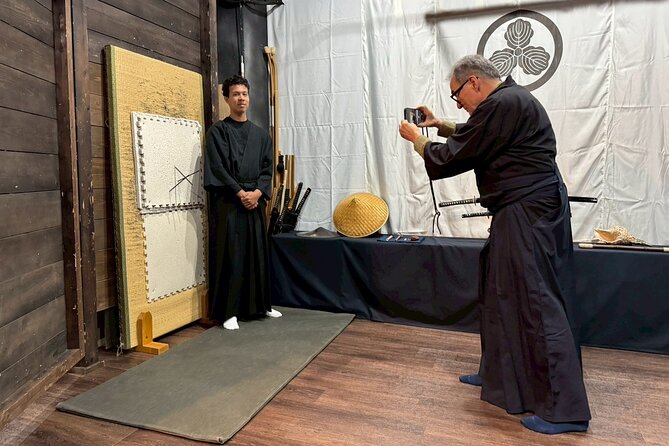
One of the strongest authenticity signals is the claim that the tools are works of the clan weaponsmiths. You’ll get an introduction to handmade shinobi tools and weapons, with a focus on safe handling and basic use.
Depending on the group flow, you might also handle items beyond shuriken and sword practice. Some families specifically mention blow darts as part of the tools they practiced. The core value is the same: you get to touch the objects, understand what they’re for, and see how they fit a training system.
This is also where the “not a play-fighting experience” impression comes through. You’re guided through tools with respect for their purpose, rather than turning the whole thing into roughhouse pretend combat.
If you’re a gadget person, this part is fun in a different way. You start noticing how the tools demand a particular way of holding your body and moving your attention.
Photos and Q&A: Capturing the Moment Without Losing the Meaning
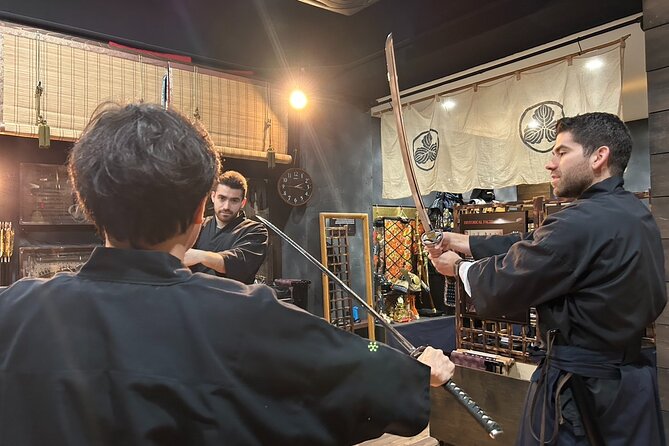
The photo session matters because it comes after training, not before. You earn the look. You’ve already practiced stances and steps, so the photos feel like a record of what you did, not just a costume change.
You’ll also have about 10 minutes for Q&A. That’s the window to ask what you didn’t fully grasp in the moment. It can also help you separate myth from technique. The instructor’s explanations connect the movement drills to the cultural philosophy behind them.
A small but useful detail: the experience is designed for both kids and adults. That means the explanations are paced so you can stay engaged even if you’re not a lifelong martial arts student.
Price and Value: What $167.15 Buys You (and What It Doesn’t)
At $167.15 per person for about 90 minutes, this isn’t a cheap “try one thing” workshop. But you’re paying for several value drivers at once:
- A real dojo setting tied to the Musashi clan’s training tradition
- Small group instruction (max 6), which reduces the usual “watching from the sidelines” problem
- An online interpreter and an instructor who can teach beginners safely
- Hands-on weapon/tool experience, including shuriken practice and sword basics
- Meditation and cultural context, not only physical drills
- Photo time plus Q&A
Where it may not match your expectations: this is not a multi-month training program, and it’s not building you into a fully certified martial artist. You’re learning fundamentals and getting a feel for the discipline. If you want hours upon hours of sword technique repetition, you’ll want something longer-term later.
Still, for a first-time introduction in Tokyo, the format is efficient. You leave with a story you can explain and a set of movement memories that feel real.
There’s also a private session option for ¥16,500 covering up to 12 guests. If you’re traveling with a big family group and want dedicated attention, that can be strong value.
Who This Workshop Fits Best in Your Tokyo Plan
This experience is a great match if you want a hands-on cultural activity, not just another photo stop.
It’s especially strong for:
- Families with kids 12+ (children under 12 may participate when accompanied by a participating guardian)
- Teens who like learning how things work, not just watching
- Adults who want the “real dojo” feel and a structured beginner introduction
- Martial arts fans who like the breathing/awareness side as much as the techniques
It’s less of a match if:
- You’re hoping for lots of free time to explore. This is training time, so you’ll be doing the session as planned.
- You hate stairs or tight interior spaces. The dojo location is on an upper floor, so wear shoes you can handle.
- You only want a quick show. The whole point here is practice—stances, stealth steps, and tool handling.
If you’re adding this to a Tokyo day, pair it with nearby Asakusa/Kappabashi-area sightseeing so your travel time feels efficient. The session itself moves at a dojo pace.
Should You Book This Ninja and Samurai Dojo Session?
I think you should book it if you fit one of the following moods: you want an authentic dojo experience, you want to try shuriken throwing and sword draw basics safely, and you’re okay with 90 minutes being focused rather than sprawling.
Skip it if you want a high-energy street performance or you’re only interested in costumes with no training. The value here comes from the discipline: breathing, awareness, meditation, and careful tool handling in a real clan-style setting.
If you’re traveling with kids, this is one of those activities that often lands well because it’s fun and structured. You get photos, but you also get actual instruction and a culture-centered lesson that makes the fun feel earned.
FAQ
How much does the 90-minute ninja and samurai experience cost?
It’s priced at $167.15 per person.
How long is the session?
The session lasts about 1 hour 30 minutes.
Is it a small group experience?
Yes. The tour/activity has a maximum of 6 travelers.
Is an interpreter provided?
Yes. An online interpreter is included.
What do I do during the session?
You practice training basics such as stances, breathing, awareness, stealth steps, shuriken throwing, and sword practice. The session also includes meditation and a photo time with Q&A.
Is there a photo session at the end?
Yes. You get photo time at the end, along with time for questions.
Can children participate?
Children under 12 may participate when accompanied by a participating guardian. The experience is also suitable for kids and adults.
Do spectators pay a fee?
Yes. A spectator fee of 2750 yen is payable upon entering the dojo.
Can I cancel for a full refund?
Yes. You can cancel up to 24 hours in advance for a full refund.
More Tour Reviews in Tokyo
- Mt Fuji and Hakone 1-Day Bus Tour Return by Bullet Train
★ 5.0 · 26,383 reviews - 1-Day Tokyo Bus Tour
★ 5.0 · 14,250 reviews - Tokyo: teamLab Planets TOKYO Digital Art Museum Entry Ticket
★ 4.6 · 9,779 reviews - Mt Fuji & Hakone Cruise, Drum Show Bullet Train 1 Day from Tokyo
★ 4.0 · 7,413 reviews - Tokyo: Shinjuku Food Tour (13 Dishes at 4 Local Eateries)
★ 5.0 · 6,603 reviews
More Samurai and Ninja Sessions
- Tokyo: Samurai Ninja Museum Guided tour and Experience
★ 4.6 · 1,010 reviews - Tokyo: Samurai Sword & Archery Class from Samurai Descendant
★ 5.0 · 603 reviews - Best Samurai Experience in Tokyo
★ 5.0 · 458 reviews - Ninja Experience (Family Friendly) at Samurai Ninja Museum TOKYO
★ 5.0 · 441 reviews - Tokyo: Samurai Entertainment Night Show in Kanda Shrine
★ 4.6 · 417 reviews
Latest Tokyo reviews off our desk






Samurai & Ninja Classes, compared.
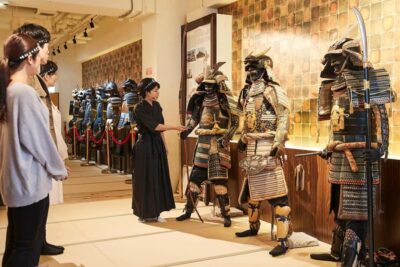 ★ 4.6Samurai Ninja Museum Guided tour and ExperienceFrom $271,010 reviews
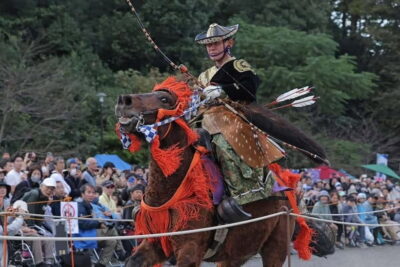 ★ 5.0Samurai Sword & Archery Class from Samurai DescendantFrom $193603 reviews
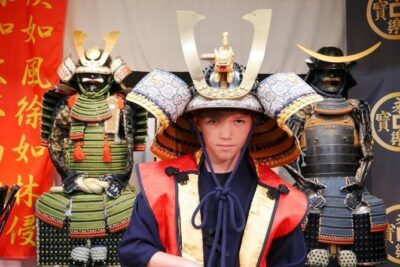 ★ 5.0Best Samurai Experience in TokyoFrom $65458 reviews
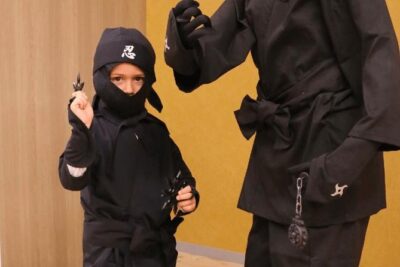 ★ 5.0Ninja Experience (Family Friendly) at Samurai Ninja Museum TOKYOFrom $47441 reviews
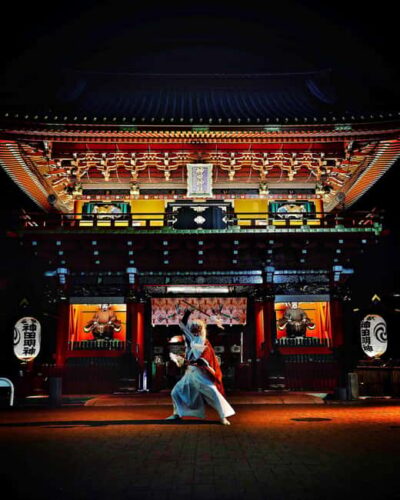 ★ 4.6Samurai Entertainment Night Show in Kanda ShrineFrom $41417 reviews
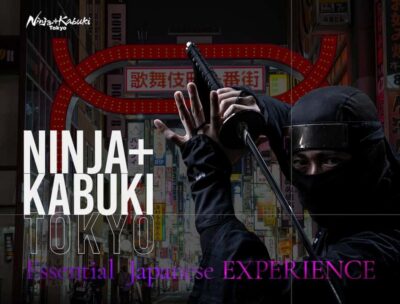 ★ 4.2Ninja Kabuki PerformanceFrom $29330 reviews
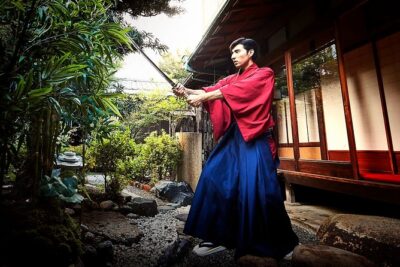 ★ 5.0Tokyo Sword Experience – includes Museum Ticket/Ninja ExperienceFrom $84314 reviews
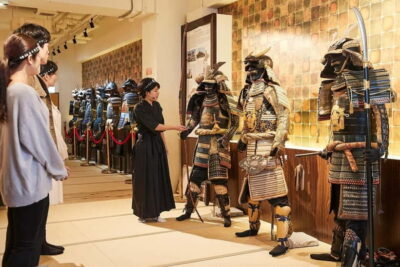 ★ 4.8Samurai Ninja Museum Asakusa: Samurai Sword Lesson & TourFrom $63306 reviews
Browse the lists this tour appears in