
Reviewed · SAMURAI & NINJA CLASSES
Samurai experience: art and soul of the sword
Tokyo and a sword class.
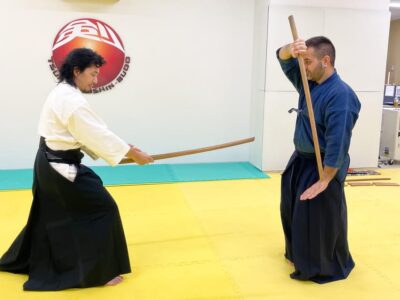
This experience is about values, not cosplay. You start by learning proper sword etiquette and the basics of bushido, then practice Iaido movements that focus on control and last-resort action. The result is a very different picture of samurai than the one you probably carry in your head.
Two things I especially like: first, how quickly the lesson steers you away from showy fighting and toward disciplined behavior around the blade. Second, you get a close-up view of the master’s solo demonstration right after you try the basics yourself, so you can compare what it feels like in real life versus what movies sell you. One thing to consider: there’s a formal waiver and you do follow instructions closely, and the optional real-sword tatami cut is only for those 18+.
In This Review
- Key Highlights You’ll Notice Fast
- Why Iaido Changes Your Idea of Samurai
- Getting to Kuramae Station and Settling In
- Inside the Dojo: What the First Minutes Focus On
- Iaido Basics: From Flow and Form to a Real Target
- The Master’s Solo Demonstration: Why It Matters After You Try
- Optional Real-Sword Tatami Cut: A Big Step If You Qualify
- Group Size, Coaching Style, and What the Session Feels Like
- Price and Value: What $216.86 Really Buys
- Who Should Book This Samurai Sword Etiquette Experience
- Practical Tips So You Get the Most Out of It
- Should You Book It?
- FAQ
- How long is the Samurai Experience: art and soul of the sword?
- Where does the experience start?
- What’s the minimum age to join?
- Do I need to sign a waiver?
- What do we do during the session?
- Is there a real sword option, and how does it work?
- Can I get a refund if my plans change?
Key Highlights You’ll Notice Fast
- Etiquette first: sword manners and bushido fundamentals before you swing anything
- Iaido practice: controlled cutting patterns aimed at precision and restraint
- Close-up master solo demo: see the technique up close right after your session
- Man-shaped cardboard target: a clear, safe way to learn the flow
- Optional real-sword tatami cut: a step up if you meet the 18+ requirement
- Certificate of completion: a neat, tangible finish to the class
Why Iaido Changes Your Idea of Samurai
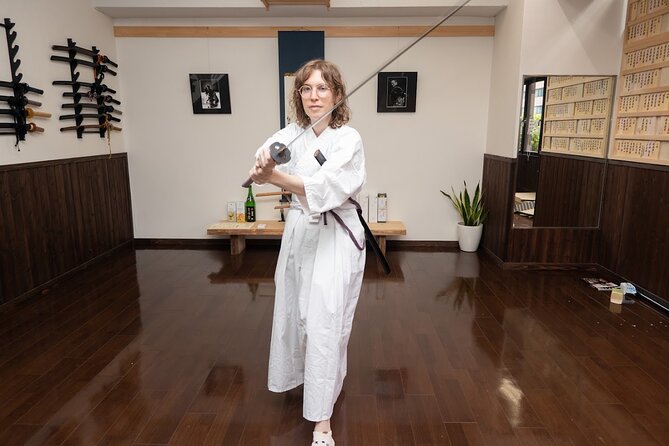
Most people think samurai equals sudden violence. This class nudges you in another direction almost immediately. Instead of jumping to attacks, you begin with how to handle the sword properly and how a samurai’s mindset is shaped by courtesy and discipline. That shift matters, because it reframes the blade as something you earn with behavior, not something you use for ego.
Iaido is built around the moment-to-moment decisions that don’t look dramatic from the outside. The pacing is about being calm, correct, and intentional—especially when you’re doing something as bold as drawing and cutting. You learn that the strong response in bushido isn’t always the loud one. Sometimes it’s restraint, discussion, and preventing conflict before it happens.
If you came hoping for a quick sword show, you might feel surprised by how much of the experience is about mindset. But if you want the art and the moral logic behind it, you’ll likely find the lesson very satisfying. The class does a good job of making “the sword” feel like a tool of responsibility.
More blade-and-dojo sessions, reviewed
- Tokyo: Samurai Ninja Museum Guided tour and Experience
★ 4.6 · 1,010 reviews - Tokyo: Samurai Sword & Archery Class from Samurai Descendant
★ 5.0 · 603 reviews - Best Samurai Experience in Tokyo
★ 5.0 · 458 reviews - Ninja Experience (Family Friendly) at Samurai Ninja Museum TOKYO
★ 5.0 · 441 reviews
Getting to Kuramae Station and Settling In
You meet at Kuramae Station (2-chōme-3-1 Kuramae, Taito City). The start time is 9:00 am, and the whole session runs about 1 hour 30 minutes. The good news: it’s near public transportation, and the group size is capped at 10 travelers, so you’re not lost in a crowd.
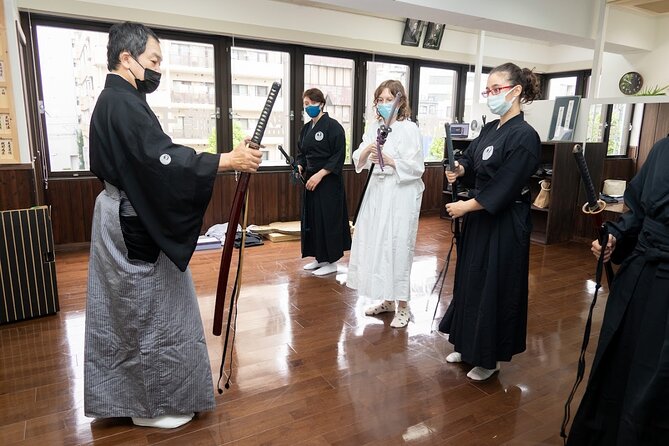
When you arrive, plan to move promptly. The session includes changing into samurai attire with a sword, and then moving into instruction. That means you should come ready to follow guidance quickly and clearly. Moderate physical fitness is recommended, not because you’ll be sprinting, but because the practice involves controlled body movements and attention for the whole session.
Also, you’ll get a mobile ticket. I’d treat your phone like your “ticket wallet” for the day—keep it charged and easy to access so you don’t waste time.
Inside the Dojo: What the First Minutes Focus On
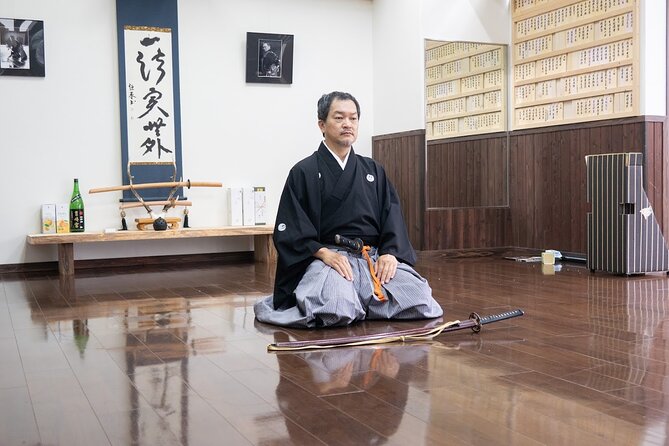
The experience doesn’t waste time. Your first steps are about sword etiquette and the fundamentals of bushido. That can sound abstract, but in practice it becomes very concrete: how you respect the blade, how you handle space, and what discipline looks like when you’re not performing for a camera.
This is where the tone of the class clicks. It’s not about playing around with samurai gear. It’s about learning the values prized by samurai—courtesy, control, and awareness. The lesson emphasizes that drawing a sword or taking action isn’t casual. It’s a decision you make only when there’s no better option.
One small but important thing: you’re not just watching. You’re learning in a sequence, so the etiquette becomes part of your movement. That’s what makes the experience feel more like a training session than a lecture.
Iaido Basics: From Flow and Form to a Real Target
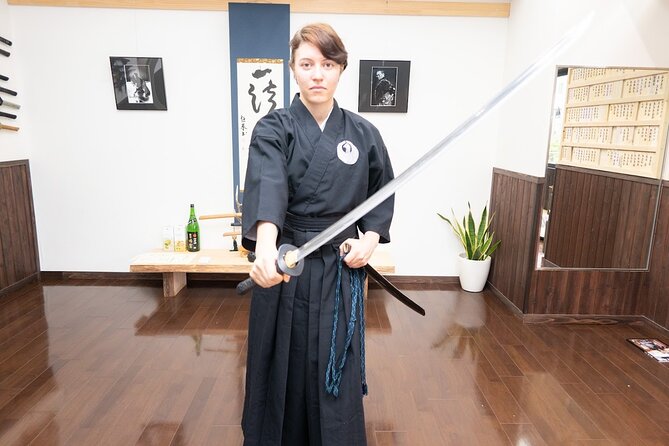
After you change into attire, you learn what Iaido is about and how the lesson flows. Then you move into practice by cutting a man-shaped cardboard with a sword. This is a smart teaching structure. Cardboard gives you a straightforward target that lets you focus on timing and technique, without the stakes (or nerves) of hitting something harder.
In a class like this, the details matter: how you transition, how you align your body, and how you control the end of the motion. The goal isn’t speed. It’s correctness with calm focus. If you’ve ever tried a sport and realized you need to slow down to do it right, this is that same idea, but with far more traditional weight behind it.
You also get an up-close look at training rhythm. If the master’s pacing seems effortless, watch what it’s built on: controlled steps and deliberate transitions. After you practice, that “effortless” look makes more sense.
The Master’s Solo Demonstration: Why It Matters After You Try
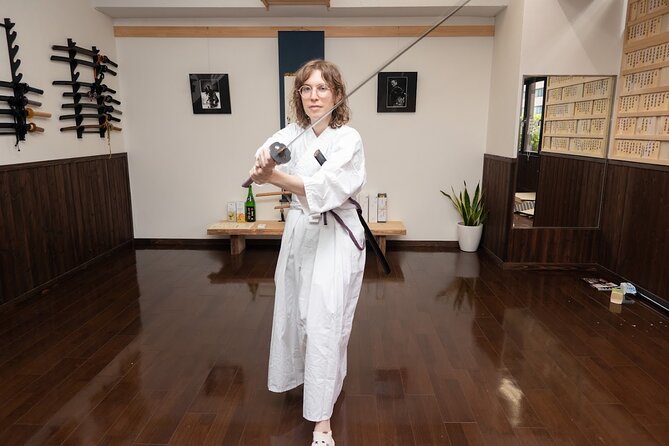
One of the most praised parts of this experience is the close-up master demonstration. And it’s not just impressive—it’s useful. Doing your own practice first means you bring muscle memory (even if it’s early) into the viewing moment. Then when you watch the solo demo, you can spot what your body was missing.
The demonstration helps in two ways:
- It shows what the technique looks like at its best.
- It helps you understand how discipline, posture, and timing connect into one smooth action.
That’s the “art” part of Iaido, and it’s also the reason the class feels more meaningful than just learning a cut. You’re learning a system, not a trick.
By the end, you receive a certificate of completion—a small paper reward that actually makes sense here. It’s proof you went beyond watching.
- Tokyo: Shinjuku Food Tour (13 Dishes at 4 Local Eateries)★ 5.0 · 6,603 reviews
- Tokyo Mt Fuji 5th St & Hakone Cruise Bus Tour w/Bullet Train★ 4.4 · 5,024 reviews
- Flagship 2-Hours Official Street Go-Kart Tour – Tokyo Bay Shop★ 5.0 · 4,974 reviews
- From Tokyo: Mount Fuji Full-Day Sightseeing Trip★ 4.5 · 4,970 reviews
- Tokyo: Hop-On Hop-Off Sightseeing Bus Ticket★ 3.9 · 4,207 reviews
Optional Real-Sword Tatami Cut: A Big Step If You Qualify
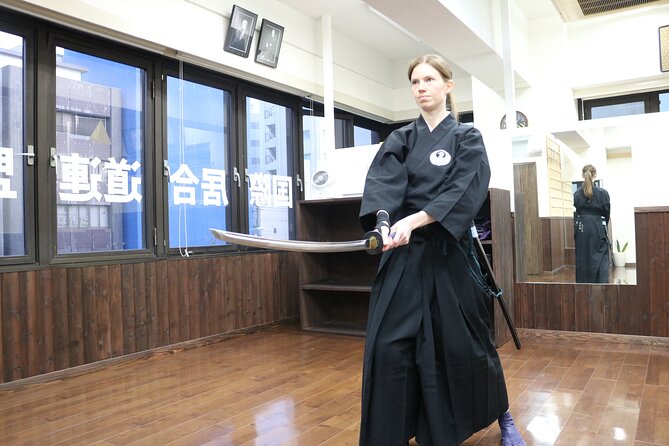
There’s an enhancement option that lets you try cutting a rolled tatami mat with a real sword. It’s described as a way to sharpen the experience beyond the standard practice target.
But there are clear conditions:
- You need to be 18 or older on your experience date for the real sword option.
- You must sign a waiver.
- You must abide by the master’s instructions during the session.
If you qualify and you’re comfortable with the seriousness of sword training, this is the part that can make the class feel truly memorable. Cutting tatami is a different challenge than cardboard. It demands clean technique and focus, not just enthusiasm.
If you don’t qualify—or you’d rather keep it at the base level—that’s totally fine. The core lesson still centers on etiquette, bushido basics, and Iaido flow. The class is designed so you don’t need the real-sword option to get the main value.
Group Size, Coaching Style, and What the Session Feels Like
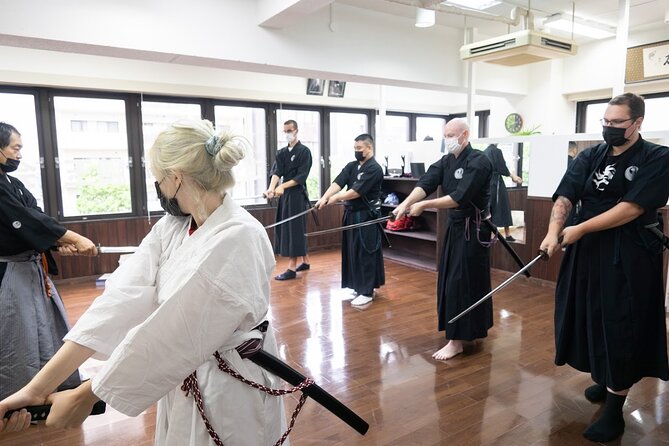
This experience caps at 10 travelers, which makes a difference. You’re more likely to receive attention when something feels off—posture, timing, or how you’re carrying yourself around the blade.
The coaching style you’ll feel here is disciplined and direct. Since the class stresses manners and control, expect instruction that corrects your form immediately. That’s actually a good thing for most beginners. You learn faster when someone stops you early rather than letting you practice mistakes for an hour.
Also, you should assume the session requires focus throughout. There’s a lot happening in a short window: change into attire, learn etiquette and bushido principles, practice the flow on target, optionally attempt tatami cut (if eligible), then watch the master demo, and finally finish with a certificate.
Price and Value: What $216.86 Really Buys
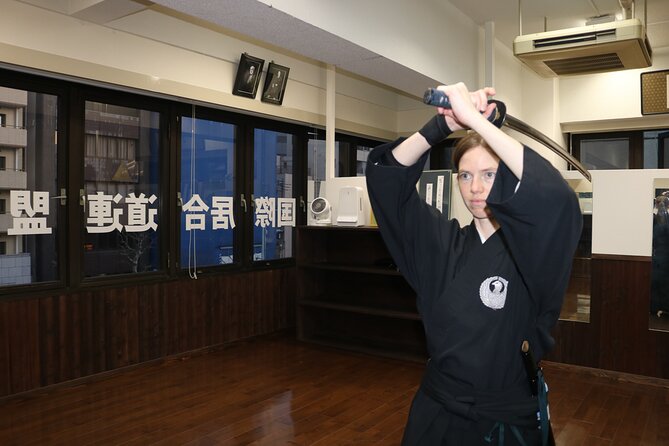
At $216.86 per person, this isn’t a budget activity. So here’s how I’d judge the value: you’re paying for a small-group, structured dojo session that blends teaching and demonstration, plus traditional practice with Iaido elements.
You’re not paying for a costume. The lesson begins with values and etiquette, not with entertainment. You also get real coaching in sequence: you practice, then you watch the master. That “try first, observe second” approach makes the learning stick.
Then there’s the optional tatami cut, which can justify the cost even more if you’re eligible and want the full intensity of the training experience. The certificate at the end is a nice bonus, but the real value is the method: a controlled, respectful approach to a sword art that takes itself seriously.
If you’re the kind of traveler who likes museums but also wants hands-on training that’s more than a gimmick, this price may feel fair. If you’re looking for a long multi-day course, you may find the timeframe short. But for 1 hour 30 minutes, it’s a concentrated introduction that doesn’t skip the fundamentals.
Who Should Book This Samurai Sword Etiquette Experience
I think this experience fits best if you:
- Want authentic Japanese martial arts training, not just photo ops in samurai clothing
- Like cultural context—bushido etiquette and why the sword is treated with respect
- Prefer small groups and hands-on coaching
- Are curious about Iaido and how it emphasizes control and restraint
It also suits you if you enjoy observing skilled technique after you’ve tried something yourself. That structure makes the master’s demo more than a performance.
If you’re very sensitive to formal rules, waivers, or detailed instructions, keep that in mind. This class is serious. Even when the tone feels friendly, the content expects discipline.
Practical Tips So You Get the Most Out of It
- Arrive early enough to settle in without rushing, especially for changing into attire.
- Listen closely the first time you’re taught etiquette. In this kind of class, early mistakes often repeat.
- If you’re aiming for the tatami cut, be prepared for extra seriousness around safety and form because you’ll need the waiver and 18+ eligibility.
- Bring patience for a short session. The value comes from focus, not time.
Should You Book It?
Yes—if you want the “art and soul” side of samurai, not the loud action fantasy. The lesson’s emphasis on etiquette, bushido fundamentals, and Iaido’s disciplined flow is exactly what makes this experience feel rare. You’ll practice on a target, then see the master demonstrate up close with your own attempts fresh in your mind.
Skip it only if you’re expecting a long, deep sword course or a laid-back shoot-photos activity. This is a training session with structure, rules, and real instruction. Done with the right mindset, it’s a memorable Tokyo experience that teaches you how respect and control shape the blade.
FAQ
How long is the Samurai Experience: art and soul of the sword?
It lasts about 1 hour 30 minutes.
Where does the experience start?
You start at Kuramae Station (2-chōme-3-1 Kuramae, Taito City, Tokyo 111-0051, Japan). It ends back at the meeting point.
What’s the minimum age to join?
If you want the real-sword tatami cut option, you must be 18 or older. Without that option, the minimum age is 5.
Do I need to sign a waiver?
Yes, you must sign a waiver before the experience.
What do we do during the session?
You’ll change into samurai attire with a sword, learn Iaido fundamentals and etiquette, practice by cutting a man-shaped cardboard target, watch the master’s solo demonstration up close, and receive a certificate of completion.
Is there a real sword option, and how does it work?
There is an optional real-sword experience where you can try cutting a rolled tatami mat. The real-sword option requires you to be 18+ and sign the required waiver, and you must follow the master’s instructions.
Can I get a refund if my plans change?
Yes. You can cancel for a full refund up to 24 hours before the start time.
More Tour Reviews in Tokyo
- Mt Fuji and Hakone 1-Day Bus Tour Return by Bullet Train
★ 5.0 · 26,383 reviews - 1-Day Tokyo Bus Tour
★ 5.0 · 14,250 reviews - Tokyo: teamLab Planets TOKYO Digital Art Museum Entry Ticket
★ 4.6 · 9,779 reviews - Mt Fuji & Hakone Cruise, Drum Show Bullet Train 1 Day from Tokyo
★ 4.0 · 7,413 reviews - Tokyo: Shinjuku Food Tour (13 Dishes at 4 Local Eateries)
★ 5.0 · 6,603 reviews
More Samurai and Ninja Sessions
- Tokyo: Samurai Ninja Museum Guided tour and Experience
★ 4.6 · 1,010 reviews - Tokyo: Samurai Sword & Archery Class from Samurai Descendant
★ 5.0 · 603 reviews - Best Samurai Experience in Tokyo
★ 5.0 · 458 reviews - Ninja Experience (Family Friendly) at Samurai Ninja Museum TOKYO
★ 5.0 · 441 reviews - Tokyo: Samurai Entertainment Night Show in Kanda Shrine
★ 4.6 · 417 reviews
Latest Tokyo reviews off our desk




Samurai & Ninja Classes, compared.
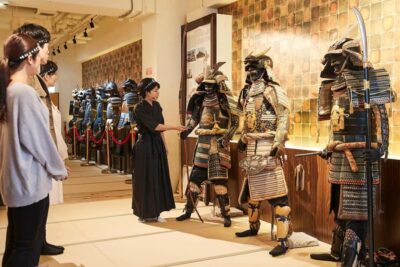 ★ 4.6Samurai Ninja Museum Guided tour and ExperienceFrom $271,010 reviews
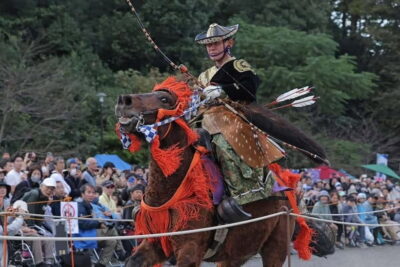 ★ 5.0Samurai Sword & Archery Class from Samurai DescendantFrom $193603 reviews
 ★ 5.0Best Samurai Experience in TokyoFrom $65458 reviews
 ★ 5.0Ninja Experience (Family Friendly) at Samurai Ninja Museum TOKYOFrom $47441 reviews
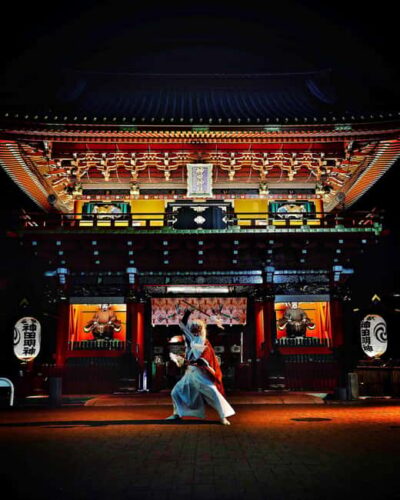 ★ 4.6Samurai Entertainment Night Show in Kanda ShrineFrom $41417 reviews
 ★ 4.2Ninja Kabuki PerformanceFrom $29330 reviews
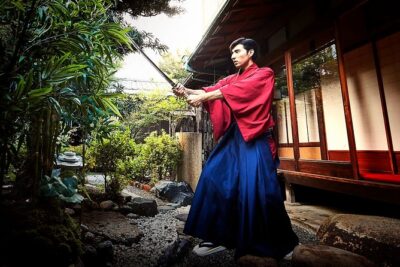 ★ 5.0Tokyo Sword Experience – includes Museum Ticket/Ninja ExperienceFrom $84314 reviews
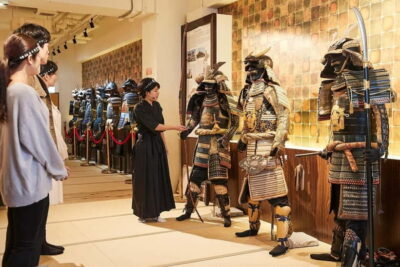 ★ 4.8Samurai Ninja Museum Asakusa: Samurai Sword Lesson & TourFrom $63306 reviews
Browse the lists this tour appears in