
Reviewed · SAMURAI & NINJA CLASSES
SAMURAI EXPERIENCE in Tokyo(Harajuku)【SAMURAI’ve】
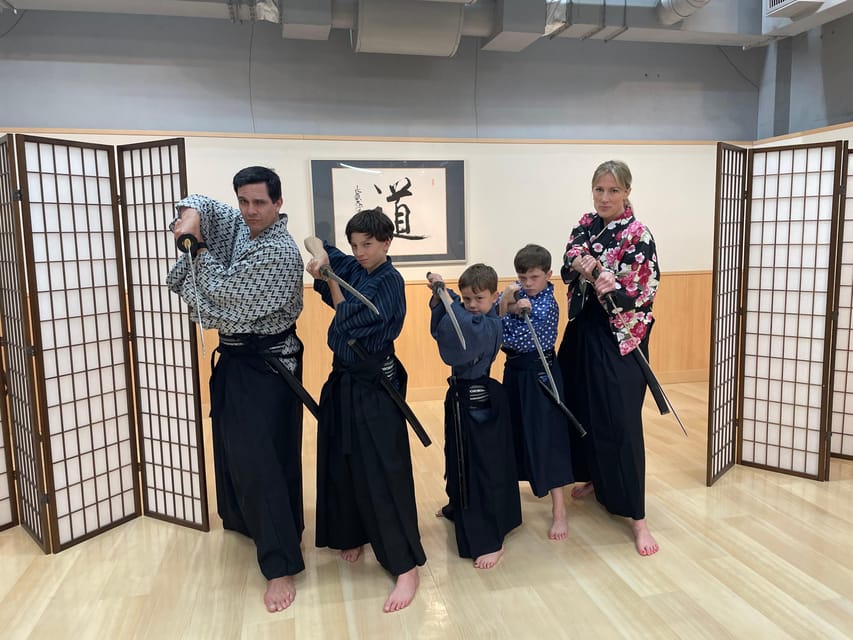
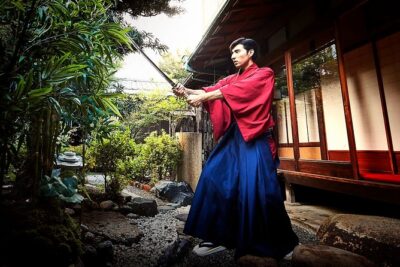
Tokyo’s Samurai lesson is hands-on, not performative. You’ll learn kimono kitsuke basics, practice Reigi sahou manners, then get coached through sword moves and stylized tachimawari-style drills. It’s a small-group session (up to 10) designed to feel like a real training hour instead of a quick photo stop.
I like that you’re not just watching. You’re holding the sword, moving your feet, and getting feedback in a structured way. I also like that the end includes a photoshoot in full Samurai outfit, so the experience has a clear finish you can share. One thing to consider: you’ll need a bit of physical comfort for the movement and stances, and it’s not set up for wheelchair users.
In This Review
- Key highlights I’d plan around
- Why this Harajuku Samurai hour feels different from a show
- Finding the dojo near Kitasando and Harajuku stations
- Kimono kitsuke: dressing like a Samurai (and learning why it matters)
- Reigi sahou etiquette: manners that affect your movement
- Sword training basics: what you can realistically learn in one hour
- Tachimawari drills: the stage-style sword movement you’ll recognize
- Photoshoot with your sword: how to get good pictures without stress
- Price and value: is $70 for 1 hour worth it?
- Who should book Samurai’ve in Harajuku
- Practical tips so your hour goes smoothly
- Should you book this Samurai Experience in Harajuku?
- FAQ
- Where is the meeting point?
- How long is the experience?
- What should I wear?
- What is included in the price?
- Do you provide transportation to the meeting point?
- What languages are available?
- Is it suitable for young children or wheelchair users?
Key highlights I’d plan around
- Kimono kitsuke: you learn how to dress correctly (not just wear it).
- Reigi sahou etiquette: manners and mindset, taught alongside movement.
- Basic sword training: you’ll pick up usable moves to practice at home.
- Tachimawari-style drills: stylized sword-fighting movement inspired by stage scenes.
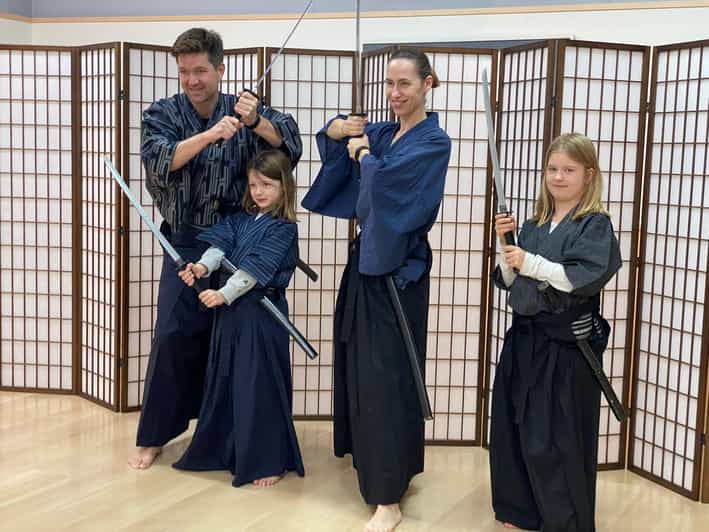
- Photoshoot moment: you’ll pose holding the sword in your Samurai look.
- Small group size: limited to 10 for more instructor attention.
Why this Harajuku Samurai hour feels different from a show
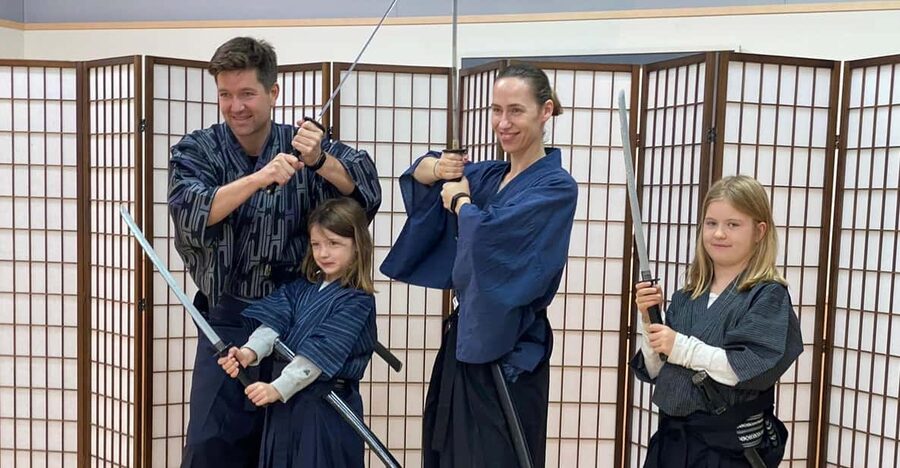
Harajuku is famous for style and shopping, but this Samurai training workshop gives you something more grounded than a typical performance. In an hour, you go through a mini “role + movement” sequence: clothing first, etiquette second, then sword basics and practice drills. That order matters, because it trains your body and behavior together.
The vibe is also practical. You’re not expected to know sword terms or Japanese manners ahead of time. The instructors guide you step-by-step, including language support in English, Japanese, and Chinese, so you’re not left guessing what to do.
What I think makes this booking especially worthwhile is the combination of three things that are usually separate in Tokyo activities: dressing correctly, practicing etiquette, and then using that role while you move with a sword. You leave with more than photos. You leave with a short set of actions you can explain to friends and even re-enact later—carefully, of course, without trying to speedrun anything dangerous.
More blade-and-dojo sessions, reviewed
- Tokyo: Samurai Ninja Museum Guided tour and Experience
★ 4.6 · 1,010 reviews - Tokyo: Samurai Sword & Archery Class from Samurai Descendant
★ 5.0 · 603 reviews - Best Samurai Experience in Tokyo
★ 5.0 · 458 reviews - Ninja Experience (Family Friendly) at Samurai Ninja Museum TOKYO
★ 5.0 · 441 reviews
Finding the dojo near Kitasando and Harajuku stations
You’ll meet at a specific spot: enter through the red door, then go to the second-floor basement. It’s about a 5-minute walk from Kitasandō Station and roughly an 8-minute walk from Harajuku Station.
My advice: don’t plan to “wing it” right at the start time. Tokyo stations can be confusing, and this meeting point is tucked away in a doorway that’s easy to miss if you’re rushing. Give yourself a little buffer, especially if it’s your first time navigating that area.
Also note the class format: it’s small and timed. Arriving late can throw off the flow for you and the group, so build in extra minutes for the walk and finding the entrance.
Kimono kitsuke: dressing like a Samurai (and learning why it matters)
The first real moment of the experience is kimono kitsuke—helping you put on your kimono in a way that looks correct and feels stable. You’re not just wearing a costume. You’re learning a basic method for how the outfit sits, where it needs to be adjusted, and how that affects your posture.
This is one of those details that sounds simple until you do it. The way fabric is arranged changes your balance and how your arms and torso feel when you start practicing stances. So by starting with kitsuke, the workshop quietly sets you up for better sword movement later.
What to wear: stick to comfortable clothes. Loose, simple layers are easiest. You’re going to move a bit, and the kimono dressing time is part of the schedule, so you’ll want to be able to adjust yourself without wrestling stiff pants or complicated outfits.
Reigi sahou etiquette: manners that affect your movement
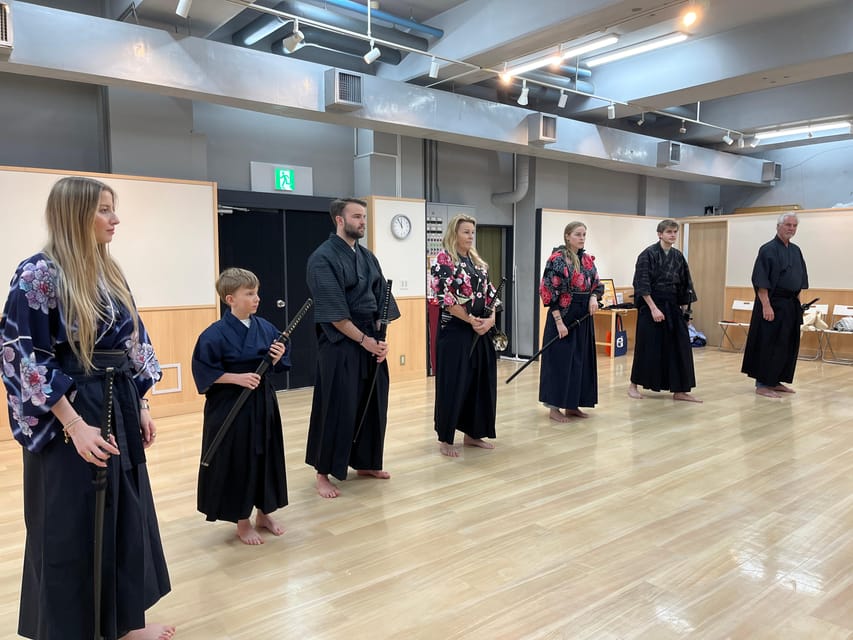
After the kimono part, you’ll shift into Reigi sahou, the manners and behavior expected of a Samurai. In practice, this means you’ll learn how to carry yourself—how you enter, how you stand, and the kind of calm, respectful attitude that goes with training.
This isn’t “lecture theater.” It’s tied to the way your body moves during the sword work. When your stance, timing, and attention change, your sword practice looks and feels more controlled. It also helps you get into the role without turning it into a silly cosplay moment.
I especially appreciate that the etiquette lesson is included. A lot of themed activities skip the part where manners are treated as part of the skill. Here, it’s built into the hour, so you leave understanding that Samurai style isn’t only about the weapon—it’s about conduct.
Sword training basics: what you can realistically learn in one hour
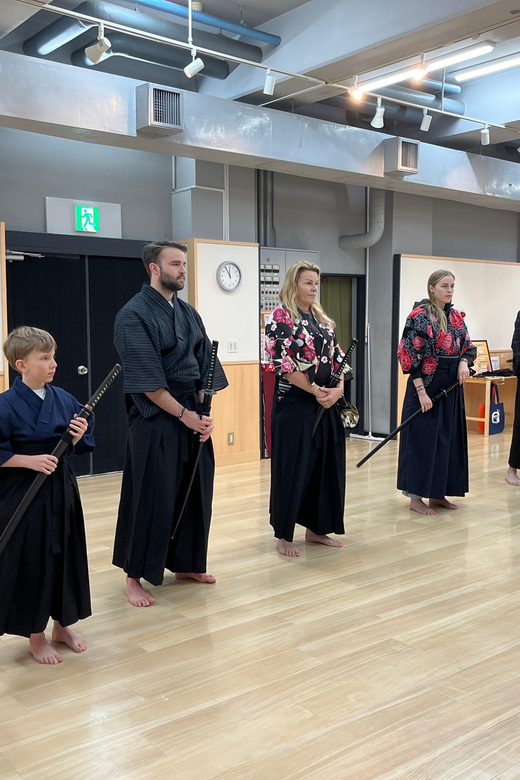
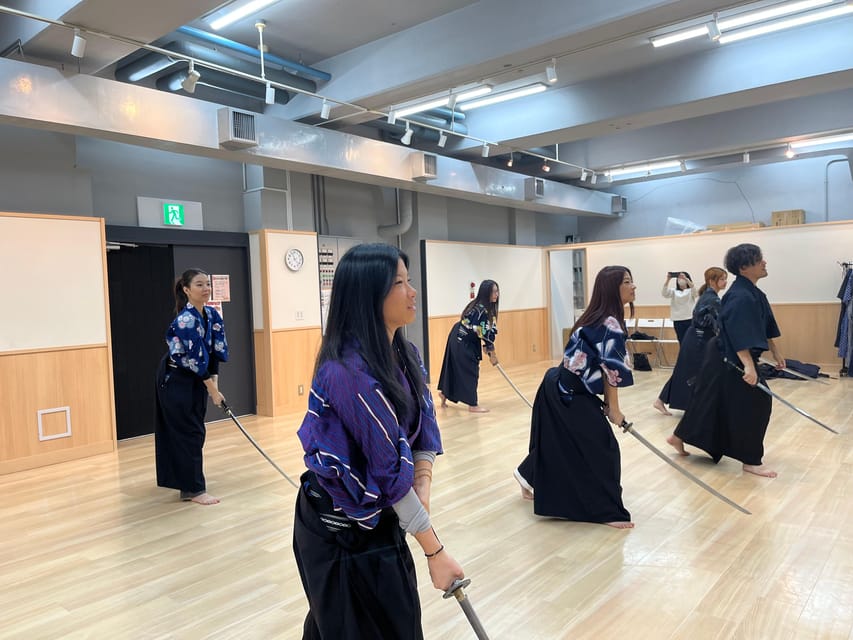
Once you’re dressed and oriented, you’ll start learning basic Samurai sword fighting moves. The key is that the workshop doesn’t demand prior experience. The instructor coaching is central, and you’ll practice the fundamentals enough to feel like you understand the logic of the movement.
Because the session is only 1 hour, you won’t become a swordsman. But you will learn something that’s hard to get from videos: the sequence of body position, the direction of motion, and the timing you need to look correct and stay coordinated.
If you’re nervous about safety or looking awkward, you’ll likely find this works because it’s taught in a guided format with a small group. You get correction when you need it, instead of guessing in a crowd.
- Tokyo: Shinjuku Food Tour (13 Dishes at 4 Local Eateries)★ 5.0 · 6,603 reviews
- Tokyo Mt Fuji 5th St & Hakone Cruise Bus Tour w/Bullet Train★ 4.4 · 5,024 reviews
- Flagship 2-Hours Official Street Go-Kart Tour – Tokyo Bay Shop★ 5.0 · 4,974 reviews
- From Tokyo: Mount Fuji Full-Day Sightseeing Trip★ 4.5 · 4,970 reviews
- Tokyo: Hop-On Hop-Off Sightseeing Bus Ticket★ 3.9 · 4,207 reviews
Tachimawari drills: the stage-style sword movement you’ll recognize
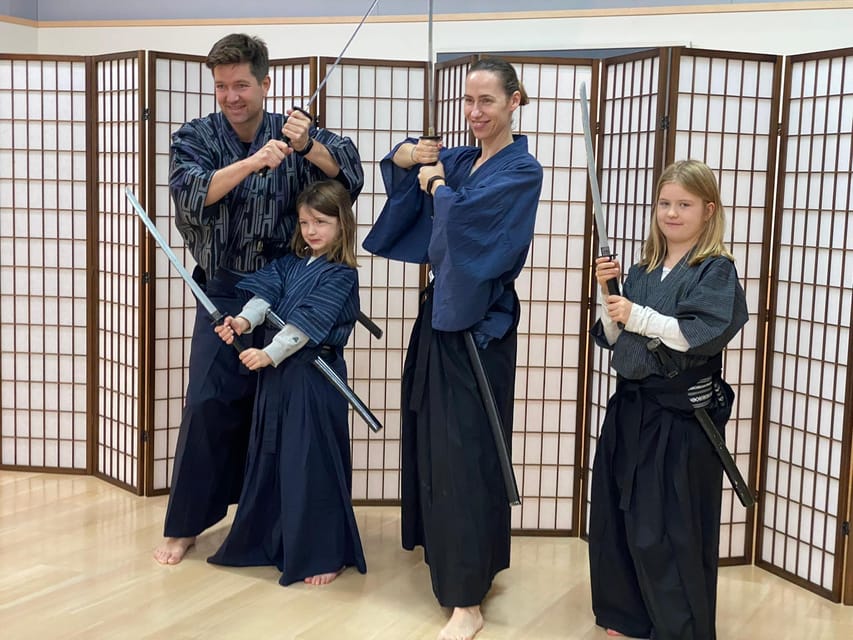
Then comes the fun part: Tachimawari, stylized movements used in sword-fighting scenes. Think of it as choreographed training that borrows from the energy you see in stage and performance contexts, but teaches you how to execute it with your own body mechanics.
In a one-hour class, tachimawari is a smart choice. It gives you a sense of drama and flow, but it’s still structured training. You’ll practice enough to feel what changes when your feet move with your arm, and how your upper body has to stay composed rather than just swinging.
This is also where the etiquette side pays off. If you already practiced the right posture and calm presence, the tachimawari sequence will feel more natural. If you didn’t, it becomes obvious fast—so the workshop wisely layers skills instead of throwing everything at you at once.
Photoshoot with your sword: how to get good pictures without stress
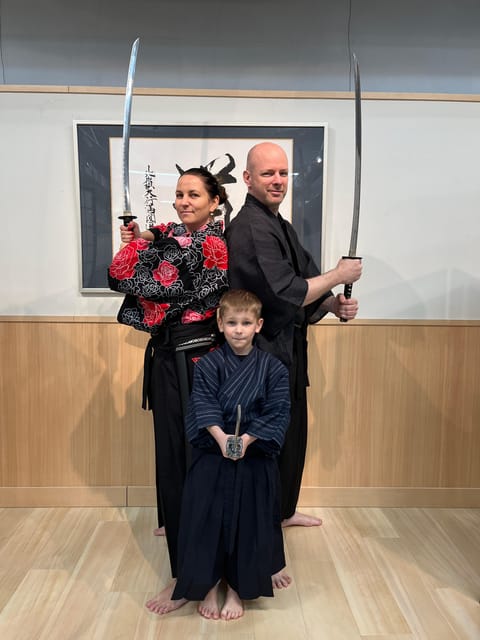
The experience finishes with a photoshoot where you’ll pose while dressed in your Samurai kimono and holding a sword. This is the part most people remember, and it’s also where timing matters.
Here’s how to make it easier on yourself:
- Pay attention during the final guidance so you know where to stand and how to hold the sword safely.
- Keep your posture tall. Even if you’re not perfectly balanced, a good stance makes the photos look intentional.
- Ask for a quick reset if something feels off. In a small group, you’re usually able to get that help.
I like this ending format because it turns your hard work into a shareable result. Instead of leaving with only the feeling of having learned something, you take away a visual reminder of the outfit, the role, and the movements you practiced.
Price and value: is $70 for 1 hour worth it?
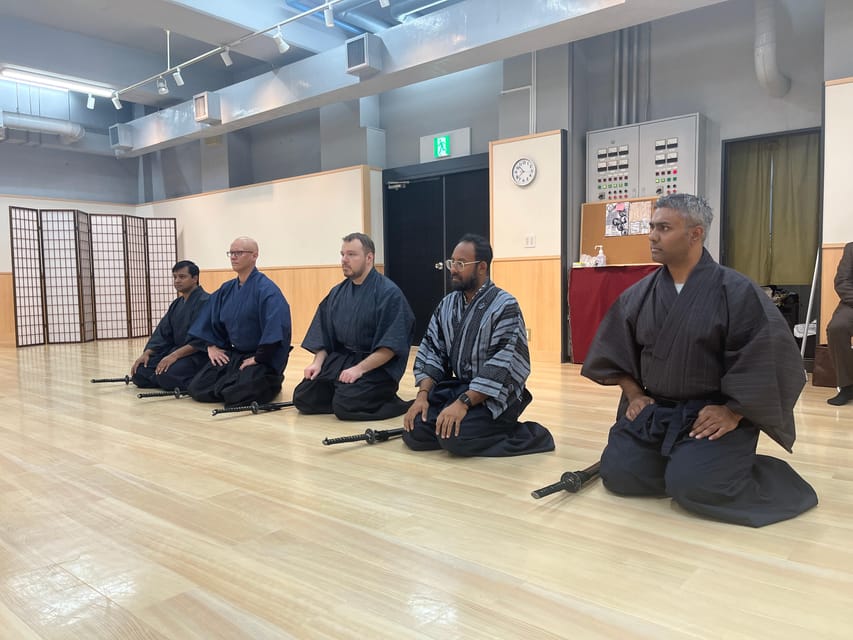
At $70 per person for 1 hour, this isn’t a bargain activity, but it isn’t a luxury-only splurge either. The value comes from what’s included:
- Instructor-led training (etiquette + sword work)
- Samurai kimono to wear
- Samurai etiquette lesson
- Sword fighting experience
- Photoshoot
You’re paying for coaching, equipment support, and the outfit experience—not just a ticket to watch. And because the group is limited to 10 participants, it’s not a giant class where you’re waiting your turn the entire time.
If you like interactive cultural activities where you actually do the thing, it’s a solid use of an hour. If you’re purely chasing low-cost sightseeing, you might feel $70 is steep. But if you want a memorable “Tokyo skill moment” you can describe clearly back home, this price makes more sense.
Who should book Samurai’ve in Harajuku
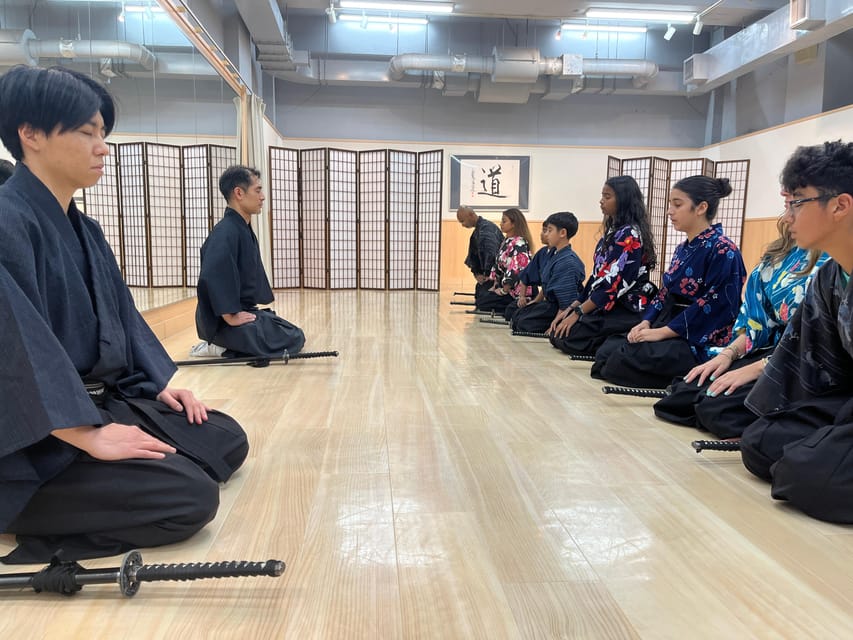
This works best if you want hands-on learning and you enjoy structured practice. It’s designed so that anyone can join regardless of age and gender, as long as you have the Samurai spirit.
That said, it isn’t for everyone. It’s not suitable for children under 5, and it’s not set up for wheelchair users. Also, because there’s movement and stances, you’ll want to be comfortable enough to participate without pain or mobility issues.
I’d especially recommend it to:
- Families with older kids who can follow instructions and handle a short activity
- Couples or friend groups who want something different than another photo walk
- Anyone who likes Japan-themed experiences that include real etiquette and not only costumes
Practical tips so your hour goes smoothly
A few things make a big difference.
First, wear comfortable clothes. You’ll be dressing in the kimono, then moving into sword drills. If your clothes are too restrictive, your focus shifts from learning to adjusting.
Second, accept that it’s a short session. You’ll be able to leave with basic moves and a sense of timing, but you’re not training for a tournament. The goal is fun, confidence, and a correct start.
Third, plan around the location. You’re meeting in a specific spot near Harajuku stations, and you’re not given transportation to the meeting point. If you’re hopping between attractions that day, set enough time to walk over calmly.
Fourth, take the language support seriously. The class includes English, Japanese, and Chinese, so you’re in good shape even if you’re not confident with Japanese.
Should you book this Samurai Experience in Harajuku?
Book it if you want a one-hour activity that mixes role-playing discipline + physical practice + a real costume moment. It’s well suited for people who like guided instruction and don’t mind doing a bit of work for the payoff.
Skip it if you’re looking for a sit-down cultural talk, or if mobility is an issue for you or the person you’re bringing. It also may not fit if your top priority is cheap entertainment; it’s priced for instruction, gear support, and photos.
If you’re on the fence, here’s the simplest rule: if you’d enjoy dressing up, learning manners, and practicing a short set of sword moves you can remember, this is a strong match. If you prefer sightseeing from a distance, you’ll probably be happier with a museum or a walking tour instead.
FAQ
Where is the meeting point?
Enter through the red door and go to the second floor basement. It’s about a 5-minute walk from Kitasandō Station and about an 8-minute walk from Harajuku Station.
How long is the experience?
The duration is 1 hour.
What should I wear?
Bring and wear comfortable clothes. You’ll be changing into a Samurai kimono included in the experience.
What is included in the price?
You get an instructor, a Samurai kimono, an etiquette lesson (Reigi sahou), a sword fighting experience, and a photoshoot.
Do you provide transportation to the meeting point?
No. Transportation to the meeting point is not included.
What languages are available?
The instructor is available in English, Japanese, and Chinese.
Is it suitable for young children or wheelchair users?
It’s not suitable for children under 5 and wheelchair users. It allows people of any gender and age as long as they have the Samurai spirit.
More Tour Reviews in Tokyo
- Mt Fuji and Hakone 1-Day Bus Tour Return by Bullet Train
★ 5.0 · 26,383 reviews - 1-Day Tokyo Bus Tour
★ 5.0 · 14,250 reviews - Tokyo: teamLab Planets TOKYO Digital Art Museum Entry Ticket
★ 4.6 · 9,779 reviews - Mt Fuji & Hakone Cruise, Drum Show Bullet Train 1 Day from Tokyo
★ 4.0 · 7,413 reviews - Tokyo: Shinjuku Food Tour (13 Dishes at 4 Local Eateries)
★ 5.0 · 6,603 reviews
More Samurai and Ninja Sessions
- Tokyo: Samurai Ninja Museum Guided tour and Experience
★ 4.6 · 1,010 reviews - Tokyo: Samurai Sword & Archery Class from Samurai Descendant
★ 5.0 · 603 reviews - Best Samurai Experience in Tokyo
★ 5.0 · 458 reviews - Ninja Experience (Family Friendly) at Samurai Ninja Museum TOKYO
★ 5.0 · 441 reviews - Tokyo: Samurai Entertainment Night Show in Kanda Shrine
★ 4.6 · 417 reviews
Latest Tokyo reviews off our desk






Samurai & Ninja Classes, compared.
 ★ 4.6Samurai Ninja Museum Guided tour and ExperienceFrom $271,010 reviews
 ★ 5.0Samurai Sword & Archery Class from Samurai DescendantFrom $193603 reviews
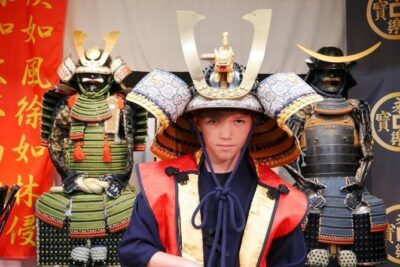 ★ 5.0Best Samurai Experience in TokyoFrom $65458 reviews
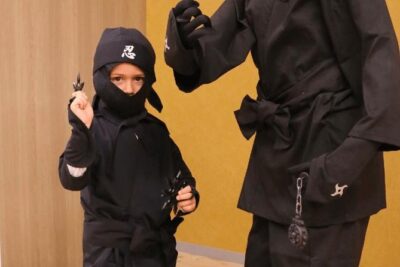 ★ 5.0Ninja Experience (Family Friendly) at Samurai Ninja Museum TOKYOFrom $47441 reviews
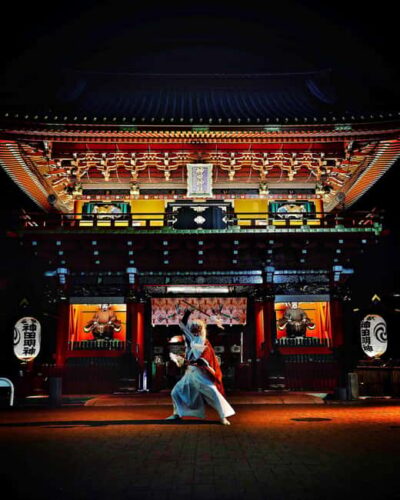 ★ 4.6Samurai Entertainment Night Show in Kanda ShrineFrom $41417 reviews
 ★ 4.2Ninja Kabuki PerformanceFrom $29330 reviews
 ★ 5.0Tokyo Sword Experience – includes Museum Ticket/Ninja ExperienceFrom $84314 reviews
 ★ 4.8Samurai Ninja Museum Asakusa: Samurai Sword Lesson & TourFrom $63306 reviews
Browse the lists this tour appears in