
Reviewed · SAMURAI & NINJA CLASSES
Samurai Experience in Tokyo / SAMURAI’ve
Tokyo and samurai skills in one hour. You start by dressing up, then move into hands-on sword technique and samurai etiquette. I like the clear step-by-step flow—kimono first, manners next, then sword practice—so you feel oriented fast. I also like that the instructors are professional performers, so the class has real showmanship and control. One drawback to plan around: the session time is fixed, so you’ll want to double-check your exact slot before you head to Shibuya.
This is a group class in Sendagaya (Shibuya area) that keeps the group size to a maximum of 19. You’ll be using a practice sword that’s metal, heavy, and not sharpened on the side, which makes it feel authentic without turning your trip into a safety lecture.
For about $71.85 per person and roughly one hour on the clock, it’s strong value if you want more than a costume photo. It may not be ideal if you’re hoping for a long, deep training program or a full performance included by default.
In This Review
- Key things to know before you go
- Samurai’ve in Tokyo: Kimono first, then sword skills
- Kitsuke and Reigi sahou: what “samurai respect” feels like
- The sword lesson: metal katana, basic moves, and Tachimawari
- Meet the performers: teaching style and what to expect in the group
- Photos, costume memories, and the optional performance
- Price and scheduling: value in Shibuya, without wasting time
- Should you book Samurai’ve in Tokyo?
- FAQ
- How long is the Samurai’ve class?
- What time slots are offered?
- What’s included in the price?
- Is the sword real?
- Is there an option to see a samurai performance?
- How big is the group?
- Where do I meet for the class?
- Can kids or beginners participate?
- What’s the cancellation window?
Key things to know before you go
- Kimono dressing included (kitsuke) so you aren’t figuring out a costume on your own
- Reigi sahou covers samurai manners and respect before you handle the sword
- Tachimawari hands-on practice with a metal katana (practice sword)
- Photo shoot at the end with plenty of pictures for your Tokyo memory folder
- Professional samurai performers teach the movements and keep the class fun and safe
Samurai’ve in Tokyo: Kimono first, then sword skills
If you want a Tokyo experience that feels playful but still serious about technique, this one hits the sweet spot. You meet in the Sendagaya (Shibuya) area, at SAMURAI EXPERIENCE in Tokyo / 侍体験 / Sword Fighting Class “SAMURAI’ye”. The location is in a building labeled Shibata Bldg B2, and it’s described as near public transportation—good news if you’re hopping around Tokyo by train.
The session runs about an hour, with two common time windows: 10:30–11:30 and 15:00–16:00. That tight timing is part of the appeal. You get a complete arc: suit up, learn the basics, try a first-hand sequence, then get photos—without burning half your day.
A smart way to think about the experience: it’s not just learning to swing. The structure teaches you how samurai training is presented—through posture, manners, then controlled movement. You might find that you’re more relaxed once you’ve practiced the etiquette portion, because it frames how you hold the sword and how you move around others.
Practical note: arrive a bit early. There’s been at least one case of disappointment when the start time wasn’t clear. So, before you leave your hotel, check your ticket details and confirm the exact start time for your slot.
More blade-and-dojo sessions, reviewed
- Tokyo: Samurai Ninja Museum Guided tour and Experience
★ 4.6 · 1,010 reviews - Tokyo: Samurai Sword & Archery Class from Samurai Descendant
★ 5.0 · 603 reviews - Best Samurai Experience in Tokyo
★ 5.0 · 458 reviews - Ninja Experience (Family Friendly) at Samurai Ninja Museum TOKYO
★ 5.0 · 441 reviews
Kitsuke and Reigi sahou: what “samurai respect” feels like
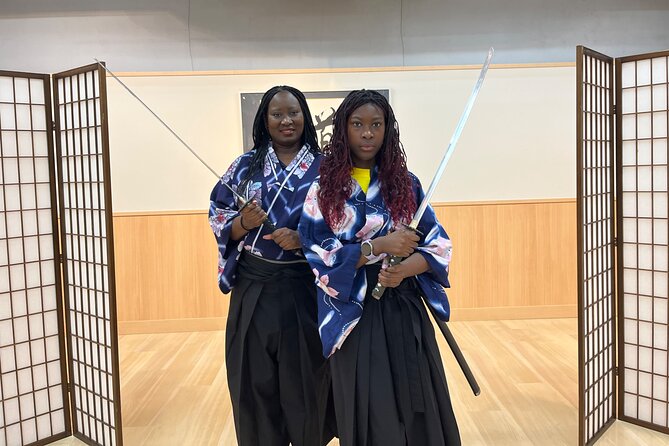
The class begins with Kitsuke, which is the costume portion. You don’t just put on a kimono—you learn how to wear it properly. The practical value here is huge. A lot of “costume experiences” in Tokyo stop at dressing you. This one builds confidence: you’ll understand how the outfit sits so you can move without constantly adjusting it.
Then comes Reigi sahou, focusing on etiquette and manners of the samurai. The training isn’t described like a lecture. It’s part of the lesson flow, so it becomes a reset button for the rest of the session. Once you’ve got that mindset, handling the sword feels less like a stunt and more like a respectful practice.
From the class tone, it also seems designed for mixed groups—families, first-timers, and people who are curious but nervous. One of the standout themes in the feedback is how patient the instructors are. People describe the instructors as fun to work with and very patient, and that matters here. If you’re trying a new body position and learning a sequence at the same time, patience reduces stress quickly.
You’ll also see why this etiquette step is more than just tradition. It gives structure to your timing and your movement. When your teacher says do X before Y, you’re not guessing what comes next. That makes the later sword practice more satisfying—because you’re not overwhelmed when it’s time to act.
The sword lesson: metal katana, basic moves, and Tachimawari
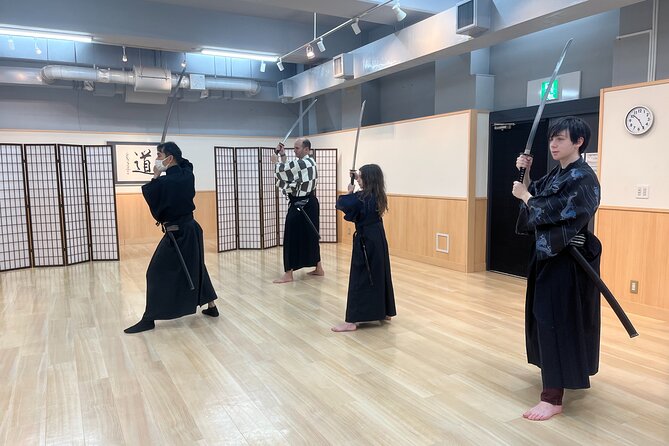
Now the part most people came for: sword practice. You’re given a katana that’s a metal fake sword—and the key detail is that it’s heavy but not sharpened on the side. That heavy weight is exactly why this class feels real. You feel the tool in your hands. You learn why handling matters.
The lesson sequence generally moves like this:
- You get taught the basic moves of samurai sword fighting.
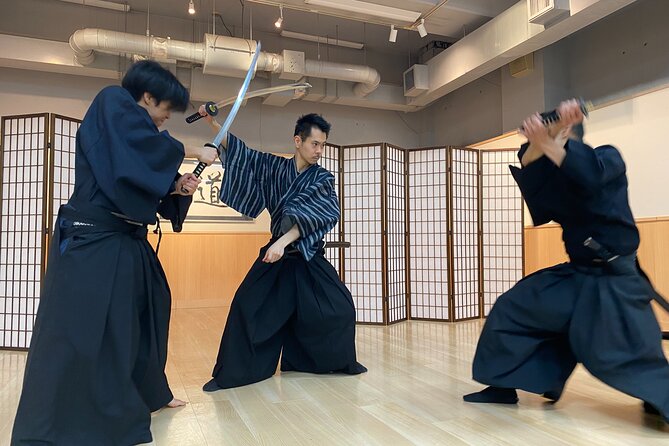
- Then you progress into Tachimawari, where you experience sword fighting first-hand.
- At the end, you put what you practiced into a fuller sequence.
A big reason this matters for your enjoyment: you’re not left with “here’s a move, good luck.” The class guides you from fundamentals to a complete moment. In feedback, people describe the end of the session—putting it all together—as a tremendous amount of fun. That’s the difference between watching a demo and actually getting to perform something yourself.
Safety and realism are balanced. Because the practice sword isn’t sharp, it reduces the risk while keeping the weight and handling authentic. And because the instructors are professional performers, the movements come with control. This comes through in the descriptions of the teachers making the experience safe, even when kids are in the group.
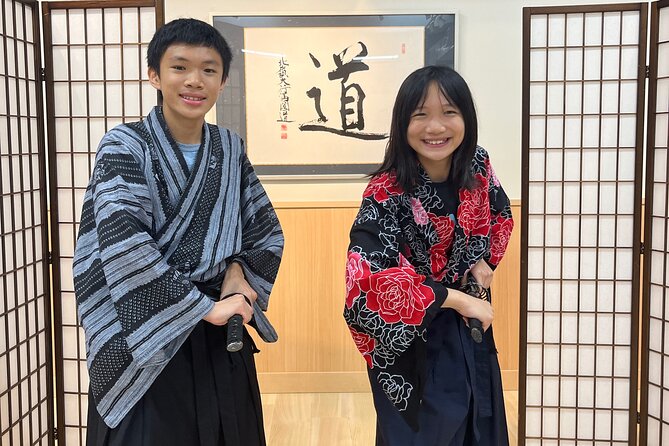
If you’re bringing children or teens, this is one of the strongest reasons to consider the class. One family-style report described it as a highlight for a 10-year-old and 14-year-old, with humor and supportive instruction. The class also describes itself as suitable for most people, which typically means you don’t need prior fighting experience.
If you hate awkward group lessons, you might still enjoy this one. The teaching is hands-on, but the class structure keeps it from turning into chaos. You’re moving through steps with cues, not improvising with strangers.
Meet the performers: teaching style and what to expect in the group
This isn’t a museum talk. The instructors are professional samurai performers who work shows and events. That professional background shows up in how the lesson feels: staged like a performance, but trained like a class.
In the feedback, one instructor is specifically named: Master Shin. People describe him as talented and experienced, and they mention he used humor while working with young teens. That style matters because sword practice can make people self-conscious. Humor and clear guidance help you relax into the movements.
You’ll also notice there are assistants in the mix. One report highlights that an assistant was very helpful and took a lot of pictures. Another mentions that instructors took many pictures for posting. So plan on a more guided group atmosphere than a DIY “take a photo and leave” setup.
Group size is capped at 19, which keeps the experience personal enough. You’ll likely get direct attention when you’re adjusting your stance or learning the sequence. Smaller groups also help with safety—less crowding near the practice space.
If you’re the type who worries about being the slowest person in the room, this is the kind of activity that can surprise you. The combination of step-by-step instruction, patient teaching, and a final sequence means you’re judged less on speed and more on progress through the lesson.
Photos, costume memories, and the optional performance
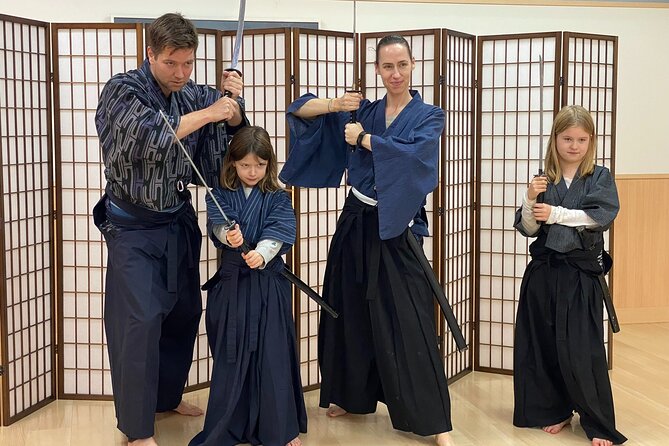
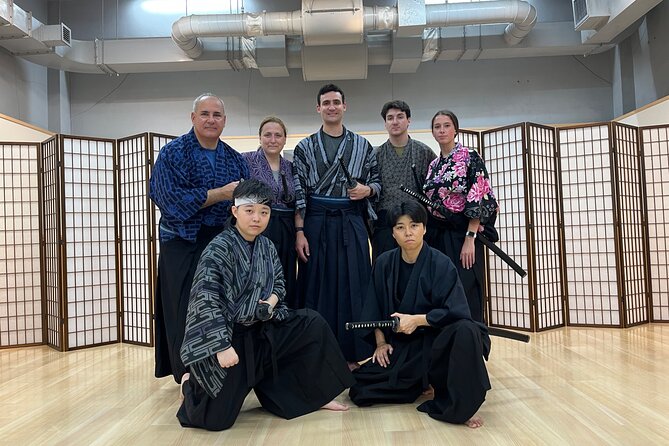
The class ends with a photo shoot. This is more than a quick selfie moment. You wear the full costume, and you get photographed as part of the experience arc. People specifically mention taking plenty of photographs and getting pictures to post. That makes the class a practical souvenir. You don’t have to coordinate your own timer or wait for a stranger to take the shot.
There’s also an optional add-on: you can incorporate a samurai performance by the instructors during your session. It requires additional fees, so you’ll want to consider whether you’re okay paying extra for a show component.
How to decide if that performance is worth it:
- If you love theater and want the class to feel like a mini night out, it’s a good match.
- If you’re already getting your culture fix with other Tokyo plans, you might prefer keeping this as the hands-on highlight and skipping the extra spend.
Either way, the base experience already covers the key elements: costume, etiquette basics, sword practice, and photos. The performance is like icing, not the foundation.
A small practical upside: there are mentions of clean clothing and a neat place. That’s not a glamorous detail, but it affects comfort—especially if you’re getting dressed and moving around in traditional garments.
- Tokyo: Shinjuku Food Tour (13 Dishes at 4 Local Eateries)★ 5.0 · 6,603 reviews
- Tokyo Mt Fuji 5th St & Hakone Cruise Bus Tour w/Bullet Train★ 4.4 · 5,024 reviews
- Flagship 2-Hours Official Street Go-Kart Tour – Tokyo Bay Shop★ 5.0 · 4,974 reviews
- From Tokyo: Mount Fuji Full-Day Sightseeing Trip★ 4.5 · 4,970 reviews
- Tokyo: Hop-On Hop-Off Sightseeing Bus Ticket★ 3.9 · 4,207 reviews
Price and scheduling: value in Shibuya, without wasting time
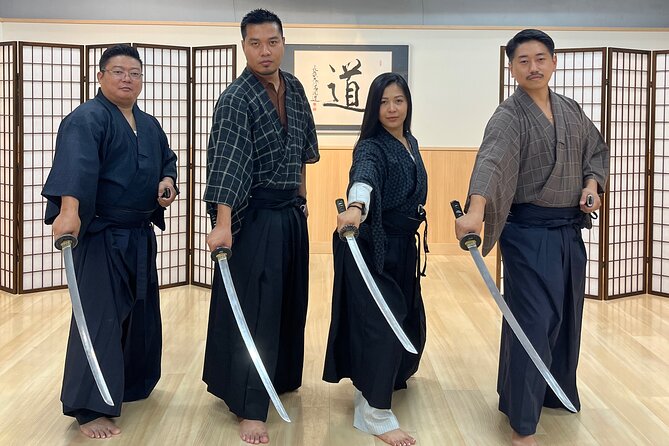
Let’s talk value. The price is $71.85 per person, and the class lasts about one hour. For many Tokyo activities, the cost comes from location or guided sightseeing. Here, you’re paying for equipment (the practice sword), instruction, costume support, and a photo shoot, all in a single package.
That matters because it compresses planning. You don’t need to book separate kimono dressing, separate sword training, and separate photo service. One booking does it all, and it’s built to run on schedule.
Booking timing is also worth noting. This experience is often booked around 70 days in advance on average. That suggests demand is real, and time slots may fill up. If you already know your travel dates, it’s wise to lock in your session early—especially if you prefer the morning window or the afternoon slot.
Logistics are straightforward on paper: it’s near public transportation, it’s a group class, and it returns to the meeting point. The meeting point is specific (Shibata Bldg B2), so I strongly suggest you confirm the address details and arrive with enough buffer time to find the entrance level.
One final practical point: avoid last-minute schedule confusion. Because start times are fixed (not a flexible “any time window”), double-check your exact slot before leaving. If you’re traveling with kids, this matters even more—everyone gets grumpy when plans slip.
Should you book Samurai’ve in Tokyo?
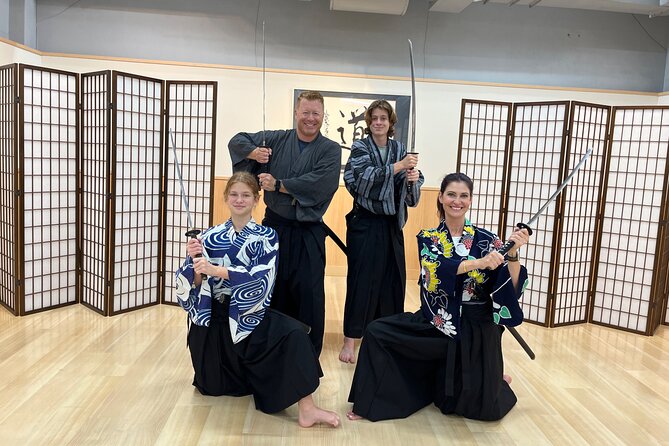
I think it’s worth booking if you want a hands-on Tokyo activity that’s structured, safe-feeling, and actually memorable. The big strengths are the combination of kimono dressing, etiquette training, and real sword practice using a metal practice katana, followed by a photo shoot. With instructors who include professional performance experience—and the named instructor Master Shin praised for humor and patient teaching—it’s easy to see why people call it a highlight.
Skip it if you want a long, serious martial arts course or if you only want a quick photo moment. This class is one hour. It gives you a fun and solid introduction, not years of training.
If you’re on the fence, here’s the deciding question: Do you want Tokyo culture through action—dressing up, learning a sequence, and leaving with photos? If yes, book it. If not, you might be happier with a show or a longer sightseeing day.
FAQ
How long is the Samurai’ve class?
The experience runs about 1 hour.
What time slots are offered?
The listed program times are 10:30–11:30 and 15:00–16:00.
What’s included in the price?
You get samurai costumes and a katana (metal fake sword). The class also includes the structured program steps and a photo shoot.
Is the sword real?
The katana provided is described as a metal fake sword. It is metal and heavy, and it’s not sharpened on the side.
Is there an option to see a samurai performance?
Yes. A samurai performance by the instructors can be arranged to be incorporated during the program, but it requires additional fees.
How big is the group?
The maximum group size is 19 people.
Where do I meet for the class?
You meet at SAMURAI EXPERIENCE in Tokyo / 侍体験 / Sword Fighting Class “SAMURAI’ve” at Shibuya, Sendagaya, 3-chōme, Shibata Bldg B2 (151-0051 Tokyo).
Can kids or beginners participate?
The experience says most people can participate. Feedback includes families with kids, and instruction is described as patient and safe for newcomers.
What’s the cancellation window?
Cancellation is free up to 24 hours before the experience start time for a full refund.
More Tour Reviews in Tokyo
- Mt Fuji and Hakone 1-Day Bus Tour Return by Bullet Train
★ 5.0 · 26,383 reviews - 1-Day Tokyo Bus Tour
★ 5.0 · 14,250 reviews - Tokyo: teamLab Planets TOKYO Digital Art Museum Entry Ticket
★ 4.6 · 9,779 reviews - Mt Fuji & Hakone Cruise, Drum Show Bullet Train 1 Day from Tokyo
★ 4.0 · 7,413 reviews - Tokyo: Shinjuku Food Tour (13 Dishes at 4 Local Eateries)
★ 5.0 · 6,603 reviews
More Samurai and Ninja Sessions
- Tokyo: Samurai Ninja Museum Guided tour and Experience
★ 4.6 · 1,010 reviews - Tokyo: Samurai Sword & Archery Class from Samurai Descendant
★ 5.0 · 603 reviews - Best Samurai Experience in Tokyo
★ 5.0 · 458 reviews - Ninja Experience (Family Friendly) at Samurai Ninja Museum TOKYO
★ 5.0 · 441 reviews - Tokyo: Samurai Entertainment Night Show in Kanda Shrine
★ 4.6 · 417 reviews
Latest Tokyo reviews off our desk






Samurai & Ninja Classes, compared.
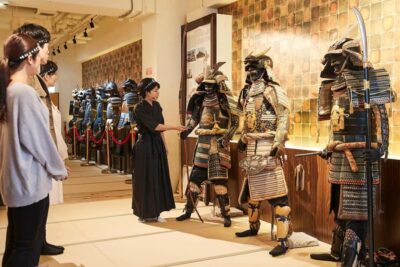 ★ 4.6Samurai Ninja Museum Guided tour and ExperienceFrom $271,010 reviews
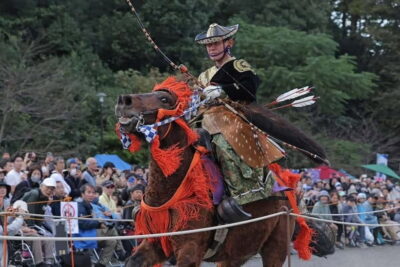 ★ 5.0Samurai Sword & Archery Class from Samurai DescendantFrom $193603 reviews
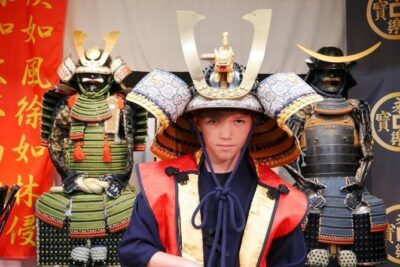 ★ 5.0Best Samurai Experience in TokyoFrom $65458 reviews
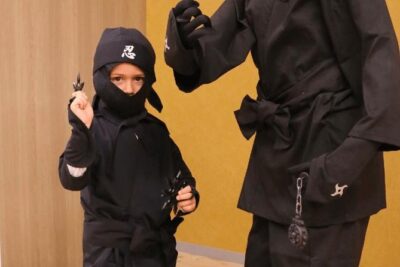 ★ 5.0Ninja Experience (Family Friendly) at Samurai Ninja Museum TOKYOFrom $47441 reviews
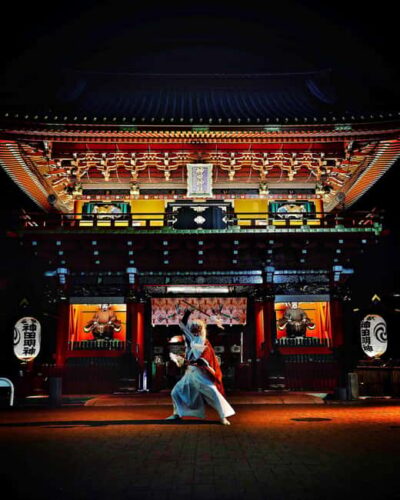 ★ 4.6Samurai Entertainment Night Show in Kanda ShrineFrom $41417 reviews
 ★ 4.2Ninja Kabuki PerformanceFrom $29330 reviews
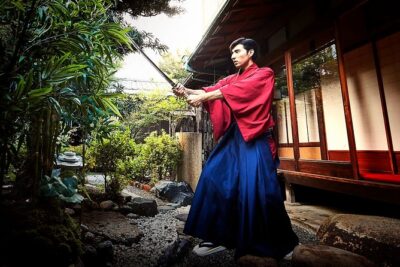 ★ 5.0Tokyo Sword Experience – includes Museum Ticket/Ninja ExperienceFrom $84314 reviews
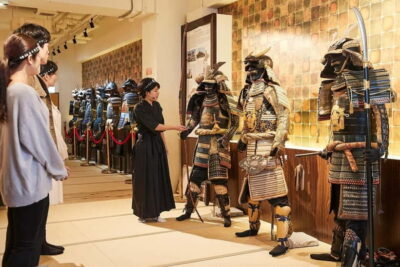 ★ 4.8Samurai Ninja Museum Asakusa: Samurai Sword Lesson & TourFrom $63306 reviews
Browse the lists this tour appears in