
Reviewed · SAMURAI & NINJA CLASSES
Samurai Experience – Learn Bushido through Kendo, in Tokyo
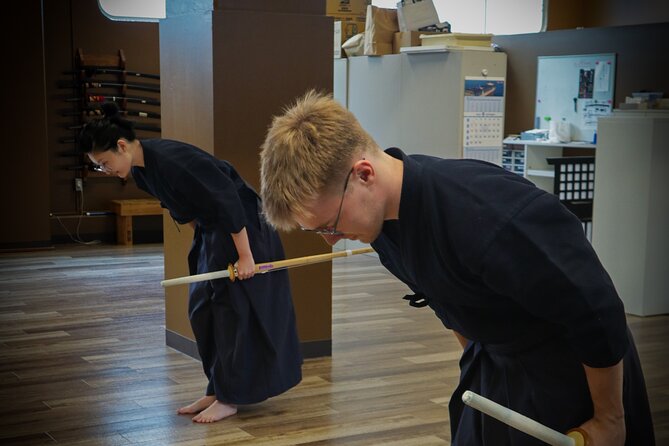
Tokyo’s samurai lesson starts fast. This 2-hour kendo class teaches Bushido through how you stand, bow, and move, before you ever swing a sword. You’ll work toward Ki-Ken-Tai-Itchi (spirit, sword, body) and finish with a match and instructor demonstrations that feel real, not staged.
What I like most is the order of operations. The training begins with etiquette and mindset, then moves to footwork (Tai) and sword work (Ken), so you’re not just copying movements. I also like the small-group feel, capped at 8, with English support and patient instruction from instructors like Daichi and Makoto—ideal if you’re new.
One thing to plan for: this is physical. If you’re sensitive to heat, the armored gear can feel warm during the session, with only short breaks for cooling down.
In This Review
- Quick hits before you go
- Bowing first: how this kendo lesson builds the samurai mindset
- Ki-Ken-Tai-Itchi: spirit, sword, and body as one strike
- Tai: footwork that makes beginners look less clumsy
- Ken: learning the shinai and building a real swing
- The match moment: when it stops being practice and starts being kendo
- Instructor demos: see control, not spectacle
- Where the dojo fits into your Tokyo day
- What you’re really paying for: value behind the $103 price
- Who should book this kendo Bushido class
- FAQ help: the practical stuff you’ll want to know
- FAQ
- Can I book a private session?
- Will I receive photos or videos from the session?
- Is the dojo far from central Tokyo?
- Is the experience conducted in English?
- Do I need to bring anything?
- Is this class okay if I’m not athletic?
- What if my schedule doesn’t fit the listed dates?
- Can large groups participate?
- What is the cancellation policy?
- Should you book Samurai Experience – Learn Bushido through Kendo in Tokyo?
Quick hits before you go
- Bowing is training, not a photo op: you calm your mind and practice respect before anything sharp is involved.
- Ki-Ken-Tai-Itchi is the roadmap: spirit, sword, and body are taught as one connected strike.
- You learn basics in layers: greetings, footwork, sword handling, then controlled sparring and match time.
- English instruction is built in: you can ask questions and follow along clearly.
- Small group up to 8: you get more attention than large, fast “try it once” classes.
- Photos and videos after: your session is recorded, then sent to you by email afterward.
Bowing first: how this kendo lesson builds the samurai mindset
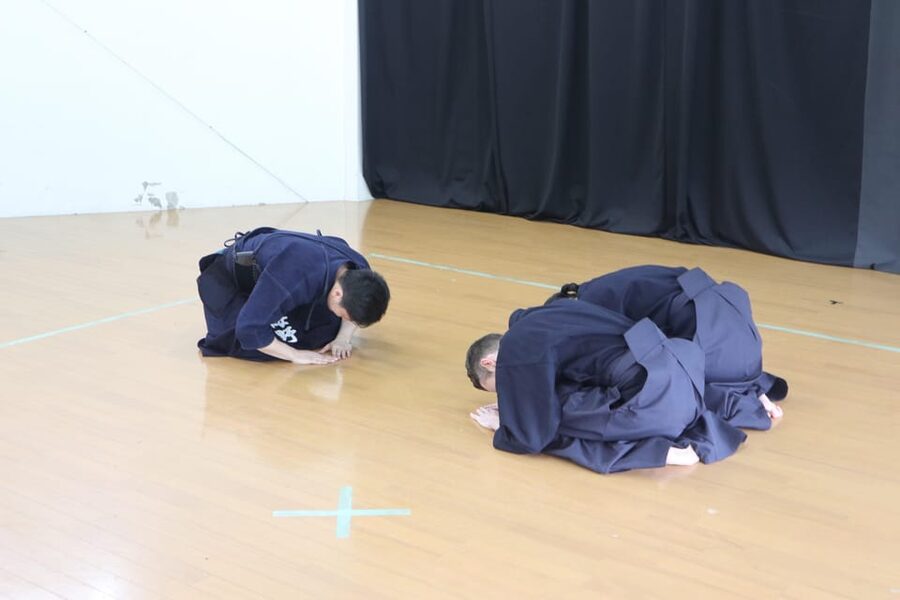
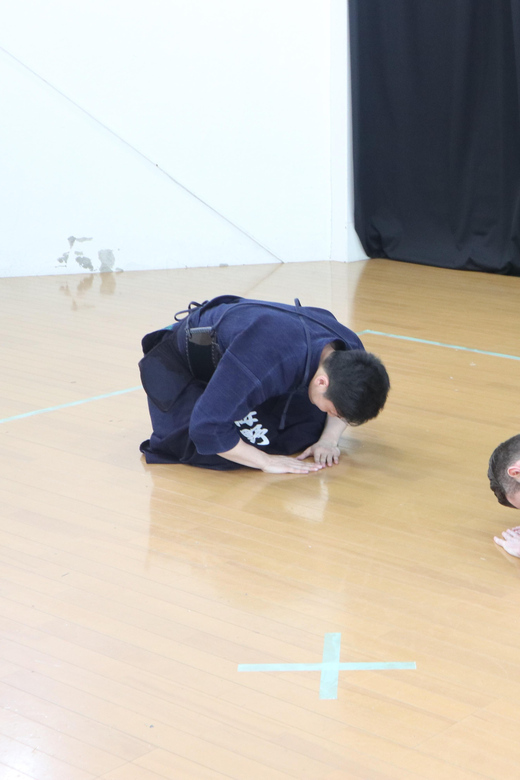
Kendo starts with a simple idea: your body follows your mind. So before anyone talks tactics, you begin with etiquette. You’ll pause, calm down, and bow—clearly taught as respect and mental focus, not as a stiff ritual you do only for tourists.
I like this approach because it changes what kendo feels like. The gear is cool, sure. But the bowing and the calm before training makes the whole class more intentional. You’re not walking into a chaos-of-the-day martial arts demo. You’re stepping into a discipline where the room goes quiet when it’s time to practice.
You’ll also learn how samurai express presence and fighting spirit without using anger. That matters for beginners, because it gives you a safer goal: focus your intent. The class frames “power” as controlled energy, not wild strength.
More blade-and-dojo sessions, reviewed
- Tokyo: Samurai Ninja Museum Guided tour and Experience
★ 4.6 · 1,010 reviews - Tokyo: Samurai Sword & Archery Class from Samurai Descendant
★ 5.0 · 603 reviews - Best Samurai Experience in Tokyo
★ 5.0 · 458 reviews - Ninja Experience (Family Friendly) at Samurai Ninja Museum TOKYO
★ 5.0 · 441 reviews
Ki-Ken-Tai-Itchi: spirit, sword, and body as one strike
This experience doesn’t throw you straight into swinging. It teaches a structure you can remember: Ki-Ken-Tai-Itchi. That’s the idea that spirit (Ki), sword (Ken), and body (Tai) must connect.
Here’s how that shows up in your training:
- Ki (spirit): you practice focused intent. It’s about being present, not getting emotional.
- Tai (body): you work on grounded, balanced footwork so you can move and recover without wobbling.
- Ken (sword): you learn how to hold the bamboo sword (shinai) and swing with proper technique.
The important part for you: the class keeps tying these elements together. When you finally “strike” in a way that resembles real kendo, it’s not random arm motion. It’s a connected movement that starts in your stance and ends in the point of impact.
If you want one takeaway you can use at home: treat your strike like a whole-body sentence. If you only practice the ending (the swing), you’ll struggle. This class fixes that by teaching the full grammar first.
Tai: footwork that makes beginners look less clumsy
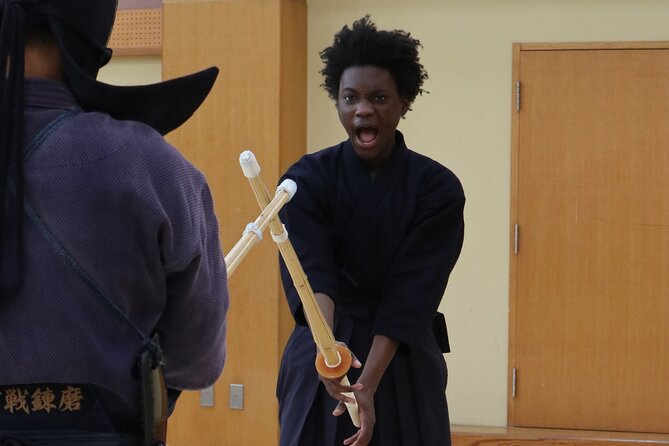
Kendo footwork is where most first-timers feel weird. Your feet want to hop, your balance wants to drift, and your brain wants to rush ahead of your body.
In this class, the Tai part is the correction. You practice traditional steps designed to keep you grounded and ready—so you can move forward, adjust, and hold your balance under pressure. It’s also where your posture and timing become “yours,” not just borrowed from an instructor’s demo.
One reason this matters for travel value: footwork is practical. Even if you never join a local kendo club, you’ll leave with the feeling of coordinated movement. And if you do join later, you’ll already understand why kendo emphasizes stance and recovery so much.
Ken: learning the shinai and building a real swing
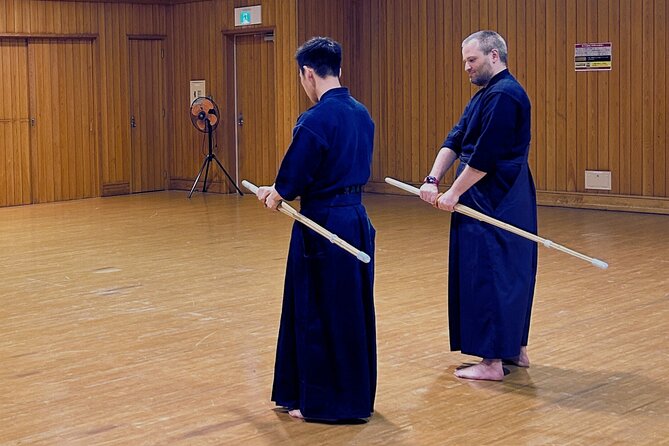
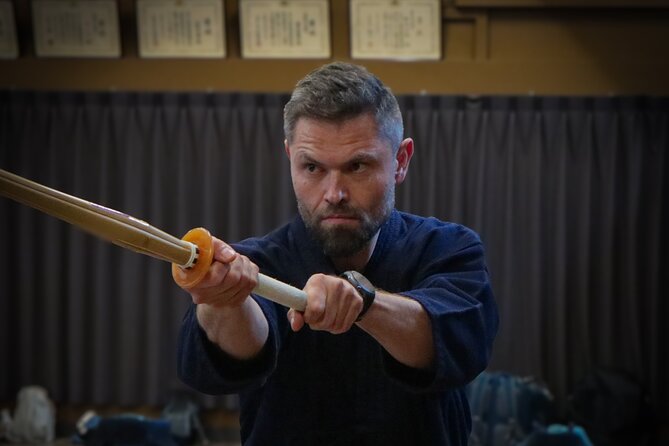
Once the foundation is in place, you move to Ken: learning how to hold and swing the sword. You’ll use the bamboo sword (shinai), and the instructors guide you step-by-step so you can feel what correct movement looks like.
What’s smart here is pacing. The class builds your technique gradually:
1) how to handle the shinai,
2) how to move with it,
3) how to connect your body and your sword motion.
Some participants have specifically mentioned learning basics that go beyond swinging—like how to greet, and how to draw or manage the training sword, plus folding technique for the equipment. Even if your session focuses slightly differently, expect the instructors to explain fundamentals clearly and give you chances to repeat them until it clicks.
Also: you don’t have to bring gear. The class supplies kendo attire and the shinai. That’s a real convenience in Tokyo, where everything already costs time and energy.
The match moment: when it stops being practice and starts being kendo
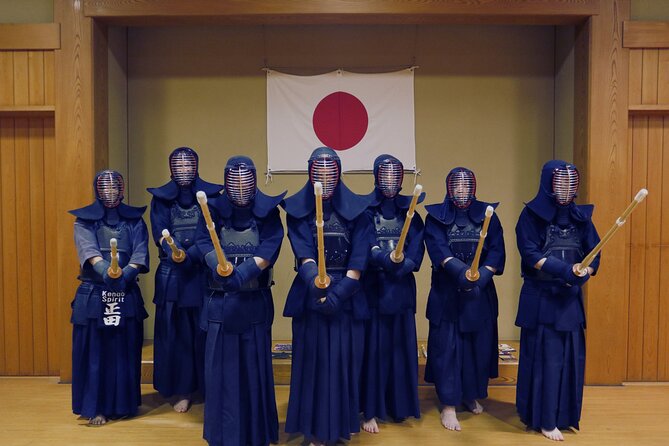
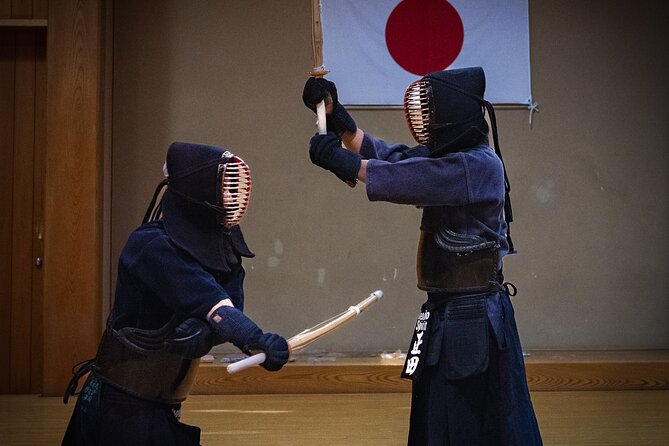
At some point, you stop doing drills and you do kendo. The experience includes a match section where you put what you practiced into a real kendo-like scenario.
This is where the training becomes memorable. It’s not a game of tapping each other for fun. The class makes it competitive in the “real rules, controlled safety” sense. You’ll feel pressure up close, especially if you choose to challenge a veteran instructor.
That pressure can be intense—in a useful way. One participant described freezing for a moment when the sword was pointed at them. That’s not about fear; it’s the body reacting to the reality of the distance and timing. You’ll learn fast once your senses wake up.
And if you’re worried about being unathletic: you can still join. The experience is designed for beginners. Instruction is paced so everyone can participate, and the small group size helps the instructors correct you without rushing you.
- Tokyo: Shinjuku Food Tour (13 Dishes at 4 Local Eateries)★ 5.0 · 6,603 reviews
- Tokyo Mt Fuji 5th St & Hakone Cruise Bus Tour w/Bullet Train★ 4.4 · 5,024 reviews
- Flagship 2-Hours Official Street Go-Kart Tour – Tokyo Bay Shop★ 5.0 · 4,974 reviews
- From Tokyo: Mount Fuji Full-Day Sightseeing Trip★ 4.5 · 4,970 reviews
- Tokyo: Hop-On Hop-Off Sightseeing Bus Ticket★ 3.9 · 4,207 reviews
Instructor demos: see control, not spectacle
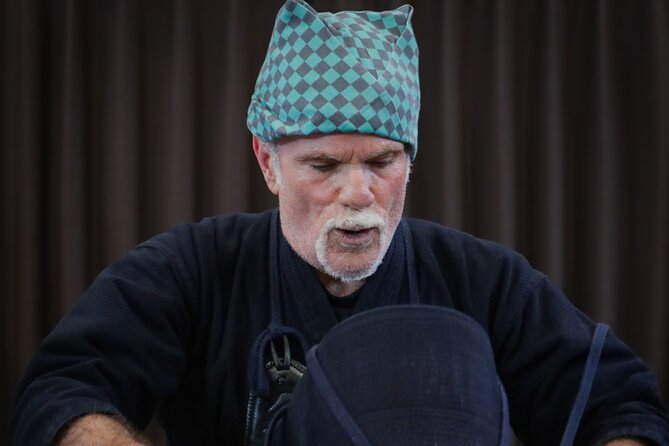
After you train, you’ll watch a demonstration match between instructors. This isn’t a show put on for cameras. It’s a chance to witness what real technique looks like when experienced kendo practitioners are fully coordinated—spirit, body, and sword working together without waste.
The value for you is clarity. Watching the match helps you understand what your own body is trying to learn. You can spot the footwork timing. You can see how control looks when it’s calm. And you’ll likely notice that “power” comes from stability and intent, not frantic movement.
You also finish with closing etiquette. Everyone bows once more at the end, carrying the respect tone out of the dojo instead of letting the experience dissolve into chaos.
Where the dojo fits into your Tokyo day
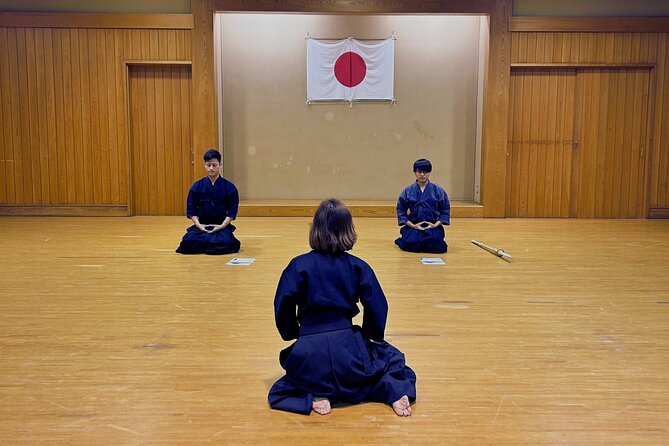
The location is convenient: the dojo is about 15 minutes from Tokyo Station. That matters because kendo training has a built-in rhythm. You’ll want a smooth start and not a stressful commute when you’re dressed in gear.
Group size is limited to 8 participants. In practice, that means you’re not just standing in a line waiting for your turn. You’ll get more coaching, and it’s easier for the instructors to keep the room focused.
Language is also a big deal here. The session is conducted in English, and you can ask questions throughout. Even if you’re a total beginner, you’ll be able to follow along without guessing.
One more practical note: the room is active. A couple of participants noted the session can feel warm once you add movement and protective gear. If you’re heat-sensitive, plan to drink water and take the offered rest breaks seriously.
What you’re really paying for: value behind the $103 price
At $103 per person for 2 hours, this isn’t a bargain bargain. It’s also not a luxury “put on a costume” experience. It lands in a fair value zone because you’re getting a complete practice arc.
You’re paying for:
- A structured lesson, not just random attempts
- Kendo attire and shinai provided for you
- Drinks during the experience
- A match segment where you actually test the basics
- Photos and videos taken by the team and sent afterward
- Souvenirs
When you factor in the gear, the instructor time, and the recording, $103 starts to make sense. In Tokyo, finding an authentic, guided activity with that equipment and coaching quality under a tight time window is hard.
Plus, the class’s “spirit first” approach is part of the value. Many experiences focus on the sword. This one focuses on what the sword is supposed to represent: discipline, respect, and self-control.
Who should book this kendo Bushido class
Book it if you want Japan beyond surface-level sights. This is for people who care about discipline, respect, and meaning, and who would rather feel a tradition through the body than just read about it.
It also works well for:
- beginners with zero kendo experience
- visitors who want a structured activity that teaches real fundamentals
- anyone interested in martial arts, samurai culture, or budo in general
It may not be the best fit if:
- you’re pregnant (not suitable)
- you have a baby under 1 year in your group (not suitable)
- you’re over 95 years old (not suitable)
Also note the general rules: alcohol and drugs aren’t allowed.
FAQ help: the practical stuff you’ll want to know
FAQ
Can I book a private session?
Yes. Before payment, add Exclusive Private Session, with one add-on per group. Private sessions are only available on dates that still show 8 available spots.
Will I receive photos or videos from the session?
Yes. The team takes photos and videos during the experience, and the data is sent to you by email afterward.
Is the dojo far from central Tokyo?
No. It’s within about 15 minutes of Tokyo Station.
Is the experience conducted in English?
Yes. The session is conducted in English, and you can ask questions during the class.
Do I need to bring anything?
Nothing at all. Kendo attire and equipment are provided, and drinks are included.
Is this class okay if I’m not athletic?
Yes. Most participants are beginners. The group stays small and instruction is paced carefully.
What if my schedule doesn’t fit the listed dates?
They may be able to arrange a session outside the listed dates. Contact them to ask.
Can large groups participate?
Yes. Large groups can be arranged, but you should contact them in advance.
What is the cancellation policy?
Free cancellation is available up to 24 hours in advance for a full refund.
Should you book Samurai Experience – Learn Bushido through Kendo in Tokyo?
I’d book it if you want a Tokyo activity that feels genuinely Japanese and structured, with discipline built into the lesson. The biggest reasons to choose it are the clear progression (etiquette to Ki to Tai to Ken), the small group size, and the fact that you end with a match and instructor demonstration instead of stopping at a basic “try it” moment.
If you want a calm, meaningful break from sightseeing that still gets your heart rate up, this fits well. Just go in with a beginner mindset, respect the routine, and be ready for the gear to feel warm once you start moving.
More Tour Reviews in Tokyo
- Mt Fuji and Hakone 1-Day Bus Tour Return by Bullet Train
★ 5.0 · 26,383 reviews - 1-Day Tokyo Bus Tour
★ 5.0 · 14,250 reviews - Tokyo: teamLab Planets TOKYO Digital Art Museum Entry Ticket
★ 4.6 · 9,779 reviews - Mt Fuji & Hakone Cruise, Drum Show Bullet Train 1 Day from Tokyo
★ 4.0 · 7,413 reviews - Tokyo: Shinjuku Food Tour (13 Dishes at 4 Local Eateries)
★ 5.0 · 6,603 reviews
More Samurai and Ninja Sessions
- Tokyo: Samurai Ninja Museum Guided tour and Experience
★ 4.6 · 1,010 reviews - Tokyo: Samurai Sword & Archery Class from Samurai Descendant
★ 5.0 · 603 reviews - Best Samurai Experience in Tokyo
★ 5.0 · 458 reviews - Ninja Experience (Family Friendly) at Samurai Ninja Museum TOKYO
★ 5.0 · 441 reviews - Tokyo: Samurai Entertainment Night Show in Kanda Shrine
★ 4.6 · 417 reviews
Latest Tokyo reviews off our desk




Samurai & Ninja Classes, compared.
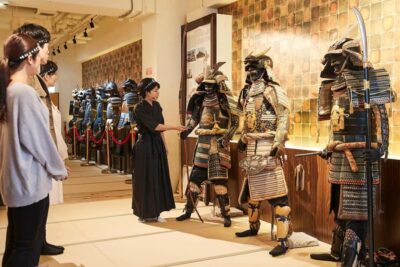 ★ 4.6Samurai Ninja Museum Guided tour and ExperienceFrom $271,010 reviews
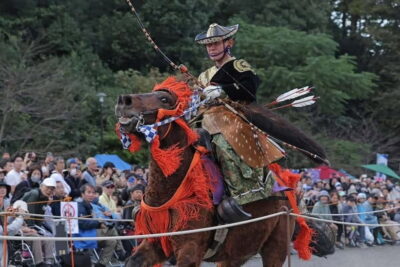 ★ 5.0Samurai Sword & Archery Class from Samurai DescendantFrom $193603 reviews
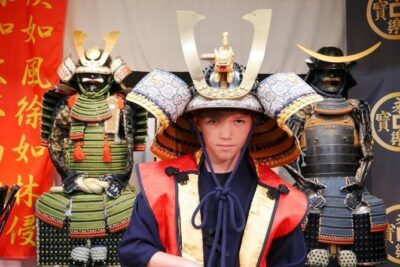 ★ 5.0Best Samurai Experience in TokyoFrom $65458 reviews
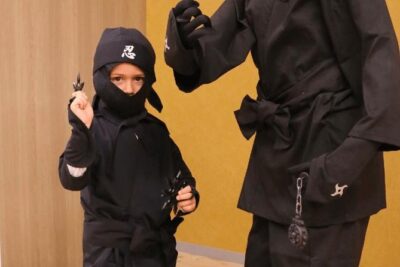 ★ 5.0Ninja Experience (Family Friendly) at Samurai Ninja Museum TOKYOFrom $47441 reviews
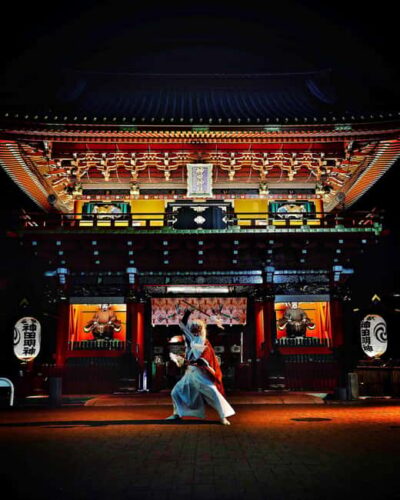 ★ 4.6Samurai Entertainment Night Show in Kanda ShrineFrom $41417 reviews
 ★ 4.2Ninja Kabuki PerformanceFrom $29330 reviews
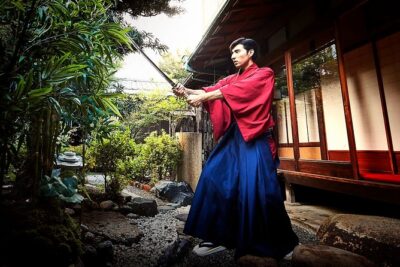 ★ 5.0Tokyo Sword Experience – includes Museum Ticket/Ninja ExperienceFrom $84314 reviews
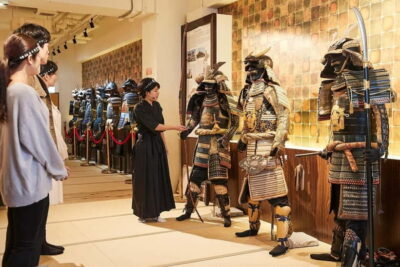 ★ 4.8Samurai Ninja Museum Asakusa: Samurai Sword Lesson & TourFrom $63306 reviews
Browse the lists this tour appears in